
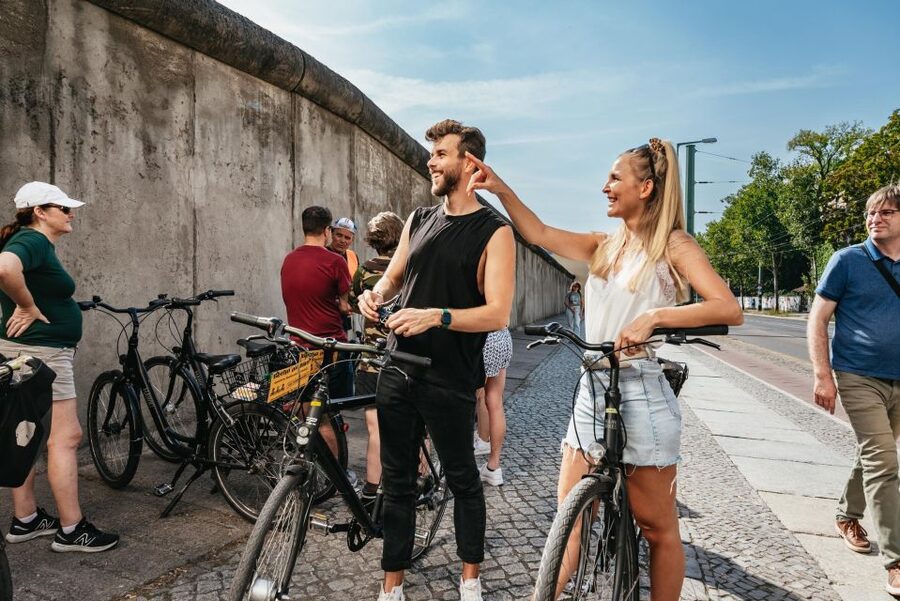
Reviewed · THIRD REICH & COLD WAR TOURS
Berlin: Cold War Era History Guided Bike Tour
Berlin’s Cold War story makes the most sense when you follow the former Berlin Wall line instead of viewing isolated memorials. This bike tour connects Mauerpark, Bernauerstraße, Bornholmerstraße, Checkpoint Charlie, a surviving watchtower, and Brandenburg Gate in one steady route. You get the geography as well as the history.
I like two things right away: the relaxed pace makes 15 kilometers manageable, and the guides add the human stories that maps and plaques cannot. Guides including Paul, Lauren, Oleg, Ana, and James have been praised for clear explanations, humor, patience, and strong storytelling. The main caution is simple: street events or a large group can force route changes, and the tour still requires several hours in the saddle.
In This Review
- Key points to know before you ride
- Starting at the Kulturbrauerei in Prenzlauer Berg
- Mauerpark and the first traces of division
- Bernauerstraße and the human cost of the Wall
- Bornholmerstraße and the Wall’s sudden collapse
- The last watchtower and stories of escape
- Checkpoint Charlie, a famous symbol with a complicated role
- Riding toward Brandenburg Gate
- What the cycling is really like
- Guides make the difference
- Price, timing, and who gets the best value
- A few practical ways to improve the ride
- Should you book this Berlin Wall bike tour?
- FAQ
- How long does the Cold War bike tour last?
- How far does the tour travel?
- Where does the tour start?
- How do I reach the meeting point from Alexanderplatz?
- Which places does the route visit?
- Is a bicycle provided?
- Are helmets and other equipment available?
- Which languages are offered, and can I book a private group?
Key points to know before you ride

- Follow the Wall through several neighborhoods: The route links Mauerpark, Bernauerstraße, Bornholmerstraße, Checkpoint Charlie, and Brandenburg Gate.
- Expect about 15 kilometers at an easy pace: This is city cycling rather than a race, but comfortable clothing and shoes matter.
- Choose your own bicycle: The depot has a large fleet, with different bikes to suit different riders.
- Listen for personal escape stories: The guide explains successful and tragic attempts to cross the border, along with the Wall’s effect on ordinary Berliners.
- Start at a striking old brewery: The Kulturbrauerei in Prenzlauer Berg is both a practical meeting point and an interesting piece of Berlin architecture.
- Plan for changing city conditions: Events such as the Berlin Half Marathon can block streets or require a last-minute route adjustment.
Starting at the Kulturbrauerei in Prenzlauer Berg
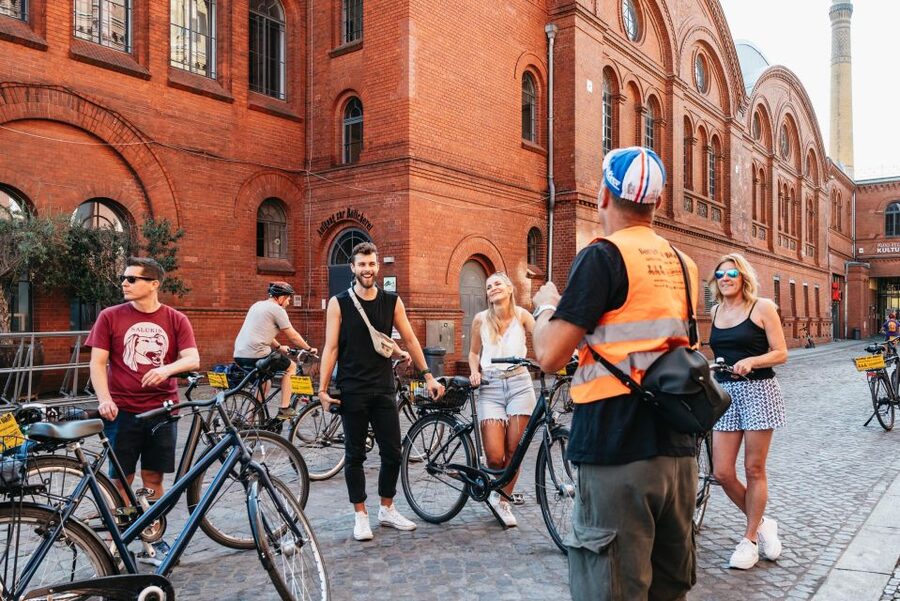
The tour begins at the Berlin on Bike depot inside the Kulturbrauerei, a large 19th-century brewery complex. Its red-brick buildings and courtyards give you a pleasant start, and the location is easy to reach from central Berlin.
From Alexanderplatz, take the red U2 line toward Pankow. Get off at Eberswalder Straße after three stops, using the exit signposted Kulturbrauerei. Walk along Danziger Straße for about 150 meters, turn onto Knaackstraße, and enter through the large doorway into the complex. Yellow signs point you toward the bicycle depot.
Arrive with enough time to choose a bike rather than grabbing the first one available. The fleet is large, and the right fit matters more than you might expect on a ride lasting three to three and a half hours. You can request a helmet and gloves. Sunscreen, trouser clips, and rain ponchos are available as well.
One small mechanical detail deserves attention. A rider specifically advised avoiding a coaster-brake bicycle unless you already know how that braking system works. Ask the staff to explain the controls before setting off, and take a short test ride in the courtyard if possible.
More Bike Tours in Berlin
- Berlin: Sights and Highlights Bike Tour with a Local Guide
★ 4.8 · 2,698 reviews - Berlin Highlights 3-Hour Bike Tour
★ 5.0 · 948 reviews - Berlin City Bike Tour with Beer Garden Stop
★ 5.0 · 917 reviews
Mauerpark and the first traces of division
From Prenzlauer Berg, the route reaches Mauerpark, a green strip that occupies part of the former border zone. The name means Wall Park, and it gives the tour an early lesson in how Berlin has repurposed places once associated with fear and restriction.
Here, your guide begins to show how the border worked on the ground. The Wall was not just one concrete slab. It involved barriers, patrol areas, watchtowers, lighting, and controlled crossings. Looking at the remaining traces while standing in the former border area helps you understand why crossing was so dangerous.
Mauerpark can be lively, but the historical focus is not lost. The tour uses this section to connect the physical route with the political split between East and West Berlin. You are not simply ticking off a monument. You are learning how the division cut through streets, neighborhoods, and daily routines.
The ride begins at a calm pace, which helps if you are not a regular cyclist. You still need to watch the road, follow the guide, and keep the group together. This is not a freewheeling ride where everyone stops whenever they like.
Bernauerstraße and the human cost of the Wall
Bernauerstraße is one of the most meaningful stretches of the tour. The street became a symbol of the Wall because buildings, doorways, and sidewalks were caught directly in the border system. Your guide explains the impact on residents, not only the grand political events.
This is where the tour’s storytelling matters most. You hear about escape attempts, including crossings that succeeded and others that ended badly. Such stories give weight to the remaining Wall fragments and watchtowers. They also show why the Wall was more than a Cold War symbol. It affected families, homes, work routes, and basic freedom of movement.
A good guide will pause often enough for questions. Ana, Lauren, Oleg, Paul, and other guides have been praised for answering questions clearly and adjusting explanations to the group’s interests. The tour is available in English, German, French, and Dutch, so confirm your preferred language when booking.
The route also lets you compare different kinds of memorials. Some places preserve actual structures. Others mark where the border ran with lines, signs, or information panels. Seeing these together gives you a better sense of how much has disappeared and how carefully Berlin marks what remains.
Bornholmerstraße and the Wall’s sudden collapse
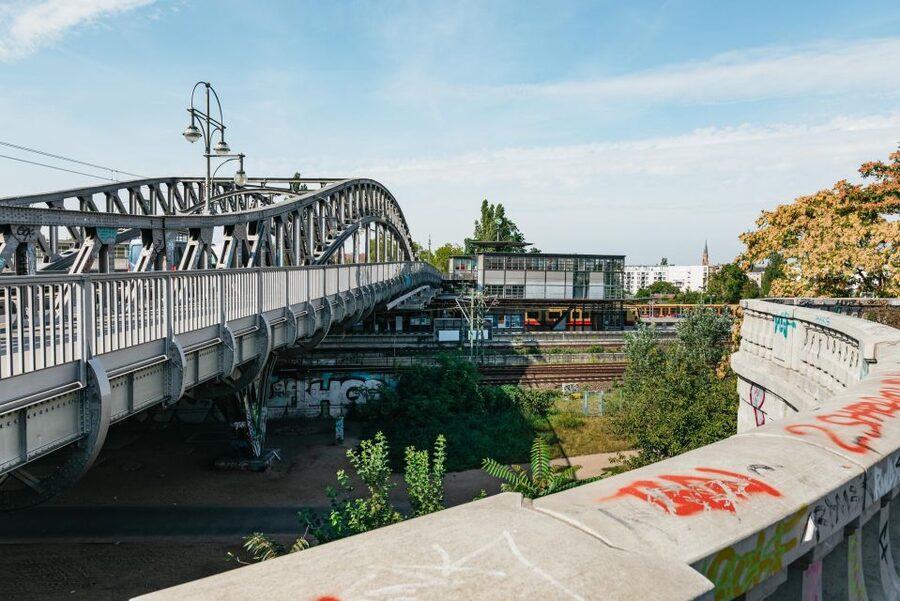
Bornholmerstraße was one of the former border crossings along the route. It helps explain the Wall as a working system, with official crossing points controlling movement between East and West Berlin.
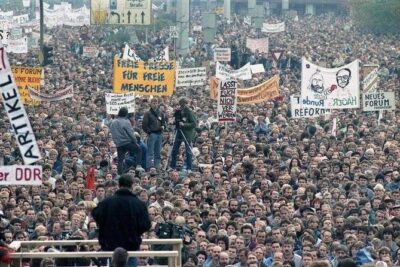
The guide also explains how the Wall fell after nearly 30 years. The end came with astonishing speed once the border announcement was misunderstood and crowds gathered. The physical barriers did not simply fade away over time. They opened amid confusion, pressure, and public celebration.
This part of the tour is especially useful because it avoids treating November 1989 as a neat, simple ending. The guide connects the political change with the personal experience of Berliners who could suddenly cross a barrier that had shaped their lives for decades.
You may find this section more memorable than a standard museum display because you are moving through the actual city. Streets and crossings make the story spatial. You begin to see why a route-based tour works so well for this subject.
More Third Reich & Cold War Tours in Berlin
- Berlin: Third Reich and Cold War 2 Hour Walking Tour
★ 4.9 · 6,830 reviews - Berlin’s Best: 2 Hour Walking Tour Third Reich and the Cold War
★ 5.0 · 5,486 reviews - Third Reich Berlin: Hitler and WWII Walking Tour
★ 5.0 · 3,301 reviews - Skip-the-Line: Berlin Wall Museum at Checkpoint Charlie
★ 4.1 · 2,041 reviews
The last watchtower and stories of escape
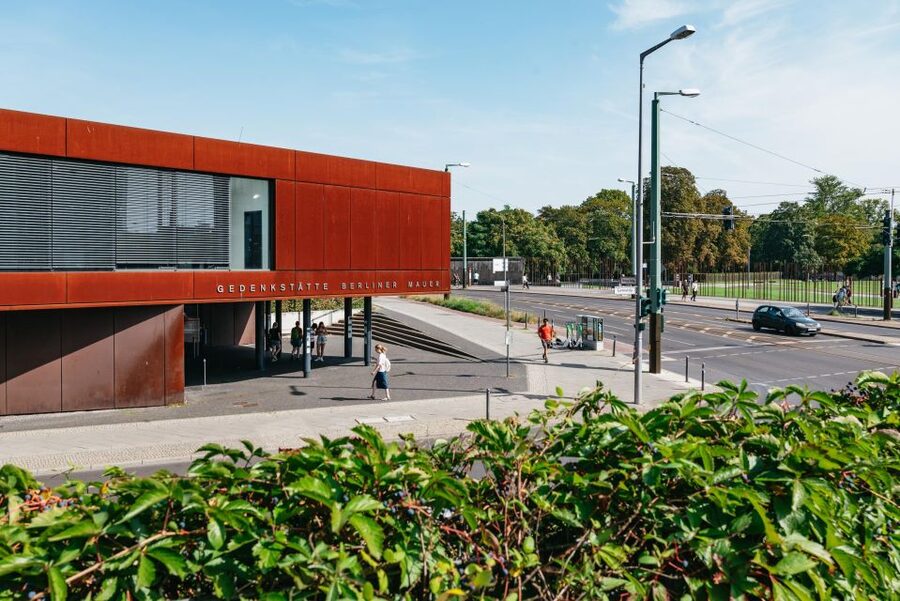
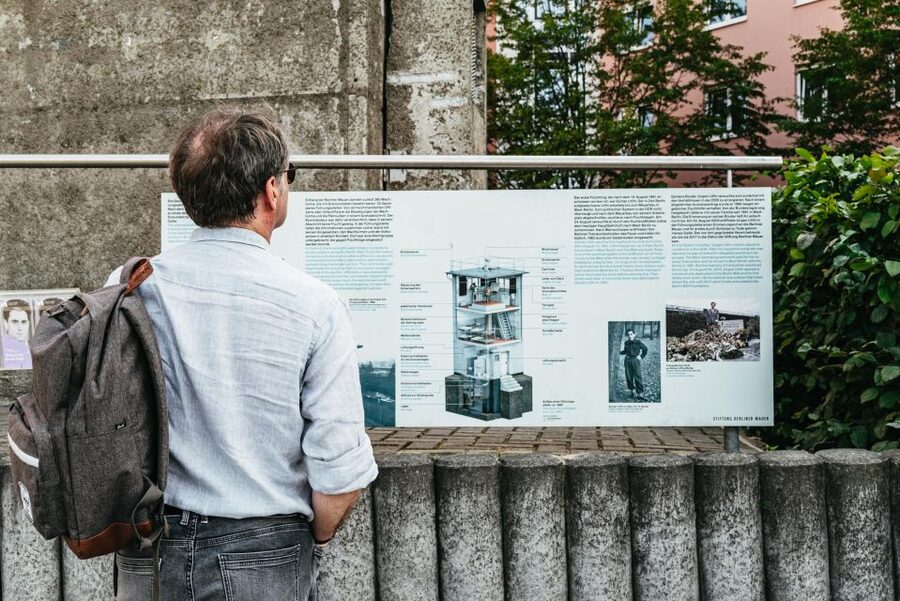
A surviving watchtower is among the tour’s most striking Cold War remnants. It gives you a direct look at the hardware of border control, rather than only a section of painted concrete.
Your guide uses this stop to explain surveillance and escape attempts. The stories include both successful and tragic efforts, and the tone is serious without turning the ride into a lecture. Guides have been praised for mixing factual explanation with humor, a useful balance during a long historical tour.
Expect the guide to provide context rather than leave you to interpret the structure alone. A watchtower can look small and plain, but its purpose becomes clearer when you hear how the border was monitored and why crossing was so risky.
The ride’s easy pace gives you time to listen, but remember that you may be standing beside the bikes at several stops. Comfortable shoes are essential. Bring weather-appropriate clothing, since the experience takes place outdoors and continues in light rain with ponchos available.
Checkpoint Charlie, a famous symbol with a complicated role
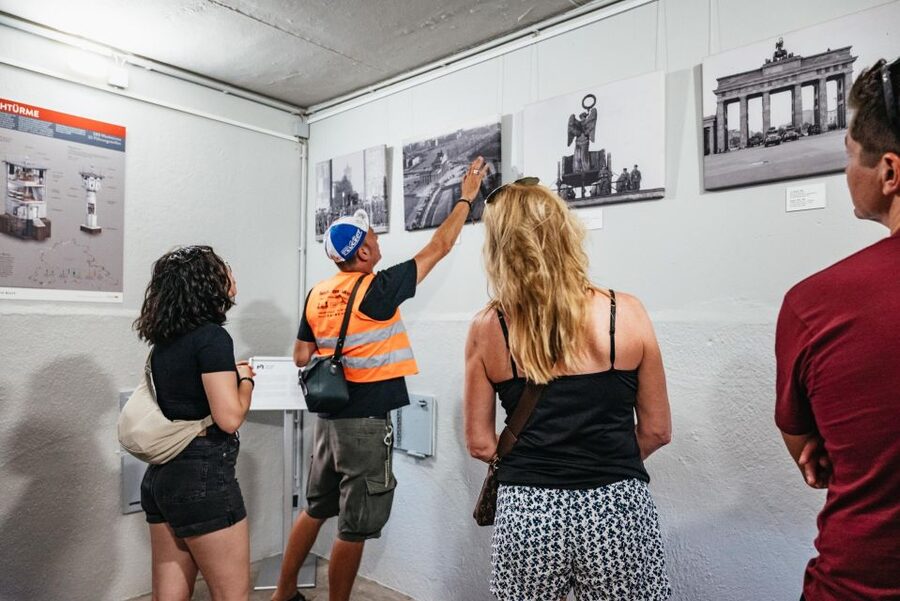
Checkpoint Charlie is one of Berlin’s best-known Cold War sights. It is also one of the places where expectations need adjusting. The crossing is famous, but the modern setting can feel more commercial and reconstructed than the quieter Wall sites.
That does not make it worthless. The guide explains why the checkpoint mattered and how it represented the tense boundary between the two political systems. You also get a chance to place the checkpoint in relation to the rest of the former border, rather than seeing it as an isolated photo stop.
I like that this tour does not limit Berlin’s Cold War story to its most famous signpost. Checkpoint Charlie is included, but it is balanced with less obvious remnants, neighborhood sections, and personal accounts. That wider view is one reason the experience offers more than a quick sightseeing loop.
The city can be busy around major sights, and a large group may take longer to gather at crossings. Stay close to the guide and expect occasional pauses while the group regroups.
Riding toward Brandenburg Gate
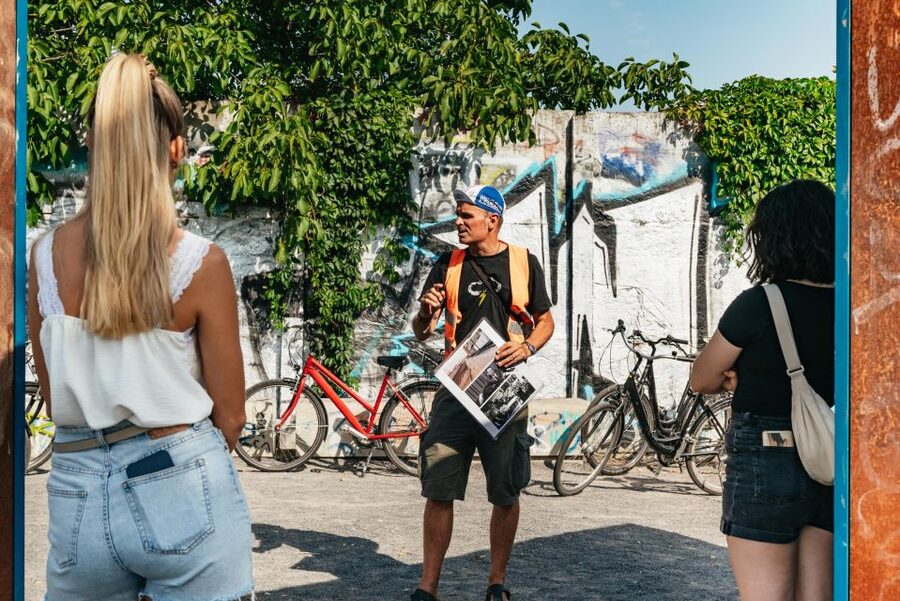
The route continues from Mauerpark and Bernauerstraße toward Brandenburg Gate, one of Berlin’s defining landmarks. After several stops focused on borders and surveillance, the gate provides a larger political picture.
Built in the 18th century, Brandenburg Gate began as a neoclassical city entrance. During the Cold War, its position near the former border gave it a different meaning. The guide explains how the monument became tied to the division of Berlin and later to reunification.
This final landmark also broadens the tour beyond the Wall itself. You see how Berlin’s older royal and civic history intersects with the 20th-century split. The route covers a wide slice of the central city, so you get more than a single themed attraction.
The gate is a natural high point for photographs, but it can be crowded. Listen first, then take pictures when the guide gives the group time. The tour returns to the bicycle depot after this stop, so you do not need to arrange transport from Brandenburg Gate.
What the cycling is really like
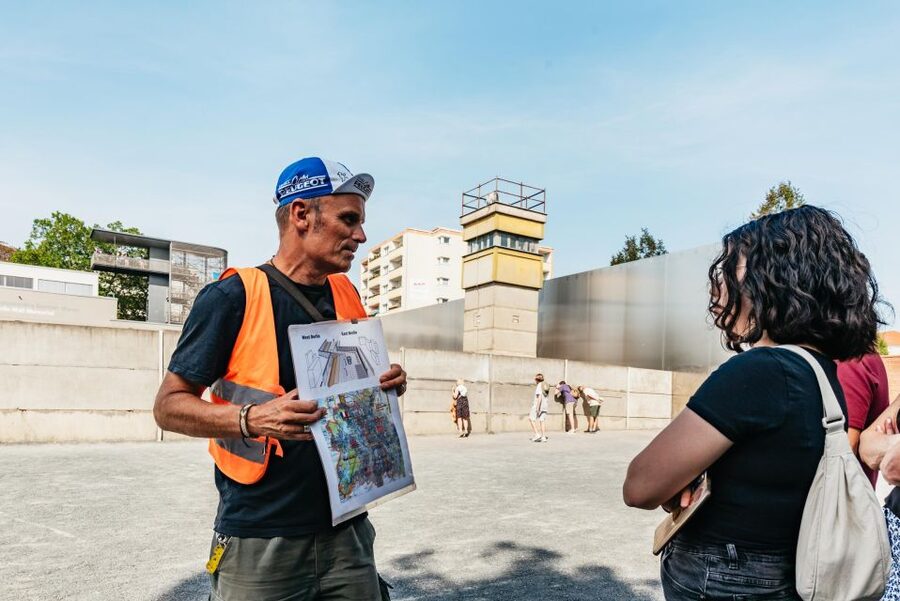
The tour covers approximately 15 kilometers at a relaxed pace. Several riders found the distance comfortable and said cycling was an effective way to see more of a city that can feel spread out.
I would describe the physical effort as moderate rather than strenuous. You need enough stamina for a half-day ride, but the route is designed around sightseeing, not speed. There are stops for explanations, and one reported itinerary included a break where you could get coffee, sandwiches, and use the restroom.
Berlin’s bike routes make the format practical, though city riding still requires attention. You will travel through streets and paths, follow a guide, and keep an eye on other road users. Children under eight cannot join, and comfortable shoes and clothes are specifically recommended.
The fleet is a real advantage for mixed groups. If one person prefers an upright city bike and another wants a different setup, the depot can help select suitable bicycles. Ask about gears and brakes before leaving. Gloves and helmets are available on request rather than automatically supplied, so request them if you want either.
Guides make the difference
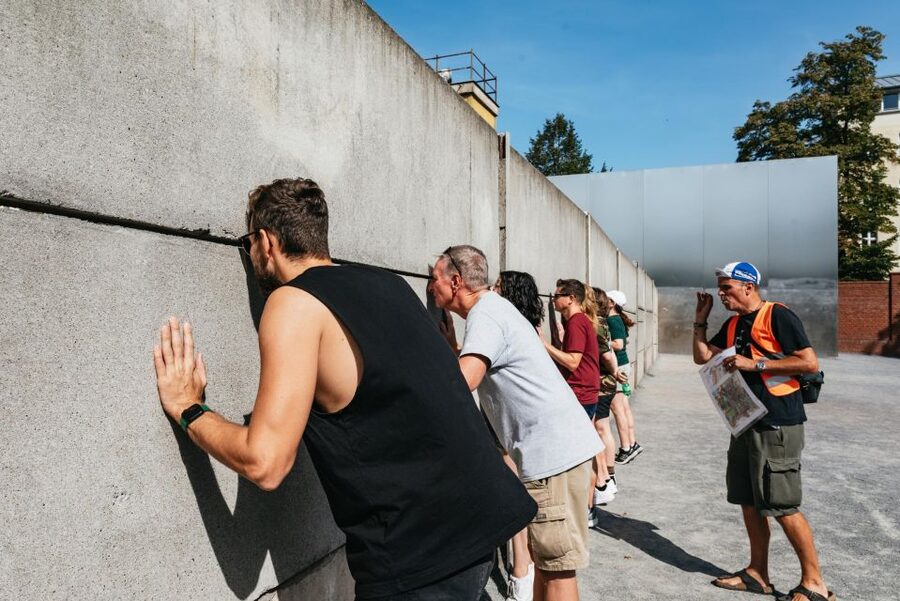
The subject is serious, but the guide determines how approachable it feels. Paul has been praised for his humor, facts, and ability to keep a large group together safely. Paul T has also been described as enthusiastic and approachable.
Lauren has received strong praise for bringing Wall stories to life. Oleg has been noted for answering questions and explaining each place in a clear way. Ana has been praised for adapting the program to group interests, while James has been described as engaged, experienced, humorous, and sympathetic.
Those names do not guarantee who will lead your departure, but they show the range of guiding styles available through the operator. The most important quality is not theatrical performance. It is the ability to connect places, dates, political decisions, and personal stories without burying you in facts.
The overall rating is 4.8 from 413 reviews, and the most consistent praise centers on the guides, the easy riding pace, and the chance to reach Wall sites you might miss on foot. That is a strong pattern, especially for a history tour where poor explanation can make even important places feel flat.
Price, timing, and who gets the best value
At $35 per person, the tour is good value if you want both transport and interpretation. You receive a bicycle, guide, and access to a route covering several major Cold War locations. Visiting each area independently might cost less in direct fees, but it would require more planning and would not provide the same connected explanation.
The three to three-and-a-half-hour length is long enough to build a coherent story without taking your entire day. I would schedule it early in your Berlin visit. The route can give you useful orientation, and you can return later to places that deserve more time, such as Bernauerstraße or Brandenburg Gate.
A private group is available if you want a more personal format or have a specific group dynamic. The standard tour may be the better bargain for many people, especially solo visitors and couples who want to meet others while keeping the cost down.
The free cancellation policy allows cancellation up to 24 hours before the start for a full refund. You can also reserve and pay later, which helps if your Berlin schedule is still changing. These policies are useful, but the bigger decision is weather and energy. Choose a day when you can comfortably spend several hours outside.
A few practical ways to improve the ride
Wear shoes you can pedal and walk in, plus clothing that allows easy movement. Use sunscreen even on a cool day, and request a poncho if the forecast looks uncertain.
Arrive at the Kulturbrauerei with time to find the depot and test your bicycle. Do not be shy about asking for a different bike if the saddle, gears, or brake system feels wrong.
Keep the historical stops in perspective. Checkpoint Charlie is famous, but Bernauerstraße, Bornholmerstraße, Mauerpark, and the watchtower may give you a stronger sense of the Wall’s physical reach. Pay close attention when the guide explains how borders affected residents, since those details are the heart of the experience.
Allow for changes caused by city events. A Berlin Half Marathon once hindered part of the route, and the guide adjusted the plan. That kind of change can mean missing a particular angle or taking a different street, but a flexible guide can still preserve the main story.
Should you book this Berlin Wall bike tour?
Book it if you want to understand how Berlin’s division shaped real neighborhoods, not just collect photographs at Checkpoint Charlie. It is especially useful for first-time visitors, history-minded families with children aged eight and older, and anyone who prefers learning while moving rather than sitting in a museum.
You should also book if you want a relaxed way to cover ground. The route connects far-flung sites, and the bike saves time while giving you a closer view of the streets between them.
Skip it if you dislike cycling in city traffic, need a fully indoor activity, or want long unhurried visits at individual memorials. For most visitors who can manage 15 kilometers at an easy pace, the combination of clear guiding, personal stories, and practical sightseeing makes $35 money well spent.
FAQ
How long does the Cold War bike tour last?
The tour lasts approximately three to three and a half hours. Check availability for the specific starting time.
How far does the tour travel?
The tour covers about 15 kilometers at a relaxed pace.
Where does the tour start?
It starts at the Berlin on Bike depot inside the Kulturbrauerei in Prenzlauer Berg.
How do I reach the meeting point from Alexanderplatz?
Take the U2 red line toward Pankow and get off at Eberswalder Straße after three stops. Use the exit signposted Kulturbrauerei, walk along Danziger Straße for about 150 meters, turn onto Knaackstraße, and follow the yellow signs inside the complex to the bicycle depot.
Which places does the route visit?
The route includes Mauerpark, Bernauerstraße, remains of the Berlin Wall, the former Bornholmerstraße crossing, Checkpoint Charlie, one of the last watchtowers, and Brandenburg Gate.
Is a bicycle provided?
Yes. A bicycle is included, and you can choose from a large fleet of bicycles.
Are helmets and other equipment available?
Helmets and gloves are available on request. Sunscreen and trouser clips are provided, and rain ponchos are available in bad weather.
Which languages are offered, and can I book a private group?
Guided tours are offered in English, German, French, and Dutch. A private group option is available.
More Historical Tours in Berlin
- Berlin: Natural History Museum Entrance Ticket
★ 4.6 · 3,382 reviews - Berlin: World Heritage Cruise to Potsdam
★ 4.5 · 1,435 reviews - Berlin Historical Highlights Walking Tour
★ 4.9 · 657 reviews - Berlin Private Complete History All Day Walking Tour
★ 5.0 · 474 reviews
More Cycling Tours in Berlin
- Berlin Highlights: 3-Hour Bike Tour
★ 4.9 · 809 reviews - Berlin Highlights Sightseeing Bike Tour in Small Groups
★ 5.0 · 652 reviews - Berlin: Alternative Bike Tour of Kreuzberg & Friedrichshain
★ 4.7 · 548 reviews - Berlin: Guided Bike Tour of the Berlin Wall and Third Reich
★ 4.7 · 499 reviews
Just added around Berlin
- Love and War in Berlin: Self-Guided Story Puzzle Walk★ 5.0 · 7 reviews
- Rickshaw Tours Berlin – Groups of up to 16 people with several rickshaws★ 4.0 · 97 reviews
- Walking on the Wall: 3-Hour Tour in Berlin★ 4.5 · 34 reviews
- eSIM for Germany and 34 European Countries★ 4.5 · 16 reviews
- Warnemuende Shore Excursion: Berlin Private Sightseeing Tour from Rostock★ 5.0 · 4 reviews
- Your ticket to The Wall Museum Berlin★ 3.0 · 60 reviews
- Warnemuende Shore Excursion: Private Berlin Tour★ 4.5 · 27 reviews
- Karl-Marx-Allee Tour: Life and Architecture in East Berlin★ 5.0 · 19 reviews
Third Reich & Cold War Tours, compared.
Berlin’s Best: 2 Hour Walking Tour Third Reich and the Cold War
Read our review →
Third Reich Berlin: Hitler and WWII Walking Tour
Read our review →
Skip-the-Line: Berlin Wall Museum at Checkpoint Charlie
Read our review →
Cold War, Berlin Wall, Spies and the East Side Gallery
Read our review →Browse the lists this tour appears in