
Reviewed · THIRD REICH & COLD WAR TOURS
Cold War, Berlin Wall, Spies and the East Side Gallery
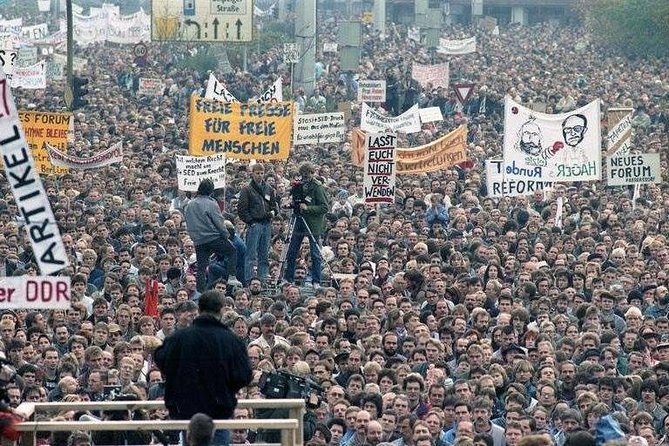
The most powerful part of this three-hour walk is seeing how ordinary Berlin streets once carried the weight of a global standoff. You trace the old Wall and death strip, peer through a gap toward the former Western side, and finish beside murals painted on what was once a deadly border.
I like the personal scale of the tour, especially the stories about escape attempts, surveillance, and daily life in East Germany. I also like the mix of places: the moving Palace of Tears, monumental Karl-Marx-Allee, and colorful East Side Gallery. The main drawback is that this is not a quiet stroll. You use public transport, cover a lot of ground, and may find the historical detail uneven depending on your guide.
In This Review
- Key points to know before booking
- Why Cold War Berlin works best on foot
- Starting at Friedrichstrasse Station and the ghost train
- SED beginnings at Admiralspalast
- The Palace of Tears and the human cost of the Wall
- Alexanderplatz, where East Berlin performed power
- Karl-Marx-Allee and the image of a socialist future
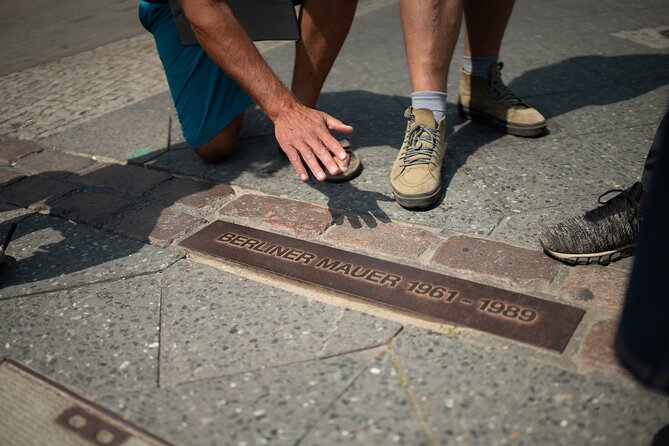
- The Wall, death strip, and escape attempts
- Brandenburg Gate and the road from division to unity
- East Side Gallery: from border barrier to public art
- What the $18.04 price really buys you
- Who should book this Cold War walking tour?
- Should you book it?
- FAQ
- How long does the Cold War Berlin tour last?
- What time does the tour start?
- Where does the tour begin?
- Where does the tour end?
- Is public transport included?
- What does the tour price include?
- What language is the tour offered in?
- How large is the group?
- Can most people participate?
- Can I cancel for a full refund?
Key points to know before booking
- See the Wall as a real border: Visit sections of the former death strip, Bernauer Strasse, Wall memorial sites, and the East Side Gallery.
- Meet Cold War Berlin at Friedrichstrasse: The station and Palace of Tears explain how families were separated by an international frontier.
- Hear the spy story: The tour covers CIA, KGB, and Stasi surveillance methods, along with the wider military tension between NATO and the Soviet-led bloc.
- Expect public transport: A Berlin AB ticket is required and costs about €10 per person from the meeting point.
- Guides shape the experience: Klaus, Nikolai, Paul, Xavier, James, and others have been praised for clear explanations, personal accounts, and patient answers.
- Allow more than three hours: The advertised length is approximate, and questions or added explanations can extend the walk.
Why Cold War Berlin works best on foot
Berlin’s Cold War story can feel scattered. A border crossing sits beside a railway station. A socialist boulevard looks like ordinary city traffic. A remaining Wall section appears beside new apartments and office buildings.
That is why this tour’s walking format makes sense. You are not just being handed dates. You are moving between places where political decisions changed daily life. The route links the Allied occupation, the creation of East and West Germany, the Berlin Wall, secret police surveillance, escape attempts, and reunification.
The guide also connects Berlin to the larger military standoff between the United States, NATO allies, the Soviet Union, and its allies. That wider frame matters. The Wall was not simply a local barrier. Berlin became the point where two armed political systems faced each other across a divided city.
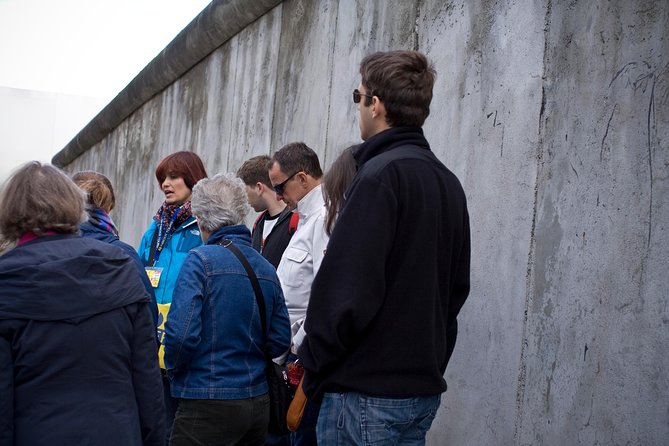
The group can include up to 22 people. That is small enough for a guide to answer questions, though you should still stay close when crossing streets or moving through stations. Several guides use photos on a tablet, and some bring firsthand family memories of life behind the Iron Curtain. The quality of the storytelling can vary by guide, but names praised for strong delivery include Klaus, Nikolai, Paul, Xavier, Jamie, Jasper, Tina, Rohan, Aran, and Eran.
More Museum & Gallery Tickets in Berlin
- Berlin: Natural History Museum Entrance Ticket
★ 4.6 · 3,382 reviews - Skip-the-Line: Berlin Wall Museum at Checkpoint Charlie
★ 4.1 · 2,041 reviews - Berlin: Museum Island Multiple Museum Entry Ticket
★ 4.4 · 2,007 reviews
Starting at Friedrichstrasse Station and the ghost train
The meeting point is at Reichstagufer 17, near Friedrichstrasse Station. Arrive 15 minutes before the 10 a.m. start. Do not rely on being able to rush in at the last moment. One missed meeting point led to a costly failure when a car dropped a customer well away from the correct location, so check the address and station area before leaving your hotel.
Friedrichstrasse is a fitting place to begin. During the Cold War, this station was tied to the complicated movement between East and West Berlin. The tour introduces the old underground route sometimes described as the ghost train, a line that connected parts of the divided city while passengers moved through a tightly controlled system.
The station opening is brief, about 15 minutes, but it gives you a useful map in your head. You learn why Berlin’s rail system was so strange during the Cold War and how a normal commute could involve border controls, restricted platforms, and sudden changes in who was allowed to travel.
You will need a Berlin public transport ticket for the AB zone. It is not included, and the stated cost is about €10 per person. Keep the ticket ready and stay alert during transfers. One strength of the tour is that it uses the city’s transport network to show how divided Berlin worked, but that also means the experience is less relaxed than a simple walk from one nearby monument to another.
SED beginnings at Admiralspalast
The short stop at Admiralspalast marks the founding of the East German political party, the SED, in 1946. You spend only around five minutes here, so this is not a museum visit or a long architectural explanation.
Still, the stop gives the guide a chance to explain how political power was organized in the Soviet occupation zone after World War II. The SED later became the ruling party of East Germany, formally known as the German Democratic Republic.
This is a good example of how the tour uses small details to build a larger picture. The Cold War did not begin with the Wall alone. It grew from the division of Germany, competing political systems, and the struggle to control Berlin after the war.
The Palace of Tears and the human cost of the Wall
The Palace of Tears, or Tränenpalast, is one of the most affecting stops. It was a border crossing at Friedrichstrasse Station where people said goodbye as East and West Berliners were separated.
The building’s nickname comes from those farewells. Families could meet, but the rules surrounding departure were strict, and many goodbyes were final for an unknown length of time. The emotional force here comes from ordinary people trying to maintain family ties inside a political system built around restriction.
The museum is free to enter, and the visit lasts about 20 minutes. Displays cover escape attempts, separation, and reunification. You should give this stop your full attention. It is less about grand military strategy and more about what the Wall did to parents, children, couples, and friends.
I especially value this part because it stops the Cold War from becoming a contest between famous leaders. You see the cost in travel permits, inspections, waiting, fear, and forced distance. If you are traveling with older relatives or children, the Palace of Tears can make the subject easier to understand than a long list of political dates.
More Third Reich & Cold War Tours in Berlin
- Berlin: Third Reich and Cold War 2 Hour Walking Tour
★ 4.9 · 6,830 reviews - Berlin’s Best: 2 Hour Walking Tour Third Reich and the Cold War
★ 5.0 · 5,486 reviews - Third Reich Berlin: Hitler and WWII Walking Tour
★ 5.0 · 3,301 reviews - Berlin: Third Reich, Hitler, and WWII Walking Tour
★ 4.9 · 1,133 reviews
Alexanderplatz, where East Berlin performed power
Alexanderplatz was the public heart of East Berlin. The square served as a place for political rallies, propaganda, shopping, transport, and everyday routines under close state attention.
The tour spends about 15 minutes here. Expect an explanation of how socialist architecture and public ceremony worked together. The area represented the confidence of the East German state, yet it also exposed the gap between official messages and daily life.
This is where the guide’s storytelling matters. A good explanation can help you read the square as more than a large urban space. You begin to notice how the GDR used design, symbols, and mass gatherings to project order and control.
The stop is not built around a single preserved border structure, so it may feel less dramatic than the Wall Memorial or Palace of Tears. I would treat it as a context stop, a place that shows how East Berlin residents lived within the system rather than a place where you see the border itself.
Karl-Marx-Allee and the image of a socialist future
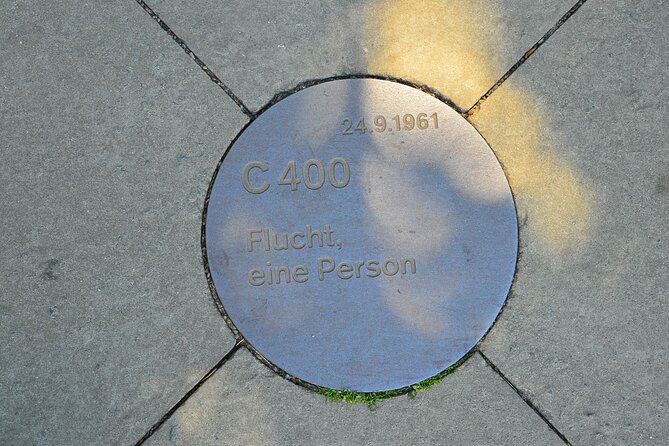
Karl-Marx-Allee is one of the clearest architectural expressions of East German ideology. The broad boulevard was designed as a showcase, with monumental Stalinist buildings meant to display strength and a planned socialist future.
You spend around 20 minutes here. The guide explains how the avenue projected political power and how its grand appearance differed from the practical reality of life behind the Iron Curtain.
Look beyond the scale of the buildings. This is not only an architecture stop. It helps you understand how states use streets, housing, and public space to shape an image of society. The boulevard was meant to impress, but the tour also asks you to consider who controlled that image and what happened outside the official story.
Admission is not included for any optional paid element connected with this stop, though the tour itself focuses on seeing and explaining the area. Wear comfortable shoes. The route covers a lot of ground, but one useful point from the experience is that it is active without being an exhausting march.
The Wall, death strip, and escape attempts
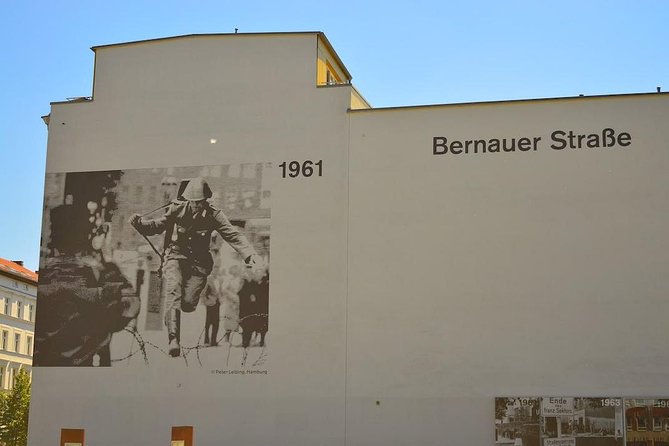
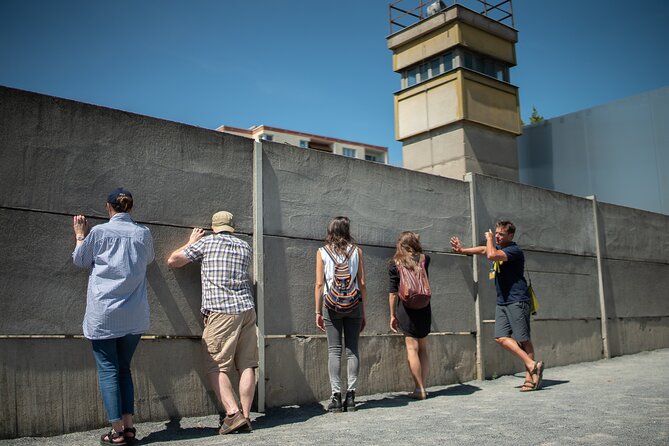
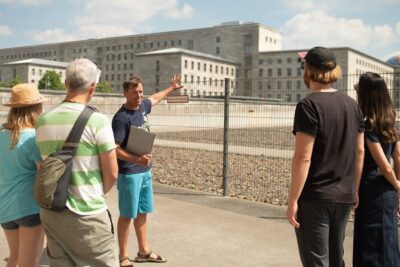
The most sobering section comes around the Berlin Wall Memorial and former death strip areas, especially along Bernauer Strasse. This part of Berlin preserves physical traces and open spaces that help you understand how the border worked.
The Wall was not one simple slab of concrete. It involved controlled zones, barriers, watch systems, and a deadly strip between the eastern and western edges. The tour explains how people tried to escape and why those attempts were so dangerous.
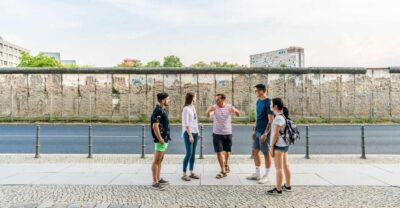
One especially striking viewpoint lets you look toward the former Western side through a crack from the eastern side across the death zone. That small act of looking carries real weight. You are not viewing a famous mural or a polished monument. You are confronting the narrow space that once separated people from freedom, family, and another kind of life.
The guide also covers Stasi surveillance techniques. The Stasi, East Germany’s secret police, monitored citizens, gathered reports, and used a large network of informers. The tour places these methods beside CIA and KGB practices, giving you a broader picture of Cold War espionage rather than presenting only one side.
The itinerary refers to former Stasi locations and Wall memorial sites. If you want a longer museum visit, a separate Stasi Museum visit is a sensible follow-up, but it is not the same as this guided route. Here, you get explanation and place-based context rather than hours inside one collection.
Brandenburg Gate and the road from division to unity
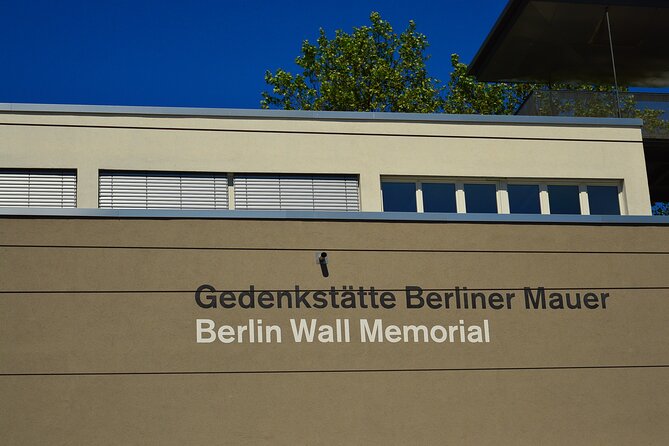
The advertised route also takes in Brandenburg Gate, one of Berlin’s most important monuments. During the division of Germany, it became a symbol of a closed border and a divided nation. After reunification, it became a national sign of peace and unity.
The change in meaning is the point. Few monuments show Berlin’s political reversal so clearly. The gate did not move, but the system around it did. A structure associated with separation later became a backdrop for reunification and national celebration.
This stop also broadens the tour beyond East Berlin. You see how the Wall shaped the city as a whole, not just the districts that fell behind the eastern border. Depending on the exact route and timing, the guide may give this stop more or less time than the listed schedule, especially if the group has questions.
East Side Gallery: from border barrier to public art
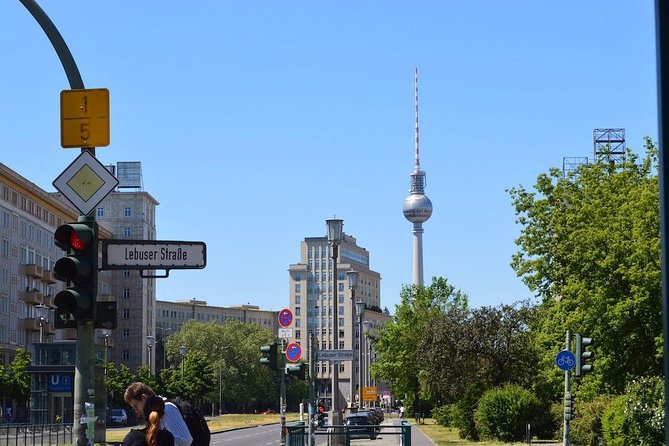
The tour ends at the East Side Gallery on Mühlenstrasse. This is the longest permanent graffiti wall in the world and the largest remaining section of the Berlin Wall.
The murals change the mood. Earlier stops focus on fear, surveillance, failed escapes, and forced separation. Here, artists turned a section of the former border into a public statement about freedom, hope, resistance, and the end of the Cold War.
Do not expect untouched Cold War architecture. The East Side Gallery is also a busy city attraction, and the art has been affected by weather, restoration, and the pressure of modern development. Its value is not that it preserves the Wall exactly as it was. Its value is that it shows how Berlin reused a symbol of repression.
The ending is practical too. The gallery is surrounded by many transport choices, so you can continue to another neighborhood, return to your hotel, or stop for food after the tour. The route does not include food or drinks, so plan accordingly.
What the $18.04 price really buys you
At $18.04 per person, this is a low-cost way to get a structured introduction to Cold War Berlin. The price covers the local expert guide, not your AB public transport ticket, food, drinks, hotel pickup, or drop-off.
The extra transport cost is important. At about €10 per person, it changes the final price, especially for a family. Even so, the combined cost can be good value if you want the city’s major Cold War sites connected by a clear story.
You are paying mainly for interpretation. The Palace of Tears is free, the East Side Gallery is free, and much of the Wall can be seen without admission. A guide earns the fee by explaining what happened at each place, helping you notice details, and answering questions.
The experience earns a 4.9 rating from 1,024 published ratings, with 99 percent recommending it. That is a strong signal, but I would still keep expectations realistic. A few poor experiences point to possible problems with unclear context, weak group control, hard-to-hear delivery, or a tour that runs long without adding enough substance.
The best guide reports praise people such as Klaus, Nikolai, Paul, Xavier, James, and Jasper for historical detail, personal stories, moderate pacing, and willingness to answer questions. Nikolai and Tobi have also shared personal connections to East Berlin and communist Germany. You cannot select a particular guide from the details provided, so book for the route and subject rather than assuming you will receive one specific person.
Who should book this Cold War walking tour?
I would choose this tour if you want a first strong framework for Berlin’s divided past. It suits adults, families with older children, and anyone who prefers stories tied to real streets rather than a lecture in a classroom.
It is particularly useful if you are unsure how the Wall, the Stasi, NATO, the Soviet Union, escape attempts, and reunification fit together. The route gives you that basic structure in one morning.
You should think twice if you want a slow photographic walk, a single museum with extensive time inside, or a tightly controlled schedule down to the minute. The public transport connections and broad route make the day more varied, but they also create chances for delays and group-management problems.
Wear comfortable shoes and dress for the weather. The tour is outdoors for long stretches, and one participant needed time to buy a jacket on a cold day. A considerate guide may help you catch up, but it is better to arrive prepared.
Cancellation is free up to 24 hours before the start time. Changes or cancellations made later are not refunded, and the cut-off follows Berlin local time.
Should you book it?
Book this tour if you want Berlin’s Cold War story explained through places, personal accounts, and movement across the city. The Palace of Tears and the death strip viewpoints give it emotional force, while Alexanderplatz and Karl-Marx-Allee explain how East German power looked in public.
The strongest reason to go is the guide. A skilled storyteller can turn a station, boulevard, or fragment of concrete into a clear lesson about freedom and control. The main risk is variation in delivery, plus the need to buy public transport and keep up with a moving group.
For $18.04 plus the required AB ticket, I think it offers solid value, especially early in your Berlin visit. It gives you enough background to make later stops, including a separate Stasi museum visit, far more meaningful.
FAQ
How long does the Cold War Berlin tour last?
The tour lasts approximately three hours.
What time does the tour start?
It starts at 10 a.m. You should arrive at the meeting point 15 minutes before departure.
Where does the tour begin?
The stated meeting point is Reichstagufer 17, 10117 Berlin, Germany, near Friedrichstrasse Station.
Where does the tour end?
The tour ends at the East Side Gallery on Mühlenstrasse, 10243 Berlin, Germany.
Is public transport included?
No. You need a Berlin AB zone transport ticket, which can be purchased from the meeting point for about €10 per person.
What does the tour price include?
The price includes a local expert guide. Hotel pickup and drop-off, food, drinks, and public transport are not included.
What language is the tour offered in?
The tour is offered in English.
How large is the group?
The maximum group size is 22 people.
Can most people participate?
Yes. Most people can participate, and service animals are allowed. The tour is near public transportation.
Can I cancel for a full refund?
Yes, if you cancel at least 24 hours before the experience start time. Cancellations or changes made less than 24 hours before the start are not refunded.
More Museums in Berlin
- Berlin: Interactive DeJa Vu Museum Entrance Ticket
★ 4.1 · 1,338 reviews - Berlin: “Pergamonmuseum. The Panorama” Exhibition Tickets
★ 4.6 · 1,245 reviews - Berlin: East Side Gallery Spree Cruise in a Solar Catamaran
★ 4.0 · 1,039 reviews - Berlin: Museum of Communication Entrance Ticket
★ 4.5 · 452 reviews
Just added around Berlin
- Love and War in Berlin: Self-Guided Story Puzzle Walk★ 5.0 · 7 reviews
- Rickshaw Tours Berlin – Groups of up to 16 people with several rickshaws★ 4.0 · 97 reviews
- Walking on the Wall: 3-Hour Tour in Berlin★ 4.5 · 34 reviews
- eSIM for Germany and 34 European Countries★ 4.5 · 16 reviews
- Warnemuende Shore Excursion: Berlin Private Sightseeing Tour from Rostock★ 5.0 · 4 reviews
- Your ticket to The Wall Museum Berlin★ 3.0 · 60 reviews
- Warnemuende Shore Excursion: Private Berlin Tour★ 4.5 · 27 reviews
- Berlin’s Gay, Lesbian, and Queer Scene Small-Group Walking Tour★ 4.5 · 66 reviews
Third Reich & Cold War Tours, compared.
Berlin’s Best: 2 Hour Walking Tour Third Reich and the Cold War
Read our review →
Third Reich Berlin: Hitler and WWII Walking Tour
Read our review →
Skip-the-Line: Berlin Wall Museum at Checkpoint Charlie
Read our review →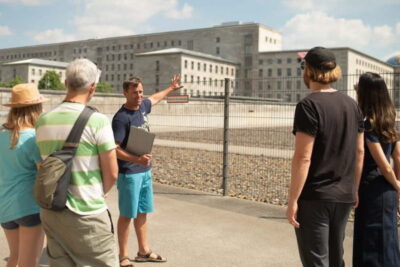
Berlin Third Reich Sites: Half-Day Walking Tour
Read our review →Browse the lists this tour appears in