
Reviewed · THIRD REICH & COLD WAR TOURS
Berlin Third Reich Sites: Half-Day Walking Tour
Berlin’s Nazi past is not confined to one museum. It is spread across ordinary streets, ruined stations, government offices, memorials, and the very heart of modern Germany. This four-hour walk links those places into a clear story, from Hitler’s rise in 1933 to the collapse of the regime in 1945.
I like the efficient route, which lets you cover more ground than you likely would alone. I also like having a historian-guide to explain the machinery behind the dictatorship, rather than simply pointing at buildings and dates. The main drawback is simple: this is a serious walking tour in all weather, and four hours can feel long if you want a lighter introduction to Berlin.
In This Review
- Key points at a glance
- Why this route works in Berlin
- Starting at Hackescher Markt and Jewish Berlin
- Anhalter Bahnhof and the machinery of deportation
- The Topography of Terror and the former SS headquarters
- The Aviation Ministry and the human cost of Nazi rule
- Resistance, memorials, and different kinds of remembrance
- The Soviet Memorial and the final walk to the Reichstag
- What $21.77 buys you
- Timing, weather, and who should book
- Should you book the Berlin Third Reich Sites walk?
- FAQ
- How long is the Berlin Third Reich Sites walking tour?
- What time does the tour start?
- Where does the tour begin?
- Where does the tour end?
- Is public transportation included?
- Is the tour offered in English?
- What happens in bad weather?
- What is the cancellation policy?
Key points at a glance
- A full Nazi-era route: Visit Jewish Berlin sites, the former Gestapo and SS headquarters, Nazi ministries, several memorials, and the Reichstag.
- A guide-led history lesson: Guides including Hannah, Tom, James, Jonathan, Gregor, and Glen have been praised for clear explanations and thoughtful answers.
- Four hours on foot: The route covers a lot of central Berlin, so comfortable shoes matter.
- A useful small-group setting: The maximum group size is 25, with some departures described as small enough for easy questions and conversation.
- Good value at $21.77: You receive a professional English-speaking guide and four hours of instruction, but public transport costs extra.
- A thoughtful, difficult subject: The tour includes memorials to Jewish people, Sinti and Roma, gay men and women, political opponents, and Soviet soldiers.
Why this route works in Berlin
Berlin can be confusing if you try to follow the Third Reich story on your own. Important places sit among modern offices, rail lines, apartment blocks, and broad avenues. The physical remains are often modest, while the events connected to them are enormous.
That is where this walk earns its keep. Your guide gives you a basic introduction to Adolf Hitler and the Nazi Party at the start, then builds the story as you move through the city. You learn not only what happened, but how the government, police, military, and propaganda system worked together.
The route also avoids treating the period as a story about Hitler alone. You hear about Jewish Berlin, the persecution of Sinti and Roma, people who resisted, and the way the war continued to shape Germany after 1945. That wider frame is one of the tour’s strongest features.
Guides named in the feedback include Peter, Glen, Rohan, Tom, Giles, Gregor, Paul, Eran, Anja, Hannah, Benjamin, Rebecca, James, Johnathan N, and Jonny. The guide you receive will vary, but the qualities you should expect are clear English, a willingness to answer questions, and a serious approach to difficult material. Several guides have also been praised for using photographs, asking the group questions, and adding personal detail without turning the subject into entertainment.
More Third Reich & Cold War Tours in Berlin
- Berlin: Third Reich and Cold War 2 Hour Walking Tour
★ 4.9 · 6,830 reviews - Berlin’s Best: 2 Hour Walking Tour Third Reich and the Cold War
★ 5.0 · 5,486 reviews - Third Reich Berlin: Hitler and WWII Walking Tour
★ 5.0 · 3,301 reviews
Starting at Hackescher Markt and Jewish Berlin
The meeting point is at Neue Promenade 3, near Hackescher Markt S-Bahn station, with the walk beginning at 10:00 a.m. This is a practical starting place because it puts you in central Berlin and near several sites connected with Jewish life and Nazi persecution.
The first stop is the Museum Blindenwerkstatt Otto Weidt. Your guide explains the history of the site during a short stop. The location is connected with Otto Weidt’s workshop and the efforts made to protect Jewish workers during the Nazi period. The tour does not list an entrance visit here, so expect an outdoor explanation rather than a long museum session.
You then pause at the New Synagogue Berlin and Centrum Judaicum. The synagogue’s history helps you understand that Jewish life in Berlin existed long before Nazi rule and was not simply a footnote to the persecution that followed. That matters. A tour focused only on destruction can accidentally erase the community that was there before the dictatorship.
These first stops are brief, about five minutes each. That is useful for keeping the route moving, but it also means you should not expect detailed indoor visits or long time for displays. If you want to explore either location properly, plan to return independently.
Anhalter Bahnhof and the machinery of deportation
The walk continues to the ruins of Anhalter Bahnhof, once one of Berlin’s major railway stations. Today, the surviving facade and broken structure make a powerful contrast with the station’s former importance.
Here, your guide explains how many of Berlin’s Jewish residents were deported to concentration camps. The stop gives the history a physical setting: people were gathered, transported, and removed from the city through systems that relied on railway schedules, government orders, police control, and public compliance.
The stop is listed as about five minutes, so the value comes mainly from the explanation and the view of the remains. You will not be spending a morning inside a museum. Still, I find this kind of brief stop useful because it places the crimes of the regime in an everyday urban setting rather than leaving them as distant numbers.
The route requires steady walking between sites. One person described the weather as appalling but still felt the tour was worth doing, while another specifically warned that comfortable shoes are needed. Take both points seriously. The walk is described as doable even for people with some foot or leg problems, but your own comfort will depend on the day and your pace.
The Topography of Terror and the former SS headquarters
The most substantial stop is the Topography of Terror, located on the former Prinz-Albrecht-Strasse, where the SS and Gestapo headquarters once operated. The museum documents the institutions that helped run Nazi terror, including surveillance, imprisonment, interrogation, and persecution.
Your guide explains how the regime functioned and what roles the SS and Gestapo played. This is one of the places where a guide adds real value. On your own, you might see photographs and documents but miss how the different offices connected. A good explanation helps you understand that Nazi violence was organized through offices, laws, files, police units, courts, and military structures.
The stop lasts about 15 minutes, longer than most others, but that is still a short introduction to a major museum. The tour appears to focus on the exterior setting and the key story rather than giving you enough time to study the full exhibition. You can return later if the subject grips you.
The site also helps explain the difference between ordinary military power and the police organizations that enforced racial policy and political control. Guides have been praised for making this material approachable without softening it. That balance is important. The subject is grim, but the presentation needs to remain clear enough for you to follow.
Same city, a completely different kind of day:
- Berlin: Reichstag, Dome and Government District Guided Tour
★ 4.7 · 18,288 reviews - Berlin: 1-Hour City Tour by Boat with Guaranteed Seating
★ 4.3 · 16,993 reviews - Berlin: Boat Tour Along the River Spree
★ 4.4 · 11,252 reviews - Discover Berlin Half-Day Walking Tour
★ 5.0 · 9,624 reviews
The Aviation Ministry and the human cost of Nazi rule
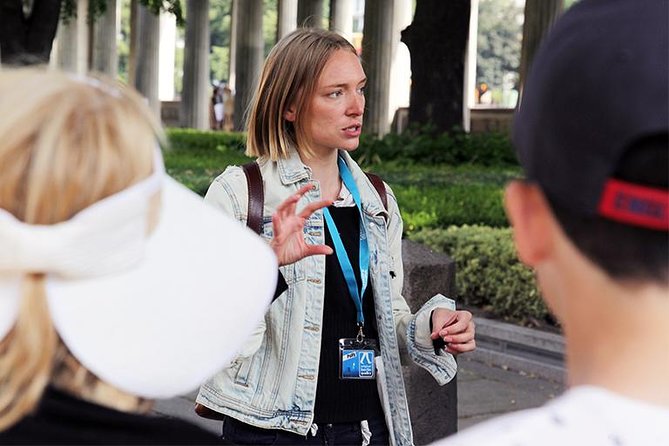
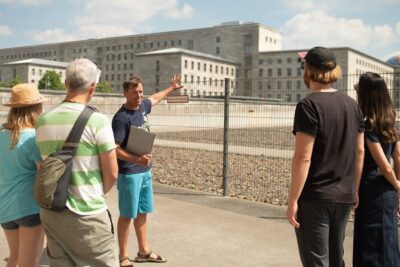
The next stop is the former Ministry of Aviation, once the headquarters of the German Luftwaffe. The building is tied to the military side of the Nazi government, and your guide uses it to explain the consequences of the regime’s policies.
This is where the tour broadens beyond the persecution of Jewish people. You also learn about the treatment of Sinti and Roma communities, who were targeted by Nazi racial policy and subjected to imprisonment, deportation, and murder.
The stop lasts about ten minutes. Again, this is not a building tour. It is a focused explanation from outside, linking the structure to the institutions and decisions that shaped the war and the persecution of civilians.
I appreciate the route’s willingness to include groups that are sometimes left out of general Second World War tours. The memorials later in the walk continue this wider approach, covering Jewish victims, gay victims of Nazi persecution, political resistance, and Soviet military dead.
Resistance, memorials, and different kinds of remembrance
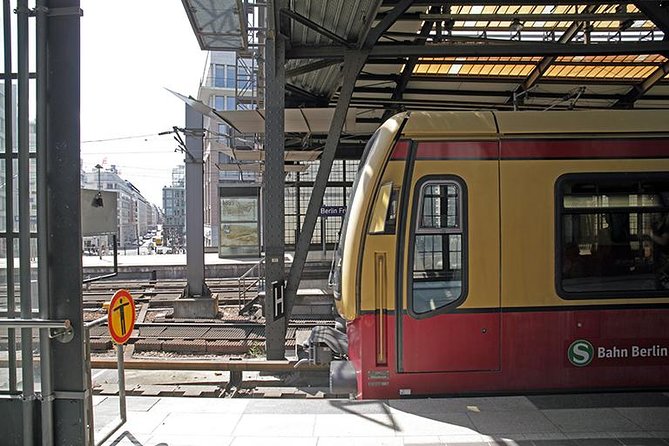
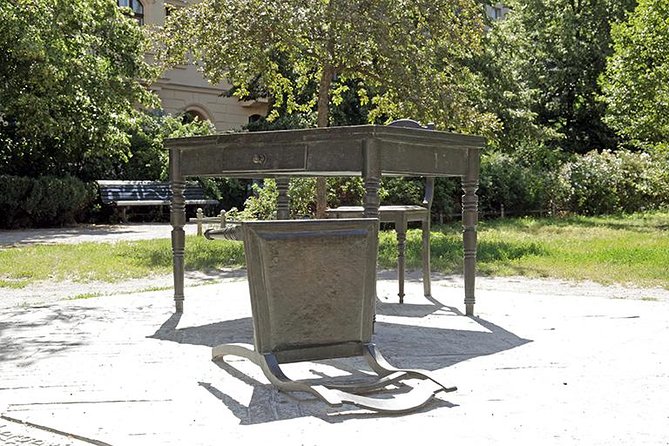
The Johann Georg Elser Sculpture marks an attempt to kill Hitler. Elser planned and carried out a bombing attempt in 1939, but Hitler left the site earlier than expected and survived. Your guide explains the episode and places it within the larger story of German resistance.
The stop is short, about five minutes, but it raises a useful question: resistance did exist, even under a dictatorship that made opposition dangerous. It also helps prevent the common mistake of seeing German society as completely passive or uniform.
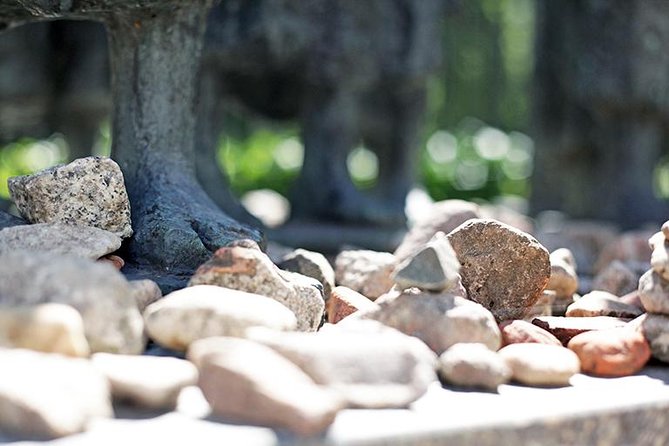
You then reach the Memorial to the Murdered Jews of Europe, commonly called the Holocaust Memorial. The field of concrete stelae is deliberately open to interpretation, and your guide explains the purpose and history of the site. The stop lasts about ten minutes.
Do not expect a long visit inside the memorial’s information center as part of this walk. The schedule gives you a guided introduction, not an extended museum study. If this is a major reason for your visit, set aside extra time on another day.
Nearby, the Memorial to Homosexuals Persecuted Under the National Socialist Regime adds another part of the story. Its inclusion is valuable because the Nazi persecution of gay men and women is often missing from broad city tours. Your guide explains the memorial and its place in Berlin’s public remembrance.
These stops can feel emotionally heavy. That is not a flaw, but you should know what kind of afternoon you are choosing. The guide’s tone matters here. The strongest descriptions of the experience praise guides who use well-timed humor to keep the group attentive without making light of the subject.
The Soviet Memorial and the final walk to the Reichstag
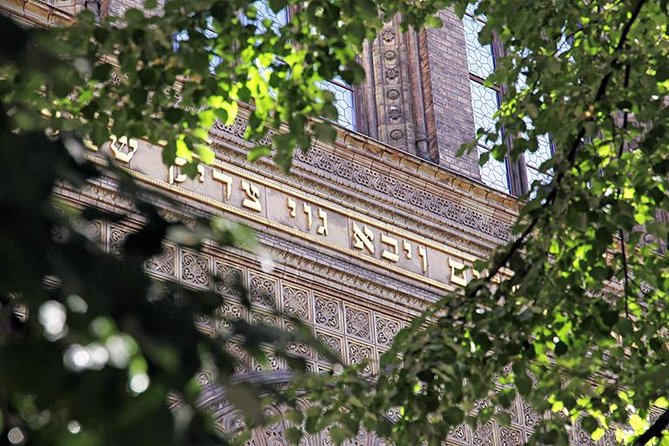
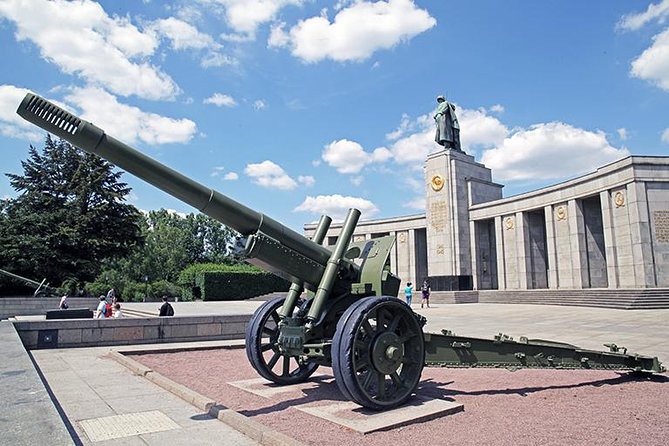
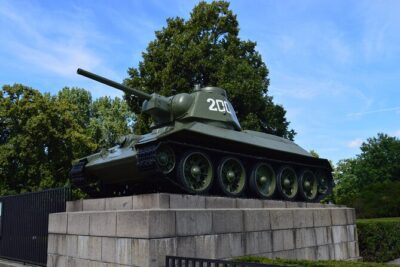
The route continues through Tiergarten to the Soviet Memorial. Your guide explains the memorial’s purpose and its connection with the final battle for Berlin and the defeat of Nazi Germany.
This stop gives you a different view of 1945. The war did not end simply with the fall of Hitler. Berlin was fought over, heavily damaged, and occupied. The Soviet memorial also reminds you that the defeat of Nazi Germany came at enormous human cost, particularly on the Eastern Front.
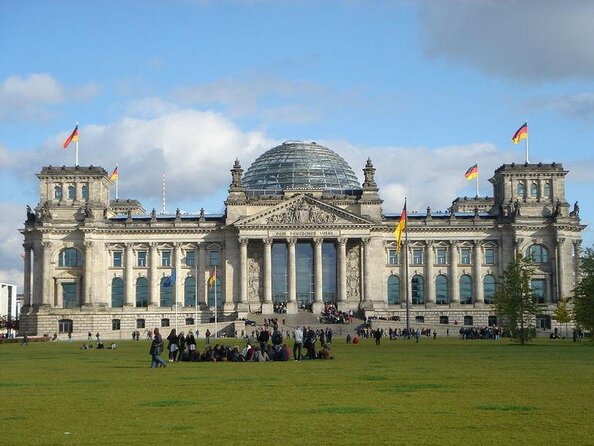
The final stop is the Reichstag Building, Germany’s parliament. The tour ends outside, at Platz der Republik, rather than with an interior visit. Your guide connects the building with the Nazi seizure of power in 1933 and the last days of the war in 1945.
Ending here gives the walk a strong sense of closure. You have moved from the early persecution of Berlin’s Jewish population through the police state, war, resistance, mass murder, memorial culture, and military defeat. The Reichstag then carries the story forward into the democratic Germany of today.
The route does not cover every major Nazi site in Berlin. It does not promise a bunker entry, for example, and most stops are short outdoor explanations. Its strength is the way it links several locations into one readable story.
What $21.77 buys you
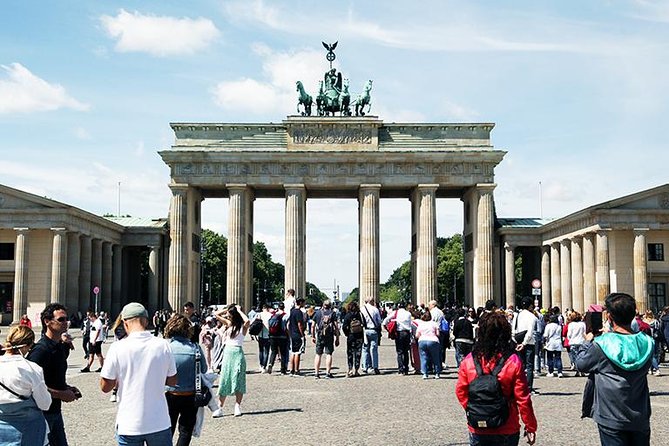
At $21.77 per person, this is inexpensive for a four-hour guided walk in central Berlin. The price includes a professional English-speaking guide and the walking tour itself. There are no entrance fees listed for the stops, which keeps the cost low but also tells you that this is mainly an outdoor experience.
You must pay separately for an AB Zone transport ticket, listed at about €3.80 per person and available at the station near the meeting point. Check the exact ticket price when you travel, since fares can change.
The value is strongest if you want structure. You could walk past several of these sites alone, but you would need to research the locations, map the route, and work out the links between them. The guide saves you that time and gives you a chance to ask questions as the story develops.
The price is less attractive if you prefer long museum visits, private guiding, or a very slow pace. With a maximum group of 25, the walk is not a private tour. Still, the group size is controlled, and some departures have been small enough for easy conversation.
Timing, weather, and who should book
The tour takes about four hours and starts at 10:00 a.m., leaving the rest of your day open. That makes it easy to pair with an afternoon museum visit, a return to the Holocaust Memorial information center, or independent sightseeing around the Reichstag.
Wear shoes suitable for sustained walking. Bring a waterproof layer and dress for the forecast because the tour runs in all weather. The route is near public transportation, and service animals are allowed. Most people can participate, but the distance and subject matter still make this a poor choice for anyone seeking a gentle, low-effort city introduction.
I would choose this tour if you want a serious grounding in Berlin’s Nazi period and value a guide who can answer questions. It also suits families with older teenagers. One guide was praised for keeping two teenagers interested, and another helped explain the subject to people from different generations.
I would not choose it as your only Berlin tour if you want a broad overview of the city’s art, Prussian past, Cold War story, or everyday life. One person wished the guide had pointed out more non-Nazi sights along the way, but the focused subject is the point here.
The tour has free cancellation up to 24 hours before the start time. Changes or cancellations made inside that window are not refunded.
Should you book the Berlin Third Reich Sites walk?
Yes, if you want a focused, affordable introduction to how Nazi rule shaped Berlin. The route is strong because it combines famous memorials with less obvious places such as Anhalter Bahnhof, the former SS and Gestapo headquarters, and the Aviation Ministry.
Book it knowing that you will walk for four hours, spend much of the time outdoors, and receive short explanations at several stops rather than full museum visits. If you bring comfortable shoes, allow time for questions, and approach the subject with care, this tour offers a clear way to understand a difficult chapter of Berlin’s past.
FAQ
How long is the Berlin Third Reich Sites walking tour?
The tour lasts approximately four hours.
What time does the tour start?
The scheduled start time is 10:00 a.m.
Where does the tour begin?
It begins at Neue Promenade 3, 10178 Berlin, near Hackescher Markt S-Bahn station.
Where does the tour end?
The tour ends outside the Reichstag Building at Platz der Republik 1, 11011 Berlin.
Is public transportation included?
No. An AB Zone transport ticket costs approximately €3.80 per person and is available from the station at the meeting point.
Is the tour offered in English?
Yes. The tour is offered in English with a professional English-speaking guide.
What happens in bad weather?
The tour operates in all weather conditions, so you should dress appropriately.
What is the cancellation policy?
You can cancel up to 24 hours before the experience starts for a full refund. Cancellations or changes made less than 24 hours before the start time are not refunded.
More Half-Day in Berlin
- Potsdam Half-Day Walking Tour from Berlin
★ 4.5 · 398 reviews - Berlin Private Half-Day Walking Tour: Discover the German Capital’s History
★ 5.0 · 244 reviews - From Berlin: Potsdam Half-Day Guided Tour
★ 4.6 · 167 reviews - From Berlin: Potsdam Half-Day Tour in Spanish
★ 4.6 · 135 reviews
More Walking Tours in Berlin
- Berlin: Discover Berlin Walking Tour
★ 4.9 · 5,998 reviews - Berlin: Hidden Backyards Guided Walking Tour
★ 4.8 · 5,360 reviews - Berlin: Alternative Berlin Walking Tour
★ 4.6 · 1,204 reviews - Berlin: Third Reich, Hitler, and WWII Walking Tour
★ 4.9 · 1,133 reviews
Just added around Berlin
- Love and War in Berlin: Self-Guided Story Puzzle Walk★ 5.0 · 7 reviews
- Rickshaw Tours Berlin – Groups of up to 16 people with several rickshaws★ 4.0 · 97 reviews
- Walking on the Wall: 3-Hour Tour in Berlin★ 4.5 · 34 reviews
- eSIM for Germany and 34 European Countries★ 4.5 · 16 reviews
- Warnemuende Shore Excursion: Berlin Private Sightseeing Tour from Rostock★ 5.0 · 4 reviews
- Your ticket to The Wall Museum Berlin★ 3.0 · 60 reviews
- Warnemuende Shore Excursion: Private Berlin Tour★ 4.5 · 27 reviews
- Berlin’s Gay, Lesbian, and Queer Scene Small-Group Walking Tour★ 4.5 · 66 reviews
Third Reich & Cold War Tours, compared.
Berlin’s Best: 2 Hour Walking Tour Third Reich and the Cold War
Read our review →
Third Reich Berlin: Hitler and WWII Walking Tour
Read our review →
Skip-the-Line: Berlin Wall Museum at Checkpoint Charlie
Read our review →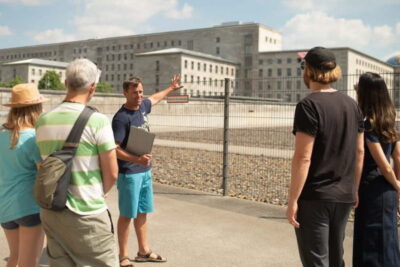
Cold War, Berlin Wall, Spies and the East Side Gallery
Read our review →Browse the lists this tour appears in