
Reviewed · THIRD REICH & COLD WAR TOURS
Third Reich Walking Tour Munich
Munich’s Nazi past is not tucked away in a distant museum. It sits along ordinary streets, grand squares, beer halls, and the city center. This 2.5-hour Third Reich walking tour connects those places and explains how Munich became a center of Nazi power, from Hitler’s early political rise to the destruction caused by the regime.
I like two things in particular. First, the route gives you real places tied to the story, not just a classroom lecture. Second, the guides bring photos, answer difficult questions, and connect the past with modern Germany. The main drawback is simple: you spend the whole tour outdoors, and the subject is dense enough that you may wish for more time.
In This Review
- Key points at a glance
- Why Munich is the right place for this difficult history
- Starting at Radius Tours on Dachauer Strasse
- Königsplatz and the visual language of power
- Odeonsplatz and the politics of marches
- The Hofbräuhaus and Munich’s beer-hall politics
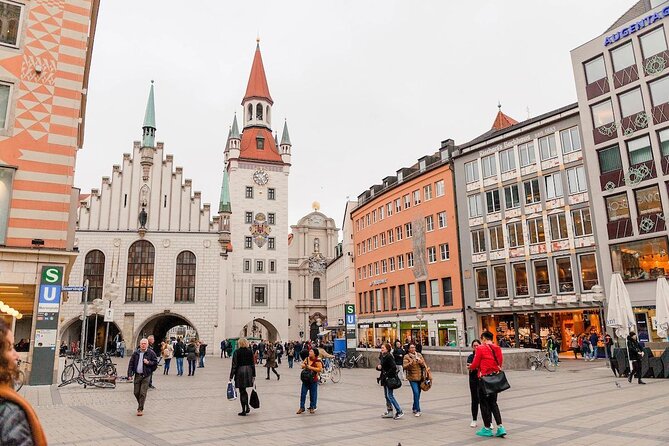
- The Old Town Hall and the return to the city center
- Marienplatz gives you a useful finish
- What the guides add to the experience
- Price, length, and who gets good value
- Practical advice before you book
- Should you book the Third Reich Walking Tour?
- FAQ
- How long does the Third Reich Walking Tour last?
- Where does the tour begin?
- Where does the tour end?
- Is the tour offered in English?
- How much does the tour cost?
- Can I cancel for a refund?
Key points at a glance
- Königsplatz puts Nazi architecture and mass politics in view, with time to understand why this square mattered.
- Odeonsplatz shows how marches and memorial events helped shape Nazi public life in Munich.
- The Hofbräuhaus adds an important beer-hall setting, where political movements found an audience.
- Guides such as Michael, Jake, Aileen, Nick, and Nicola make the history personal with stories, questions, and period photographs.
- The tour ends at Marienplatz, a useful central point for continuing your day.
- Dress for the weather, since this is an outdoor walking tour with no regular indoor shelter.
Why Munich is the right place for this difficult history
Munich is often sold through its churches, museums, markets, and beer halls. Yet it was also the city where Adolf Hitler and the Nazi Party built much of their early support. That makes a walking tour here unusually direct. You are not simply hearing a timeline. You are moving through the streets where political speeches, marches, meetings, and acts of resistance took place.
The tour covers the Nazi propaganda machine, the conditions that helped the movement grow, and the hateful ideology that led to World War II and mass suffering. It also includes memorials to people who opposed the regime. That matters because a good tour of this subject should not treat Nazi history as a parade of famous names and dramatic buildings. It should show the human cost and the choices made by individuals and institutions.
The tone is serious, but it does not need to be grim every second. Guides such as Jake and Alex have been praised for using humor carefully, helping the group stay engaged during a heavy subject. That balance is useful. You want the facts treated with respect, but you also need a guide who can hold your attention for two and a half hours.
More Third Reich & Cold War Tours in Munich
- Munich: Third Reich & WWII Walking Tour
★ 4.6 · 6,181 reviews - Munich: Birthplace of the Third Reich Guided Walking Tour
★ 4.6 · 771 reviews - Munich City Walking Tour, includes Third Reich & Viktualienmarkt
★ 5.0 · 458 reviews
Starting at Radius Tours on Dachauer Strasse
The meeting point is Radius Tours, at Dachauer Str. 4, near central Munich. Check-in takes about five minutes, and the mobile ticket makes the arrival process fairly simple. You are close to public transportation, which is helpful if you are still getting your bearings in the city.
The group can include up to 25 people. That is large enough to provide the energy of a shared outing, but small enough for a guide to speak with the group and take questions. It is not a private tour, though, and the experience can vary with the size of the group and the guide assigned that day.
The tour is offered in English. The strongest guide feedback centers on clear speech and a willingness to explain complicated points in plain terms. Michael has been praised for taking questions openly, while Aileen used historic photographs and allowed a short bathroom or coffee break after checking with the group. Those details may depend on the day, but they give you a sense of the practical style.
Wear comfortable shoes. The route includes several stops, but much of the value comes from walking between them while the guide ties the locations together. On a cold, gray day, you will feel the weather quickly. Bring warm layers and be ready to remain outside for the full outing.
Königsplatz and the visual language of power
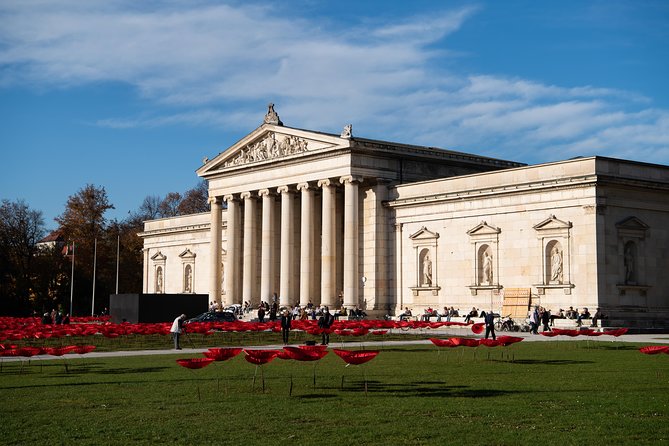
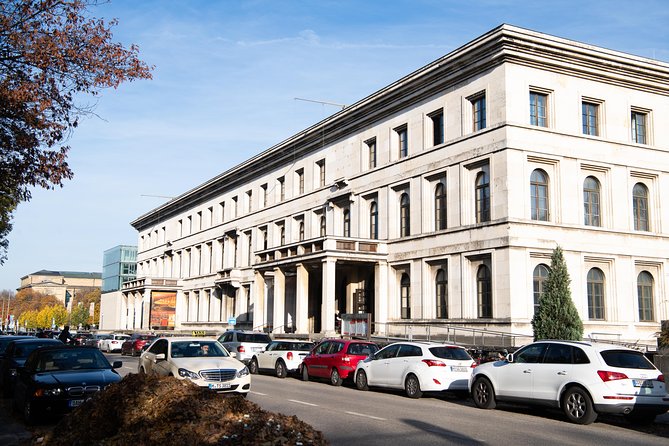
Königsplatz is the first major stop, with about 15 minutes set aside for explanation. This square became an important Nazi landmark, and it gives the guide a strong place to discuss public display, propaganda, and the way political movements use architecture and open space.
A location such as Königsplatz helps you understand the difference between reading about power and seeing its setting. Large public squares can turn political ideas into a shared spectacle. The guide explains how this site fit into the Nazi Party’s plans and how the movement used Munich’s civic spaces to project authority.
The stop is not long, so you should listen closely. You will not get every detail about every building. Instead, the guide uses the square to establish the larger pattern: speeches, symbols, ceremonies, marches, and carefully staged images helped create the idea of a movement that was unstoppable.
This is also a good point to ask questions. Guides have been praised for going beyond memorized dates and explaining social and political factors. If you are already familiar with the period, ask how Munich’s local story fits into the wider rise of the Nazi Party. If you know little about the subject, focus on the basic sequence and save detailed questions for the walking time between stops.
Odeonsplatz and the politics of marches
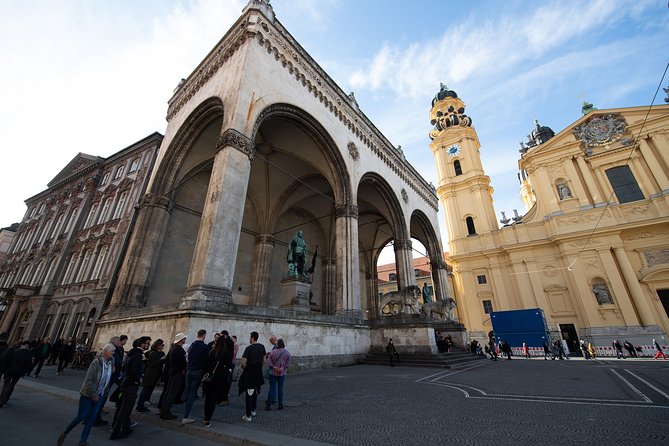
The tour spends about 30 minutes at Odeonsplatz, making it one of the most substantial stops. The square was used by the Nazi Party for marches and memorial events, so the guide can explore both political theater and the ways public ceremonies shaped loyalty.
Odeonsplatz is valuable because it links physical space with crowd behavior. A march is not just movement from one point to another. It creates a sense of order, strength, and belonging. A guide can show you how ceremonies and memorials helped turn ideology into something people saw and felt in public.
The stop also gives you room to think about resistance. The tour includes memorials to those who opposed Nazi rule, rather than focusing only on the leaders who gained power. That broader frame keeps the visit from becoming a tour of Nazi spectacle. You see how the regime presented itself, then hear about the people who refused to accept it.
You may find this part emotionally demanding. The subject includes political violence, persecution, and the road to war. I would not schedule this tour immediately before a lighthearted activity if you prefer time to process what you have heard. On the other hand, its central location and measured pace make it a good first or second-day activity for someone who wants historical context before visiting more museums.
Same city, a completely different kind of day:
- From Munich: Neuschwanstein & Linderhof Castle Full-Day Trip
★ 4.5 · 12,494 reviews - Neuschwanstein & Linderhof Castle-Fairytale Day Tour from Munich
★ 4.5 · 7,275 reviews - Dachau Concentration Camp Memorial Site Tour from Munich by Train
★ 4.5 · 5,637 reviews - Neuschwanstein Castle Tour from Munich
★ 4.5 · 5,117 reviews
The Hofbräuhaus and Munich’s beer-hall politics
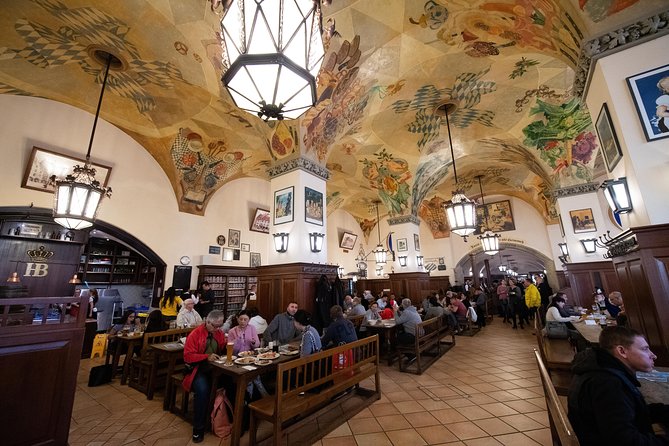
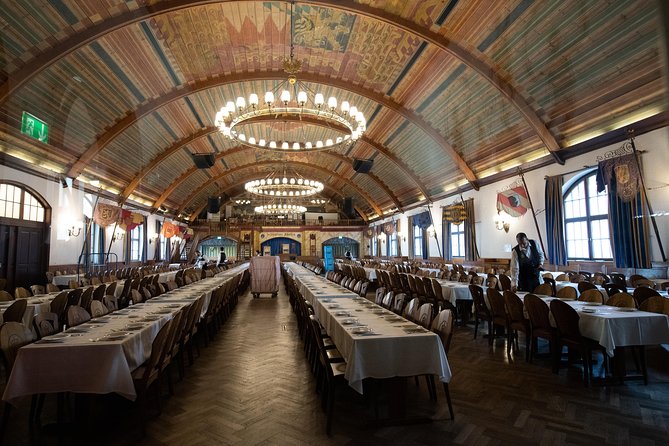
The stop at the Staatliches Hofbräuhaus lasts about 20 minutes. Many people know the Hofbräuhaus as a traditional beer hall, but the tour adds its political role to the picture. Beer halls could serve as gathering places where speakers reached large audiences and political movements built support.
This stop is especially useful because it challenges the idea that major political change happens only in government offices. Public meeting places matter. A familiar social setting can make political ideas feel ordinary, local, and accessible. Your guide explains how the Hofbräuhaus fit into the Nazi Party’s development and why beer halls had such importance in Munich’s political culture.
You should expect to view the site as part of the walking route rather than as a separate meal or beer tasting. The included experience is the guided history tour, not food or drink. If you want to return later for a meal, the tour gives you a clearer sense of the building’s complicated past.
The beer-hall stop also helps break up the formal squares and memorials. That variety keeps the route from feeling like a series of identical speeches. It shows how ideology moved through different parts of city life, from official spaces to everyday meeting places.
The Old Town Hall and the return to the city center
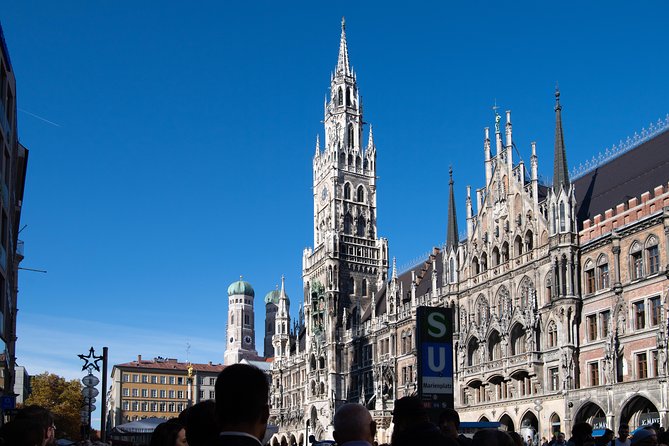
The route continues to Munich’s Old Town Hall, with about 15 minutes for the stop. Here, the guide places another important civic building into the story of Munich during the Nazi era. The emphasis is not simply on the building’s appearance, but on how a city’s institutions and public life intersected with the movement’s rise.
This is where a strong guide makes a real difference. The facts can be dense, especially when the route covers propaganda, political organization, ideology, and the war within a single afternoon. Guides such as Nicola have been praised for finding a workable balance between explaining each landmark and allowing enough time to walk to the next one.
You may want to take notes, but do not try to record everything. A few names, dates, and themes will serve you better than a long list of details. One practical improvement would be a short outline of the stops for later review. Since the tour covers a great deal in a limited time, you might remember the main story more clearly if you jot down the locations as you go.
Marienplatz gives you a useful finish
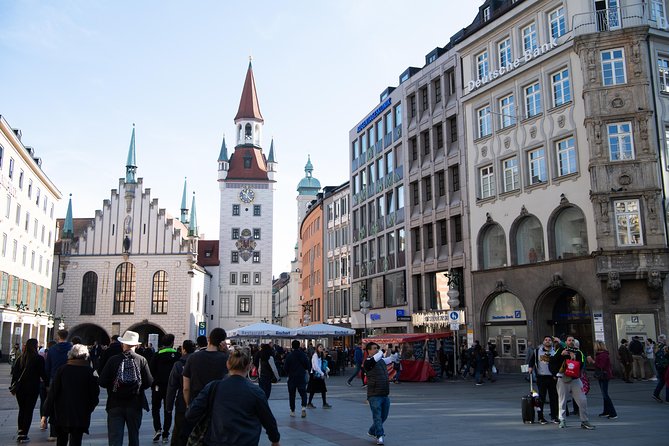
The tour ends at Marienplatz, with roughly 20 minutes devoted to the city center. This is a practical finish. You are close to shops, restaurants, public transportation, and many of Munich’s main sights, so you can continue exploring without crossing the city again.
Ending here also gives the guide a chance to bring the story back to modern Munich. The tour is not only about how the Nazi Party rose. It also asks you to consider memory, responsibility, resistance, and how Germany deals with this past today.
Marienplatz can be busy, so the end may feel less quiet than the memorial stops. Still, that contrast has value. You leave a serious historical discussion and step straight into present-day city life. The change makes the past feel connected to the place you are visiting, rather than sealed away in another era.
If you plan to visit the White Rose memorial or museum, this tour can give you useful background first. The White Rose group’s opposition to the Nazi regime is one of the resistance stories associated with Munich, and the walking route’s attention to people who challenged the system prepares you to understand that subject more fully.
What the guides add to the experience
The tour is only as good as the person leading it, and the guide is the most praised part of this experience. Michael, Jake, Nick, Aileen, Nicola, Paul, Scott, Steve, Alex, Sarah, and others have led tours described as clear, lively, patient, and well prepared.
That does not mean every guide will use the same approach. Some rely more on stories and humor. Others may focus on political detail or show more period photographs. The best qualities are consistent: a strong command of the subject, clear English, a willingness to answer uncomfortable questions, and sensitivity to the group’s needs.
Several useful habits come through in the guide style. Expect questions to be welcomed. Expect the guide to explain why a location matters rather than simply name it. You might also see photographs that help you compare the modern street with the same place during the Nazi period.
The guides do not appear to treat the subject as a detached list of dates. They explain how the Nazi Party gained support, how propaganda worked, and how Munich’s public spaces helped the movement. That approach suits both history enthusiasts and first-time learners.
Price, length, and who gets good value
At $45.95 per person, this is not the cheapest way to walk around Munich. You can visit the squares and streets on your own for free. The value comes from the interpretation: a guide gives the places an order, explains their connection, and points out details you might otherwise pass without noticing.
Two and a half hours is a useful middle ground. It is long enough to cover several important sites without taking your entire day. It is also short enough to combine with other Munich plans, especially since the finish is at Marienplatz.
If you are a serious student of the Nazi period, you may find the time limit frustrating. The route covers a lot, and one guide cannot explore every building, biography, or political debate. Some people would gladly spend another few hours on the subject. For a first orientation, though, the length is sensible.
I see the best value for you if you want context, not just photographs. The tour also suits history majors, teachers, librarians, and people who have already read about the period but want to connect the facts to real locations. It works for newcomers too, since the guides build the story from the party’s beginnings through its rise and the war.
Practical advice before you book
Plan for an outdoor tour in every sense. There is no indication of regular indoor shelter, so cold weather can affect your comfort. One guide has adjusted the pace and sought sunny spots on a bitterly cold day, but you should not depend on that. Dress warmly and wear shoes suited to city walking.
The activity is offered in English, accepts mobile tickets, and is near public transportation. Service animals are allowed, and most people can take part. The group limit is 25, so you should expect a shared tour rather than a private conversation with the guide.
The experience requires good weather and a minimum number of participants. If the operator cancels for either reason, you are offered another date or experience, or a full refund. You can cancel for a full refund up to 24 hours before the start time. Inside that 24-hour window, changes and refunds are not accepted.
Book around four weeks ahead if your schedule is fixed. The tour is booked about 29 days in advance on average, which suggests that popular dates can fill before the day arrives. You should also leave a little breathing room after the tour, since the subject may leave you wanting time for a museum, memorial, or quiet coffee.
Should you book the Third Reich Walking Tour?
I would book this tour if you want to understand how Munich’s streets fit into the rise of the Nazi Party. The route is central, the price is reasonable for a guided history experience, and the guide-led format gives you far more context than a self-guided walk.
I would skip it only if you want a light sightseeing stroll, dislike walking outdoors, or already have several hours of detailed research planned elsewhere. For most visitors, especially those interested in modern European history, this is a serious and worthwhile addition to a Munich stay.
Go in prepared to listen, dress for the weather, and accept that two and a half hours cannot cover everything. You will leave with a clearer sense of Munich’s role, a set of locations you can revisit, and a better foundation for exploring the city’s museums and memorials.
FAQ
How long does the Third Reich Walking Tour last?
The tour lasts approximately 2 hours and 30 minutes.
Where does the tour begin?
It begins at Radius Tours, Dachauer Str. 4, 80335 München, Germany.
Where does the tour end?
The tour ends at Marienplatz in central Munich.
Is the tour offered in English?
Yes. The tour is offered in English and includes a local English-speaking guide.
How much does the tour cost?
The listed price is $45.95 per person.
Can I cancel for a refund?
Yes. You can cancel at least 24 hours before the start time for a full refund. Cancellations or changes made within 24 hours are not refunded or accepted. If poor weather or an insufficient number of participants causes the operator to cancel, you are offered another date or experience, or a full refund.
More Walking Tours in Munich
- Munich: Old Town & Viktualienmarkt City Walk in German
★ 4.7 · 2,304 reviews - Munich: Night Watchman Walking Tour
★ 4.7 · 2,092 reviews - Munich Ghosts and Spirits Evening Walking Tour
★ 5.0 · 1,900 reviews - Munich Old Town Walking Tour
★ 4.5 · 1,287 reviews
Just added around Munich
- Pub crawl incl. Oktoberfest museum guided tour with beer tasting (private)★ 5.0 · 5 reviews
- South Tyrolean specialties and wine tasting★ 5.0 · 5 reviews
- Size Matters Beer Tour Munich★ 4.6 · 105 reviews
- Short & sweet: Tasting the Viktualienmarkt★ 4.8 · 37 reviews
- Secret Food Tours Munich★ 4.8 · 5 reviews
- Munich: Romantic Wine Experience for Two at Viktualienmarkt★ 4.2 · 14 reviews
- Munich: Resistance against Hitler – Historical Walking Tour★ 5.0 · 5 reviews
- Residence of Munich private tour with skip the line ticket★ 5.0 · 4 reviews
Third Reich & Cold War Tours, compared.
Berlin’s Best: 2 Hour Walking Tour Third Reich and the Cold War
Read our review →
Third Reich Berlin: Hitler and WWII Walking Tour
Read our review →
Skip-the-Line: Berlin Wall Museum at Checkpoint Charlie
Read our review →
Cold War, Berlin Wall, Spies and the East Side Gallery
Read our review →
Berlin Third Reich Sites: Half-Day Walking Tour
Read our review →Browse the lists this tour appears in