

Reviewed · HISTORICAL TOURS
Munich: Resistance against Hitler – Historical Walking Tour
Munich was where Hitler’s political career took root, so it is fitting that this tour begins at the University of Munich and follows the people who pushed back. With local guide Alex, you’ll hear the better-known story of the White Rose alongside lesser-known acts of courage, including a lone attempt to kill Hitler and a military plot that unfolded on the streets ahead.
I like the tour’s original locations, which give the stories weight, and Alex’s use of unusual historical images to connect past events with the places around you. The main consideration is language: the tour is conducted in German, and its serious subject calls for attention rather than a casual sightseeing mood.
In This Review
- Key points to know before you go
- Why Munich is the right place for this tour
- Beginning at the University of Munich
- The White Rose and the cost of speaking out
- A former ministry and the machinery of power
- The lonely attempt to kill Hitler
- The military coup and its original setting
- Munich’s young resisters and the road to Odeonsplatz
- Alex’s guiding style and the use of images
- Is $28 a fair price for two hours?
- Who should take this Munich resistance tour?
- Final recommendation: book it for the stories, not just the sights
- FAQ
- How long does the historical walking tour last?
- What language is the tour conducted in?
- Where is the meeting point?
- Where does the tour finish?
- Is hotel pickup included?
- What main historical subjects are covered?
- Does the tour visit original historical locations?
- What should I bring?
- Can I cancel the booking for a full refund?
Key points to know before you go
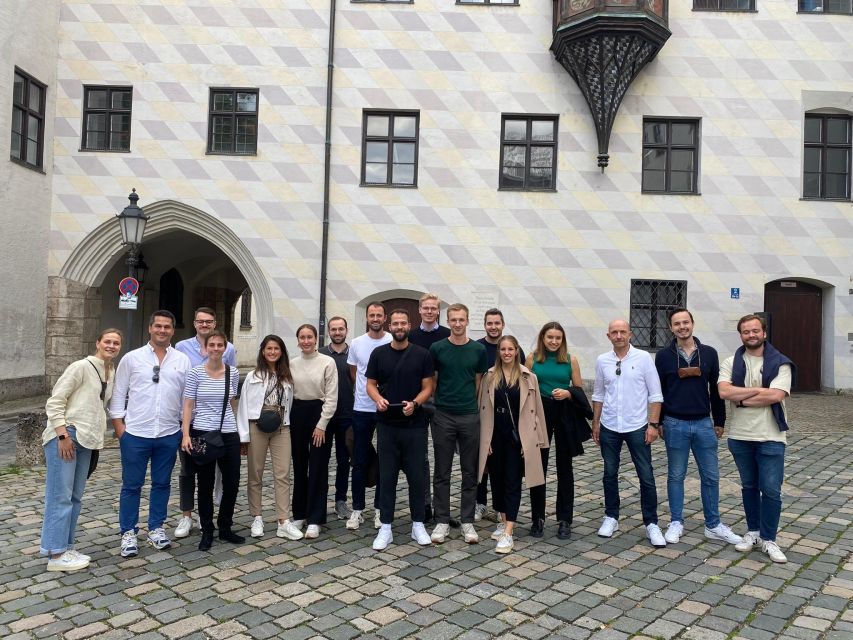
- Start at LMU: Meet by the large fountain at the main entrance of the University of Munich, Geschwister-Scholl-Platz 1.
- Follow the White Rose: Learn how Munich students resisted the Nazi regime from the university at a time when many older people looked away.
- Hear the lone bomber’s story: Discover how one courageous man built a bomb in an attempt to kill Hitler.
- Visit coup-related sites: Explore the original setting connected with a dramatic military plot against the Nazis.
- Finish at Odeonsplatz: The final story brings the two-hour walk to one of Munich’s best-known squares.
- Plan for the weather: The tour runs rain or shine, so comfortable shoes and suitable clothing matter.
Why Munich is the right place for this tour

Munich is often sold through palaces, beer halls, churches, and handsome squares. Those are worthwhile, but they tell only part of the city’s story. Munich was also the birthplace of National Socialism, the place where Hitler gave early speeches and where the Nazi Party was founded.
That background changes the way you see the city. A university entrance, a government building, or a grand square can look ordinary until you learn what happened there. This tour uses those everyday surroundings to show both the rise of Nazi power and the people who resisted it.
I find that approach more useful than a general lecture on twentieth-century Germany. You are not only asked to remember dates and names. You are shown where choices were made, where messages were distributed, and where people took enormous risks.
The tone is serious, as it should be. At the same time, Alex is described as warm and approachable, which helps keep the walk from becoming stiff or overly academic. You can ask questions, and the guide’s strong historical preparation is useful when the subject moves beyond the most famous names.
A few more Munich trips to weigh up
- Munich: Guided Tour of the historic Town Hall on Marienplatz
★ 4.8 · 63 reviews - Munich and Nazi History Combination Day Tour Small Group
★ 5.0 · 31 reviews - Munich: Nazi History 2-Hour Small Group Walking Tour
★ 5.0 · 30 reviews
Beginning at the University of Munich
The meeting point is the large fountain in front of the main entrance of the University of Munich, at Geschwister-Scholl-Platz 1. This is not just a convenient place to gather. The university is central to the story of the White Rose, Germany’s best-known resistance group.
From the start, you’ll be placed in the setting where young people challenged the Nazi regime through leaflets and open opposition. The university’s main building is one of the original historical sites on the route, so the story is tied directly to the architecture around you.
The White Rose is likely to be the part of the tour you already know. That makes it a good entry point, but the walk does not stop there. Alex also covers resistance efforts that receive less attention, helping you build a fuller picture of opposition inside Nazi Germany.
One of the strongest features here is the focus on Munich’s youth. The tour makes clear that resistance was not limited to senior officers or established political figures. Young people also recognized what was happening and acted, even when the cost could be prison or death.
That point matters. It is easy to view the past from a safe distance and assume that everyone understood the danger in the same way. The stories told at LMU show how difficult it was to speak out, and how much bravery was required from people with very little power.
The White Rose and the cost of speaking out
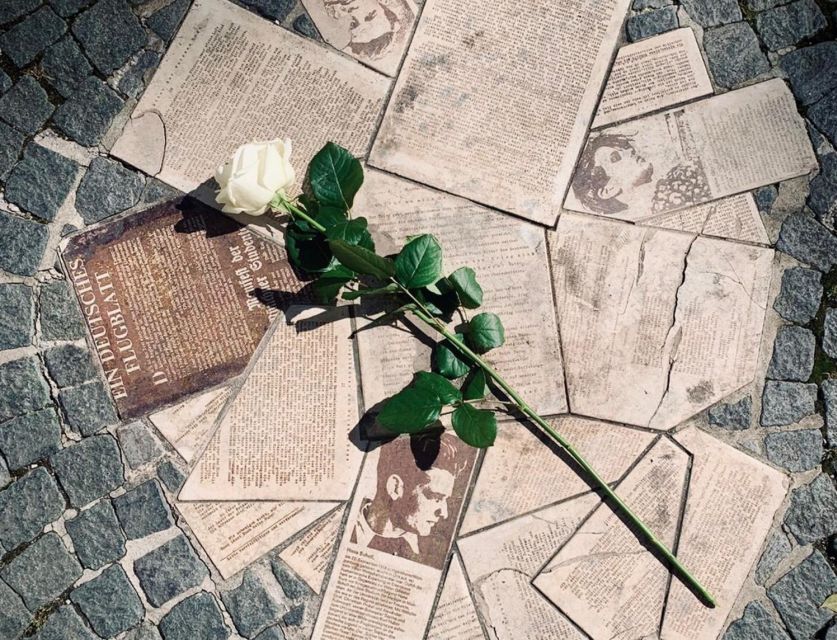
The White Rose is often the best-known Munich resistance story because it involved students and because the university remains such a visible part of the city. Hearing about it at the actual university gives the story a sharper focus than reading about it in a museum display.
You’ll learn more about the group’s actions and the risks involved in distributing anti-Nazi material. The point is not to turn the students into simple heroes in a distant tale. Their courage becomes more understandable when you consider the pressure of the time and the consequences of being caught.
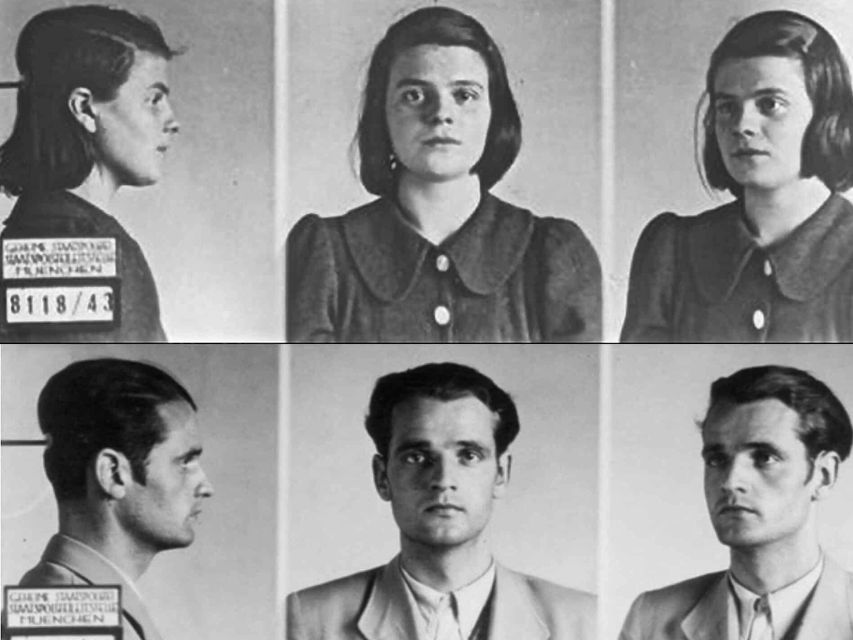
Alex’s style seems particularly suited to this part of the route. He presents the facts with care but does not make the experience feel cold. Historical images shown at related sites add another layer, allowing you to connect the people and events with the buildings in front of you.
If you already know the White Rose story, you should still find value in the wider context. The tour places their actions alongside other resistance movements, some famous and some nearly forgotten. That comparison helps you see that opposition took several forms.
I also appreciate that the tour does not treat resistance as a simple measure of national character. Munich was deeply tied to the Nazi movement, and many people endured or supported the regime. The walk holds both facts together: the city was a center of Nazi power, and it was also home to people who resisted it.
A former ministry and the machinery of power
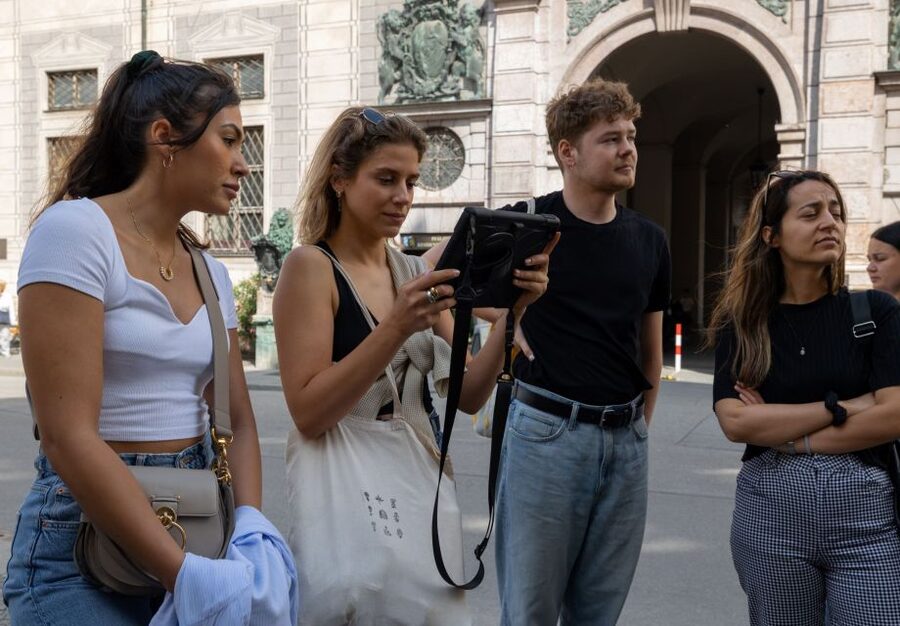
The route continues toward original sites connected with Nazi administration, including the former Central Ministry. The exact stop is important because it shows the resistance stories against the working machinery of the regime.
A tour focused only on brave individuals can make history feel like a string of dramatic personal stories. By including a former government center, this walk also gives you a sense of the institutions those people were challenging. Resistance was not taking place in a vacuum. It confronted an organized political system backed by official offices and authority.
This section is likely to appeal to you if you want more than famous names. The tour connects people, plans, and places, giving you a better idea of how Munich functioned during the Nazi period.
Do not expect a conventional sightseeing stop with a long visit inside a major attraction. The experience is a walking tour, and much of the value comes from Alex explaining what happened at or near the site. You should think of the city streets as the setting, not as a series of indoor exhibits.
That also means the weather can affect your comfort. The tour runs rain or shine. Bring a coat or rain protection when needed, and wear shoes that are comfortable for two hours on foot.
Same city, a completely different kind of day:
- From Munich: Neuschwanstein & Linderhof Castle Full-Day Trip
★ 4.5 · 12,494 reviews - Neuschwanstein & Linderhof Castle-Fairytale Day Tour from Munich
★ 4.5 · 7,275 reviews - Munich: Third Reich & WWII Walking Tour
★ 4.6 · 6,181 reviews - Dachau Concentration Camp Memorial Site Tour from Munich by Train
★ 4.5 · 5,637 reviews
The lonely attempt to kill Hitler
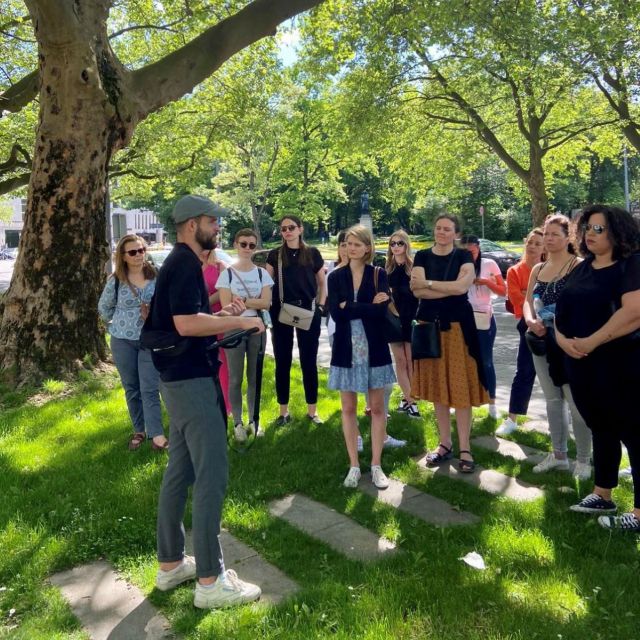
One of the tour’s most striking stories concerns a man who built a bomb on his own in an attempt to kill Hitler. The experience does not present resistance only as a group effort or a military operation. It also shows what one person tried to do with limited support and enormous personal risk.
The supplied details do not identify the man by name, so Alex’s telling of the story will be especially important. You’ll learn where this attempt was planned and how the place connects to the wider history of Munich and Hitler’s rise.
I like the contrast between this story and the White Rose. One involves young people acting together, while the other follows a solitary figure making an assassination plan. Together, they show the range of opposition to the Nazi regime.
This is also a useful reminder that resistance did not always look heroic in the moment. Plans could fail. Timing could change. People could be isolated, misunderstood, or caught. The tour’s tragic stories are balanced by the fact that someone still chose to act.
The subject is heavy, and the tour is not designed as light entertainment. Still, Alex’s sympathetic manner helps keep the atmosphere open enough for questions and reflection. That balance was one of the most praised parts of his guiding style.
The military coup and its original setting
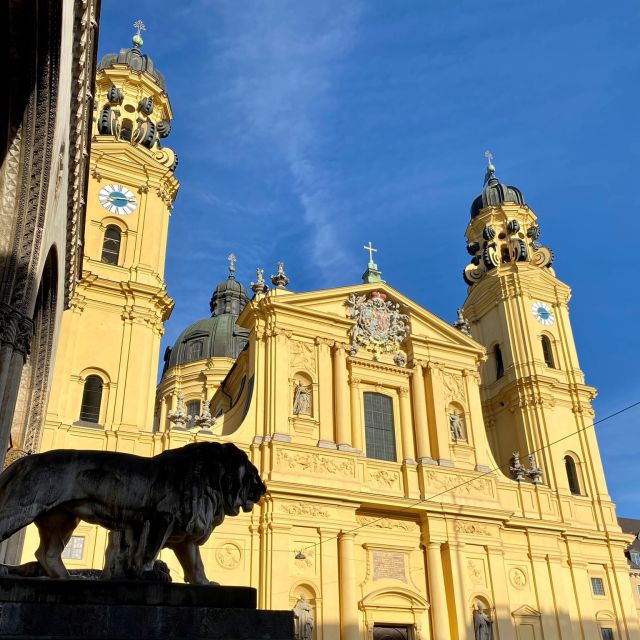
Another major part of the walk covers a secret military plot against the Nazis. You’ll visit the original sight of a dramatic coup, rather than hearing about it only from a classroom or book.
This section broadens the tour again. The White Rose represents student resistance, the lone bomber represents individual action, and the military plot shows opposition within the armed forces and political establishment.
The story also raises difficult questions. Why did some people act early while others waited? What made a plan possible, and what made it fail? How much courage was needed to oppose a regime from inside its own institutions?
A good guide can make these questions feel connected to the place. Alex’s strength is said to be his ability to answer questions and explain less familiar events in a clear way. That matters here, since military conspiracies can become confusing when several people, plans, and locations overlap.
You should expect a walking explanation rather than a staged reenactment. There are no special effects or theatrical scenes. The power comes from standing in the real city and hearing how an attempted coup unfolded around these locations.
Munich’s young resisters and the road to Odeonsplatz
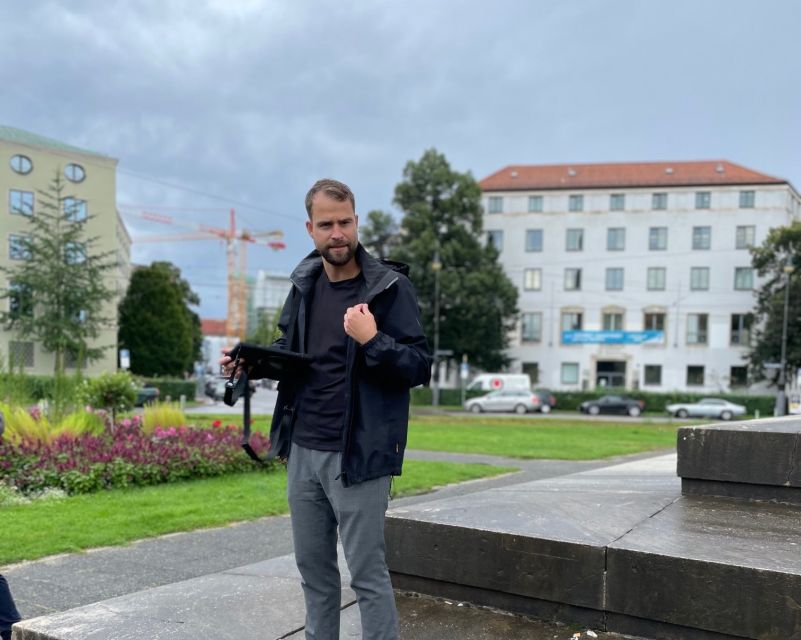
The tour’s attention to young people continues as you move toward the final stop. This part makes a useful comparison between the courage of Munich’s youth and the silence or deliberate inaction of many older people.
That contrast is not presented as an excuse or a simple judgment. It helps you think about how resistance works under pressure. Young people had fewer official roles and less authority, yet some still decided that doing nothing was not acceptable.
The walk ends at Odeonsplatz, one of Munich’s most beautiful and recognizable squares. It is a strong final location because its grand appearance can hide the seriousness of the events linked to it.
Ending at a major central square also makes the tour practical. You are not dropped at a remote site. After two hours, you can continue exploring Munich on foot, use the nearby city area as a starting point, or ask Alex for suggestions about seeing the city in a more local way.
Personal recommendations are included with the guided experience. That is a small but useful benefit, especially if you want to connect this historical walk with the rest of your Munich visit.
Alex’s guiding style and the use of images
Alex is a real Munich local with a strong interest in history. The most consistent praise of his work focuses on three things: he explains clearly, creates a relaxed atmosphere around a serious topic, and handles questions well.
That combination is valuable on a subject that can easily become dry or overwhelming. You need enough detail to understand the resistance movements, but you also need a guide who can keep the story moving through the city.
Alex also uses unusual historical images at relevant locations. I find visual material especially helpful on a walking tour because it gives you something to compare with the present-day scene. A photograph or document can make a building feel less abstract.
The tour is in German. This is not a minor detail. If you do not understand German comfortably, you will miss much of the explanation, and the value of the experience depends almost entirely on the guide’s spoken storytelling.
The reviews supplied for the tour are all highly positive, with particular emphasis on Alex’s preparation, sympathy, organization, and ability to introduce lesser-known events. That praise fits the design of the walk, which aims to go beyond the White Rose and show several different forms of resistance.
Is $28 a fair price for two hours?
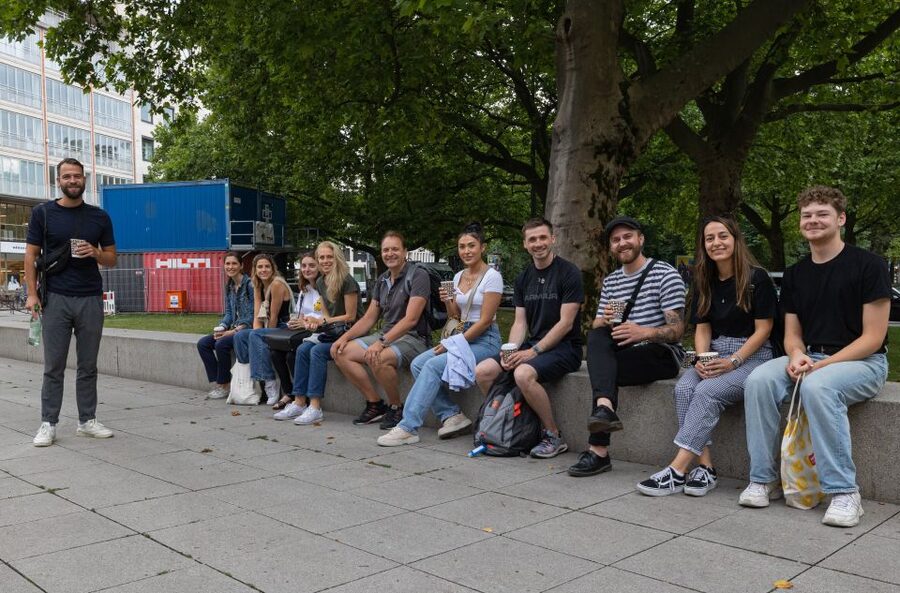
At $28 per person, this is reasonably priced for a fully guided two-hour city walk, especially if you care about historical context and a local guide’s interpretation. You are paying for more than movement between landmarks. The value comes from the connected stories, original locations, images, and time available for questions.
The price is less compelling if you want a broad introduction to Munich or a tour built around famous architecture. This experience has a narrow focus, and it stays with that focus throughout.
I would compare it with the cost of spending two hours trying to piece together these events yourself. You might find the university and Odeonsplatz easily, but the lesser-known resistance stories and the links between the sites would be much harder to reconstruct on your own.
The tour also includes personal recommendations for exploring Munich like a local. That does not replace a full city orientation, but it adds some practical value at the end.
Who should take this Munich resistance tour?
I would recommend it most strongly to:
- People with a serious interest in German or European history
- Visitors who already know the basic White Rose story and want more
- Anyone who prefers original sites to a standard indoor lecture
- Students and families with older children who can engage with difficult history
- Repeat visitors to Munich seeking a different side of the city
- German speakers who enjoy asking detailed questions
It may not suit you if you want a light, entertaining walk or if you do not understand German well enough to follow a full guided discussion. The subject includes persecution, assassination plans, military conspiracy, and sacrifice, so you should be ready for a sober experience.
The walk is wheelchair accessible, according to the activity information. Since it takes place outdoors and continues in all weather, practical comfort still matters. Wear comfortable shoes and prepare for rain or cold as needed.
Final recommendation: book it for the stories, not just the sights
You should book this tour if you want to understand how resistance looked in Munich, not simply see another city square. The strongest reason to go is the range of stories: the White Rose, young people taking a stand, a lone bomber, and a military coup all appear within one clear two-hour route.
I especially like that the walk does not pretend Munich was only a city of resistance. Its power comes from showing the uncomfortable truth that Nazi power was rooted here, while a smaller number of people still chose to oppose it.
At $28, the tour offers good value for German-speaking visitors who want a focused, thoughtful history walk. Choose it for Alex’s local perspective and the original sites. Skip it only if you need an English-language tour, prefer a lighter introduction to Munich, or are not prepared for a serious subject.
FAQ
How long does the historical walking tour last?
The tour lasts about two hours.
What language is the tour conducted in?
The live tour guide is German-speaking, and the tour is listed as being conducted in German.
Where is the meeting point?
Meet at the large fountain in front of the main entrance of the University of Munich, at Geschwister-Scholl-Platz 1.
Where does the tour finish?
The tour finishes at Odeonsplatz.
Is hotel pickup included?
No. Hotel pickup is not included, so you need to reach the meeting point at LMU yourself.
What main historical subjects are covered?
The tour covers the White Rose, youth resistance in Munich, a lone attempt to kill Hitler with a bomb, a secret military plot, and other resistance movements against the Nazis.
Does the tour visit original historical locations?
Yes. The route includes original sites such as the main building of the University of Munich, the former Central Ministry, and locations connected with the military coup and assassination plans.
What should I bring?
Bring comfortable shoes. The tour takes place outdoors and runs rain or shine, so suitable weather protection is also sensible.
Can I cancel the booking for a full refund?
Yes. You can cancel up to 24 hours in advance for a full refund. You can also reserve the tour and pay later, keeping your plans flexible.
Just added around Munich
- Pub crawl incl. Oktoberfest museum guided tour with beer tasting (private)★ 5.0 · 5 reviews
- South Tyrolean specialties and wine tasting★ 5.0 · 5 reviews
- Size Matters Beer Tour Munich★ 4.6 · 105 reviews
- Short & sweet: Tasting the Viktualienmarkt★ 4.8 · 37 reviews
- Secret Food Tours Munich★ 4.8 · 5 reviews
- Munich: Romantic Wine Experience for Two at Viktualienmarkt★ 4.2 · 14 reviews
- Residence of Munich private tour with skip the line ticket★ 5.0 · 4 reviews
- Quatsch Comedy Club München: Die Live Show★ 4.6 · 56 reviews
Historical Tours, compared.

City History Canal Sightseeing Tour on a Motorboat
Read our review →






Browse the lists this tour appears in