Reviewed · WALKING TOURS
Berlin: Alternative Berlin Walking Tour
Berlin’s alternative identity is not tucked away in one museum. It appears in graffiti-covered walls, old squats, punk record shops, Turkish markets, canals, cafés, and reused urban spaces. This four-hour walk connects those places, showing you how politics, migration, music, art, and everyday Berlin life have shaped the city.
I like the way the tour gets beyond the usual World War II and Cold War script. I also like the mix of practical stops and big ideas, from currywurst and döner to African communities, gay neighborhoods, street art, and community-funded farms. The main drawback is pace: you cover a lot of ground, and one visitor found a longer planned break would have helped with food, bathrooms, and rest.
In This Review
- Key points to know before you book
- Why this walk shows a more useful Berlin
- Starting at Alexanderplatz and entering Mitte
- Kreuzberg for two hours of street culture and migration
- Canals, farms, galleries, and spaces made by communities
- Music, African culture, and Berlin after dark
- The guides make or break a four-hour walk
- How hard is the walk?
- Is $29 a fair price?
- Who should book this alternative Berlin tour?
- Practical advice for getting the most from the afternoon
- Should you book it?
- FAQ
- Where does the Alternative Berlin Walking Tour meet?
- Where does the tour finish?
- How long does the tour last?
- What language is the tour conducted in?
- Which parts of Berlin does the tour visit?
- Is public transportation included?
- Does the tour run in bad weather?
- What food and cultural subjects are covered?
- Can I cancel for a full refund?
Key points to know before you book
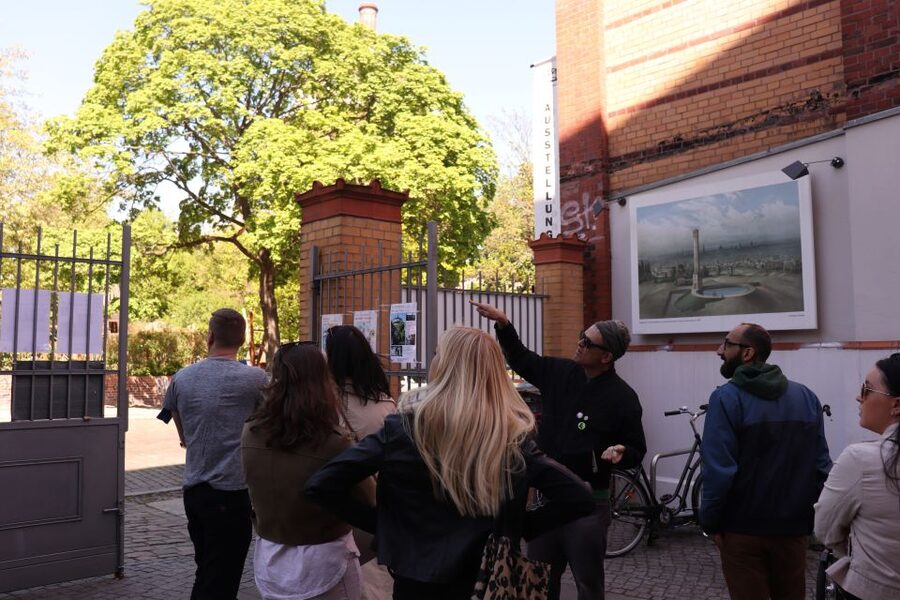
- A different Berlin story: Focus on counterculture, migration, music, squats, graffiti, and social change rather than only famous monuments.
- Three distinct areas: The route begins near Alexanderplatz in Mitte, spends the longest period in Kreuzberg, and finishes in Friedrichshain.
- Guides shape the experience: Rhys, Reece, Jake, Jonathan, Damien, Antonio, Ben, and AD have all led tours, with humor and personal city insight often central to the experience.
- Food and local life matter: Learn the origins of Berliner currywurst and döner, with a possible refreshment or food stop along the way.
- Plan for walking and transit: The tour runs in every kind of weather, and an AB transport ticket may be needed depending on the route.
- Strong value at $29: Four hours of guiding, local tips, and access to places you may not find alone make this a useful first or second Berlin tour.
Why this walk shows a more useful Berlin
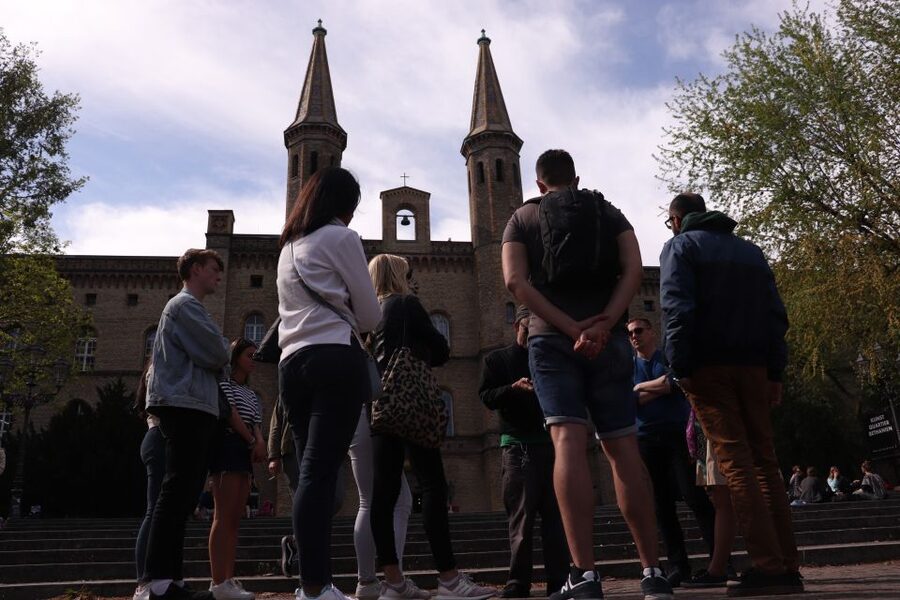
Many first-time visits to Berlin follow a familiar line: Brandenburg Gate, the Reichstag, the Berlin Wall, Checkpoint Charlie, and the major museums. Those places matter, but they can leave you with a very official version of the city.
This walking tour asks a different question: how did Berlin become a place where abandoned buildings, political movements, immigrant neighborhoods, music scenes, and experimental art could all shape daily life? The answer comes through streets and districts rather than display cases.
You will hear about East and West Berlin, but the focus is not simply on the old border. The guide connects government policy with the way neighborhoods look and feel today. You may learn how unused buildings became homes or cultural spaces, how graffiti developed its own language, and why Berlin’s alternative culture is sometimes both underground and widely accepted.
That broad view is the tour’s real strength. You are not just looking at an impressive mural. You are given a reason to ask who made it, what the building was used for, and how the neighborhood changed around it.
A few more Berlin trips to weigh up
- Discover Berlin Half-Day Walking Tour
★ 5.0 · 9,624 reviews - Berlin: Third Reich and Cold War 2 Hour Walking Tour
★ 4.9 · 6,830 reviews - Berlin: Discover Berlin Walking Tour
★ 4.9 · 5,998 reviews
Starting at Alexanderplatz and entering Mitte
The meeting point is in front of Vapiano by the Alexanderplatz TV Tower. This is a practical place to begin because Alexanderplatz is easy to find and well connected, though it is also one of Berlin’s most heavily visited areas.
From here, the route moves through Mitte for about an hour. Mitte is often treated as central Berlin’s sightseeing district, but this tour uses it to show contrasts between polished city life and less conventional spaces. You will compare café districts, local shopping areas, public art, and traces of the city’s changing communities.
The guide may point out places tied to Berlin’s former Jewish community, African communities, and newer cultural movements. The point is not to pretend these communities share one story. Instead, you get a sense of how Berlin has repeatedly been reshaped by people arriving, organizing, making art, opening businesses, and claiming space.
This opening section also helps you understand the tour’s method. Rather than stopping only at grand buildings, the guide makes ordinary streets useful evidence. A shopfront, courtyard, mural, or reused building can explain as much about present-day Berlin as a formal monument.
Kreuzberg for two hours of street culture and migration
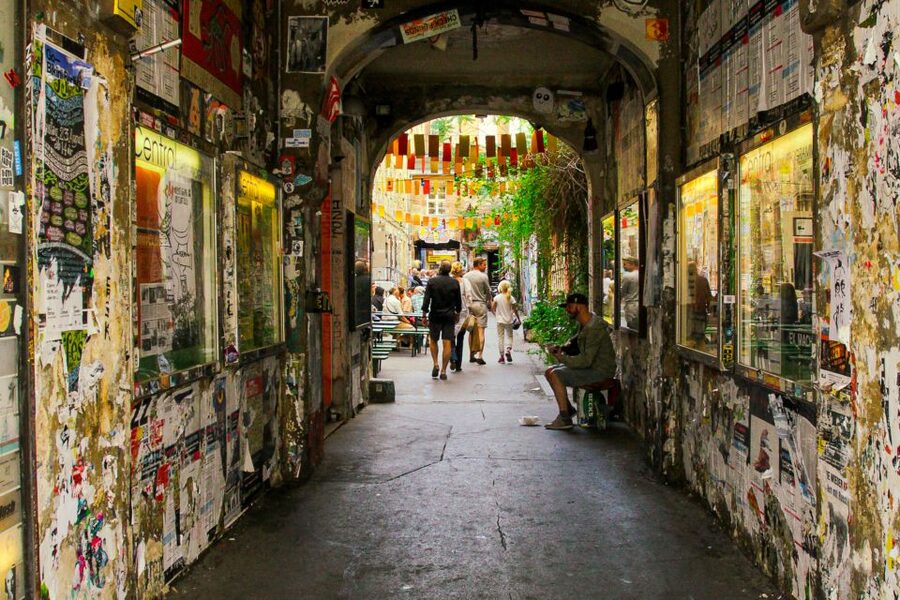
Kreuzberg receives the longest section of the walk, about two hours. That makes sense. Few Berlin districts offer such a clear meeting point between immigration, political activism, nightlife, street art, and everyday neighborhood life.
You will visit Turkish areas and hear about the role of migration in shaping local food, shops, and street culture. This is where the story of döner fits naturally. The tour also covers Berliner currywurst, giving you a small but tasty way to connect food with Berlin’s postwar identity.
A food stop may be included, and one participant specifically enjoyed trying currywurst during the tour. Do not treat this as a full meal, though. Refreshment breaks are part of the experience, but the schedule can remain active, so eating before you arrive is sensible.
Kreuzberg’s street art is another major draw. You can see murals and graffiti up close, while the guide explains the artists, messages, and social setting behind them. The best part is that the art is not presented as decoration alone. It is linked to squats, protest movements, neighborhood change, and the city’s long habit of turning neglected places into useful or expressive ones.
You may also hear about alternative housing and long-term squats. These stories help explain why Berlin developed a reputation for low-cost living, shared spaces, and creative freedom. At the same time, the guide can show you the tension in that story. The same alternative districts that attract artists and curious visitors can later face rising costs and commercial pressure.
That balance matters. This is not a tour that treats every painted wall or former squat as a perfect symbol of freedom. It gives you a way to see both the energy and the complications.
Canals, farms, galleries, and spaces made by communities
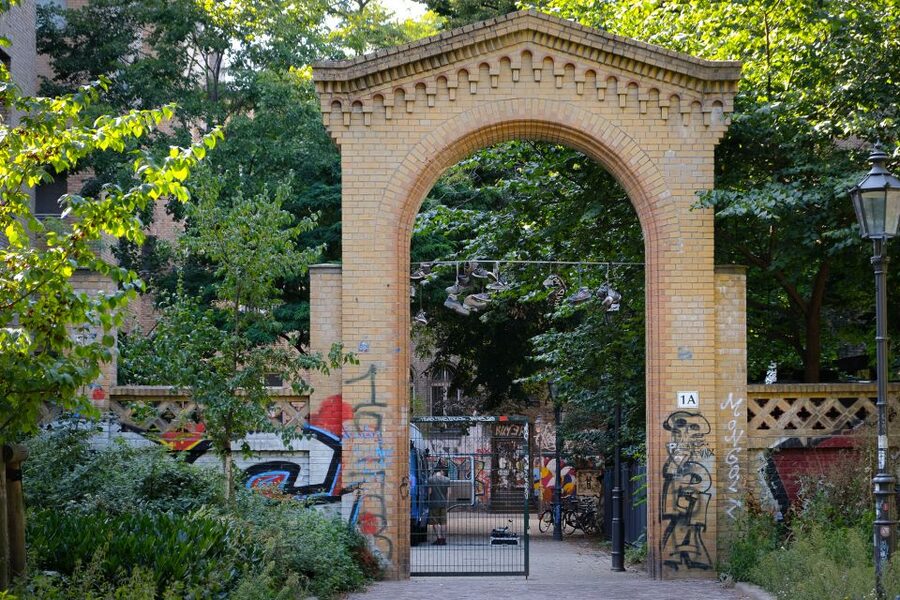
The tour’s stops can include relaxing canals, underground galleries, and urban farms funded or supported by the community. These places help widen the picture beyond nightlife and graffiti.
The canals offer a change of pace after busy streets. They show how much open space Berlin contains and why the city can feel loose and spacious even when you are moving through dense neighborhoods. A canal stop is also a reminder that alternative Berlin is not only loud, political, or covered in paint.
Community-funded urban farms reveal another side of local action. Instead of waiting for a large institution to decide how a vacant or underused space should function, residents can help turn it into a shared project. You will see how gardening, food, social contact, and neighborhood identity can overlap.
Underground galleries bring the art story indoors, but not into a standard museum setting. The appeal is the sense of discovery and the chance to see work in places with a more improvised or independent character. Exact stops can change with the route and current conditions, so think of these as the type of place the tour seeks out rather than guaranteed named attractions.
Same city, a completely different kind of day:
- Berlin: Reichstag, Dome and Government District Guided Tour
★ 4.7 · 18,288 reviews - Berlin: 1-Hour City Tour by Boat with Guaranteed Seating
★ 4.3 · 16,993 reviews - Berlin: Boat Tour Along the River Spree
★ 4.4 · 11,252 reviews - Berlin: Hop-on Hop-off Bus Tour with Live Commentary
★ 4.3 · 8,579 reviews
Music, African culture, and Berlin after dark
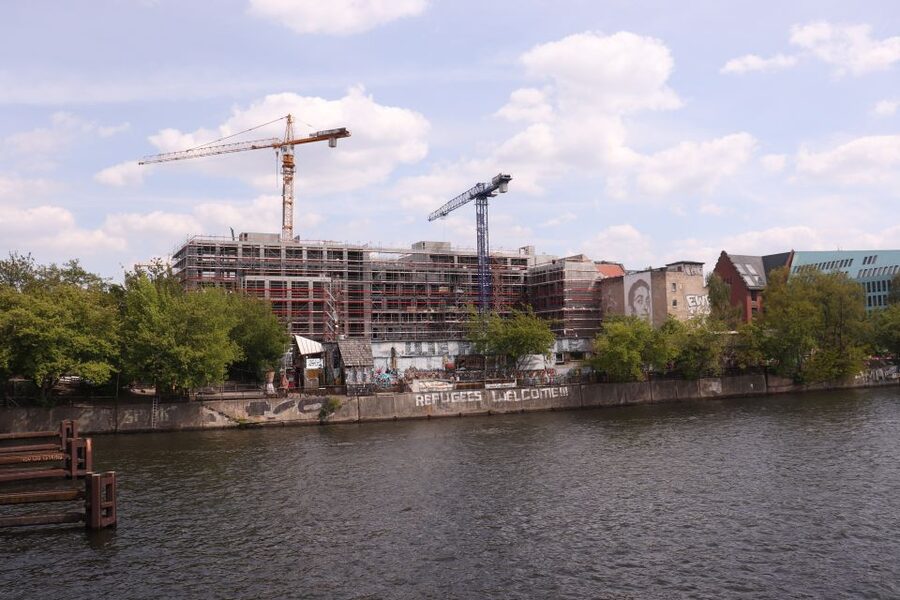
Berlin’s music scene receives its own attention, including a stop at an African beach bar and market. This unusual setting helps show how music and migration have influenced the city’s social life.
You will hear about different cultural movements and the people who helped create them. The guide may connect African communities with music, markets, nightlife, and the wider exchange of ideas that gives Berlin much of its character.
The tour also touches on the city’s gay community and one of its colorful neighborhoods. That subject fits the larger story of Berlin as a place where people have often tested social rules and created spaces for themselves. The guide’s job is to connect personal freedom with actual streets and institutions, rather than reducing the topic to a slogan.
Because the route covers several communities, your guide’s tone matters. The strongest guides on this experience, including Rhys, Reece, Jake, Jonathan, Damien, Antonio, Ben, and AD, are described as funny, energetic, personal, and easy to hear. Their styles differ, but the recurring strength is storytelling that keeps a long walking day from becoming a lecture.
The guides make or break a four-hour walk
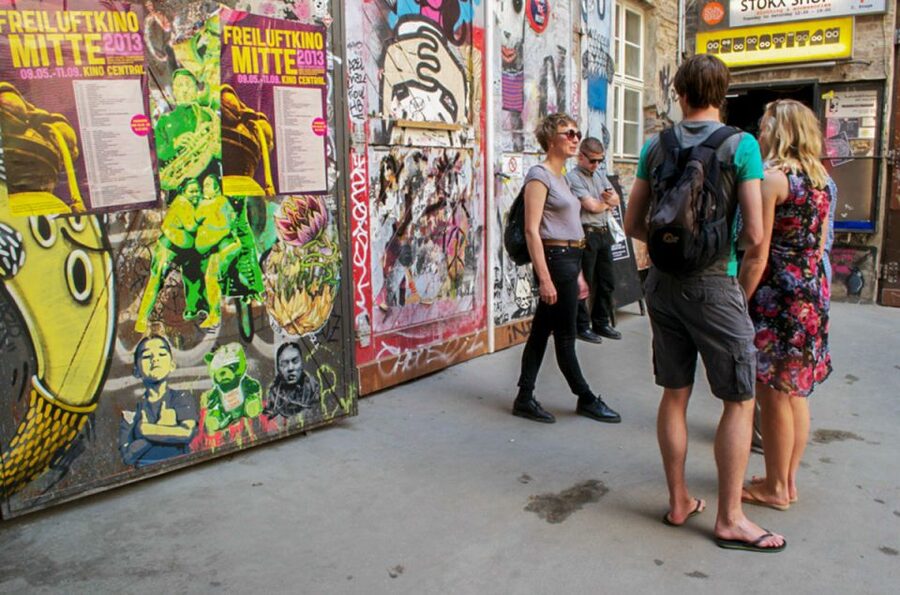
A four-hour city tour depends heavily on the person leading it. Here, guide names can vary, so you should not book based on one particular guide being guaranteed.
Rhys and Reece are especially associated with an energetic, humorous delivery and strong knowledge of Berlin’s history and culture. Jake is praised for adapting well to freezing, snowy conditions and for balancing humor with a clear narrative. Jonathan and Damien are noted for an engaging, well-spoken style, while Antonio kept a larger group involved during a cold-weather tour.
Ben brings personal experience from many years living in Berlin, and AD has been described as drawing on long familiarity with the city. Those personal connections can add something that a standard script cannot: a sense of how districts changed over time and how Berlin life feels beyond the headline attractions.
I would still keep expectations realistic. A live guide is not a recorded museum tour, and the quality of the day can depend on group size, weather, route changes, and the guide assigned to your departure. The strong track record suggests a reliable format, but no tour leader can make four hours of walking effortless.
How hard is the walk?

The tour is described as fast paced, and one participant specifically advised against it for people with mobility problems. You will walk for much of the four hours, and you may also use trains or trams when the current route requires it.
Wear shoes you can trust on pavement. Bring water, and dress for the forecast. The tour runs all year and in all weather, with a winter group completing the walk during snow and freezing temperatures.
The route can include refreshment breaks, but the timing is not presented as a guaranteed long lunch stop. If you need regular bathroom access or a proper meal, plan ahead. One visitor had to arrange an improvised bathroom stop during the third hour, which is a useful warning for anyone who dislikes waiting.
An AB public transport ticket may be required, depending on the day’s art and tour route. You can buy one before the tour from BVG or a train station, or choose the booking option that includes BVG transport. If several rides are needed, a day ticket may be simpler than buying individual tickets.
Is $29 a fair price?
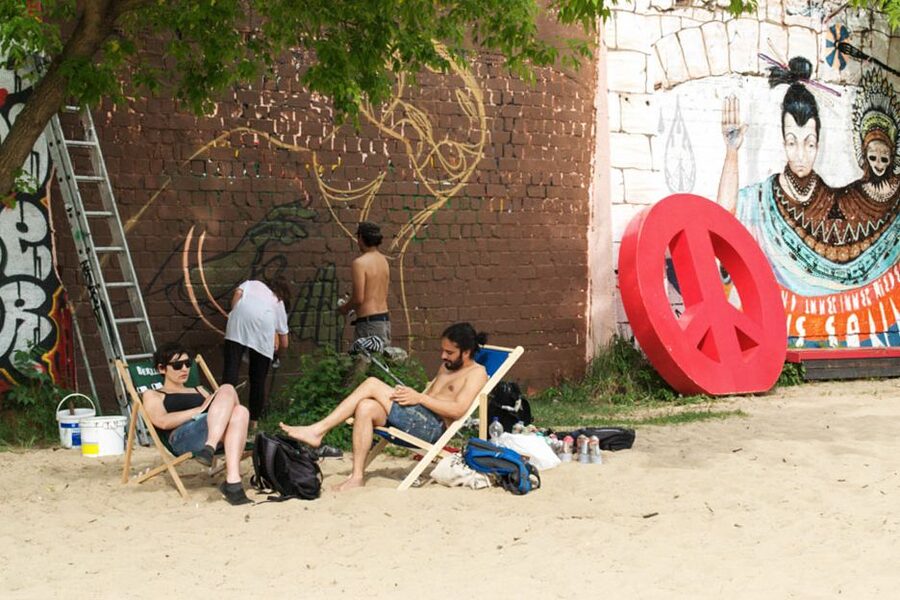
At $29 per person, this is good value if you want interpretation rather than a simple route through famous streets. You receive four hours with a live English-speaking guide, local tips, selected photo opportunities, and refreshment breaks.
The price also saves you research time. You could search out graffiti, alternative housing, migrant neighborhoods, community projects, music venues, and local food on your own, but you would not automatically understand how they connect. The guide supplies that thread.
The value is lower if you want a relaxed stroll with long café stops or a tightly scheduled list of major monuments. Public transport may cost extra unless you select the included option, and any food or drinks beyond the planned refreshment break are your responsibility.
For a first day in Berlin, I like this as an orientation to the city’s social character. For a repeat visitor, it may be even better because it gives you new districts and places to return to later.
Who should book this alternative Berlin tour?
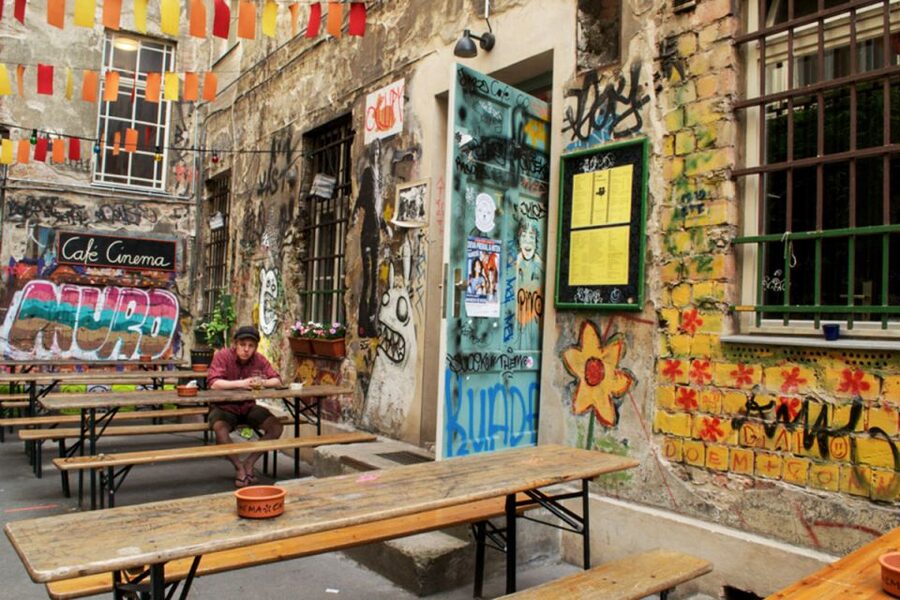
You should consider it if you want to:
- See Berlin beyond World War II and Cold War landmarks.
- Understand how migration shaped Kreuzberg and Mitte.
- Learn about graffiti, punk, music, squats, and alternative housing.
- Meet other people in an international group setting.
- Get ideas for cafés, neighborhoods, food, music, and later independent exploring.
- Hear a guide connect politics and urban change to what you can see in front of you.
It is less suitable if you dislike group tours, need a slow pace, have mobility limitations, or want a deep visit inside museums and historic buildings. The route is mainly about streets, public spaces, stories, and observation.
You also do not need to be an expert in counterculture. The tour works best when you are curious about why a place looks the way it does. Even if punk music, graffiti, or activism are not your main interests, you can still gain a better sense of how Berliners have used the city.
Practical advice for getting the most from the afternoon
Meet in front of Vapiano at the Alexanderplatz TV Tower, not simply somewhere in the broad Alexanderplatz area. Arrive with enough time to identify the group before the walk begins.
Dress for movement and weather. Since tours operate throughout the year, snow, rain, wind, or heat can change how comfortable the day feels. A good coat and comfortable shoes will matter more than stylish sightseeing clothes.
Have an AB ticket ready unless you have booked the BVG-included option. Check the transport requirement before departure, since the route and number of rides can vary.
Eat something beforehand if you are likely to get hungry. The tour can include a food or refreshment stop, but the schedule is active and is not designed as a long restaurant meal.
Keep notes of places that interest you. The finish is in Friedrichshain, which gives you a useful starting point for continuing your evening, though no specific after-tour plan is included. The guides also provide local suggestions, so ask about what fits your interests before the group breaks up.
Free cancellation is available up to 24 hours before the start time, and you can reserve now and pay later. Those policies make it easier to fit the tour into a changing Berlin schedule.
Should you book it?
I would book this tour if you want a social, story-led introduction to Berlin’s alternative culture. The strongest parts are the connections between neighborhoods, food, migration, art, music, and political change. You see places that are easy to miss and leave with better ideas for exploring on your own.
Choose another type of tour if you want major monuments, a gentle pace, or guaranteed indoor stops. For everyone else, $29 buys four busy hours and a useful new way to read Berlin’s streets. Book it early in your visit if you want the guide’s neighborhood tips to shape the rest of your stay.
FAQ
Where does the Alternative Berlin Walking Tour meet?
It meets at the Alexanderplatz TV Tower, in front of Vapiano.
Where does the tour finish?
The tour finishes in Friedrichshain, Berlin.
How long does the tour last?
The walking tour lasts four hours.
What language is the tour conducted in?
The live tour guide speaks English.
Which parts of Berlin does the tour visit?
The route includes Mitte and Kreuzberg, with the tour finishing in Friedrichshain. The exact art and transport route can vary.
Is public transportation included?
An AB metro ticket may be required, depending on the current route. You can bring your own ticket or book the option that includes BVG transport.
Does the tour run in bad weather?
Yes. Tours run all year and in all weather.
What food and cultural subjects are covered?
The tour explains the origins of Berliner currywurst and döner, and it discusses Berlin’s Turkish, African, Jewish, and gay communities, along with music and counterculture.
Can I cancel for a full refund?
Yes. You can cancel up to 24 hours in advance for a full refund.
Just added around Berlin
- Love and War in Berlin: Self-Guided Story Puzzle Walk★ 5.0 · 7 reviews
- Rickshaw Tours Berlin – Groups of up to 16 people with several rickshaws★ 4.0 · 97 reviews
- eSIM for Germany and 34 European Countries★ 4.5 · 16 reviews
- Walking on the Wall: 3-Hour Tour in Berlin★ 4.5 · 34 reviews
- Warnemuende Shore Excursion: Berlin Private Sightseeing Tour from Rostock★ 5.0 · 4 reviews
- Your ticket to The Wall Museum Berlin★ 3.0 · 60 reviews
- Warnemuende Shore Excursion: Private Berlin Tour★ 4.5 · 27 reviews
- Berlin’s Gay, Lesbian, and Queer Scene Small-Group Walking Tour★ 4.5 · 66 reviews
Walking Tours, compared.
Berlin’s Best: 2 Hour Walking Tour Third Reich and the Cold War
Read our review →