

Reviewed · MUSEUM & GALLERY TICKETS
Berlin: Interactive DeJa Vu Museum Entrance Ticket
Berlin’s DeJa Vu Museum turns optical tricks into a hands-on outing. You do not simply look at the art here: you become part of it, test your eyes in projector rooms, puzzle over Oleg Shupliak’s layered portraits, and pose in rooms such as the Starroom and Abyss. I especially like the interactive exhibits and the strong photo opportunities.
It is also easy to fit into a Berlin day, since the entrance is about 300 meters from the Fernsehturm at Alexanderplatz. The main caution is pace: the advertised visit lasts 1.5 hours, but some people move through the rooms in 30 minutes, while busy periods can create waits for small exhibits designed for only two people.
In This Review
- Key points at a glance
- A playful stop beside Alexanderplatz
- Starting with art that hides a second image
- Beuchet-Stuhl, Dark Room, and the hands-on rooms
- Projector rooms put you inside the artwork
- Mirror rooms built for photos
- How long the visit really takes
- Who will enjoy this most
- Languages, timing, and booking flexibility
- Is $17 good value?
- Should you book the DeJa Vu Museum?
- FAQ
- Where is the DeJa Vu Museum in Berlin?
- How long does the museum visit last?
- What can you see inside the museum?
- Which interactive exhibits are included?
- Are there mirror rooms?
- Can you take photos and videos inside?
- Is the museum suitable for children?
- Is the museum suitable for people with epilepsy or mobility impairments?
- What languages are available?
- Can you cancel the booking?
Key points at a glance
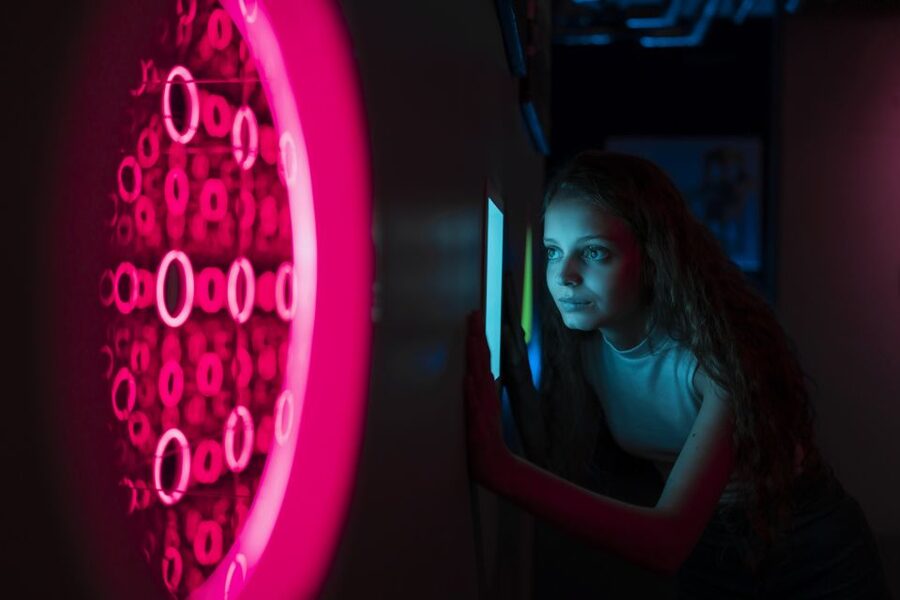
- Two floors of optical tricks: Move through gallery spaces, puzzles, projector rooms, and hands-on displays rather than a traditional collection of framed art.
- Oleg Shupliak’s double-image portraits: Study paintings that reveal more than one subject, then guess who or what is hidden in each layer.
- Mirror rooms made for photographs: The Starroom and Abyss offer colorful, unusual settings for photos and short videos.
- Interactive highlights: Look for the Beuchet-Stuhl, Dark Room, Interactive Sandbox, and other exhibits that turn you into part of the illusion.
- A useful rainy-day stop: The museum sits near Alexanderplatz, making it a practical indoor break close to the Fernsehturm.
- Best for families and young groups: Children, teenagers, and friends tend to get more from the hands-on puzzles than visitors seeking a quiet art museum.
A playful stop beside Alexanderplatz
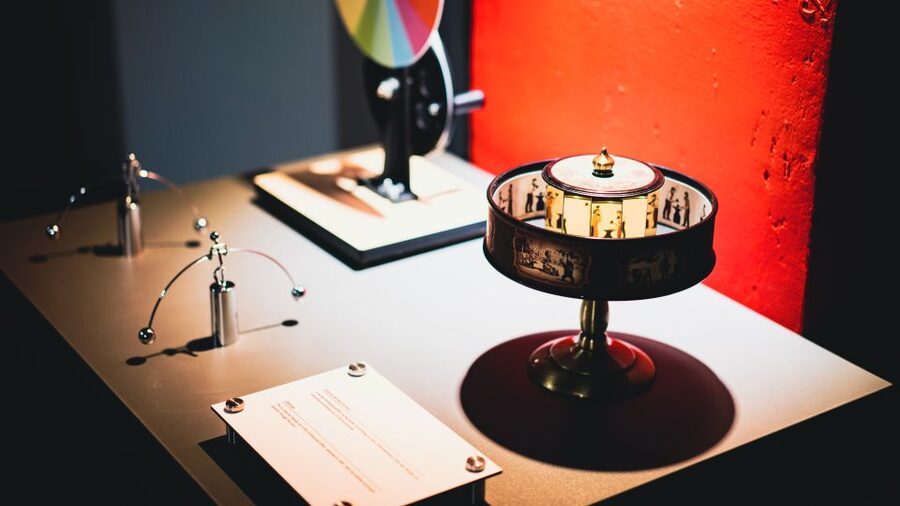
The DeJa Vu Museum is close to one of Berlin’s busiest sightseeing areas, but the experience feels quite different from checking another major landmark off your list. From the entrance, the focus is on visual confusion, touchable displays, and rooms that ask you to test what your eyes are telling you.
That location matters. You can combine the museum with Alexanderplatz and the Fernsehturm without setting aside a full day or making a special trip across Berlin. The entrance is roughly 300 meters from the Fernsehturm, so it works well before or after nearby sightseeing.
At $17 per person, this is not a bargain basement attraction, but it can be fair value for a group that uses the exhibits fully. The visit is listed at 1.5 hours, and the mix of puzzles, portraits, mirror rooms, and photo spaces gives you more to do than a simple walk through a small gallery.
The value depends on your style. If you pause to solve puzzles, try each interactive station, and take photos, the price feels more reasonable. If you hurry and skip the hands-on parts, you may finish in about 30 minutes and feel the cost more sharply.
More Museum & Gallery Tickets in Berlin
- Berlin: Natural History Museum Entrance Ticket
★ 4.6 · 3,382 reviews - Skip-the-Line: Berlin Wall Museum at Checkpoint Charlie
★ 4.1 · 2,041 reviews - Berlin: Museum Island Multiple Museum Entry Ticket
★ 4.4 · 2,007 reviews
Starting with art that hides a second image
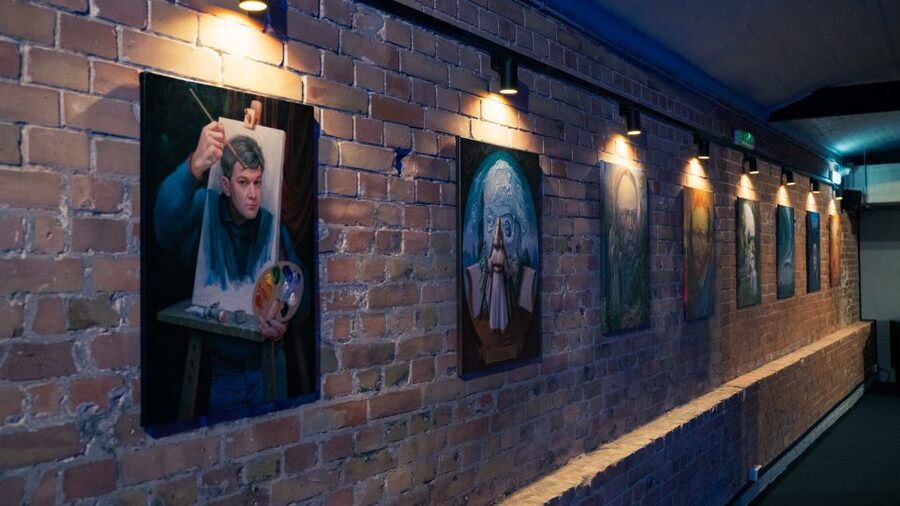
The gallery spaces introduce one of the museum’s most distinctive features: paintings by Oleg Shupliak. His portraits work on two levels, with a face or figure built from smaller visual elements. You look at the painting one way, then notice another image forming inside it.
This section gives the visit a little more substance than a collection of photo backdrops. You are asked to inspect the picture and guess who is portrayed, so the art becomes a small visual puzzle. It is a good place to slow down, especially if you are visiting with children or friends who enjoy spotting details.
I like this part because it rewards patience rather than height, speed, or athletic ability. You do not need specialist art knowledge. The simple challenge is to let your eyes adjust and question the first thing they see.
Still, the museum’s main appeal is play, not a long lesson in painting. If you want detailed information about Shupliak’s technique or the history of optical art, the visit may feel light. If you enjoy discovering an image for yourself, the gallery sets the right tone.
Beuchet-Stuhl, Dark Room, and the hands-on rooms
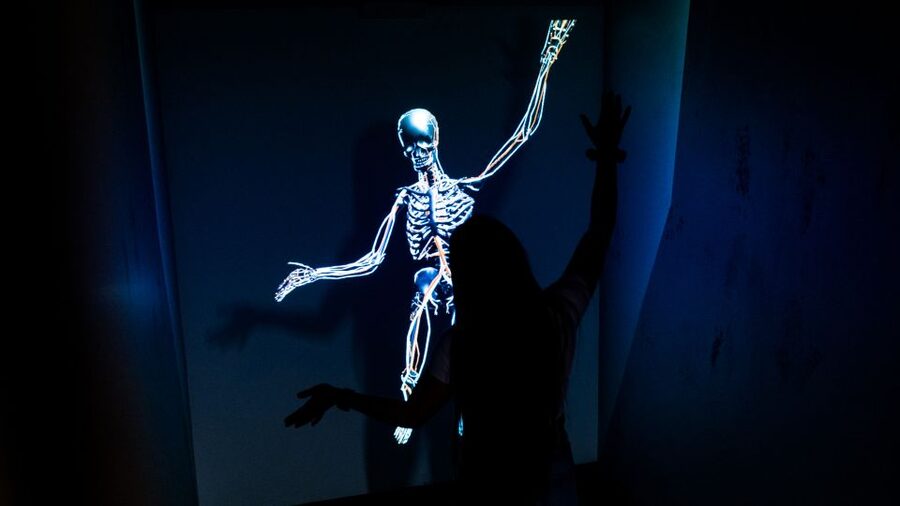
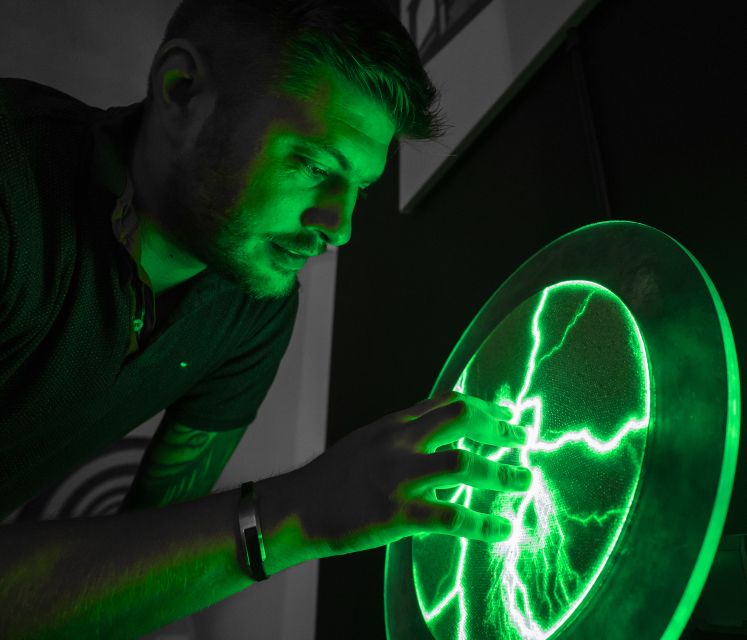
The museum’s interactive stations are where the experience becomes more than looking at clever pictures. The Beuchet-Stuhl is designed to distort your sense of scale, making the relationship between a chair and the person sitting in it look wrong. It is the sort of display that makes more sense once you stand inside it.
The Dark Room offers a different test. Instead of relying on bright color and open space, it uses darkness to challenge your normal sense of sight. You become more aware of how much you depend on light, contrast, and familiar surroundings.
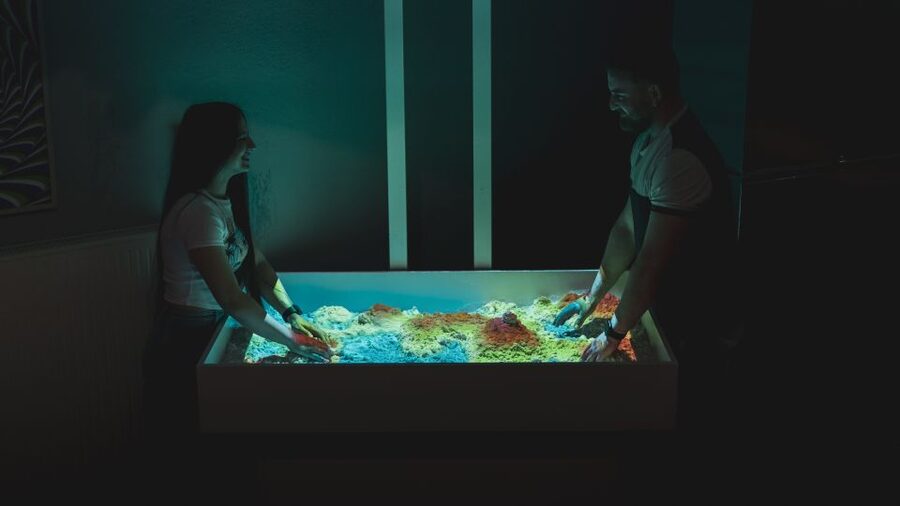
The Interactive Sandbox adds a tactile element. It gives you something to manipulate rather than simply photograph, which helps break up the rhythm of walking from one visual display to the next. Families may find this especially useful because children can take an active role instead of waiting for adults to finish reading or looking.
The exact time spent at each station will depend on your group. A child who wants to repeat an illusion may keep everyone at one room longer, while a group focused on photos may move quickly through the puzzles. That flexibility is helpful, though it also means the visit can feel short if you do not take time to experiment.
Projector rooms put you inside the artwork
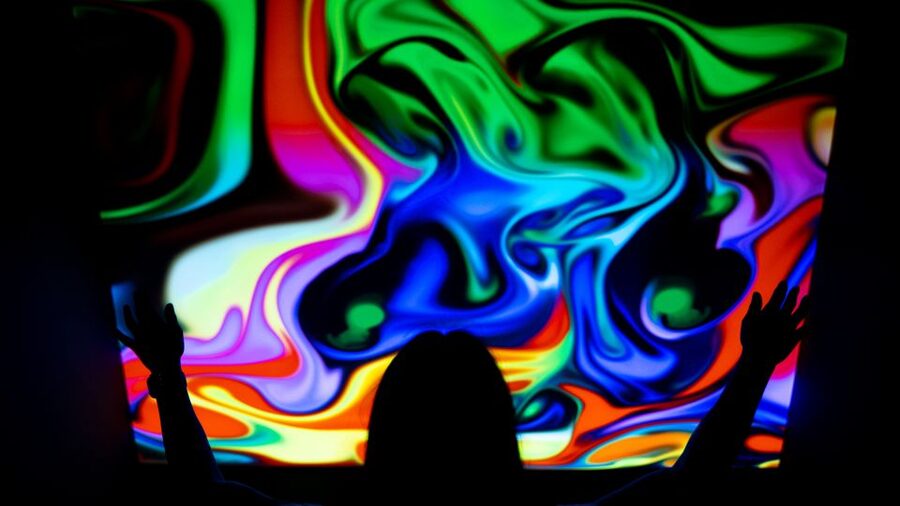
The projector rooms make you the subject. Instead of watching an image from the outside, you step into a projected scene and see how your position changes the effect. These rooms work best when you are willing to pose, move, and try more than one angle.
This is a good experience to share with friends because one person can take the photo while another becomes part of the illusion. Families can do the same, although some of the smaller displays may feel tight when several people want to use them at once.
The museum’s appeal is partly visual and partly social. You are not only asking what the exhibit means. You are also deciding how to interact with it, where to stand, and how to frame the picture.
Do not expect every room to offer a completely different idea. Some of the displays use similar principles, and the overall experience can feel repetitive if you are looking for a new concept at every turn. The variety comes from the setting and the way you take part, not from a long series of unrelated museum subjects.
Same city, a completely different kind of day:
- Berlin: Reichstag, Dome and Government District Guided Tour
★ 4.7 · 18,288 reviews - Berlin: 1-Hour City Tour by Boat with Guaranteed Seating
★ 4.3 · 16,993 reviews - Berlin: Boat Tour Along the River Spree
★ 4.4 · 11,252 reviews - Discover Berlin Half-Day Walking Tour
★ 5.0 · 9,624 reviews
Mirror rooms built for photos
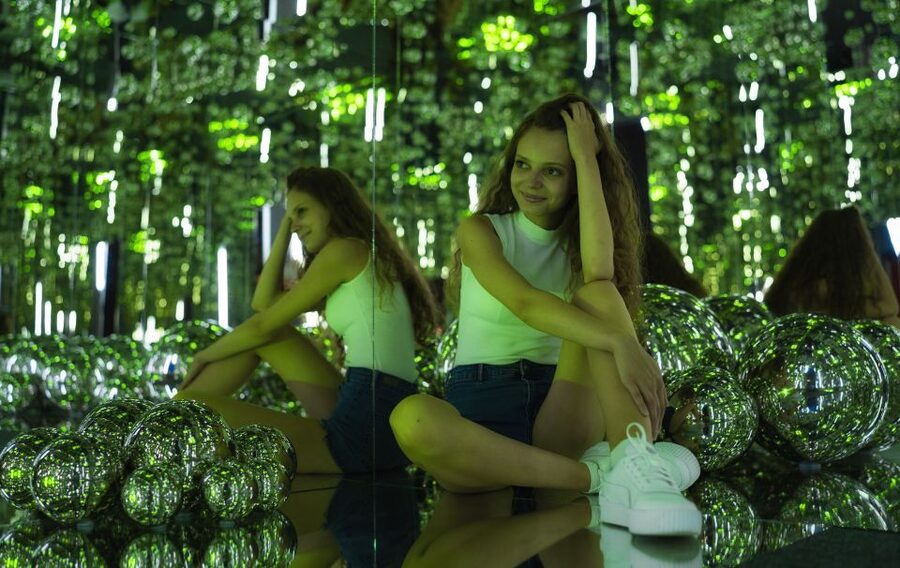
The themed mirror rooms are likely to be the most memorable part of the visit for anyone who likes taking pictures. The Starroom and Abyss create different moods, with mirrors and lighting making the room seem larger, stranger, or less stable than it really is.
Colorful kaleidoscope effects offer another easy photo opportunity. You can make short videos, try unusual poses, or simply watch repeated reflections shift as you move. These displays give the museum much of its social-media appeal, but you do not need to post anything to enjoy the visual effect.
I would plan to take your time here. A rushed photo often misses the point of a mirror room, while a small change in position can alter the whole image. If you are visiting with a friend, agree in advance to take turns so one person does not spend the entire stop behind the camera.
The practical downside is crowding. Some small rooms hold only two people, and a weekend visit can bring waits. A quiet time makes a noticeable difference, since you can use each room without rushing and take photos without feeling that a line is building behind you.
How long the visit really takes
The stated duration is 1.5 hours, which is a sensible amount of time to allow in your Berlin schedule. It gives you room to see both floors, try the interactive exhibits, and spend time in the art and mirror rooms.
Your actual visit may be shorter. One reported experience took about 30 minutes to pass through all the rooms, while another described the museum as an activity that could fill a couple of hours. These differing times make sense because the museum is self-paced and the exhibits invite different levels of participation.
I would reserve around 90 minutes, then treat extra time as a bonus rather than planning the rest of your day too tightly. If you are with children, add patience for repeat attempts. If you are visiting mainly for photos, allow time for retakes.
The busiest periods can change the rhythm. Several exhibits are in small rooms that hold two people, so even a short line can make the visit feel less fluid. A quiet weekday or less popular time is likely to give you better access, though specific quiet hours are not provided.
Who will enjoy this most
This is a strong choice for families with children and teenagers. The exhibits ask you to touch, move, guess, and solve, so younger visitors have reasons to stay engaged. It is also a good group activity for friends who enjoy silly photos and do not mind taking turns.
The museum suits couples and adults too, especially on a rainy day or when you want something different from Berlin’s major historical sights. The experience is light and playful, so it can provide a break from more serious museums and memorials.
It may be less satisfying for someone seeking a large fine-art collection, a guided lecture, or a detailed account of how optical illusions developed. The Oleg Shupliak gallery adds an art focus, but most of the visit is built around participation.
The museum is not suitable for people with epilepsy, and the activity is listed as unsuitable for people with mobility impairments. Pets are not allowed, and food, drinks, alcohol, and drugs cannot be brought into the museum. Keep those limits in mind before booking, particularly if this is part of a family day out.
Languages, timing, and booking flexibility
Host or greeter support is available in English, German, Polish, Spanish, and French. That makes the attraction accessible to a broad mix of visitors, although the displays themselves remain the main way you learn.
You can reserve a place and pay later, which helps if your Berlin schedule is still changing. Free cancellation is available up to 24 hours before the visit for a full refund. Check the available starting times when choosing a slot, since the listed duration does not mean you can arrive at any hour.
The nearby location is the main transport advantage. You do not need a separate day trip or a long transfer from central Berlin. Since the museum is close to Alexanderplatz and the Fernsehturm, it is easy to pair with other plans in the same area.
Is $17 good value?
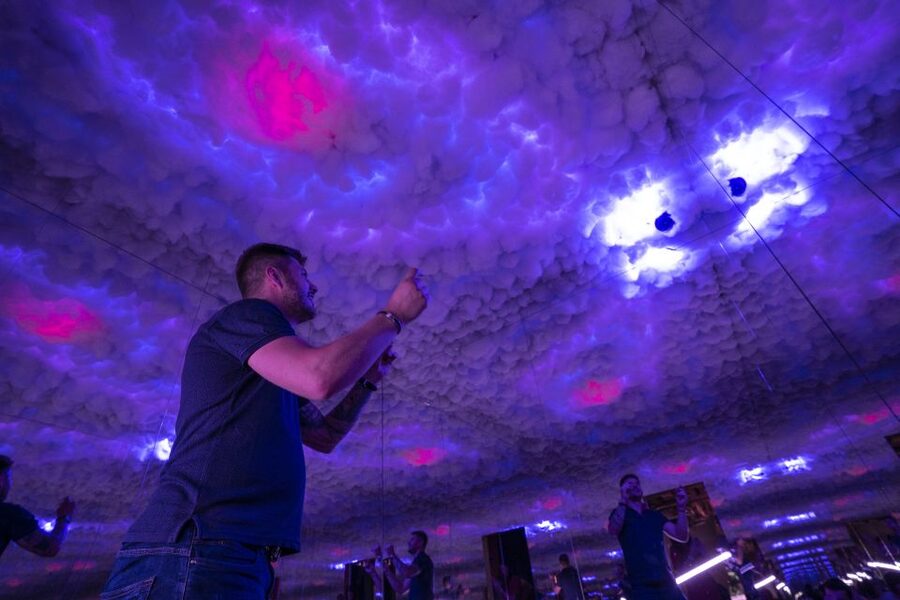
At $17, I would judge this as a reasonable short attraction rather than an automatic bargain. The price covers access to two floors, interactive exhibits, mirror rooms, puzzles, projector spaces, and the Oleg Shupliak gallery.
You get better value when you arrive with the right expectations. This is not a conventional museum where you spend hours reading labels. It is a compact activity built around trying things, laughing at visual mistakes, and taking photos.
For a family, the price can work well because several people can share the same puzzles and illusions. For a teenager or a group of friends, the photo rooms may justify the cost. For a solo visitor who does not plan to take photos or repeat exhibits, the value is less certain.
The rating of 4.1 from 1,338 reviews points to a generally positive experience with some clear limits. The praise centers on the clever displays, hands-on format, and photo opportunities. The main criticism concerns repetition, short visit times, and waits for small rooms during busy periods.
Should you book the DeJa Vu Museum?
Book it if you want a playful indoor activity near Alexanderplatz, especially with children, teenagers, or friends. The Beuchet-Stuhl, Dark Room, Interactive Sandbox, projector spaces, Oleg Shupliak portraits, and mirror rooms give you a good mix of things to test and photograph.
I would choose a quieter time if possible and allow the full 1.5 hours, even though you may finish sooner. Skip it if you want a traditional art museum, dislike posing for photos, or need an attraction designed for visitors with mobility impairments or epilepsy.
For most people, the best reason to go is simple: it gives you a different kind of Berlin memory. You leave with a few optical puzzles in your head, some unusual pictures, and a short break from the city’s heavier sights.
FAQ
Where is the DeJa Vu Museum in Berlin?
The entrance is near Alexanderplatz, about 300 meters from the Fernsehturm.
How long does the museum visit last?
The stated duration is 1.5 hours. Your visit can be shorter or longer depending on how much time you spend with the puzzles, interactive displays, and photo rooms.
What can you see inside the museum?
You can see interactive exhibits, mirror rooms, puzzles, projector rooms, gallery spaces, colorful kaleidoscope effects, and an art gallery by Oleg Shupliak.
Which interactive exhibits are included?
Named exhibits include the Beuchet-Stuhl, the Dark Room, and the Interactive Sandbox, along with many other interactive displays.
Are there mirror rooms?
Yes. The museum includes themed mirror rooms such as the Starroom and the Abyss.
Can you take photos and videos inside?
The experience includes opportunities to take photos and videos, particularly in the colorful kaleidoscope displays and themed mirror rooms.
Is the museum suitable for children?
Yes. The hands-on puzzles and interactive exhibits make it suitable for families with children and teenagers.
Is the museum suitable for people with epilepsy or mobility impairments?
The experience is listed as unsuitable for people with epilepsy and people with mobility impairments.
What languages are available?
Host or greeter support is available in English, German, Polish, Spanish, and French.
Can you cancel the booking?
You can cancel up to 24 hours in advance for a full refund. A reserve-now, pay-later option is also available.
More Museums in Berlin
- Berlin: “Pergamonmuseum. The Panorama” Exhibition Tickets
★ 4.6 · 1,245 reviews - Berlin: East Side Gallery Spree Cruise in a Solar Catamaran
★ 4.0 · 1,039 reviews - Cold War, Berlin Wall, Spies and the East Side Gallery
★ 5.0 · 1,024 reviews - Berlin: Museum of Communication Entrance Ticket
★ 4.5 · 452 reviews
Just added around Berlin
- Love and War in Berlin: Self-Guided Story Puzzle Walk★ 5.0 · 7 reviews
- Rickshaw Tours Berlin – Groups of up to 16 people with several rickshaws★ 4.0 · 97 reviews
- Walking on the Wall: 3-Hour Tour in Berlin★ 4.5 · 34 reviews
- eSIM for Germany and 34 European Countries★ 4.5 · 16 reviews
- Warnemuende Shore Excursion: Berlin Private Sightseeing Tour from Rostock★ 5.0 · 4 reviews
- Your ticket to The Wall Museum Berlin★ 3.0 · 60 reviews
- Warnemuende Shore Excursion: Private Berlin Tour★ 4.5 · 27 reviews
- Berlin’s Gay, Lesbian, and Queer Scene Small-Group Walking Tour★ 4.5 · 66 reviews
Museum & Gallery Tickets, compared.

Skip-the-Line: Berlin Wall Museum at Checkpoint Charlie
Read our review →
Browse the lists this tour appears in