
Reviewed · THIRD REICH & COLD WAR TOURS
Berlin: Third Reich & Cold War Walking Tour
Berlin’s modern center reads like an open history book, and this private walk takes you through its hardest chapters in just two hours. You’ll move from Nazi power and the Holocaust to the Berlin Wall and German reunification, with the city’s famous sights tied to the events that shaped them.
I like the private format, since you can ask direct questions and adjust the pace or focus. I also like the route’s strong mix of major sights and serious memorials, especially the Topography of Terror and the site of Hitler’s bunker. The main drawback is time: two hours is enough for an informed overview, not a slow visit to every exhibit.
In This Review
- Key points
- Why this two-hour route matters
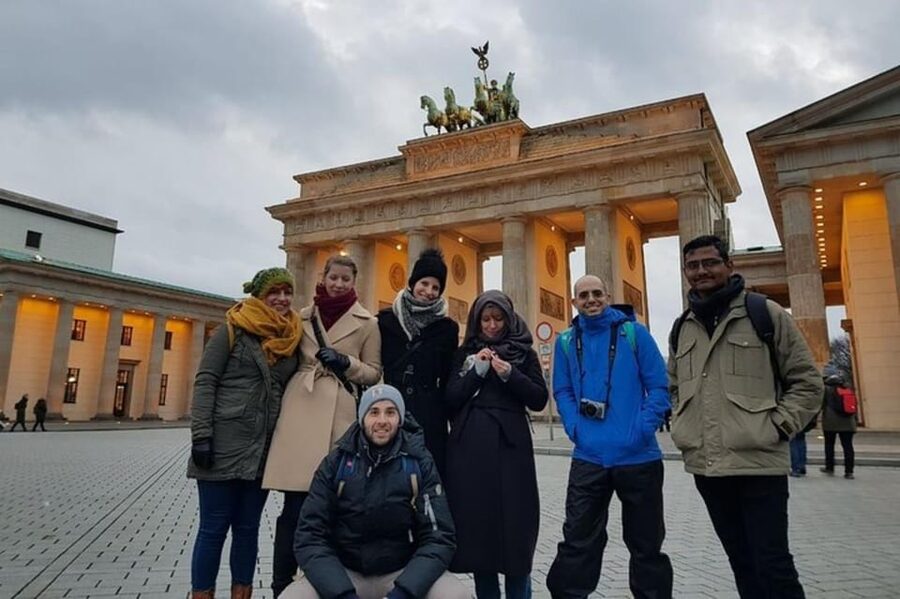
- Brandenburg Gate: from royal entrance to German unity
- Reichstag: parliament beside the Nazi past
- Holocaust Memorial: a place that asks for quiet
- Hitler’s bunker site: confronting the final days
- Topography of Terror: where the machinery of terror operated
- The Berlin Wall and the road to Checkpoint Charlie
- What a private guide changes
- Price, pace, and practical value
- Who should book this Berlin history walk
- Should you book it?
- FAQ
- Where does the tour start?
- How long does the walking tour last?
- Which sights are included?
- Is the tour private?
- Which languages are available?
- Is cancellation allowed?
Key points
- Hitler’s bunker site and the Holocaust Memorial put Berlin’s most difficult history at the center of the walk.
- Checkpoint Charlie gives the Cold War story a clear finish, from the 1961 standoff to the Wall’s fall in 1989.
- Private guiding lets you ask questions and request a focus on Nazi Germany, the Cold War, or present-day Berlin.
- English, French, and Spanish are available, with guides such as Eugen and Carlo praised for clear explanations and local advice.
- Public transport is included when needed, though the core experience is a two-hour walk through central Berlin.
- The $35 price is strong value if you want a personal introduction rather than a large group lecture.
Why this two-hour route matters
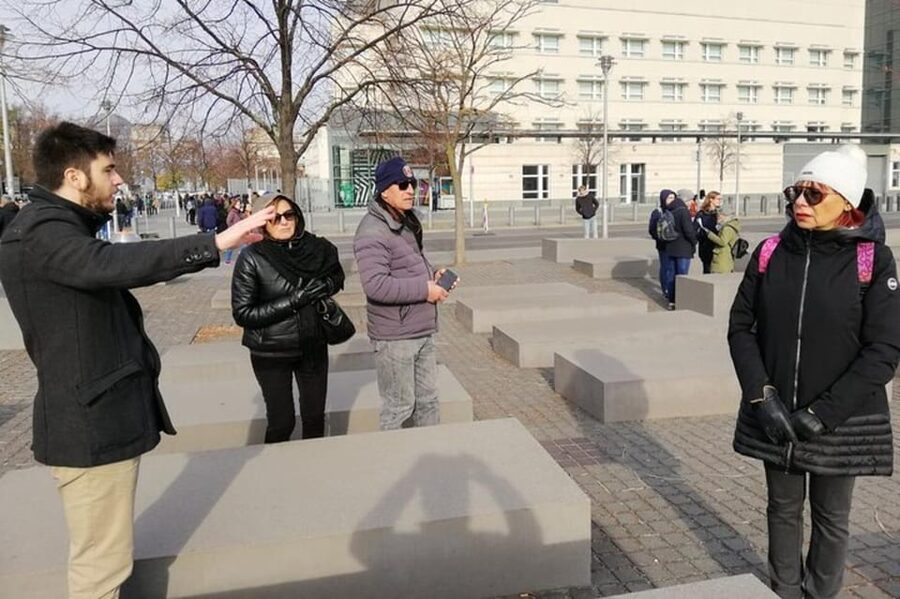
Berlin can feel confusing at first. A grand boulevard, a vacant lot, a glass government building, or a slab of concrete may look ordinary until you learn what happened there. This tour helps connect those pieces.
The route follows a useful time line. It begins with symbols of German power and unity, moves through dictatorship and genocide, then turns to the divided city of the Cold War. You finish with the Wall’s collapse and the long process of German unity.
That order gives the walk a clear shape. You are not simply collecting photographs of the Brandenburg Gate and Checkpoint Charlie. You are learning why each place matters, and how one period led into the next.
The tour starts at Unter den Linden 77, in front of Wellendorff Berlin at the Hotel Adlon. This is a central meeting point near the Brandenburg Gate, so it is easy to place on your Berlin sightseeing map. Your guide meets you there and sets the tone for the walk.
More Third Reich & Cold War Tours in Berlin
- Berlin: Third Reich and Cold War 2 Hour Walking Tour
★ 4.9 · 6,830 reviews - Berlin’s Best: 2 Hour Walking Tour Third Reich and the Cold War
★ 5.0 · 5,486 reviews - Third Reich Berlin: Hitler and WWII Walking Tour
★ 5.0 · 3,301 reviews
Brandenburg Gate: from royal entrance to German unity
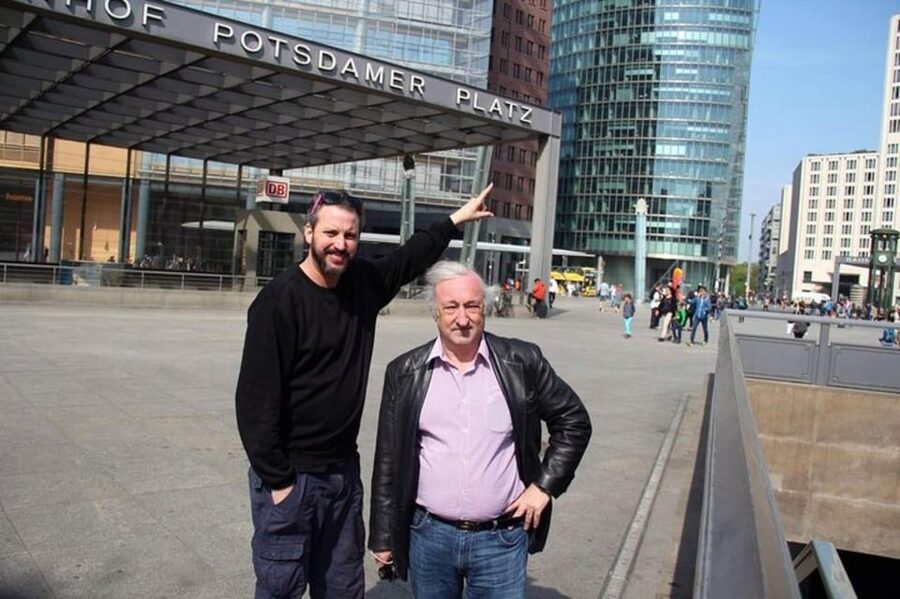
The Brandenburg Gate is the natural opening stop. It is one of Berlin’s best-known sights, but a short explanation can change how you see it.
Your guide explains the gate’s role in German history and its later meaning as a symbol of unity. During the Cold War, it sat beside the Berlin Wall in a restricted area. After the Wall fell, the gate became one of the clearest public signs that the city and country could be reunited.
This is also where the private format begins to pay off. You can ask how the gate’s meaning changed across different political periods, rather than hearing only a short set of dates. If you are still getting your bearings in Berlin, the guide can also suggest other places to visit later.
Do not expect a long interior visit here. The value is the setting and the explanation, not an extended stop inside a museum.
Reichstag: parliament beside the Nazi past
From the Brandenburg Gate, the route continues to the Reichstag, home of Germany’s Parliament. The building is closely linked to the political upheaval that allowed the Nazi dictatorship to take power, and your guide explains its role during that period.
This stop helps you understand that the Nazi era was not separate from Germany’s political institutions. The Reichstag’s story connects the ideals of parliamentary government with the collapse of democracy and the dictatorship that followed.
The building itself is a major photo stop, but the historical context is the real reason to pause here. You should not expect this walking tour to include a full visit inside the Reichstag or its dome. The experience is guided from the outside, with the building used as a starting point for the political story.
If you are especially interested in government buildings, parliamentary history, or the Reichstag dome, ask your guide for advice about booking a separate visit. The tour team can help with tickets for desired visits, but the walk itself is not presented as an interior Reichstag tour.
Holocaust Memorial: a place that asks for quiet
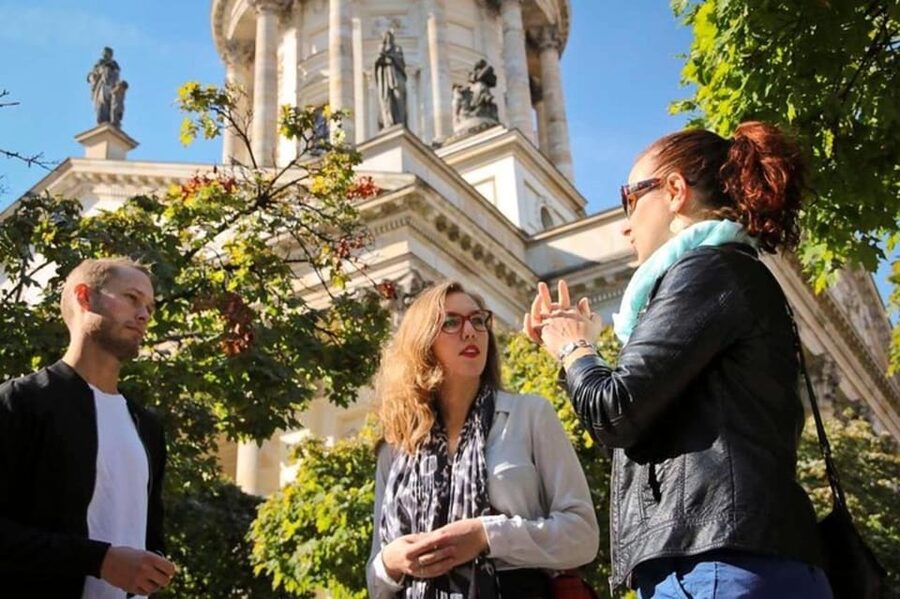
The Memorial to the Murdered Jews of Europe is one of Berlin’s most powerful stops. Its field of concrete blocks creates an uneven, shifting experience as you walk through it. The design offers no single viewpoint, so your reaction changes as you move around.
Your guide explains the memorial’s purpose as a tribute to Jewish victims of the Holocaust. This is not a stop to rush through for a quick picture. Give yourself a little quiet time, listen carefully, and treat the site with respect.
A guide is useful here because the memorial’s meaning is not obvious from its shape alone. You can ask about its role in modern Berlin and how the city presents this part of its past.
The site is outdoors, so weather may affect your comfort. The route also involves walking across and around the memorial blocks, though the activity is listed as wheelchair accessible. If you need a particular route through the site, tell your guide at the start.
Same city, a completely different kind of day:
- Berlin: Reichstag, Dome and Government District Guided Tour
★ 4.7 · 18,288 reviews - Berlin: 1-Hour City Tour by Boat with Guaranteed Seating
★ 4.3 · 16,993 reviews - Berlin: Boat Tour Along the River Spree
★ 4.4 · 11,252 reviews - Discover Berlin Half-Day Walking Tour
★ 5.0 · 9,624 reviews
Hitler’s bunker site: confronting the final days
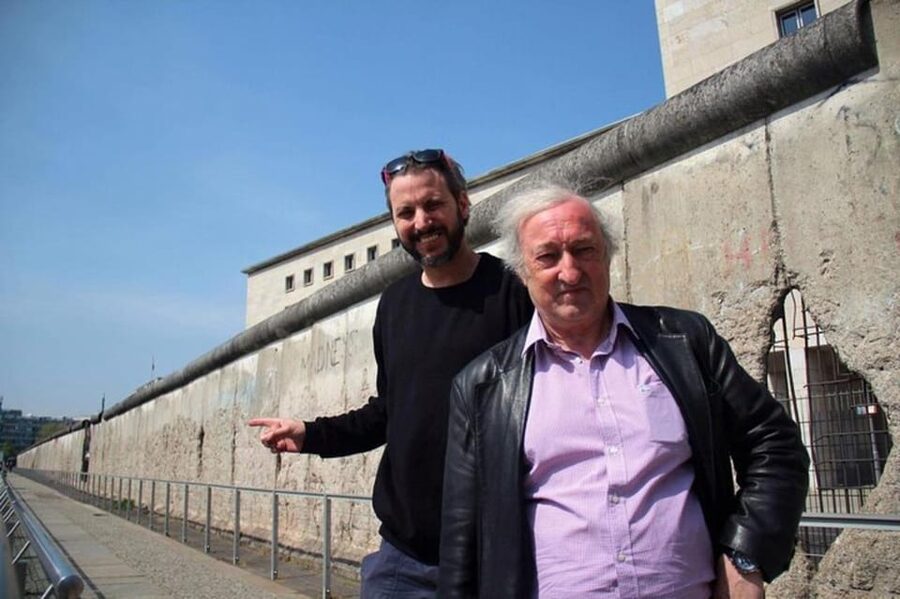
The former site of Hitler’s bunker is an unusual stop because there is no grand ruin to enter. The location is tied to the last days of World War II, including Hitler’s suicide, and your guide explains what happened there as the war reached its end.
That absence matters. Berlin did not turn the bunker into a shrine or a dramatic monument. The location is far less visually striking than the Brandenburg Gate or the Reichstag, so the explanation does most of the work.
I find this part useful for placing the end of the Nazi regime in the city itself. It also adds a sober counterpoint to the formal buildings earlier in the route. You see how political power, terror, and war ended in a confined space beneath the ruined capital.
Keep your expectations clear. This is a guided explanation at the site, not an underground bunker visit.
Topography of Terror: where the machinery of terror operated
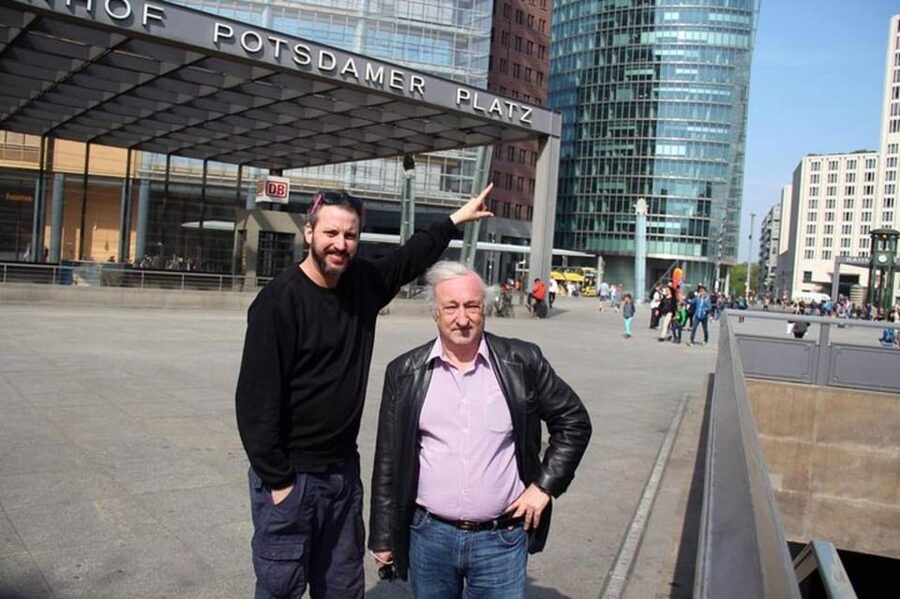
The Topography of Terror exhibition occupies the former site of the Gestapo and SS headquarters. It focuses on the crimes committed during the Nazi period and gives the tour a more direct look at the institutions behind persecution and violence.
This is one of the strongest parts of the route for readers who want more than stories about Hitler himself. The exhibition points attention toward the wider system, including the agencies and officials who carried out Nazi crimes.
The stop also works well as a bridge to the Cold War portion of the walk. Berlin’s political history did not end in 1945. The same city was soon divided between competing powers, and traces of that division remain close by.
A two-hour tour cannot cover the exhibition in full. Think of the stop as an introduction that helps you decide if you want to return for a longer visit. If the Nazi period is your main interest, ask the guide to spend more of your private time here and less on the later Cold War section.
The Berlin Wall and the road to Checkpoint Charlie

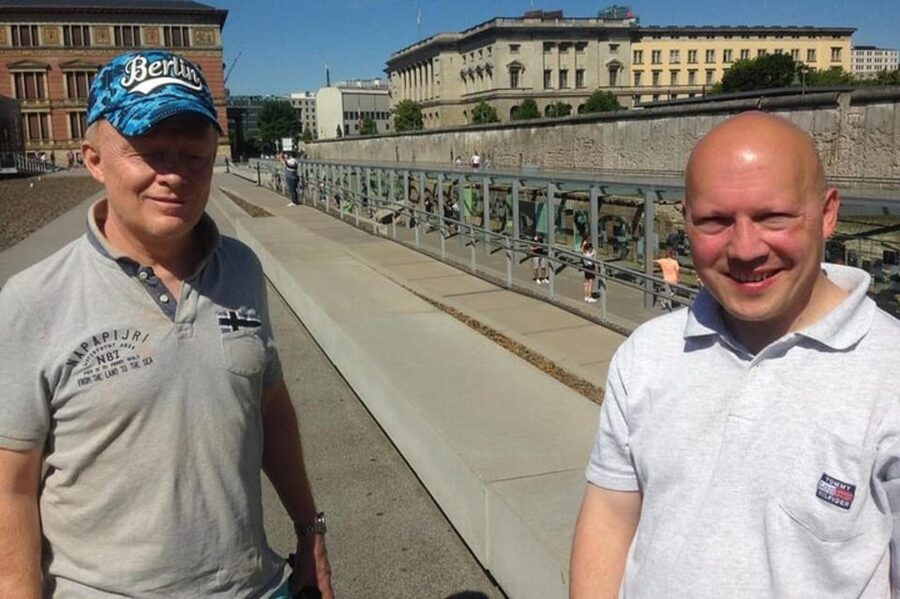
The final part turns to the Berlin Wall. You hear about its construction in 1961, the lives it split, and the attempts people made to escape across it. These stories give human weight to what can otherwise become a dry political timeline.
Your guide also explains the 1961 confrontation between Soviet and American forces. Checkpoint Charlie became the most famous crossing point between East and West Berlin, and the standoff there showed how quickly Berlin could become the center of a much larger crisis.
The walk ends at Checkpoint Charlie, where the story reaches the Wall’s fall in 1989 and the reunification of Germany. The site is heavily visited and can feel more commercial than other memorial locations, but its importance is real. It gives the tour a clear ending and leaves you with the question of how Berlin has dealt with its divided past.
I recommend treating Checkpoint Charlie as a historical location first and a photo stop second. The modern surroundings do not always convey the tension of the Cold War, which makes the guide’s explanation particularly useful.
What a private guide changes
A private group means no one else joins your party. That gives you more control than a standard group walk, especially if your interests are specific.
You can ask for more attention to the Nazi dictatorship, the Holocaust, the Berlin Wall, or the way modern Germans view these events. A private guide can also adjust the pace and offer suggestions for other places to visit, neighborhoods to explore, or places to eat.
The direct advice can be valuable at the start of a Berlin stay. The guide may help you decide which museums deserve your remaining time and how to arrange nearby sights. Carlo, who lives in Berlin, has been described as especially helpful with neighborhood, food, and local-experience suggestions. Eugen has led French-language tours that are both clear and friendly.
Those names are useful if you are comparing guide availability, but assignments can change. Book the language that suits you and treat a named guide as a possibility, not a guarantee.
Price, pace, and practical value
At $35 per person, this is a reasonable price for a private two-hour introduction, particularly if you are sharing the guide with family or a small group. You are paying for personal attention and a route that joins several major sites without needing to plan the sequence yourself.
The value is less clear if you want long museum visits. The Topography of Terror, the Reichstag, and the Holocaust Memorial each deserve more time than this tour can provide. In that case, use the walk as an orientation, then return independently to the places that interest you most.
The route is primarily on foot, with public transport included when needed unless you choose an option that changes that arrangement. Wear comfortable shoes and allow extra time around the two-hour booking, since stopping for questions can make the experience feel full.
Food and drinks are not included. That is not a serious issue for a short central Berlin walk, since you can arrange refreshments before or after the tour.
The activity is wheelchair accessible, and tours are available in English, French, and Spanish. You can cancel up to 24 hours ahead for a full refund, and the reserve-now, pay-later option keeps your plans flexible.
Who should book this Berlin history walk
I would choose this tour if you are visiting Berlin for the first time and want a clear framework before tackling the city’s museums on your own. It also suits families or couples who prefer to ask questions privately rather than follow a large group.
It is a good fit if you want both major sights and difficult history in one outing. The route does not treat Berlin as a collection of attractive landmarks. It asks you to consider dictatorship, genocide, division, escape, and reunification in the places where those subjects took shape.
French and Spanish speakers should find the language choice especially useful. The warm feedback for Eugen’s French explanations suggests that a well-matched guide can make complicated events easier to follow. English speakers also get the benefit of a private format and local advice.
I would hesitate if your main goal is a relaxed sightseeing stroll with little serious history. The subject matter is heavy, and the pace is purposeful. I would also look elsewhere if you want an interior visit to the Reichstag or a lengthy museum tour included in the price.
Should you book it?
Book this walk if you want Berlin’s central sights explained through the city’s Nazi and Cold War past. The route is compact, the price is fair, and the private format gives you room to shape the conversation.
Use it as a strong starting point, not as your entire Berlin history program. Afterward, return to the Holocaust Memorial area or Topography of Terror if you want more time with the material. If you understand that limit, this tour offers a practical and personal way to get oriented to Berlin’s most difficult stories.
FAQ
Where does the tour start?
The meeting point is in front of Wellendorff Berlin at the Hotel Adlon, at Unter den Linden 77.
How long does the walking tour last?
The tour lasts two hours.
Which sights are included?
The route includes the Brandenburg Gate, Reichstag, Memorial to the Murdered Jews of Europe, Hitler’s bunker site, Topography of Terror, the Berlin Wall story, and Checkpoint Charlie.
Is the tour private?
Yes. The tour is private and exclusive, so no one else joins your group.
Which languages are available?
Live guiding is available in English, French, and Spanish.
Is cancellation allowed?
Yes. You can cancel up to 24 hours in advance for a full refund. You can also reserve now and pay later.
More Walking Tours in Berlin
- Berlin: Discover Berlin Walking Tour
★ 4.9 · 5,998 reviews - Berlin: Hidden Backyards Guided Walking Tour
★ 4.8 · 5,360 reviews - Berlin: Alternative Berlin Walking Tour
★ 4.6 · 1,204 reviews - Berlin: Third Reich, Hitler, and WWII Walking Tour
★ 4.9 · 1,133 reviews
Just added around Berlin
- Love and War in Berlin: Self-Guided Story Puzzle Walk★ 5.0 · 7 reviews
- Rickshaw Tours Berlin – Groups of up to 16 people with several rickshaws★ 4.0 · 97 reviews
- Walking on the Wall: 3-Hour Tour in Berlin★ 4.5 · 34 reviews
- eSIM for Germany and 34 European Countries★ 4.5 · 16 reviews
- Warnemuende Shore Excursion: Berlin Private Sightseeing Tour from Rostock★ 5.0 · 4 reviews
- Your ticket to The Wall Museum Berlin★ 3.0 · 60 reviews
- Warnemuende Shore Excursion: Private Berlin Tour★ 4.5 · 27 reviews
- Berlin’s Gay, Lesbian, and Queer Scene Small-Group Walking Tour★ 4.5 · 66 reviews
Third Reich & Cold War Tours, compared.



Berlin’s Best: 2 Hour Walking Tour Third Reich and the Cold War
Read our review →

Third Reich Berlin: Hitler and WWII Walking Tour
Read our review →
Skip-the-Line: Berlin Wall Museum at Checkpoint Charlie
Read our review →

Cold War, Berlin Wall, Spies and the East Side Gallery
Read our review →Browse the lists this tour appears in