

Reviewed · THIRD REICH & COLD WAR TOURS
Berlin: Stasi Museum Private Guided Tour with Entry Ticket
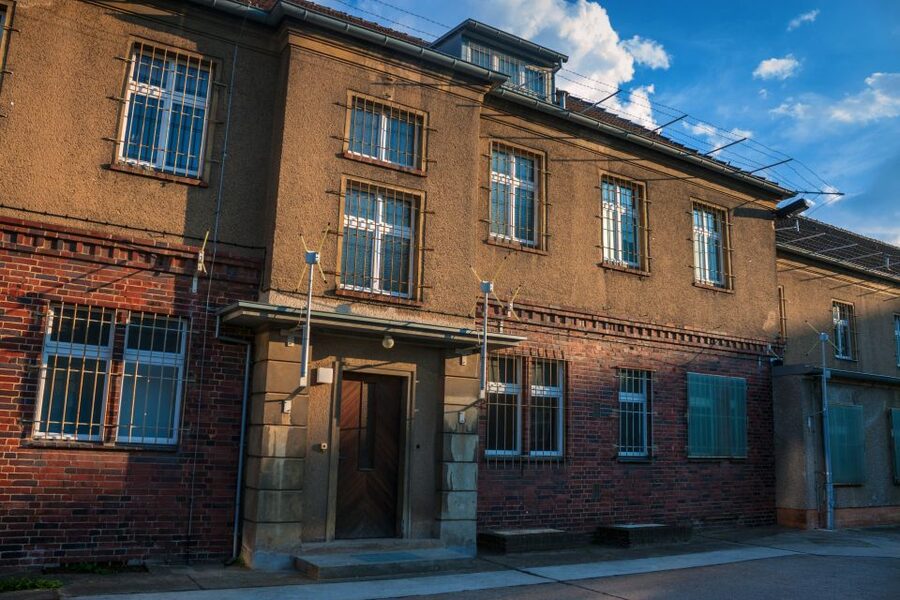
The most striking part of this tour is that the Stasi Museum occupies the original headquarters of East Germany’s secret police. You are not looking at a recreated spy set. You are walking through the offices where surveillance plans were made, informants were managed, and citizens were watched.
I like two things right away: the tour begins at Alexanderplatz, where the largest demonstration in GDR history took place in 1989, and it includes the public transport ride to the museum. I also like the private format, since a guide can explain difficult political subjects in your language and adjust the pace to your questions.
The main drawback is price. At $257 per person, this is a serious spend for a three-hour museum visit, even with transport and entry included. A private guide can make the visit far more meaningful, but you should book it for the personal explanation, not simply to get inside the museum.
In This Review
- Key points of this private Stasi Museum visit
- Why the former Stasi headquarters matters
- Starting at Alexanderplatz in 1989
- The ride from central Berlin to Lichtenberg
- Entering the Stasi Museum at Normannenstraße
- Seeing the tools of surveillance
- Erich Mielke’s office and the red briefcase
- Understanding daily life behind the Berlin Wall
- What the private format really adds
- Is $257 per person fair value?
- Who should book this experience?
- Practical details that affect your day
- Should you book the Stasi Museum private tour?
- FAQ
- Where does the tour meet?
- How long does the tour last?
- Is transport to the Stasi Museum included?
- Which Stasi site does this tour visit?
- Is this the same place as the Hohenschönhausen Memorial?
- What languages are available?
- Can I cancel the tour for a refund?
Key points of this private Stasi Museum visit

- Original Stasi headquarters: Explore the former Ministry of State Security offices at Forschungs- und Gedenkstätte Normannenstraße.
- Alexanderplatz starting point: Begin at the square tied to the huge 1989 protest that helped bring East Germany’s dictatorship into the open.
- Real surveillance equipment: See bugs, hidden cameras, and other tools used by the Stasi.
- Erich Mielke’s office: Visit the minister’s office and see his famous red briefcase.
- Private expert commentary: Ask questions freely and receive explanations in English or German.
- Transport and timed entry included: Ride from central Berlin to the museum with public transport tickets supplied.
Why the former Stasi headquarters matters
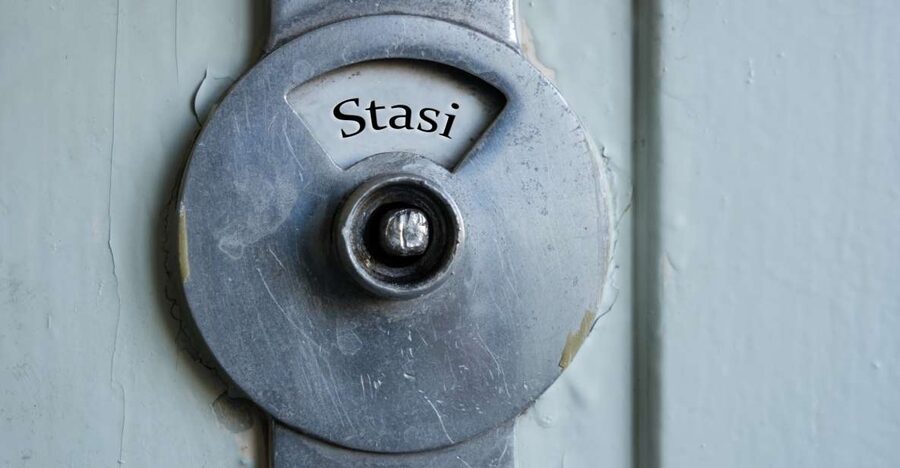
The Stasi Museum is not in the former Berlin Wall zone. It is in Lichtenberg, east of central Berlin, inside the building complex once used by the Ministry of State Security. That setting gives the visit an unusual force: the rooms are part of the evidence.
The Stasi, formally the Ministry for State Security, worked to protect the East German communist state from internal and external threats. In practice, that meant watching citizens, gathering information, recruiting informants, and controlling people who challenged the government.
A guide helps you connect the office furniture and equipment to ordinary life. The important question is not only how the Stasi collected information. It is how surveillance changed what people said at work, whom they trusted, and how openly they discussed politics.
That human side is where this tour earns its place. You will hear about communist propaganda, the division of Germany, and the daily reality of living behind the Berlin Wall. The subject can feel abstract in a textbook. Inside the former headquarters, it becomes much easier to understand how a dictatorship operated through paperwork, fear, and personal networks.
More Museum & Gallery Tickets in Berlin
- Berlin: Natural History Museum Entrance Ticket
★ 4.6 · 3,382 reviews - Skip-the-Line: Berlin Wall Museum at Checkpoint Charlie
★ 4.1 · 2,041 reviews - Berlin: Museum Island Multiple Museum Entry Ticket
★ 4.4 · 2,007 reviews
Starting at Alexanderplatz in 1989
You meet the guide in front of the DM drugstore at Alexanderplatz, address Alexanderplatz 1, 10178 Berlin. This is a practical meeting point in the center, though Alexanderplatz is large and often busy, so I would arrive early and identify the store before the scheduled time.
The square is more than a convenient place to meet. It was a major public space in East Berlin and the scene of the largest demonstration in the history of the German Democratic Republic in 1989. That protest is an important opening chapter for the visit to the Stasi Museum.
Here, the guide can frame the final months of East Germany. Public anger, calls for freedom, and growing resistance helped weaken the government’s control. The fall of the Berlin Wall did not happen in isolation. It followed years of pressure and a sudden loss of confidence in the state.
Do not expect a long walking tour of Alexanderplatz. The square mainly serves as the meeting point and historical introduction before you take public transport to the museum. Its value comes from the context your guide provides, not from a separate sightseeing program.
The ride from central Berlin to Lichtenberg
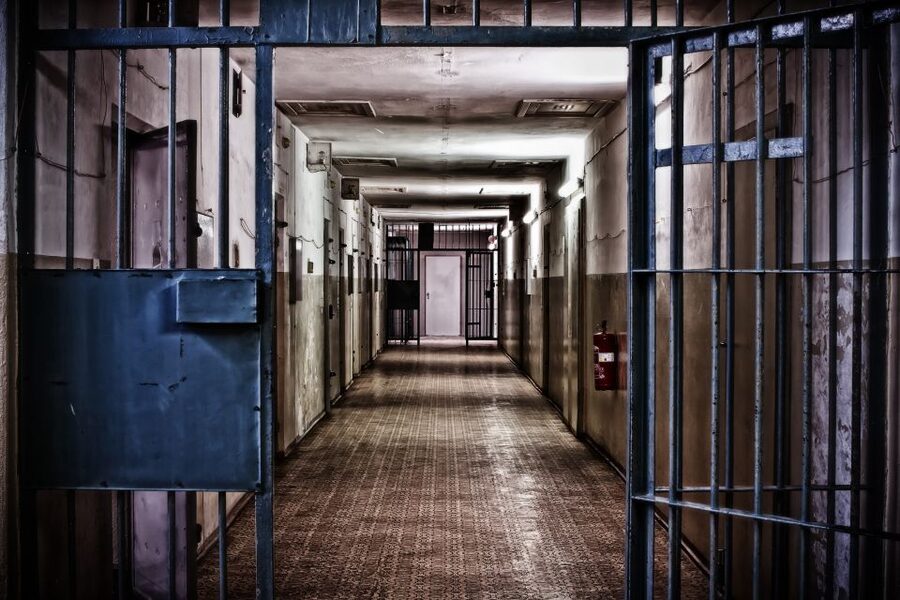
The museum is outside the central city, so the journey matters. Two-way public transport tickets are included, which removes one small but useful task from your day. You do not need to stop and work out the fare before leaving Alexanderplatz.
The transport ride also shows the practical side of the tour. This is not a museum directly beside a major central attraction. The included tickets save you money and make the transfer easier, but you still need to keep the three-hour schedule in mind.
The entry is tied to a pre-booked time slot. That means arriving late at Alexanderplatz could affect the whole visit. Check the tour email the day before for final instructions, and do not treat the meeting time as a loose suggestion.
For anyone planning a full day of Berlin sightseeing, allow room around this experience. The advertised duration is three hours, but your day also needs to absorb the journey to Lichtenberg and the return ride. The transport is included, but the time is still part of the cost.
Entering the Stasi Museum at Normannenstraße

The German name is Forschungs- und Gedenkstätte Normannenstraße, and it is important to know exactly which site you are booking. This is the Stasi Museum in the former headquarters of the Ministry of State Security.
It is not the Berlin-Hohenschönhausen Memorial, the former Stasi prison. The two sites deal with state repression but show different parts of the system. Hohenschönhausen focuses on imprisonment and interrogation. Normannenstraße focuses on the central administration, offices, surveillance work, and the machinery of the Stasi state.
The private guide takes you through the museum with commentary rather than leaving you to read every display alone. That is especially useful here, because the subject involves German political terms, changing institutions, and many layers of postwar history.
Skip-the-line entry is included, but it is best understood as a reserved time slot rather than a license to arrive whenever you like. The benefit is a planned admission at the correct time. The guide can then use the visit efficiently instead of spending part of the three hours waiting at the entrance.
More Third Reich & Cold War Tours in Berlin
- Berlin: Third Reich and Cold War 2 Hour Walking Tour
★ 4.9 · 6,830 reviews - Berlin’s Best: 2 Hour Walking Tour Third Reich and the Cold War
★ 5.0 · 5,486 reviews - Third Reich Berlin: Hitler and WWII Walking Tour
★ 5.0 · 3,301 reviews - Berlin: Third Reich, Hitler, and WWII Walking Tour
★ 4.9 · 1,133 reviews
Seeing the tools of surveillance
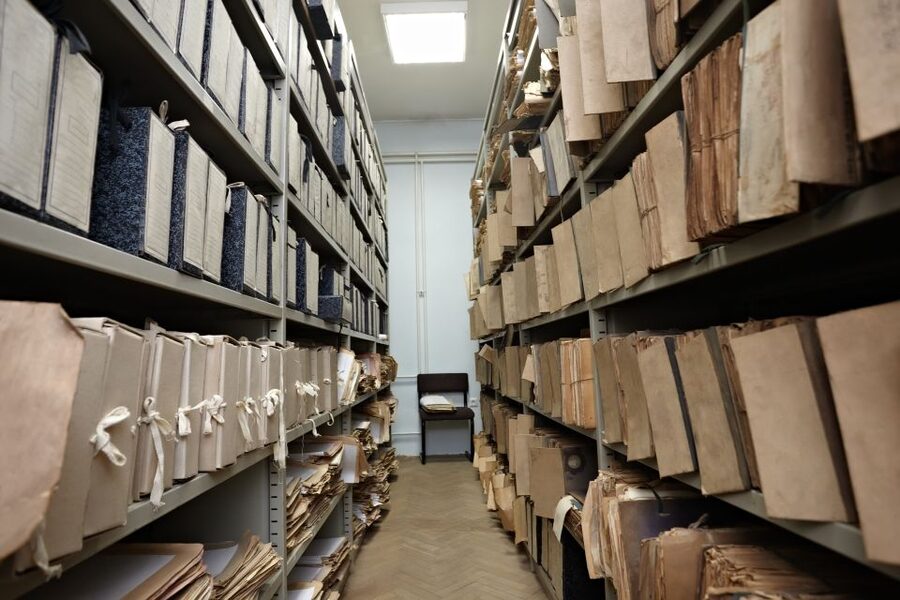
The museum displays original spy technology, including bugs and hidden cameras. These objects are small, but they explain the Stasi method better than a broad political speech can.
A hidden camera shows how surveillance entered private spaces. A listening device shows how the state could turn an apartment, office, or meeting place into a source of information. The equipment also reminds you that Stasi control depended on patient collection of details, not only dramatic arrests.
Your guide can explain how informants were recruited and how information about citizens was gathered. That is one of the most useful parts of having a private expert beside you. You can ask how surveillance worked in practical terms, rather than simply seeing objects behind glass.
The displays also help separate popular spy fiction from the real system. The Stasi did use clever technology, but its power came from an entire bureaucracy and a network of people. Equipment was only one part of the process. Reports, files, workplace pressure, and personal betrayal made the system effective.
Erich Mielke’s office and the red briefcase
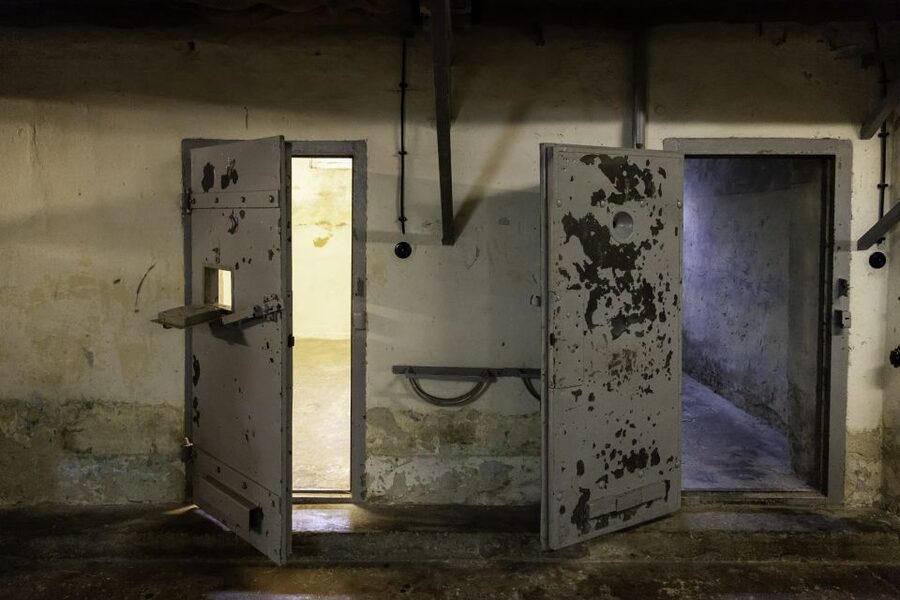
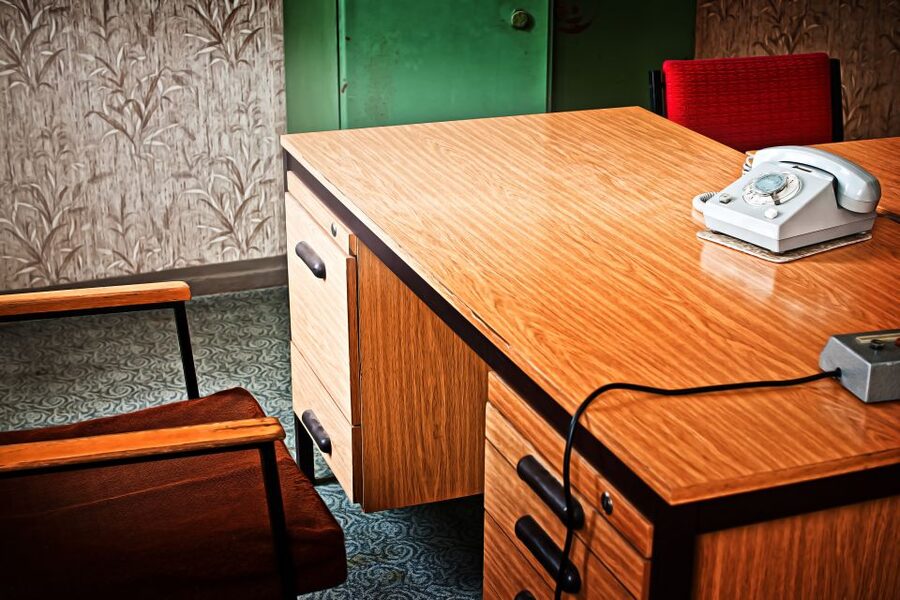
One of the museum’s most memorable rooms is the office of Erich Mielke, the longtime minister responsible for the Stasi. You will see the office furnishings and his famous red briefcase, which he used to keep sensitive information.
The room gives you a physical sense of the leadership structure. This was not an invisible force floating above East German society. It had offices, desks, schedules, officials, and people making decisions about the lives of others.
The red briefcase is a small detail, but it makes the story easier to picture. It is the sort of object that helps a large political system feel personal and specific. You can ask the guide about Mielke, his role, and how the ministerial offices fit into the wider Stasi structure.
The museum does not turn the subject into entertainment. The value of this stop is its plain, unsettling connection between a senior official’s office and the surveillance carried out across the country.
Understanding daily life behind the Berlin Wall
The tour is aimed at history fans, but you do not need a degree in Cold War politics to follow it. The guide explains what it was like to live in East Berlin before the Wall fell, including the effects of communist propaganda and state control.
Daily life in the GDR cannot be reduced to one story. People worked, raised families, shopped, studied, and built ordinary routines. At the same time, the state limited political freedom and used surveillance to discourage opposition.
That tension is central to the museum visit. You are not only learning about police offices. You are learning how a government tried to shape what citizens believed and how safely they could speak.
Personal stories can make a major difference here. One guide named Silvia received especially warm praise for using personal experiences and extra material during the tour. Another guide was able to conduct the tour in Danish as well as English, even though English had been booked. You cannot assume that every guide will offer the same language surprise, but these comments show the benefit of a private format and a guide with personal connection to the subject.
What the private format really adds
A private group means you are not sharing the guide with a large mixed party. That can make a difference in a museum where questions often lead to complicated answers.
You can ask about East German propaganda, the role of informants, the Berlin Wall, or the difference between the Stasi and other state institutions. If your group already knows a lot about the Cold War, the guide can spend more time on details. If the subject is new to you, the guide can explain the basic structure without making you feel lost.
The tour is offered in English or German, with a live guide. The supplied information describes the guide as a licensed five-star guide fluent in the language selected at booking. Still, check the language choice carefully when you reserve, especially if you need a language other than English or German.
The private setup is also useful for families or mixed-age groups, though the material is serious. You should expect discussion of dictatorship, surveillance, fear, and control. It suits older children and teenagers interested in modern history more than very young children looking for an interactive museum.
Is $257 per person fair value?
At $257 per person, this tour sits in the premium range. The price covers a private three-hour guide, museum entry, skip-the-line timed admission, and public transport tickets in both directions.
The key question is how many people are in your private group. If you are splitting the guide cost among several people, the price may feel more reasonable. For one or two people, it is a large premium over visiting a museum independently.
I would pay the extra cost only if you want interpretation and conversation. The Stasi Museum has plenty to see, but the displays will mean more when someone explains the political setting and the human consequences. A good guide can also help you focus on the most important rooms instead of trying to absorb every panel.
You should also know that one past booking was described as costing $435 and judged far too expensive for what it delivered. That does not prove the current price offers poor value, since the listed price here is $257 per person and prices can change. It does offer a useful warning: compare the total cost for your group before booking, and decide how much personal guidance is worth to you.
The high rating of 4.8 from 13 ratings points to strong satisfaction overall, with praise focused on friendly guides, punctuality, clear explanations, personal stories, and extra material. The small number of ratings means I would treat that score as encouraging rather than conclusive.
Who should book this experience?
I would choose this tour if you want Berlin’s Cold War story explained by a person rather than assembled from labels. It is a good match for history fans, students of communism, and anyone trying to understand life in East Berlin before reunification.
It also suits visitors who prefer a clear three-hour plan. You meet in the center, take public transport with tickets included, enter at a reserved time, and return after the museum visit.
I would think twice if you mainly want a cheap museum stop. The Stasi Museum can be visited without paying for a private guide, and the $257 price is hard to justify if you do not plan to ask questions or value personal commentary.
This is also not the right booking if your main interest is the experience of Stasi imprisonment. For that, you need the Berlin-Hohenschönhausen Memorial, which is a different site. This tour is about the organization’s headquarters and surveillance system.
Practical details that affect your day
The duration is three hours, and starting times depend on availability. Since entry is scheduled, arrive on time at the DM drugstore in Alexanderplatz and read the email sent the day before.
The tour is wheelchair accessible. It is offered as a private group, and public transport tickets for the trip to and from the museum are included.
Free cancellation is available up to 24 hours before the tour for a full refund. You can also reserve now and pay later, which helps if your Berlin schedule is still shifting.
The tour is operated by Rosotravel Germany. English and German are the listed languages, so select carefully when booking. If a particular guide, such as Silvia, is important to you, do not assume that a named guide is guaranteed unless the booking confirmation says so.
Should you book the Stasi Museum private tour?
Book it if you want the former Stasi headquarters brought to life through clear explanation, real surveillance equipment, and a private conversation about East Germany. The Alexanderplatz opening, included transport, timed entry, and Mielke’s office give the tour a tidy shape, while personal stories can make the subject more direct and memorable.
Skip it if your budget is tight or you are happy to read museum displays on your own. At $257 per person, the guide is the main reason to choose this option. For the right group, that personal context is worth paying for. For a solo budget visitor, it may not be.
FAQ
Where does the tour meet?
The meeting point is in front of the DM drugstore at Alexanderplatz 1, 10178 Berlin.
How long does the tour last?
The private tour lasts three hours.
Is transport to the Stasi Museum included?
Yes. Two-way public transport tickets are included for the journey between Alexanderplatz and the museum.
Which Stasi site does this tour visit?
It visits the Stasi Museum, also called Forschungs- und Gedenkstätte Normannenstraße, in the former headquarters of the Ministry of State Security.
Is this the same place as the Hohenschönhausen Memorial?
No. The Stasi Museum and the former Stasi prison at Berlin-Hohenschönhausen are different sites.
What languages are available?
The listed tour languages are English and German.
Can I cancel the tour for a refund?
Yes. You can cancel up to 24 hours in advance for a full refund.
More Museums in Berlin
- Berlin: Interactive DeJa Vu Museum Entrance Ticket
★ 4.1 · 1,338 reviews - Berlin: “Pergamonmuseum. The Panorama” Exhibition Tickets
★ 4.6 · 1,245 reviews - Berlin: East Side Gallery Spree Cruise in a Solar Catamaran
★ 4.0 · 1,039 reviews - Cold War, Berlin Wall, Spies and the East Side Gallery
★ 5.0 · 1,024 reviews
Just added around Berlin
- Love and War in Berlin: Self-Guided Story Puzzle Walk★ 5.0 · 7 reviews
- Rickshaw Tours Berlin – Groups of up to 16 people with several rickshaws★ 4.0 · 97 reviews
- Walking on the Wall: 3-Hour Tour in Berlin★ 4.5 · 34 reviews
- eSIM for Germany and 34 European Countries★ 4.5 · 16 reviews
- Warnemuende Shore Excursion: Berlin Private Sightseeing Tour from Rostock★ 5.0 · 4 reviews
- Your ticket to The Wall Museum Berlin★ 3.0 · 60 reviews
- Warnemuende Shore Excursion: Private Berlin Tour★ 4.5 · 27 reviews
- Berlin’s Gay, Lesbian, and Queer Scene Small-Group Walking Tour★ 4.5 · 66 reviews
Third Reich & Cold War Tours, compared.



Berlin’s Best: 2 Hour Walking Tour Third Reich and the Cold War
Read our review →

Third Reich Berlin: Hitler and WWII Walking Tour
Read our review →
Skip-the-Line: Berlin Wall Museum at Checkpoint Charlie
Read our review →

Cold War, Berlin Wall, Spies and the East Side Gallery
Read our review →Browse the lists this tour appears in