
Reviewed · MUSEUM & GALLERY TICKETS
Berlin: Tickets to the Computer Games Museum
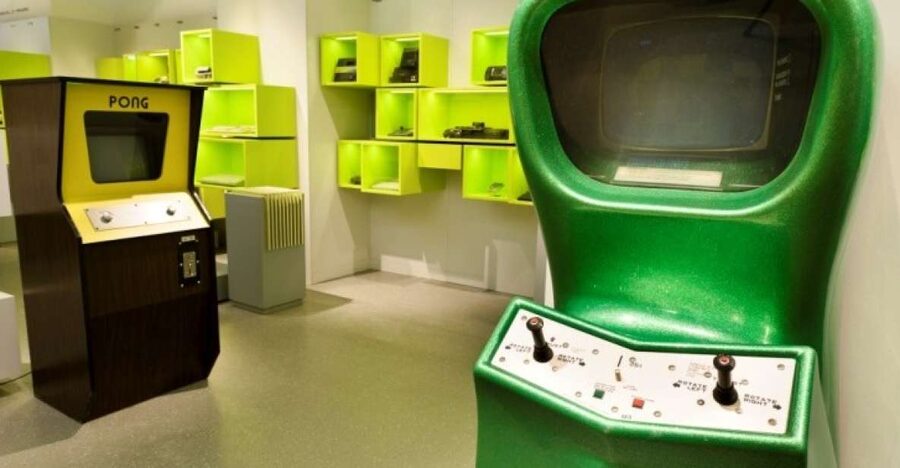
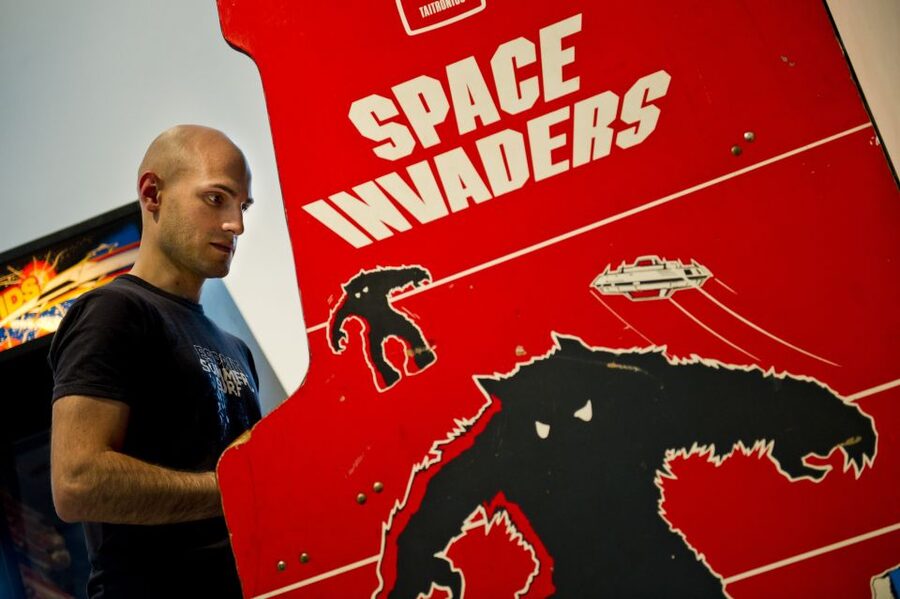
Berlin’s Computer Games Museum turns gaming history into something you can touch. You can play Pong, test the Giant Controller, face the PainStation, and work through more than 300 exhibits covering several generations of machines. I especially like the Wall of Hardware, where familiar names such as Commodore, Game & Watch, and PlayStation sit side by side, and the small arcade with Donkey Kong and Space Invaders.
I also like that this is not just a room full of old consoles behind glass. Many displays invite you to play, making the museum work for parents, children, and serious game fans alike. The main point to consider is size: some people finish in 30 minutes, while others spend several hours, so your enjoyment depends on how much time you give the playable exhibits.
In This Review
- Key points
- Start with 70 years of game history
- The Wall of Hardware puts familiar machines in context
- The arcade room is small, so choose your timing
- Playable exhibits make the visit more than a museum tour
- Fifty-two famous games trace the medium’s changing style
- 3D games show a different kind of early experiment
- Early machines and unusual inventions add depth
- How long should you allow?
- Is the $22 ticket good value?
- Location and practical details at Karl-Marx-Allee 93a
- Who will enjoy this museum most?
- Should you book the Computer Games Museum?
- FAQ
- Where is the Computer Games Museum in Berlin?
- What does the ticket include?
- How many exhibits are in the museum?
- Can I play the games and consoles?
- Is the museum wheelchair accessible?
- How long is the ticket valid?
Key points
- 300-plus exhibits: Follow computer gaming from early machines to modern systems.
- Playable classics: Try Pong, Pacman, Mario, Donkey Kong, Space Invaders, and other familiar titles.
- Wall of Hardware: See machines from the Commodore era through Game & Watch and PlayStation.
- Odd and inventive displays: Test the Giant Controller, PainStation, movement games, and 3D equipment.
- Two exhibitions included: Your ticket covers the permanent display and any special exhibition.
- Easy, flexible visit: The museum is wheelchair accessible, tickets are valid for one day, and cancellation is allowed up to 24 hours ahead.
Start with 70 years of game history
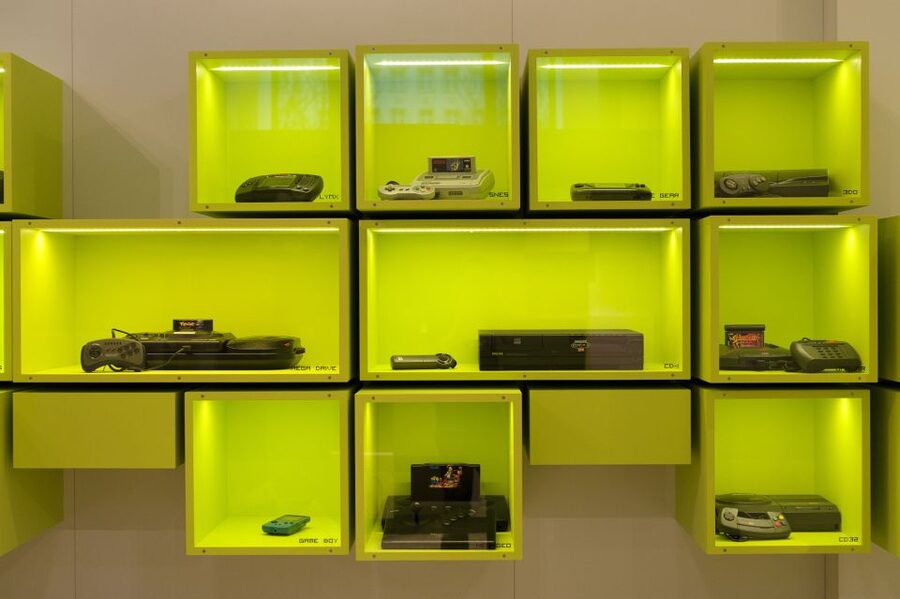
The museum presents roughly six to seven decades of computer gaming history. The exact span is described in slightly different ways, but the idea is clear: you move from early computing experiments and basic electronic games to home consoles, arcades, handheld systems, 3D displays, and more recent titles.
This approach gives the visit a useful rhythm. You are not simply looking at isolated machines. You can see how games changed as hardware became smaller, faster, more colorful, and more responsive.
The museum is often called Europe’s first computer games museum. That helps explain its broad focus. It treats games as part of technology, design, popular culture, and everyday life. The result is more interesting than a simple collection of old consoles.
More Museum & Gallery Tickets in Berlin
- Berlin: Natural History Museum Entrance Ticket
★ 4.6 · 3,382 reviews - Skip-the-Line: Berlin Wall Museum at Checkpoint Charlie
★ 4.1 · 2,041 reviews - Berlin: Museum Island Multiple Museum Entry Ticket
★ 4.4 · 2,007 reviews
The Wall of Hardware puts familiar machines in context
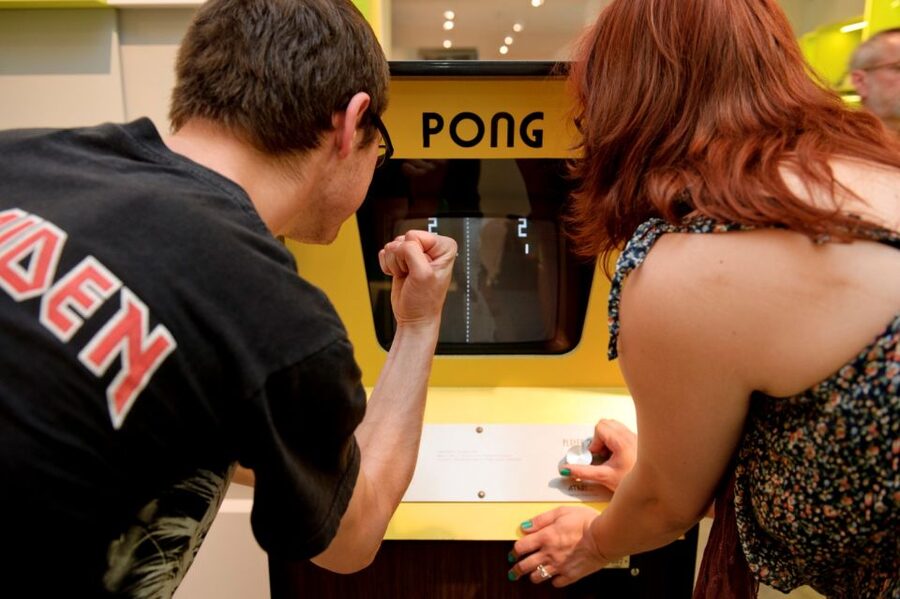
The Wall of Hardware is one of the best places to begin. It gathers machines from different generations so you can compare them at a glance. Commodore computers, Nintendo Game & Watch devices, PlayStation systems, and other hardware show how quickly the form of gaming changed.
If you grew up with 1980s or 1990s consoles, this section may trigger instant memories. If you are visiting with a child, it also gives you a chance to explain why older systems look so simple compared with today’s machines.
The displays are useful because they show more than the games themselves. A console tells you something about the period when it was popular: how people played, where they played, and what sort of screen or controller they used. The museum makes those changes easy to follow without requiring a technical background.
The arcade room is small, so choose your timing
Around the hardware displays, you find a compact amusement arcade with coin-operated machines. Donkey Kong and Space Invaders are among the familiar names, and the room offers the old arcade feel that many people come specifically to find.
This area can be one of the busiest parts of the museum. You may need to wait for a machine, especially when children and adults gather around the most famous games. The room is not huge, so it does not recreate a full 1980s arcade, but that smaller scale also keeps the visit focused.
Pacman, sometimes presented as Puckman in the museum material, is another highlight. Mario and other classic titles add to the appeal. I would give yourself extra time here rather than rushing through every display. Playing one familiar game can be more satisfying than taking photographs of ten machines.
Playable exhibits make the visit more than a museum tour
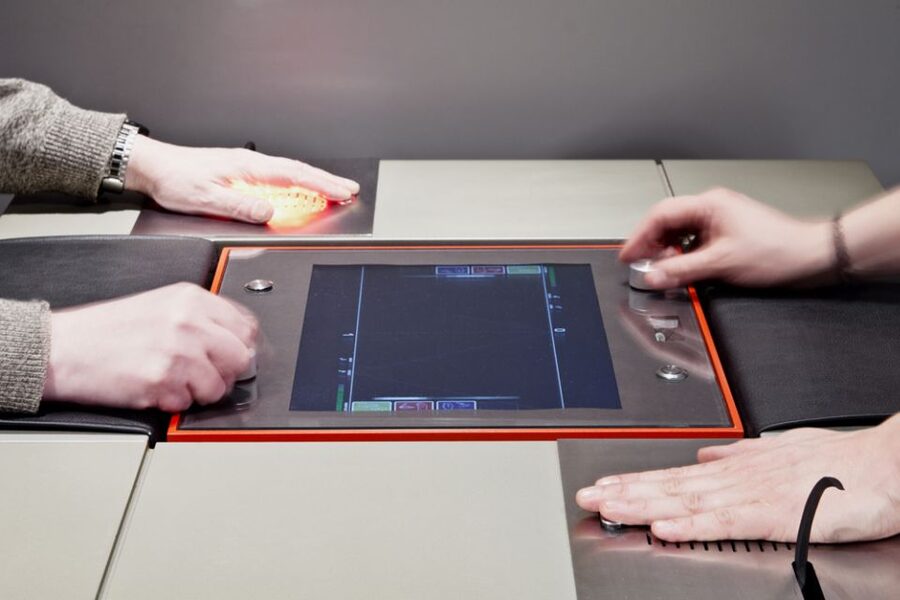
The strongest feature is the hands-on design. You are encouraged to play many of the games and interact with several installations. That changes the mood from quiet observation to friendly competition.
Pong is a good example. Its simple controls and basic graphics show how little technology a game needed to become compelling. You can also try the Giant Joystick, an oversized controller that turns a familiar action into a physical challenge.
The PainStation offers a stranger experience. It combines Pong-style play with physical consequences when you miss the ball, including shocks or hits. This is not just another retro game. It is an example of how computer games can become performance art and interactive art. If you are over 18 and comfortable with that kind of experiment, ask about it at the museum.
Movement and dance games add another layer. These displays show that gaming has not always meant sitting still with a controller. The museum also includes interactive works of art, so the collection moves beyond commercial consoles and arcade cabinets.
Same city, a completely different kind of day:
- Berlin: Reichstag, Dome and Government District Guided Tour
★ 4.7 · 18,288 reviews - Berlin: 1-Hour City Tour by Boat with Guaranteed Seating
★ 4.3 · 16,993 reviews - Berlin: Boat Tour Along the River Spree
★ 4.4 · 11,252 reviews - Discover Berlin Half-Day Walking Tour
★ 5.0 · 9,624 reviews
Fifty-two famous games trace the medium’s changing style
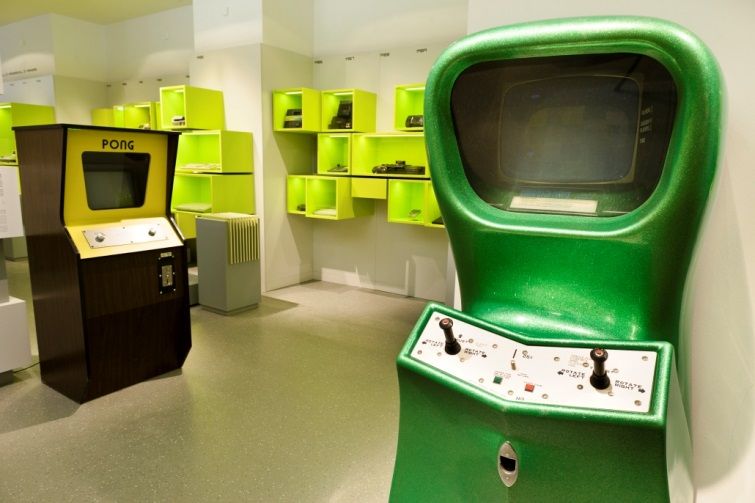
A series of 52 game highlights marks important points in gaming history. The selection includes Pacman, Bomb Jack, and Grand Theft Auto IV, among other well-known titles.
Seeing those names together helps show how much the medium changed. Early games depended on short sessions, simple rules, and quick reactions. Later titles could offer larger worlds, more complex stories, and different kinds of player choice.
You should not expect every major game ever made to appear. The museum is making a selection, not building an enormous video game library. Its strength is the timeline and the chance to connect games with the machines and controls that made them possible.
For parents, this section can be a handy way to explain your own gaming childhood. Older children may be surprised by how slow or basic some early games feel. That contrast is part of the fun, especially when you let them try the older systems rather than simply telling them about them.
3D games show a different kind of early experiment
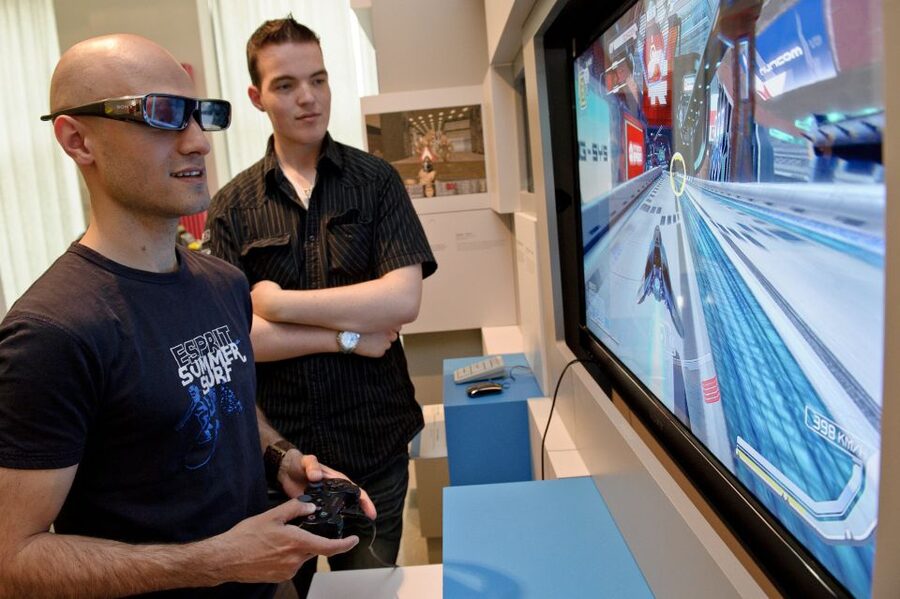
The museum has a section devoted to 3D gaming. You can experience games on a 3D television or with a handheld 3DS.
These displays are valuable because they show that 3D gaming did not appear all at once. Designers and manufacturers spent years testing depth, movement, and new ways to make the screen feel more physical. The displays give you a sense of that process through direct experience.
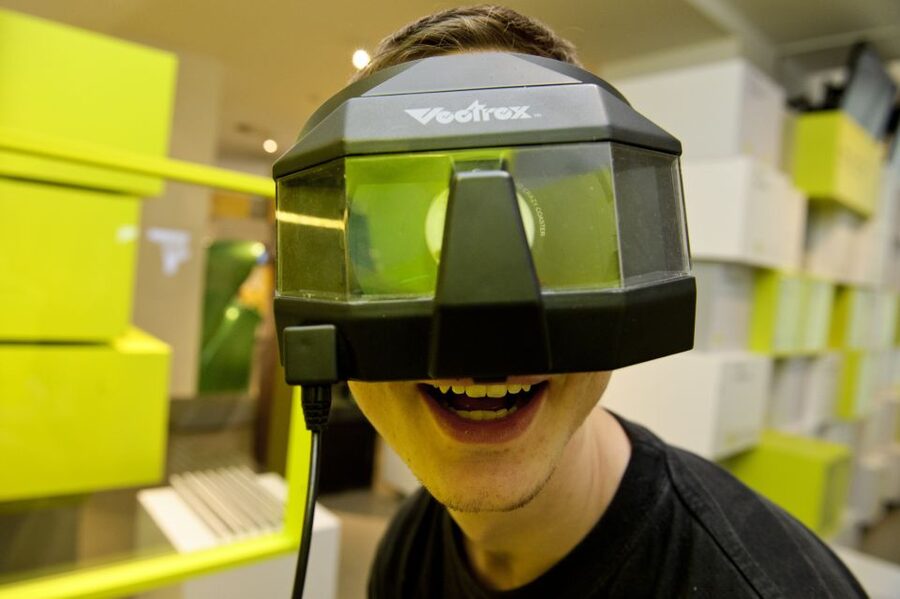
The museum also includes earlier technology, and one display features a 1994 virtual reality game. Access to some timed experiences may require you to ask at reception, so do that when you arrive rather than discovering the option too late.
The 3D section may appeal most to people interested in technology and design. If you are mainly visiting for arcade games, it is easy to spend less time here. Still, it helps prevent the visit from becoming only a nostalgia trip.
Early machines and unusual inventions add depth
The legendary Pong arcade machine is an obvious stop, but the collection reaches back even further. Nimrod is included among the early milestones, giving you a glimpse of the period before home consoles became common.
The museum also gives space to unusual machines and experimental ideas. The Giant Controller and PainStation are memorable because they make you think about the physical relationship between player and machine. Dance games and movement-based displays continue that theme.
These exhibits are useful even if you do not know much about gaming history. You can understand them by trying them. A short hands-on test often explains an idea better than a long wall of text.
How long should you allow?
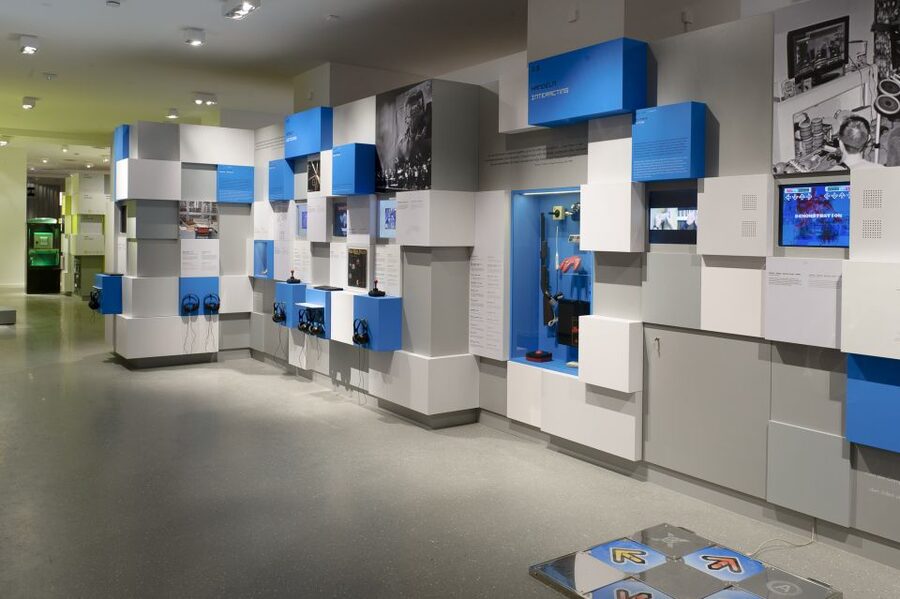
The ticket is valid for one day, but the time you need inside is flexible. A quick visit can take around 30 minutes if you focus on a few favorite games and move briskly through the hardware. That is enough for a taste, but it may feel short at $22 per person.
I would allow at least 90 minutes if the museum is a main stop in your Berlin day. That gives you time for the hardware displays, the arcade, the game highlights, and several playable exhibits. If you have enthusiastic players in your group, plan on two to four hours.
Some people stay almost four hours because nearly every section offers something to try. Others leave sooner because the museum is not a multi-floor complex with a huge number of rooms. Set your expectations correctly: this is a focused museum, not an all-day theme park.
Crowds can affect your timing. When the arcade machines and popular consoles are busy, you may spend part of your visit waiting. A quieter period will make it easier to play several games instead of simply watching someone else use them.
Is the $22 ticket good value?
At $22 per person, the ticket is fairly priced for people who will use the interactive displays. You are paying for both the historical collection and the chance to play, and the ticket includes the permanent exhibition plus special exhibitions.
The value is weaker if you only want to walk past old consoles. A short 30-minute visit can make the price feel high, particularly if you do not have a personal connection to retro games. The museum earns its price when you take your time, read the displays, and play several machines.
Families may find the ticket worthwhile because children and adults can enjoy different parts. Parents can revisit the games they remember, while children can compare old systems with the Nintendo DS and later consoles they know. The museum creates an easy shared activity without requiring everyone to like the same games.
A guided tour is not included. A past museum experience described guided tours as an extra-cost option, so ask at the front desk if you want more explanation than the self-guided displays provide. The regular ticket is designed for exploring at your own pace.
Location and practical details at Karl-Marx-Allee 93a
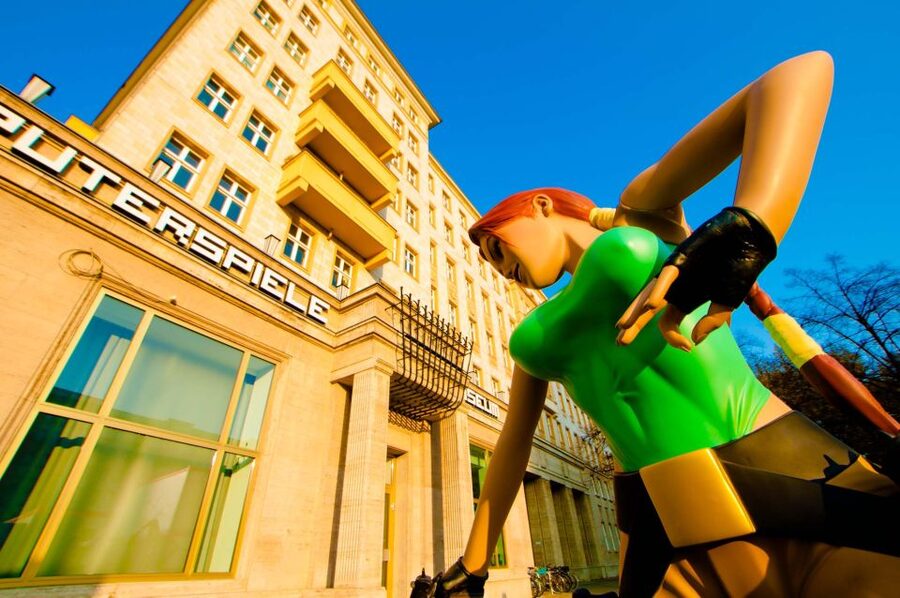
The museum is at Karl-Marx-Allee 93a in Berlin, in the state of Berlin. You arrange your own transport, since transfers are not included, and there is no guide included with the standard admission.
The visit is wheelchair accessible. You can reserve and pay later, which helps if you are arranging a Berlin schedule around museums, weather, or family needs. Free cancellation is available up to 24 hours before the visit, according to the booking conditions.
Bring patience for the playable areas. Older hardware can be popular, and a child or adult may stay at a machine longer than expected. If you are visiting with a group, it helps to agree that everyone gets a turn.
The staff can also help with special interactive displays. Ask at reception about any timed virtual reality or 3D experiences when you enter.
Who will enjoy this museum most?
This is an easy choice for dedicated game fans. You can see consoles and arcade machines from several generations, play classics, and examine unusual projects that do not fit neatly into a standard museum collection.
It also works well for families. Children can play, parents can revisit childhood favorites, and both groups can compare how much gaming hardware has changed. The hands-on setup keeps the visit from becoming a passive history lesson.
Adults who grew up with Atari, Commodore, Sega, Nintendo, or early PlayStation systems may get the most personal pleasure from it. The museum has a strong retro focus, so people looking mainly for the newest games may find the modern side less developed.
You should also consider your tolerance for noise and waiting. Children can get excited around the arcade machines, and popular exhibits may be crowded. If you want a quiet, highly ordered museum visit, this may not be the right fit at busy times.
Should you book the Computer Games Museum?
Book it if you want to play as well as look. The combination of original hardware, classic arcade games, 3D displays, and unusual installations gives you a more active visit than a standard technology museum.
I would especially recommend it to families, retro gaming fans, and anyone who remembers the jump from simple arcade screens to home consoles and handheld systems. Allow at least 90 minutes, and longer if you plan to try most of the interactive stations.
Skip it if you have little interest in gaming or only want a quick modern-console showcase. The collection leans more toward older games, and the museum itself is compact. For the right audience, though, $22 buys a playful, memory-filled stop with enough history to make the games meaningful.
FAQ
Where is the Computer Games Museum in Berlin?
The museum is located at Karl-Marx-Allee 93a, 10243 Berlin.
What does the ticket include?
The ticket includes entry to the permanent exhibition and the special exhibitions.
How many exhibits are in the museum?
The museum has more than 300 exhibits covering roughly 60 to 70 years of computer gaming history.
Can I play the games and consoles?
Yes. Many exhibits are interactive, including Pong, arcade machines, 3D games, movement games, and other playable displays.
Is the museum wheelchair accessible?
Yes, the activity information states that the museum is wheelchair accessible.
How long is the ticket valid?
The ticket is valid for one day. The amount of time you spend inside can vary, from a short visit of around 30 minutes to several hours depending on how many displays you play.
More Museums in Berlin
- Berlin: Interactive DeJa Vu Museum Entrance Ticket
★ 4.1 · 1,338 reviews - Berlin: “Pergamonmuseum. The Panorama” Exhibition Tickets
★ 4.6 · 1,245 reviews - Berlin: East Side Gallery Spree Cruise in a Solar Catamaran
★ 4.0 · 1,039 reviews - Cold War, Berlin Wall, Spies and the East Side Gallery
★ 5.0 · 1,024 reviews
Just added around Berlin
- Love and War in Berlin: Self-Guided Story Puzzle Walk★ 5.0 · 7 reviews
- Rickshaw Tours Berlin – Groups of up to 16 people with several rickshaws★ 4.0 · 97 reviews
- Walking on the Wall: 3-Hour Tour in Berlin★ 4.5 · 34 reviews
- eSIM for Germany and 34 European Countries★ 4.5 · 16 reviews
- Warnemuende Shore Excursion: Berlin Private Sightseeing Tour from Rostock★ 5.0 · 4 reviews
- Your ticket to The Wall Museum Berlin★ 3.0 · 60 reviews
- Warnemuende Shore Excursion: Private Berlin Tour★ 4.5 · 27 reviews
- Berlin’s Gay, Lesbian, and Queer Scene Small-Group Walking Tour★ 4.5 · 66 reviews
Museum & Gallery Tickets, compared.





Skip-the-Line: Berlin Wall Museum at Checkpoint Charlie
Read our review →
Browse the lists this tour appears in