
Reviewed · MUSEUM & GALLERY TICKETS
Berlin: The Wall Museum East Side Gallery Ticket
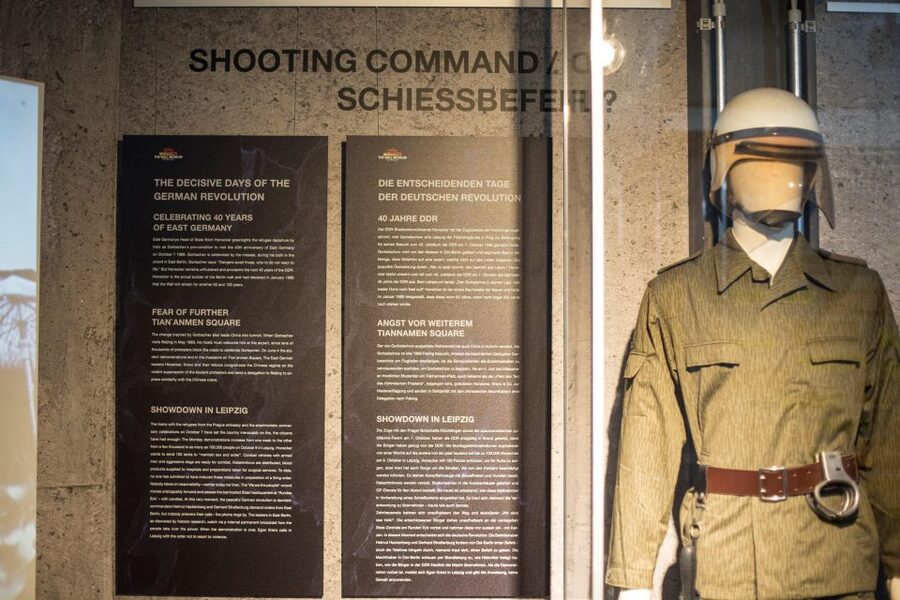
The Wall Museum puts Berlin’s Cold War story in one useful place, beside the surviving stretch of wall known as the East Side Gallery. I like the mix of films, interviews, and original documents, and I like that the 13 rooms move from postwar Berlin to the wall’s construction, daily division, and eventual fall. You get a focused history lesson before or after seeing the outdoor murals.
The main drawback is presentation. The content is serious and informative, but the format may feel uneven if you prefer a quiet, traditional museum with carefully arranged objects rather than a multimedia show. I would allow enough time to follow the material at your own pace, especially since the experience is self-contained rather than a guided walking tour.
In This Review
- Key points to know before you go
- Starting at Mühlenstraße beside East Side Gallery
- Postwar Berlin in the first rooms
- Watching the wall rise in 1961
- Life in a city split by concrete
- Films and interviews give the story a human voice
- The fall of the wall and Berlin’s changed identity
- Pairing the museum with East Side Gallery
- Is the $14 price good value?
- Timing, languages, and access
- Who will get the most from this visit?
- My practical verdict on the Wall Museum
- FAQ
- Where is the Wall Museum located?
- What does the ticket include?
- How long is the ticket valid?
- Which languages are available?
- Is the museum wheelchair accessible?
- Can I cancel the booking?
Key points to know before you go
- Thirteen themed rooms: Follow Berlin’s story from the aftermath of World War II through division, the Berlin Wall, and reunification.
- Next to East Side Gallery: Pair the indoor museum with the longest surviving section of the Berlin Wall still standing.
- Multimedia storytelling: Films, interviews, documents, and artifacts make the political story more personal.
- Skip-the-line entry: Your ticket saves time at the entrance, which matters on a busy day at this popular riverside area.
- Flexible one-day ticket: Choose an available starting time and use the ticket during its one-day validity.
- Practical access: German, English, Spanish, and Italian support is available, and the museum is wheelchair accessible.
Starting at Mühlenstraße beside East Side Gallery

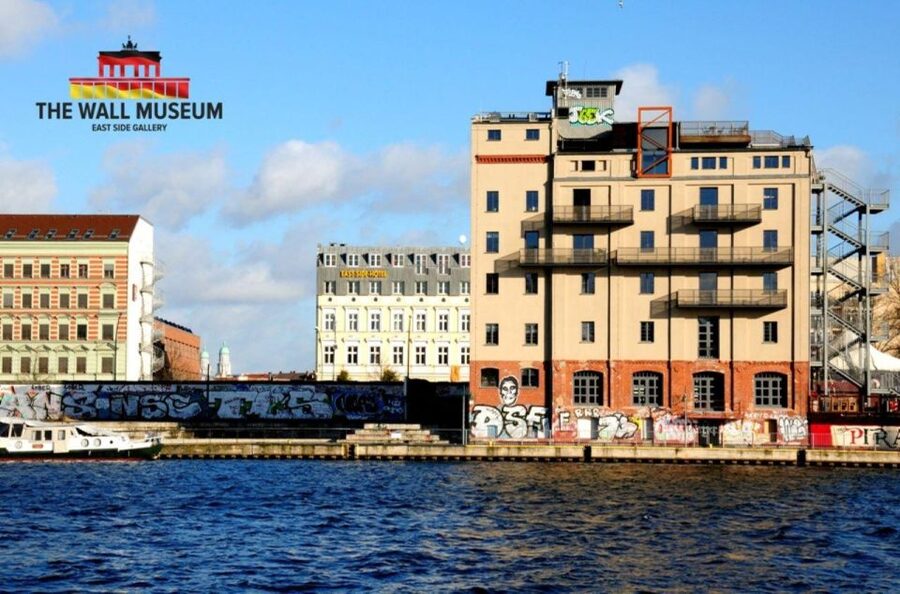
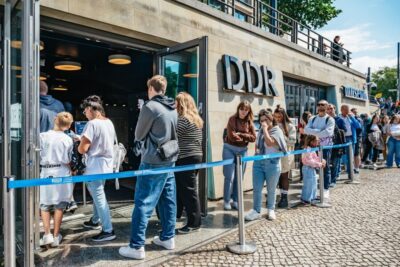
The museum is at Mühlenstraße 78-80, 10243 Berlin, in the Mühlenspeicher building on the second floor. Look for the entrance next to Pirates Restaurant and beside the East Side Gallery.
That location gives the visit a strong sense of place. You are not studying the Berlin Wall in an isolated gallery far from the original site. You can connect the indoor story with the long outdoor section of wall nearby, where painted panels now cover much of the former barrier.
I recommend seeing both parts. The museum explains the politics and human cost. East Side Gallery gives you the physical scale of the wall and a public-art view of what happened after it lost its purpose. The two experiences work best together, even though your ticket covers the museum entry rather than a separate walking tour.
The skip-the-line feature is useful here. It does not turn the museum into a private visit, but it lets you avoid the standard ticket queue and move into the exhibition with less fuss. That is especially handy if you are fitting the museum between other Berlin sights.
More Museum & Gallery Tickets in Berlin
- Berlin: Natural History Museum Entrance Ticket
★ 4.6 · 3,382 reviews - Skip-the-Line: Berlin Wall Museum at Checkpoint Charlie
★ 4.1 · 2,041 reviews - Berlin: Museum Island Multiple Museum Entry Ticket
★ 4.4 · 2,007 reviews
Postwar Berlin in the first rooms
The story begins after the war, when Berlin was a damaged city divided among the victorious Allied powers. The opening material helps explain why the city became the most visible pressure point of the growing Cold War.
I like this starting point because it gives the wall a cause rather than treating it as a strange structure that suddenly appeared. You begin with the political split between East and West, then see how that split affected Berlin itself.
Films and documents can make this period easier to follow than a room full of dates. The museum’s stated aim is to show what the city was like after the war, so expect the first part to establish the setting before moving toward the wall’s construction.
This section is most useful if Berlin’s postwar divisions are new to you. If you already know the political background, you may move through it quickly. Still, it provides a sensible frame for the more emotional rooms that follow.
Watching the wall rise in 1961
One of the central subjects is the erection of the Berlin Wall in 1961. The museum uses film, interviews, and supporting material to show how a divided city became physically sealed.
This is where the visit shifts from broad political history to everyday shock. A border that had once been crossed in the city became a barrier of concrete, checkpoints, and restrictions. The wall did not simply divide streets. It separated families, workplaces, neighborhoods, and ordinary routines.
The museum’s multimedia approach is helpful here because moving images can show the speed and drama of the change. Interviews add human voices to the official record. Documents and artifacts give the story something solid to examine.
I would not rush this section. The point is not just to learn the year 1961. It is to understand what it meant for Berliners to wake up in a city that had been cut apart.
Life in a city split by concrete
The rooms about daily life in divided Berlin are likely to matter most to visitors who want more than a political timeline. The museum presents the wall as part of a lived city, not just a Cold War symbol.
You can expect the material to address what life was like on either side of the border. Films and interviews help connect policy with personal experience, while documents and artifacts show how the division was recorded and enforced.
This part also makes the location outside more meaningful. At East Side Gallery, it is easy to focus on colorful murals and photographs. Inside the museum, you are reminded that the painted wall came after years of restriction, fear, and separation.
The exhibition is not presented as a light attraction. Its subject is emotional, and the presentation can feel dramatic. That is appropriate for the history, though one low score specifically described the presentation as very poor. I would keep expectations realistic: the strength is the amount of historical material and its multimedia form, not a polished theatrical production at every turn.
Same city, a completely different kind of day:
- Berlin: Reichstag, Dome and Government District Guided Tour
★ 4.7 · 18,288 reviews - Berlin: 1-Hour City Tour by Boat with Guaranteed Seating
★ 4.3 · 16,993 reviews - Berlin: Boat Tour Along the River Spree
★ 4.4 · 11,252 reviews - Discover Berlin Half-Day Walking Tour
★ 5.0 · 9,624 reviews
Films and interviews give the story a human voice
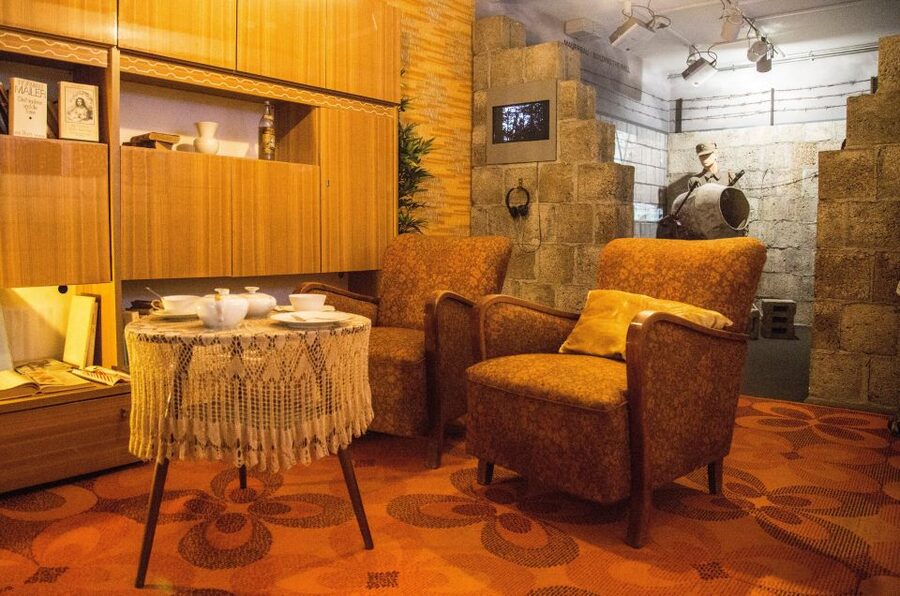
The most useful feature here is the combination of formats. A printed panel can explain a policy. A film can show the physical city. An interview can make the consequences of that policy easier to grasp.
I especially like that the museum does not rely on a single type of display. The 13 themed rooms allow the story to unfold in sections, and the mix of documents, artifacts, films, and interviews gives you several ways to absorb it.
At the same time, multimedia museums require patience. You may not want to watch every film in full, especially if you are visiting with children or on a tight schedule. You can choose where to linger, but the experience will be thinner if you race past all the moving-image material.
This is a place for active attention. Read the documents, watch the short films that catch your interest, and give the interviews time. The strongest part of the visit is the way these pieces turn an abstract division into a human story.
The fall of the wall and Berlin’s changed identity
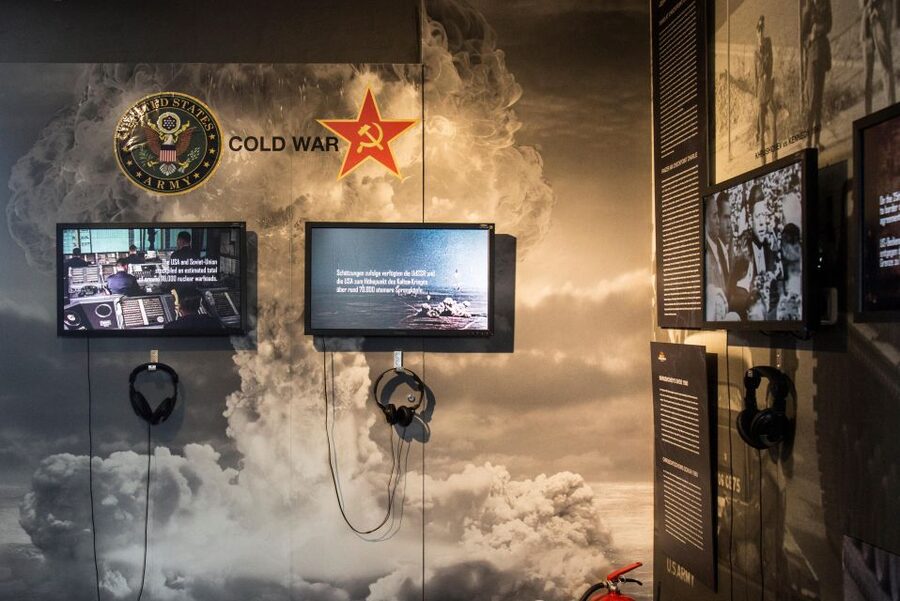
The final part follows the dramatic fall of the Berlin Wall and the way that event changed the city. The provided experience description places the fall in 1991, and the museum uses this turning point to close its account of divided Berlin.
This ending gives the visit a clear shape. You begin with a ruined postwar city, follow the creation of a border, examine daily life under division, and finish with the wall’s collapse and Berlin’s new direction.
I find this kind of chronological structure useful because it prevents the wall from becoming a single frozen image. It was built, lived beside, challenged, and eventually removed. The museum’s closing story also helps explain why the remaining sections of wall carry such weight today.
You may find the ending more compressed than the earlier rooms, since the museum’s main focus is the wall and the Cold War period. Still, it gives you the context needed to look at East Side Gallery with more understanding.
Pairing the museum with East Side Gallery
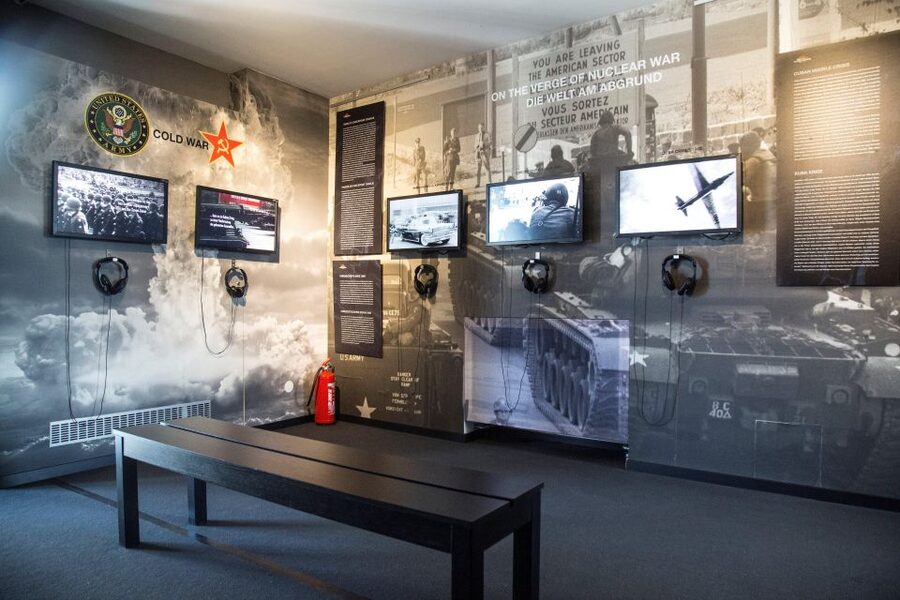
The museum’s location is one of its biggest advantages. East Side Gallery is the largest section of the Berlin Wall still standing, and the open-air artwork creates a sharp contrast with the museum’s account of fear and division.
I suggest visiting the indoor museum first if you want the outdoor paintings to carry more historical meaning. You will then see the artwork not simply as a long mural display but as a response to a barrier that once controlled movement through the city.
You can also visit East Side Gallery first if you prefer to begin with Berlin’s public art. In that case, the museum supplies the political and personal background afterward.
Do not confuse this ticket with a guided tour of the entire wall area. It provides skip-the-line entry to the museum. The outdoor section is nearby, making a combined visit easy, but you will need to explore that area on your own.
Is the $14 price good value?
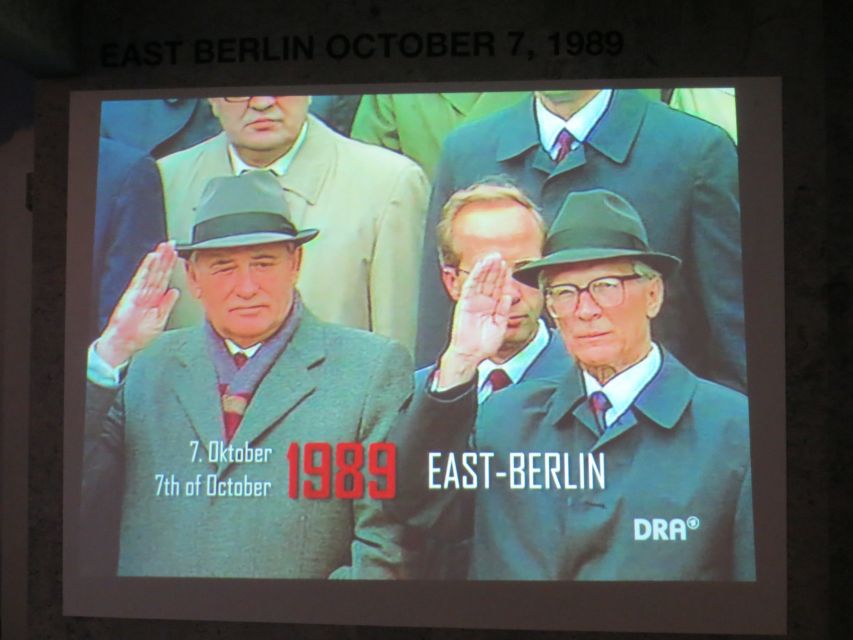
At $14 per person, I consider this a fair price for a focused Berlin history visit. You are paying for entry to a multimedia museum with 13 themed rooms, not just access to a few photographs and a gift shop.
The value is strongest when you use the museum as part of a larger East Side Gallery stop. Since the wall section is next door, you can combine indoor interpretation with the original setting without making a separate cross-city trip.
The price may feel less attractive if you only want to photograph the murals or already know Berlin’s Cold War history well. In that case, the outdoor wall itself may be enough for your plans.
For most first-time visitors, I would see the $14 as a reasonable way to add context. The skip-the-line entry also saves a little time, though the main value comes from the quantity and variety of historical material.
Timing, languages, and access
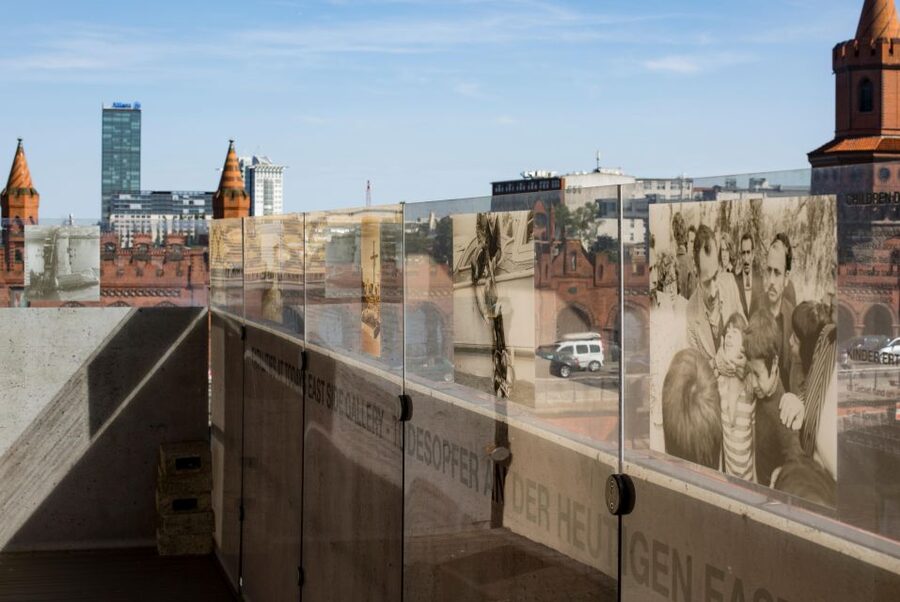
The ticket is valid for one day, with available starting times shown when you check. That gives you some flexibility, but you should still choose a time that leaves room for the 13 rooms and the nearby outdoor wall.
No fixed tour duration is provided, so I would avoid scheduling another major attraction immediately afterward. A rushed visit would work against the museum’s films and interviews, which need more time than a quick photo stop.
Support is available in German, English, Spanish, and Italian. That is useful for international visitors, although the exact way each language is provided is not specified. Check the available language information when booking if your visit depends on one particular language.
The museum is wheelchair accessible. The listed meeting point is on the second floor of the Mühlenspeicher building, so anyone who needs step-free access should confirm the practical route before arriving.
The ticket also allows cancellation up to 24 hours in advance for a full refund. You can reserve now and pay later, which is useful if your Berlin schedule is still shifting.
Who will get the most from this visit?
I would recommend the Wall Museum to first-time Berlin visitors who want a clear introduction to the city’s recent past. It also suits anyone who plans to visit East Side Gallery and wants more than an outdoor photo session.
Families with older children may find the films and artifacts more approachable than a long academic exhibition. The emotional subject matter is serious, so parents should decide if the material fits their children’s age and attention span.
History-minded visitors will appreciate the chance to move through the story in 13 sections. People who prefer quiet galleries may find the multimedia presentation less appealing, particularly if several screens or films compete for attention.
I would also choose this for a rainy Berlin day. The museum gives you an indoor activity close to one of the city’s best-known remaining wall sites. On a sunny day, the combination of museum and outdoor gallery is still the better plan.
My practical verdict on the Wall Museum
Book this ticket if you want the Berlin Wall explained through films, interviews, documents, and artifacts, and if you plan to visit East Side Gallery at the same time. The setting is excellent, the price is reasonable, and the subject is handled across enough rooms to give you a useful timeline.
Skip it if your main goal is simply to see the murals or if you strongly dislike dramatic multimedia displays. The presentation may not satisfy everyone, and one recorded response described it as very poor. Still, the experience’s central strength is clear: it makes the wall easier to understand as part of Berlin’s political and personal story.
For me, the best plan is simple: use the skip-the-line ticket, take your time with the films and interviews, then walk outside and look at the surviving wall with the museum’s context in mind. That pairing gives you a fuller Berlin experience than either stop alone.
FAQ
Where is the Wall Museum located?
It is at Mühlenstraße 78-80, 10243 Berlin, Germany, next to East Side Gallery. The entrance is in Mühlenspeicher on the second floor, beside Pirates Restaurant.
What does the ticket include?
The ticket includes skip-the-line entry to the Wall Museum at East Side Gallery.
How long is the ticket valid?
The ticket is valid for one day. You can check availability for the starting times offered.
Which languages are available?
German, English, Spanish, and Italian are listed as available languages for the experience.
Is the museum wheelchair accessible?
Yes, the experience is listed as wheelchair accessible.
Can I cancel the booking?
Yes. You can cancel up to 24 hours in advance for a full refund. Reserve now and pay later is also available.
More Museums in Berlin
- Berlin: Interactive DeJa Vu Museum Entrance Ticket
★ 4.1 · 1,338 reviews - Berlin: “Pergamonmuseum. The Panorama” Exhibition Tickets
★ 4.6 · 1,245 reviews - Berlin: East Side Gallery Spree Cruise in a Solar Catamaran
★ 4.0 · 1,039 reviews - Cold War, Berlin Wall, Spies and the East Side Gallery
★ 5.0 · 1,024 reviews
Just added around Berlin
- Love and War in Berlin: Self-Guided Story Puzzle Walk★ 5.0 · 7 reviews
- Rickshaw Tours Berlin – Groups of up to 16 people with several rickshaws★ 4.0 · 97 reviews
- Walking on the Wall: 3-Hour Tour in Berlin★ 4.5 · 34 reviews
- eSIM for Germany and 34 European Countries★ 4.5 · 16 reviews
- Warnemuende Shore Excursion: Berlin Private Sightseeing Tour from Rostock★ 5.0 · 4 reviews
- Your ticket to The Wall Museum Berlin★ 3.0 · 60 reviews
- Warnemuende Shore Excursion: Private Berlin Tour★ 4.5 · 27 reviews
- Berlin’s Gay, Lesbian, and Queer Scene Small-Group Walking Tour★ 4.5 · 66 reviews
Museum & Gallery Tickets, compared.


Skip-the-Line: Berlin Wall Museum at Checkpoint Charlie
Read our review →
Browse the lists this tour appears in