
Reviewed · WINE TOURS
Koblenz: Historical Sparkling Wine Museum Guided Tour
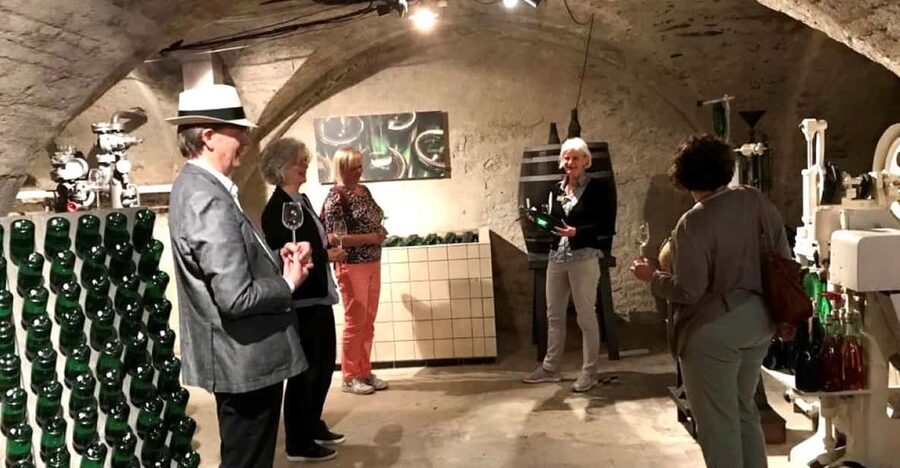
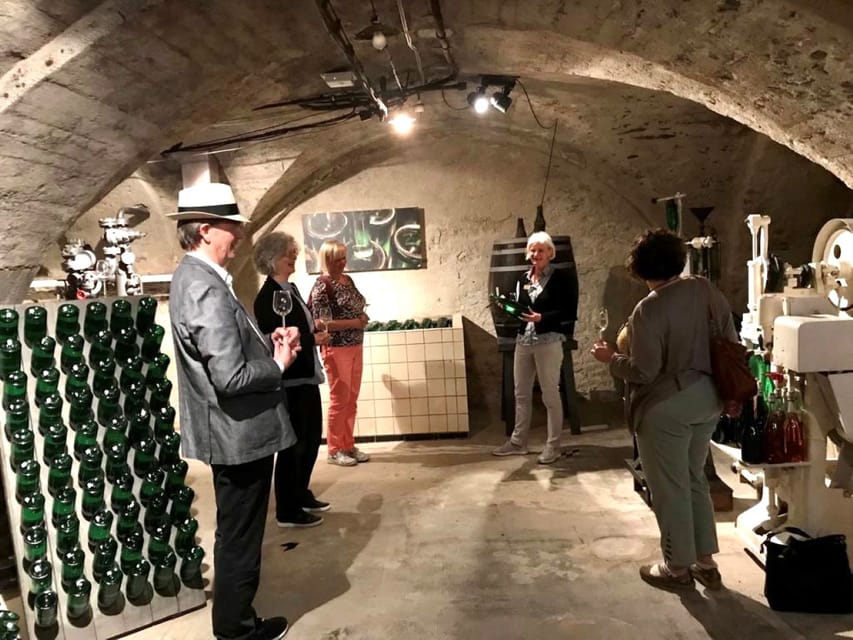
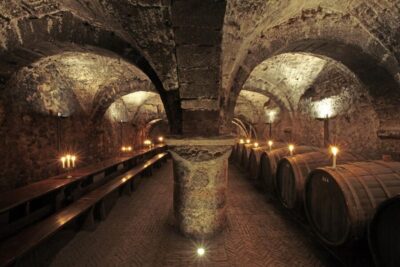
Koblenz’s sparkling-wine story begins below street level, in the old vaulted cellar of the Deinhard company. Founded in 1794, the firm has produced sparkling wine here since 1843, using the traditional bottle-fermentation method. I like the cool cellar setting and the way original tools turn an ordinary wine lesson into something hands-on and memorable. The tour ends with a glass of Sekt, which gives the hour a fitting finish.
I also like the clear focus on the full production chain, from grape harvesting to finished sparkling wine. The main consideration is language: the live tour is in German, and the visit lasts only one hour, so visitors seeking a long winery tour or an English explanation should check carefully before booking.
In This Review
- Key points to know before you go
- Beneath Koblenz, sparkling wine has a story
- The one-hour route through the former cellar
- From grape harvest to bottle fermentation
- Original tools make the history easier to picture
- The final glass of Sekt
- Why the $24 price can make sense
- A smart choice on hot or rainy days
- Who will enjoy this Koblenz tour most
- Practical details that shape the visit
- Should you book the Deinhard cellar tour?
- FAQ
- Where does the sparkling-wine tour take place?
- How long does the tour last?
- What language is the tour in?
- What is included in the ticket?
- Is an elevator available?
- Where does the activity begin and end?
- Can I cancel the booking?
- Can I reserve now and pay later?
Key points to know before you go
- Historic Deinhard vaults: Walk through the former cellar spaces of a company founded in 1794.
- Traditional bottle fermentation: Learn how wine becomes sparkling wine through the method used here since 1843.
- Original equipment: See tools connected with viticulture and sparkling-wine production rather than only hearing a general presentation.
- A glass at the end: The guided visit includes one glass of sparkling wine.
- Useful in poor weather: The cellar offers a sheltered, cool activity on hot or rainy days.
- German-language tour: The guide speaks German, so language ability matters when deciding if this is the right visit.
Beneath Koblenz, sparkling wine has a story
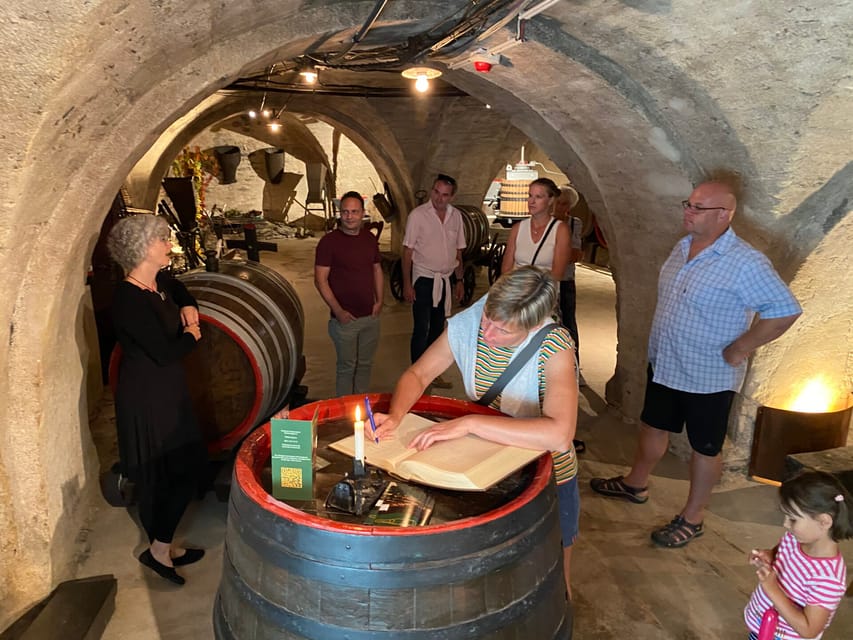
Koblenz is known for its position where the Rhine and Moselle meet, but this tour takes you away from river views and into a quieter part of the city’s past. The setting is a former sparkling-wine cellar, with vaulted rooms that give the visit a strong sense of place from the first step.
The cellar matters here. You are not simply shown a modern tasting room with a few bottles arranged on a shelf. The tour takes place in the old working environment of the Deinhard company, which began in 1794. That long company story gives the guide a useful framework: first the wine trade, then sparkling-wine production, then the techniques that made the drink a lasting part of German wine culture.
You should expect an atmospheric visit rather than a large museum filled with displays. The appeal comes from the combination of underground rooms, old equipment, production stories, and a tasting. It is a compact tour, but the subject has enough technical detail to fill the hour well.
More museum & gallery tickets in Koblenz:
- Berlin: Jewish Museum Berlin Entrance Ticket
★ 4.5 · 8,393 reviews - Berlin: DDR Museum Tickets
★ 4.3 · 3,443 reviews - Berlin: Natural History Museum Entrance Ticket
★ 4.6 · 3,382 reviews
The one-hour route through the former cellar
The activity starts at the entrance, where you meet the guide. From there, the tour leads into the former cellar spaces. An elevator is available for reaching the lower level, a practical detail if stairs are a concern.
The underground setting is one of the best reasons to book this visit. Cellars are naturally suited to wine production, and the vaulted rooms help you picture the work taking place here before sparkling wine became a familiar drink across Germany. The stone surroundings also make the visit especially pleasant during warm weather.
The tour remains at the meeting point when it ends, so you do not need to arrange a separate return transfer. Since the full program lasts about one hour, you can fit it into a busy Koblenz day without giving up half a morning or afternoon.
The pace appears designed for explanation rather than rushing from one room to another. Your guide covers the history of the house, the work involved in viticulture, and the steps that carry the product from grape to wine and finally to sparkling wine. The format is useful for first-time visitors because it connects the cellar, the equipment, and the finished drink.
From grape harvest to bottle fermentation
The most worthwhile part of the tour is the explanation of how sparkling wine is made. The presentation begins with viticulture, including the work involved in bringing grapes in from the vineyard. A review of the tour describes the process as reaching from the hard work of earlier grape harvests to the transformation of wine into a sparkling drink.
That point is important. Many tastings skip over the labor and technical stages behind the bottle. Here, the guide places the final glass in a longer chain of work. You hear about the grape, the base wine, and the methods used to create the bubbles.
The historic method used by Deinhard is traditional bottle fermentation. Since 1843, sparkling wines have been produced here with this process. Rather than treating sparkling wine as a simple version of still wine with bubbles added later, the tour explains the production as a careful sequence of stages.
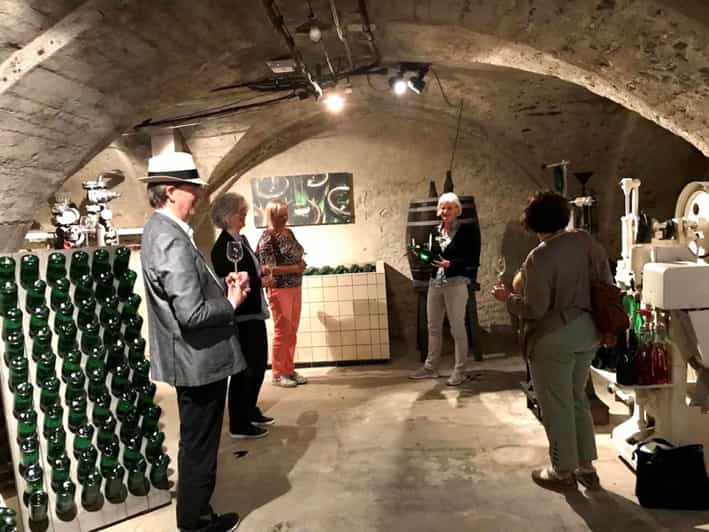
The word Sekt is useful context for anyone unfamiliar with German sparkling wine. The tour does not only present a drink for tasting. It explains how the cellar and its working methods helped shape the product. The guide uses original equipment to make the steps easier to understand, giving you something concrete to look at while the production story unfolds.
Do not expect a full winemaking course in sixty minutes. The visit is an introduction, not professional training. Still, the focus on the route from grape to bottle gives the tour more substance than a quick glass-and-goodbye tasting.
Original tools make the history easier to picture
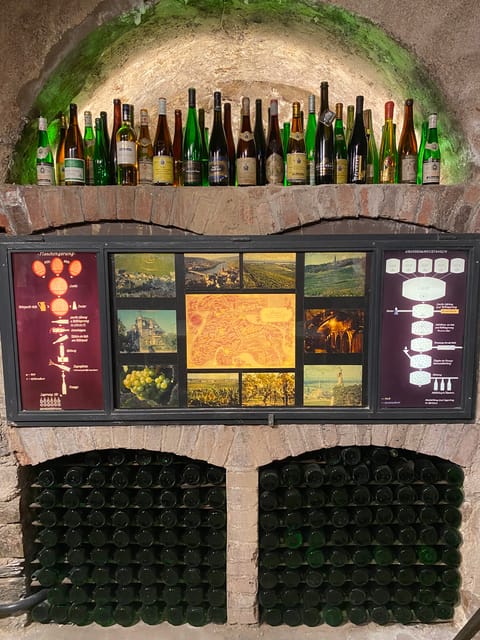
Old production equipment can be more useful than a wall of dates. When the guide points to the tools connected with grape growing and sparkling-wine production, you get a better sense of the physical work involved.
This is where the tour gains its human side. The process was not only a matter of formulas and fermentation. It depended on harvesting, handling, storing, and processing wine through several careful stages. The equipment helps show how much effort sat behind the finished bottle.
The cellar’s charm comes from this mixture of place and process. The vaulted rooms provide the atmosphere, while the original objects provide evidence of how the work was done. I would pay close attention during this section, particularly if you enjoy industrial history, food traditions, or the practical side of historic businesses.
The guide also covers the mysterious origin of sparkling wine. That phrase points to the early story of how sparkling wine came to be, rather than only the modern manufacturing method. The subject gives the tour a little more narrative interest and helps explain why bubbles were once viewed with curiosity.
Because the tour is guided, your experience depends partly on following spoken German. If you understand German, the explanations should give the visit its real value. If you do not, the cellar and equipment will still provide visual interest, but much of the story may be harder to follow.
A few more Koblenz trips to weigh up
- Koblenz: Christmas Boat Tour with Mulled Wine
★ 4.3 · 35 reviews - Discovery tour – cellar tour with wine tasting
★ 4.2 · 26 reviews - Koblenz: The Living Vineyard, Nature & Wine Enjoyment
★ 5.0 · 14 reviews - Trier: Guided City Walk with Wine Tasting
★ 4.8 · 979 reviews
The final glass of Sekt
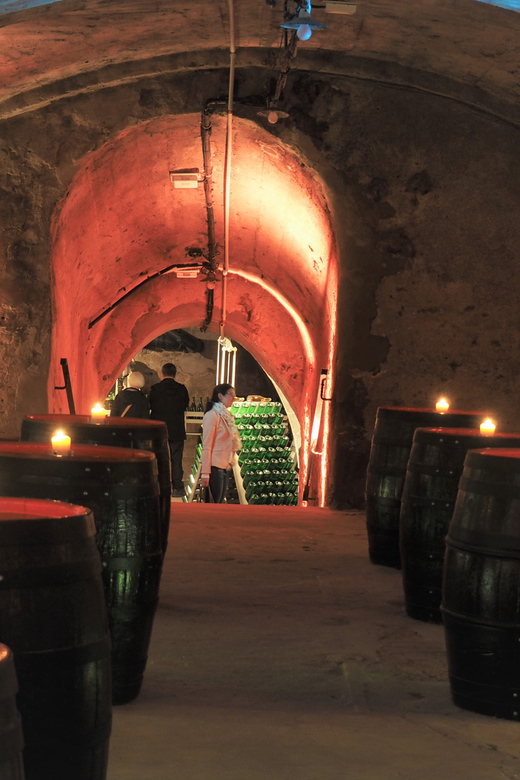
The tour ends with one glass of sparkling wine. This is not presented as a separate tasting session with a broad range of pours. It is a single sample that closes the production story.
That restraint makes sense for a one-hour historical visit. You have just heard how the drink develops from grape to finished bottle, and now you get to taste the result. The glass is less about comparing several labels and more about connecting the explanation with the product in front of you.
I like this kind of ending because it gives the tour a clear shape. You begin with the cellar and its history, move through the work and equipment, then finish with the drink itself. It is a simple progression, but it works.
If you are looking for a serious wine tasting, this may feel limited. The admission includes one glass only, and no further tasting details are provided. If you mainly want to sample several styles of German sparkling wine, you should not confuse this visit with a larger tasting program.
Why the $24 price can make sense
At $24 per person, the tour is not the cheapest way to spend an hour in Koblenz. The value depends on what you want from the visit.
You are paying for entry to a historic cellar, a guided explanation in German, access to the original production setting and equipment, and one glass of sparkling wine. For someone interested in local business history or traditional wine production, that is a reasonable package, especially because the setting is the main attraction.
The price is easier to justify when you treat the tour as a small museum visit with a tasting at the end. It is less attractive if you only want a drink. A single glass of Sekt would not normally be enough reason to spend $24, but the cellar, the company history, and the production story add context.
The short duration also affects the calculation. One hour is convenient, but it limits the amount of material the guide can cover. You get a focused introduction rather than a long, detailed winery day. For a compact city itinerary, that can be an advantage. You can pair it with other sights in Koblenz without building your whole day around wine.
A smart choice on hot or rainy days
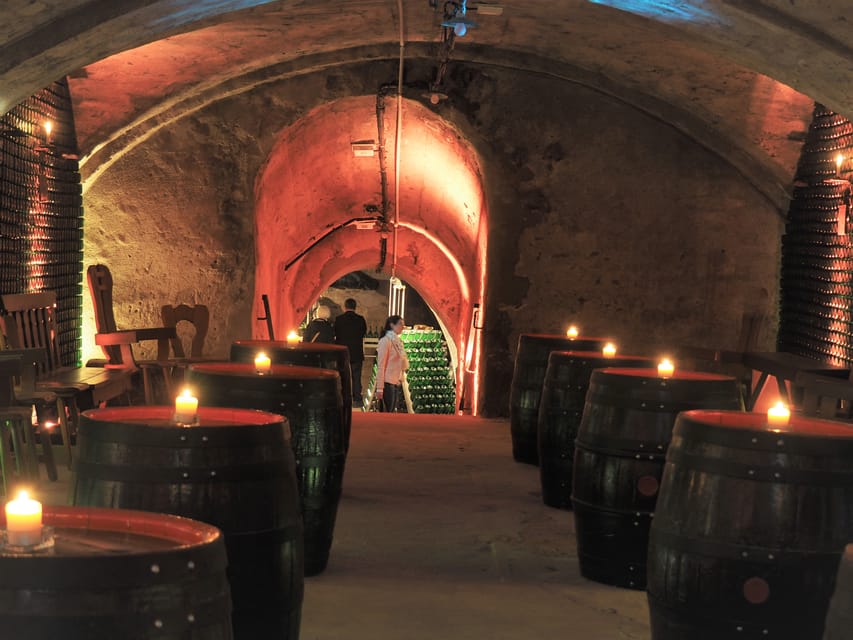
The cellar is particularly useful when the weather is working against you. On a hot day, the underground rooms offer a cooler break from outdoor sightseeing. On a rainy day, the tour gives you a structured indoor activity without requiring a long walk between locations.
This is not just a backup plan. The weather helps reveal one of the cellar’s practical strengths. Wine cellars were built for conditions that support storage and production, so the setting feels appropriate rather than like a random indoor substitute.
If the weather is perfect and you want open-air views, you may prefer to spend your hour beside the Rhine or Moselle. The sparkling-wine tour gives you atmosphere of a different kind: stone vaults, production history, and a drink at the end. It is a good change of pace from outdoor sightseeing.
Who will enjoy this Koblenz tour most
I would recommend this visit to you if you enjoy small museums, food and drink traditions, historic businesses, or the mechanics behind familiar products. You do not need to be a wine expert. The tour starts with the basics and follows a clear route from grape to sparkling wine.
It also suits couples and small groups looking for a short activity with a built-in tasting. The cellar setting gives the visit more personality than a standard lecture, while the one-hour length keeps it easy to fit into a day.
German speakers will get the most from the live guide. The language is not a minor detail, since the tour’s main benefit is the explanation of history and production. If you understand little or no German, consider booking only if the atmosphere and visual setting are enough for you, since no alternate language is specified.
Families may appreciate the short length, but the activity is centered on historical explanation and a sparkling-wine tasting. The supplied information does not state a child policy, so check the current booking details if you are traveling with children.
Practical details that shape the visit
The meeting point is the entrance to the museum, and the activity ends there. Entrance fees, the guided tour, and one glass of sparkling wine are included.
The live tour guide speaks German. Starting times vary, so check availability for the date you want rather than assuming a fixed departure. The tour lasts one hour.
An elevator is available for reaching the cellar level. That is helpful, but the information provided does not give full accessibility details for every part of the building. If you need specific access arrangements, confirm them before booking.
You can cancel up to 24 hours before the activity for a full refund. The reservation system also allows you to reserve now and pay later, which is useful if your Koblenz schedule is still changing.
The experience is operated by Koblenzer Sektmuseum GbR. The current rating is 4.6 out of 5 from 28 reviews, and the strongest praise centers on the guided journey through sparkling-wine production. One detailed assessment highlights the clear explanation of everything from demanding historic grape harvests to the conversion of wine into sparkling wine, followed by the final glass. That is a good description of where this tour puts its effort.
Should you book the Deinhard cellar tour?
Book it if you want a short, atmospheric look at Koblenz’s sparkling-wine tradition, especially on a rainy or hot day. The historic cellar, original equipment, traditional bottle-fermentation story, and included glass create a well-shaped one-hour visit.
Think twice if you want English commentary, several tastings, or a long winery outing. The tour is German-language, the included tasting is one glass, and the visit is compact.
For German-speaking visitors with an interest in wine, local history, or old working spaces, I see good value in the $24 price. For everyone else, the decision rests on how much you value the cellar setting itself. If that atmosphere appeals to you, this is an easy addition to a Koblenz itinerary.
FAQ
Where does the sparkling-wine tour take place?
The tour takes place in the former sparkling-wine cellars of the Deinhard company in Koblenz, Rhineland-Palatinate, Germany.
How long does the tour last?
The guided visit lasts one hour. Starting times depend on availability.
What language is the tour in?
The live tour guide speaks German. No other tour language is specified.
What is included in the ticket?
The price includes entrance fees, the guided tour, and one glass of sparkling wine.
Is an elevator available?
Yes. An elevator is available for reaching the cellar level.
Where does the activity begin and end?
You meet at the entrance. The activity ends back at the meeting point.
Can I cancel the booking?
Yes. You can cancel up to 24 hours in advance for a full refund.
Can I reserve now and pay later?
Yes. The booking option allows you to reserve your place and pay later.
More Historical Tours in Koblenz
- Leipzig: City History Canal Sightseeing Tour on a Motorboat
★ 4.7 · 6,232 reviews - Leipzig: 1.5-Hour Historical Walking Tour in German
★ 4.7 · 2,217 reviews - Berlin: World Heritage Cruise to Potsdam
★ 4.5 · 1,435 reviews - Heidelberg: Night Watchman Historic Adventure Tour
★ 4.7 · 1,186 reviews
More Museums in Koblenz
- Berlin: Neues Museum Entry Ticket
★ 4.6 · 3,261 reviews - Cologne: Chocolate Museum Entrance Ticket
★ 4.4 · 2,790 reviews - Dresden: Church of Our Lady Guided Tour of Gallery
★ 4.7 · 2,421 reviews - Skip-the-Line: Berlin Wall Museum at Checkpoint Charlie
★ 4.1 · 2,041 reviews
Just added around Koblenz
- Koblenz: The Living Vineyard, Nature & Wine Enjoyment★ 5.0 · 14 reviews
- Koblenz: Sunset Boat Cruise★ 4.6 · 80 reviews
- Koblenz: Christmas Boat Tour with Mulled Wine★ 4.3 · 35 reviews
- Koblenz: Private pub crawl with insider guide & free shots★ 5.0 · 5 reviews
- Koblenz: Rhine Valley Castle Sightseeing Cruise★ 4.6 · 98 reviews
- Koblenz: Old Town Tour with the Ehrenbreitstein Fortress★ 4.8 · 4 reviews
- Koblenz: City & Rhine Valley Sightseeing Cruise★ 4.7 · 39 reviews
- Discovery tour – cellar tour with wine tasting★ 4.2 · 26 reviews
Wine Tours, compared.



Advent Tour with Stollen Tasting and Mulled Wine
Read our review →
Heidelberg and Rhine Valley Day Trip With Wine Tasting and Dinner from Frankfurt
Read our review →
Browse the lists this tour appears in