
Reviewed · WINE TOURS
Koblenz: The Living Vineyard, Nature & Wine Enjoyment
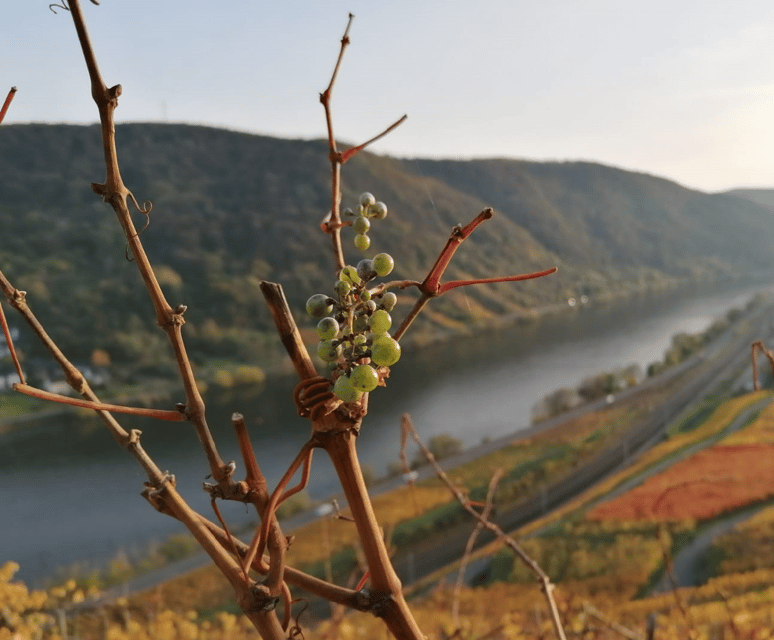
The best part of this Moselle vineyard walk is that wine is only half the story. Starting at Weingut Lunnebach, you follow a gently rising path once used by Napoleon, moving through vines, dry-stone walls, meadows, fruit trees, and the Brauewald. Along the way, you look for flowers, insects, reptiles, birds, and other signs of life between the rows.
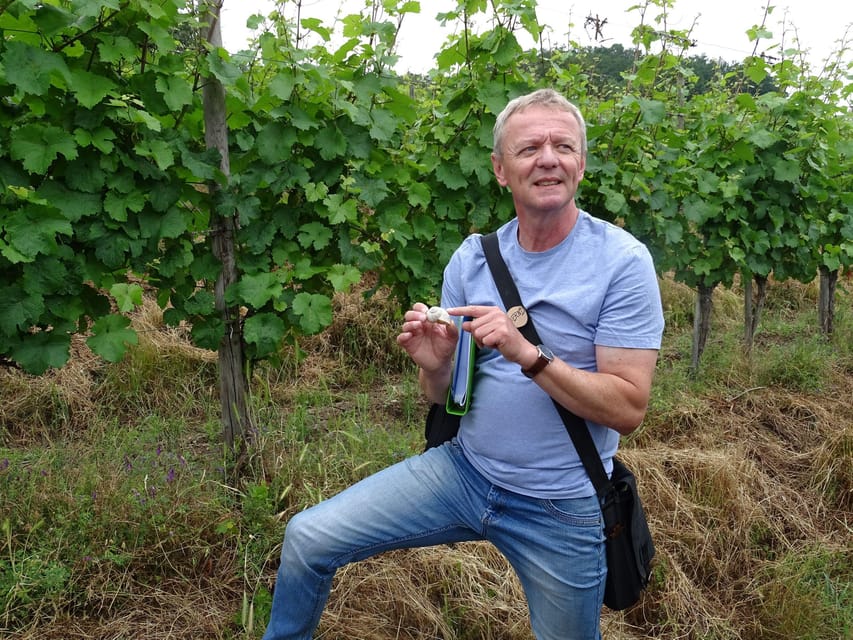
I like the tour’s easy pace and the way Bernd Doetsch connects wine with soil, weather, local history, and farm work. I also like the tasting format: a welcome Secco, three selected wines, and small bites at the end, rather than one rushed tasting at a cellar counter. The main thing to consider is that the tour is conducted only in German, and the route climbs uphill for about three kilometers, even if the walk is described as leisurely.
In This Review
- Key points at a glance
- Starting at Weingut Lunnebach with a glass in hand
- Following a path with a Napoleonic footnote
- Seeing the Moselle vineyard as more than rows of grapes
- Learning why slate and sunlight matter
- Tasting three wines between the vines
- Meeting Bernd and Bettina along the route
- The return view toward Koblenz
- Who will get the most from this three-hour outing
- What the $30 price really buys you
- Practical advice before you go
- Should you book the Living Vineyard experience?
- FAQ
- Where does the Living Vineyard tour begin?
- How long does the experience last?
- How far is the walking route?
- What wines are included?
- Is the tour conducted in English?
- What should I bring?
- Is the walk suitable for wheelchair users?
- What kind of scenery will I see?
- Can I cancel the booking?
Key points at a glance
- A living vineyard ecosystem: Explore vines, dry-stone walls, fallow ground, meadows, fruit trees, and the Brauewald.
- Four drinks included: Begin with one Secco, then taste three selected wines from the Lunnebach cellar.
- A gentle uphill route: The walk covers about three kilometers and is considered manageable, but comfortable shoes still matter.
- Personal guiding by Bernd Doetsch: Expect lively explanations about Riesling, winemaking, geology, history, plants, and wildlife.
- A striking finish: The return route opens to views over the Moselle valley and toward Koblenz.
- Best for German speakers: The guide speaks German only, so language ability is important for getting the full value from the tour.
Starting at Weingut Lunnebach with a glass in hand
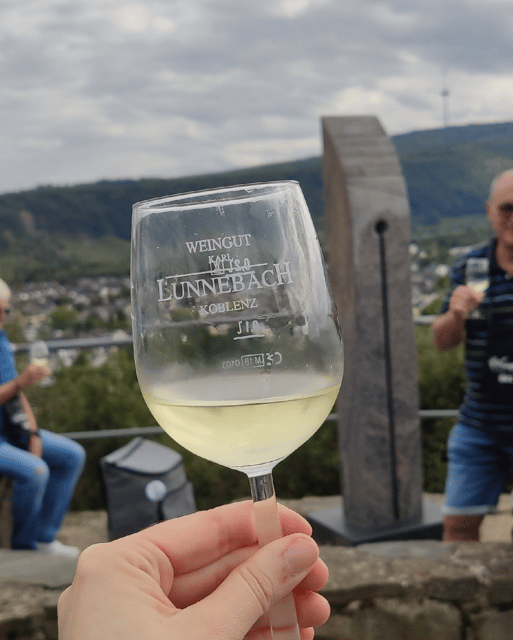
Your outing begins at Weingut Lunnebach, where you receive a welcome Secco. You also get a wine glass and a glass holder, a small but useful detail when the tasting continues on foot.
The winery focuses especially on Riesling. The grapes grow on the steep Moselle slopes, in slate-based soils with strong sun exposure. That combination helps produce wines with fruity and mineral notes, and the walk gives you a chance to connect those words to the actual place where the grapes grow.
I appreciate that the introduction begins at the winery rather than at a generic meeting point. You start with the people and work behind the wine. Lunnebach follows a near-natural approach to viticulture, using targeted care in the vineyard and cellar while taking steps to protect the surrounding environment.
This is not a formal lesson in wine tasting. It is a practical introduction to how a small producer works and why the site matters. If you already know your Riesling, you may find the basics familiar. If you are still learning, the setting makes the information easier to understand than a list of tasting terms in a shop.
A few more Koblenz trips to weigh up
- Koblenz: Christmas Boat Tour with Mulled Wine
★ 4.3 · 35 reviews - Koblenz: Historical Sparkling Wine Museum Guided Tour
★ 4.6 · 28 reviews - Discovery tour – cellar tour with wine tasting
★ 4.2 · 26 reviews
Following a path with a Napoleonic footnote
From the winery, the group heads toward the vineyard. The route follows a path associated with Napoleon Bonaparte, who is said to have walked here. That historical detail adds character without turning the outing into a history tour.
The trail rises gradually toward the sunny vineyard. It is about three kilometers in total and is walked at an unhurried pace. A participant review described the climb as gemütlich, or comfortable, and not very strenuous. Still, do not confuse leisurely with completely flat. You should be ready for an uphill section and uneven outdoor surfaces.
Bernd Doetsch leads the walk and explains the area at regular intervals. That rhythm helps the group stay together. You are not expected to race ahead and then wait at the next stop. Instead, the path becomes a series of short pauses for stories, observations, and tastings.
Wear comfortable shoes and clothes you can move in. The tour runs in rain or shine, so a weather check before leaving Koblenz is sensible. The walk is not suitable for wheelchair users or people with mobility impairments because of the uphill trail and outdoor terrain.
Seeing the Moselle vineyard as more than rows of grapes
The vineyard is the main stage, but the point of the tour is to notice what surrounds the vines. You pass dry-stone walls, fallow areas, meadows with fruit trees, and the Brauewald. Each setting supports different plants and animals.
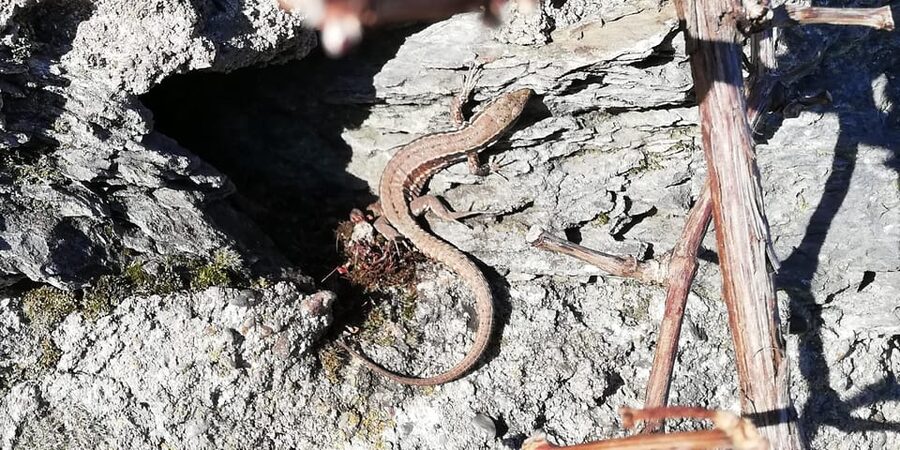
Dry-stone walls are especially useful places to pause. Their cracks and warm surfaces can provide shelter for insects and reptiles. Meadows and fallow ground bring different flowers and herbs, while fruit trees add another layer to the farmed setting. The woodland offers yet another change as the route reaches the Brauewald.
You may learn to watch for flowers and herbs at ground level, insects around the vegetation, reptiles near sun-warmed stone, and birds or mammals moving through the edges of the site. The tour does not promise a wildlife sighting on demand. Nature has its own schedule. What you get is a closer look at how a working wine-growing area can support more than one crop.
This is where the experience earns its nature focus. You are not simply admiring a view from a path. You are being shown how vines, walls, meadows, woodland, and uncultivated patches fit together. That makes the outing a good choice if you want your wine tasting tied to the place itself.
Learning why slate and sunlight matter
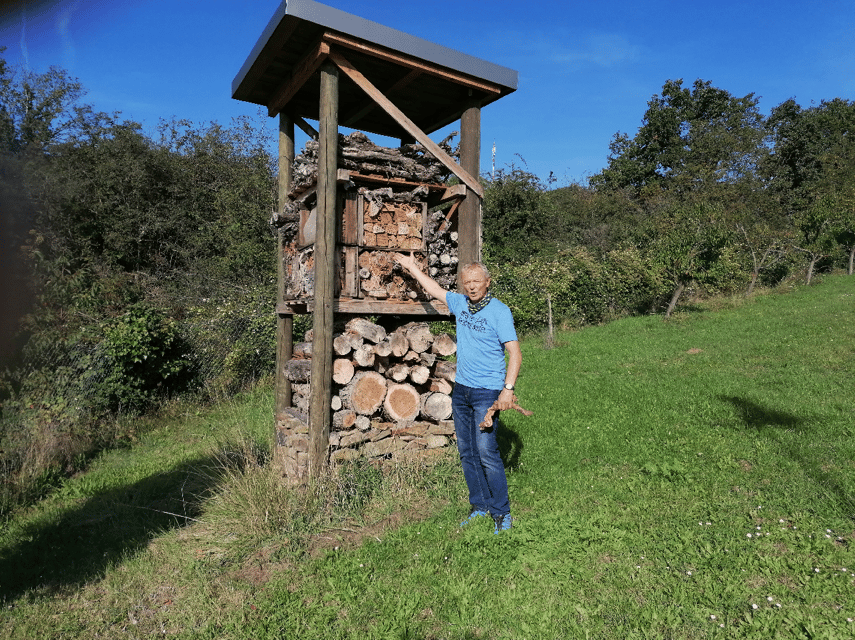
The Moselle wine region is shaped by its geology. Slate soils cover the steep slopes, and the vines benefit from good exposure to sunlight. These conditions help explain the character associated with local Riesling.
Bernd also discusses the history of the Moselle region and the work required in the vineyard. The steep slopes are not just scenic. They affect how the winemaker tends the vines and manages the grapes. The experience gives you a clearer sense that wine production here involves regular care in difficult terrain.
I find this sort of explanation more useful than a broad statement that a region has a long wine tradition. You learn to connect the soil beneath your shoes, the angle of the slope, and the taste in your glass. The work in the vineyard and the work in the cellar are treated as parts of one process.
The tour also introduces near-natural viticulture. That does not mean the vines are left entirely alone. It means the winery uses deliberate care while trying to protect the natural setting around the vines. For anyone interested in sustainable farming, this is one of the more worthwhile parts of the walk.
Same city, a completely different kind of day:
- Koblenz: Rhine Valley Castles and Palaces Boat Tour
★ 4.4 · 1,824 reviews - Koblenz: 2-Hour Sightseeing Cruise on the Rhine
★ 4.6 · 839 reviews - Koblenz: Old Town Sightseeing Cruise along the Rhine
★ 4.5 · 305 reviews - Koblenz: Panoramic Cruise on Moselle River to Winningen
★ 4.4 · 283 reviews
Tasting three wines between the vines
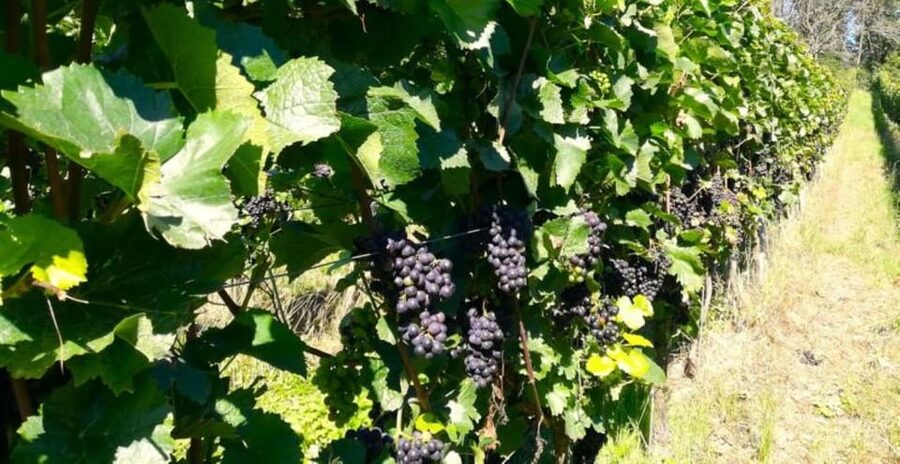
After the Secco at the winery, you taste three selected wines from the cellar during the outing. The tastings are spaced along the route, so you can consider each wine in the place where it was made.
That format gives the tasting a relaxed feel. You have time to listen, ask questions, and look back at the vines rather than standing at a crowded bar. The group may be large enough to feel social. One company outing had about 20 participants, including people from across Germany and a neighboring country, but the exact size of your group can vary.
The tastings are also generous by the standards of a three-hour activity. You get one Secco plus three wines, and the final stop includes some snacks. At $30 per person, the price is strong if you value both the guided walk and the drinks. You are paying for a half-day-style experience with a guide, four pours, regional interpretation, and views, not just a flight of wine.
The limitation is equally clear. This is not designed as a serious technical tasting for wine professionals. The supplied information does not specify grape varieties or vintages for the three wines, and the focus is broader than comparing production methods or aging. You should book it for the combination of place, nature, and wine rather than for a detailed cellar seminar.
Meeting Bernd and Bettina along the route
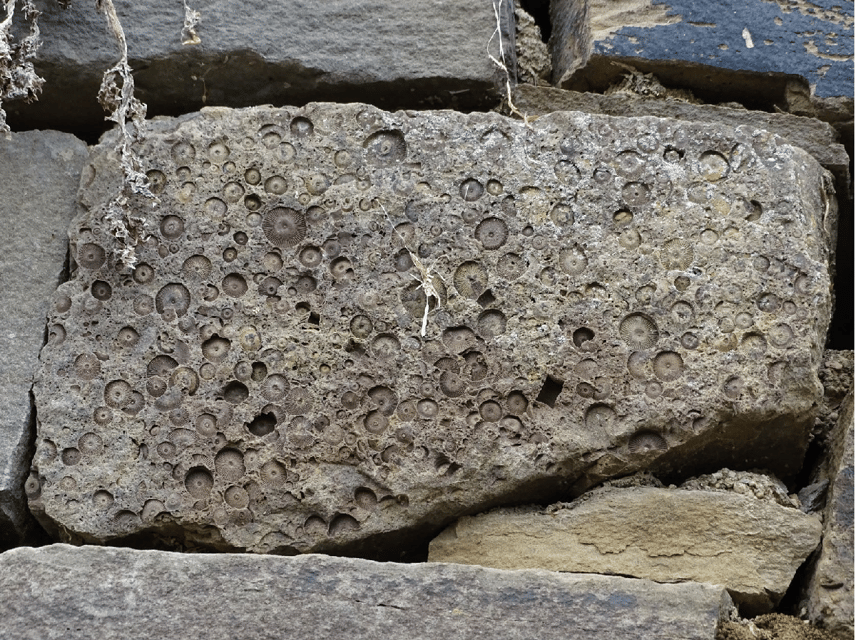
The human side of the outing is important. Bernd Doetsch guides the walk, and Bettina helps serve the wine and refreshments at the different stops. Their roles make the experience feel connected to the winery rather than like a detached sightseeing walk.
Bernd is described as lively and informative, with the ability to answer questions beyond the main topic. That matters if your curiosity moves from Riesling to local history, wildlife, geology, or the practical side of winemaking. His guiding style appears conversational rather than stiff, which suits a walk with several tasting pauses.
Bettina’s support keeps the wine service moving while Bernd talks. You do not need to carry bottles or figure out where the next tasting happens. The glass holder is another practical touch, allowing you to keep walking without juggling a stemmed glass.
The tour is best enjoyed by people who like to listen and ask questions. If you prefer to wander alone, take photographs without stopping, or taste in silence, the group format may feel less suitable. The experience depends on shared pacing and spoken explanation.
The return view toward Koblenz
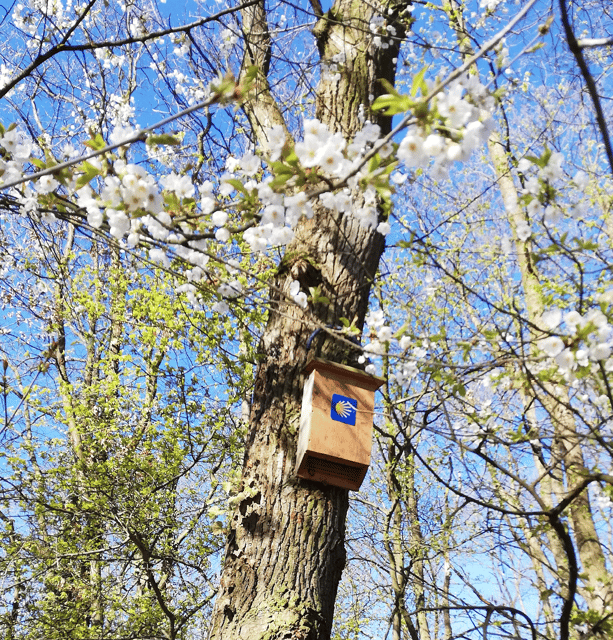
The route back rewards you with an open view across the Moselle valley toward Koblenz. This is the visual payoff of the uphill section. After seeing the vines close up, you can take in the wider setting and understand how the vineyard sits within the river valley.
The view also gives the tasting a sense of place. You are not sampling an anonymous bottle. You are looking across the area shaped by the river, steep slopes, slate soils, woodland, and city beyond.
Allow yourself time at this point if the group pauses for the final wine and snacks. The information does not specify the exact snack selection, so you should not book this expecting a full meal. Think of it as a modest accompaniment to the final tasting and a pleasant way to close the walk.
For photographers, this is likely the best place to bring out the camera. The vineyards, valley, and city create a wider view than the tighter scenes among the vines. Weather will affect the experience, of course, since the tour operates in all conditions.
Who will get the most from this three-hour outing
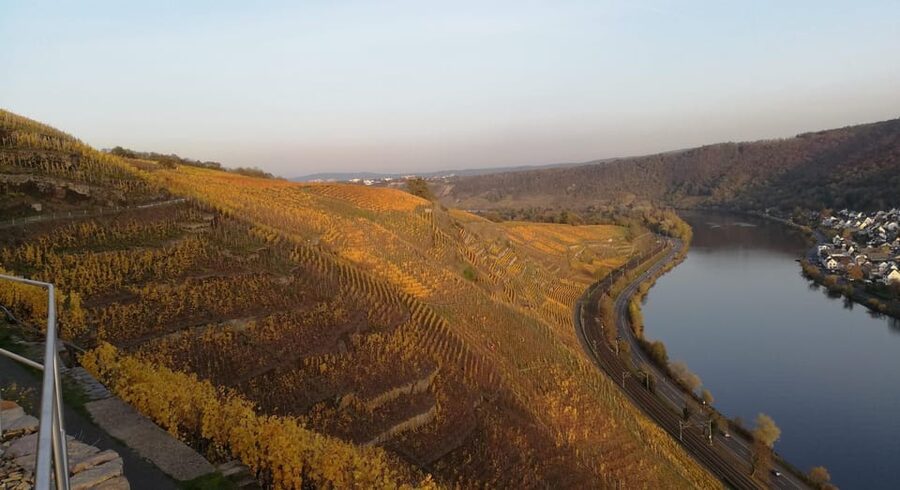
I would recommend this tour to you if you enjoy wine but also want to understand the setting around it. It suits couples, small groups, and company outings that want something more active than a seated tasting.
It is also a good fit for nature-minded visitors. You will not be taken into a remote wilderness area. Instead, you will see how a working vineyard can contain several kinds of habitat. That mix of farming and wildlife is the central idea.
German speakers will get the most from the tour because the live guide speaks German only. If you understand little or no German, the wine, scenery, and physical walk may still be pleasant, but much of the value comes from Bernd’s explanations.
You should also be comfortable with a three-hour outdoor activity and a gradual uphill path. The walk is described as easygoing, but it is not suitable for wheelchair users or people with mobility impairments. Comfortable shoes are essential, and practical clothing is more useful than anything dressy.
What the $30 price really buys you
At $30 per person, the value is good for an experience that combines a guided nature walk, four alcoholic tastings, winery context, and valley views. The duration is long enough to avoid the rushed feel of a quick tasting, but short enough to fit into a day in Koblenz.
The price is especially attractive if you would otherwise pay separately for wine samples and a local sightseeing activity. Here, the two are joined. You learn about Riesling while standing near the vines, then taste the result with the valley in view.
The value depends on your language ability and interests. A German-speaking visitor who enjoys local agriculture and nature is likely to feel the price is well spent. Someone seeking a polished, multilingual wine education or a substantial food pairing should look elsewhere.
You can reserve now and pay later, and free cancellation is available up to 24 hours before the activity for a full refund. Check the available start times when booking, since the tour lasts three hours and takes place outdoors.
Practical advice before you go
Plan for changing weather because the walk runs rain or shine. A light rain layer is sensible, and comfortable shoes will help on the uphill path.
Arrive ready to carry a wine glass during the walk. The winery provides a glass holder, but you still need to pay attention on the trail. Avoid clothing or footwear that you would not want exposed to mud, wet grass, or uneven ground.
Do not schedule the tour around a tight connection or an immediate appointment. The route is leisurely, and tasting stops can make the pace feel social rather than strictly timed.
If you are visiting Koblenz and want a break from city streets, this outing offers a different view of the region. You see the river valley from above and learn how the local wine economy depends on slope, soil, sunlight, and careful vineyard work.
Should you book the Living Vineyard experience?
Book it if you want a friendly, informative walk with wine, local nature, and a real connection to Weingut Lunnebach. The strongest reasons are the slow uphill pace, Bernd Doetsch’s lively guiding, Bettina’s attentive wine service, and the chance to taste four drinks in the setting where the grapes are grown.
Think twice if you need an English-language tour, have mobility limitations, or want a formal wine course with detailed vintage notes and extensive food pairings. For German-speaking visitors who enjoy a glass of Riesling and a walk through the Moselle countryside, $30 is a fair price for three hours well spent.
FAQ
Where does the Living Vineyard tour begin?
The tour begins at Weingut Lunnebach and returns there after the walk.
How long does the experience last?
The experience lasts three hours.
How far is the walking route?
The route is about three kilometers and includes a leisurely uphill section.
What wines are included?
You receive one welcome Secco and three selected wines from the winery’s cellar.
Is the tour conducted in English?
No. The live tour guide speaks German, and the tour is conducted exclusively in German.
What should I bring?
Bring comfortable shoes and comfortable clothing. The tour takes place outdoors in rain or shine.
Is the walk suitable for wheelchair users?
No. The experience is not suitable for wheelchair users or people with mobility impairments.
What kind of scenery will I see?
You pass through vineyards, dry-stone walls, fallow areas, meadows with fruit trees, and the Brauewald. The route also provides views over the Moselle valley toward Koblenz.
Can I cancel the booking?
You can cancel up to 24 hours in advance for a full refund. You can also reserve now and pay later.
Just added around Koblenz
- Koblenz: Sunset Boat Cruise★ 4.6 · 80 reviews
- Koblenz: Christmas Boat Tour with Mulled Wine★ 4.3 · 35 reviews
- Koblenz: Private pub crawl with insider guide & free shots★ 5.0 · 5 reviews
- Koblenz: Rhine Valley Castle Sightseeing Cruise★ 4.6 · 98 reviews
- Koblenz: Historical Sparkling Wine Museum Guided Tour★ 4.6 · 28 reviews
- Koblenz: Old Town Tour with the Ehrenbreitstein Fortress★ 4.8 · 4 reviews
- Koblenz: City & Rhine Valley Sightseeing Cruise★ 4.7 · 39 reviews
- Discovery tour – cellar tour with wine tasting★ 4.2 · 26 reviews
Wine Tours, compared.

Advent Tour with Stollen Tasting and Mulled Wine
Read our review →
Heidelberg and Rhine Valley Day Trip With Wine Tasting and Dinner from Frankfurt
Read our review →
Browse the lists this tour appears in