
Reviewed · WINE TOURS
Trier: Discovery Tour – Germany’s Oldest Wine Cellar
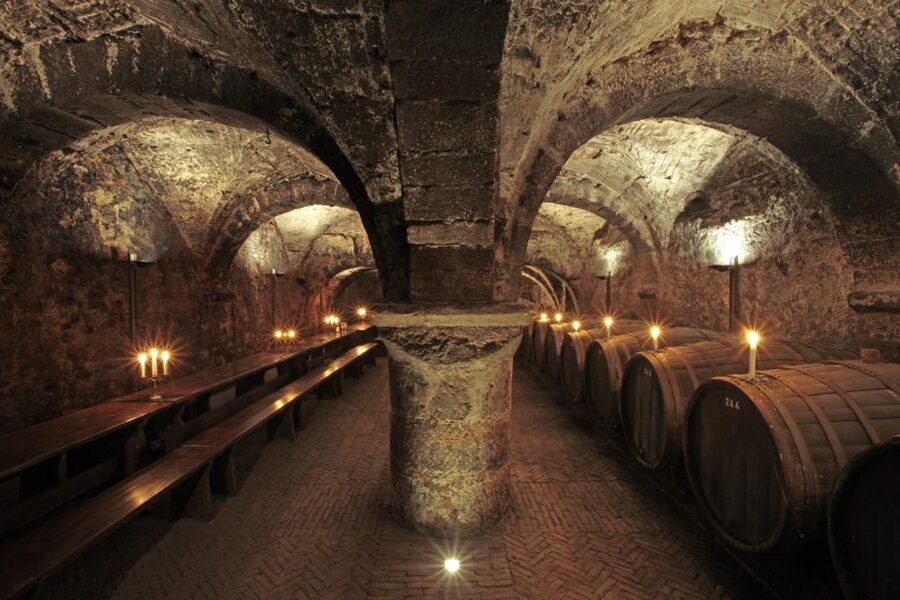
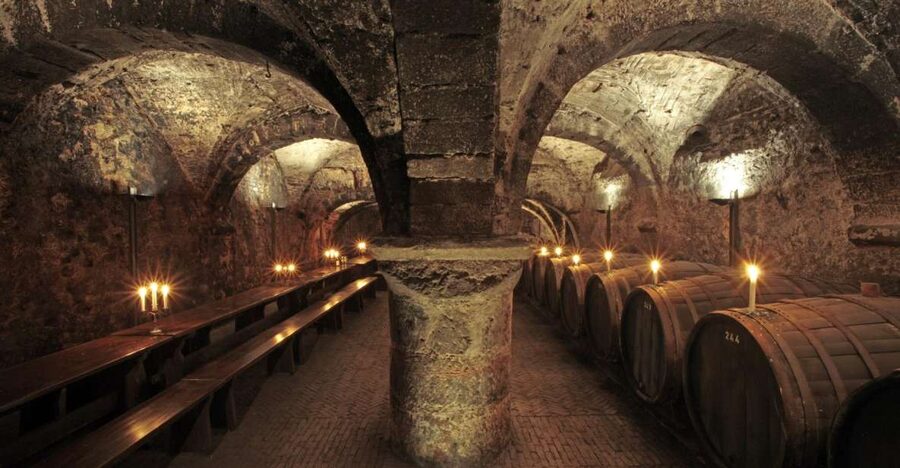
Trier’s oldest wine cellar began life around 330 AD, when Trier was a Roman imperial city. It was built as a magazine and storage house for Roman citizens, and today it offers a close look at the city’s long connection with wine. The setting gives this one-hour tour its real appeal: you are not just tasting wine in a shop, you are tasting it inside a Roman building.
I like the short, focused format, which fits neatly into a day of sightseeing. I also like the balance between history and pleasure: you learn how the cellar was used, then taste two selected house wines in the same atmospheric place.
The main limitation is language. The live guide speaks German, and some material remains in its original language, so this is best for German speakers or anyone comfortable following a tour with limited English support. A few participants have also wished for more time and more historical detail.
In This Review
- Key points to know before booking
- Entering a wine cellar from Trier’s Roman age
- What happens during the one-hour tour
- Why the Roman storage building matters
- Two house wines in an unusual setting
- Is $20 a fair price?
- Language, pace, and the amount of history
- Weather and practical comfort
- Who will enjoy this Trier wine experience?
- Should you book the oldest wine cellar tour?
- FAQ
- How long does the Trier wine cellar tour last?
- How much does the experience cost?
- What is included in the ticket?
- Is the tour conducted in English?
- How old is the wine cellar?
- What was the cellar originally used for?
- Does the tour run in bad weather?
- Is the tour suitable for wheelchair users?
- Can I cancel for a refund?
Key points to know before booking
- Roman origins: The cellar was built around 330 AD as a storage building in Trier’s imperial city.
- Two wines included: Your tasting covers two selected wines from the house.
- One-hour visit: The compact schedule works well between Trier’s Roman monuments and other central sights.
- German-language guide: The live tour is conducted in German, with some content presented in its original language.
- All-weather activity: The tour runs in every kind of weather, so dress for the conditions outside.
- Limited accessibility: The experience is not suitable for wheelchair users.
Entering a wine cellar from Trier’s Roman age
The first thing to understand is that this is not simply a wine tasting with an old wall in the background. The cellar is part of a Roman building created around 330 AD, during the period when Trier served as an imperial city.
That date gives the tour real weight. You are looking at a place designed for storage and daily use by Roman citizens, not a modern tasting room dressed up with a few historic props. The original purpose was practical: the building served as a magazine and storage house. Wine is central to the visit today, but the structure began as part of the working city.
I find that this makes the experience especially useful for anyone who wants more than a quick look at Trier’s famous Roman monuments. A large monument can impress you from the outside, but a cellar gives you a more contained sense of how a city stored goods and supported ordinary life.
The tour presents the cellar as a living place rather than a dusty museum. That matters because the wine tasting is not an unrelated extra. The modern use connects with Trier’s continuing wine culture and gives the old building a clear purpose during your visit.
A few more Germany trips to weigh up
- Trier: Guided City Walk with Wine Tasting
★ 4.8 · 979 reviews - Hamburg: Harbor Cruise with Wine and Cheese
★ 4.7 · 795 reviews - Heidelberg: Sightseeing Boat Tour with Mulled Wine
★ 3.6 · 202 reviews
What happens during the one-hour tour
The experience is built around a guided walk through the cellar. The guide provides information about the building’s changing story and its role in Trier’s past. Since the visit lasts one hour, you should expect a compact introduction rather than a long historical lecture.
The exact sequence of commentary can vary with the guide, but the central route is clear: you enter the historic cellar, learn how it functioned, and finish with two selected wines. The tour does not promise a large tasting flight or a full winery visit. Its appeal is the combination of one historic Roman site and two wines in an unusual setting.
That short format suits a busy day in Trier. You can fit it between sightseeing stops without giving up half a day. It also means the experience can work well as a planned break after visiting Roman sites elsewhere in the city.
The tradeoff is depth. Some people have found the historical explanation useful and informative but wished the tour lasted longer. If you want a detailed study of Roman architecture, cellar construction, or the full story of the wine estate, this visit may feel brief. Go in expecting a lively introduction, not an academic seminar.
Why the Roman storage building matters
Trier has a strong Roman identity, and this cellar adds a less obvious piece to the picture. The city is often associated with grand public buildings and imperial monuments. Here, you get a glimpse of the storage side of Roman urban life.
The cellar’s original function as a magazine and storage house helps explain why it was important. Cities depend on places where goods can be held, managed, and distributed. A building like this tells you something about the practical systems behind the impressive public face of an imperial city.
You may find that the cellar works best as part of a wider Trier sightseeing plan. If you have already visited Roman attractions, this tour gives you another angle on the city. If you are new to Trier, it offers a manageable first step into the city’s Roman past, with wine making the visit more relaxed than a standard monument tour.
The information supplied for the tour does not give architectural measurements, a detailed floor plan, or a list of every room visited. I would not book it expecting access to a vast underground network. The clear promise is a guided cellar tour through this historic Roman building, followed by tasting.
Two house wines in an unusual setting
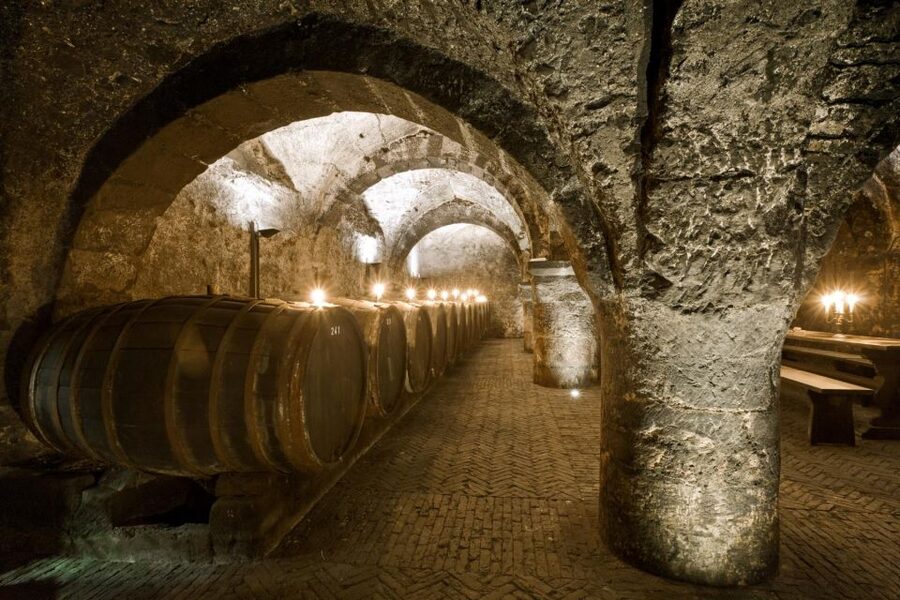
The tasting includes two selected wines. That is enough to make the visit feel like more than a building tour, while keeping the focus on the cellar and its wine culture.
I like this small tasting format. Two samples let you compare different house wines without turning the visit into a long drinking session. It also keeps the $20 price easier to assess, since your ticket covers both the guided visit and the wine tasting.
You should not expect a full meal, a large flight, or a broad survey of regional producers. The description promises two selected house wines, and that is the right way to judge the value. This is a cultural stop with wine included, not a dedicated wine class.
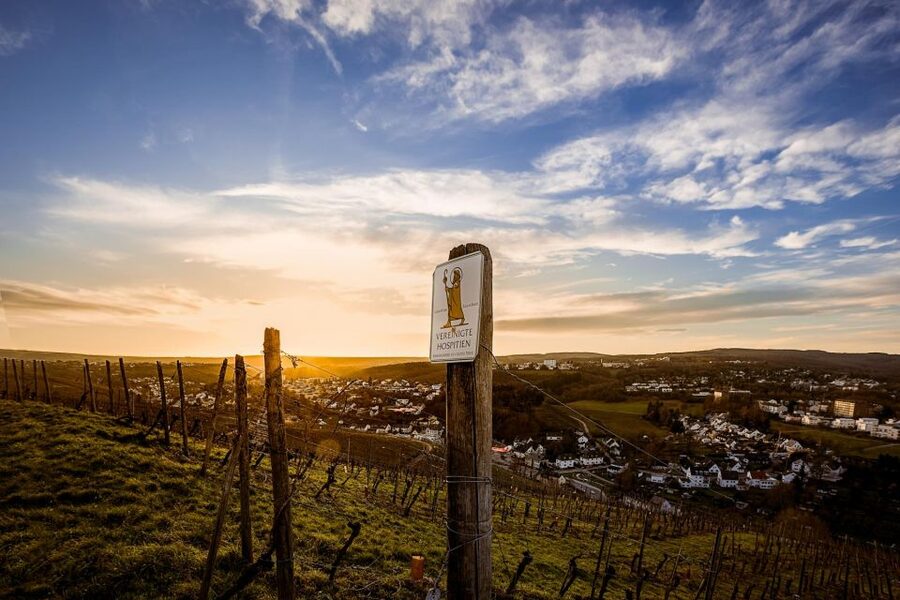
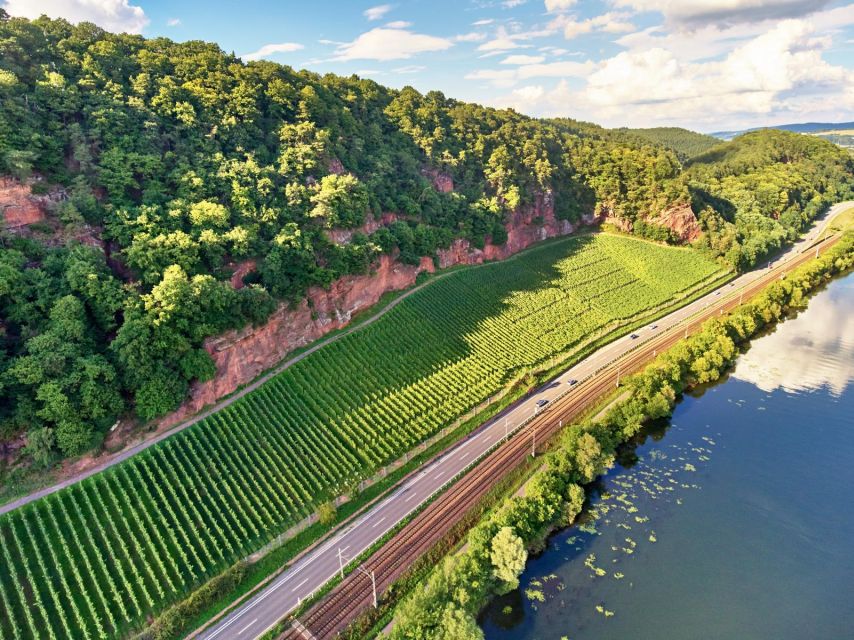
The wine appears to be an important part of the experience, and some recent feedback suggests that the winery and tasting can take more attention than the cellar itself. If your priority is the Roman building, listen closely during the historical portion and consider asking the guide for more information when the chance arises. If your priority is wine, the tasting gives you a pleasant reason to visit a historic site.
The setting is the key advantage. Drinking a selected house wine inside a Roman cellar gives the tasting a sense of place that you cannot get from a standard bar or retail counter. The atmosphere is part of what you are paying for.
Same city, a completely different kind of day:
- Berlin: Reichstag, Dome and Government District Guided Tour
★ 4.7 · 18,288 reviews - Berlin: 1-Hour City Tour by Boat with Guaranteed Seating
★ 4.3 · 16,993 reviews - Hamburg: Sex and Crime in St. Pauli Tour for Ages 18+
★ 4.7 · 15,447 reviews - Hamburg: 1.5-Hour Harbor and Speicherstadt Day Cruise
★ 4.6 · 14,200 reviews
Is $20 a fair price?
At $20 per person, this tour offers reasonable value if you want a short cultural experience with wine included. You are paying for a live, German-language explanation, access to a Roman building, and two selected wines. For a one-hour activity, it is not the cheapest way to drink wine, but the historic setting changes the calculation.
I would compare it with the cost of a simple tasting elsewhere. A basic glass of wine tells you little about Trier’s Roman past. Here, the cellar gives the tasting a clear connection to the city, and the guide adds context that you would miss by visiting the building alone.
The value is strongest for three kinds of visitors:
- You want a compact Trier activity that fits around larger sightseeing plans.
- You enjoy wine but also want a historic setting.
- You want to see a Roman building without committing to a long tour.
The value is weaker if you speak no German and need detailed English interpretation. The tour’s language is German, and some content is shown in its original language. You may still enjoy the atmosphere and tasting, but you should not assume that full English commentary is available.
The strong overall score of 4.7 from 218 ratings suggests that the format works well for many people. Still, a high score does not remove the practical limits: it is short, German-language, and not wheelchair accessible.
Language, pace, and the amount of history
The live tour guide speaks German. That is the single most important booking detail for international visitors.
If you understand German, you can expect the guide to explain the cellar’s eventful story directly. The available information does not provide the guide’s name, so you should not book based on a particular personality or promised presentation style.
If you do not speak German, think carefully about your goal. You might enjoy walking through the Roman cellar and taking part in the wine tasting, but you could miss the details that make the building meaningful. Some content is shown in its original language, which reinforces the need for realistic expectations.
The pace should be fairly brisk because the entire activity lasts one hour. That is a benefit when your schedule is tight, but it leaves less room for extended questions. One person who enjoyed the information still felt the tour could be longer, and that is a fair point. A site with nearly 1,700 years of use can easily raise more questions than a short visit can answer.
I would choose this tour for a pleasant introduction. For a specialist history visit, you may want to pair it with a longer Roman heritage tour elsewhere in Trier.
Weather and practical comfort
The tour takes place in all weather conditions. That means rain or cold outside will not automatically cancel the activity, so check the forecast and dress sensibly.
You should also remember that a cellar visit may feel different from walking through an open-air monument. The supplied details do not specify the temperature, floor surfaces, number of steps, or exact route, so I would avoid assuming that the space is easy for everyone to navigate.
The activity is specifically not suitable for wheelchair users. If you have mobility concerns, check the route with the provider before reserving. The lack of further access information means you should not treat the tour as fully accessible by default.
The one-hour duration is helpful here. You are not committing to a long stretch in the cellar, and you can plan the rest of your day around it. Free cancellation up to 24 hours in advance and the reserve-now, pay-later option also make it easier to fit into an uncertain itinerary.
Who will enjoy this Trier wine experience?
I would recommend the tour most strongly to visitors who like their sightseeing with a small local pleasure attached. The Roman building gives you a reason to come, while the two wines keep the experience social and relaxed.
It also suits couples and small groups looking for a simple evening or midday activity. The one-hour length prevents the tasting from taking over your schedule, and the $20 price is moderate for an organized tour with drinks.
History-minded visitors should book it if they are happy with an overview. You will hear about the cellar’s eventful past, but the experience does not promise a long, detailed lecture. If you want every architectural and historical detail, you may leave wishing for more time.
Wine enthusiasts should see it as a place-based tasting, not a technical workshop. The two wines offer a sample of the house selection, but there is no stated promise of vineyard visits, winemaking instruction, or a large tasting menu.
German speakers will get the most from the tour. Anyone else should consider how much value they place on the Roman setting and the tasting if they cannot follow the guide’s commentary.
Should you book the oldest wine cellar tour?
Book it if you want a short Roman history stop with two wines, especially if you speak German or are comfortable with limited language support. The cellar’s origin around 330 AD gives the visit substance, and the tasting makes it more enjoyable than a standard walk through a historic building.
Skip it if you need wheelchair access, want a full English-language tour, or expect a long and highly detailed account of Trier’s Roman past. The tour is best understood as a one-hour introduction, not a major wine excursion.
For most visitors who enjoy history, wine, and efficient sightseeing, $20 is a fair price for the combination. Just keep your expectations clear: you are visiting one remarkable Roman cellar, hearing its story, and tasting two house wines. That focused promise is exactly where the experience makes sense.
FAQ
How long does the Trier wine cellar tour last?
The tour lasts one hour.
How much does the experience cost?
The price is $20 per person.
What is included in the ticket?
The ticket includes a guided cellar tour, two selected wines, and the tasting in the historic setting.
Is the tour conducted in English?
The live tour guide speaks German. Some content is shown in its original language, so full English commentary is not provided in the available tour information.
How old is the wine cellar?
The cellar was built around 330 AD.
What was the cellar originally used for?
It served as a magazine and storage house for Roman citizens in Trier.
Does the tour run in bad weather?
Yes. The tour takes place in all weather conditions.
Is the tour suitable for wheelchair users?
No. The experience is not suitable for wheelchair users.
Can I cancel for a refund?
You can cancel up to 24 hours in advance for a full refund. You can also reserve your spot and pay later.
Just added around Germany
- Aachen old town tour – GERMAN (public)★ 5.0 · 24 reviews
- Aachen Private Walking Tour With A Professional Guide★ 5.0 · 11 reviews
- Cologne Highlights: Exclusive Private Tour★ 5.0 · 5 reviews
- Bremen Private Walking Tour With A Professional Guide★ 5.0 · 7 reviews
- Private Walking Tour through the Fascinating Bremen’s City Center★ 5.0 · 5 reviews
- Explore Cologne’s best Street Art Quarter★ 4.5 · 4 reviews
- Bremen Exploration Private Game and City Tour on your Phone★ 4.5 · 7 reviews
- e-Scavenger hunt Bremen: Explore the city at your own pace★ 4.0 · 24 reviews
Wine Tours, compared.



Advent Tour with Stollen Tasting and Mulled Wine
Read our review →
Heidelberg and Rhine Valley Day Trip With Wine Tasting and Dinner from Frankfurt
Read our review →
Browse the lists this tour appears in