
Reviewed · WALKING TOURS
Frankfurt : Highlights & hidden Gems Private Walking Tour
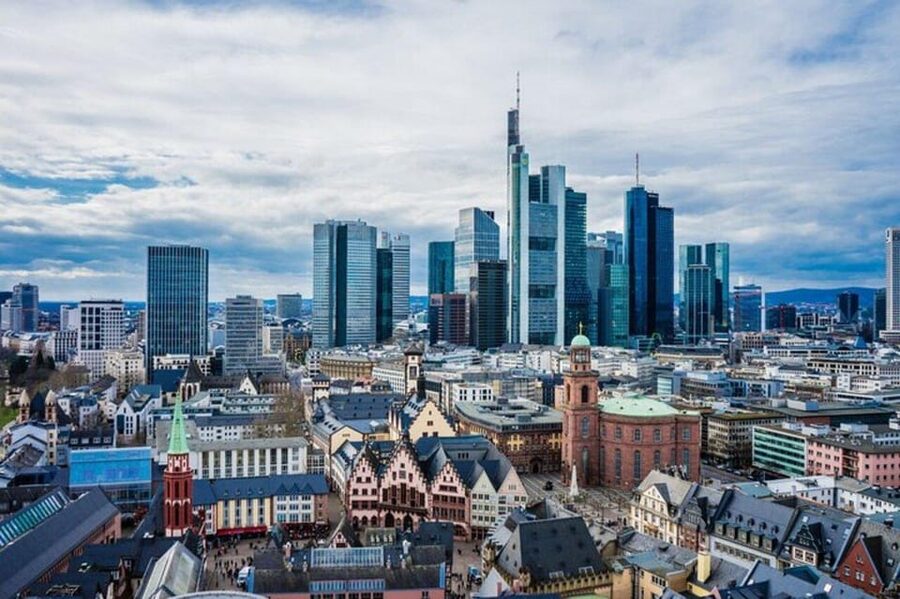
Frankfurt makes a quick first impression: medieval-looking squares, a giant Gothic cathedral, a river crossed by an iron bridge, and a wall of modern banks all sit within a compact city center. This private three-hour walk is designed to connect those pieces, rather than show you only the postcard version of Frankfurt.
I like the personal format and the mix of old and new. Guides such as Ellyn, Annibal, Melda, and Florean have been praised for friendly conversation, strong knowledge of history and architecture, useful photo stops, and a pace that does not feel rushed. The main consideration is that the route covers a lot, so you should tell your guide early which sights matter most.
In This Review
- Key points to know before you book
- Why this tour works well in Frankfurt
- Starting at TARGOBANK and finding your bearings
- Römerberg, Frankfurt’s historic center
- Frankfurt Cathedral and the story of German kings
- St. Paul’s Church and Frankfurt’s democratic past
- Hauptwache, Zeil, and the city’s everyday center
- Crossing the Iron Bridge for the best skyline view
- Old Opera House and the city of culture
- From Borse Frankfurt to Bankfurt
- What the private format changes
- Who should book this Frankfurt walk?
- Practical value, timing, and flexibility
- Should you book it?
- FAQ
- How long is the Frankfurt private walking tour?
- Where do I meet the guide?
- Is this a private tour?
- Can I customize the route?
- Which languages are available?
- Is public transport included?
- Are food and drinks included?
- Can I cancel for a refund?
Key points to know before you book
- A private route through old and new Frankfurt: See Römerberg and the cathedral, then move toward the banks and the European Central Bank.
- Your interests shape the walk: The guide can adjust the tour around history, architecture, photography, shopping, or other city interests.
- A good choice for first-time visitors: You get the essential sights plus smaller churches, civic buildings, and local suggestions.
- Strong guide feedback: Annibal, Ellyn, Florean, Melda, and others have been praised for warmth, humor, clear explanations, and good pacing.
- Walking with public transport available: The experience is described as a walking tour with public transport, depending on the option selected.
- Useful for a short Frankfurt stay: Three hours gives you a solid orientation without taking over your whole day.
Why this tour works well in Frankfurt
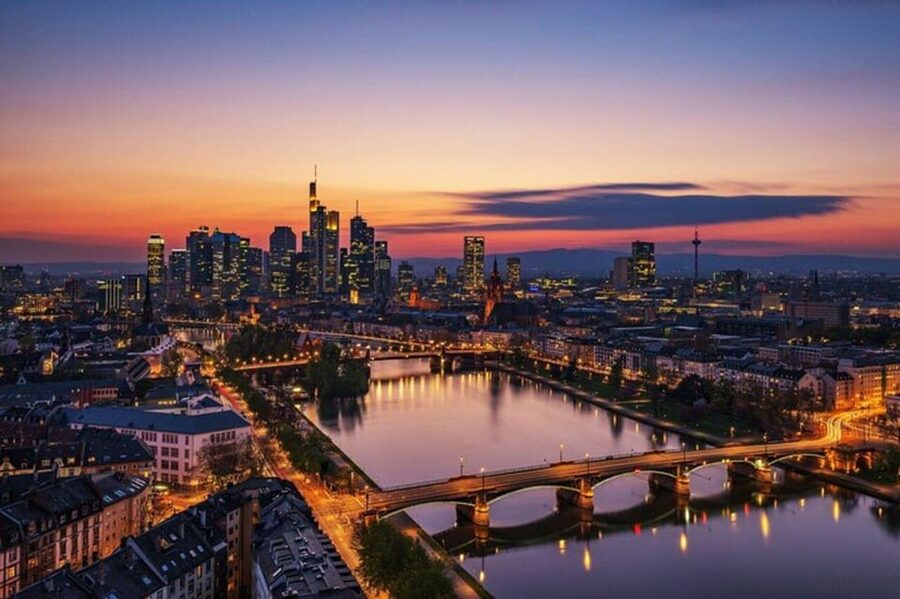
Frankfurt is often treated as a business stop, airport connection, or quick rail break. That misses the city’s unusual character. Its old center was heavily damaged during the Second World War, rebuilt in parts, and then surrounded by modern commercial districts. You can move from timber-framed facades to glass towers in a few minutes.
A standard group tour can explain the sights, but a private walk gives you room to ask why the city looks this way. You can ask about Frankfurt’s medieval trade, its place in German democracy, the Eurozone, or the contrast between old Sachsenhausen and the banking district. If you care more about photography than political history, say so. If you want architecture, ask the guide to slow down at the churches and opera house.
The price is listed at $53 per person, which is fair for a three-hour exclusive tour if you are traveling with two or more people. A solo visitor pays more per person in practical terms, but still gets the benefit of a route built around personal interests. Food and drinks are not included, so plan to stop afterward rather than expect a café break during the walk.
A few more Frankfurt trips to weigh up
- Frankfurt Highlights English Walking Tour
★ 5.0 · 1,203 reviews - Frankfurt on Foot Daily Walking Tour in English
★ 4.9 · 323 reviews - Frankfurt: Private or Shared Walking Tour
★ 4.8 · 156 reviews
Starting at TARGOBANK and finding your bearings
The meeting point is in front of TARGOBANK. This is a functional starting place rather than a sightseeing stop, so arrive with the location open on your phone and look for the guide outside the bank.
The route is described as returning to TARGOBANK, although the longer description also places the final sights near the European Central Bank and Main Tower. Since the experience is private and customizable, confirm the exact end point and route with the provider when booking. That small check matters if you have a train to catch or a timed museum visit.
The guide speaks English, Spanish, or German. Several guides have been praised for contacting guests before the tour, explaining the meeting place, and responding well when plans changed. That kind of communication is useful in a city where a simple meeting point can be hard to spot amid offices, shops, and tram or train connections.
Römerberg, Frankfurt’s historic center
Römerberg is the natural place to begin the historical part of the walk. The square brings together reconstructed traditional buildings, civic architecture, and the sense of a much older Frankfurt. It is one of the city’s most recognizable spaces and gives you a quick visual lesson in how Frankfurt presents its past.
Your guide can help separate original fabric from later rebuilding, a key point in understanding the city. Without that context, Römerberg can look like a tidy old-town set. With an explanation of its changing architecture and role in city life, it becomes a useful starting point for Frankfurt’s story.
This is also one of the better stops for photographs. If you want the classic square view, tell the guide. Ellyn was specifically praised for knowing strong photo locations, and that sort of local awareness can save you from taking only the most obvious picture.
Römerberg can be busy, especially around popular sightseeing hours. A private guide cannot remove the crowds, but can adjust the pace and help you focus on details rather than simply crossing the square.
Frankfurt Cathedral and the story of German kings
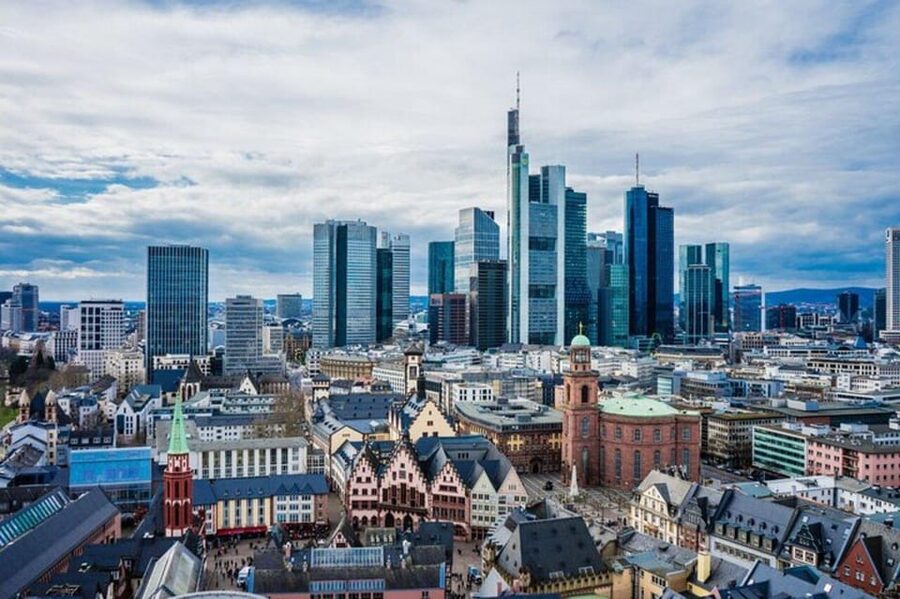
From Römerberg, the tour continues to the Cathedral of St. Bartholomew, Frankfurt’s largest Roman Gothic church. Its scale and vertical design make it one of the old center’s clearest landmarks.
The cathedral is not just a religious building. It is tied to the election and coronation of German kings, giving the guide a chance to explain Frankfurt’s political importance in the Holy Roman Empire. That background adds weight to what might otherwise be a quick exterior photograph.
The schedule calls this a guided stop, but it does not promise a guaranteed interior visit or a special admission. Ask your guide what access is available on your date. The provider offers help booking tickets for desired visits, but entrance fees are not listed among the included items.
For visitors interested in architecture, this should be one of the most rewarding parts of the tour. For people who prefer markets, modern buildings, or shopping, it is still a short and worthwhile stop because it anchors the old city before the route moves into more recent Frankfurt.
Same city, a completely different kind of day:
- Frankfurt: River Main Sightseeing Cruise with Commentary
★ 4.3 · 5,127 reviews - Frankfurt: Hop-On, Hop-Off Grand or Express Bus Ticket
★ 3.9 · 2,088 reviews - Frankfurt: 1-Hour Panorama Boat Cruise on the river Main
★ 4.4 · 1,822 reviews - From Frankfurt: Rhine Valley Day Trip
★ 4.4 · 1,317 reviews
St. Paul’s Church and Frankfurt’s democratic past
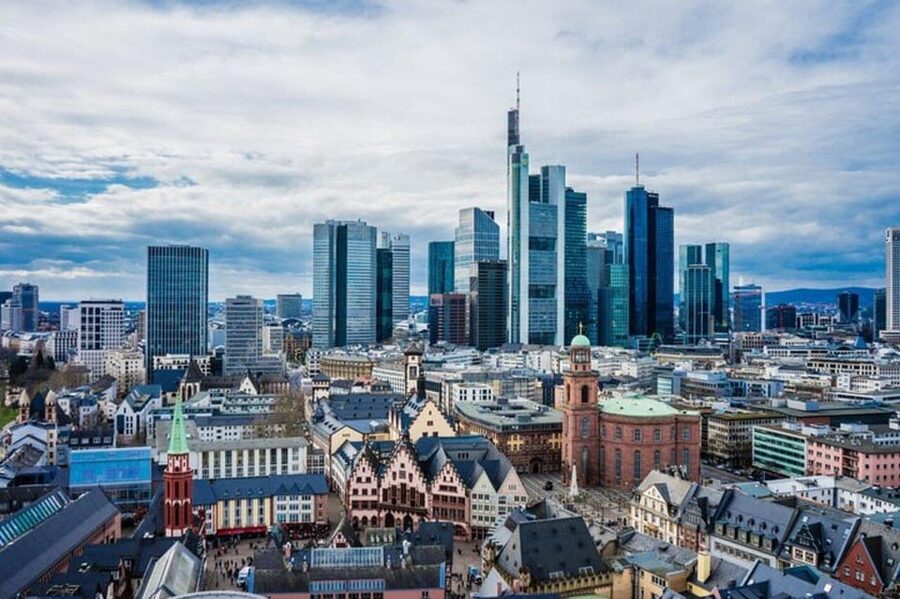
St. Paul’s Church is one of the most important political sites on the walk. It was the seat of Germany’s first democratically elected parliament, making it a strong counterpoint to the royal and imperial associations around the cathedral.
The building also helps show that Frankfurt is not only about commerce. The city played a major role in debates about German unity, representation, and constitutional government. A good guide can connect the building to the wider development of German democracy without turning the tour into a lecture.
Katharinenkirche, a Baroque Lutheran church, adds another religious and architectural layer. Liebfrauen, a 14th-century Roman Catholic church, offers a quieter contrast to the larger cathedral. These smaller churches are valuable because they broaden the picture of Frankfurt beyond its two or three most photographed buildings.
The schedule does not guarantee extended interior time at every church. You should think of these as interpretive stops, with the possibility of looking inside when open and practical.
Hauptwache, Zeil, and the city’s everyday center
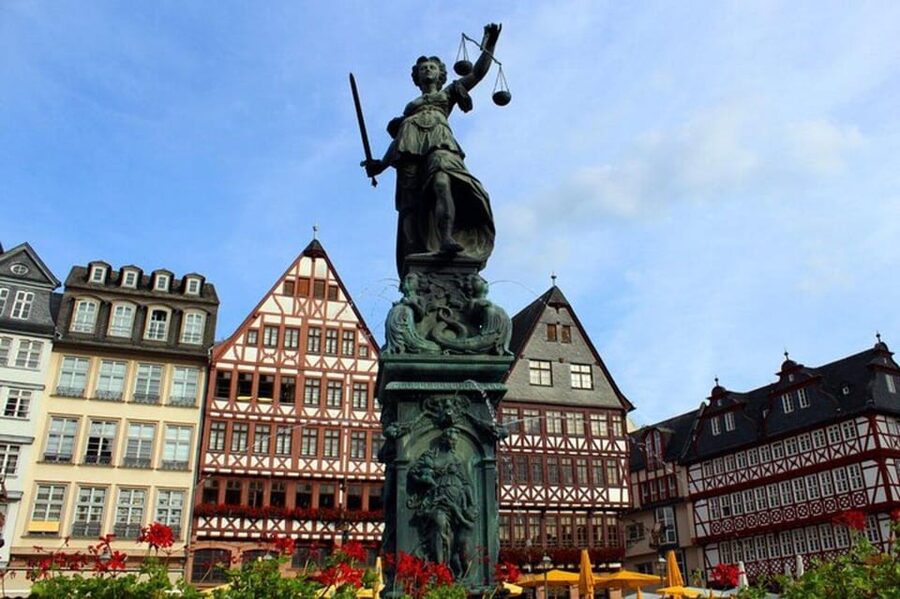
Hauptwache shows a different side of Frankfurt. The plaza is associated with Baroque facades, but it is also a major central meeting point surrounded by shops and transport links.
From here, the Zeil shopping street gives you a look at modern daily life. This is not a historic lane preserved for sightseeing. It is a working retail area where Frankfurt residents shop, meet, and pass through the center.
I like this section because it prevents the tour from becoming a museum walk. You see how the old center connects to the city people use today. If shopping is not your priority, tell the guide so more time can go toward churches, architecture, or the financial district.
The route includes many locations in three hours, so this part may be more of a guided orientation than a long stop. That is useful if you want to know where the shopping street is, but it may feel brief if you hoped to browse.
Crossing the Iron Bridge for the best skyline view
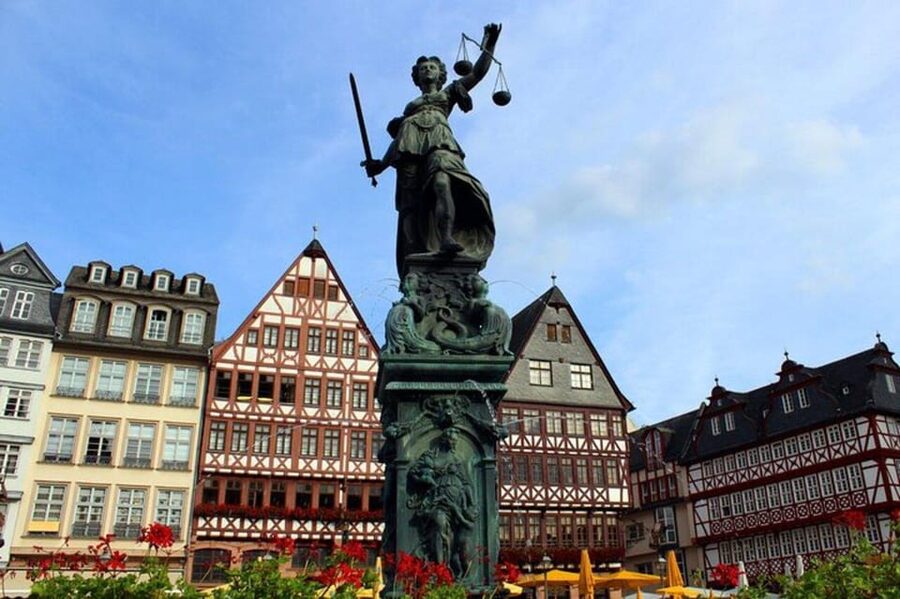
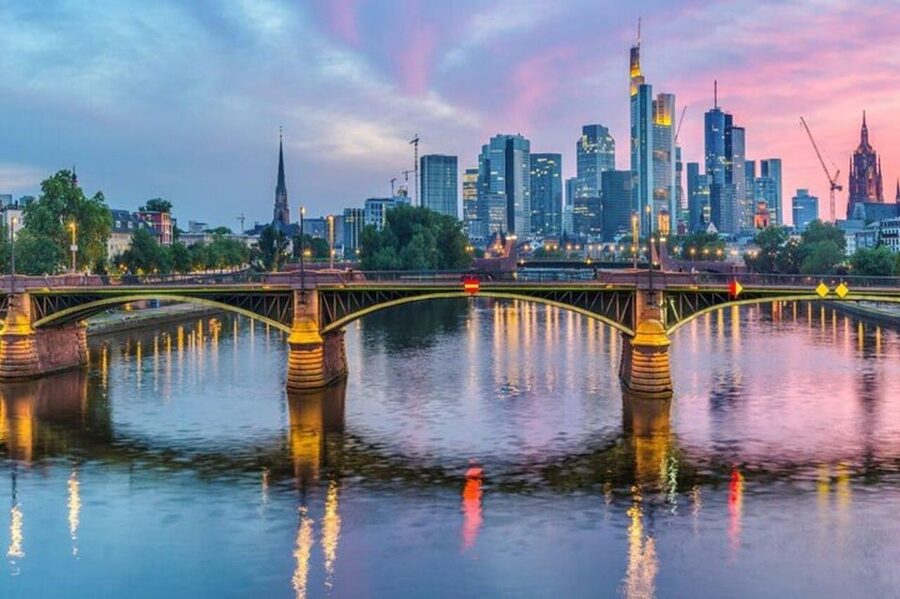
The Iron Bridge is one of the tour’s most appealing changes of pace. Crossing the Main gives you open views that are hard to find among the central streets. From the bridge, you can look back toward the old center and forward toward Frankfurt’s modern skyline.
This is where the city’s contrasts make immediate sense. Historic towers and church roofs share the view with office skyscrapers, while the river gives the scene breathing room. It is a good place to ask the guide about Sachsenhausen, the district on the opposite bank known for museums and historic pubs.
The bridge is also a practical photography stop. Weather and light will affect the view, but the location gives you a much wider frame than Römerberg. The guide can point out useful angles and explain what you are seeing, rather than leaving you to identify buildings later.
A river crossing adds walking time, and the tour covers several districts and landmarks. Wear comfortable shoes and expect the experience to remain mostly on foot, with public transport used according to the selected option.
Old Opera House and the city of culture
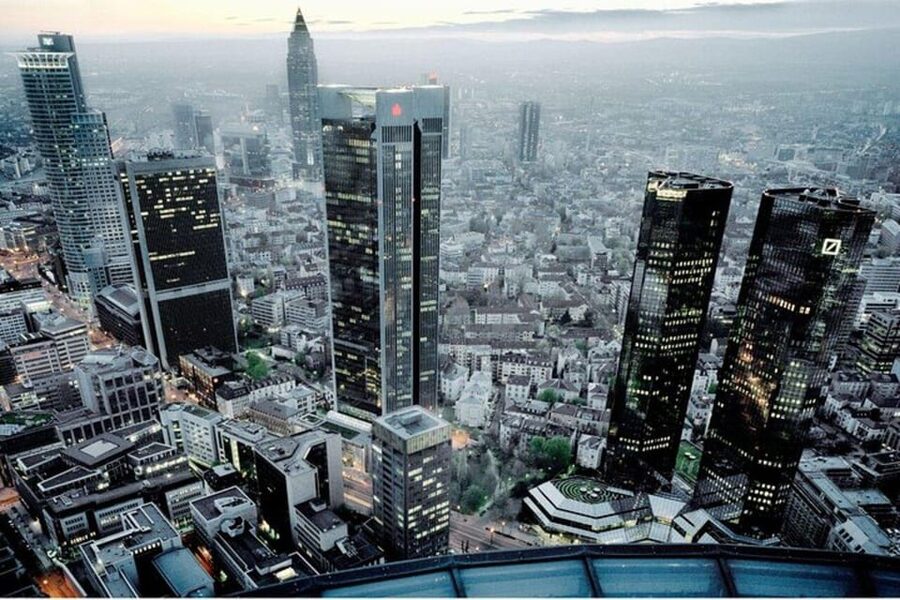
The Old Opera House, or Alte Oper, provides a polished architectural stop after the more political and religious buildings. It is a Renaissance-style building used for concerts and events, and its grand exterior reflects Frankfurt’s cultural ambitions as much as its wealth.
The stop is especially useful for architecture fans. Ask the guide to explain how the opera house fits into the city’s development and how its present use relates to its earlier role. The experience does not include a performance ticket, so you should view this as an exterior and historical visit unless separate arrangements are made.
The building also helps break up the route. After churches and civic squares, the opera house gives you a different kind of landmark, one linked to music, public life, and formal city design.
From Borse Frankfurt to Bankfurt
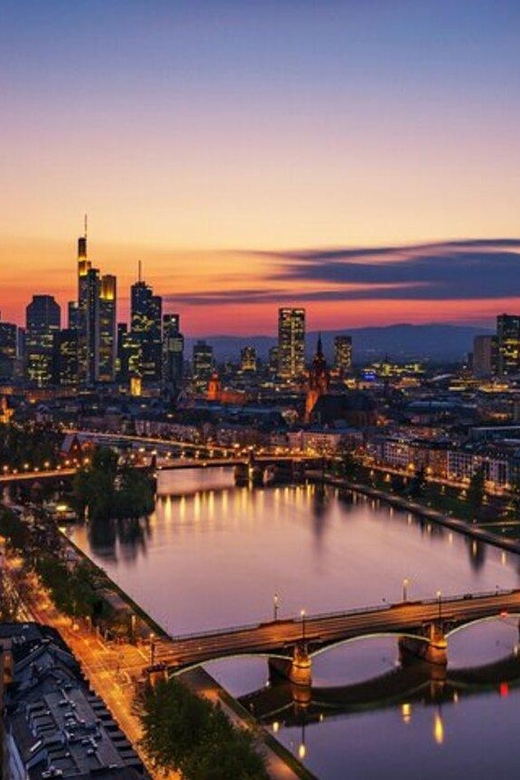
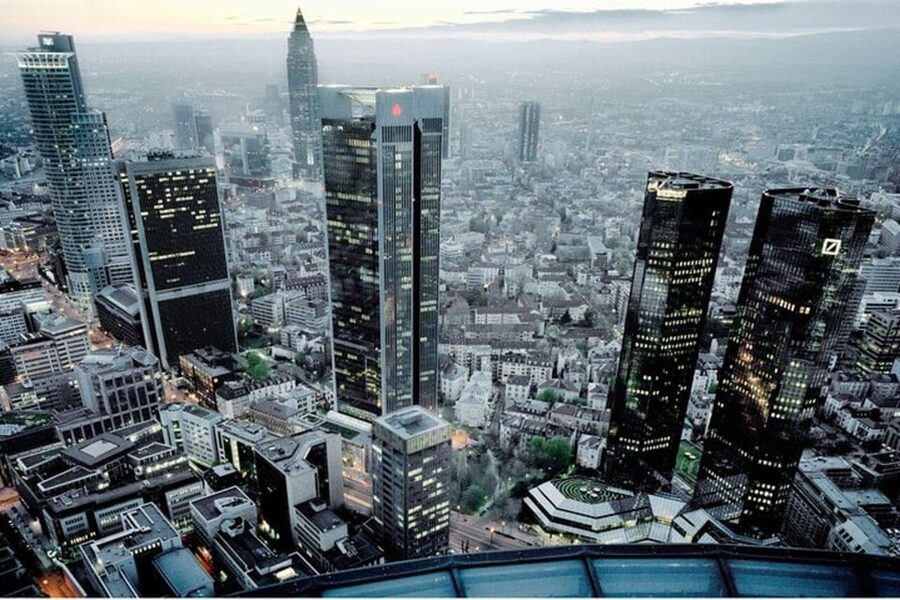
The walk’s modern side includes Borse Frankfurt, the stock exchange building, the European Central Bank, and the Main Tower. Together, these stops explain why Frankfurt is often called Bankfurt.
Borse Frankfurt connects the city to financial markets and commercial power. The European Central Bank then widens the story beyond Germany, since it is one of the main institutions shaping monetary policy across the euro area.
The Main Tower offers the visual symbol of the banking district. Its height and glass exterior create a sharp contrast with the old city churches and reconstructed facades. The tour description does not include admission to the Main Tower viewing platform, so do not assume that a tower visit is part of the three-hour route.
This section is valuable even if you are not interested in finance. It explains why Frankfurt has such a modern skyline and why the city feels different from other German historic centers. You see that the old town is only one part of Frankfurt’s identity.
What the private format changes
The main advantage is not simply having a smaller group. It is the ability to shape the conversation and pace.
Annibal has been praised for asking what interests you and adapting the walk around those interests. Florean was appreciated for linking history, architecture, and literature through engaging stories. Other guide feedback highlights friendliness, humor, and a walking pace that stays comfortable.
That flexibility can matter if you have only one day in Frankfurt. You can request the key old-town sights and a quick look at the skyline. If you have already seen Römerberg, you can ask for more time in the financial district, Sachsenhausen, or at smaller churches.
Private tours can also cope better with an unexpected change. In one case, a guide became ill shortly before the appointment, and the operator arranged a replacement quickly. The substitute guide kept the tour professional and informative. That does not guarantee every future change will be handled the same way, but it points to useful backup planning.
Who should book this Frankfurt walk?
I would recommend it most to first-time visitors, couples, families, and small groups who want orientation without a large crowd. It also suits anyone arriving for a short stay and trying to understand how the old center, river, shopping streets, and banking district fit together.
It is a good match for people who enjoy asking questions. The value comes from the guide’s explanations and adjustments, not from simply ticking off landmarks.
You should think twice if you want long interior visits, a food tour, or a leisurely café stop. Food and drinks are not included, and the three-hour schedule gives you broad coverage rather than extended time at one site.
The tour is listed as wheelchair accessible, but the route includes city streets, a bridge, public spaces, and possible public transport. If you need specific access arrangements, discuss them when booking so the route can be adjusted.
Practical value, timing, and flexibility
At $53 per person, the tour offers solid value for a private experience, especially when shared by several people. You are paying for a guide’s time, a custom route, and advice for the rest of your stay, rather than for entry to attractions.
The provider can help arrange tickets for desired visits, but those tickets are not included. Ask about costs before adding any interior visit.
The three-hour length is long enough to cover the main old-town sights and reach the modern financial area, but not long enough for detailed visits everywhere. Start with your top two or three priorities. That lets the guide protect the parts you most want to see.
You can cancel up to 24 hours in advance for a full refund, and the reserve-now, pay-later option keeps your plans flexible. Starting times vary, so check availability before building the rest of your day around the walk.
Should you book it?
Book this tour if you want Frankfurt explained as a whole city, not just as a pretty square beside a cathedral. The combination of Römerberg, St. Bartholomew’s Cathedral, St. Paul’s Church, the Iron Bridge, Old Opera House, and the European Central Bank gives you a useful sweep through religion, politics, culture, commerce, and modern Europe.
The strongest reasons to choose it are the private format, guide flexibility, friendly presentation, and comfortable pace. Tell the guide what you care about, confirm the exact endpoint, and ask about any interior admissions. If you do that, $53 per person is a reasonable way to get your bearings and make better use of the rest of your Frankfurt stay.
FAQ
How long is the Frankfurt private walking tour?
The tour lasts three hours. Starting times depend on availability.
Where do I meet the guide?
You meet the guide in front of TARGOBANK.
Is this a private tour?
Yes. The tour is private and exclusive, with no other group members joining you.
Can I customize the route?
Yes. The tour includes customization, and the guide can shape the walk around the areas and interests that matter most to you.
Which languages are available?
The live guides speak English, Spanish, or German.
Is public transport included?
The experience is described as a walking tour with public transport, except when a different option is selected.
Are food and drinks included?
No. Drinks and food are not included.
Can I cancel for a refund?
You can cancel up to 24 hours in advance for a full refund. You can also reserve now and pay later.
Just added around Frankfurt
- Day Trip to Rothenburg from Frankfurt★ 4.6 · 25 reviews
- Rhine Valley: Half Day Tour from Frankfurt★ 3.7 · 66 reviews
- Private Tour with Native English speaking Local★ 4.9 · 60 reviews
- Hohenzollern Castle: Full-Day Tour from Frankfurt★ 4.3 · 11 reviews
- From Frankfurt: Day Tour to Heidelberg with Local Guide★ 4.8 · 250 reviews
- Heidelberg and Rhine Combination Tour from Frankfurt★ 4.1 · 33 reviews
- Frankfurt: Guided walk between palm trees and skyline★ 4.8 · 9 reviews
- From Frankfurt: Heidelberg and Rothenburg Guided Day Trip★ 5.0 · 14 reviews
Walking Tours, compared.





Berlin’s Best: 2 Hour Walking Tour Third Reich and the Cold War
Read our review →


Third Reich Berlin: Hitler and WWII Walking Tour
Read our review →Browse the lists this tour appears in