Reviewed · WALKING TOURS
Explore Berlin: Walking Tour of All The Iconic Sites
Berlin’s past is unusually easy to read from the pavement. In three hours, you move from royal Berlin to Nazi dictatorship, the Cold War border, and today’s united capital. The route links the Brandenburg Gate, Hitler’s bunker, the Wall, and Checkpoint Charlie, so you are not just checking off sights. You are following the city’s sharpest turns.
I like two things here. First, the $17 price gives you a useful orientation before you spend time and money on museums. Second, the guides make the history human. Hannah, Daniel, Xavier, Tina, Ru, and others are praised for clear stories, humor, patience, and practical Berlin tips. The main drawback is simple: three hours on foot is still three hours on foot, and the tour packs in a lot of information.
In This Review
- Key points before you book
- Why this three-hour route works in Berlin
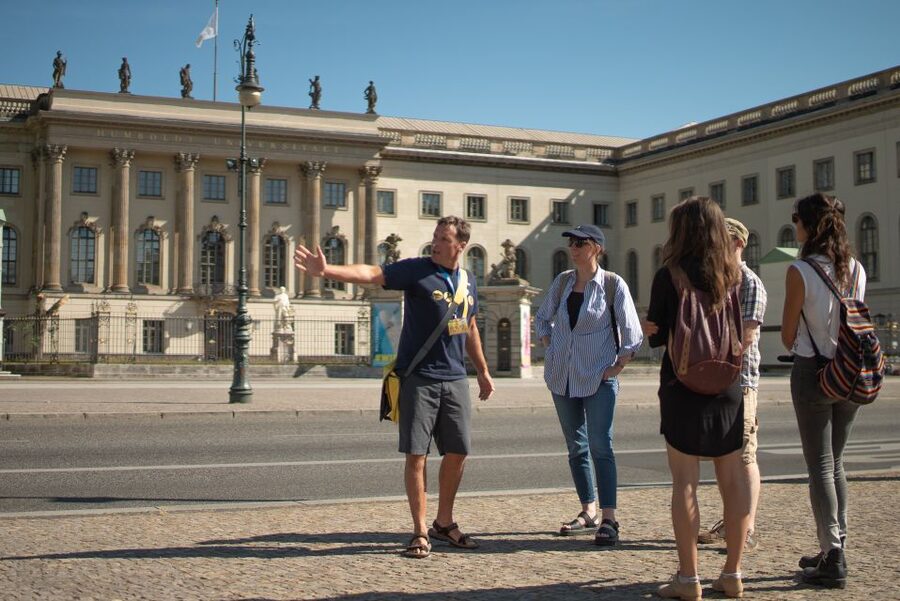
- Starting at Friedrichstrasse and the Palace of Tears
- Museum Island: Berlin’s grand center
- Bebelplatz and the memory of the book burning
- Gendarmenmarkt and the older capital
- Checkpoint Charlie and the former border
- Touching the Berlin Wall
- Hitler’s bunker and the limits of visible history
- The Holocaust Memorial and a quiet change of pace
- Reichstag and the return of the capital
- Brandenburg Gate and Pariser Platz
- Guides, language, and the human touch
- Price, pace, and who will enjoy it
- Should you book the Berlin highlights walk?
- FAQ
- How long does the Berlin walking tour last?
- Where does the regular tour meet?
- Which languages are available?
- Does the tour include hotel pickup?
- Is the walking tour wheelchair accessible?
- What happens if it rains?
Key points before you book
- A powerful route through modern history: See where Berlin’s Nazi, Cold War, and reunification stories meet.
- The big sights come with context: Museum Island, Bebelplatz, Gendarmenmarkt, Checkpoint Charlie, and the Reichstag are tied together rather than visited as isolated photo stops.
- Guides shape the experience: Hannah is praised for her warmth and teaching style, while Daniel, Xavier, Tina, Ru, and others are noted for humor, care, and strong command of Berlin’s story.
- Good value at $17: You get three hours with a live guide, without paying separate entrance fees or being pushed through a museum indoors.
- Plan for walking and weather: Comfortable shoes matter, and the tour runs rain or shine.
- Flexible booking: You can cancel up to 24 hours ahead for a full refund and reserve now while paying later.
Why this three-hour route works in Berlin
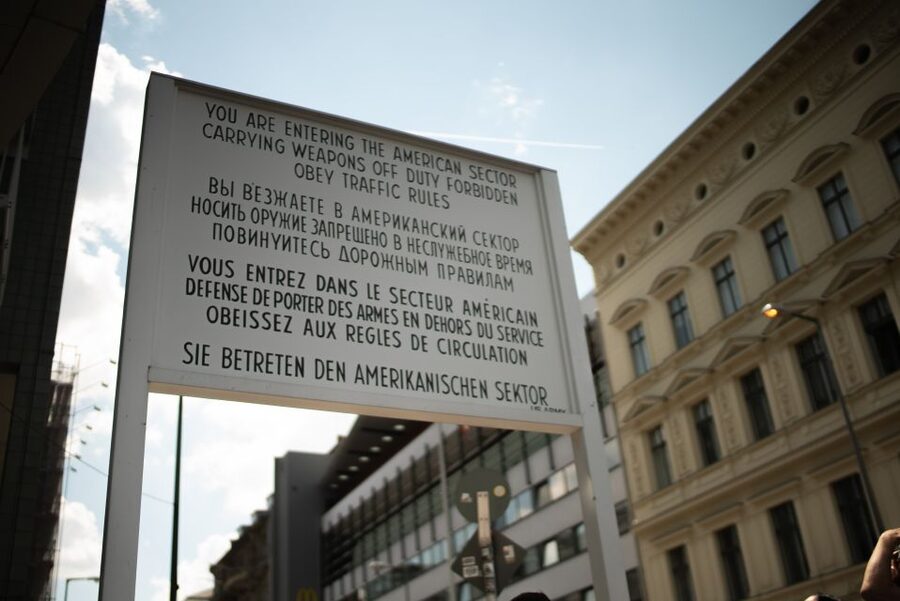
Berlin can feel confusing at first. Its major sights are spread across a large central area, and the city’s story does not unfold in neat chronological order. A church square may sit beside a Nazi memorial, while a modern government building occupies ground once cut through by the Wall.
This tour gives you a basic map in both senses of the word. You learn where things are, and you learn how they connect. The route begins near Friedrichstrasse station, then moves through Museum Island and several central squares before reaching the former border zone and the government quarter.
That order is useful. You first see Berlin as a capital shaped by monarchy and religion. Then the tour turns toward dictatorship, war, division, and reunification. By the time you reach the Brandenburg Gate and Reichstag, the famous buildings mean more than they would on a quick photo walk.
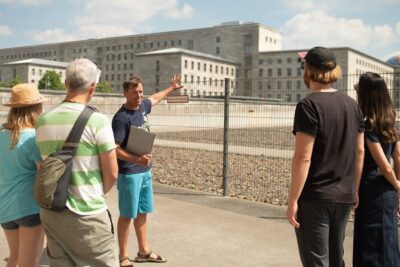
You will hear plenty of dates and political detail, but the strongest part of the experience is the use of place. The guide can point to a pavement, a vacant area, a line in the ground, or a surviving section of wall and explain what happened there. Berlin often hides its history in plain sight. A good guide helps you notice it.
A few more Berlin trips to weigh up
- Discover Berlin Half-Day Walking Tour
★ 5.0 · 9,624 reviews - Berlin: Third Reich and Cold War 2 Hour Walking Tour
★ 4.9 · 6,830 reviews - Berlin: Discover Berlin Walking Tour
★ 4.9 · 5,998 reviews
Starting at Friedrichstrasse and the Palace of Tears
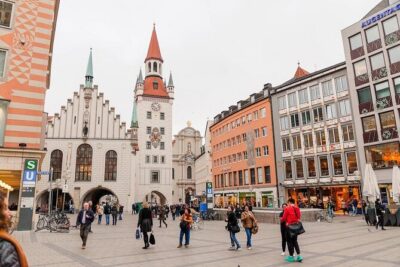
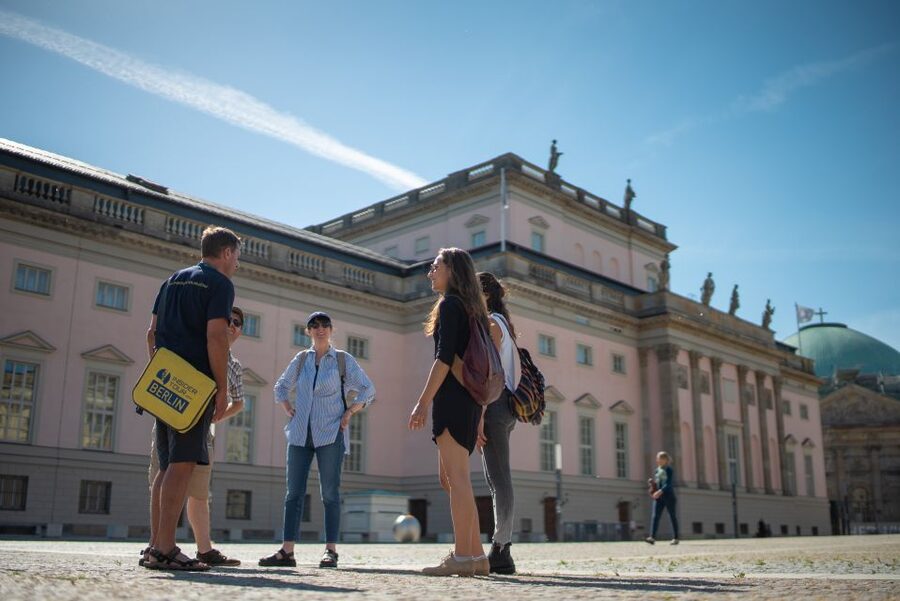
The standard meeting point is outside Friedrichstrasse train station, on the square beside the Traenenpalast, also called the Palace of Tears. Look for guides with yellow umbrellas.
This is a fitting place to begin. The Palace of Tears was associated with departures between East and West Berlin, and its name reflects the painful farewells that took place there. You are starting near a former crossing point, then walking into a city where borders once controlled everyday life.
The station is practical for meeting because it is easy to reach by public transport. Arrive ready to walk, and give yourself a little time to find the yellow umbrella. The tour operates every day, rain or shine, so check the forecast and bring suitable clothing. An umbrella is sensible, especially since one guide specifically reminded a guest to bring one.
The exact starting point depends on the option you choose. Private tours include pickup from your Berlin accommodation, with a meeting in the hotel lobby five minutes before the scheduled time. The regular tour ends back at the meeting point, while Pariser Platz is also listed as a drop-off location, so confirm the final arrangement when booking.
Museum Island: Berlin’s grand center
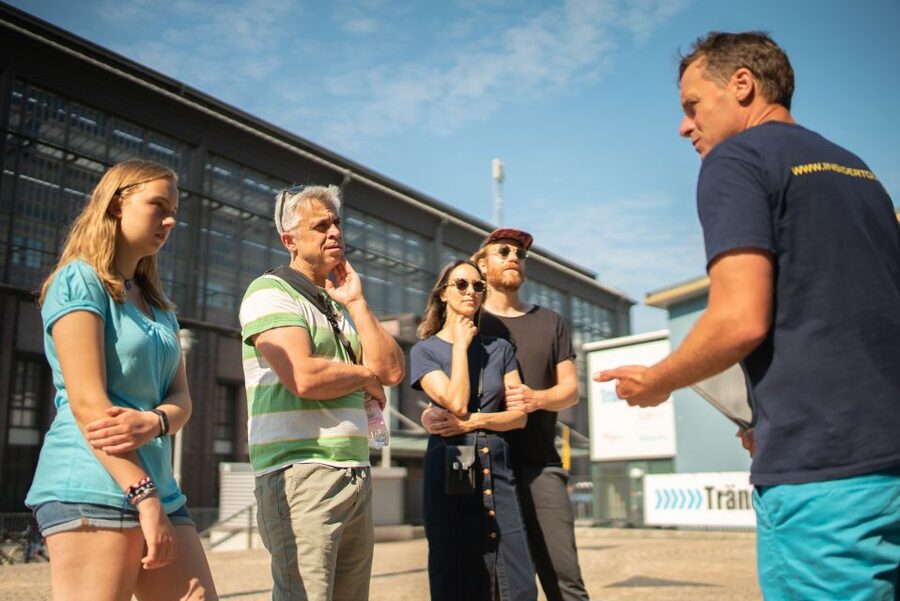
The walk includes a guided stop of about 15 minutes on Museum Island. This is one of Berlin’s most impressive urban areas, with major museums and monumental buildings gathered along the Spree.
You should not expect museum admission during this walking tour. Instead, you get an outdoor introduction that helps you decide if you want to return later. That is good value for a first day in Berlin. You can hear the broad story, note the museums that interest you, and come back with more time.
This stop also shows the scale of Berlin’s former imperial ambitions. The architecture can seem grand and formal, but the guide’s job is to connect those buildings to the city’s changing political purpose. Listen for how Berlin moved from royal capital to divided Cold War city and then back to the capital of a united Germany.
The stop is short, so do not expect detailed coverage of every museum. Think of it as a useful outdoor briefing rather than a substitute for visiting the collections.
Bebelplatz and the memory of the book burning
At Bebelplatz, the guide discusses the Nazi book burning that took place here. The stop lasts about 10 minutes, but the subject deserves your full attention.
This is one of the tour’s most important pauses because it shows how public spaces can carry a disturbing memory even when the surrounding buildings look orderly. The location is often remembered through the empty library memorial beneath the square, a reminder of books removed and destroyed under the Nazi regime.
The value of a guide here is not simply naming the event. You can learn how propaganda, censorship, and public spectacle worked together. The story helps explain why Berlin uses so many memorials that ask you to pause rather than simply admire a building.
A short stop can feel intense, particularly when combined with the later visit to the Holocaust Memorial. The tour moves quickly through many eras, so you may want to return to Bebelplatz on your own if you prefer more time for reflection.
Same city, a completely different kind of day:
- Berlin: Reichstag, Dome and Government District Guided Tour
★ 4.7 · 18,288 reviews - Berlin: 1-Hour City Tour by Boat with Guaranteed Seating
★ 4.3 · 16,993 reviews - Berlin: Boat Tour Along the River Spree
★ 4.4 · 11,252 reviews - Berlin: Hop-on Hop-off Bus Tour with Live Commentary
★ 4.3 · 8,579 reviews
Gendarmenmarkt and the older capital
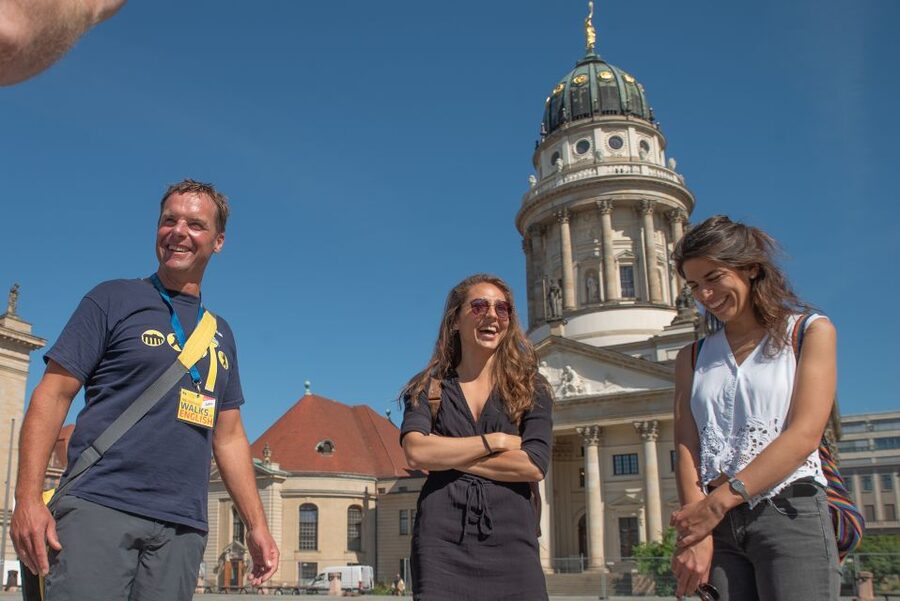
The route continues to Gendarmenmarkt, with about 10 minutes of guided commentary. This handsome square gives you a different view of Berlin, one based on grand civic design rather than twentieth-century destruction and division.
The contrast is useful. Berlin’s story is not only about the Wall and the Second World War. It is also about the city that grew into a major European capital long before those events. A guide can help you place the square within the wider development of central Berlin.
As with several stops, this is mainly an outdoor look. You get the setting and the explanation, not a long visit inside nearby buildings. That keeps the tour moving, but it also means you should not book this walk expecting extended architectural study.
Checkpoint Charlie and the former border
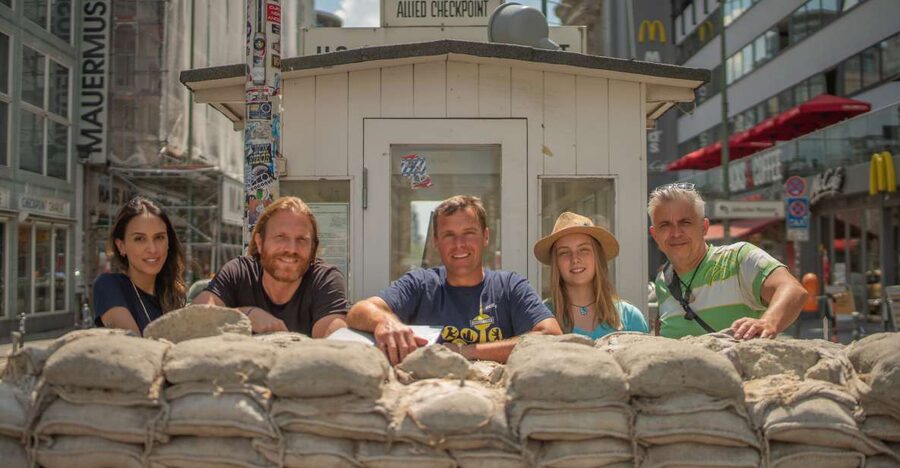
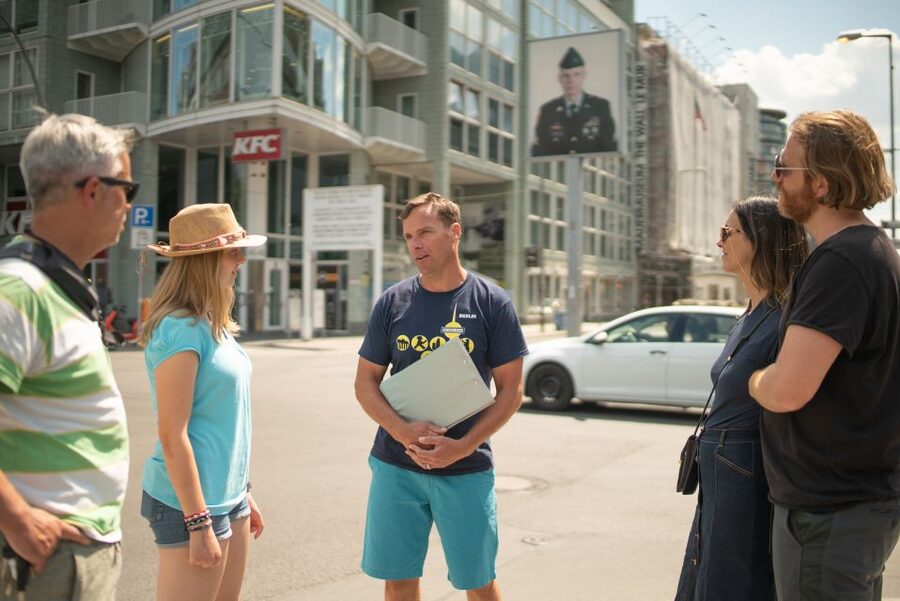
Checkpoint Charlie receives a photo stop and roughly 10 minutes of guiding. The name is famous, but the setting can be surprising. Modern Berlin surrounds the former crossing, and the tourist activity around the site can make it hard to picture the tension that once defined it.
This is where the guide’s historical framing matters most. You can learn how East and West met here, how the crossing functioned, and why the area became a symbol of the divided city. The tour also covers Cold War espionage and daring escape attempts.
I like this stop because it shifts the story from political decisions to personal risk. The Berlin Wall was not just a line on a map. It affected where people could work, visit family, or build a life. Stories of escape help you grasp the pressure behind the concrete.
Allow time for a photo, but do not expect a preserved border complex on the scale of a museum. Checkpoint Charlie is best understood as a historic location within a changed city, not as an untouched Cold War scene.
Touching the Berlin Wall
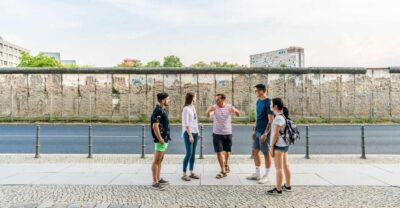
The Berlin Wall stop includes a photo opportunity and about 10 minutes of explanation. The tour promises a chance to touch the Wall, a small physical moment that can make an abstract political story feel real.
The guide connects the Wall to the rise and fall of East and West Berlin, including escape attempts and the eventual transformation of the divided city into a united capital. That movement from separation to reunification is the central thread of the day.
You may find the Wall’s surviving pieces less extensive than expected. Much of Berlin has changed, and the city does not present one continuous barrier through the center. That is precisely why a guide helps. You learn to read the gaps and understand how the Wall once cut through streets, neighborhoods, and ordinary routines.
Wear shoes with reliable soles. The tour includes frequent stops, but you are still walking between several major areas.
Hitler’s bunker and the limits of visible history
The stop at Hitler’s bunker lasts about 10 minutes and includes a photo pause. The bunker itself is not presented as a grand underground attraction. The site is associated with an ordinary modern setting, and the lack of a dramatic structure can be part of the lesson.
Here, the guide explains the final days of the Nazi regime and the physical history of the bunker site. It is a sobering stop, and a responsible guide keeps the focus on historical understanding rather than spectacle.
This is one place where a live explanation adds real value. Without context, you could easily walk past and miss the location entirely. The tour shows how Berlin deals with difficult places without turning them into shrines.
The bunker stop also prepares you for the next major pause, the Memorial for the Murdered Jews of Europe. Together, they give you a clearer sense of how the city remembers Nazi crimes.
The Holocaust Memorial and a quiet change of pace
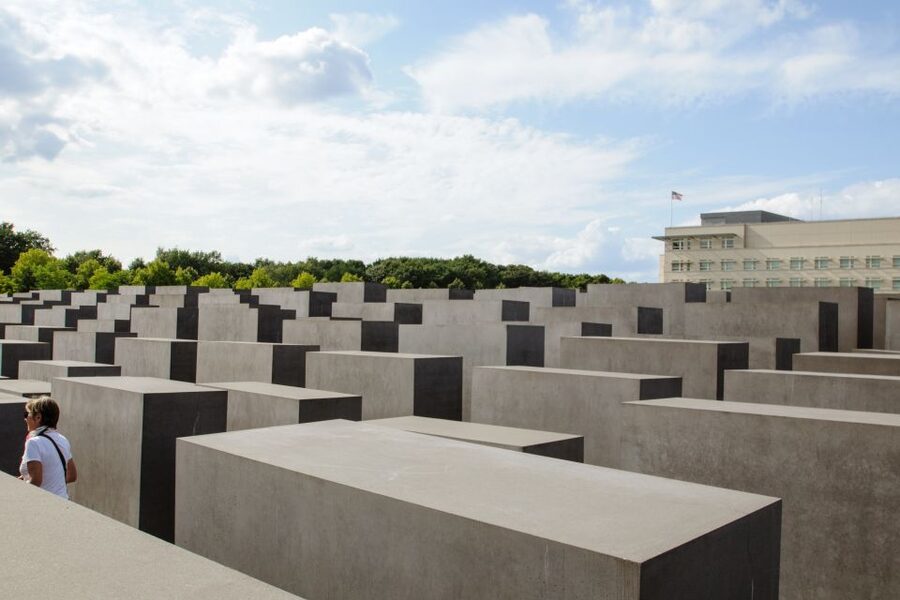
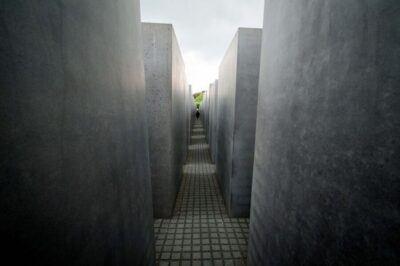
The tour then reaches the Memorial for the Murdered Jews of Europe, with about 15 minutes for guiding and photos. The field of concrete stelae is deliberately disorienting, and it does not offer a single simple message.
You should take your time moving through it, even if the formal tour stop is limited. The memorial rewards silence and personal thought as much as spoken explanation. A guide can explain its purpose and design, but no description replaces walking among the blocks yourself.
This stop may be emotionally heavy. That is not a flaw, but it is worth knowing before you book a route focused on Berlin’s darkest periods. The tour handles several difficult subjects in one morning or afternoon, so families and younger children may appreciate a guide who can adjust the level of detail.
One guide, Hannah, is especially praised for making history clear and reflective while keeping children aged 10 and 12 engaged. That suggests this tour can work for families, provided everyone is comfortable with serious material.
Reichstag and the return of the capital
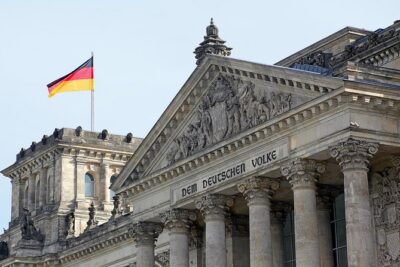
The Reichstag is a photo stop with around 10 minutes of commentary. The building represents the German parliament, but its meaning comes from the layers around it: imperial government, wartime damage, division, and the return of national government to Berlin.
You will view the building from outside during this walking tour. Admission to the dome is not included, so arrange a separate visit if that is important to you. The outdoor stop still gives you a strong position for photographs and a chance to discuss Berlin’s role as Germany’s united capital.
This is where the tour’s overall structure pays off. You have already heard about dictatorship and division. Now you see a working symbol of present-day government in a city that has repeatedly changed its political role.
Brandenburg Gate and Pariser Platz
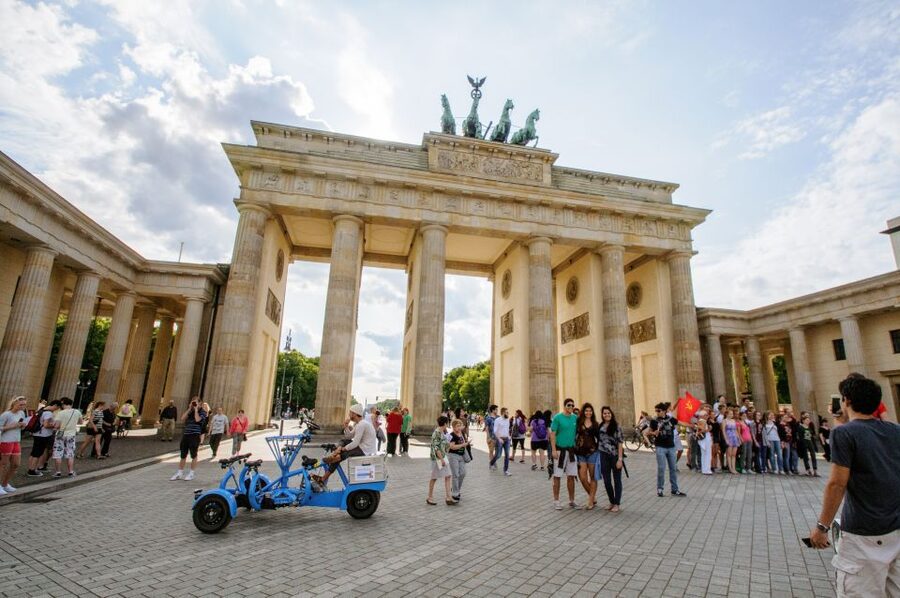
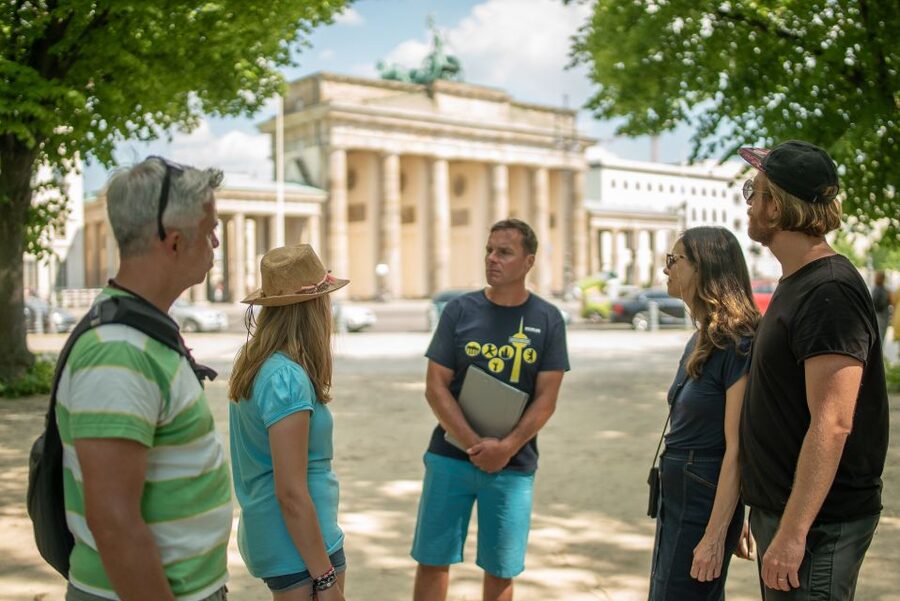
The final major stop is the Brandenburg Gate, with about 10 minutes for guiding and photos. Few Berlin sights carry so many associations. It was once a royal gateway, later a symbol of division, and eventually an image of reunification.
Walking through the gate is more meaningful after visiting the Wall, Checkpoint Charlie, and the former border area. You can see it not just as a handsome landmark, but as a marker of Berlin’s return to unity.
The surrounding Pariser Platz is also listed as a drop-off location. Depending on your selected option, the activity is described as ending back at the original meeting point, so check the exact end point before planning your next appointment.
The tour’s finish is well chosen. After three hours of political upheaval, memorials, and border stories, you arrive at a landmark that represents a city looking forward without pretending the past never happened.
Guides, language, and the human touch
The guide can make or break a history walk, and this experience gives you a strong range of languages: English, German, and Spanish. The guides are local to Berlin, and the feedback attached to the experience repeatedly highlights their personal delivery.
Hannah is praised for warmth, humor, clear explanations, and useful suggestions for the rest of a Berlin stay. Daniel is noted for being entertaining, polite, and attentive, with one tour running beyond the planned time because the group remained interested. Xavier receives similar praise for his personality, historical detail, and willingness to answer questions.
Tina is described as passionate and generous with advice about restaurants, bars, and transport. Ru is appreciated for tying different eras together and offering local recommendations. Maria, Rohan, Giles, Glen, Emma, Paul, Natalie, Arte, and others are also praised for making the material approachable.
That range matters because this is a story-heavy tour. You are not paying for transport or entry to a building. You are paying for the guide’s ability to explain what you are seeing, answer questions, and keep the group moving at a sensible pace.
Price, pace, and who will enjoy it
At $17 per person, this is a strong-value introduction to central Berlin. You get a three-hour guided walk covering a long list of major sites, with no separate admission fees required for the route itself.
The tradeoff is time. Ten minutes at one site is enough for an explanation and a few photographs, but not enough for a full personal visit. I would use this tour on your first day, then return to the places that catch your attention. Several guides also give practical suggestions for what to do next, which makes the timing especially useful at the start of a stay.
Choose it if you want:
- A broad first look at Berlin’s central sights
- Clear explanations of Nazi and Cold War history
- A guide who can answer questions in English, German, or Spanish
- A budget-friendly way to get your bearings
- A walking route suitable for private or small-group arrangements
Think twice if you dislike long walks, serious historical subjects, or a brisk schedule. Wheelchair access is available, but the tour still covers several city-center locations, so confirm that the selected route suits your needs.
Bring comfortable shoes and a camera. Water and weather protection are sensible choices. Alcohol and drugs are not allowed, and the activity runs in all weather.
Should you book the Berlin highlights walk?
Yes, if you want the main story of Berlin in one well-priced outing. The route gives you the city’s essential landmarks, but its real strength is the connection between them: royal capital, Nazi dictatorship, Cold War division, reunification, and modern government.
I would book it early in your stay, especially if this is your first visit. You will leave with a better map of central Berlin and a short list of places worth revisiting, perhaps Bebelplatz, Museum Island, or the Holocaust Memorial.
Book a private option if you want hotel pickup and more control over the pace. Choose the standard or small-group experience if you want the best value. Either way, go prepared to walk, listen carefully, and accept that Berlin’s most important sights are not always its prettiest ones.
FAQ
How long does the Berlin walking tour last?
The tour lasts three hours. Starting times depend on availability and the option you select.
Where does the regular tour meet?
Meet outside Friedrichstrasse train station, on the square beside the Traenenpalast, or Palace of Tears, at Reichstagufer 17, 10117 Berlin. Guides carry yellow umbrellas.
Which languages are available?
Live guiding is available in English, German, and Spanish.
Does the tour include hotel pickup?
Hotel pickup is available if you choose the private option. You should wait in your hotel lobby five minutes before the scheduled pickup time, and the guide will wear a yellow name tag.
Is the walking tour wheelchair accessible?
Yes, the activity is listed as wheelchair accessible.
What happens if it rains?
The tour operates every day, rain or shine. Bring suitable weather protection and wear comfortable shoes.
Just added around Berlin
- Love and War in Berlin: Self-Guided Story Puzzle Walk★ 5.0 · 7 reviews
- Rickshaw Tours Berlin – Groups of up to 16 people with several rickshaws★ 4.0 · 97 reviews
- Walking on the Wall: 3-Hour Tour in Berlin★ 4.5 · 34 reviews
- eSIM for Germany and 34 European Countries★ 4.5 · 16 reviews
- Warnemuende Shore Excursion: Berlin Private Sightseeing Tour from Rostock★ 5.0 · 4 reviews
- Your ticket to The Wall Museum Berlin★ 3.0 · 60 reviews
- Warnemuende Shore Excursion: Private Berlin Tour★ 4.5 · 27 reviews
- Berlin’s Gay, Lesbian, and Queer Scene Small-Group Walking Tour★ 4.5 · 66 reviews
Walking Tours, compared.
Berlin’s Best: 2 Hour Walking Tour Third Reich and the Cold War
Read our review →