
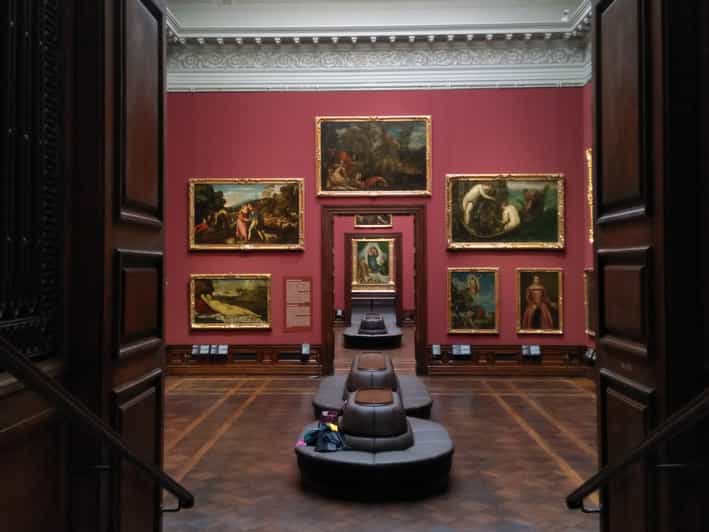
Reviewed · MUSEUM & GALLERY TICKETS
Dresden: Ticket + Tour Gallery Old Masters
The best part of this Dresden tour is that it treats paintings as physical objects, not just famous names on a wall. You’ll study Raphael, Titian, Giorgione, Rembrandt, and other Old Masters while seeing X-ray images and touching samples of historic pigments. I like the clear five-painting introduction, which helps you learn how to look before the tour asks you to tackle major masterpieces.
I also like the way the guide connects paintings across artists and centuries. Thomas, one guide praised for his humor and clear explanations, linked different painters in ways that made the art easier to understand. The main drawback is simple: the tour is in German only, and the exact paintings can change if a work is being restored or loaned elsewhere.
In This Review
- Key points to know before booking
- Why this Old Masters tour feels different
- Starting in the gallery cloakroom
- Five paintings that teach you how to look
- Raphael’s Madonna and the language of religious art
- Titian, Giorgione, and the Dresden Sleeping Venus
- Pigments, gold, and the science behind the surface
- What the two-hour pace is like
- The German-language question matters
- Is $44 good value?
- Who should book this Dresden art tour?
- Should you book the Old Masters Gallery tour?
- FAQ
- Where does the tour begin?
- How early should I arrive?
- How long does the tour last?
- Is admission to the gallery included?
- What language is the tour in?
- Can I see every painting named in the description?
- Can I bring luggage or a large bag?
- Is the activity wheelchair accessible?
- Where does the tour finish?
Key points to know before booking
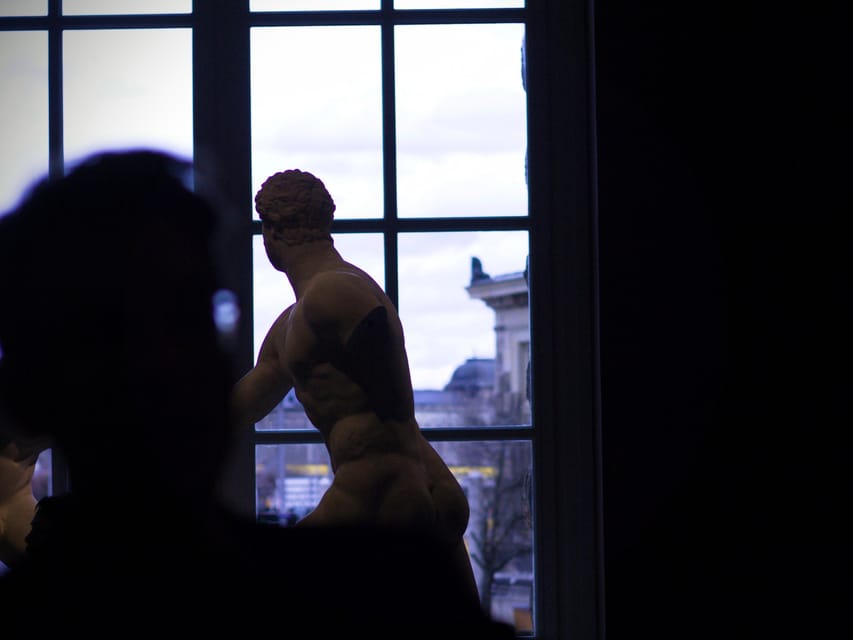
- X-rays reveal hidden work: See paintings from the inside, including the Dresden Sleeping Venus.
- Five quick examples come first: Learn basic ways to read art before spending longer with major works.
- The focus goes beyond famous names: Gold-ground panels, early oil paintings, pigments, videos, and digital images add useful context.
- Raphael’s Madonna gets close attention: The tour explains both the image and the reasons behind its creation.
- Thomas has earned special praise: His lively, well-informed approach connects artists and ideas clearly.
- German is the only tour language: Choose this experience only if you can follow an art-history discussion in German.
Why this Old Masters tour feels different
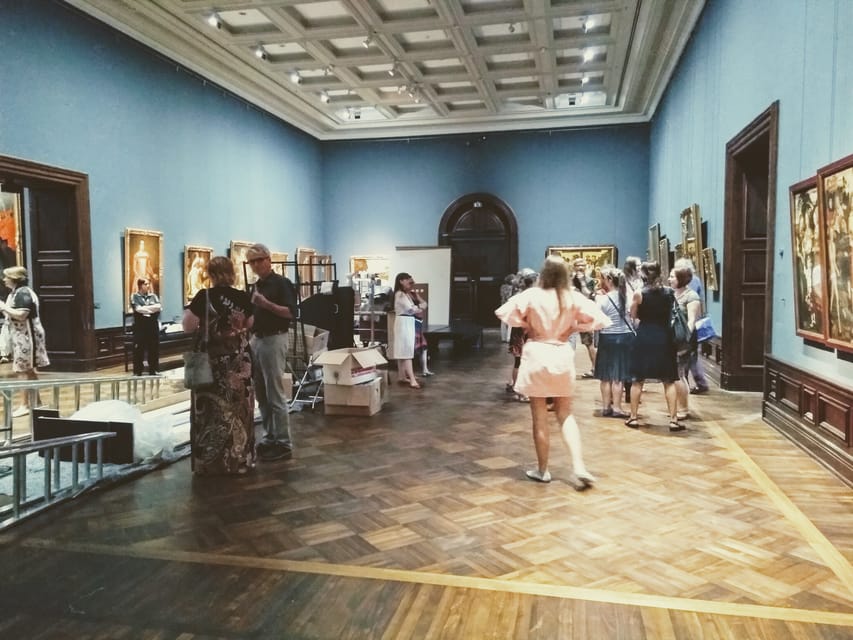
Dresden’s Old Masters Picture Gallery contains paintings that can intimidate you. You may recognize the names, but recognition alone does not explain why a work matters, how it was built, or what you should notice first.
This two-hour tour gives you a method. It begins with a short orientation to the building, the collection, and the basic idea of classic art. You then look at five paintings for only a few minutes each. That quick sequence matters because each work represents a different type or category, giving you a visual toolkit before the tour slows down.
I like this approach for anyone who has ever entered a major gallery and wondered where to begin. Instead of standing in front of a famous painting and waiting for inspiration, you learn to look for subject, technique, materials, symbols, and choices made by the artist.
The tour is also unusual because it does not stop at visual appearance. You may see digital images, videos, X-rays, and samples of rare historic color pigments. These tools explain the mechanics that a finished painting keeps hidden. A picture can show you a saint, a landscape, or a sleeping figure, but it cannot by itself tell you how the artist prepared the surface or changed the composition. This tour tries to fill in those blanks.
More Museum & Gallery Tickets in Dresden
- Dresden: Church of Our Lady Guided Tour of Gallery
★ 4.7 · 2,421 reviews - Dresden: Zwinger Museum Entry Ticket
★ 4.7 · 1,436 reviews - Dresden: Guided Walking Tour and Chocolate Museum Ticket
★ 4.5 · 385 reviews
Starting in the gallery cloakroom
The meeting point is inside the Old Masters Picture Gallery. Your guide waits in the cloakroom, downstairs from the ticket point. From the ticket area, take a right through the door, then use the stairs on the right.
Arrive about 10 minutes early. That small buffer gives you time to find the cloakroom and settle in without rushing. Admission is included, and the activity offers skip-the-ticket-line access, so you are not buying a separate gallery entry for the tour.
Leave luggage and large bags elsewhere. They are not allowed on the activity. This is worth planning around if you are arriving in Dresden with a suitcase or a large daypack.
The tour ends back at the same meeting point, which keeps the logistics easy. You do not need to arrange transport between sections of the experience. The gallery is both the start and finish.
Five paintings that teach you how to look
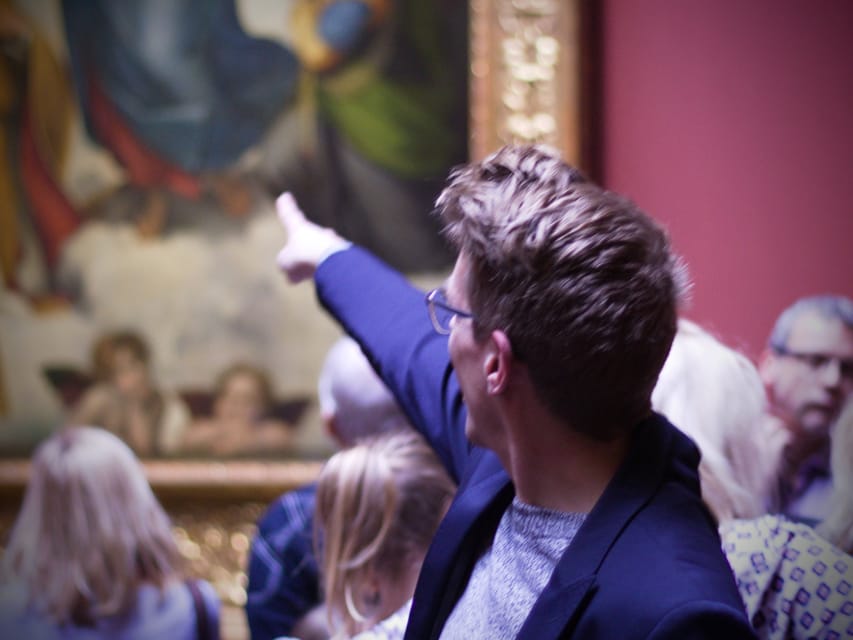
The opening section uses five paintings as a short lesson in visual reading. You spend only a couple of minutes with each one, so this is not the time for long explanations of every brushstroke. Instead, the guide sets up broad ideas that will help you later.
This opening may include works connected with Botticelli, Raphael, Jan van Eyck, Rembrandt, and Vermeer. You may also see some of the earliest paintings made with oil paint, along with works that use gold. Those materials alone can change how you understand a picture.
Gold, for example, is not simply a bright color. In religious art, it can create a setting outside ordinary earthly space. Early oil paint brings another set of questions about layering, surface, light, and the ability to create fine detail. The guide uses such examples to show that a painting is both an image and a crafted object.
The five-work format also prevents the first part from becoming too heavy. You are not expected to remember a long list of dates or names. You are learning a handful of practical questions: What is the painting trying to do? How has the artist directed your eye? What materials and techniques help create its effect?
I find this especially useful if you are new to art museums. You do not need a degree in art history to benefit. The information is designed to be understandable, with scientific points explained in a light, accessible way.
Raphael’s Madonna and the language of religious art
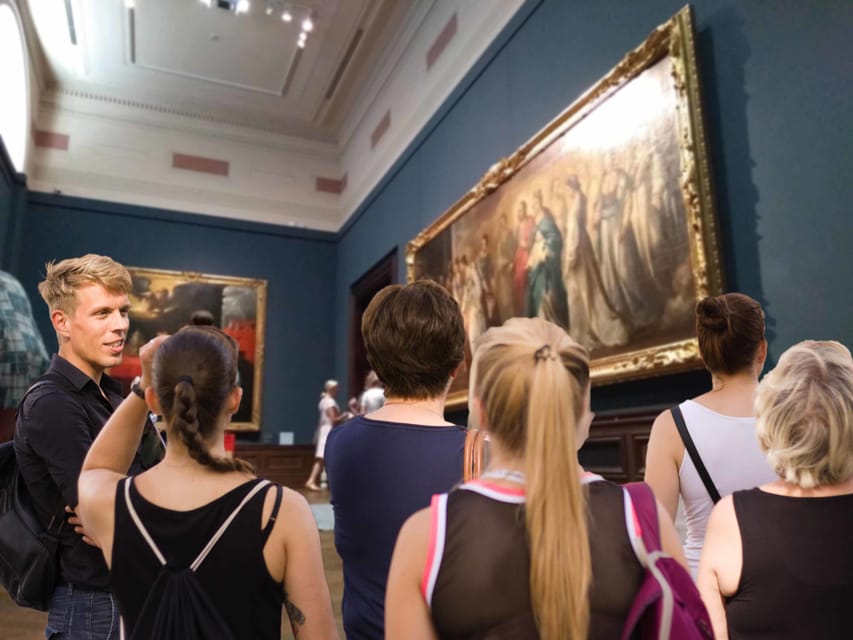
Once the basic ideas are in place, the tour turns to religious paintings in greater detail. This is where the short introduction begins to pay off.
Religious art can seem hard to approach if you do not know its symbols or background. The guide explains how to spot important elements and how to read the choices made by the painter. A gesture, color, object, or arrangement of figures may carry meaning that is not obvious at first glance.
Raphael’s Madonna receives special attention. You look at the famous work not just as a beautiful image, but as a constructed scene with a purpose and a history. The guide explains why such a work was created and helps you appreciate its technical and artistic decisions.
This is one of the strongest reasons to book the tour instead of walking through the gallery alone. You can certainly admire Raphael without a guide, but a focused explanation can turn passive viewing into active looking. You begin to notice how a painting guides your attention and how the figures relate to one another.
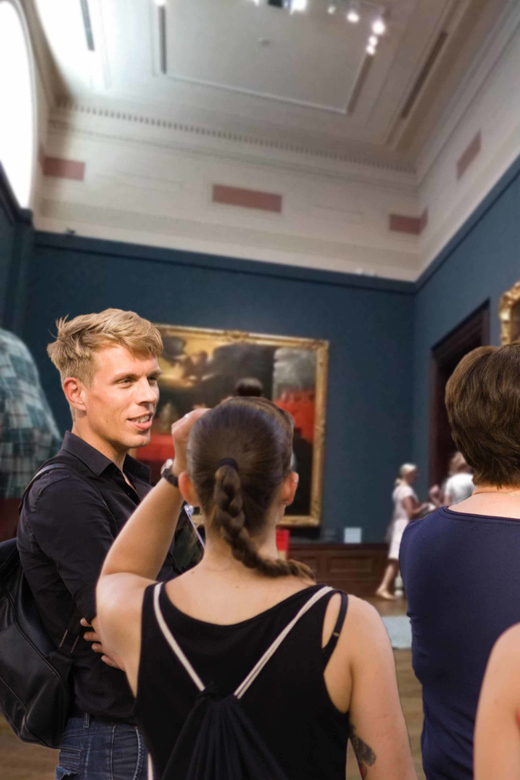
Thomas was singled out for making this material both educational and interesting. His approach included links among different Old Masters, which helped place individual works within a wider development of art. That kind of connection is more useful than a string of isolated facts.
Same city, a completely different kind of day:
- Dresden: Semperoper Tickets and Guided Tour
★ 4.7 · 12,102 reviews - Dresden: The Original Night Watchman Tour in Lantern Light
★ 4.6 · 6,653 reviews - Dresden: Semperoper and Old Town Tour
★ 4.8 · 5,735 reviews - Dresden: River Sightseeing Boat Cruise
★ 4.3 · 5,323 reviews
Titian, Giorgione, and the Dresden Sleeping Venus
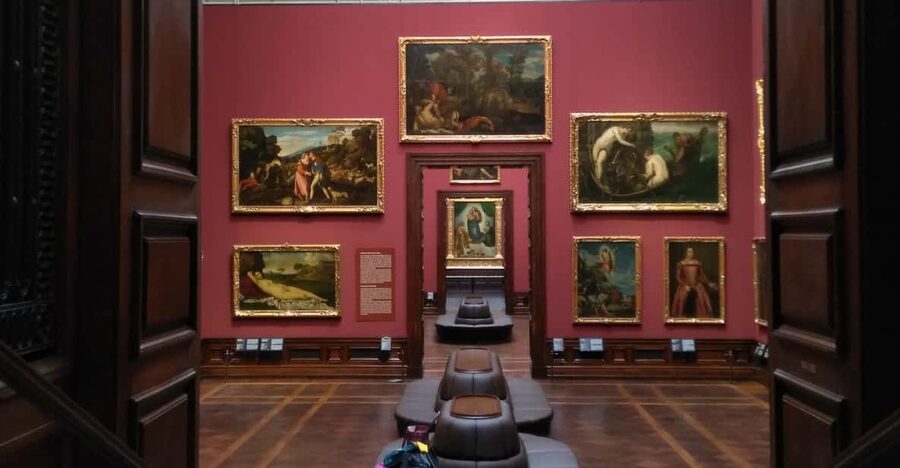
The tour then brings you to two major Renaissance painters, Titian and Giorgione. Their work gives the guide a chance to discuss artistic influence, subject matter, and the changing treatment of the human figure.
The centerpiece here is the Dresden Sleeping Venus. It is described as the first and finest nude painting of a woman in modern art, a claim that signals the importance of the work within the tour. You do not simply hear that it is famous. You learn about the background of the painting and why its image was so significant.
The X-ray material is a real advantage. Seeing inside the painting lets you compare the finished image with evidence of what lies beneath the surface. You may see changes made during the process, which helps explain that a celebrated painting was not necessarily fixed from the first stroke.
This kind of evidence gives the tour a practical edge. Art history can sometimes feel like a parade of names and dates. X-rays bring you back to the workbench. They show decisions, revisions, and physical layers that your eyes cannot normally detect.
The subject matter also makes this section memorable. The Sleeping Venus is not presented only as a nude figure, but as a work shaped by its artistic setting and visual tradition. The guide uses it to explain why the painting surprised viewers and why it remains important.
Do keep expectations realistic. The gallery has the final say over what is on display. A painting may be away for restoration, loaned to another museum, or temporarily removed. The guide can replace it with equivalent or additional works, but no tour can promise that every named masterpiece will be available on your date.
Pigments, gold, and the science behind the surface
Many museum tours focus on stories and style. This one adds materials science in a way that should appeal to curious minds.
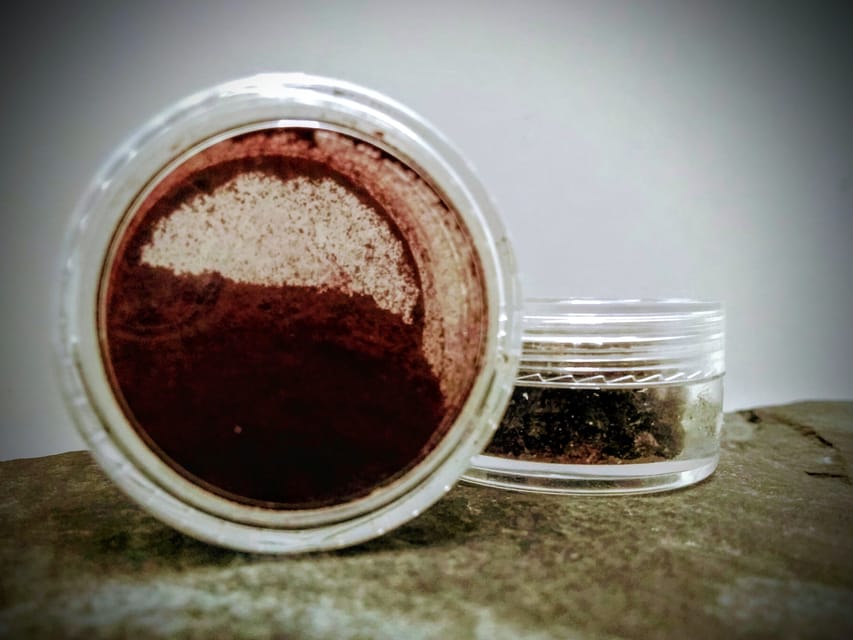
You can touch samples of rare historic color pigments. That small physical element makes the subject less abstract. Instead of hearing only that a pigment was unusual or costly, you get a more direct sense of the material itself.
The tour also covers works made with gold and the earliest oil paintings. These examples help you understand how resources and technique affected what artists could produce. A surface made with gold behaves differently from one built with oil, and each material changes the way light works on the image.
Digital imagery and videos support the explanations. They are especially useful when the guide needs to show something that cannot be viewed directly in the gallery. An X-ray, close-up, or technical image can reveal information that is easy to miss from a normal viewing distance.
I appreciate that these details are used to make art easier, not to make the tour sound more scholarly than it needs to be. The stated aim is entertainment and understanding at the same time. Based on the format, you should expect a lively lesson rather than a silent, solemn march from painting to painting.
What the two-hour pace is like
Two hours is long enough to give several major works proper attention, but short enough to fit into a busy Dresden day. The program moves from orientation, to quick examples, to more detailed study of religious art and Renaissance masterpieces.
The pace will not suit everyone. If you want to linger privately with each painting, a guided visit may feel brisk. The first five works receive only a few minutes each, and the later sections follow the guide’s chosen route rather than your own.
For me, the tradeoff makes sense. A large gallery can swallow an entire day, and many visitors leave having seen plenty but understood little. This tour gives you a framework, then leaves you free to return to the collection on your own if you have time and interest.
One useful option is to treat the tour as an introduction rather than your entire museum visit. Afterward, you can revisit the paintings that caught your attention. The tour’s lessons about symbols, materials, and technique will still be fresh.
The activity is listed as wheelchair accessible. Since the meeting point is in the cloakroom downstairs from the ticket point, confirm any access details when booking if you need a specific route through the building.
The German-language question matters
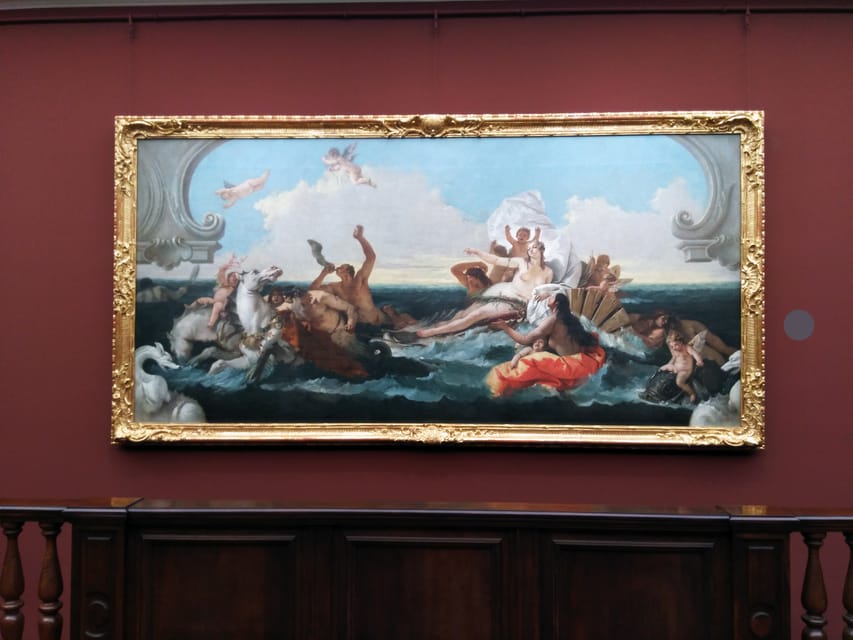
This experience takes place in German only. That is not a minor detail. The value comes from spoken explanations, quick comparisons, humor, and technical ideas, so limited German may make it hard to follow.
If you understand German well enough for an art-history discussion, the format could be a strong choice. You will get more from the jokes, connections, and explanations than you would from simply reading labels.
If you do not speak German, choose a different visit or confirm that another language option exists before paying. The tour does not list English, and there is no promise of translation or written support.
The guide makes a real difference. Thomas has been praised for a lively presentation, strong knowledge of art and art history, and clear connections among painters. Another guide may lead your date, so treat Thomas as an example of the level of presentation you can hope for, not a guarantee.
Is $44 good value?
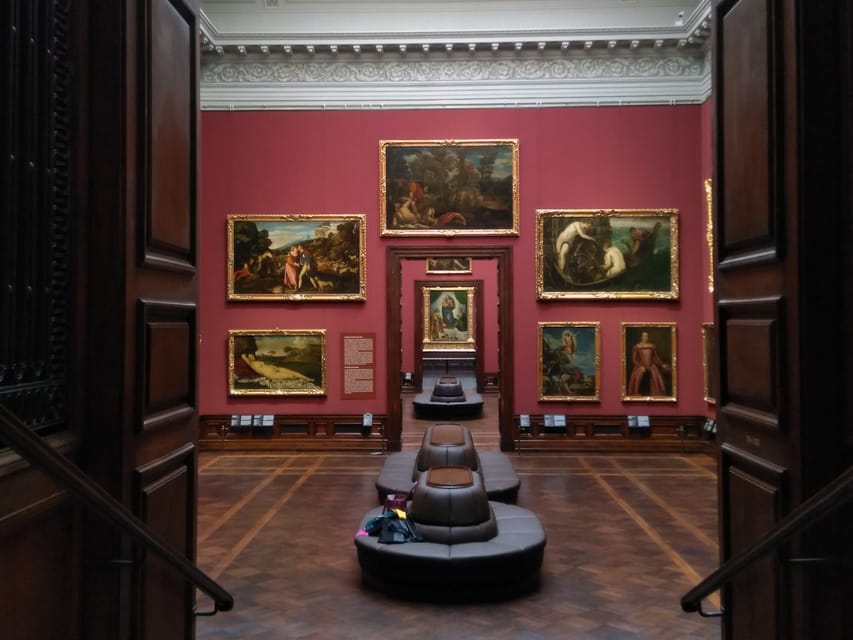
At $44 per person, the price includes gallery admission, license fees, and the two-hour German-speaking tour. The key question is not just the entry ticket. It is how much you value having someone explain the works, materials, and hidden evidence as you look at them.
I consider the price reasonable for someone who wants a focused introduction to major paintings. The X-rays, pigment samples, digital images, and videos add material that a standard self-guided visit may not provide. The skip-the-ticket-line access also saves a bit of time.
The value drops if you already know the gallery well or prefer to set your own pace. You may want to spend an hour with one painting, browse lesser-known works, or read labels quietly. A fixed two-hour route will limit that freedom.
The high rating and repeated praise for guides such as Thomas point to the importance of presentation. You are paying for interpretation, not only access. If the guide explains clearly and makes the connections work, the cost is easier to justify.
You can reserve now and pay later, and cancellation is free up to 24 hours before the activity for a full refund. Those terms help if your Dresden plans are still shifting.
Who should book this Dresden art tour?
I would recommend it to:
- First-time visitors who want a clear way into Old Master painting
- People who enjoy seeing how art is made, not only what it depicts
- Museum visitors interested in X-rays, pigments, gold, and early oil technique
- German speakers who want a lively, guided gallery visit
- Anyone who wants major works explained within connections among artists
I would hesitate to recommend it to anyone who does not understand German. I would also think twice if you dislike guided pacing or want a completely independent museum visit.
Families and mixed-experience groups may find the simple explanations helpful, though the tour’s suitability will depend on each person’s ability to follow German. Art students and serious enthusiasts may enjoy the technical material, but some may want more than two hours.
Should you book the Old Masters Gallery tour?
Book this tour if you want to understand why the paintings work, how they were made, and what details to look for. Raphael’s Madonna, the Titian and Giorgione section, and the X-ray study of the Sleeping Venus give the visit a strong core, while pigments, gold, early oil painting, and digital material keep it from becoming a standard name-and-date tour.
Skip it if you need English, want to wander freely, or cannot accept that a particular painting may be off display. For German-speaking visitors, though, $44 buys more than entry: it gives you a practical set of tools for seeing Dresden’s Old Masters with sharper eyes.
FAQ
Where does the tour begin?
The tour begins in the cloakroom of the Old Masters Picture Gallery. Go downstairs from the ticket point by taking a right through the door, then using the stairs on the right-hand side.
How early should I arrive?
Arrive about 10 minutes before the activity starts.
How long does the tour last?
The guided tour lasts two hours. Starting times vary, so check availability when booking.
Is admission to the gallery included?
Yes. Gallery admission, license fees, and the German-speaking guide are included.
What language is the tour in?
The tour is in German only.
Can I see every painting named in the description?
No particular painting can be guaranteed. The museum may remove works for restoration, keep them off display, or loan them to another museum. The guide can add equivalent or additional works according to the current museum situation.
Can I bring luggage or a large bag?
No. Luggage and large bags are not allowed.
Is the activity wheelchair accessible?
Yes, the activity is listed as wheelchair accessible.
Where does the tour finish?
The tour ends back at the Old Masters Picture Gallery meeting point.
More Museums in Dresden
- Dresden: Dresden Transport Museum Entrance Ticket
★ 4.6 · 189 reviews - Dresden: Albertinum Museum Entry Ticket
★ 4.5 · 149 reviews - Dresden: Semperoper and Old Masters Picture Gallery
★ 4.5 · 91 reviews - Dresden: 2 day ticket for museums of the Dresden State Art Collections
★ 4.7 · 54 reviews
Just added around Dresden
- Test Drive Electric Vehicles from the VW brand (ID. model)★ 4.8 · 190 reviews
- SRF CoBi | City Tour by ConferenceBike★ 4.7 · 38 reviews
- Dresden: Scavenger Hunt to Elbe River & Castles★ 4.7 · 15 reviews
- Dresden: Bike Rental – City Bike with Option Children Seat★ 4.5 · 13 reviews
- Moritzburg: Scavenger Hunt Self-Guided Walking Tour★ 4.8 · 12 reviews
- Historical tour of the old town including a Saxon dinner★ 4.7 · 23 reviews
- Climb the mountains together with goats★ 4.8 · 8 reviews
- From Prague: Day trip to Dresden★ 4.3 · 4 reviews
Museum & Gallery Tickets, compared.




Skip-the-Line: Berlin Wall Museum at Checkpoint Charlie
Read our review →
Browse the lists this tour appears in