
Reviewed · MUSEUM & GALLERY TICKETS
Dresden: Albertinum Museum Entry Ticket
The Albertinum brings painting and sculpture together under one roof, moving from 19th-century Romanticism to contemporary work. You begin with Auguste Rodin’s The Thinker, then encounter Caspar David Friedrich, Wilhelm Lehmbruck, Birgit Diecker, and Tony Cragg. It is a strong choice if you want serious art without committing to a full-day museum visit.
I like the one-day flexibility, which lets you choose your own pace, and the broad time span, from Romanticism to art made in the present age. The main consideration is that this is an entry ticket, not a guided tour, so you will need to bring your own context or use the museum’s available information. Also check the museum website before going, since opening hours and temporary closures can change.
In This Review
- Key points at a glance
- Why the Albertinum makes a good Dresden art stop
- Beginning with Rodin’s The Thinker
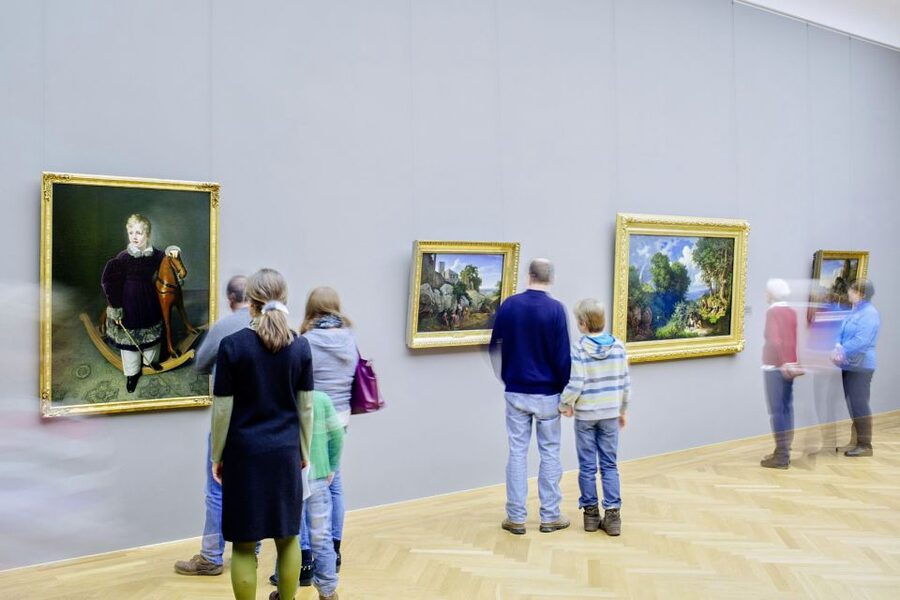
- Caspar David Friedrich and German Romantic painting
- From the Galerie Neue Meister to the sculpture collection
- Why the modern and contemporary works matter
- How much time should you allow?
- Planning around the April floor closure
- Is the $16 ticket good value?
- Who should book the Albertinum?
- Should you book this Dresden museum ticket?
- FAQ
- How long is the Albertinum ticket valid?
- What collections are included?
- Which famous artists can I see?
- Is The Thinker by Auguste Rodin included?
- Can children enter for free?
- Is the Albertinum wheelchair accessible?
- Can I cancel the ticket?
Key points at a glance
- Start with Rodin’s The Thinker: The first work in the route gives your visit an immediate focal point.
- See Caspar David Friedrich: His German Romantic paintings are among the museum’s major draws.
- Compare art across two collections: The Galerie Neue Meister focuses on painting, while the Skulpturensammlung covers sculpture from 1800 onward.
- Move from 19th-century art to today: The collection connects Romanticism, modernism, and contemporary practice.
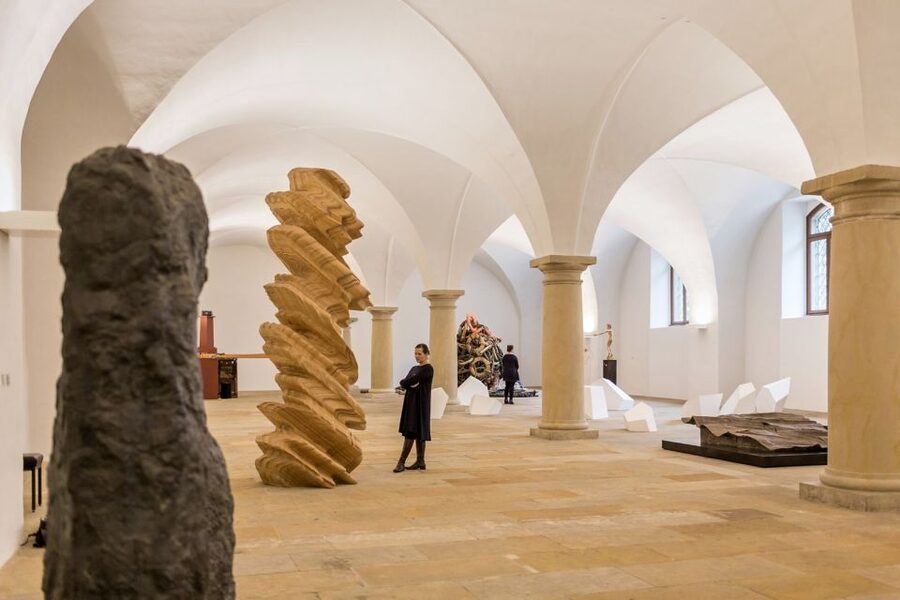
- Look for unusual modern materials: Tony Cragg’s stacked cube uses wood, fabric scraps, and loose-leaf binders.
- Plan around the floor closure: The second floor is closed from April 7 through April 17 for technical construction work.
Why the Albertinum makes a good Dresden art stop
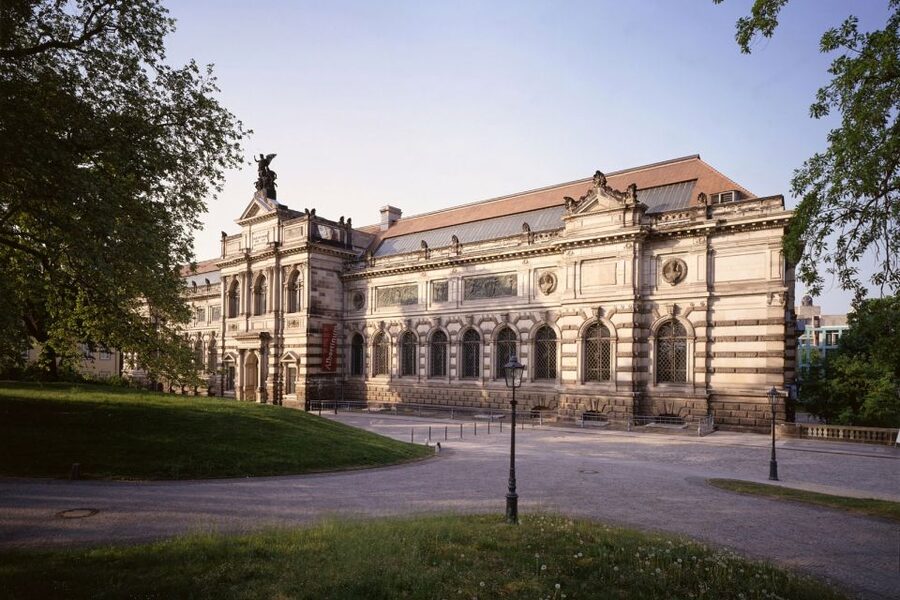
The Albertinum is a useful museum for anyone who wants more than Dresden’s royal and Baroque sights. Its focus is modern art by museum standards, beginning in the 19th century and continuing into the present. That means you can see the shift from Romantic painting to modern sculpture and contemporary installations in one visit.
I find that range especially helpful when you are not sure which period interests you most. You can begin with familiar names, such as Caspar David Friedrich and Auguste Rodin, then decide if you want to spend more time with later artists and less traditional materials.
The museum’s central idea is the meeting of painting and sculpture. It also sets East and West, past and present, beside one another. You are not simply moving through a timeline of famous names. You are being asked to notice how artists changed the way they treated the human body, nature, space, and materials.
The ticket is priced at $16 per person. That is a reasonable cost if you plan to spend time with both collections, especially because the ticket remains valid for one day rather than forcing you into a short timed visit. It is less useful if you only want to glance at one famous painting and leave.
More Museum & Gallery Tickets in Dresden
- Dresden: Church of Our Lady Guided Tour of Gallery
★ 4.7 · 2,421 reviews - Dresden: Zwinger Museum Entry Ticket
★ 4.7 · 1,436 reviews - Dresden: Guided Walking Tour and Chocolate Museum Ticket
★ 4.5 · 385 reviews
Beginning with Rodin’s The Thinker
Your first major encounter is Auguste Rodin’s The Thinker. That opening matters because Rodin helped push sculpture toward the many artistic approaches that shaped the 20th century. His work can feel like a bridge between traditional figure sculpture and the looser, more experimental directions that follow.
Take a moment with the figure before moving on. The familiar pose is easy to recognize, but the museum’s placement gives you a useful starting point for thinking about the body as both subject and material. From there, the collection can be read as a series of changes in form, surface, and idea.
The Thinker is also a practical anchor for the visit. If you are traveling with someone who has limited time or patience for museums, you have an obvious first stop. If the rest of the collection catches your attention, you can continue. If not, you have still seen one of the Albertinum’s best-known works.
This is not a museum route with a guide explaining every room. You set the pace. That freedom works well for repeat museum visitors and for anyone who prefers to spend ten minutes with one work rather than move along with a group.
Caspar David Friedrich and German Romantic painting

Caspar David Friedrich is a major reason to choose this museum. His work is tied to German Romanticism, a period that gave nature, solitude, and personal feeling a central role in painting. The Albertinum lets you place his work within a broader collection rather than seeing it as an isolated masterpiece.
Friedrich’s paintings reward patience. You might first notice the setting or the atmosphere, but the real interest often comes from the relationship between the person and the natural world. His paintings can feel quiet and controlled, yet they invite questions about faith, distance, memory, and the limits of human knowledge.
For many people, this section will be the emotional center of the visit. If you are interested in German art, it gives you a direct connection to one of the country’s most important Romantic painters. If you normally prefer sculpture, Friedrich’s paintings provide a useful contrast before you return to three-dimensional work.
Do not rush this part simply because the museum continues into modern art. The shift in style is part of the pleasure. You can see how later artists moved away from the carefully composed Romantic image and began to challenge older ideas of beauty and representation.
From the Galerie Neue Meister to the sculpture collection
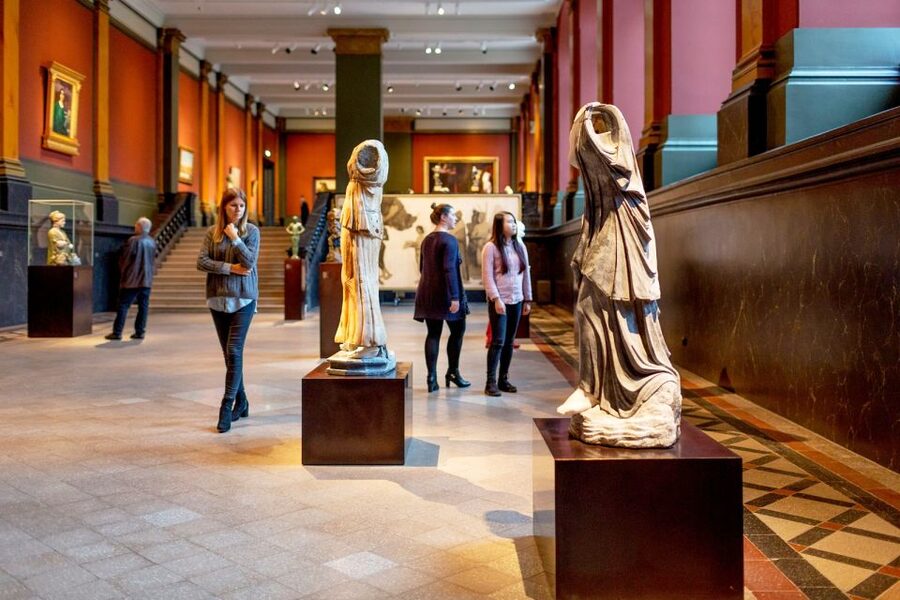
The Albertinum contains two main areas covered by this ticket. The Galerie Neue Meister presents painting from the 19th century through the present. The Skulpturensammlung focuses on sculpture from 1800 onward.
That division helps you compare the two forms. A painting controls the image within a flat surface. Sculpture occupies space and changes as you move around it. At the Albertinum, you can consider both approaches in the same museum visit.
Wilhelm Lehmbruck’s 1911 Kneeling Woman is an important stop in the sculpture collection. The date places it at a time when artists were moving away from strict academic realism. Look at how the figure’s pose and proportions communicate more than a simple study of the human body.
The sculpture collection also reaches beyond famous historical names. Birgit Diecker’s Seelenfänger introduces a later artistic language, while Tony Cragg’s mathematically stacked cube uses wood, fabric scraps, and loose-leaf binders. That choice of material is a useful reminder that contemporary sculpture does not need to be carved from stone or cast in bronze.
Cragg’s work may appeal to you if you like objects that make you look twice. At first, the cube suggests order and calculation. The mix of materials complicates that order. You begin to notice texture, weight, construction, and the difference between a clean geometric idea and the imperfect materials used to create it.
Same city, a completely different kind of day:
- Dresden: Semperoper Tickets and Guided Tour
★ 4.7 · 12,102 reviews - Dresden: The Original Night Watchman Tour in Lantern Light
★ 4.6 · 6,653 reviews - Dresden: Semperoper and Old Town Tour
★ 4.8 · 5,735 reviews - Dresden: River Sightseeing Boat Cruise
★ 4.3 · 5,323 reviews
Why the modern and contemporary works matter
The Albertinum is not only a place to see famous names. Its later works give the older collection a point of comparison. After looking at Romantic painting and early 20th-century sculpture, you can ask what artists kept, rejected, or changed.
Birgit Diecker’s Seelenfänger is one example of that later direction. The title and materials are enough to suggest a work that asks for interpretation rather than offering a single clear story. You may like that openness, or you may prefer the direct physical presence of Rodin and Lehmbruck.
That range is part of the value of the ticket. A museum devoted only to one period can be easier to understand, but it can also become predictable. Here, you move between recognizable artistic traditions and works that ask you to form your own response.
The Albertinum is particularly useful for a first look at modern and contemporary art because the older works give you a point of reference. You do not have to arrive with a full knowledge of 20th-century movements. You can notice practical changes first: solid figures become more abstract, familiar materials give way to everyday objects, and sculpture begins to focus as much on construction and ideas as on likeness.
How much time should you allow?
The ticket is valid for one day, but no fixed visit length is provided. That makes it best to think in terms of your own interest rather than a promised duration.
If you want to see the main highlights, begin with The Thinker, continue to Friedrich, and then choose a few sculpture stops such as Kneeling Woman, Seelenfänger, and Cragg’s stacked cube. If you read every label and spend time comparing works, you will need longer.
A short visit can work if the Albertinum is one stop among many in Dresden. The ticket is also useful when the weather turns poor or you need a quieter break from outdoor sightseeing. For a more serious art visit, give yourself enough time to move between the two collections without treating the museum as a checklist.
Comfortable shoes are a sensible choice. You will be walking through exhibition spaces, and the museum’s broad time span makes it tempting to stay longer than planned. A camera is also listed as something to bring, though you should follow the museum’s rules about photography in individual rooms.
Planning around the April floor closure
Technical construction work will close the second floor from April 7 through April 17. If your visit falls within those dates, check what is accessible before you pay, since the closure may affect the parts of the collection you most want to see.
Opening hours should also be checked on the local partner’s official museum website. The ticket information does not provide a fixed schedule, and museum hours can shift because of exhibitions, maintenance, or public holidays.
Children under 17 can enter the exhibition free when accompanied by an adult, but a child ticket should still be booked. That makes the museum easier to include in a family day, especially if the adults want to see Friedrich or Rodin while younger visitors focus on the striking shapes and materials of the sculpture collection.
The Albertinum is wheelchair accessible. That is useful practical information, but you should still confirm the current route if a floor is closed during your visit.
Is the $16 ticket good value?
At $16, the ticket offers good value when you plan to use the full museum rather than make a quick stop for one artwork. You get access to painting from Romanticism through contemporary periods and sculpture from 1800 onward, all within the same visit.
The strongest value comes from the range. A single ticket lets you compare Friedrich’s Romantic vision, Rodin’s powerful figure, Lehmbruck’s early modern sculpture, and later works by Diecker and Cragg. That is a wide artistic sweep for the price.
The value is weaker if you want a guided explanation of the collection. No guide or tour commentary is included. You will be exploring independently, so visitors who depend on expert narration may want to pair the visit with their own reading or a separate museum resource.
Flexible booking improves the deal for a changing itinerary. You can reserve now and pay later, and cancellation is free up to 24 hours in advance for a full refund. Those terms are helpful when your Dresden plans depend on weather, train schedules, or other museum visits.
Who should book the Albertinum?
I would recommend this ticket to you if you enjoy moving between well-known masterpieces and less familiar modern work. It suits people who want a museum with a clear artistic range, rather than a collection limited to one century or one medium.
It is also a good fit for:
- Visitors interested in Caspar David Friedrich and German Romanticism
- Art lovers who want both painting and sculpture
- People curious about the change from traditional figure sculpture to contemporary forms
- Families who value free entry for children under 17
- Independent museum visitors who prefer to set their own pace
- Dresden visitors who want a flexible indoor activity lasting as long as their interest holds
You may want to choose another experience if you need a guided tour, a fixed route with detailed commentary, or a museum focused mainly on older European art. The Albertinum asks you to make connections for yourself.
The overall rating is 4.5 out of 5 from 149 ratings, and the available written response is simply все понравилось, meaning everything was liked. That brief comment does not explain which gallery mattered most, so I would base your decision on the collection itself: Rodin, Friedrich, Lehmbruck, Diecker, and Cragg give you a strong mix of familiar and unexpected work.
Should you book this Dresden museum ticket?
Book it if you want a flexible, self-paced look at Dresden’s 19th-century, modern, and contemporary art. The combination of The Thinker, Caspar David Friedrich, and the sculpture collection gives the visit a clear backbone, while the later works keep it from feeling like a narrow survey of the past.
I would especially choose it on a first Dresden visit if you have a few hours for art and want more variety than a single-period museum can offer. Before booking, check the official opening hours and the April 7 through April 17 second-floor closure. If those details work for your dates, $16 is a fair price for the breadth of the collection.
FAQ
How long is the Albertinum ticket valid?
The ticket is valid for one day. No fixed visit duration is provided.
What collections are included?
Entry covers the Galerie Neue Meister, with painting from the 19th century to the present, and the Skulpturensammlung, with sculpture from 1800 onward.
Which famous artists can I see?
The collection includes works by Caspar David Friedrich, Auguste Rodin, Wilhelm Lehmbruck, Birgit Diecker, and Tony Cragg.
Is The Thinker by Auguste Rodin included?
Yes. The Thinker is described as the first work you will see at the Albertinum.
Can children enter for free?
Children under 17 can enter the exhibition free when accompanied by an adult. You should still book a child ticket.
Is the Albertinum wheelchair accessible?
Yes, the activity is wheelchair accessible.
Can I cancel the ticket?
Yes. You can cancel up to 24 hours in advance for a full refund. You can also reserve now and pay later.
More Museums in Dresden
- Dresden: Dresden Transport Museum Entrance Ticket
★ 4.6 · 189 reviews - Dresden: Ticket + Tour Gallery Old Masters
★ 5.0 · 107 reviews - Dresden: Semperoper and Old Masters Picture Gallery
★ 4.5 · 91 reviews - Dresden: 2 day ticket for museums of the Dresden State Art Collections
★ 4.7 · 54 reviews
Just added around Dresden
- Test Drive Electric Vehicles from the VW brand (ID. model)★ 4.8 · 190 reviews
- SRF CoBi | City Tour by ConferenceBike★ 4.7 · 38 reviews
- Dresden: Scavenger Hunt to Elbe River & Castles★ 4.7 · 15 reviews
- Dresden: Bike Rental – City Bike with Option Children Seat★ 4.5 · 13 reviews
- Moritzburg: Scavenger Hunt Self-Guided Walking Tour★ 4.8 · 12 reviews
- Historical tour of the old town including a Saxon dinner★ 4.7 · 23 reviews
- Climb the mountains together with goats★ 4.8 · 8 reviews
- From Prague: Day trip to Dresden★ 4.3 · 4 reviews
Museum & Gallery Tickets, compared.




Skip-the-Line: Berlin Wall Museum at Checkpoint Charlie
Read our review →
Browse the lists this tour appears in