Reviewed · WALKING TOURS
Berlin: Prenzlauer Berg District Guided Walking Tour
Prenzlauer Berg is best understood on foot, where a former working-class quarter, an East Berlin neighborhood, and one of the city’s trendiest addresses all meet in the same few streets. This 2.5-hour walk links the Jewish Cemetery on Schönhauser Allee, the Water Tower, Mauerpark, and several less obvious corners that are easy to miss on your own.
I like the way the tour connects architecture with social change, rather than treating the district as a collection of pretty streets. I also like that the guide leaves room for questions about Berlin’s politics, urban planning, daily life, and the area’s changing character. The main consideration is simple: this is a walking tour, not a food tour or museum visit, and the meeting point can vary with the option you book.
In This Review
- Key points
- Why Prenzlauer Berg works better on foot
- Schönhauser Allee and the district’s changing identity
- The Water Tower and Prenzlauer Berg’s older streets
- Kollwitzplatz and the feel of residential Prenzlauer Berg
- Mauerpark, from border zone to public gathering place
- Rykestraße Synagogue and Oderberger Straße pool
- What the guiding is like
- How much walking and time to allow
- Is $23 a fair price?
- Who should book this walk?
- My verdict on the Prenzlauer Berg walk
- FAQ
- Where does the Prenzlauer Berg walking tour take place?
- How long does the walking tour last?
- What languages are available?
- How much does the tour cost?
- What sights are included on the route?
- Is the Mauerpark flea market included?
- Are food and drinks included?
- Is a guide included?
- Can I cancel for a full refund?
- Do I have to pay when I book?
Key points
- Prenzlauer Berg’s divided character: See both sides of Schönhauser Allee and learn how the district changed from a rougher East Berlin quarter to a prosperous, popular neighborhood.
- Mauerpark and Bernauer Straße: Walk through a former border area now known for its Sunday flea market, live music, and open public space.
- Strong architectural range: Visit the Water Tower, Rykestraße Synagogue, Oderberger Straße pool, and Messel House.
- A guide-led local view: Guides such as Tobias bring history, architecture, urban planning, and current affairs into the conversation.
- Good value at $23: The price covers a live 2.5-hour walking tour, with no extra admission or meal included.
- Flexible booking: You can cancel up to 24 hours before the tour for a full refund, and reserve now while paying later.
Why Prenzlauer Berg works better on foot
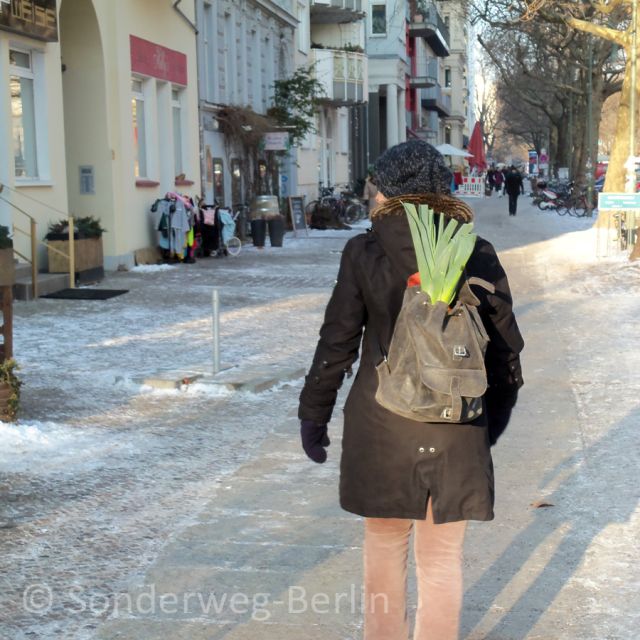
Prenzlauer Berg does not depend on one grand sight. Its appeal comes from how the streets fit together. A corner café, a broad avenue, a synagogue, an old industrial structure, and a former border zone can all appear within one walk.
That makes a guided stroll useful. You get the basic orientation quickly, but you also hear why the neighborhood looks the way it does. The tour explains the district’s long, often difficult past alongside its newer prosperity and diversity.
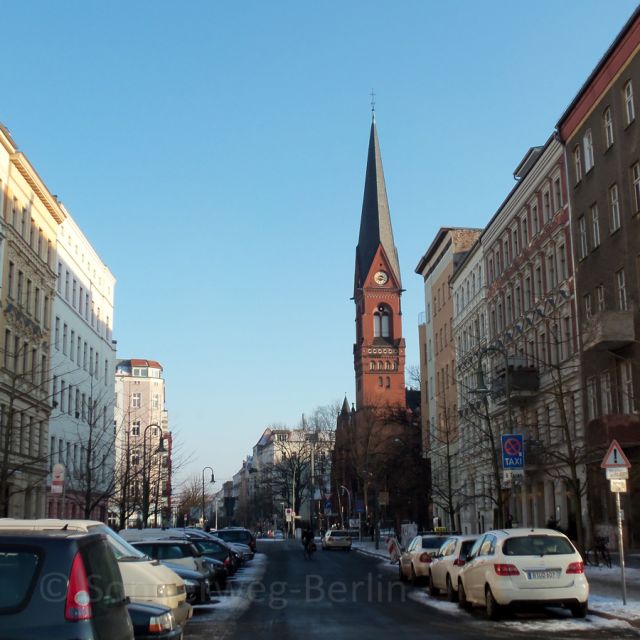
The route travels both east and west of Schönhauser Allee, the main street that helps organize this part of Berlin. That matters because the district is not one uniform postcard scene. Different streets and squares reveal different periods of its development.
I would choose this tour early in a Berlin visit if you want to understand the city beyond Museum Island and the Brandenburg Gate. It can also work late in a trip, especially if you have already seen the major sights and want something more local and slower paced.
A few more Berlin trips to weigh up
- Discover Berlin Half-Day Walking Tour
★ 5.0 · 9,624 reviews - Berlin: Third Reich and Cold War 2 Hour Walking Tour
★ 4.9 · 6,830 reviews - Berlin: Discover Berlin Walking Tour
★ 4.9 · 5,998 reviews
Schönhauser Allee and the district’s changing identity
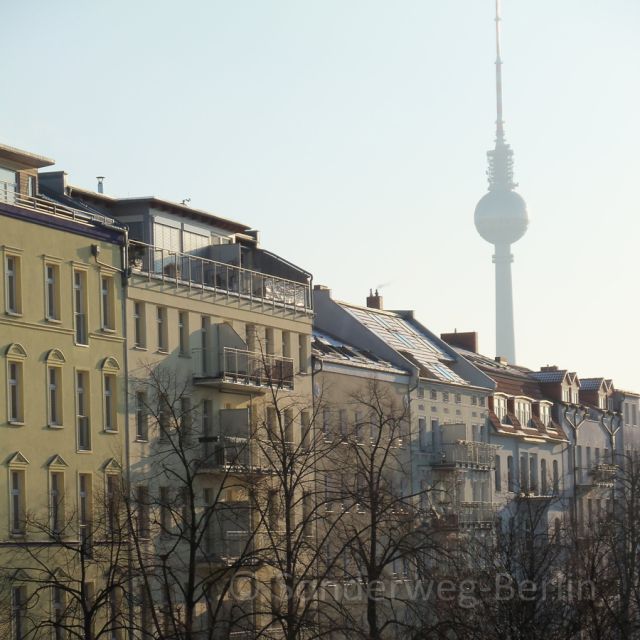
Schönhauser Allee is the backbone of the outing. Walking along it gives you a useful sense of scale and helps explain how the neighborhood connects its older past with its current popularity.
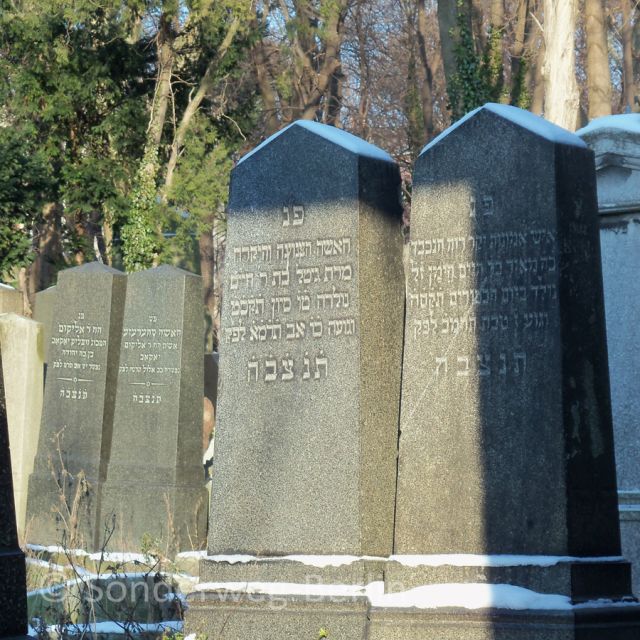
The route takes you to the Jewish Cemetery on Schönhauser Allee. This is one of the stops where a guide adds real value, because a cemetery is not always easy to understand from a quick look through the gate. The stop gives the walk a serious historical center and helps place Jewish life within Berlin’s wider story.
The tour does not treat history as a list of dates. Instead, it uses the streets and buildings around you to discuss the forces that shaped Prenzlauer Berg. That can include the area’s former character, the changes that came after German reunification, and the effects of new prosperity.
You should expect the guide to talk while walking and to pause at important buildings or sites. Past walks have included detailed answers on Berlin’s inhabitants, urban planning, politics, and everyday life. If those subjects interest you, make use of the question time. The walk is not just a fixed speech.
The Water Tower and Prenzlauer Berg’s older streets
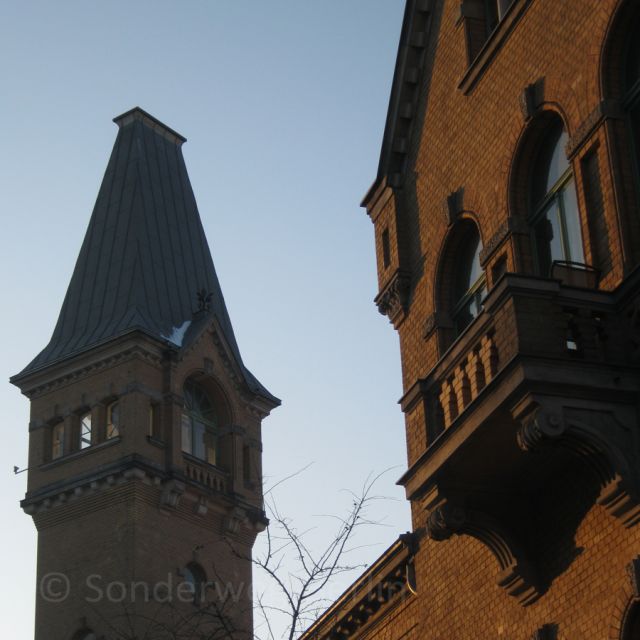
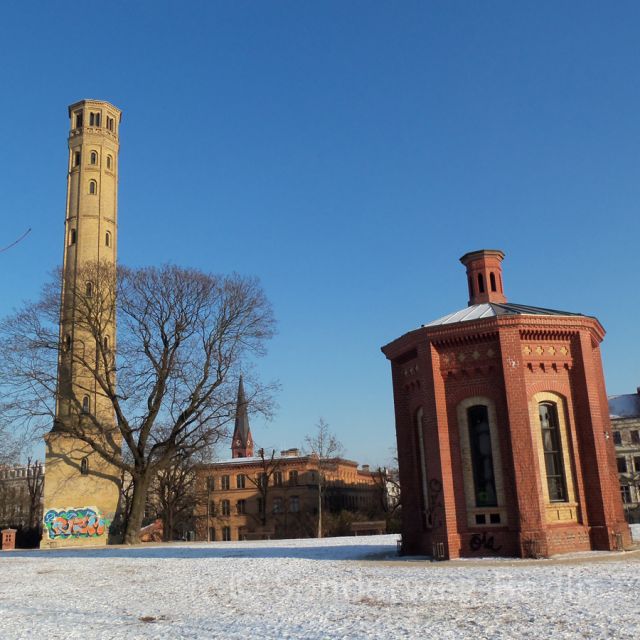
The Water Tower, or Wasserturm, is another clear landmark on the route. It gives you a physical point of reference as you move through the district and helps break up the long urban story with something easy to see and remember.
The Water Tower also fits the tour’s larger theme: Prenzlauer Berg has been reshaped, but it has not been wiped clean. Older structures remain part of daily life, even as shops, homes, and public spaces change around them.
This is a good place to pay attention to the guide’s explanation of how a neighborhood’s use can shift over time. A building or public space may have a practical past, a later period of decline, and a new role in a more prosperous district. The tour’s value comes from making those layers understandable.
The stop is not presented as a major interior attraction, so do not book this expecting a lengthy visit inside the Water Tower. Its importance here is architectural and historical, as part of the street-level story.
Kollwitzplatz and the feel of residential Prenzlauer Berg
Kollwitzplatz shows another side of the district. The square helps you see Prenzlauer Berg as a place where people live, not simply an area arranged for sightseeing.
The walk uses places such as Kollwitzplatz to explain the neighborhood’s more polished present. This is where the contrast with its former character becomes easier to notice. The area’s popularity has brought comfort and prosperity, but it has also changed the feel of the streets.
I find that kind of discussion more useful than a simple claim that the district is trendy. You get a chance to consider what that label means. A neighborhood can gain cafés, renovated buildings, and new residents while losing some of the rough edges that once made it distinctive.
The guide’s role is important here. A good explanation can help you see why a quiet square matters, even if it does not offer a single dramatic sight. You may also want to ask about how Prenzlauer Berg compares with other parts of Berlin. The tour is designed for that kind of conversation.
Same city, a completely different kind of day:
- Berlin: Reichstag, Dome and Government District Guided Tour
★ 4.7 · 18,288 reviews - Berlin: 1-Hour City Tour by Boat with Guaranteed Seating
★ 4.3 · 16,993 reviews - Berlin: Boat Tour Along the River Spree
★ 4.4 · 11,252 reviews - Berlin: Hop-on Hop-off Bus Tour with Live Commentary
★ 4.3 · 8,579 reviews
Mauerpark, from border zone to public gathering place
Mauerpark is one of the most recognizable stops. Its name points to the Berlin Wall, while its current identity comes from open space, the Sunday flea market, and live music shows.
The park is a useful reminder that Berlin often turns difficult history into public space without making the past disappear. The route along Bernauer Straße adds to that context, since this area is closely connected with the former border and the city’s division.
The park’s atmosphere depends on the day. Sunday is associated with the famous flea market and live performances, but the tour description does not promise that every feature will be operating at every starting time. If the market is important to you, check the day and time before booking.
Even without market activity, Mauerpark gives the tour a change of pace. After streets and buildings, you get an open area where Berliners gather, perform, browse, and spend time outdoors. That contrast helps explain why the park has become such a strong part of Prenzlauer Berg’s modern identity.
The walk continues along Bernauer Straße to the Messel House. This adds another architectural point to the route and keeps the tour from focusing only on the best-known park. You see how the story continues beyond Mauerpark.
Rykestraße Synagogue and Oderberger Straße pool
The grand synagogue on Rykestraße is one of the route’s most striking buildings. It adds another important layer to the district’s religious and cultural history and gives the walk a strong architectural stop.
The synagogue is especially useful in a tour that already visits the Jewish Cemetery. Together, these places help you see Jewish heritage as part of the neighborhood itself, not as an isolated subject discussed far away in a museum.
The route also includes the public pool on Oderberger Straße. This is exactly the sort of place that can pass unnoticed if you are walking without local context. Its inclusion shows the tour’s interest in everyday civic buildings, not only famous monuments.
A public pool may not sound like a major attraction, but it tells you something about the district’s social life and public services. It also helps balance the route. You move from solemn historical sites to buildings tied to ordinary urban life.
The tour’s strongest moments are likely to come from these connections. The guide can explain how architecture, public life, religion, and politics meet in a compact part of Berlin.
What the guiding is like
The guide is live and available in German or English. Tobias is specifically associated with this walk and has a background in museums and history, which suits a route built around architecture and local context.
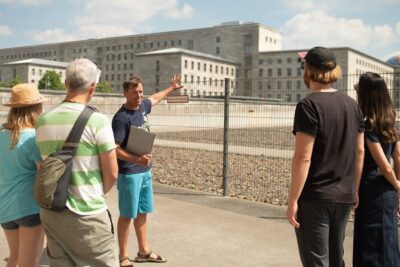
You should expect an informed, conversational style rather than a silent stroll between photo stops. Tobias has been praised for humor, clear explanations, and his ability to handle questions about Berlin beyond the immediate route.
Group size can vary. One past outing had around 40 people, while other departures were small enough to feel almost private. That difference matters. A large group can be less intimate, while a small group gives you more space to ask questions and shape the conversation.
The guide’s ability to manage a group is therefore part of the value. The walk has been handled successfully with both large and very small groups, but your exact experience will depend on the departure you book.
If you want a tightly scripted tour with no discussion, this may feel too open-ended. If you like asking why a neighborhood changed, who lives there now, or how Berlin’s past still affects daily life, the format should suit you well.
How much walking and time to allow
The tour lasts 2.5 hours. That is long enough to cover several parts of Prenzlauer Berg without turning into a full-day commitment.
You will be walking through streets, public spaces, and neighborhood areas rather than staying in one museum or building. Wear shoes you can comfortably use for a sustained city walk.
The relaxed pace is one of the practical strengths. You have time to stop at the Jewish Cemetery, Water Tower, Mauerpark, Messel House, Rykestraße Synagogue, and Oderberger Straße pool, while also hearing the wider story of the area.
Still, do not expect a short orientation lasting only an hour. If your day is already packed with museums and major monuments, the 2.5-hour route requires a real block of time. I would avoid placing it immediately before a timed attraction unless you leave plenty of room.
Food and drinks are not included. That keeps the price clear, but you should plan your own meal or café stop before or after the walk.
Is $23 a fair price?
At $23 per person, the tour is reasonably priced for a live, 2.5-hour guided experience in Berlin. You are paying for local explanation and route planning, not entrance tickets or a meal.
That distinction matters. If you mainly want to wander Mauerpark and Schönhauser Allee on your own, you can do so without paying for a guide. The fee becomes worthwhile when you want the connections between the Jewish Cemetery, Water Tower, former border area, synagogue, public pool, and changing neighborhood.
The value is also stronger if Berlin is new to you. You get an introduction to a district that may not receive as much attention as the city’s central landmarks. Repeat visitors can benefit too, especially if you want a more detailed look at urban change rather than another general city tour.
The booking terms add useful flexibility. You can reserve now and pay later, and cancellation up to 24 hours before the start allows a full refund. Starting times should be checked for your date, and the meeting point may vary depending on the option selected.
Who should book this walk?
I would recommend it to anyone interested in Berlin’s local history, architecture, Jewish heritage, the legacy of division, or the way neighborhoods change after political and economic shifts.
It is also a good choice for repeat visitors. One past participant had visited Berlin many times and found this kind of in-depth neighborhood activity more suitable than a river trip or a standard museum visit.
Families with older children, couples, solo visitors, and small groups can all find something useful here, provided everyone is comfortable walking for 2.5 hours. The guide’s humor and question-friendly approach can keep the history from becoming dry.
I would be less likely to choose it if your priority is shopping, a food tasting, interior access to several buildings, or a guaranteed Sunday flea market visit. The route passes through places connected with those interests, but they are not included as organized activities.
My verdict on the Prenzlauer Berg walk
Book this tour if you want to understand why Prenzlauer Berg feels different from central Berlin and how its past still shows through its popular present. The strongest feature is the combination of specific places and wider discussion: cemetery, synagogue, Water Tower, Mauerpark, public pool, border history, architecture, and urban change.
At $23, it offers good value for a 2.5-hour introduction, especially with a guide such as Tobias who can handle questions beyond the basic route. Just remember that group size may vary, food is not included, and Mauerpark’s Sunday activity depends on when you go.
For a first visit, schedule it early enough to use the neighborhood knowledge later. For a return visit, book it when you want Berlin to feel less like a list of major sights and more like a city of changing streets, contested memories, and ordinary places with stories behind them.
FAQ
Where does the Prenzlauer Berg walking tour take place?
The tour takes place in Prenzlauer Berg, Berlin, including areas east and west of Schönhauser Allee. The exact meeting point may vary depending on the option booked.
How long does the walking tour last?
The tour lasts 2.5 hours.
What languages are available?
The live tour guide can conduct the experience in German or English.
How much does the tour cost?
The listed price is $23 per person.
What sights are included on the route?
The route includes the Jewish Cemetery on Schönhauser Allee, the Water Tower, Kollwitzplatz, Mauerpark, Bernauer Straße, Messel House, Rykestraße Synagogue, and the public pool on Oderberger Straße.
Is the Mauerpark flea market included?
Mauerpark is included in the walking route. The park is famous for its Sunday flea market and live music shows, but the tour information does not promise that these activities will operate at every departure.
Are food and drinks included?
No. Food and drinks are not included in the tour price.
Is a guide included?
Yes. The experience includes a live walking tour guide.
Can I cancel for a full refund?
Yes. You can cancel up to 24 hours in advance for a full refund.
Do I have to pay when I book?
No. The reserve now and pay later option lets you hold a place without paying immediately.
Just added around Berlin
- Love and War in Berlin: Self-Guided Story Puzzle Walk★ 5.0 · 7 reviews
- Rickshaw Tours Berlin – Groups of up to 16 people with several rickshaws★ 4.0 · 97 reviews
- Walking on the Wall: 3-Hour Tour in Berlin★ 4.5 · 34 reviews
- eSIM for Germany and 34 European Countries★ 4.5 · 16 reviews
- Warnemuende Shore Excursion: Private Berlin Tour★ 4.5 · 27 reviews
- Warnemuende Shore Excursion: Berlin Private Sightseeing Tour from Rostock★ 5.0 · 4 reviews
- Your ticket to The Wall Museum Berlin★ 3.0 · 60 reviews
- Berlin’s Gay, Lesbian, and Queer Scene Small-Group Walking Tour★ 4.5 · 66 reviews
Walking Tours, compared.
Berlin’s Best: 2 Hour Walking Tour Third Reich and the Cold War
Read our review →