
Reviewed · WALKING TOURS
Berlin: Old Neukölln Private Walking Tour
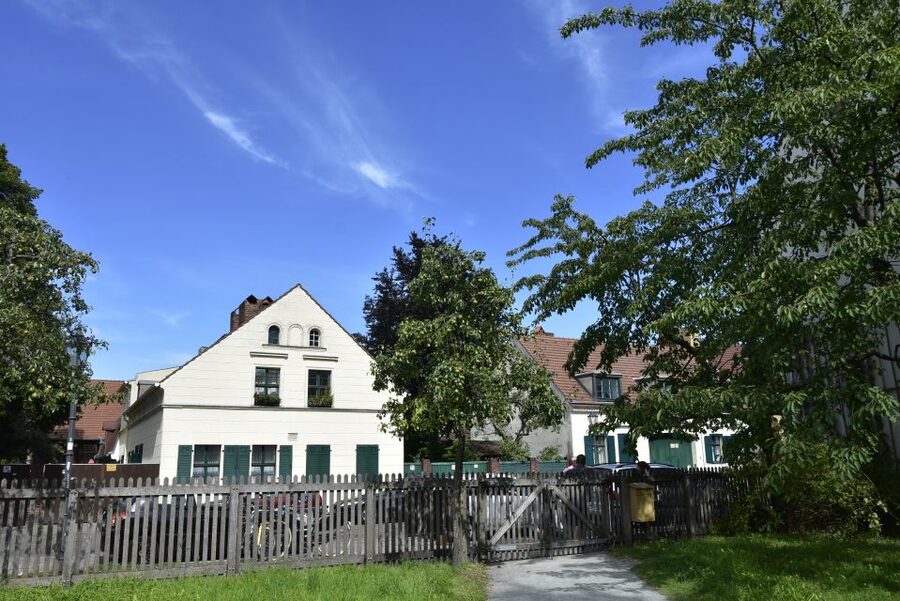
Old Neukölln can feel like a surprise tucked inside Berlin. This 90-minute walk begins at Richardplatz, where old village buildings, a small church, and local stories replace the usual big-city image. Guide Reinhold Steinle focuses on the district’s Bohemian roots, its fires, and the people who shaped it.
I like two things right away: the private group format, which gives you room to ask questions, and the way the tour connects old events with Neukölln today. The main consideration is simple: the tour is in German and is not suitable for people with mobility impairments.
In This Review
- Key points at a glance
- Richardplatz, where Neukölln feels like a village
- Bethlehem Church and the story of Rixdorf
- Böhmischer Platz and the Bohemian villages
- From old schoolhouse to Comenius Garden
- A different way to understand Neukölln
- What the private price gives you
- Who will get the most from this walk
- Practical details before you book
- Should you book the Old Neukölln walk?
- FAQ
- Where does the Old Neukölln tour meet?
- How long does the walking tour last?
- How much does the tour cost?
- Is the tour private?
- Who leads the tour?
- What language is the tour in?
- What places can I see on the tour?
- Are food and drinks included?
- Is the tour suitable for people with mobility impairments?
- Can I cancel for a full refund?
Key points at a glance
- Richardplatz’s village setting: Start beside the small church in one of Berlin’s most unexpected old-town corners.
- Bohemian and Czech connections: Follow the story of Rixdorf’s Bohemian communities, Jan Hus, Popraci, and the old Czech partnership.
- Bethlehem Church and past fires: Learn how religious history and repeated fires shaped the district.
- A private 90-minute walk: A group of up to six shares one fixed price of $70.
- Modern Neukölln in context: Hear why the district’s negative image does not tell the whole story.
- German-language guiding: Reinhold Steinle has guided Neukölln walks since 2008, with humor and a strong personal interest in the area.
Richardplatz, where Neukölln feels like a village
The tour meets at Richardplatz 22, next to the small church. This is a useful meeting point because you begin in the historic heart of old Rixdorf, not on a noisy central avenue or at a generic transport stop.
Richardplatz gives you the first surprise. Berlin is famous for grand boulevards, museums, and apartment blocks, yet this square has a village atmosphere that feels far removed from the city’s usual image. I like beginning here because the setting prepares you to look at Neukölln differently.
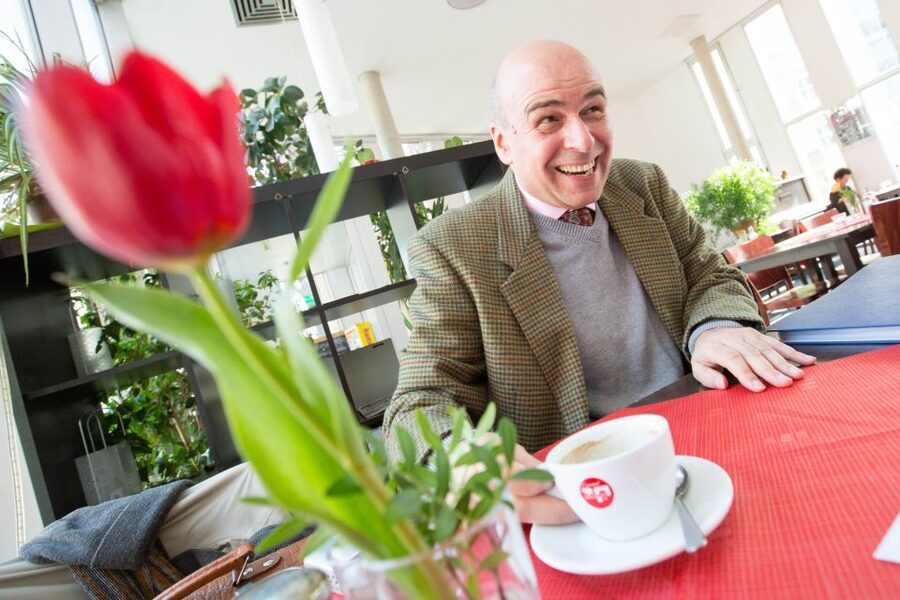
Your guide, Reinhold Steinle, has been leading groups through Neukölln since 2008. His approach is personal and corrective. He wants you to see more than the district’s negative reputation, and the route uses local places and stories to make that case.
The square is also a good reminder that Neukölln is not one single thing. Modern streets, immigrant communities, old religious buildings, Bohemian traditions, and Berlin’s changing social life all meet here. You do not need to know the district in advance. Steinle supplies the background as you walk.
A few more Berlin trips to weigh up
- Discover Berlin Half-Day Walking Tour
★ 5.0 · 9,624 reviews - Berlin: Third Reich and Cold War 2 Hour Walking Tour
★ 4.9 · 6,830 reviews - Berlin: Discover Berlin Walking Tour
★ 4.9 · 5,998 reviews
Bethlehem Church and the story of Rixdorf
Bethlehemskirche, or Bethlehem Church, is one of the tour’s key historical stops. Here, the focus turns from the appearance of the square to the beliefs and communities that helped shape Rixdorf.
The tour also deals with fires in Rixdorf. That subject may sound narrow, but it gives you a practical way to understand why old districts change. Fires can erase buildings, alter street patterns, and force communities to rebuild. In a place where the past is often presented through attractive old facades, the fire stories add a tougher and more human layer.
I appreciate this kind of local history because it avoids treating a neighborhood as a museum display. The story is not only about what survived. It is also about what disappeared, what had to be rebuilt, and how residents responded when the district faced trouble.
The tour connects the church and the fires to the renaming of Rixdorf as Neukölln. That change matters because names carry reputations. By tracing the shift, Steinle shows how the district’s public image has been shaped over time, and why the name Neukölln means more than the stereotypes often attached to it.
Böhmischer Platz and the Bohemian villages
From Richardplatz, the walk brings you into the Bohemian side of Neukölln. Böhmischer Platz is central to that story, along with the old Bohemian schoolhouse and the area known for Bohemian villages.
The route also includes the Böhmische Gottescaker, listed among the historical places connected with the walk. The Bohemian theme is not treated as a decorative label. You hear about the people, customs, religious ties, and settlement patterns behind it.
Jan Hus and Popraci are part of the story as well. These names may mean little to you before the walk, but that is exactly where a local guide helps. Steinle places them within the broader account of Bohemian settlement and the district’s Czech connections.
Another important subject is the evacuation of the Bohemians. This gives the neighborhood’s past a sense of movement and uncertainty. Communities do not simply appear, build pretty squares, and remain unchanged. They may be displaced, relocated, or forced to adapt.
The Czech partnership adds a link between past and present. It helps show that the Bohemian identity of old Rixdorf is not merely a historical footnote. It remains part of how the area explains itself.
From old schoolhouse to Comenius Garden
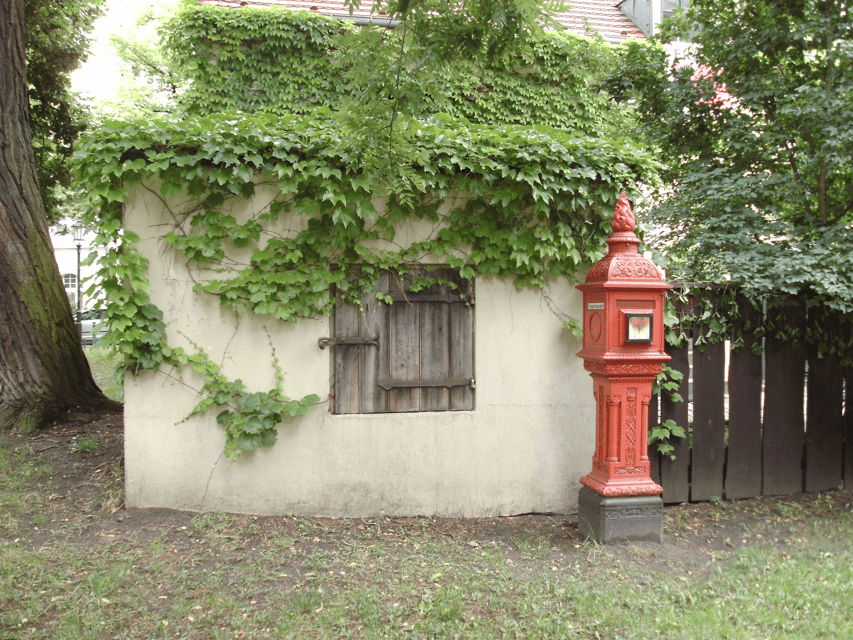
The old Bohemian schoolhouse is one of the stops that makes the community’s story concrete. A school tells you that a settlement had more than houses and religious buildings. It had children, teaching, rules, and a plan for passing traditions to the next generation.
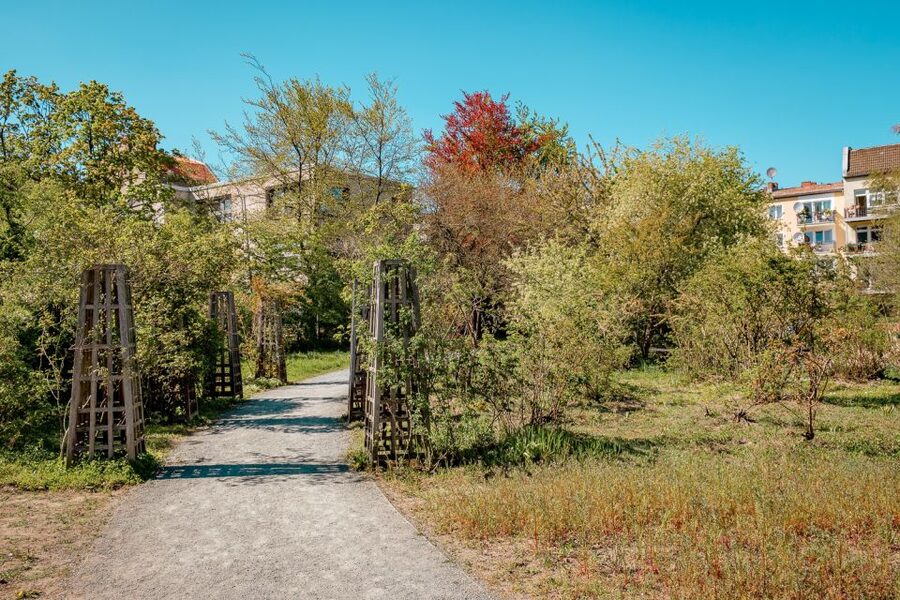
The route also includes Comenius Garten, or Comenius Garden. Its place in the itinerary gives the walk another change of pace after the square, church, and streets connected with settlement history.
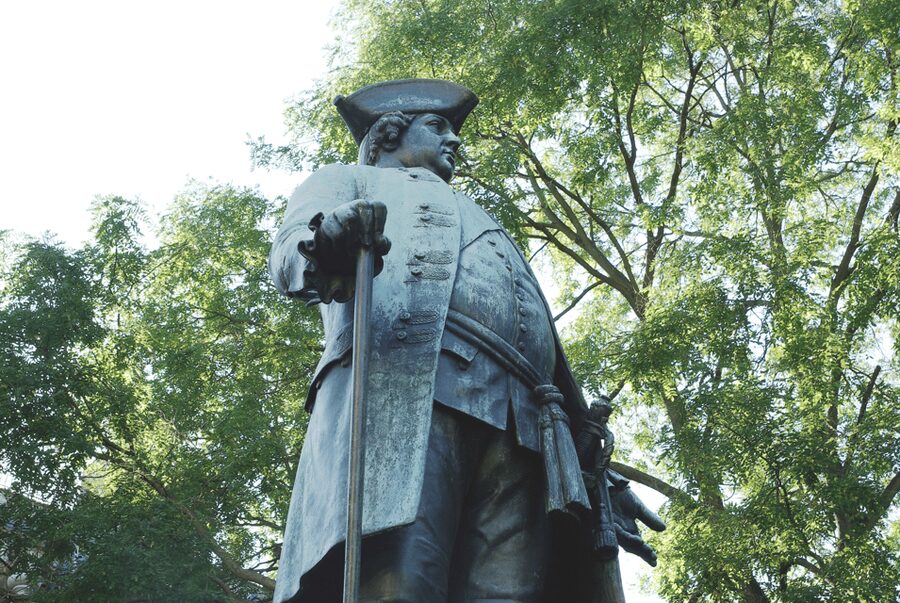
The listed sights include KGB44, Richardstrasse, and the Friedrich Wilhelm I Memorial. These stops widen the story beyond Bohemian identity. You get reminders of royal authority, street development, local institutions, and the many layers that sit within one district.
I would not book this tour expecting a long list of major Berlin monuments. That is not its purpose. The value comes from seeing modest places with a guide who explains why they matter.
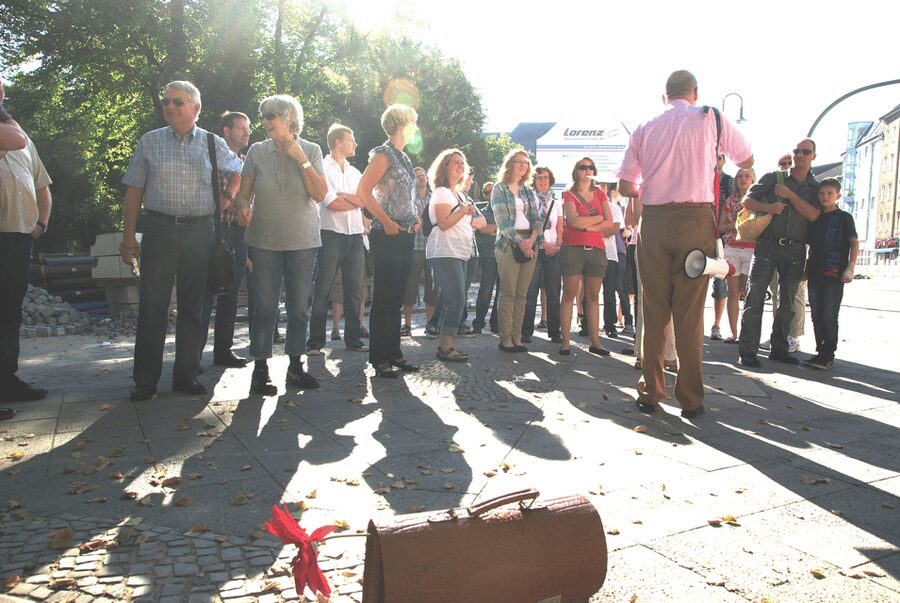
Because this is a private walk, you can ask Steinle to clarify names and connections as you go. A larger public group can make a neighborhood tour feel like a lecture. With up to six people, the format should feel more direct and easier to follow, though the quality of your experience will still depend on your interest in local history and your German comprehension.
Same city, a completely different kind of day:
- Berlin: Reichstag, Dome and Government District Guided Tour
★ 4.7 · 18,288 reviews - Berlin: 1-Hour City Tour by Boat with Guaranteed Seating
★ 4.3 · 16,993 reviews - Berlin: Boat Tour Along the River Spree
★ 4.4 · 11,252 reviews - Berlin: Hop-on Hop-off Bus Tour with Live Commentary
★ 4.3 · 8,579 reviews
A different way to understand Neukölln
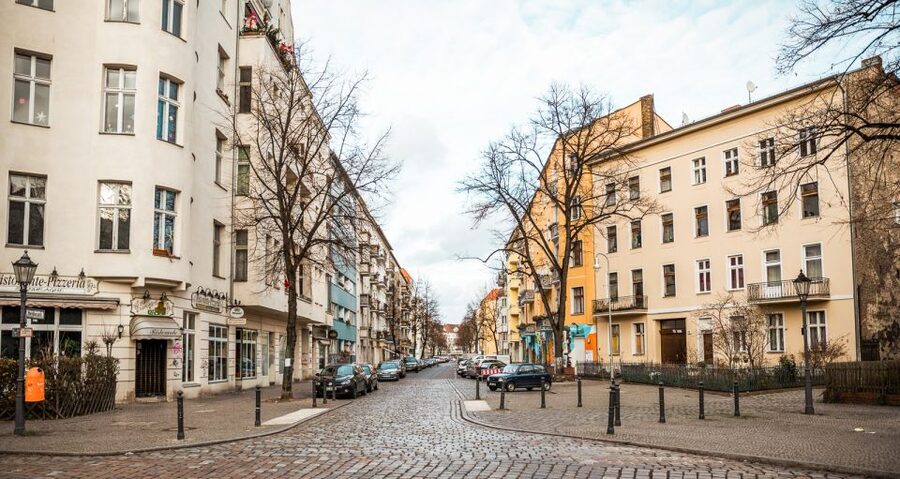
The tour’s larger idea is that Neukölln is more than a so-called Bohemian village. It is also more than its modern reputation.
Steinle’s personal reason for guiding here shapes the experience. He has made it his mission to correct the district’s one-sided image, bit by bit. That does not mean the tour pretends every part of Neukölln is picturesque. Instead, it gives you a fuller frame for the district.
I like that balance. A good neighborhood walk should not polish away difficulty or reduce a place to a postcard. It should help you see how old events, migration, politics, faith, rebuilding, and present-day identity overlap.
The tour also brings in the local idea that everyone is a Neuköllner at heart. That line captures the inclusive spirit behind the experience, but the more useful part is how the route gives the idea substance. You encounter particular squares, churches, names, memorials, and community stories rather than only broad claims about diversity.
The strongest benefit is context. After 90 minutes, you may not know every street in Neukölln, but you should have a clearer sense of why old Rixdorf looks and feels different from the rest of the district.
What the private price gives you
The cost is $70 per group of up to six people. For one person, that is not a cheap walking tour. For six people, it works out to about $11.67 each, which is a fair price for a private 90-minute guide-led experience.
The value improves if you are traveling with family or friends who want to stay together. You are not paying per person, and the group size remains limited to six. That makes this a better deal for a small party than for a solo visitor.
You are paying for interpretation rather than admissions or food. The only included item is the guided tour. Personal expenses, food, and refreshments are not included, so plan to handle those separately.
I would compare the price with what you want from a walk. If you mainly want a quick orientation to Neukölln, a free public walk might be enough. If you want one guide to explain Richardplatz, the Bohemian past, the fires, the renaming, and the modern image of the district to your own small group, the fixed fee makes more sense.
The 90-minute length is also useful. It is long enough to build a connected story but short enough to fit beside other Berlin plans. You should still wear comfortable shoes and expect to walk through historic streets and squares, although the available information does not give a precise distance or pace.
Who will get the most from this walk
I would recommend the tour most strongly to people who have already seen central Berlin and want a neighborhood with a different feel. It suits visitors who enjoy social history, local personalities, religious history, and the way a place changes over time.
It is also a good match for German-speaking families, couples, or small groups. Steinle’s style is described as humorous, highly informed, individual, and enthusiastic. That combination matters on a local walk because the subject can include unfamiliar names and several historical periods.
You may also like it if you want Berlin beyond the usual landmarks. The focus is not on checking off famous sights. It is on learning why a square, schoolhouse, church, or memorial belongs in the story of the city.
I would hesitate if you do not speak German. German is the stated tour language, and no English option is provided. You should also choose another activity if anyone in your group has mobility impairments, since the tour is specifically marked as unsuitable for people with those needs.
The experience received a top rating across eight submitted ratings, with especially strong praise for its humor, unexpected stories, individual approach, and clear presentation. Those qualities point to the tour’s real strength: it is not a standard sightseeing circuit. It is a guided interpretation of one district by someone who has spent years focusing on it.
Practical details before you book
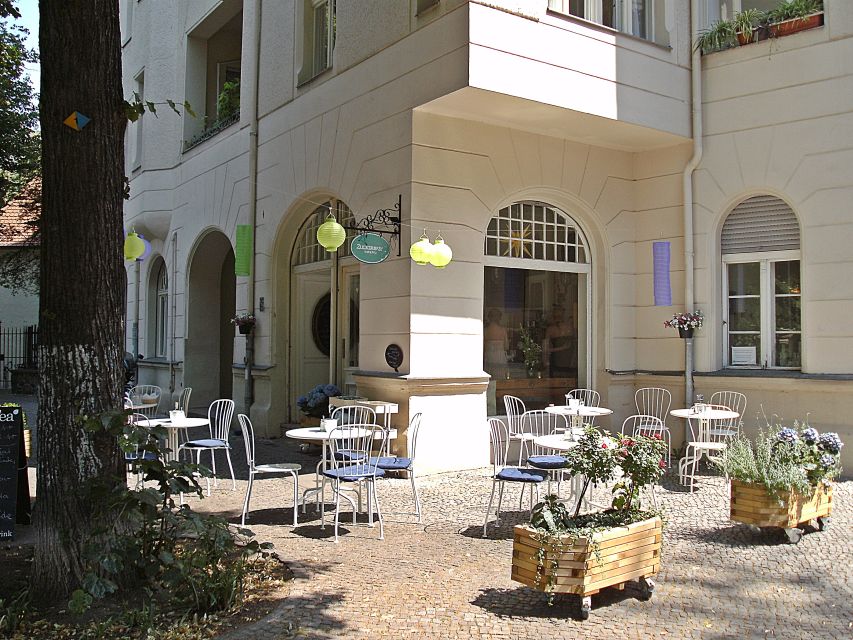
The meeting point is Richardplatz 22 in 12055 Berlin Neukölln, next to the small church. Check the exact starting time when you choose your date, since start times depend on availability.
The group is private and limited to six people. The duration is 90 minutes, and Reinhold Steinle is the named guide and experience provider.
You can reserve now and pay later, which helps if your Berlin schedule is still changing. Cancellation is free up to 24 hours before the start time for a full refund.
No food or drinks are included. Since the walk centers on streets, squares, churches, memorials, and gardens, you should plan your own refreshments before or after the tour rather than expect a food stop as part of the experience.
One detail worth noting is the language. The tour is offered in German, so this is not the right choice if you need English interpretation. If your German is comfortable enough for stories and historical explanation, the private format gives you a chance to ask for clarification when needed.
Should you book the Old Neukölln walk?
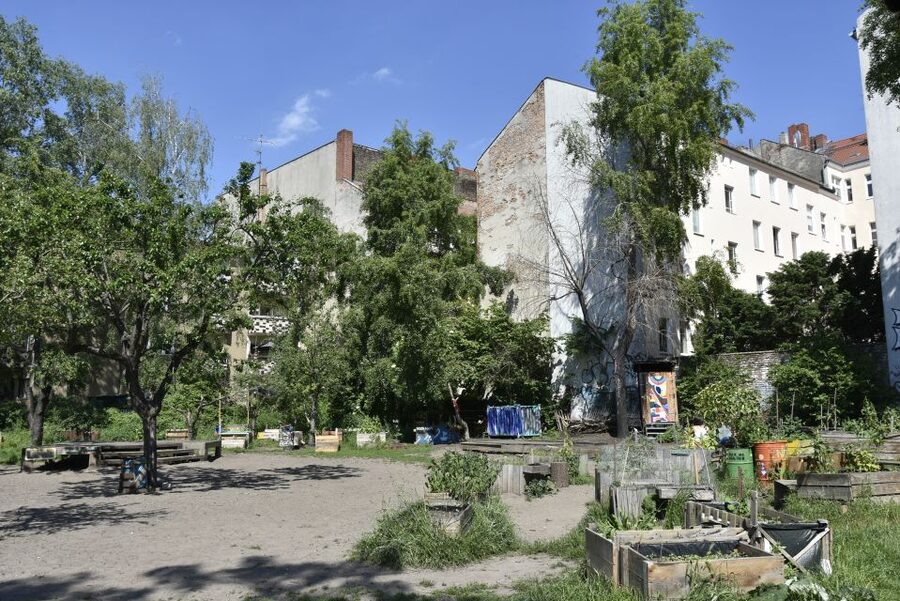
Book it if you want to understand Neukölln through its people and past rather than simply pass through it. Richardplatz, Bethlehem Church, Böhmischer Platz, the Bohemian schoolhouse, Comenius Garden, the fires of Rixdorf, and the district’s renaming create a strong local story when connected by Reinhold Steinle.
The best value comes with two to six people, especially German speakers who enjoy a personal guide and do not need a major monument at every stop. Skip it if you want an English-language tour, a fast-paced list of famous sights, or a route designed for people with mobility impairments.
For the right group, this is a thoughtful way to see Berlin from the neighborhood outward. You leave with more than a pretty square. You get a clearer idea of how Rixdorf became Neukölln, and why that change still matters.
FAQ
Where does the Old Neukölln tour meet?
The meeting point is Richardplatz 22, 12055 Berlin Neukölln, next to the small church.
How long does the walking tour last?
The tour lasts 90 minutes.
How much does the tour cost?
The price is $70 per private group of up to six people.
Is the tour private?
Yes. It is offered as a private group experience, with a maximum group size of six.
Who leads the tour?
The guide and experience provider is Reinhold Steinle, who has regularly guided tours through Neukölln since 2008.
What language is the tour in?
The tour is conducted in German. German is the only language listed for this activity.
What places can I see on the tour?
The route includes Richardplatz, Bethlehemskirche, Böhmischer Platz, the old Bohemian schoolhouse, Comenius Garten, Richardstrasse, the Friedrich Wilhelm I Memorial, and KGB44. It also covers the Böhmische Gottescaker, Jan Hus, Popraci, the fires in Rixdorf, the renaming of Neukölln, the evacuation of the Bohemians, and Czech connections.
Are food and drinks included?
No. Personal expenses, food, and refreshments are not included.
Is the tour suitable for people with mobility impairments?
No. The activity is specifically listed as unsuitable for people with mobility impairments.
Can I cancel for a full refund?
Yes. You can cancel up to 24 hours in advance for a full refund. You can also reserve now and pay later.
Just added around Berlin
- Love and War in Berlin: Self-Guided Story Puzzle Walk★ 5.0 · 7 reviews
- Rickshaw Tours Berlin – Groups of up to 16 people with several rickshaws★ 4.0 · 97 reviews
- Walking on the Wall: 3-Hour Tour in Berlin★ 4.5 · 34 reviews
- eSIM for Germany and 34 European Countries★ 4.5 · 16 reviews
- Warnemuende Shore Excursion: Berlin Private Sightseeing Tour from Rostock★ 5.0 · 4 reviews
- Your ticket to The Wall Museum Berlin★ 3.0 · 60 reviews
- Warnemuende Shore Excursion: Private Berlin Tour★ 4.5 · 27 reviews
- Berlin’s Gay, Lesbian, and Queer Scene Small-Group Walking Tour★ 4.5 · 66 reviews
Walking Tours, compared.





Berlin’s Best: 2 Hour Walking Tour Third Reich and the Cold War
Read our review →

