
Reviewed · WALKING TOURS
Berlin: Gay Berlin Out in Schöneberg Walking Tour
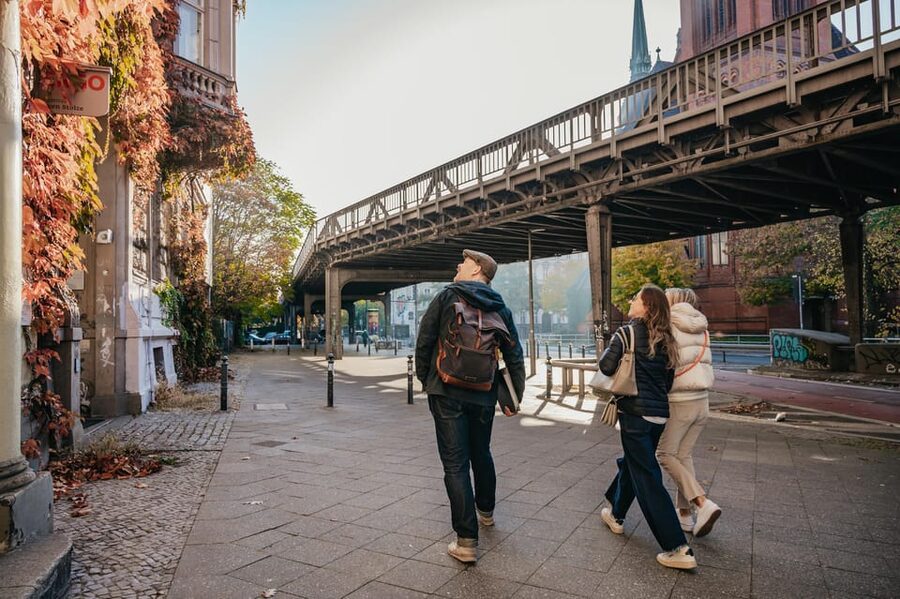
Berlin’s queer story is written into the streets around Nollendorfplatz. On this 2.5-hour walk through Schöneberg, you connect former clubs, political meeting places, writers’ homes, and today’s LGBTQIA+ community. The route moves from the daring interwar years to Nazi persecution, postwar silence, and the district’s return as West Berlin’s gay center from the late 1960s onward.
I like two things especially: the focus on real places, rather than a general talk about Berlin, and the way the tour includes lesbian, trans, intersex, and gender-nonconforming stories alongside gay male history. Guide Tobias is often praised for his preparation, humor, archive images, and personal touch. The main consideration is weather: this is a full outdoor walk, with only comfort stops, so cold rain or snow can make the experience harder.
In This Review
- Key points to know before you book
- Why Schöneberg matters to Berlin’s queer story
- Nollendorfplatz and the former meeting places
- Motzstraße and the El Dorado cabaret story
- Christopher Isherwood’s Nollendorfstraße home
- From Nazi repression to the return of queer Schöneberg
- Schwerin Straße and the lesbian quarter
- Eisenacher Straße and the present-day district
- What Tobias adds to the walk
- Is the $23 price good value?
- Practical advice for making the walk comfortable
- Who will get the most from this tour?
- Should you book the Schöneberg queer history walk?
- FAQ
- How long is the Gay Berlin Out in Schöneberg Walking Tour?
- What language is the tour offered in?
- Who is the guide?
- What places are included on the route?
- Is food or drink included?
- Can I cancel the booking?
Key points to know before you book
- Nollendorfplatz is the historical starting point: The surrounding streets hold the former clubs and gathering places that shaped Berlin’s early queer public life.
- The Nationalhof marks political history: You visit the site linked with the gay rights movement of the 1920s.
- Motzstraße brings the nightlife story to life: The former El Dorado cabaret club once represented Berlin’s famous interwar scene.
- Christopher Isherwood’s former home adds a literary angle: His writing helped shape later gay liberation thinking.
- The route reaches beyond gay male history: Schwerin Straße introduces the lesbian quarter, while other stories include trans, intersex, and gender-nonconforming lives.
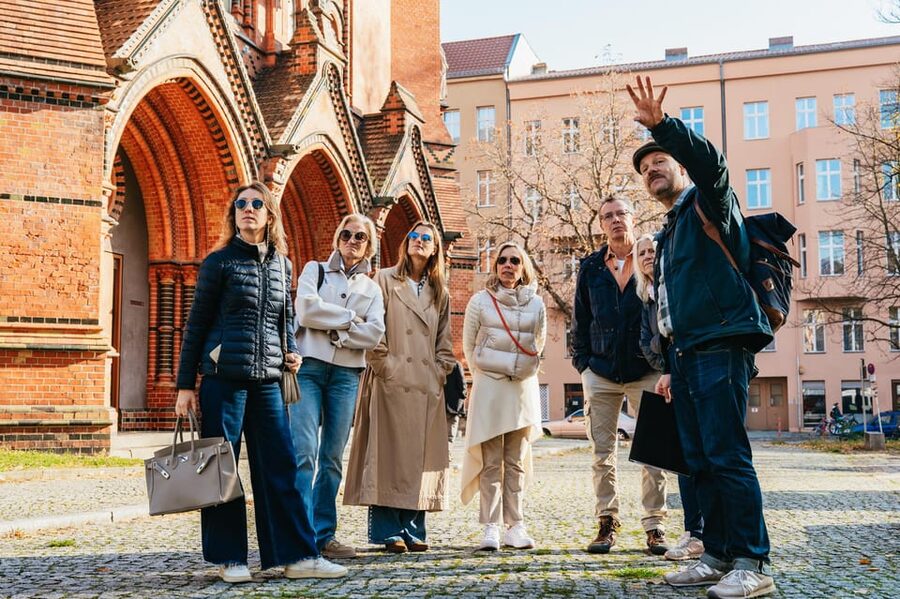
- Tobias is a major part of the experience: His English, wit, archive material, and personal anecdotes help turn buildings and street corners into human stories.
Why Schöneberg matters to Berlin’s queer story
Schöneberg is not simply a district with a few LGBTQIA+ bars. It became a place where queer people could meet, form friendships, find entertainment, and push for legal and social change. That makes the walking route more useful than a standard sightseeing circuit. You see how a neighborhood can become a community center through repeated everyday use.
The key period is the time between the end of World War I and the rise of the Nazi Party in the early 1930s. Berlin’s queer scene was then unusually visible, with clubs, cabarets, political groups, and social venues serving different parts of the community.
The word visible needs care here. This was not a simple golden age, and the tour does not treat it as one. Freedom and danger existed side by side. Public queer life could flourish in certain streets while prejudice, police pressure, and legal restrictions remained real.
That tension gives the walk its weight. You are not only hearing about nightlife. You are learning how people built space for themselves, how activists worked for rights, and how quickly that progress could be attacked.
A few more Berlin trips to weigh up
- Discover Berlin Half-Day Walking Tour
★ 5.0 · 9,624 reviews - Berlin: Third Reich and Cold War 2 Hour Walking Tour
★ 4.9 · 6,830 reviews - Berlin: Discover Berlin Walking Tour
★ 4.9 · 5,998 reviews
Nollendorfplatz and the former meeting places
The area around Nollendorfplatz provides a strong introduction because several important sites sit within the same part of Schöneberg. You learn about places such as the Hollandais club, the Kleist Casino, and the Nationalhof, all connected with the district’s former queer social world.
The buildings and streets are part of a functioning neighborhood today, so you should not expect preserved interiors or a museum-style display at every stop. The value comes from understanding what took place at these locations and how the district once operated as a network of clubs, meeting points, and social spaces.
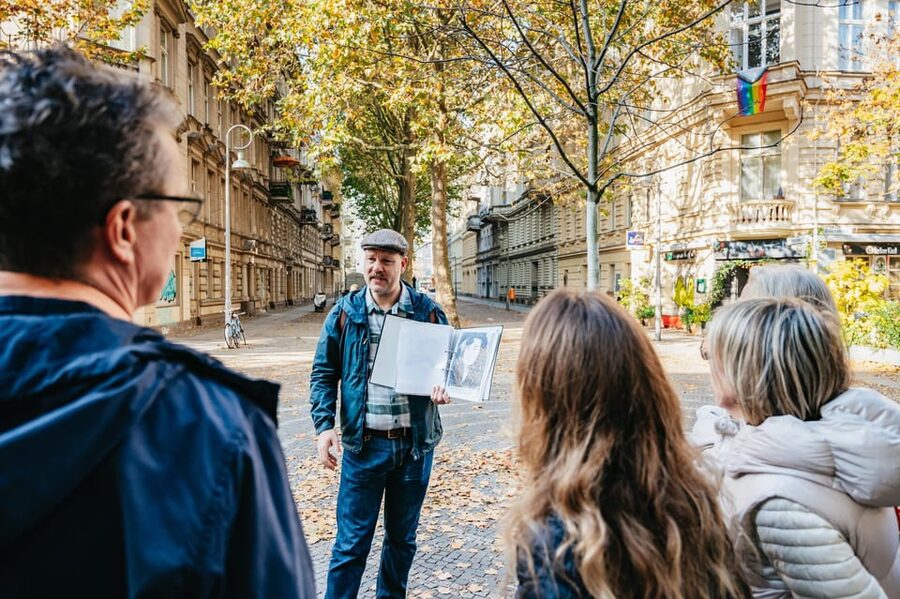
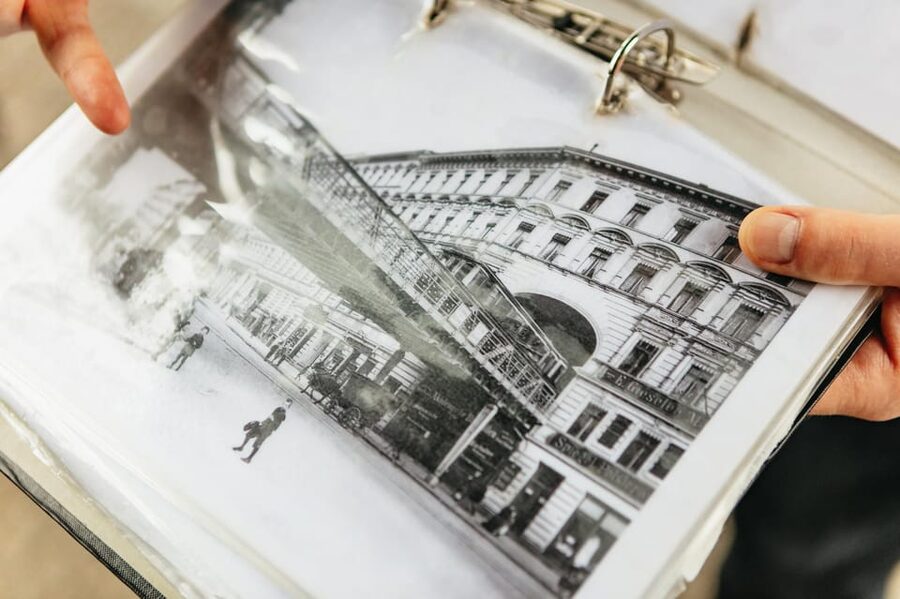
This is where a good guide matters. Tobias uses archive photographs and text to show earlier versions of the streets. That visual material helps you compare the present-day scene with the clubs and characters being discussed. Without it, some former venues would be easy to pass without noticing.
The Nationalhof is one of the most important stops because it links social life with organized activism. Here, the story turns toward the gay rights movement of the 1920s and the people who tried to give queer Berlin a public voice.
I appreciate that the route does not reduce the movement to a list of famous names. The focus is on the people and places that allowed a community to organize. You get a clearer sense of how rights work begins, often in ordinary rooms and meeting places rather than grand government buildings.
Motzstraße and the El Dorado cabaret story
Motzstraße gives the tour a strong nightlife chapter. The former site of El Dorado was associated with one of Berlin’s best-known cabaret clubs, and its name helps explain why the city became famous for permissive, theatrical nightlife during the interwar period.
You visit the location, not a preserved cabaret interior. That distinction matters. If you want a show or a functioning historic club, this is not that kind of attraction. Instead, the guide reconstructs the atmosphere through stories, images, and context.
The stop works because cabaret was more than entertainment. It created a place where people could perform identity, test social boundaries, and meet others outside the limits of respectable public life. The setting also opens discussion about the many types of people who shaped Berlin’s queer culture.
Tobias’s style appears suited to this section. You can expect facts delivered with humor and a human scale, rather than a dry lecture. His anecdotes help the former club feel connected to real personalities instead of becoming just another address on a map.
Still, the tour is history first. You will not spend the afternoon inside venues, and food and drinks are not included. Plan to enjoy a café or bar separately after the walk if you want to continue the neighborhood experience.
Christopher Isherwood’s Nollendorfstraße home
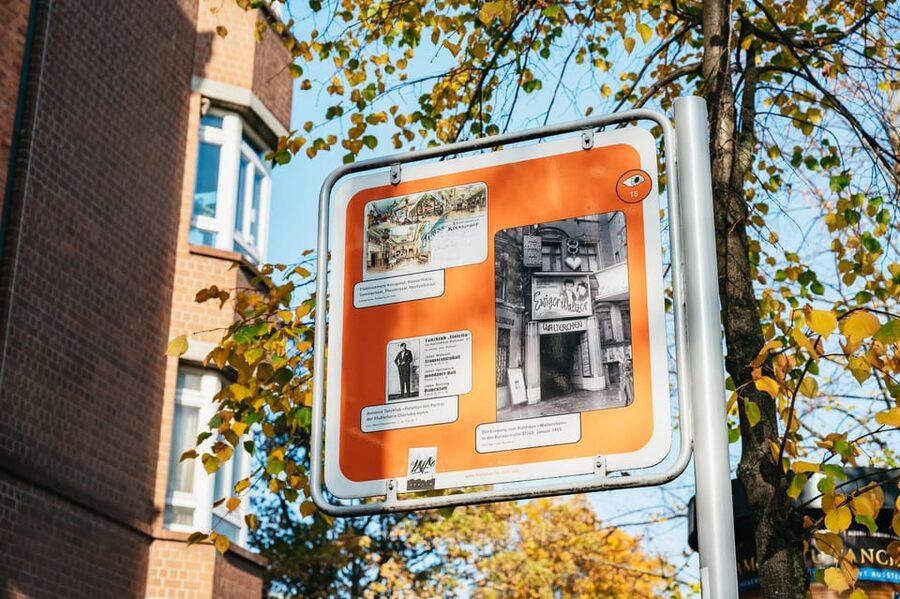
The stop at Christopher Isherwood’s former home on Nollendorfstraße adds a literary thread. Isherwood’s Berlin writing became closely linked with the city’s queer reputation, and his work later played an important part in the Gay Liberation movement.
A writer’s home can be a modest sight, but its value lies in the connection between place and story. You are standing in the setting that helped shape an outside observer’s view of Berlin’s queer world. The stop also gives the tour a quieter pause after the louder cabaret and club material.
This is a good example of the tour’s wider purpose. It links private lives, creative work, nightlife, and political change instead of treating each subject as separate. You see how a neighborhood can influence writing, and how writing can influence the way later generations understand that neighborhood.
If you have read Isherwood, this stop will carry extra meaning. If you have not, it still works as a short introduction to one of the figures tied to Berlin’s queer past. Tobias’s use of visual material is helpful here, especially when a modern building does not immediately reveal its earlier role.
Same city, a completely different kind of day:
- Berlin: Reichstag, Dome and Government District Guided Tour
★ 4.7 · 18,288 reviews - Berlin: 1-Hour City Tour by Boat with Guaranteed Seating
★ 4.3 · 16,993 reviews - Berlin: Boat Tour Along the River Spree
★ 4.4 · 11,252 reviews - Berlin: Hop-on Hop-off Bus Tour with Live Commentary
★ 4.3 · 8,579 reviews
From Nazi repression to the return of queer Schöneberg
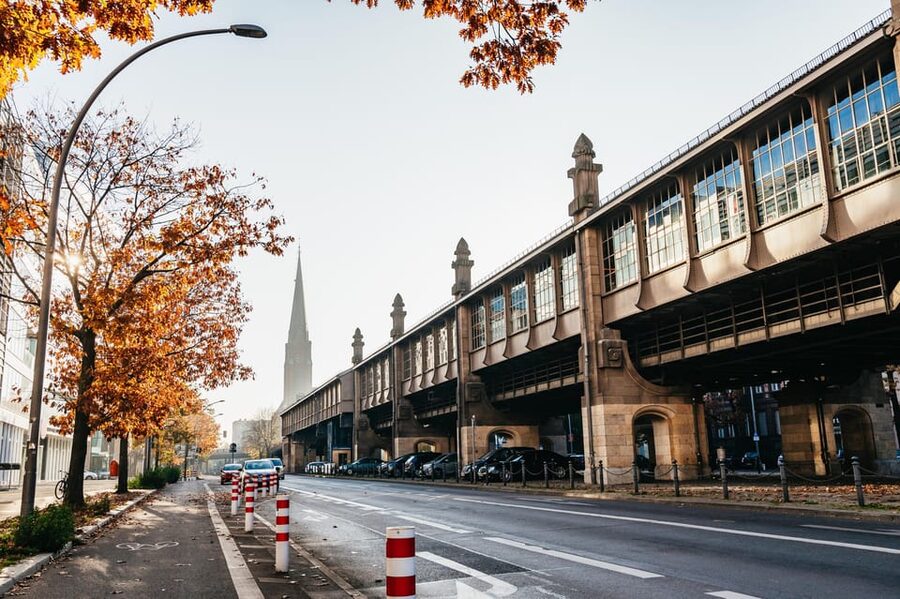
The tour’s interwar story leads into one of its hardest sections: the end of Berlin’s open queer scene with the accession of the Nazi Party in the early 1930s. The route explains how the clubs and political spaces of the earlier period fit into a history that was later broken apart.
This part is important because it prevents the tour from becoming a nostalgic portrait of 1920s Berlin. The city’s openness was limited and fragile, and the loss of these spaces had lasting consequences.
The story then moves forward to the late 1960s, when Schöneberg began to bloom again as West Berlin’s only gay district. That return shows how communities can rebuild after suppression, although not by simply recreating the past.
The change of period also keeps the walk moving. You begin with early rights campaigns and cabaret culture, then trace the district through war, dictatorship, postwar division, and renewed public life. For you, that makes the tour useful as both a queer history walk and a compact lesson in 20th-century Berlin.
Schwerin Straße and the lesbian quarter
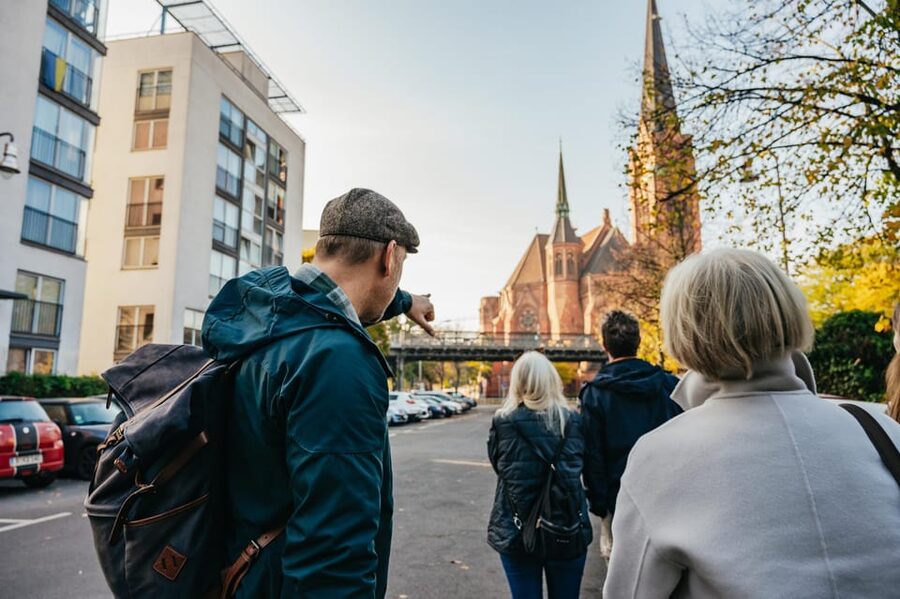
A major strength is the attention paid to the lesbian quarter on Schwerin Straße. Many city tours centered on queer history lean heavily toward gay men, especially when they focus on famous cabarets and writers. This route makes room for a broader account.
The stop helps you understand that queer Berlin was never one single community with one shared experience. Lesbian life had its own meeting places, social networks, and challenges. Including this part makes the walk more useful for anyone who wants a fuller picture of LGBTQIA+ history.
The experience also reaches trans, intersex, and gender-nonconforming stories. That wider scope is particularly valuable because the tour is not limited to the most familiar names or symbols. You get a sense of people whose lives may not appear in a standard Berlin sightseeing guide.
Do not expect every story to receive the same amount of time. A 2.5-hour route can introduce many subjects, but it cannot give each one a full lecture. If a particular figure or period matters to you, bring questions and ask Tobias as you walk. He is described as open to questions and flexible in his explanations.
Eisenacher Straße and the present-day district
The walk continues along Eisenacher Straße, which still reflects the varied life of Schöneberg’s LGBTQIA+ community. This is where the past meets the ordinary present: streets, businesses, architecture, cafés, and public life rather than only memorials and former addresses.
That present-day connection is one reason to take the tour early in your Berlin visit. You can use what you learn to explore the district afterward at your own pace. Some people have continued to a queer café and bookshop nearby, which makes a natural way to support local businesses after the guided walk.
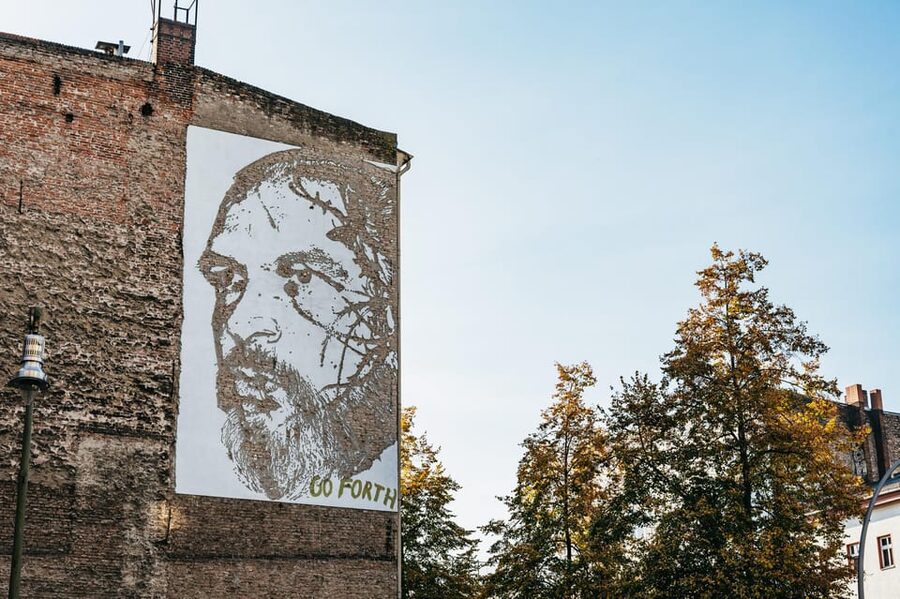
The route also includes architecture and street art, according to the tour’s descriptions from past outings. These details broaden the walk beyond dates and political milestones. You are encouraged to look at how the area has changed, not just memorize who went where.
The modern section does not promise a nightlife crawl, and food and drinks are not part of the price. Think of it as an introduction to the district. You leave with context, then decide which cafés, shops, clubs, or bars fit your own plans.
What Tobias adds to the walk
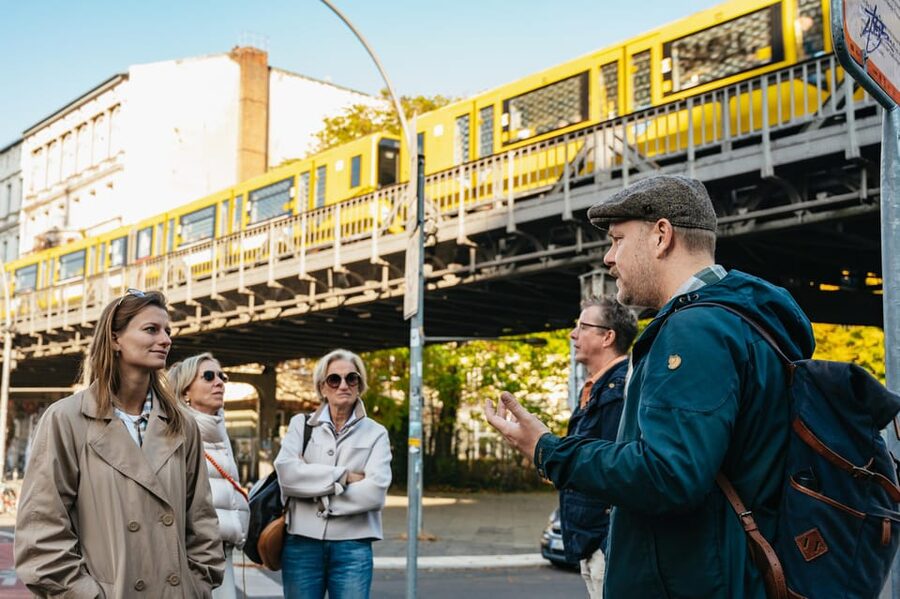
Tobias is repeatedly singled out for three qualities: strong preparation, easy conversation, and genuine enthusiasm. He speaks English well and also guides in German, so you can choose the language that suits your group.
His approach combines researched history with personal anecdotes. That personal element gives the tour warmth without replacing the historical material. You hear about key figures and social movements, but also about the area’s buildings, street art, and changes over time.
Archive images and text are another useful tool. Berlin has changed so much that a former venue may now look like an ordinary building. Seeing an earlier photograph while standing at the site closes that gap.
The guide also appears attentive to the group’s comfort. Past outings have included comfort stops, and Tobias has adapted the walk for cold conditions. One winter departure continued through snow, with an offer of tea to help the group keep warm. That does not make bad weather disappear, but it suggests a considerate approach.
The older feedback is not uniformly perfect. One person wanted more interaction and a coffee stop, while another felt the ending was rushed when extra questions remained. Those are fair considerations. The experience is mainly a guided history walk, not a workshop, café visit, or open-ended discussion.
Is the $23 price good value?
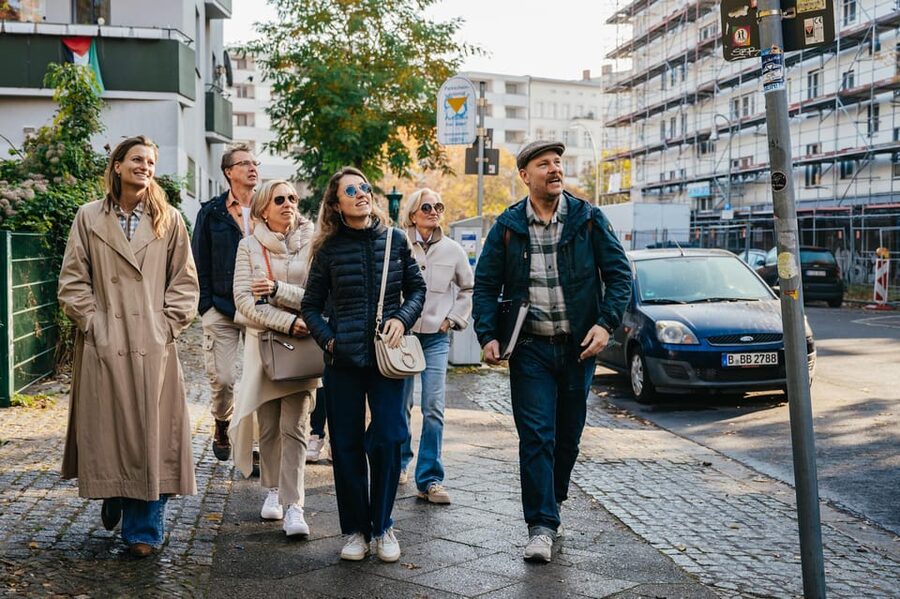
At $23 per person, this is fairly priced for a focused 2.5-hour guided walk in central Berlin. You are paying for a specialist subject, a prepared route, live guiding, and archive material rather than for entry to attractions.
The value is strongest if you would otherwise walk through Schöneberg without knowing what happened at the former clubs and meeting places. A self-guided route can show you Motzstraße or Nollendorfstraße, but it is much harder to connect the Nationalhof, El Dorado, Isherwood, the lesbian quarter, and the post-1960s revival into one clear story.
The price is less compelling if you want an entertainment-heavy night out or a tour built around food and drinks. Nothing edible is included, and the locations are primarily viewed from the streets.
You can also reduce financial risk by reserving now and paying later. Cancellation is free up to 24 hours before the start for a full refund. The meeting point can vary by booking option, so check the exact details before setting out. Special dates, times, and meeting points can be arranged for groups if requested by telephone.
Practical advice for making the walk comfortable
Wear shoes that can handle 2.5 hours on city streets. The route includes several stops, but it remains a walking tour rather than a seated talk.
Dress for the forecast. Cold weather has not stopped the tour from going ahead, but winter rain, snow, or wind will affect how much you enjoy standing outdoors. Bring water, and plan your own café stop if you prefer a warm drink during or after the walk.
The tour is wheelchair accessible, which makes it a useful option for many visitors who want a history-focused activity without stairs or difficult interiors. Because the exact meeting point may vary, confirm the starting location and any group needs in advance.
English and German are available. If your group has special timing needs, ask about arranging a different date, time, or meeting point before booking.
Who will get the most from this tour?
I would choose this for you if you want Berlin history told through specific streets and personal stories. It suits first-time visitors who want an introduction to Schöneberg, as well as returning visitors who have already seen the city’s major monuments.
It is especially useful for anyone interested in LGBTQIA+ history, urban change, literature, politics, or the social life of Weimar-era Berlin. You do not need to know Isherwood or the names of early activists beforehand. The walk is designed to give you the background as you go.
It also suits mixed groups. The subject is clearly queer history, but the discussion reaches into wider Berlin history, architecture, street art, and changing public life. Partners, friends, and family members can take part even if they are new to the subject.
I would think twice if you dislike outdoor tours, want long visits inside preserved venues, or prefer a quick list of photo stops. The pace allows time for stories, questions, and looking at the neighborhood. That is a benefit for some people and too slow for others.
Should you book the Schöneberg queer history walk?
Book it if you want to understand why this particular Berlin neighborhood matters, not just find its current nightlife. The route connects the Nationalhof, Hollandais, Kleist Casino, El Dorado, Isherwood’s former home, Schwerin Straße, and Eisenacher Straße into a story that covers politics, performance, literature, repression, and renewal.
The best reason to choose it is Tobias’s role. His humor, archive images, personal warmth, and attention to lesser-heard LGBTQIA+ stories give the walk more depth than a simple address-by-address tour.
For the strongest experience, schedule it when you can stay in Schöneberg afterward. Have a café, bookshop, or other local stop in mind, and leave room for questions at the end. At $23, it offers a useful and personal way to see a side of Berlin that is easy to miss when you stick to the famous sights.
FAQ
How long is the Gay Berlin Out in Schöneberg Walking Tour?
The walking tour lasts 2.5 hours. Starting times depend on availability.
What language is the tour offered in?
The tour is available with a live guide in English or German.
Who is the guide?
Many scheduled tours are led by Tobias, who presents the area’s queer history with archive images, humor, personal anecdotes, and extensive preparation. The guide may vary depending on the booking.
What places are included on the route?
The tour explores the area around Nollendorfplatz and includes the former Nationalhof, Hollandais club, Kleist Casino, El Dorado cabaret site on Motzstraße, Christopher Isherwood’s former home on Nollendorfstraße, the lesbian quarter on Schwerin Straße, and Eisenacher Straße.
Is food or drink included?
No. The price includes the walking tour and guide, but food and drinks are not included.
Can I cancel the booking?
Yes. You can cancel up to 24 hours in advance for a full refund. Reserve now and pay later may also be available, allowing you to hold a place without paying immediately.
Just added around Berlin
- Love and War in Berlin: Self-Guided Story Puzzle Walk★ 5.0 · 7 reviews
- Rickshaw Tours Berlin – Groups of up to 16 people with several rickshaws★ 4.0 · 97 reviews
- Walking on the Wall: 3-Hour Tour in Berlin★ 4.5 · 34 reviews
- eSIM for Germany and 34 European Countries★ 4.5 · 16 reviews
- Warnemuende Shore Excursion: Berlin Private Sightseeing Tour from Rostock★ 5.0 · 4 reviews
- Your ticket to The Wall Museum Berlin★ 3.0 · 60 reviews
- Warnemuende Shore Excursion: Private Berlin Tour★ 4.5 · 27 reviews
- Berlin’s Gay, Lesbian, and Queer Scene Small-Group Walking Tour★ 4.5 · 66 reviews
Walking Tours, compared.





Berlin’s Best: 2 Hour Walking Tour Third Reich and the Cold War
Read our review →


Third Reich Berlin: Hitler and WWII Walking Tour
Read our review →Browse the lists this tour appears in