
Reviewed · MUSEUM & GALLERY TICKETS
Berlin: Disgusting Food Museum Entry Ticket and Tasting
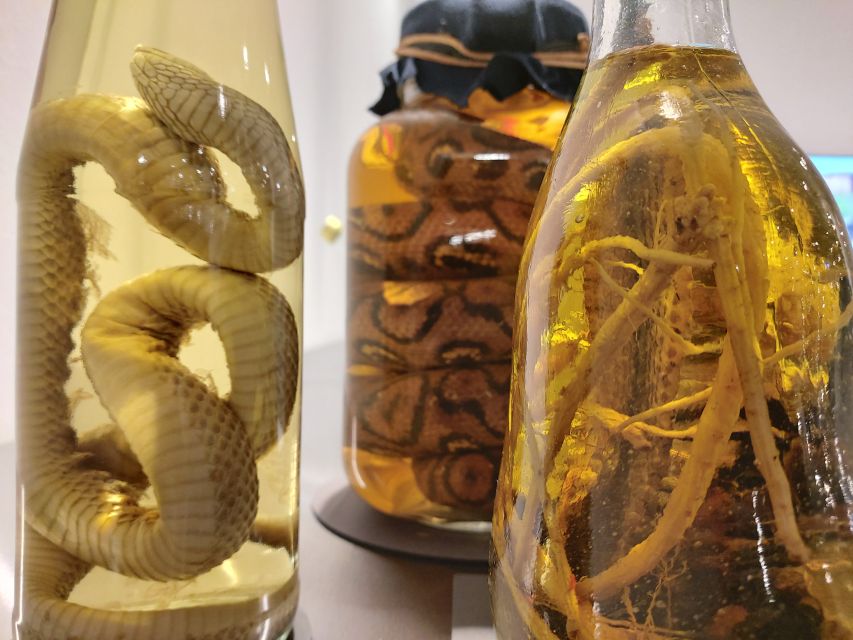
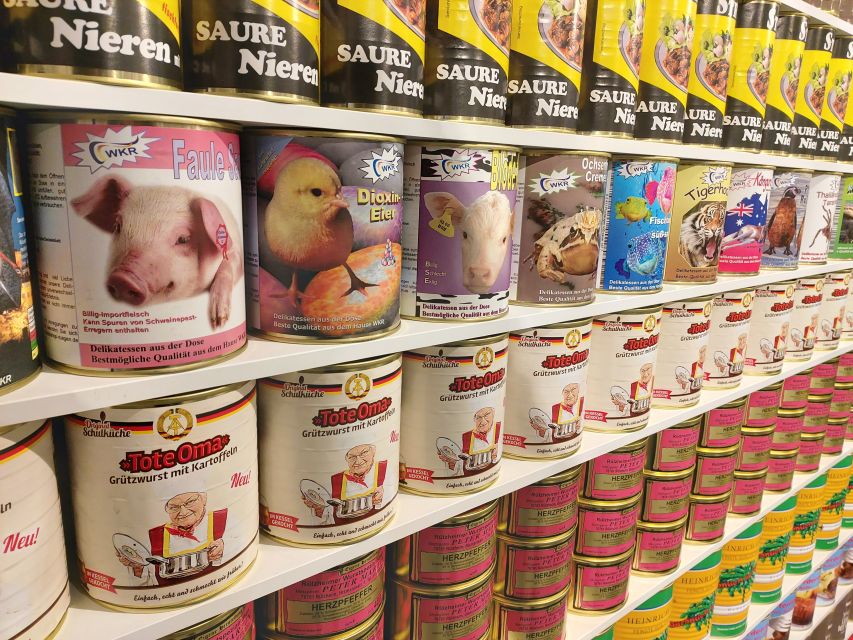
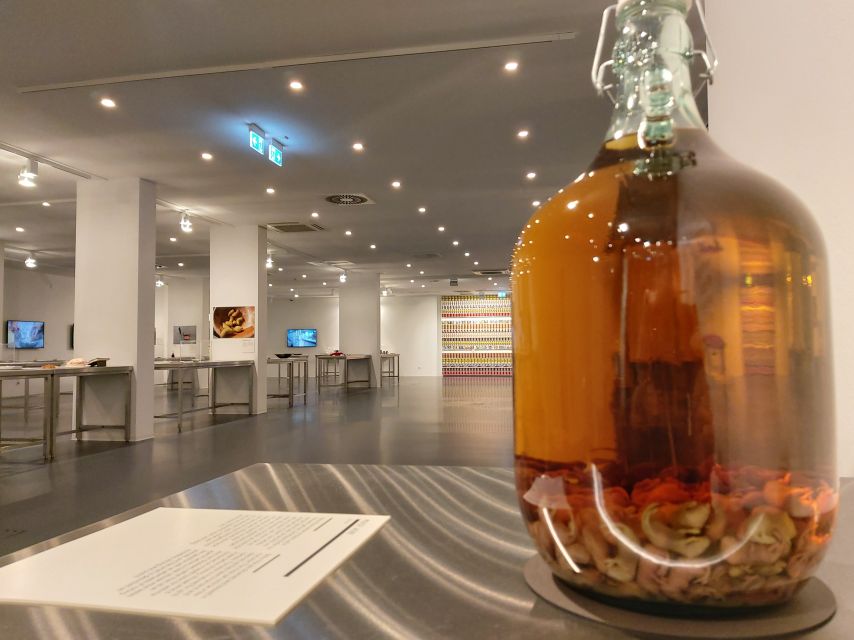
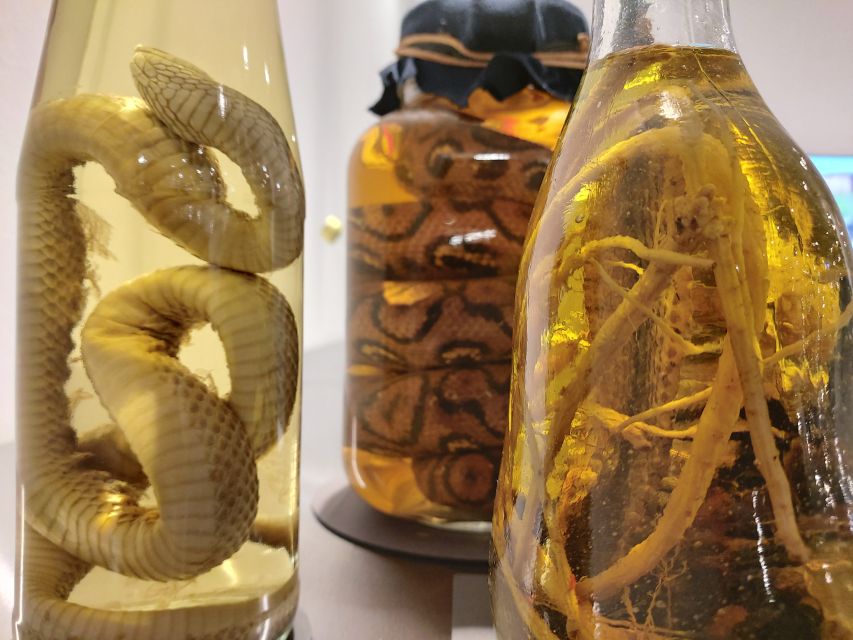
Berlin’s Disgusting Food Museum turns food into a test of culture, habit, and nerve. Inside, you’ll encounter more than 90 unusual foods, including mouse wine, mite cheese, stinky fish, and worms. The point is not simply to make you gag. It asks why one person rejects a food that another considers a delicacy.
I like the way the museum combines small tastings with questions about food production and nutrition. I also like that it works for different ages, so you can treat it as a lighthearted challenge or a thoughtful look at ethics and the future of food. The main drawback is clear: some displays and smells may be uncomfortable, and the museum is not huge, so visitors expecting a full-day attraction may find the visit fairly compact.
In This Review
- Key points to know before you go
- Why strange food makes a useful museum subject
- Seeing more than 90 unusual foods
- The Tasting Bar puts your taste buds on trial
- The Hall of Fame challenge
- Food culture, production, and the future
- How long the visit feels and who will enjoy it
- Is the $20 ticket good value?
- Access, booking, and practical comfort
- A clear choice for curious eaters
- FAQ
- Where is the Disgusting Food Museum experience located?
- What does the ticket include?
- How many food exhibits can I see?
- What kinds of foods are displayed?
- Is the tasting included in the admission price?
- Is the tasting suitable for all ages?
- How long is the ticket valid?
- Is transportation included?
- Is the museum wheelchair accessible?
- Can I cancel my booking?
Key points to know before you go
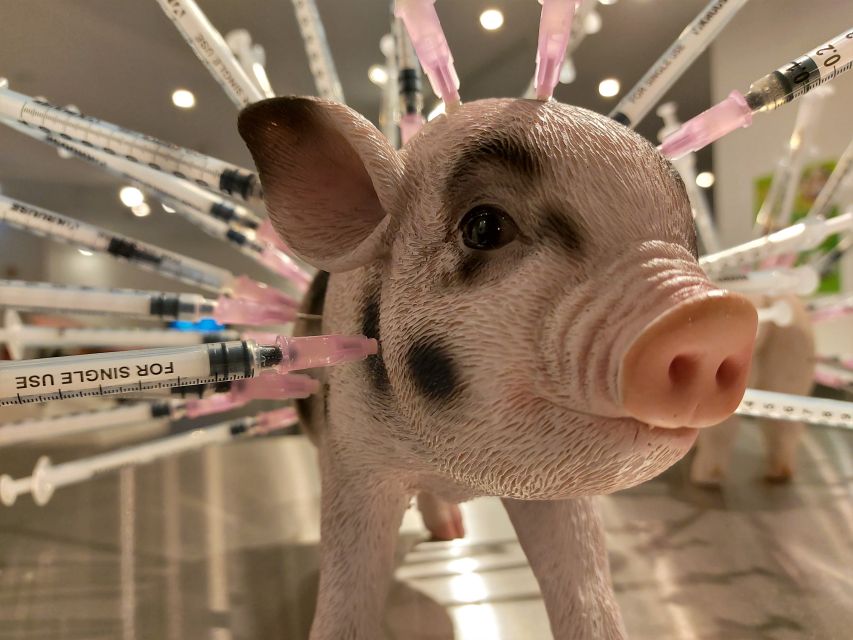
- More than 90 food exhibits: See unusual and controversial foods from many parts of the world.
- Tasting Bar samples included: Your ticket covers small disgusting samples, so you can test your own reaction.
- Food culture is the real subject: The displays raise questions about taste, custom, nutrition, and production.
- The museum is compact: One detailed visit is likely enough, but you can take your time with the exhibits.
- The Hall of Fame is a challenge: A display or tasting area known as the Hall of Fame may test even brave food explorers.
- A $20 ticket includes entry and tastings: Transportation is not included, so plan your way to the museum separately.
Why strange food makes a useful museum subject
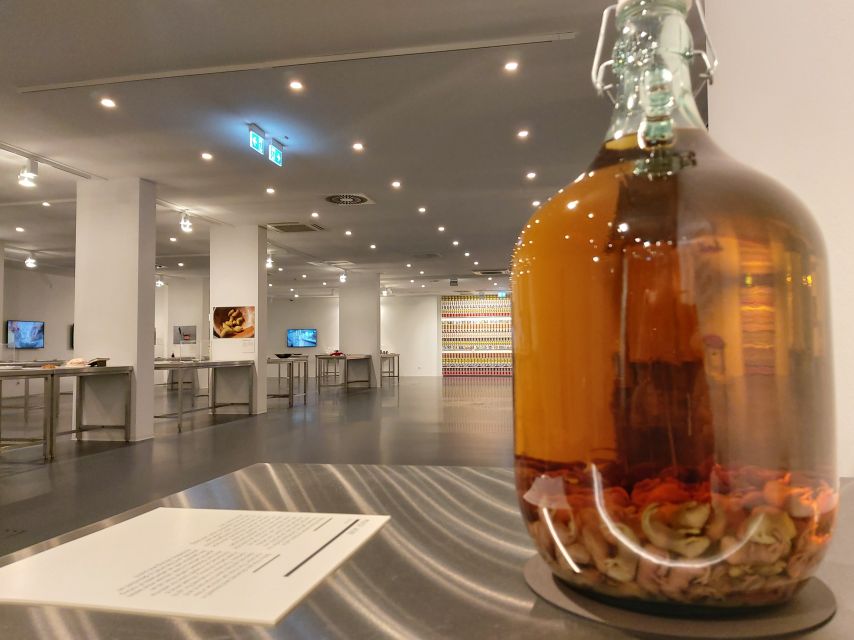
The first surprise is that the museum is not only about shock value. It uses foods that many people find repulsive to show how personal taste can be. What seems disgusting in Berlin may be familiar, traditional, or even prized somewhere else.
That idea gives the visit more weight than a simple collection of odd dishes. You begin by reacting to names, photographs, smells, or descriptions. Then you start asking why you react that way. Is the food unsafe, unfamiliar, badly presented, linked to an animal you do not normally eat, or simply outside your family habits?
I find this approach useful because food is one of the easiest ways to see cultural difference without turning the visit into a lecture. The museum places your own preferences under the spotlight. You may dislike a sample, yet still understand why someone else enjoys it.
The displays also point toward larger questions. How is food produced? What are the consequences of choosing one kind of food over another? What might people eat in the future? Those questions give the museum a current edge, especially if you want an attraction that leaves you with something to discuss after you leave.
More Museum & Gallery Tickets in Berlin
- Berlin: Natural History Museum Entrance Ticket
★ 4.6 · 3,382 reviews - Skip-the-Line: Berlin Wall Museum at Checkpoint Charlie
★ 4.1 · 2,041 reviews - Berlin: Museum Island Multiple Museum Entry Ticket
★ 4.4 · 2,007 reviews
Seeing more than 90 unusual foods
The main exhibition presents over 90 foods from around the world. The range includes mouse wine, mite cheese, stinky fish, and worms, along with other items chosen because they challenge ordinary ideas about what belongs on a plate.
You should expect variety rather than one long display of the same kind of food. Some exhibits focus on ingredients. Others connect to preparation, smell, appearance, or cultural acceptance. The collection encourages you to compare your own reaction with the reaction a different community might have.
Some items may sound more alarming than they actually are. Others may be hard to think about without a strong stomach. The museum does not promise that every exhibit will be funny or easy. Its warning that some content may feel uncomfortable is worth taking seriously.
I would not rush through the labels. The value is in the explanation around each food, not only in seeing the item itself. If you only look for the next shocking object, you will miss the museum’s main question: who gets to decide what counts as food?
The presentation is also part of the appeal. One recent visitor described the museum as not very large but praised the scope and the way the exhibits were presented. That is a useful expectation. You are getting a focused attraction with a clear theme, not a giant institution that takes half a day to cross.
The Tasting Bar puts your taste buds on trial
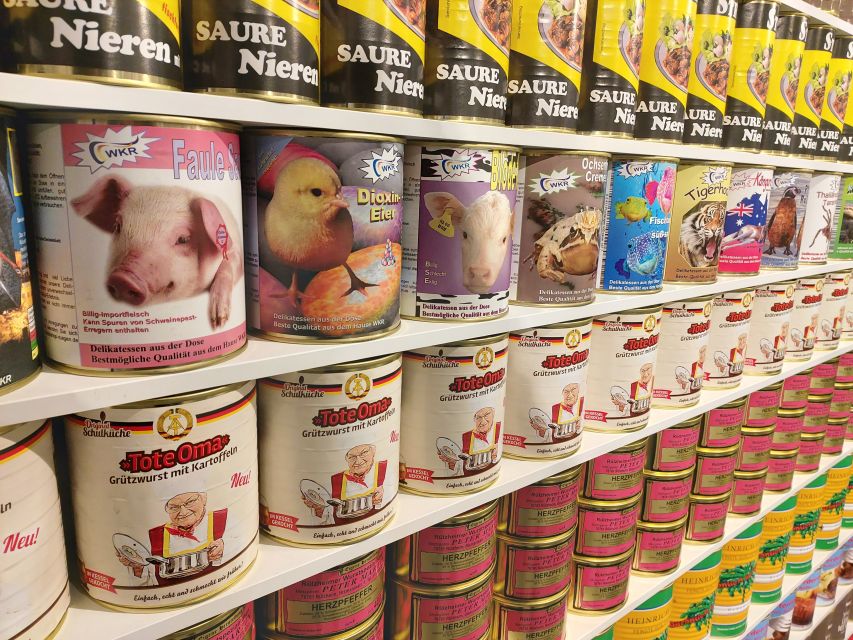
The Tasting Bar is where the visit becomes personal. Small disgusting samples are included with admission, giving you the chance to move from reading about strange food to testing your own response.
The samples are part of the ticket, but the museum does not frame them as a meal. Think of them as controlled taste tests. You might smell, examine, and cautiously try something before deciding if it is truly unpleasant or simply unfamiliar.
This is a good feature for people who enjoy interactive museums. You do not have to rely only on photographs or descriptions. Your own nose and palate become part of the exhibit.
It also makes the experience social. Families and friends can compare reactions, though the activity is still suitable for people who prefer to take things slowly. You can ask questions and search for answers rather than treating the tasting as a dare.
Bring a credit card, as listed in the practical instructions, and do not assume you need to consume every sample. The supplied information describes small samples, not a required tasting challenge. Your comfort level should guide how far you go.
Smell can be the bigger challenge. One visitor described the museum as highly intense in scent, so sensitive noses should prepare for an experience that may be more powerful than the photographs suggest. If you are prone to nausea around strong smells, you may prefer to focus on the displays and approach the Tasting Bar cautiously.
The Hall of Fame challenge
The Hall of Fame is a useful detail for anyone who likes a clear goal. It appears to be the part of the experience that tests how far you can go with the museum’s most difficult foods or tastings.
You should treat it as an optional personal challenge, not the sole reason to buy a ticket. One recent visitor described completing it as hard but a must. That tells you two things: the challenge can be demanding, and it adds a memorable finish for people who enjoy pushing their limits.
I like this kind of structure because it gives the visit a playful side. You can simply examine the exhibits, or you can set yourself a small mission. The choice keeps the experience from feeling like a forced dare.
Still, do not measure the museum only by whether you complete the Hall of Fame. Someone with a sensitive stomach may get more from the cultural and ethical questions than from the tasting challenge. The museum has room for both the brave and the cautious.
Same city, a completely different kind of day:
- Berlin: Reichstag, Dome and Government District Guided Tour
★ 4.7 · 18,288 reviews - Berlin: 1-Hour City Tour by Boat with Guaranteed Seating
★ 4.3 · 16,993 reviews - Berlin: Boat Tour Along the River Spree
★ 4.4 · 11,252 reviews - Discover Berlin Half-Day Walking Tour
★ 5.0 · 9,624 reviews
Food culture, production, and the future
The museum’s best material connects disgust with real food issues. It asks you to think about how food is produced, why certain choices have consequences, and what may appear on menus in the future.
That can include questions about the use of animals, unusual sources of protein, resource demands, and the role of tradition. The supplied information does not provide a full list of subjects, so I would not expect a detailed academic course. Instead, you get prompts that encourage discussion while you move through the exhibition.
This makes the museum a useful stop for families with older children, students, and adults interested in sustainability or food ethics. Younger children may enjoy the silly side, but some images, smells, and subjects may be uncomfortable. Parents should decide based on each child’s tolerance.
I appreciate that the museum does not present taste as a simple contest between normal and abnormal. Food habits are learned. They come from family, religion, geography, money, availability, and personal experience. Once you understand that, the exhibits become less about shock and more about how people live.
The future-food theme also gives the visit a practical reason to exist. Food systems change, and people regularly debate new ingredients and production methods. The museum uses extreme examples to make that debate easier to grasp.
How long the visit feels and who will enjoy it
The ticket is valid for one day, with entry at the date and time you book. The attraction itself is described as compact rather than huge, so I would plan it as a focused museum stop rather than an all-day program.
The exact visit length is not supplied, and your pace will depend on how closely you read the displays and how long you spend at the tasting area. Someone who wants quick photos and a few samples may finish sooner. Someone who reads every explanation and discusses each food can take longer.
That flexibility works well in a city itinerary. You can fit the museum around other Berlin plans without giving up a full day. Since transportation is not included, you need to arrange your own way there and allow time to reach the venue for your booked slot.
The museum suits you best if you:
- Enjoy unusual museums with an interactive element
- Like discussing culture and food habits
- Want an attraction that works for different ages
- Are curious about nutrition and future food choices
- Can handle strong smells and unsettling content
- Prefer a compact visit over a large traditional museum
You may want to skip it if you strongly dislike food-related body horror, intense smells, or tastings involving unfamiliar ingredients. The museum gives a warning about uncomfortable content, and that warning should shape your choice.
Is the $20 ticket good value?
At $20 per person, the ticket is priced like a short specialty attraction rather than a major museum admission. Its value comes from the combination of over 90 exhibits, the unusual subject, and the included samples at the Tasting Bar.
I would call it good value if you enjoy interactive experiences and plan to spend time thinking about the displays. You are not paying only to look at food behind glass. You are paying for a themed visit that includes tasting, discussion, and a chance to question your own assumptions.
The value is less convincing if you want a long, traditional museum visit. The museum is not huge, and the experience may feel brief compared with a full-day cultural attraction. That is not a flaw, but it matters when you plan your budget.
The strongest value comes from pairing the museum with other Berlin plans nearby. Since transportation is separate, the ticket works best when the visit fits naturally into your day rather than requiring a special cross-city journey just for a short stop.
The included tasting helps. Small samples would otherwise be an extra cost, and they turn the museum from a passive display into an experience you can feel and smell. You should not expect a full lunch, though. Eat before or after if you need a proper meal.
Access, booking, and practical comfort
The museum is wheelchair accessible, which makes it a practical choice for visitors who need step-free access. The supplied information does not provide detailed measurements or information about seating, toilets, or the exact route inside, so you may want to confirm those points directly if you have specific access needs.
Your entry and tastings are valid on the date and time booked. Check the available start times before choosing a slot, then arrive with enough time to begin without rushing.
Free cancellation is available up to 24 hours in advance for a full refund. You can also reserve now and pay later, which helps if your Berlin schedule may change. These options are useful, but read the booking terms at the time of purchase for the exact conditions attached to your reservation.
The museum asks you to bring a credit card. Transportation is not part of the experience, so your ticket covers the museum and small Tasting Bar samples only.
A clear choice for curious eaters
I would book the Disgusting Food Museum if I wanted a short Berlin attraction with a strong theme and something to talk about afterward. The combination of 90-plus exhibits, unusual samples, and questions about food culture gives it more purpose than a simple collection of gross-out objects.
I would be more cautious about booking it for very young children or anyone sensitive to smells and unsettling subjects. The tasting is optional in spirit, but the exhibition itself may still challenge you.
For the best experience, keep your expectations realistic. This is a compact specialty museum, not a full-day institution. Take your time with the explanations, treat the Hall of Fame as a personal challenge, and remember that the real subject is not disgust. It is the way culture teaches you what food should be.
FAQ
Where is the Disgusting Food Museum experience located?
The experience takes place at the Disgusting Food Museum in Berlin, Germany.
What does the ticket include?
The ticket includes museum entry and small disgusting samples at the Tasting Bar.
How many food exhibits can I see?
The museum has more than 90 food exhibits from around the world.
What kinds of foods are displayed?
Examples include mouse wine, mite cheese, stinky fish, and worms. The exhibits cover unusual foods that one person may reject while another considers delicious.
Is the tasting included in the admission price?
Yes. Small samples at the Tasting Bar are included with the museum entry ticket.
Is the tasting suitable for all ages?
The experience describes the tastings as suitable for all ages, but some exhibition content may be uncomfortable. Use your judgment for children and anyone sensitive to strong smells or unsettling subjects.
How long is the ticket valid?
Your ticket and tastings are valid on the date and time you book. The activity itself is valid for one day.
Is transportation included?
No. Transportation to the Disgusting Food Museum is not included.
Is the museum wheelchair accessible?
Yes. The museum is listed as wheelchair accessible.
Can I cancel my booking?
You can cancel up to 24 hours in advance for a full refund. A reserve-now, pay-later option is also available, subject to the booking terms.
More Food in Berlin
- Berlin: Mitte Culinary Food Tour
★ 4.5 · 447 reviews - Berlin: 3-Hour Secret Food Tour
★ 4.8 · 269 reviews - East Berlin Food & History Tour with Eating Europe
★ 5.0 · 204 reviews - Berlin: Guided Street Food Tour with Tastings
★ 4.8 · 192 reviews
More Food & Drink in Berlin
- Berlin Center Food Tour with 8+ Authentic Local Tastings
★ 5.0 · 1,227 reviews - Berlin City Bike Tour with Beer Garden Stop
★ 5.0 · 917 reviews - Kreuzberg: Culinary Food Tour
★ 4.5 · 770 reviews - Berlin: BRLO BRWHOUSE Tour and Craft Beer Tasting
★ 4.4 · 654 reviews
Just added around Berlin
- Love and War in Berlin: Self-Guided Story Puzzle Walk★ 5.0 · 7 reviews
- Rickshaw Tours Berlin – Groups of up to 16 people with several rickshaws★ 4.0 · 97 reviews
- Walking on the Wall: 3-Hour Tour in Berlin★ 4.5 · 34 reviews
- eSIM for Germany and 34 European Countries★ 4.5 · 16 reviews
- Warnemuende Shore Excursion: Berlin Private Sightseeing Tour from Rostock★ 5.0 · 4 reviews
- Your ticket to The Wall Museum Berlin★ 3.0 · 60 reviews
- Warnemuende Shore Excursion: Private Berlin Tour★ 4.5 · 27 reviews
- Berlin’s Gay, Lesbian, and Queer Scene Small-Group Walking Tour★ 4.5 · 66 reviews
Museum & Gallery Tickets, compared.






Skip-the-Line: Berlin Wall Museum at Checkpoint Charlie
Read our review →
Browse the lists this tour appears in