
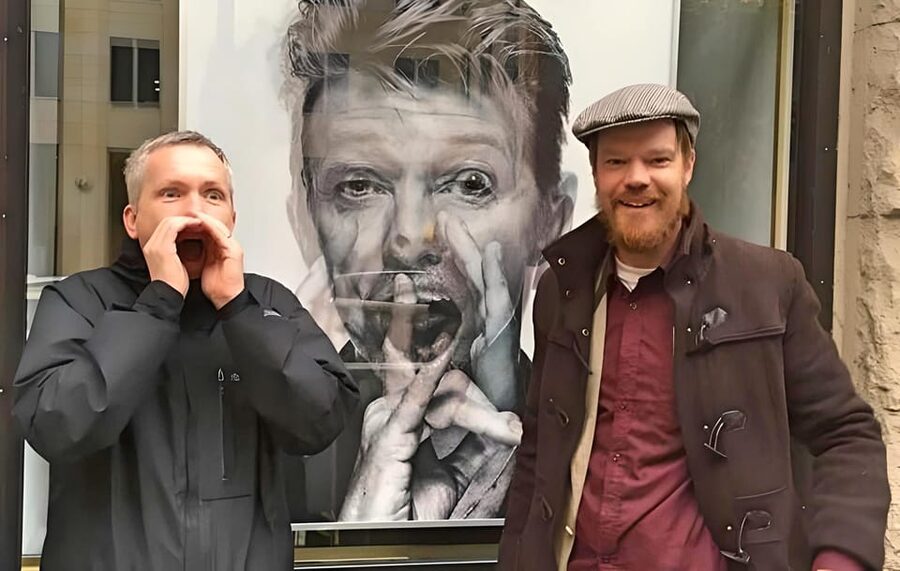
Reviewed · WALKING TOURS
Berlin: David Bowie & 1970s Berlin Guided Walking Tour
David Bowie’s Berlin story is best understood on the move. This three-hour tour links recording studios, Cold War landmarks, cafés, clubs, and neighborhoods tied to the years that produced Low, Heroes, and Lodger. You hear the music while standing near the places that helped shape it.
I like two things in particular: the guides connect Bowie’s personal story to 1970s West Berlin, and they use photographs, videos, and music clips to make each stop easier to picture. The tour also introduces you to parts of Berlin you might otherwise pass by. The main drawback is the price, $135 per person, plus public transport, which can feel steep if you are only casually interested in Bowie.
In This Review
- Key points
- Why Bowie’s Berlin still matters
- Meeting at Ständige Vertretung
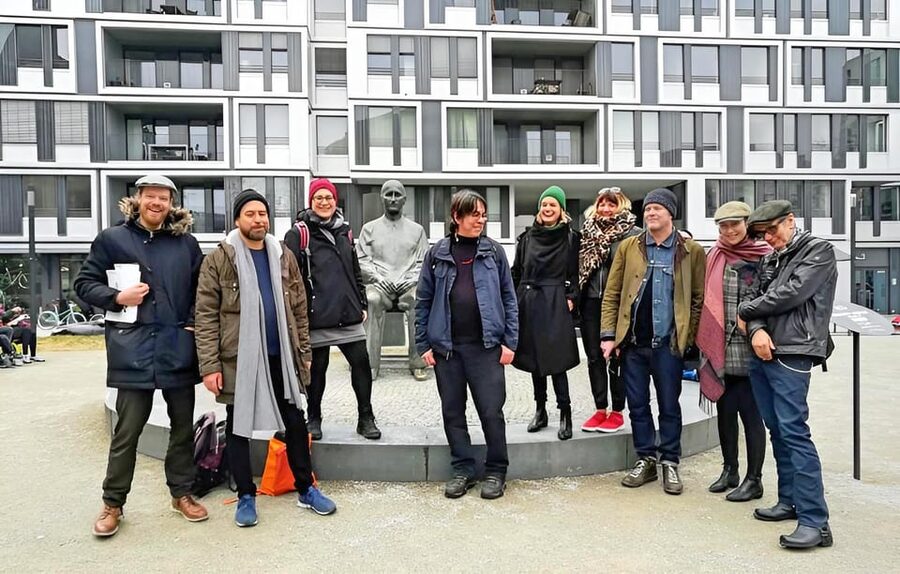
- Bertolt-Brecht-Platz and the Tränenpalast
- Anhalter Bahnhof and Martin-Gropius-Bau
- Topography of Terror and the Wall
- Hansa Studios and the making of Heroes
- KaDeWe and the glamorous West Berlin center
- Zoo Station and the old Dschungel Club
- Bowie’s former home and Neues Ufer Café
- Walking, trains, and the real pace of the route
- Is $135 a fair price?
- Who will enjoy this tour most?
- Booking details worth knowing
- Should you book the Bowie Berlin tour?
- FAQ
- Where does the tour meet?
- How long does the tour last?
- What language is the tour in?
- Does the tour include public transport?
- Should I buy a Berlin transit pass before the tour?
- Which David Bowie albums are connected with the tour?
- Does the price include food or drinks?
- Can I cancel the tour?
Key points
- Hansa Studios and the Berlin Wall: See the setting linked with the recording of Heroes, close to the former Wall.
- Bowie and Iggy Pop’s former flat: Follow the trail to the home the two musicians shared.
- Music with the places: Guides use audio clips, photographs, and videos to connect Bowie’s work with Berlin.
- More than a music tour: The route includes Cold War history, nightlife, art, cafés, and Berlin neighborhoods.
- Public transport is part of the day: You will use trains, buses, and the U-Bahn because the sites are spread across the city.
- Strong guide experience: Dan, Lee, Ronen, Martin, Klaus, and other English-speaking guides have led this tour.
Why Bowie’s Berlin still matters
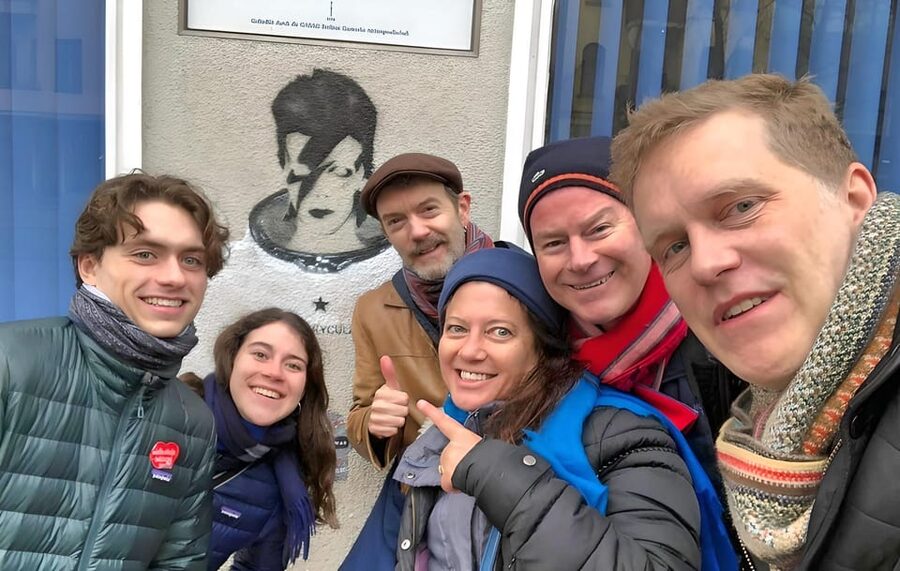
Bowie arrived in Berlin in 1976, at a time when West Berlin felt cut off from the rest of West Germany and surrounded by East German territory. It was a city of political tension, late-night clubs, experimental art, and unusual personal freedom. That mix gave him a setting very different from the polished music worlds of London and Los Angeles.
The tour does not treat Berlin as a backdrop for celebrity photographs. It shows you how the city’s mood entered the music. The grey streets, divided neighborhoods, Cold War anxiety, and creative underground all help explain the strange textures of Low and the stark, dramatic sound of Heroes.
I especially like the way the tour avoids making every stop into a shrine. Some locations have changed, some are marked only by a plaque or a street address, and some survive mainly through photographs. That is part of the point. You are seeing a real city, not a preserved film set.
A few more Berlin trips to weigh up
- Discover Berlin Half-Day Walking Tour
★ 5.0 · 9,624 reviews - Berlin: Third Reich and Cold War 2 Hour Walking Tour
★ 4.9 · 6,830 reviews - Berlin: Discover Berlin Walking Tour
★ 4.9 · 5,998 reviews
Meeting at Ständige Vertretung
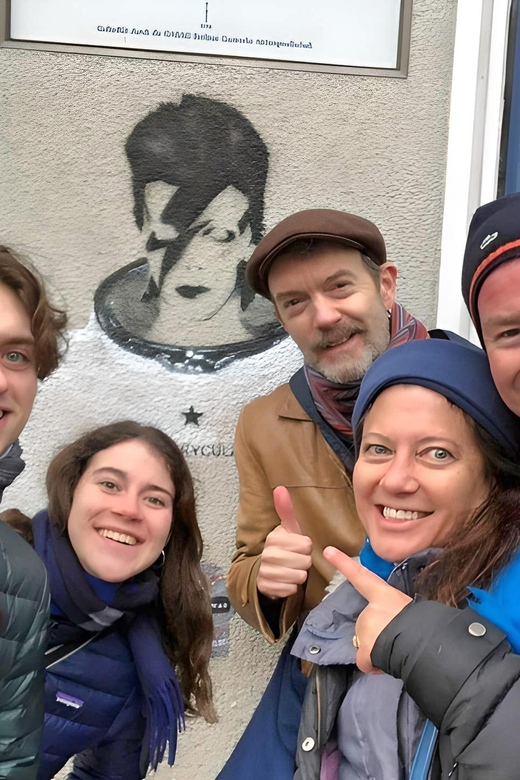
The stated meeting point is Ständige Vertretung at Schiffbauerdamm 8, a memorabilia-filled café in central Berlin. It is a practical place to begin, although the exact starting point can depend on the option you book, so check your confirmation carefully.
From there, your guide sets the scene before the group begins crossing the city. The opening usually works best when you know a little about Bowie already, but you do not need to be an expert. The story covers Bowie, Iggy Pop, Berlin’s musicians, the city’s divided past, and the social world that surrounded them.
The guide is a major part of the experience. Guides named in past tours include Dan, Lee, Ronen, Martin, Klaus, Rachel, and Nadav. Their approach can vary, but the strongest pattern is clear: expect an academic or cultural-history angle rather than a basic sightseeing script. Professors, doctoral students, historians, journalists, art critics, and published authors lead the experience.
Several guides use a portable soundtrack, old photographs, and short video clips. That matters because many of the locations no longer look as they did in the 1970s. A photograph of Bowie outside a building, followed by a few seconds of music, can bridge the gap between present-day Berlin and the city he knew.
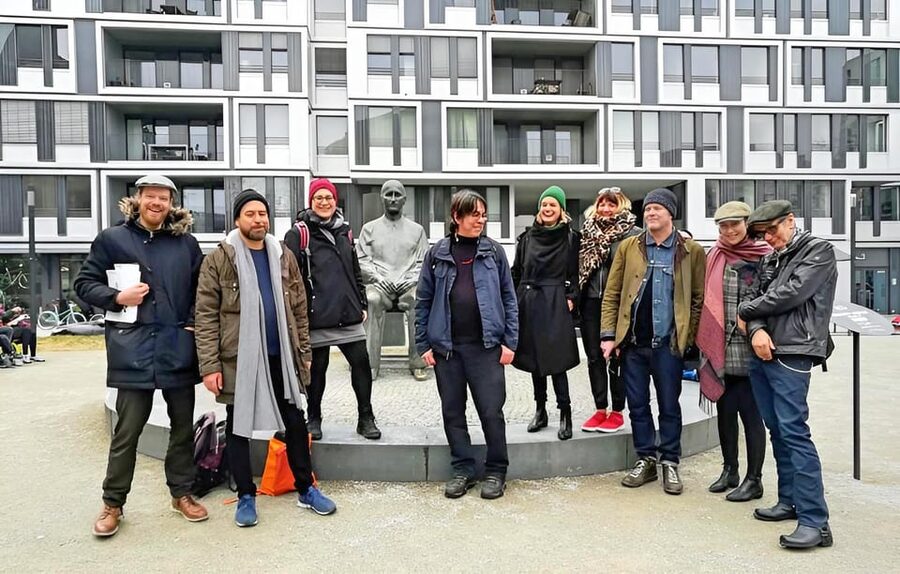
Bertolt-Brecht-Platz and the Tränenpalast
Bertolt-Brecht-Platz and the Tränenpalast introduce the political side of the tour. The square sits by the River Spree and the Berliner Ensemble theater, a useful reminder that Berlin’s cultural life was never separate from politics.
The Tränenpalast, or Palace of Tears, was a former border crossing at Friedrichstrasse station. Its name comes from the emotional farewells that took place there when people from East Berlin or East Germany passed through the checkpoint. It was not a Bowie venue, but it helps you understand the controlled, divided city around him.
This is one of the tour’s strongest features. Bowie’s Berlin years can seem like a fashionable music story, all clubs and studio sessions. The border sites show the harder setting behind that image. You begin to see why the city’s tension could feed experimental music without turning the tour into a simple Cold War lecture.
Anhalter Bahnhof and Martin-Gropius-Bau
Anhalter Bahnhof is one of Berlin’s memorable railway ruins. Once a major station, it was badly damaged during the Second World War and later left with its grand facade and a large open area where the main building had been.
The stop gives your guide room to explain how Berlin’s wartime damage, postwar division, and empty spaces shaped the city Bowie encountered. You may also hear about the way artists used neglected buildings and marginal areas during this period.
Nearby, Martin-Gropius-Bau brings art and architecture into the story. The building is a major exhibition space today, but the wider area also connects to Berlin’s museum and government districts. The tour uses places like this to show that Bowie’s Berlin was not only about rock clubs. It was a city where music, visual art, theater, political memory, and nightlife overlapped.
Do not expect long museum visits at these stops. The tour is built around outdoor interpretation and movement. You might look into a building or pass close to a museum, but the guide’s story remains the focus.
Same city, a completely different kind of day:
- Berlin: Reichstag, Dome and Government District Guided Tour
★ 4.7 · 18,288 reviews - Berlin: 1-Hour City Tour by Boat with Guaranteed Seating
★ 4.3 · 16,993 reviews - Berlin: Boat Tour Along the River Spree
★ 4.4 · 11,252 reviews - Berlin: Hop-on Hop-off Bus Tour with Live Commentary
★ 4.3 · 8,579 reviews
Topography of Terror and the Wall
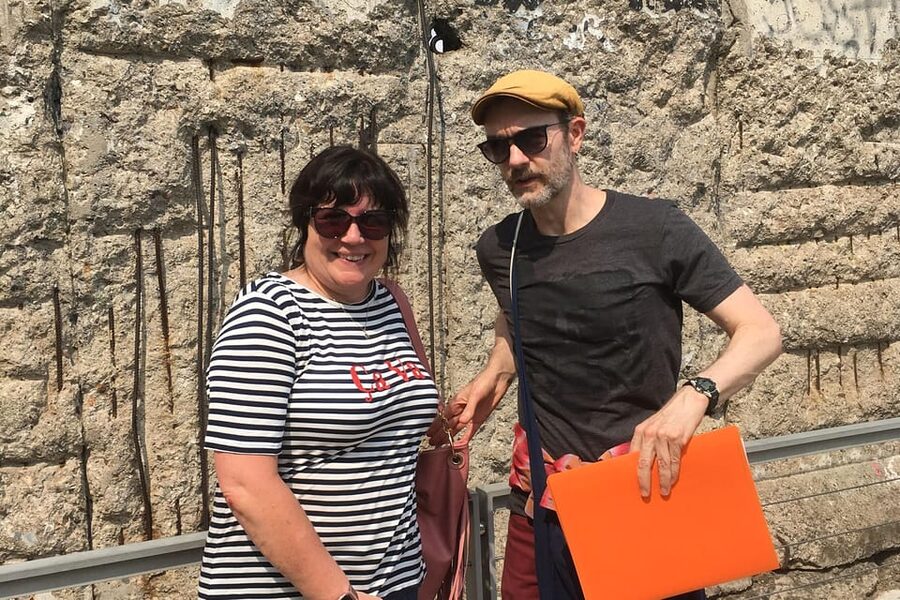
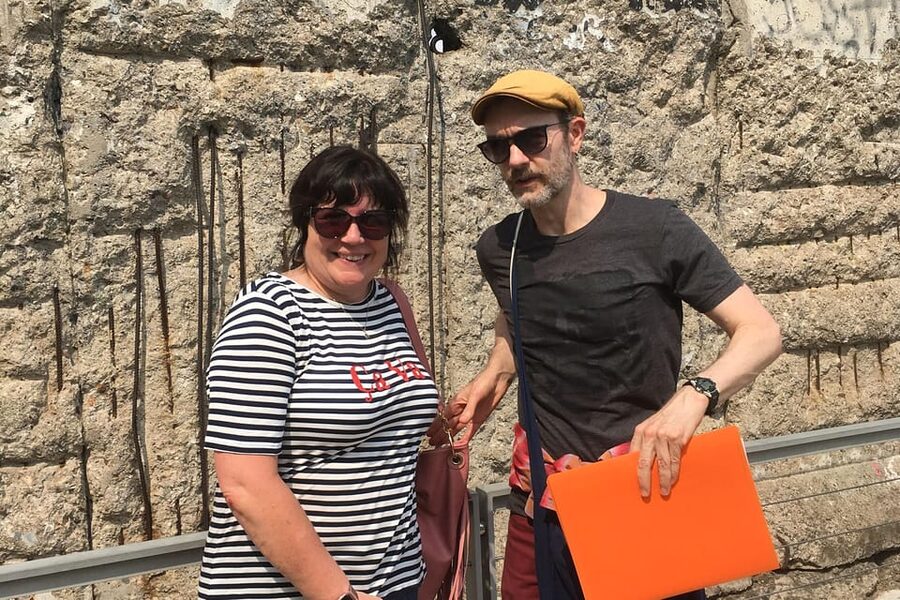
The Topography of Terror documentation center stands on the former site of Nazi police institutions, close to a surviving section of the Berlin Wall. It is a serious historical stop, and the subject shifts sharply from Bowie’s bohemian life to state violence and twentieth-century German history.
That change is valuable. Berlin’s creative freedom in the 1970s existed beside layers of trauma, surveillance, and political division. The Wall was not just a symbol in the distance. It shaped where people could go, how neighborhoods developed, and how West Berlin felt to residents and artists.
At this point, the tour connects the physical city to the sound of Heroes. The Hansa recording studios were near the Wall, and the location helped give the song its famous sense of separation and longing. Your guide may play music or show period images to make that connection clear.
If you have already taken a major Berlin Wall or Nazi-era history tour, some of the general background may be familiar. Still, seeing it through the Bowie years gives the material a different frame. You are not replacing a full history tour, but you are adding a strong cultural layer.
Hansa Studios and the making of Heroes
Hansa Studios is the emotional center of the route. The building is associated with Bowie’s Berlin recordings and with the period when he worked alongside musicians and producers who helped reshape his sound.
The studio’s location near the former Wall gives the stop its force. This is where the polished idea of a recording studio meets the tense geography of divided Berlin. The guide explains how Bowie’s work during this period differed from his earlier glam-rock persona and why the music became more spare, strange, and atmospheric.
You will not be taking a standard studio tour, and the experience does not promise entry into private recording areas. The value is in standing outside, learning what happened there, and hearing the music in its setting.
I would bring headphones only if you want to compare tracks privately, but the shared audio clips are part of the guide-led experience. Several guides are praised for using the music at the right moments rather than simply listing facts. That helps the stop feel connected to the albums instead of becoming another address on a map.
KaDeWe and the glamorous West Berlin center
KaDeWe, the Kaufhaus des Westens, brings you into the commercial heart of West Berlin. This huge department store represented Western consumer life and was a famous city landmark during the Cold War.
Its place on the tour may surprise you. Bowie’s Berlin was often described as gritty, artistic, and nocturnal, but the city also had bright department stores, busy shopping streets, cafés, and public meeting places. KaDeWe helps widen the picture.
The contrast works well. You move from Wall history and studio mythology into a more polished part of the city, then continue toward the nightlife and music locations linked with Bowie. You do not need to plan a full shopping visit here. Treat it as a cultural marker and a useful orientation point.
Zoo Station and the old Dschungel Club
Zoologischer Garten Station, known to many music fans through Bowie’s Station to Station and the later song Where Are We Now?, was a key transport and city-center location. The station and surrounding area formed part of the decadent West Berlin setting Bowie explored.
The former Dschungel Club was one of the nightlife stops. Bowie and Iggy Pop spent time in clubs and cafés around this part of the city, and Dschungel became linked with the creative crowd of the era. The building or venue may not function as it once did, so the guide’s photographs and stories matter here.
This is where the tour’s tone usually becomes more personal. You hear about the people Bowie met, the places he went out, and the difference between his public image and his day-to-day life in Berlin. Guides also place Iggy Pop’s work in the same setting, especially The Idiot and Lust for Life.
For fans, these details can be the most rewarding part of the day. For non-fans, the clubs still show how Berlin’s nightlife supported unusual music and outsider culture.
Bowie’s former home and Neues Ufer Café
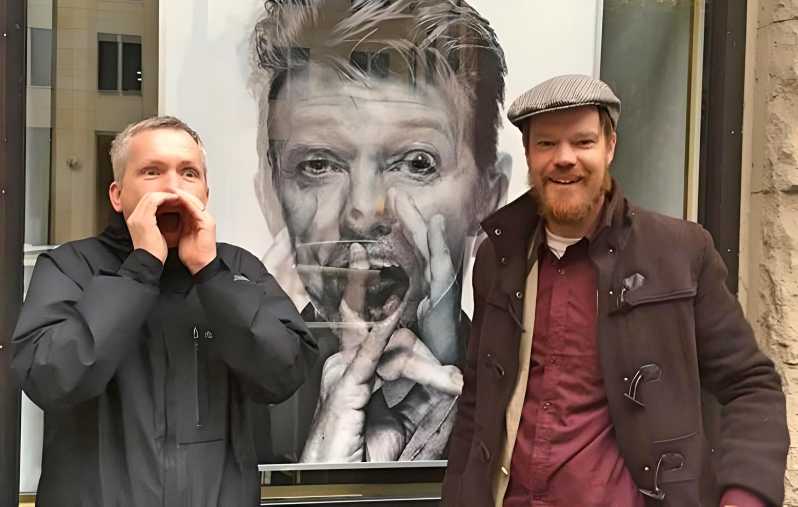
The route follows Bowie and Iggy Pop to the flat they shared. A private residence is not a museum, and you should approach it respectfully. The interest lies in the address, the neighborhood, and the story the guide attaches to the place, not in treating someone’s former home as an attraction to enter.
This stop gives the story a human scale. Recording sessions and famous clubs can make Bowie’s Berlin years seem larger than life. A residential street reminds you that he also had to shop, walk, sleep, and live in the ordinary city.
Neues Ufer Café is another important stop. It was associated with Bowie’s Berlin circle and remains one of the places most closely tied to the era. Depending on timing and the group, you may have a chance to pause there, but food and drinks are not included in the tour price.
I would not count on a full café break unless your guide confirms it. The route covers a lot of ground, and the café works primarily as a Bowie landmark. If you want to eat afterward, note that the exact finishing point may vary, so ask your guide before the tour ends.
Walking, trains, and the real pace of the route
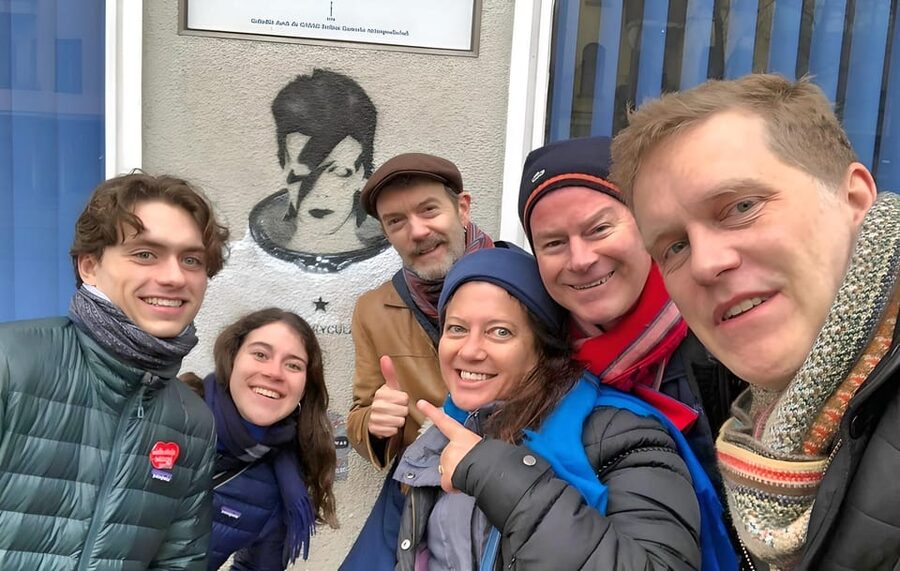
Despite its name, this is not a three-hour walk in one compact neighborhood. The sites are spread across Berlin, so you will walk between stops and use public transport several times. Past tours have used trains, buses, and the U-Bahn as the group crosses the city.
That format is both a strength and a practical challenge. You see more of Berlin than you would on a fixed walking loop, and the movement helps you understand the distance between Bowie’s home, clubs, studios, and central landmarks. It also means you should not wear flimsy shoes.
A Berlin day pass is strongly advised if you do not already have a valid visitor transit pass. You can buy one before meeting the guide, or your guide can help you purchase one at the first metro station. Buying it ahead saves time and keeps the group moving.
Allow for changing Berlin weather. A past guide specifically advised sturdy, supportive footwear and clothing suited to rain, wind, or sudden temperature changes. Arriving about ten minutes early is sensible, especially if your starting point depends on the option selected.
Is $135 a fair price?
At $135 per person, this is not a budget walk. You also pay for your public transport ticket, and food and drinks are separate. The value depends heavily on your interest in Bowie and on the group arrangement.
For a committed fan, the price can make sense. You are not just receiving a list of addresses. You get a historian-led route, several parts of Berlin, period context, music, images, and access to a story that is difficult to piece together on your own.
The price is harder to justify for a casual visitor who wants only a quick photograph outside Hansa Studios. You could see some locations independently, but you would miss the connections between them and would need to research the route yourself.
Private and small-group options are available. A small group can make it easier to ask about specific songs, Iggy Pop, Berlin’s art scene, or other figures linked to the city. One practical warning: the booking setup may require a minimum of two tickets, even if only one person is attending, so check the total cost before paying.
The tour has a 4.8 rating from 123 reviews, with praise focused mainly on the guides’ subject knowledge, energy, music choices, and ability to explain Berlin beyond Bowie. The strongest guides, including Dan and Lee, are repeatedly singled out for bringing lesser-known stories and historical context to life. That guide quality is the main reason to choose this experience over a self-guided route.
Who will enjoy this tour most?
You should book it if Low and Heroes are important records in your life, or if you want to understand Bowie as an artist changing direction rather than simply visiting celebrity addresses.
It also suits people interested in Iggy Pop, post-punk, Berlin nightlife, modern art, and the Cold War city. You do not need to be a devoted Bowie fan. The route gives you a useful look at West Berlin’s social and political setting, and several past groups included people who came mainly for Berlin’s culture.
I would be more cautious if you have limited mobility, dislike public transport, or prefer a slow walk with long stops. The route covers substantial ground, and the exact amount of walking can vary. It is also less appealing if you expect to enter every building or spend extended time inside museums.
Booking details worth knowing
The tour lasts three hours and is conducted in English. You can choose a private or small-group format, depending on availability and the option selected.
Cancellation is free up to 24 hours before the start for a full refund. A reserve-now, pay-later option is also available, useful when your Berlin schedule is still changing.
The tour does not include hotel pickup or drop-off. Plan your route to the meeting point at Ständige Vertretung, and confirm the final stop with your guide if you want to arrange dinner or another appointment afterward.
Should you book the Bowie Berlin tour?
Book it if you want music tied to real streets, not a general city walk with a few Bowie facts added on. Hansa Studios, the former flat, Neues Ufer Café, Zoo Station, old club locations, and Wall-era sites create a strong three-hour portrait of the city that shaped Bowie’s work.
I would choose a small-group or private option if the price fits your budget, then request a guide with a strong Bowie focus if that is possible. Dan, Lee, and Ronen are names associated with especially engaging tours, though guide assignment is not guaranteed.
Skip it if you want a cheap, compact walking tour or if you have no interest in Bowie, Iggy Pop, or Cold War Berlin. For everyone else, this is a thoughtful way to hear the albums differently and see Berlin through the eyes of an artist who used the city’s tension to reinvent himself.
FAQ
Where does the tour meet?
The stated meeting point is Ständige Vertretung, a memorabilia-filled café at Schiffbauerdamm 8, 10117 Berlin. The exact starting point can depend on the option selected, so check your booking details.
How long does the tour last?
The tour lasts three hours.
What language is the tour in?
The live guided tour is conducted in English.
Does the tour include public transport?
No. You need to pay for your own public transport ticket. The tour uses public transport several times because the sites are spread across Berlin.
Should I buy a Berlin transit pass before the tour?
Yes. If you do not already have a visitor transit pass, a day metro pass is advised. If you cannot buy one ahead of time, the guide can help you purchase it at the first metro station.
Which David Bowie albums are connected with the tour?
The tour focuses on the Berlin period associated with Low, Heroes, and Lodger. It also discusses Iggy Pop’s work from the same period.
Does the price include food or drinks?
No. Food and drinks are not included.
Can I cancel the tour?
Yes. You can cancel up to 24 hours in advance for a full refund. A reserve-now, pay-later booking option is also available.
Just added around Berlin
- Love and War in Berlin: Self-Guided Story Puzzle Walk★ 5.0 · 7 reviews
- Rickshaw Tours Berlin – Groups of up to 16 people with several rickshaws★ 4.0 · 97 reviews
- Walking on the Wall: 3-Hour Tour in Berlin★ 4.5 · 34 reviews
- eSIM for Germany and 34 European Countries★ 4.5 · 16 reviews
- Warnemuende Shore Excursion: Berlin Private Sightseeing Tour from Rostock★ 5.0 · 4 reviews
- Your ticket to The Wall Museum Berlin★ 3.0 · 60 reviews
- Warnemuende Shore Excursion: Private Berlin Tour★ 4.5 · 27 reviews
- Berlin’s Gay, Lesbian, and Queer Scene Small-Group Walking Tour★ 4.5 · 66 reviews
Walking Tours, compared.





Berlin’s Best: 2 Hour Walking Tour Third Reich and the Cold War
Read our review →

