
Reviewed · MUSEUM & GALLERY TICKETS
Hamburg: FC ST. PAULI-MUSEUM Entrance Ticket
FC St. Pauli’s museum is less about silverware and more about how a football club grew from its Hamburg neighborhood. Across 600 square meters, you follow the club’s story through photographs, film, objects, text, and carefully built installations.
I like the museum’s strong sense of place, and I especially like the full-stadium video room, which creates the feeling of sitting among a packed crowd. The displays also have a good length, so you can take in the main story without giving up half your day.
The main consideration is simple: this is not a trophy museum. If you want rows of cups and famous match souvenirs, the collection may feel modest. If you care about football, local identity, and fan culture, the $8 price is much easier to justify.
In This Review
- Key points to know before you go
- Why FC St. Pauli’s story is bigger than its trophy case
- Inside the 600-square-meter KIEZBEBEN exhibition
- The video room brings Millerntor into the museum
- Fan culture and the making of a club identity
- What the $8 ticket really buys you
- Museum ticket or stadium walking tour?
- How to plan the visit in Hamburg
- Who will enjoy this museum most?
- My practical take on the experience
- Should you book the FC St. Pauli Museum?
- FAQ
- Where is the FC St. Pauli Museum?
- How much does museum admission cost?
- How long is the ticket valid?
- Does the ticket include a guided stadium tour?
- Is the museum available in English?
- Is the museum wheelchair accessible?
- Can I cancel my booking?
Key points to know before you go
- More than 110 years of football history: The exhibition follows FC St. Pauli from its beginnings to the present day.
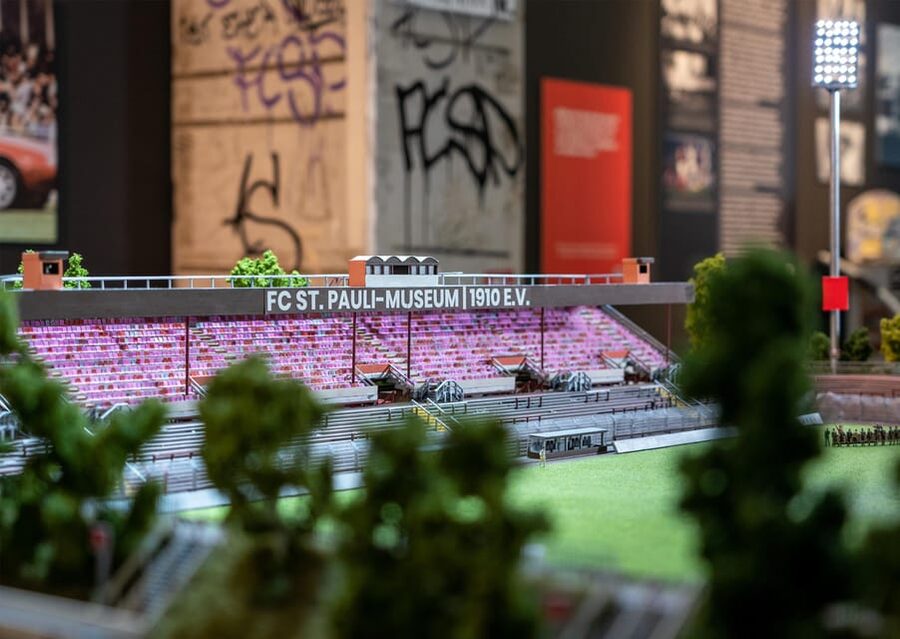
- A 600-square-meter museum inside Millerntor Stadium: You visit the club’s story in the stadium that remains central to its identity.
- KIEZBEBEN is the permanent exhibition: Photos, film, text, historical objects, and large installations carry the main narrative.
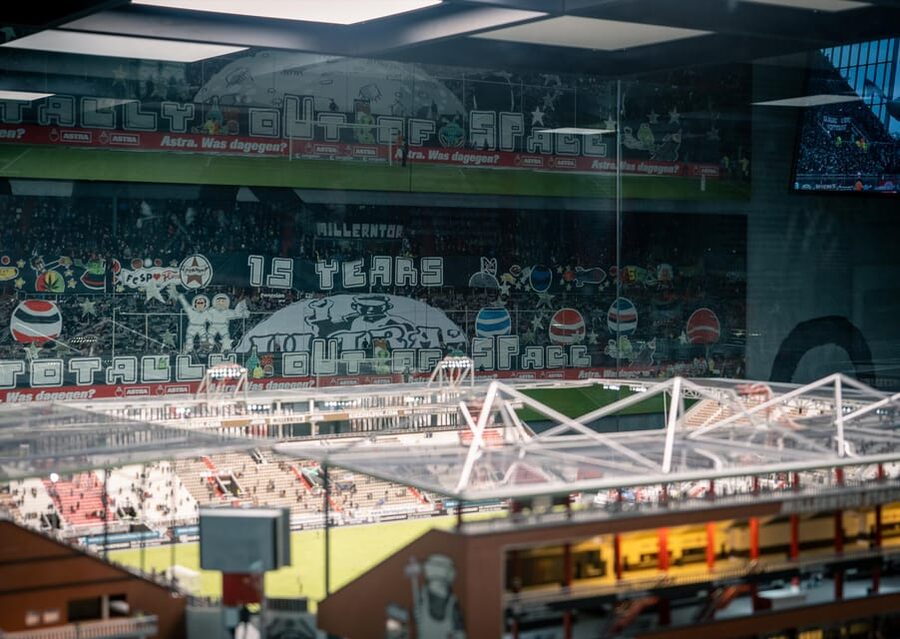
- The video projection room is a highlight: The sound and images give you the sensation of being in a full stadium.
- The $8 ticket covers the museum only: A guided walking tour of Millerntor Stadium costs extra.
- German and English are available: The museum is wheelchair accessible, and cancellation is free up to 24 hours before the visit.
Why FC St. Pauli’s story is bigger than its trophy case
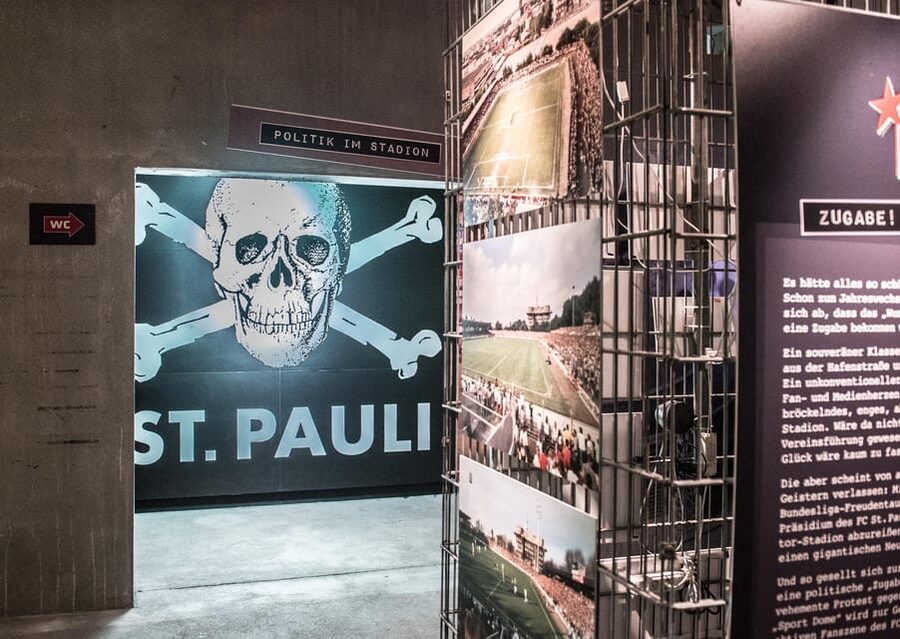
The first thing to understand is what kind of museum this is. FC St. Pauli does not have a giant international trophy collection, and the museum does not try to hide that fact. Instead, it explains the club through its past, its neighborhood, and the culture that formed around it.
That approach gives the visit a different feel from a conventional football museum. You are not simply looking at shirts, medals, and match balls arranged in a line. You are being shown how a club can become part of the identity of a district and its people.
The permanent exhibition, called KIEZBEBEN, covers more than 110 years. The title points toward the club’s connection with the Kiez, the local neighborhood around St. Pauli, and the way football can shake up a community far beyond the pitch.
I find that useful context because it explains why the club matters to many supporters. The displays connect club history with the local setting, rather than treating the team as an isolated sports brand.
More Museum & Gallery Tickets in Hamburg
- Hamburg: International Maritime Museum Entrance Ticket
★ 4.7 · 547 reviews - Hamburg: Entrance to the Museum Ship Cap San Diego
★ 4.7 · 467 reviews - Hamburg: RICKMER RICKMERS Museum Entry Ticket
★ 4.6 · 269 reviews
Inside the 600-square-meter KIEZBEBEN exhibition
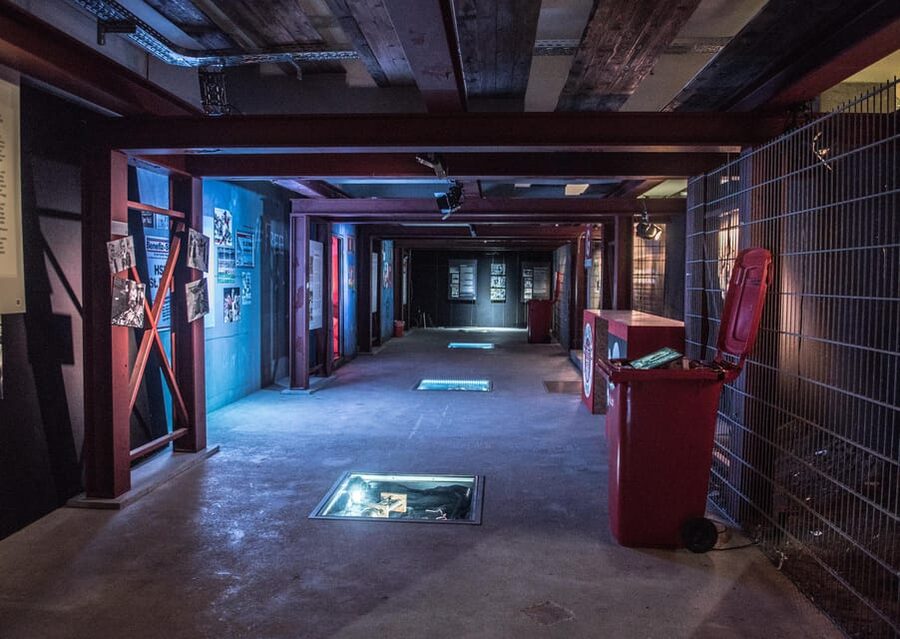
The museum uses a mixture of photographs, written panels, film, historical objects, and large installations. That variety matters. If you prefer visual displays, there is plenty to look at. If you want dates and background, the text helps build the timeline.
The story begins with the club’s early years and continues toward the present day. The exhibition is designed to show change over time, so you can see how FC St. Pauli developed rather than encountering a collection of disconnected objects.
I would give yourself enough time to read the main panels and pause at the film sections. The museum is not presented as a quick photo stop, but it is also not so long that it takes over a full day in Hamburg. The available information describes the exhibition as a good length, and that is a useful way to think about it: substantial enough to feel worthwhile, compact enough to fit around other plans.
The displays are carefully arranged, with attention paid to the look and flow of the rooms. That makes a difference in a museum built around a subject that can easily become a pile of old memorabilia. Here, the design helps carry the story from one period to the next.
The video room brings Millerntor into the museum
The strongest single feature is the room with video projections. The combination of moving images and the sense of a stadium crowd makes the space feel much larger than a standard display room.
I like this kind of museum feature when it serves the subject rather than acting as a gimmick. Here, the projection room gives you a feel for match-day atmosphere, even though you are not attending a game. It helps explain why a stadium is more than seats, floodlights, and a playing surface.
You should not expect a live match or a full stadium tour as part of the basic ticket. The room offers an atmospheric sample, not a substitute for being at Millerntor during a game.
Still, it adds an emotional layer to the visit. The photographs and text tell you what happened, while the projections suggest what it feels like when the stadium fills.
Fan culture and the making of a club identity
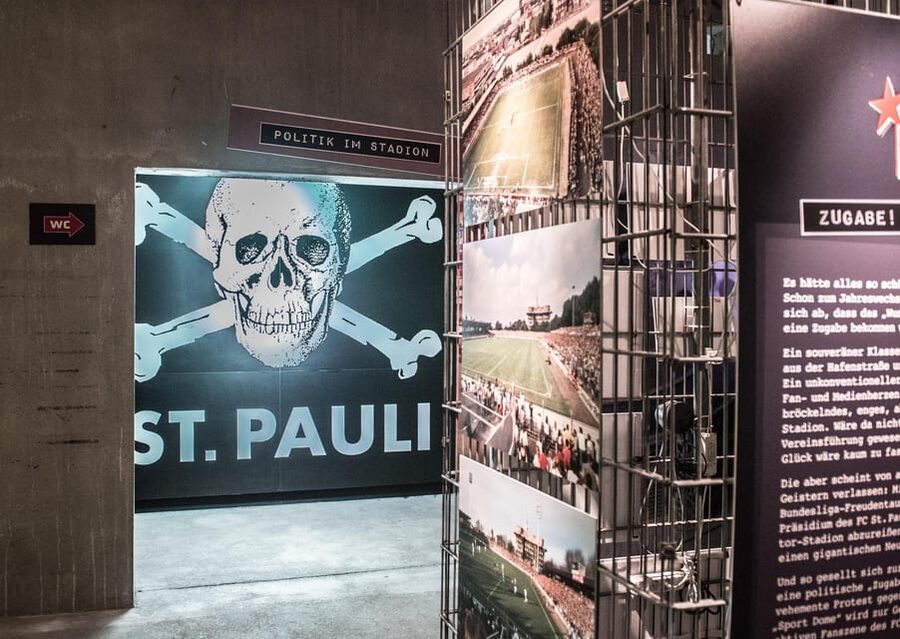
FC St. Pauli’s museum gives unusual weight to culture. The club’s connection to its district is not treated as a side note, but as part of the main story.
That is likely to appeal to you if you enjoy learning how local communities shape sports teams. The displays show that football can carry ideas, loyalties, and shared memories from one generation to another.
I would not approach this museum expecting a neutral, corporate presentation. The institution is operated and financed by the nonprofit 1910, Museum für den FC St. Pauli e.V., founded by fans in 2012. That background helps explain why the museum places such importance on supporters and the club’s wider identity.
The fan-led structure also gives the museum a clear point of view. That can be a strength, since the exhibition has a distinct voice and purpose. It also means you should see it as a club and community museum, not as a detached sports archive.
Same city, a completely different kind of day:
- Hamburg: Sex and Crime in St. Pauli Tour for Ages 18+
★ 4.7 · 15,447 reviews - Hamburg: 1.5-Hour Harbor and Speicherstadt Day Cruise
★ 4.6 · 14,200 reviews - Hamburg: 90-Minute Evening Lights Harbor Cruise
★ 4.5 · 7,728 reviews - Hamburg: 2-Hour XXL Port of Hamburg Cruise Tour
★ 4.7 · 6,979 reviews
What the $8 ticket really buys you
At $8 per person, the museum is reasonably priced for a specialized Hamburg attraction. You are paying for access to a permanent exhibition, changing special exhibitions, and a carefully designed presentation inside Millerntor Stadium.
The value is strongest if you already follow FC St. Pauli or have an interest in football culture. You will recognize more of the importance behind the objects and images, and you may want time to read the historical material closely.
You can still enjoy it without being a dedicated supporter. The museum offers a useful look at how a Hamburg club developed over more than a century, and the neighborhood connection gives the visit wider interest.
The value is weaker if you are expecting a major collection of trophies. One practical point deserves emphasis: the museum is about the club’s story, not a display of sporting success. Go for history, identity, and atmosphere, and the price makes sense. Go only for famous cups, and you may leave underwhelmed.
Museum ticket or stadium walking tour?
The basic admission includes the FC St. Pauli Museum at Millerntor Stadium. It does not include the guided walking tour of the stadium.
That distinction matters when you compare options. The museum gives you a self-guided look at the club’s past through exhibitions and film. The stadium tour is a separate experience intended to show you more of the building itself.
If your main goal is to understand the club’s history, the museum ticket may be enough. If you want the physical feeling of moving through Millerntor, consider adding the guided walking tour.
The available details do not name the stadium-tour guides or provide a fixed tour length, so I would check the selected date carefully before booking. The optional tour may be especially appealing if you are visiting during a home match period and want a stronger connection to the match-day setting.
Do not assume the museum ticket includes the stadium walk. It does not, and drinks are not included either.
How to plan the visit in Hamburg
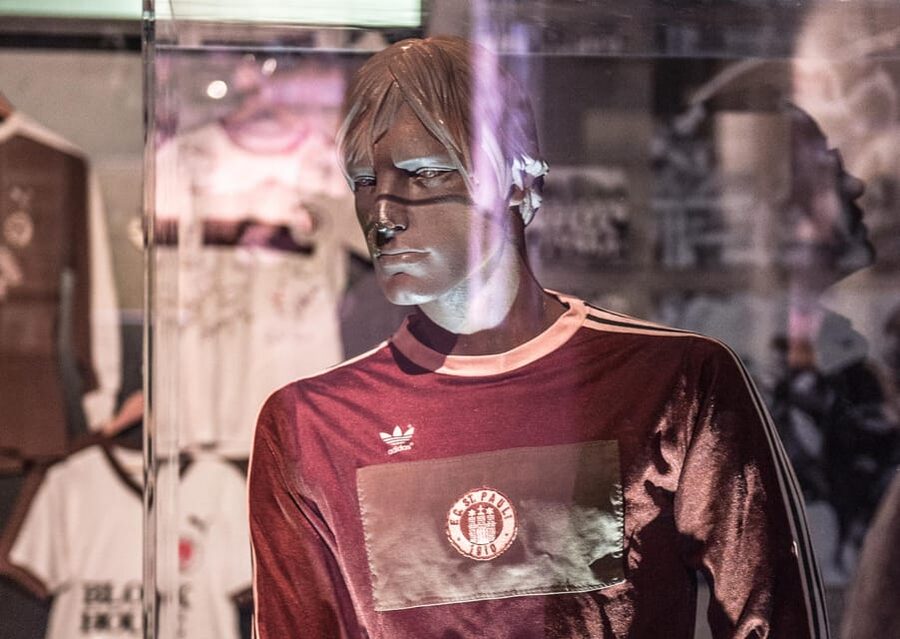
The ticket is valid for one day, with starting times shown according to availability. Since no fixed visit length is provided, I would leave flexible room in your schedule rather than planning a tight connection immediately afterward.
I would pair the museum with other time in the St. Pauli area, since the club’s neighborhood setting is part of what gives the exhibition meaning. You can take your time with the displays, then continue your Hamburg plans without committing an entire day to the museum.
English and German are available. That makes the visit practical for international visitors, although the exact language arrangement for individual display panels or staff interaction is not specified.
The museum is wheelchair accessible, which is useful for visitors who need step-free access. For the most precise information about entry arrangements, I would confirm details for your chosen time before setting out.
The booking terms are also friendly for changing plans. You can cancel up to 24 hours in advance for a full refund, and you can reserve now and pay later. Those options are helpful if your Hamburg schedule depends on weather, match plans, or other timed activities.
Who will enjoy this museum most?
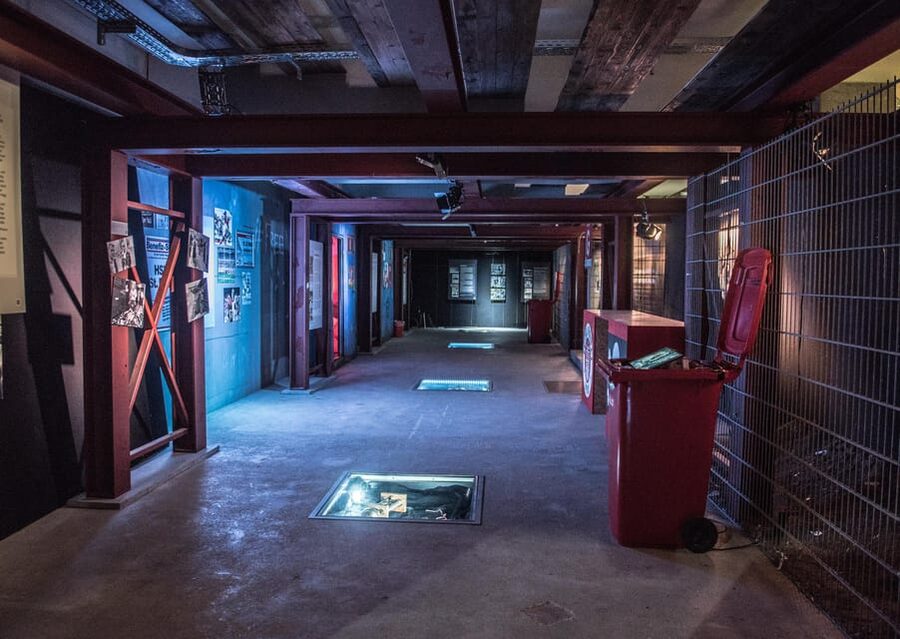
I would recommend the museum first to FC St. Pauli supporters and football fans who want context behind the club. The exhibition gives you more than a list of results, and it explains why the team has such a strong connection to its district.
It also suits visitors interested in Hamburg’s social and local culture. You do not need to know every player or season to understand the central idea: clubs grow through places, people, and memories.
Families with mixed interests may find the film and visual installations easier to share than a text-heavy archive. Still, children who want fast action and lots of interactive games may not stay engaged through every historical panel.
The museum is less suited to you if you have little interest in football, club identity, or local history. The exhibits are focused, and there is no broad collection of general Hamburg attractions inside.
My practical take on the experience
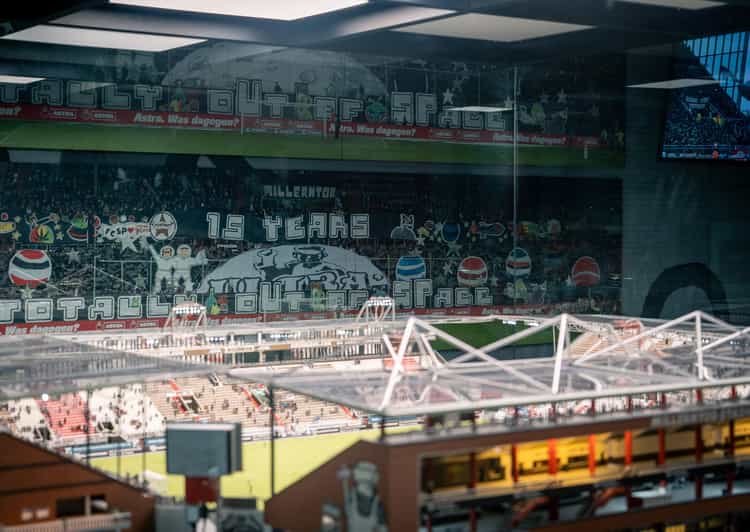
I like the museum because it knows what it wants to explain. It does not pretend FC St. Pauli is famous because of an enormous trophy haul. Instead, it shows how the club’s past and neighborhood helped shape its character.
The best moment is the projected stadium room, where the museum briefly shifts from facts and objects to atmosphere. The permanent KIEZBEBEN exhibition then gives that atmosphere a historical frame.
The museum’s other strength is its size. Six hundred square meters is enough space for a serious presentation, but not so much that you need to rush or skim everything. You can see the main sections in a manageable visit and still have time for other Hamburg plans.
The main weakness is also clear. If you want a grand sports shrine filled with championship cups, this is not it. The museum’s value depends on whether you care about the story behind a club, not just its wins.
Should you book the FC St. Pauli Museum?
I would book it if you want to understand FC St. Pauli as a Hamburg institution, not simply as a football team. The $8 admission is a fair buy for the 600-square-meter exhibition, the 110-plus years of club history, and the memorable stadium projection room.
Choose the museum alone if you want a focused visit at a low price. Add the separate guided walking tour if seeing more of Millerntor Stadium matters as much to you as the exhibits.
Skip it if your only goal is to see trophies or if football has no place in your Hamburg plans. For everyone else, this is a compact, thoughtful stop with a clear local voice and enough substance to make the ticket worthwhile.
FAQ
Where is the FC St. Pauli Museum?
The museum is located inside Millerntor Stadium in Hamburg, Northern Germany.
How much does museum admission cost?
The listed price is $8 per person.
How long is the ticket valid?
The ticket is valid for one day. Available starting times depend on the date you select.
Does the ticket include a guided stadium tour?
No. The guided walking tour through Millerntor Stadium is not included and must be booked separately.
Is the museum available in English?
German and English are listed as available languages.
Is the museum wheelchair accessible?
Yes, the activity is wheelchair accessible.
Can I cancel my booking?
Yes. You can cancel up to 24 hours in advance for a full refund. You can also reserve now and pay later.
More Museums in Hamburg
- Hamburg: Museum of Illusions Ticket
★ 4.2 · 122 reviews - Hamburg: Emigration Museum BallinStadt Entry Ticket
★ 4.4 · 63 reviews - Hamburg: 3-Day Art Exhibition & Gallery Ticket
★ 4.6 · 34 reviews - Hamburg: Museum für Kunst und Gewerbe Entrance Ticket
★ 4.5 · 20 reviews
Just added around Hamburg
- Hamburg: Historical Tour of the St. Pauli Sex Work District★ 4.4 · 215 reviews
- Hamburg: St. Pauli Food and Bier Tour★ 4.7 · 5 reviews
- Hamburg: Private Tour Red Light District Walking Tour★ 4.7 · 227 reviews
- St. Pauli Tour: Drag-Attack with Barbie Stupid & Lee Jackson★ 4.8 · 280 reviews
- St. Michael’s, Elbe Tunnel & Harbor 2-Hour Hamburg Tour★ 4.9 · 21 reviews
- Satt Pauli – der kulinarische Rundgang durch St. Pauli★ 4.8 · 12 reviews
- Hamburg: Safari tour in St. Pauli★ 4.9 · 11 reviews
- Hamburg: Reeperbahn Comedy Club★ 4.3 · 53 reviews
Museum & Gallery Tickets, compared.




Skip-the-Line: Berlin Wall Museum at Checkpoint Charlie
Read our review →
Browse the lists this tour appears in