
Reviewed · MUSEUM & GALLERY TICKETS
Hamburg: Emigration Museum BallinStadt Entry Ticket
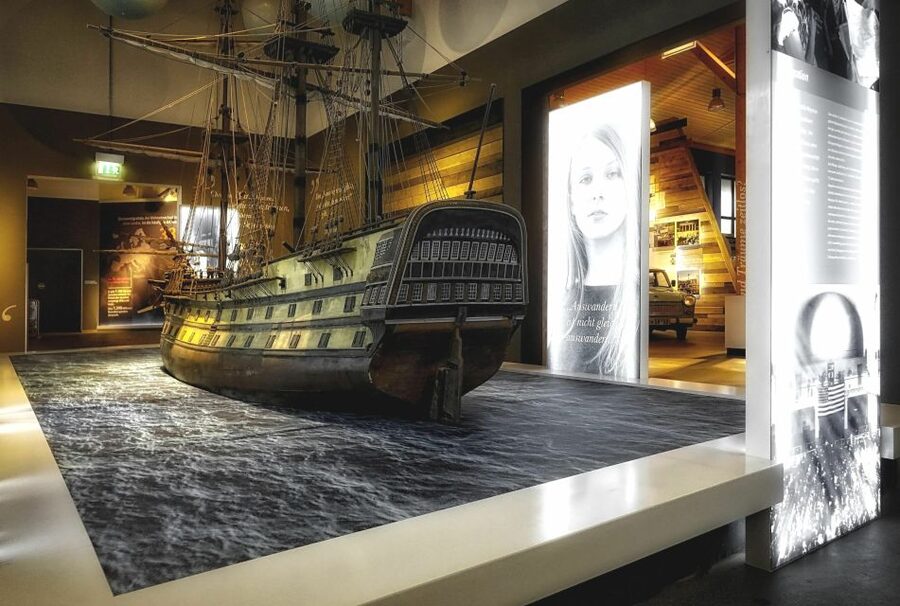
Hamburg’s BallinStadt Museum tells the story of people who left Europe for America, often after waiting in the city’s emigration camps. The strongest part is the human scale: you follow hopes, fears, paperwork, crowded living conditions, and the hard choice to start again far from home.
I like the interactive Port of Dreams exhibition, which explains both the emigrants’ experience and Albert Ballin’s role in making large-scale departures possible. I also like the chance to use a genealogy research station, a feature that can turn a general museum visit into something personal. The main consideration is time: the material covers five centuries, so a quick stop may leave important sections unseen.
In This Review
- Key points to know before you go
- Why BallinStadt matters in Hamburg
- Start at House 1 and Port of Dreams
- What life in the emigration camp meant
- World in Transit covers five centuries
- The changing specialty exhibition
- See the voyage from the passenger’s side
- Use the genealogy research station
- Is the $16 entry fee good value?
- Who will enjoy BallinStadt most?
- Access, timing, and simple planning advice
- Should you book the BallinStadt ticket?
- FAQ
- Where is the BallinStadt Museum located?
- How much does admission cost?
- How long is the ticket valid?
- What does the ticket include?
- What are the main exhibitions?
- What is Port of Dreams about?
- What is World in Transit about?
- Can I research my family history there?
- Is the museum wheelchair accessible?
- Is parking available?
Key points to know before you go
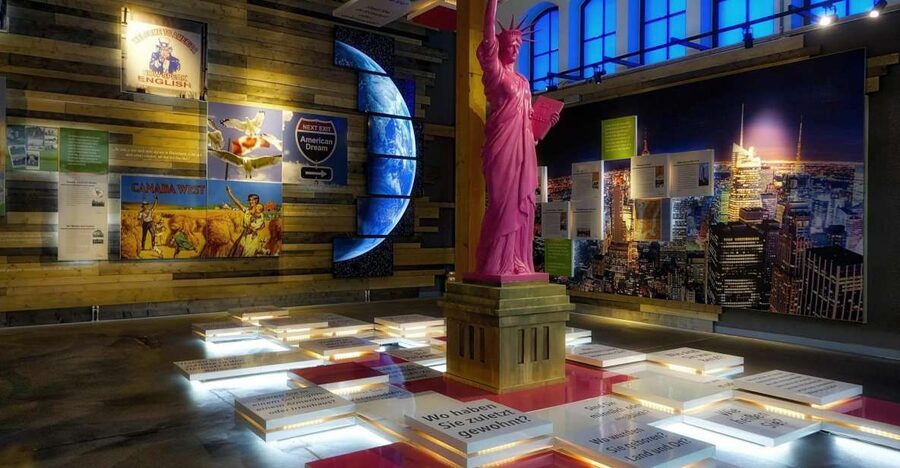
- Three exhibition spaces: Visit Port of Dreams, World in Transit, and a changing specialty exhibition.
- A Hamburg departure story: Learn why the city became known as the gateway to the world for millions leaving Europe.
- Passenger ship context: See how ocean crossings and the start of a new life were presented through museum displays.
- Family research station: Search for your own relatives using a large genealogical database.
- Flexible one-day entry: Your ticket is valid for one day, with free cancellation up to 24 hours before the visit.
- Easy practical setup: Check in at the ticket office in House 1, and free parking is available at the museum.
Why BallinStadt matters in Hamburg
Hamburg was not simply a port where ships came and went. For millions of Europeans, it was the last major stop before an uncertain voyage to America and other parts of the New World.
The BallinStadt Museum shows what that pause meant. People arrived in Hamburg after long journeys from other parts of Europe, then waited for their ship, documents, and departure date. During that wait, they needed food, shelter, medical care, and some way to manage the anxiety of leaving everything familiar behind.
The museum also places this story in a wider frame. Emigration from Europe began centuries ago and was shaped by many forces. Economic hardship, political pressure, religious differences, family decisions, and the promise of opportunity all played a part.
I find this useful because it keeps the subject from becoming a simple tale of brave pioneers sailing toward a better life. The people leaving Europe had hopes, but they also faced confusion, separation, expense, and the possibility that their new life would be far harder than expected.
More Museum & Gallery Tickets in Hamburg
- Hamburg: International Maritime Museum Entrance Ticket
★ 4.7 · 547 reviews - Hamburg: Entrance to the Museum Ship Cap San Diego
★ 4.7 · 467 reviews - Hamburg: RICKMER RICKMERS Museum Entry Ticket
★ 4.6 · 269 reviews
Start at House 1 and Port of Dreams
Your visit begins at the ticket office in House 1. From there, the first main exhibition is Port of Dreams, an interactive presentation focused on the people who wanted to leave Europe and the system that moved them through Hamburg.
This section gives Albert Ballin an important role. He was the namesake of the museum and is presented as the person who helped make organized emigration possible on a very large scale. His story connects business, shipping, port operations, and the daily needs of people waiting to leave.
The useful detail here is that the exhibition does not focus only on the ship itself. You learn about the period before departure, when emigrants lived in Hamburg and prepared for the crossing. For many people, this waiting period was a major part of the journey.
You can expect displays about the emigration camp and the routines surrounding it. The museum helps you picture the practical problems: where people slept, how they waited, how they prepared for inspection, and how little control they had once the process was underway.
The interactive format should help families and younger visitors follow the story, though the subject remains serious. If you prefer museums with long written panels and a strict chronological layout, this section may feel less direct. Its strength is the attempt to make a large social story easier to grasp through personal experiences.
What life in the emigration camp meant
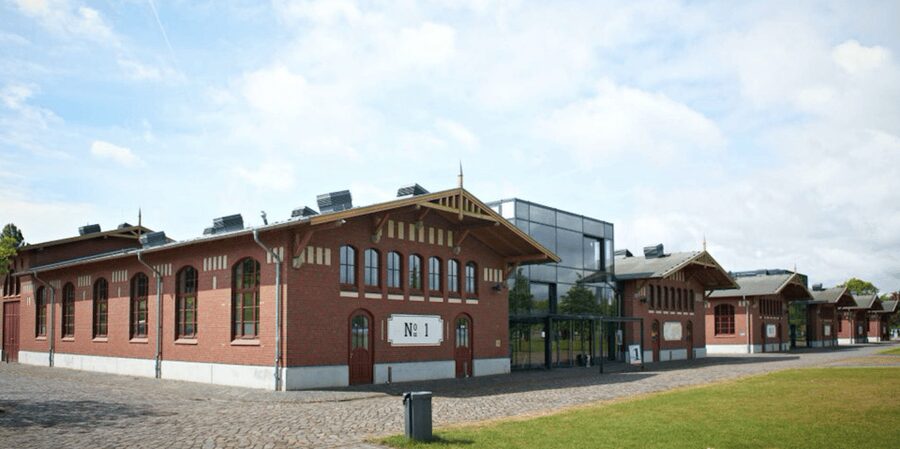
The camp is one of the most important ideas in the museum. Leaving Europe was not as simple as buying a ticket and walking onto a ship. People had to reach Hamburg, wait for their departure, and deal with rules that could affect their future.
For you, this part adds needed context to the ocean voyage. A ship display can make migration look like a single dramatic moment. BallinStadt shows that the journey began long before the harbor.
The camp also reveals the unequal position of emigrants. They were making a major decision, yet they were dependent on shipping companies, officials, schedules, and health requirements. A delay could cost money and increase worry. A problem with documents or health could change everything.
The displays help explain why Hamburg earned its gateway nickname. The city connected inland Europe with the ocean, but it also became a holding place for people in transition. That role created work and wealth for the port while placing emigrants in a vulnerable position.
I would give this section proper attention rather than rushing toward the ship-related material. It is where the museum best explains the gap between the dream of departure and the hard business of getting out.
World in Transit covers five centuries

The second main exhibition, World in Transit, widens the view from Hamburg to global movement. It looks at emigration and immigration over the last five centuries through 14 themed rooms.
This is a useful change of pace. Port of Dreams centers on Hamburg and the era of mass departure. World in Transit asks broader questions about why people leave, why other places attract them, and how migration changes both the place people leave and the place where they settle.
The exhibition uses multiple visual formats and presents countries that may seem distant but are connected by familiar migration patterns. The point is not that every story is the same. Instead, you see repeated pressures and hopes across different periods.
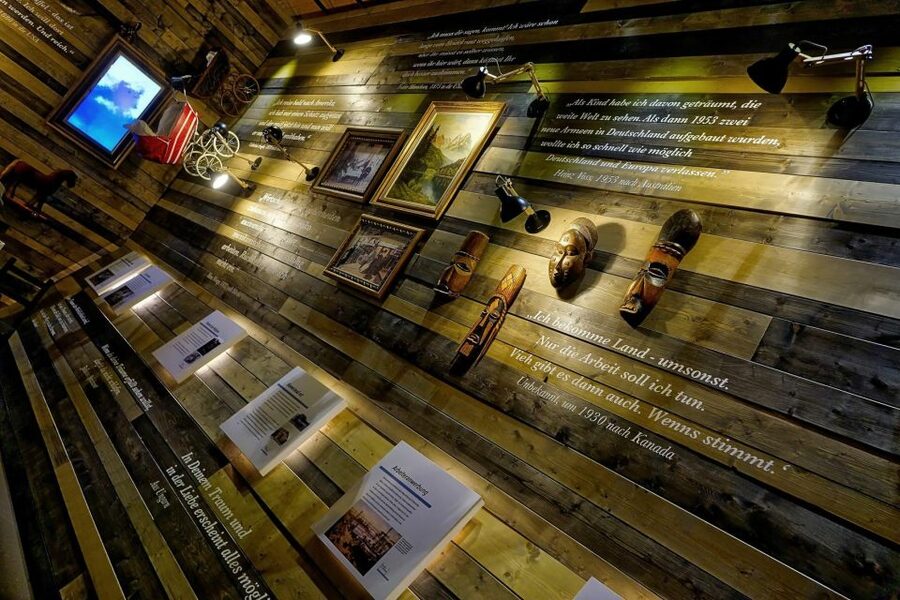
You learn about the push and pull factors behind starting over. Push factors can include conditions that make home difficult. Pull factors are the promise of work, safety, family connections, or a better future elsewhere. The museum also gives room to more personal reasons, reminding you that migration decisions are often made inside families, not just in response to major political events.
Fourteen themed rooms can provide a lot to take in. If you are visiting with limited time, choose the areas that speak most directly to your interests and do not feel obliged to treat every room with equal weight. The museum is more rewarding when you pause over a personal story than when you try to collect every fact.
Same city, a completely different kind of day:
- Hamburg: Sex and Crime in St. Pauli Tour for Ages 18+
★ 4.7 · 15,447 reviews - Hamburg: 1.5-Hour Harbor and Speicherstadt Day Cruise
★ 4.6 · 14,200 reviews - Hamburg: 90-Minute Evening Lights Harbor Cruise
★ 4.5 · 7,728 reviews - Hamburg: 2-Hour XXL Port of Hamburg Cruise Tour
★ 4.7 · 6,979 reviews
The changing specialty exhibition
A third exhibition space changes its subject every few months. The exact theme depends on the date of your visit, so you should treat it as an added reason to return rather than a fixed part of the museum’s story.
Changing displays can be especially useful here because migration is not limited to one era or one route. A temporary presentation may add detail to a particular community, period, country, or aspect of movement between places.
Since the subject changes, I would not plan your entire visit around it unless you have checked the current theme in advance. The two main exhibitions provide the dependable core. The specialty space adds variety and may give you a more focused look at an issue that the larger displays can cover only briefly.
See the voyage from the passenger’s side
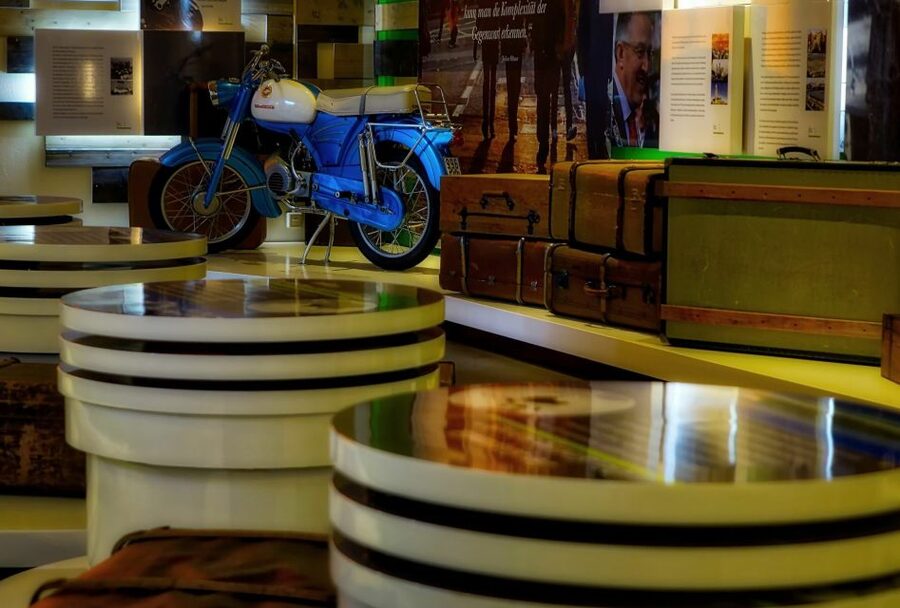
BallinStadt also gives you a glimpse into life aboard a passenger ship. This matters because the crossing was the physical link between the old home and the hoped-for new one.
The ship experience is best understood alongside the camp displays. You first see the waiting and preparation in Hamburg, then the conditions of the voyage, and finally the larger questions of arrival and resettlement.
Do not expect this ticket to be a ship tour or a full recreation of an ocean liner. The supplied information describes a glimpse into passenger ship life, not a complete vessel or an actual voyage. The value is in connecting the crossing to the people who depended on it.
For families, this can make the subject easier to picture. For adults researching ancestors, it may help turn a departure record into a more tangible event. You may begin to imagine what it meant to leave Europe with limited possessions, uncertain plans, and no easy way to return.
Use the genealogy research station
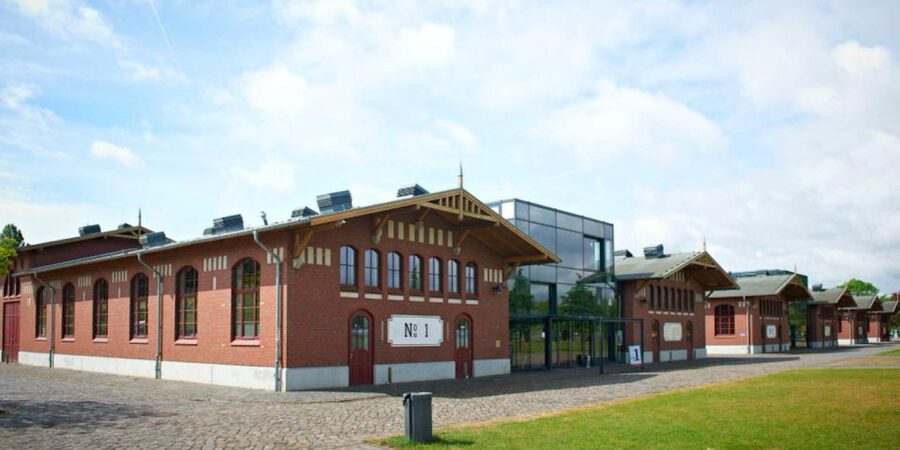
The research station is one of the museum’s most distinctive features. It lets you investigate your own family history using what is described as the world’s largest genealogical database.
This can be the most memorable part of the visit, but it requires realistic expectations. A database may give you a lead, a name, or a record to pursue. It may not produce a complete family story during one museum visit.
Bring the names and places you already know if you have them. Even basic information can make your search more focused. If you arrive with no family details at all, you can still explore the station, but you may spend more time testing possible matches.
The research area also changes the way you see the rest of the museum. Once you consider your own family’s movement, the broad subjects in the exhibitions can feel less distant. A departure date, port, or surname may connect a personal story to the wider movement of people through Hamburg.
If genealogy is your main reason for going, allow extra time and avoid planning the museum as a rushed one-hour stop. The ticket is valid for one day, which gives you useful flexibility.
Is the $16 entry fee good value?
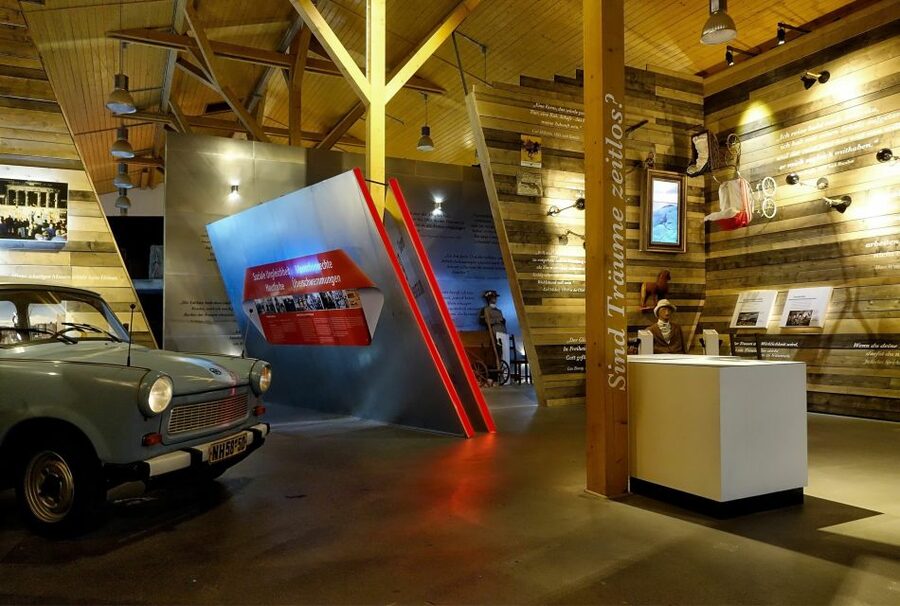
At $16 per person, BallinStadt is a fair-value museum visit if you are interested in migration, Hamburg’s port role, social history, or family research.
You are not paying for a guided tour, food, or drinks. The ticket covers entry, and you explore the exhibitions at your own pace. That makes the value depend on how much time you give the museum.
The price works best for someone who will visit the two main exhibitions, spend time in the specialty space, and try the genealogy station. If you only want a quick look at one display, the cost may feel less attractive.
I also like the practical flexibility. The ticket is valid for one day, and you can cancel up to 24 hours before the visit for a full refund. A reserve-now, pay-later option is available, so you do not have to pay at the time of booking.
Free parking adds value if you are reaching the museum by car. Food and drinks are not included, so plan those separately. The information provided does not specify an on-site dining arrangement, so do not count on the ticket covering refreshments.
Who will enjoy BallinStadt most?
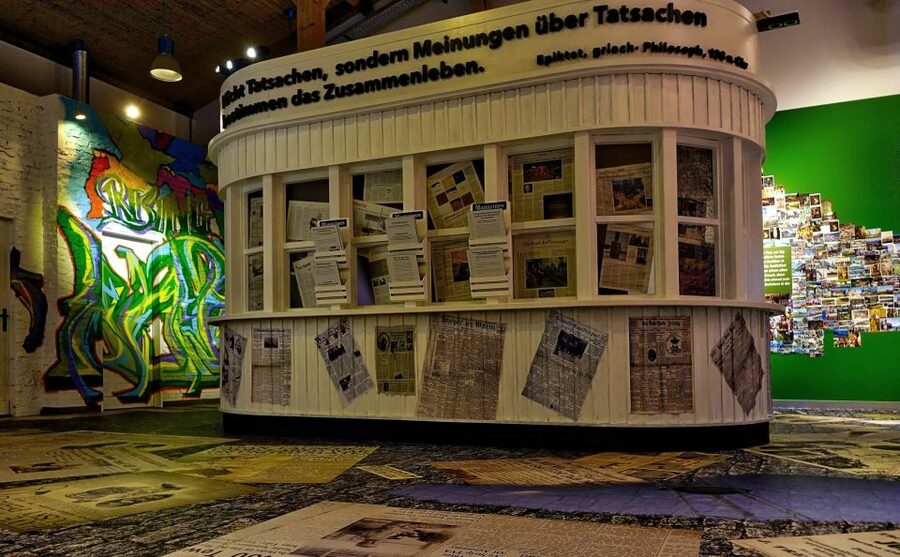
I would recommend this museum to anyone with a family connection to European emigration, even if the connection is only a suspicion. The research station gives the visit a clear purpose, and the exhibitions provide context for the names and dates you may uncover.
It also suits people who want more than Hamburg’s postcard attractions. The museum explains how the port shaped ordinary lives, not just trade and shipping. That makes it a good choice on a rainy day or when you want a thoughtful break from city-center sightseeing.
Families can find plenty to discuss, especially in the interactive areas. Still, the topic includes separation, hardship, and uncertainty. Very young children may not connect with all of it, and the museum’s value increases when you can stop to read and reflect.
You should also consider it if you are interested in modern migration. World in Transit links older movements with recurring reasons people leave and settle elsewhere. The focus is historical, but the questions remain current.
Access, timing, and simple planning advice
The museum is wheelchair accessible, which makes the visit easier for people who need step-free access. Pets are not allowed.
Your visit starts at the ticket office in House 1 and ends back at the same meeting point. The ticket is valid for one day, though the booking information asks you to check availability for starting times.
Because the displays cover several centuries and include 14 themed rooms in World in Transit, I would avoid squeezing BallinStadt between two tightly scheduled activities. The best approach is to arrive with enough time to read, pause, and use the family research station.
If you are driving, free parking is available at the museum. If you need food or drinks, remember that these are not included in the entry ticket.
Should you book the BallinStadt ticket?
Book it if you want a serious but accessible look at European emigration, or if Hamburg’s port story connects to your own family. The combination of Port of Dreams, World in Transit, the changing exhibition, and genealogy research gives the $16 ticket more substance than a quick collection of ship displays.
Skip it if you are looking only for a short maritime attraction or a guided tour with a fixed route. This museum rewards patience and personal interest, especially in the camp and family research sections.
For most people with half a day to spare, BallinStadt is a worthwhile Hamburg stop. Its clearest strength is the way it presents important history in a direct, understandable, and often personal way.
FAQ
Where is the BallinStadt Museum located?
The experience takes place in Hamburg, Germany. Check in at the ticket office located at House 1.
How much does admission cost?
The entry ticket costs $16 per person.
How long is the ticket valid?
The ticket is valid for one day. Check availability for the applicable starting times.
What does the ticket include?
The ticket includes museum entry. Food and drinks are not included.
What are the main exhibitions?
The museum has Port of Dreams, World in Transit, and a third specialty exhibition whose subject changes every few months.
What is Port of Dreams about?
Port of Dreams explains why people wanted to leave Europe, how they arrived and lived in Hamburg while waiting to depart, and Albert Ballin’s role in making large-scale emigration possible.
What is World in Transit about?
World in Transit examines emigration and immigration over the last five centuries in 14 themed rooms. It covers different countries, reasons for migration, and personal motivations for starting over.
Can I research my family history there?
Yes. The museum has a research station where you can investigate your family history using a large genealogical database.
Is the museum wheelchair accessible?
Yes, the activity is wheelchair accessible.
Is parking available?
Yes. Free parking is available at the museum.
More Museums in Hamburg
- Hamburg: Museum of Illusions Ticket
★ 4.2 · 122 reviews - Hamburg: 3-Day Art Exhibition & Gallery Ticket
★ 4.6 · 34 reviews - Hamburg: Museum für Kunst und Gewerbe Entrance Ticket
★ 4.5 · 20 reviews - Hamburg: FC ST. PAULI-MUSEUM Entrance Ticket
★ 4.5 · 19 reviews
Just added around Hamburg
- Hamburg: Historical Tour of the St. Pauli Sex Work District★ 4.4 · 215 reviews
- Hamburg: St. Pauli Food and Bier Tour★ 4.7 · 5 reviews
- Hamburg: Private Tour Red Light District Walking Tour★ 4.7 · 227 reviews
- St. Pauli Tour: Drag-Attack with Barbie Stupid & Lee Jackson★ 4.8 · 280 reviews
- St. Michael’s, Elbe Tunnel & Harbor 2-Hour Hamburg Tour★ 4.9 · 21 reviews
- Satt Pauli – der kulinarische Rundgang durch St. Pauli★ 4.8 · 12 reviews
- Hamburg: Safari tour in St. Pauli★ 4.9 · 11 reviews
- Hamburg: Reeperbahn Comedy Club★ 4.3 · 53 reviews
Museum & Gallery Tickets, compared.




Skip-the-Line: Berlin Wall Museum at Checkpoint Charlie
Read our review →
Browse the lists this tour appears in