
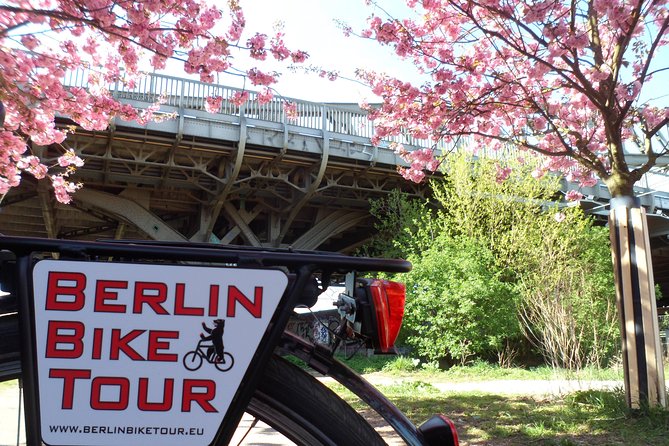
Reviewed · BIKE TOURS
Half-Day Bike Tour of Berlin’s Lesser Known And Historical Sites
Berlin’s famous sights tell only part of the story. This small-group bike tour heads east from Bornholmer Strasse into neighborhoods shaped by communist rule, secret police, industry, and everyday life behind the Iron Curtain. You’ll see former Stasi property, GDR housing, old slaughterhouse and brewery sites, a former border station, and surprisingly green parts of the city.
I like the tour’s local scale and its focus on places most first-time visitors skip. I also like the way the route mixes serious history with easy riding through parks and around Orankesee, Obersee, and Weißensee. The main drawback is clear: if you want Brandenburg Gate, Museum Island, or the Berlin Wall’s best-known sections, this is the wrong ride. It is built for the less familiar east.
- Cold War Berlin in daily life: Prenzlauer Berg and former East Berlin housing areas show how ordinary residents lived, not just where major political events happened.
- Stasi history without a standard museum circuit: The former state-security headquarters and prison bring the surveillance system into view.
- A greener side of the city: Orankesee, Obersee, Weißensee, and surrounding parks give the ride breathing room.
- A small group with named local guides: Guides including Katrin, Markus, and Ferenz have led relaxed, adaptable tours.
- A strong half-day value: At $36.88, the price includes the guide and bicycle for about four hours, though food, drinks, and hotel transfers are not included.
In This Review
- Why This Bike Tour Takes You Beyond Berlin’s Main Sights
- Starting at Bornholmer Strasse at 10:00
- Prenzlauer Berg and the Texture of East Berlin
- Slaughterhouses, Breweries, and Berlin’s Working Past
- The Former Stasi Headquarters and Prison
- Ernst-Thälmann-Park and GDR Planning
- Platz des 9. November 1989 and the Border Story
- Orankesee, Obersee, and a Surprising Change of Pace
- Weißensee and the Lakeside Finish
- How the $36.88 Price Works in Practice
- Riding Comfort, Group Fit, and Guide Style
- Who Should Book This Berlin Bike Tour?
- Final Verdict: Book It for Berlin’s Everyday History
- FAQ
- How long does the bike tour last?
- What time does the tour begin?
- Where does the tour start?
- Where does the tour end?
- Is a bicycle included?
- What is the maximum group size?
- Are food and drinks included?
- Is hotel pickup and drop-off provided?
- Can I cancel for a full refund?
Why This Bike Tour Takes You Beyond Berlin’s Main Sights
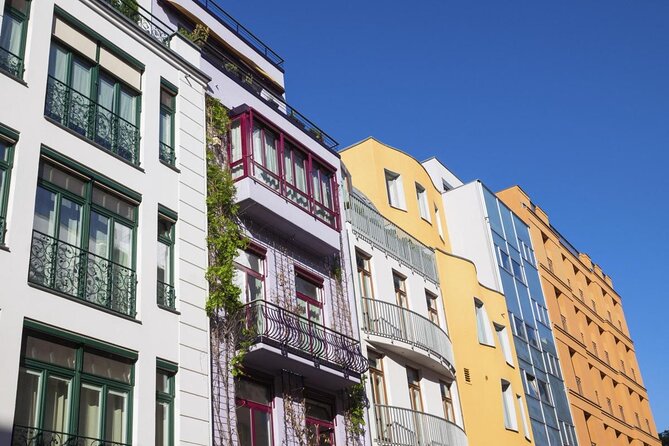
The best reason to book this ride is its point of view. Berlin’s headline attractions often focus on the Nazi period, the Wall, reunification, and grand state buildings. This route instead asks a quieter question: What did the city feel like for people who lived in East Berlin day after day?
You’ll pass through parts of Prenzlauer Berg, Lichtenberg, and Weißensee. These districts reveal old housing schemes, former industrial sites, border history, and places connected with the GDR state. The result is less of a checklist and more of a moving lesson in how political systems shape streets, homes, workplaces, and public spaces.
The bicycle matters. You cover more ground than you would on foot, but the pace remains slow enough for explanations and short stops. The route also reaches green areas and lakes that are awkward to connect in one walking outing.
This is not a polished sightseeing loop with a famous monument every ten minutes. Some stops are memorials, former work sites, or ordinary-looking apartment areas. That is exactly the appeal, but it also means you should arrive ready to look closely and listen.
Starting at Bornholmer Strasse at 10:00
The tour begins at Bornholmer Strasse 75A at 10:00 am and returns to the same meeting point. That makes the logistics simple, especially if you are using public transportation, since the meeting area is near public transit.
Bornholmer Strasse carries major Cold War importance. The route later includes the Platz des 9. November 1989, a former border station connected with the opening of the Berlin Wall. Starting in this part of the city gives the tour a useful geographic frame before it moves farther east.
You receive a bicycle as part of the price, along with a driver-guide and local guide. The supplied information does not specify bicycle types, helmet arrangements, or exact riding surfaces, so ask the operator if you need a particular setup.
The group limit is eight people per booking. That is a meaningful advantage on a history-heavy ride. A guide can stop for questions, adjust the conversation, and keep the group together more easily than on a large city excursion. The tour has also operated with only two people, according to the information provided, though you should not assume that every departure will be private.
More Bike Tours in Berlin
- Berlin: Sights and Highlights Bike Tour with a Local Guide
★ 4.8 · 2,698 reviews - Berlin Highlights 3-Hour Bike Tour
★ 5.0 · 948 reviews - Berlin City Bike Tour with Beer Garden Stop
★ 5.0 · 917 reviews
Prenzlauer Berg and the Texture of East Berlin
The tour spends about an hour in Prenzlauer Berg, the longest stop on the route. This is where the experience places its main focus on ordinary life during the Cold War.
Prenzlauer Berg is now one of Berlin’s best-known districts, but the tour looks beyond its current reputation. You’ll learn about its East Berlin past and see typical communist-era apartment blocks. These buildings are useful historical evidence because they show the practical side of the GDR: housing shortages, planned neighborhoods, and the routines of people who lived under a tightly controlled state.
The value here comes from connecting architecture to lived experience. A block of flats can tell you about government planning, social class, family life, and the limits of private space. You are not simply passing a building and hearing a date. You are being asked to picture what daily life meant inside it.
This hour also gives your guide time to explain how Prenzlauer Berg changed. The available details do not promise a specific interior visit, so expect an outdoor, ride-and-stop exploration rather than a house tour. Wear clothing suitable for cycling, even though the stated dress code is smart casual.
Slaughterhouses, Breweries, and Berlin’s Working Past
Along the route, you pass sites linked to former slaughterhouses and breweries. These places may not sound like classic sightseeing stops, but they help explain how Berlin functioned as a city of workers, food production, transport, and heavy industry.
The old industrial sites give the Cold War story some balance. Political history can become too focused on leaders, secret files, and border crossings. Former workplaces bring the subject down to the level of wages, supplies, production, and the physical spaces where people spent their working lives.
You should not expect every former site to look intact or operate as a museum. Their importance lies in the guide’s explanation and in seeing how industrial land fits into the modern city. For some visitors, these passing stops will be more interesting than another grand memorial. For others, they may feel brief or difficult to picture without an active building.
The bicycle is useful here because the route links several separate places. You can understand the relationship between housing, industry, parks, and public facilities in a way that a single museum room cannot provide.
The Former Stasi Headquarters and Prison
The Stasi section is one of the tour’s strongest historical stops. You’ll see the enormous former headquarters of East Germany’s state security service and learn about the network of secret police and informers that monitored life in the GDR.
The route also refers to a former Stasi prison. The stated stop at the memorial lasts about five minutes, so keep your expectations measured. This is an exterior encounter and a brief historical pause, not a full museum visit or extended prison tour.
Even from outside, the scale of the headquarters helps make the organization’s reach more tangible. The Stasi was not a small office hidden in a side street. Its buildings, staff, files, and informer network formed a major part of the East German state.
This is where the guide’s personal command of the subject matters most. Katrin, Markus, and Ferenz are among the guides associated with the experience, and the tour descriptions point to a relaxed style with room for conversation. Markus, in particular, is noted for explaining sites in a clear and humorous way, while Katrin has led tours that adjust to what the group already knows.
If you want to spend serious time inside the Stasi Museum, plan a separate visit. This bike ride gives you context and a look at the former headquarters, but it does not replace a museum afternoon.
Same city, a completely different kind of day:
- Berlin: Reichstag, Dome and Government District Guided Tour
★ 4.7 · 18,288 reviews - Berlin: 1-Hour City Tour by Boat with Guaranteed Seating
★ 4.3 · 16,993 reviews - Berlin: Boat Tour Along the River Spree
★ 4.4 · 11,252 reviews - Discover Berlin Half-Day Walking Tour
★ 5.0 · 9,624 reviews
Ernst-Thälmann-Park and GDR Planning
The brief stop at Ernst-Thälmann-Park lasts about ten minutes. It includes a GDR-era park and housing area with a planetarium.
This is a useful place to see how the East German government presented public space and housing. The park and apartment setting reflect planned urban design rather than the older street pattern found in central Berlin. The planetarium adds a public-education element to the area, showing how science and civic recreation fitted into the GDR city.
Because the stop is short, the guide will likely keep the explanation focused. You may find the area more rewarding if you are interested in architecture, urban planning, and political symbolism. If your priority is a long visit inside the planetarium, this itinerary does not provide that.
The contrast with Prenzlauer Berg helps. First you look at everyday residential life, then you see a more deliberately planned public setting. Together, these stops show different ways East Berlin tried to organize community life.
Platz des 9. November 1989 and the Border Story
The tour spends about fifteen minutes at Platz des 9. November 1989, a former border station and section of the Berlin Wall.
This stop links the less familiar neighborhood route to one of the defining events of modern Berlin. The date refers to November 9, 1989, when the Wall opened. You’ll get a reminder that the Wall was not just a famous strip through central Berlin. It cut through residential districts, transport routes, and daily routines across the city.
The former border station gives the political story a practical setting. Border controls affected commuters, families, and anyone trying to move between East and West. A short stop cannot cover every part of that history, but it can help you understand the local scale of division.
Again, this is not a substitute for the major Berlin Wall memorials. Instead, it adds another piece to the picture, especially if you have already seen the central Wall sites and want a less familiar location.
Orankesee, Obersee, and a Surprising Change of Pace
The route then reaches Orankesee and Obersee, two inner-city lakes. Each stop is listed at about five minutes, so these are quick pauses rather than long waterfront visits.
Their role is less about formal sightseeing and more about changing the rhythm of the ride. After apartment blocks, former state-security property, and border history, the water and open space offer a quiet reset. You’ll also see how Berlin’s eastern districts include recreation areas that many people never connect with the city’s political past.
Orankesee is described as an inner-city lake, while Obersee is an artificial inner-city lake. That distinction gives the guide a chance to explain how these spaces came into being, though the exact depth of that discussion depends on the guide and the group.
Do not book the tour expecting a swimming stop or a long lakeside break. Food and drinks are not included, and no swimming activity is listed. Think of these places as scenic waypoints that make the overall route more varied.
Weißensee and the Lakeside Finish
The tour spends about forty-five minutes in Weißensee, followed by about ten minutes at Strandbad Weißensee. This is another major part of the experience, and it helps explain why the route feels different from a standard central Berlin ride.
Weißensee combines a district setting with a lake and public bathing area. The route lets you see an eastern neighborhood that is both residential and recreational. The contrast is striking in a simple way: Berlin’s history is not confined to memorials and government buildings. It also lives beside lakes, in local parks, and in the streets where people spend ordinary free time.
Strandbad Weißensee is listed as a separate stop, but no admission is included or mentioned. Treat it as an outside stop unless the operator tells you otherwise. The route does not promise time for swimming, and the tour finishes back at Bornholmer Strasse rather than at the lake.
This final stretch should suit you if you enjoy a ride that mixes history with local geography. If you prefer nonstop political sights, the lake portion may feel like a distraction. I see it as a useful reminder that a city is more than its difficult past.
How the $36.88 Price Works in Practice
At $36.88 per person, the tour offers about three and a half to four hours of guided riding, a bicycle, and local interpretation. For Berlin, that is a fair price if you want a planned route and historical explanation rather than simply renting a bike and following a map.
The small group improves the value. With a maximum of eight people, you get a better chance to ask about the Stasi, housing, border crossings, or local neighborhoods. A private tour would usually cost more, while a large group may offer less flexibility.
The price does not include food, drinks, hotel pickup, or hotel drop-off. Since the tour returns to its starting point, you can plan your own meal afterward or carry what you need for the ride. No meal break is listed, so do not count on buying lunch as part of the experience.
The duration is also a practical strength. Four hours is long enough to reach several districts without taking over your day. You can pair it with a central Berlin museum or major sight later, though you should allow time for the return to Bornholmer Strasse.
Riding Comfort, Group Fit, and Guide Style
Most people can participate, and children must be accompanied by an adult. The tour is active, but the supplied information describes the riding as manageable, including for teenagers and students. Still, you should be comfortable spending several hours on a bicycle.
The route includes multiple stops, so it is not four hours of continuous pedaling. The precise distance, pace, bicycle sizes, and terrain are not provided. If those details matter to you, contact Berlin Bike Tour before booking.
The guide can shape the experience. Katrin, also spelled Kathrin in the supplied information, is described as fun, accommodating, and able to share personal connections to Berlin. Markus is associated with a conversational, humorous approach and can focus on areas you have not already seen. Ferenz has led a tour that went ahead with just two people, showing a customer-focused approach in at least one departure.
Those names do not guarantee who will lead your tour. They do tell you what kind of guiding style to expect: personal stories, history explained in plain language, and some flexibility when the group has already covered Berlin’s main sights.
Who Should Book This Berlin Bike Tour?
I would choose this tour if you have already seen some of central Berlin or if you want a first introduction that avoids the usual route. It is especially good for people curious about Cold War daily life, GDR housing, the Stasi, industrial history, and local neighborhoods.
It also suits families with older children and teenagers who may prefer movement and real places to a long indoor lecture. The small group can make the history easier to discuss, and the green sections keep the ride from feeling heavy.
You may want another tour if this is your only half-day in Berlin and you have not yet seen the Brandenburg Gate, Reichstag, Museum Island, or the main Wall memorials. This experience deliberately leaves those famous sights out.
You should also consider your physical comfort and your interest level. The route is described as manageable, but it is still a bicycle outing. And because several stops are brief, the experience works best when you enjoy listening to a guide explain why an ordinary street corner matters.
Final Verdict: Book It for Berlin’s Everyday History
Book this ride if you want Berlin beyond the postcard sights. The combination of Cold War housing, Stasi history, former industrial sites, and eastern lakes gives you a grounded view of the city’s past and present.
At $36.88, the value is strongest for a small group that wants a guide, a ready-made route, and a bicycle included. Skip it if you need major landmarks, long museum visits, or a food stop. For everyone else, this is a smart half-day choice, especially after you have covered central Berlin and want to understand the city where daily life actually happened.
FAQ
How long does the bike tour last?
The experience lasts approximately four hours, with the tour description also giving an estimated duration of three and a half hours.
What time does the tour begin?
The tour starts at 10:00 am.
Where does the tour start?
The meeting point is Bornholmer Strasse 75A, 10439 Berlin, Germany.
Where does the tour end?
The tour ends back at the same meeting point.
Is a bicycle included?
Yes. Use of a bicycle is included in the price.
What is the maximum group size?
The maximum is eight people per booking and eight participants for the activity.
Are food and drinks included?
No. Food and drinks are not included.
Is hotel pickup and drop-off provided?
No. Hotel pickup and drop-off are not included.
Can I cancel for a full refund?
Yes, if you cancel at least 24 hours before the experience start time. Cancellations made less than 24 hours in advance are not refunded, and changes within that period are not accepted.
More Historical Tours in Berlin
- Berlin: Natural History Museum Entrance Ticket
★ 4.6 · 3,382 reviews - Berlin: World Heritage Cruise to Potsdam
★ 4.5 · 1,435 reviews - Berlin Historical Highlights Walking Tour
★ 4.9 · 657 reviews - Berlin Private Complete History All Day Walking Tour
★ 5.0 · 474 reviews
More Cycling Tours in Berlin
- Berlin Highlights: 3-Hour Bike Tour
★ 4.9 · 809 reviews - Berlin Highlights Sightseeing Bike Tour in Small Groups
★ 5.0 · 652 reviews - Berlin: Alternative Bike Tour of Kreuzberg & Friedrichshain
★ 4.7 · 548 reviews - Berlin: Guided Bike Tour of the Berlin Wall and Third Reich
★ 4.7 · 499 reviews
Just added around Berlin
- Love and War in Berlin: Self-Guided Story Puzzle Walk★ 5.0 · 7 reviews
- Rickshaw Tours Berlin – Groups of up to 16 people with several rickshaws★ 4.0 · 97 reviews
- eSIM for Germany and 34 European Countries★ 4.5 · 16 reviews
- Walking on the Wall: 3-Hour Tour in Berlin★ 4.5 · 34 reviews
- Warnemuende Shore Excursion: Berlin Private Sightseeing Tour from Rostock★ 5.0 · 4 reviews
- Your ticket to The Wall Museum Berlin★ 3.0 · 60 reviews
- Warnemuende Shore Excursion: Private Berlin Tour★ 4.5 · 27 reviews
- Berlin’s Gay, Lesbian, and Queer Scene Small-Group Walking Tour★ 4.5 · 66 reviews
Bike Tours, compared.
Sights and Highlights Bike Tour with a Local Guide
Read our review →
Classic Mike’s Bike Tour daily @ 11.30 incl Beer Garden & Surfers
Read our review →
Browse the lists this tour appears in