Reviewed · TICKETS
Berlin: Entry Ticket To The Kunstgewerbemuseum
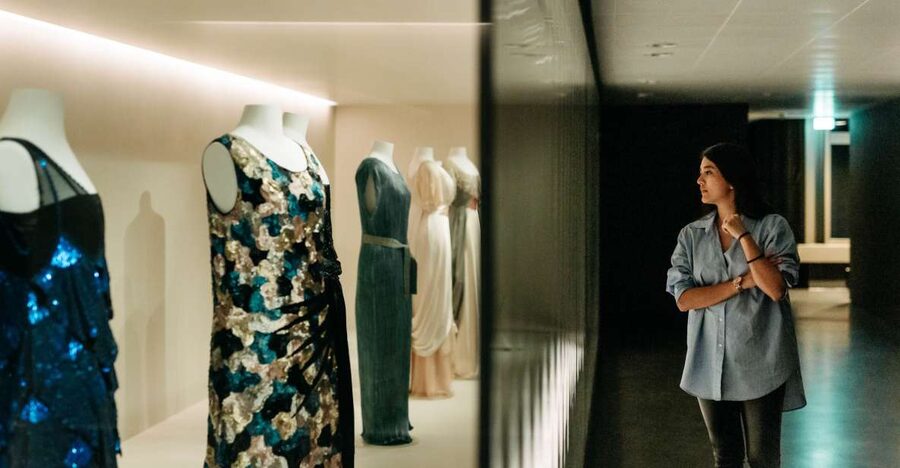
The Kunstgewerbemuseum is where Berlin’s art collection gets wonderfully tactile. Instead of focusing only on paintings, you’ll see gold reliquaries, carved wood pictures, porcelain, glass, embroidered clothing, furniture, and modern design. I like the wide range of objects and the chance to see how people shaped useful things into works of art. At $11, it is also an easy addition to a Kulturforum day.
I especially like the museum’s large open rooms and unusual open staircase, which make the building feel more spacious than a typical display hall. The main drawback is presentation: some rooms can feel dark, and the fashion section may seem thinner than the historic decorative arts collection. There is no tour guide or audio guide included, so you’ll need to explore at your own pace.
In This Review
- Key Points
- Why This Museum Feels Different From a Standard Art Stop
- Starting at Matthäikirchplatz and the Kulturforum
- From Reliquaries to Wood Paintings
- Ceramics, Glass, Silver, and Furniture
- Fashion and Embroidered Clothing
- Modern Industrial Design Alongside Historic Craft
- Köpenick Castle and the Second Museum Setting
- How Much Time Should You Allow?
- What the $11 Ticket Includes
- Practical Points Before You Go
- Who Will Like This Museum Most?
- Should You Book the Kunstgewerbemuseum Ticket?
- FAQ
- Where is the Kunstgewerbemuseum located?
- How much does the entry ticket cost?
- How long is the ticket valid?
- Does the ticket include an audio guide?
- Is a tour guide included?
- Is the museum wheelchair accessible?
Key Points
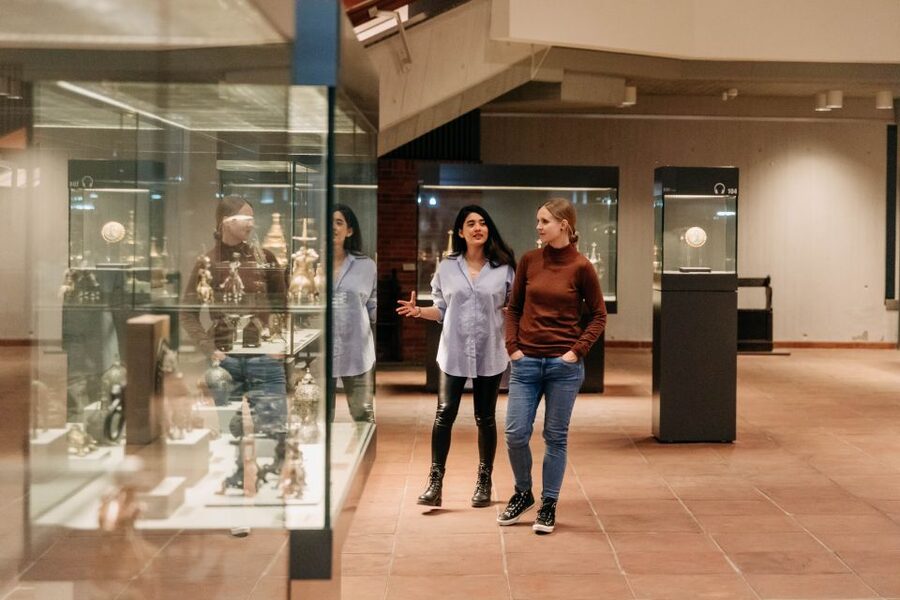
- Medieval gold and precious stones: See ornate reliquaries and other objects made for worship and ceremony.
- Decorative arts across centuries: Compare woodwork, ceramics, silver, gold, glass, furniture, textiles, and fashion.
- Modern design included: The collection reaches beyond historical objects to classics of industrial design.
- Two Berlin settings: The museum’s holdings are shown at the Kulturforum near Potsdamer Platz and at Köpenick Castle.
- Good low-cost museum stop: The one-day ticket costs $11 per person and includes entrance only.
- Plan for a self-guided visit: Audio guides and tour guides are not part of the ticket.
Why This Museum Feels Different From a Standard Art Stop
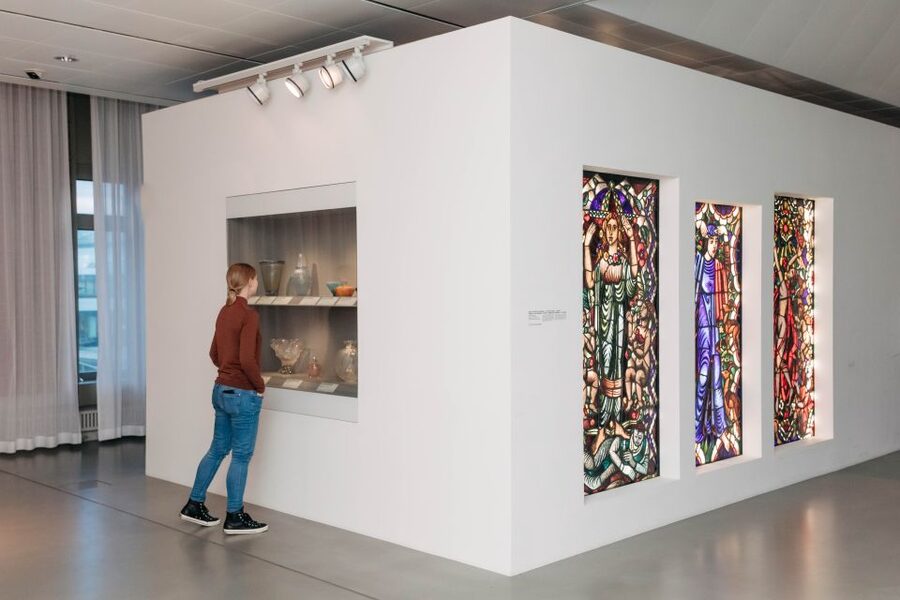
I like the Kunstgewerbemuseum because it asks a simple question: how can an object be useful and beautiful at the same time? A reliquary, dress, chair, vase, or cabinet tells you about taste, skill, money, religion, and daily life all at once.
That makes the museum a good change of pace from Berlin’s major painting collections. You are not simply moving from one framed picture to the next. You are looking closely at surfaces, materials, joinery, embroidery, carving, metalwork, and shape.
The collection is also broad in time. You can move from medieval craftsmanship to later European design and then toward modern industrial objects. That range helps you see design as a long conversation rather than a modern invention.
If you enjoy details, take your time with the smaller objects. The most memorable pieces may not be the largest ones. A finely worked reliquary or a carved wooden picture can hold your attention longer than a grand piece of furniture because you keep finding another tiny detail.
A few more Berlin trips to weigh up
- Berlin: Berlin Story Bunker Entry Ticket
★ 4.6 · 6,759 reviews - Berlin: Illuseum Berlin Entrance Ticket
★ 4.1 · 3,970 reviews - Berlin: Madame Tussauds Admission Ticket
★ 4.6 · 3,941 reviews
Starting at Matthäikirchplatz and the Kulturforum
The listed meeting point is the Kunstgewerbemuseum at Matthäikirchplatz, 10785 Berlin. This is the museum’s Kulturforum location, near Potsdamer Platz and beside the Tiergarten.
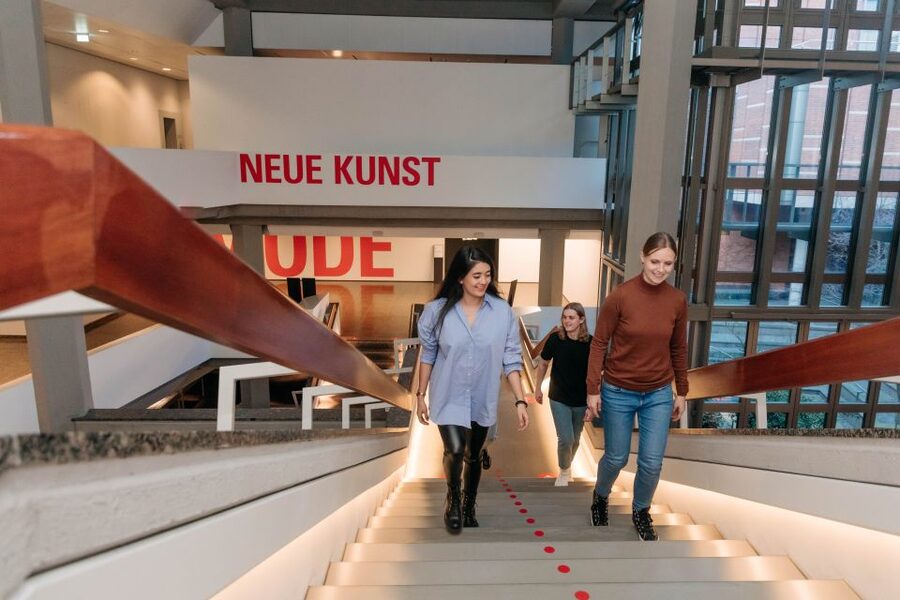
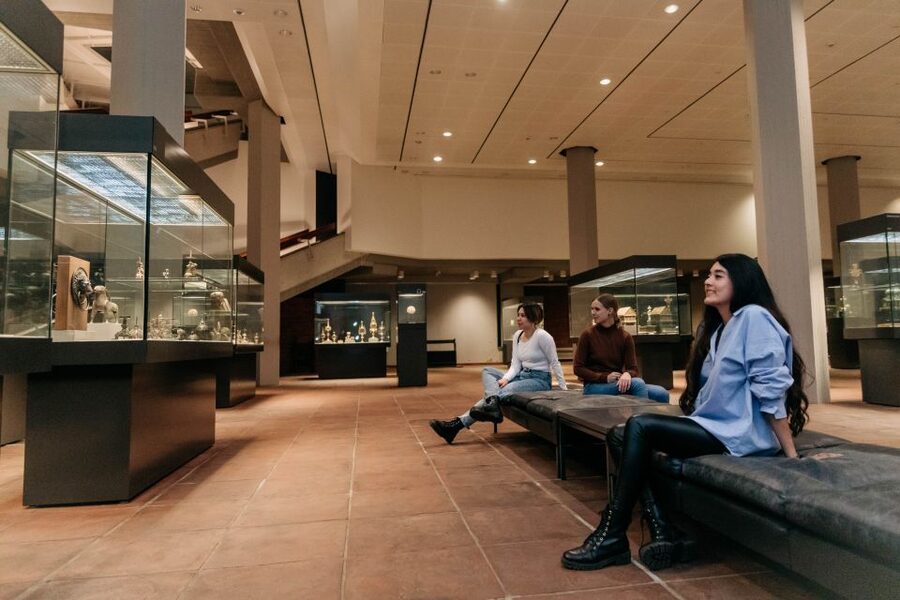
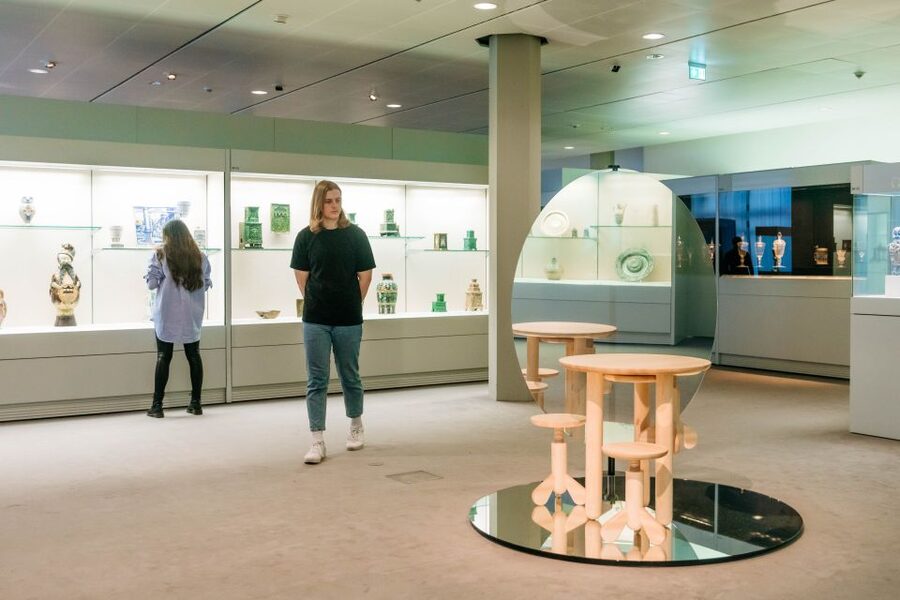
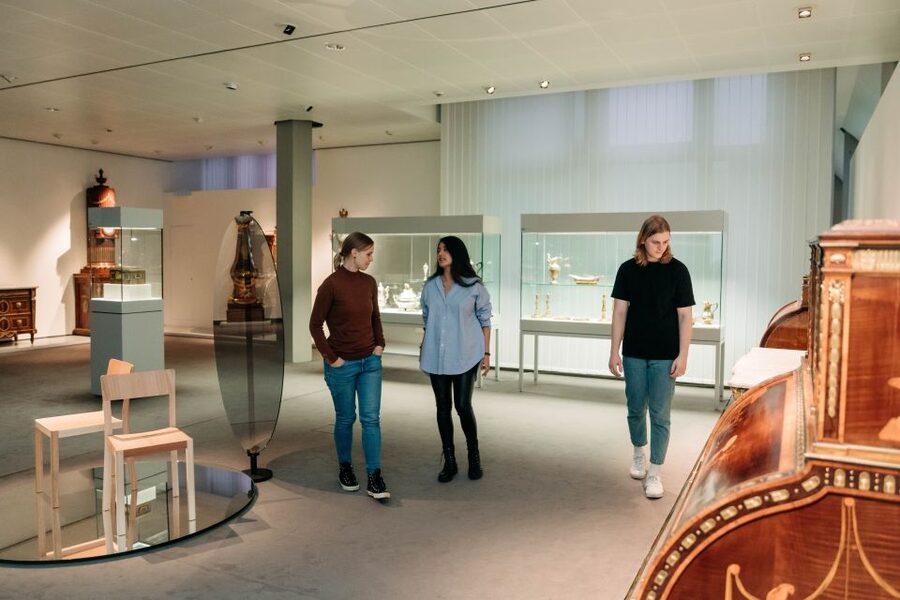
The setting matters. The museum was designed as a built landscape, with greenery incorporated into the building and a relationship to the nearby park. You’ll encounter spacious exhibition rooms, an open staircase, and plant-filled areas rather than a sequence of cramped galleries.
That open design gives you room to reset between displays. I find this helpful in a museum with such a mixed collection. You might spend several minutes examining a piece of silverwork, then need a broader room before moving on to fashion, furniture, or industrial design.
The building itself is part of the experience, though it may not appeal to everyone. Its modern design is less ornate than the objects inside. If you prefer historic interiors, the clean lines and open arrangement may feel a little stark. If you appreciate modern architecture, the contrast is useful: old craft is being shown in a modern setting.
From Reliquaries to Wood Paintings
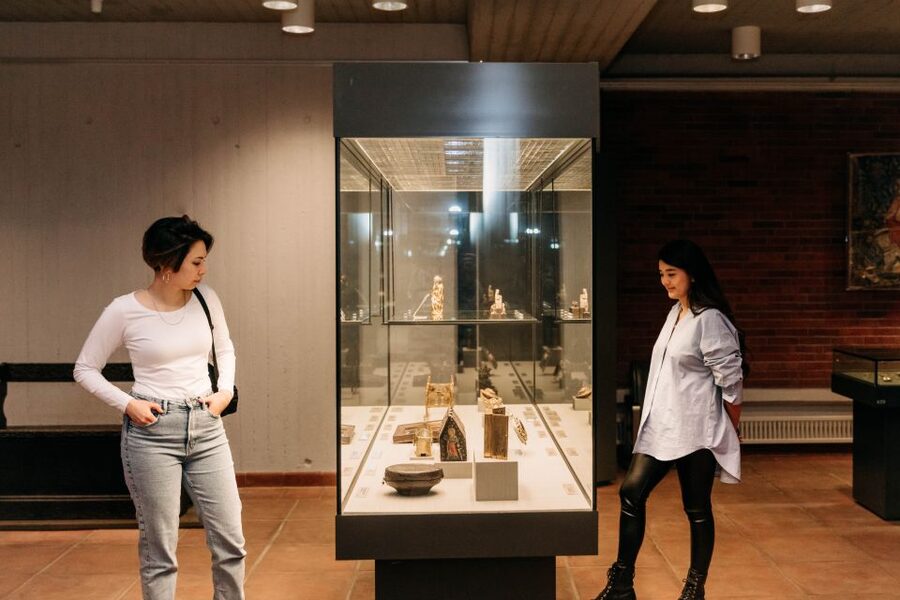
The historic collection is the museum’s strongest section. It includes ornate reliquaries made with gold and precious stones, along with objects in glass, porcelain, silver, and other materials.
A reliquary was made to hold a sacred relic, so its decoration had a purpose beyond display. Gold, jewels, and careful workmanship helped mark the object as important. Even if religious art is not your main interest, these pieces show how faith, wealth, and craftsmanship were joined together.
I would give the metalwork extra time. Look at the edges, small fittings, and repeated patterns. These details reveal the patient labor behind the finished object. The museum is at its best when it lets you get close enough to see that labor.
Woodwork is another highlight. Wooden paintings and carved objects can look warm and direct beside the glitter of gold and precious stones. Their surfaces show the hand of the maker in a different way. A particularly striking wooden picture may hold your attention because the material itself becomes part of the image.
The collection also reaches back more than 1,500 years in its examples of craftsmanship. That long view helps place European decorative arts in a wider story. People were producing highly skilled work long before modern factories and design studios.
Ceramics, Glass, Silver, and Furniture
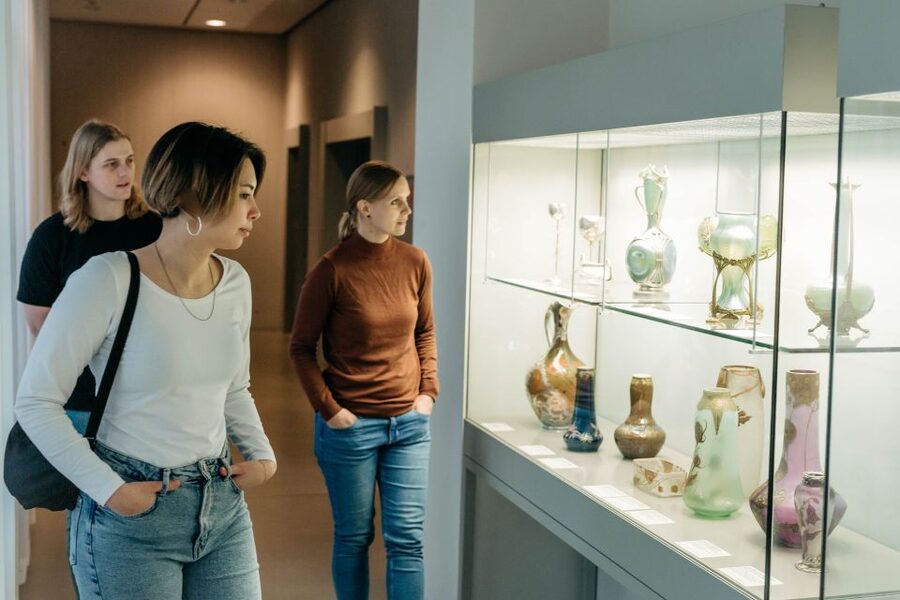
The museum gives you a useful comparison of materials. Glass catches light differently from porcelain. Silver carries a cool, polished surface, while wood gives an object warmth and visible grain.
The ceramics and porcelain displays are a good place to slow down. Vases may look simple from a distance, but decoration, proportion, and finish become clearer as you move around them. If you collect ceramics or enjoy household objects, you’ll find plenty to examine.
Glassware brings another change. Transparent and colored surfaces can be harder to read in dim rooms, so take your time and move around the cases when possible. The lighting has been criticized as too dark in parts of the museum, and that is worth keeping in mind if you want to study fine details.
Furniture gives the collection scale. A chair, cabinet, or table shows how decorative ideas work in three dimensions and in daily use. You can think about how an object feels to use, not just how it looks in a case.
I appreciate that the collection does not isolate decoration from function. A beautiful piece of furniture still has to support, store, seat, or divide space. That practical side gives the museum a grounded feel.
Same city, a completely different kind of day:
- Berlin: Reichstag, Dome and Government District Guided Tour
★ 4.7 · 18,288 reviews - Berlin: 1-Hour City Tour by Boat with Guaranteed Seating
★ 4.3 · 16,993 reviews - Berlin: Boat Tour Along the River Spree
★ 4.4 · 11,252 reviews - Discover Berlin Half-Day Walking Tour
★ 5.0 · 9,624 reviews
Fashion and Embroidered Clothing
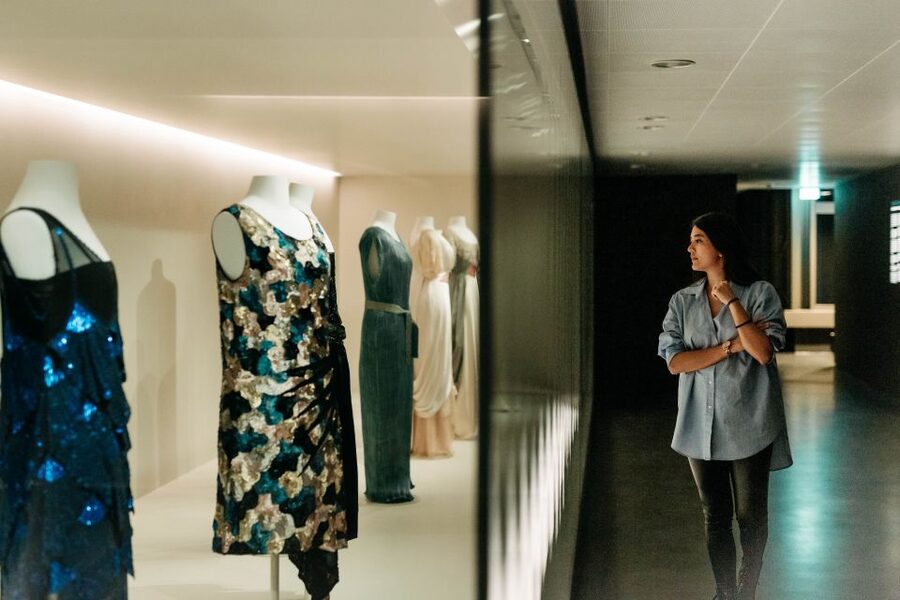
The fashion displays bring the human body into the collection. Instead of looking only at objects placed on a shelf, you see clothing shaped around movement, status, and social custom.
The museum includes finely embroidered dresses and historical clothing. These pieces can show how fabric, stitching, decoration, and construction worked together. Clothing also gives you a direct sense of how design changed over time.
I would set realistic expectations here. The fashion area may feel less extensive than the historical decorative arts sections. If your main reason for visiting is costume, you may want a museum with a larger fashion focus. If you enjoy fashion as one part of a broader design collection, it adds welcome variety.
The display can also be visually demanding. Dark lighting may make it harder to see fine embroidery or the exact colors of fabric. A slow visit helps, but the presentation is not ideal for every detail.
Still, this section is valuable because it shows decoration in motion. A vase stays in one place. A dress travels with its wearer, changing shape as the body moves. That difference makes the fashion rooms a useful counterpoint to the furniture and ceramics.
Modern Industrial Design Alongside Historic Craft
The museum does not stop with medieval and early modern objects. It also includes classics of modern industrial design.
This is one of the collection’s most useful features. You can compare an object made by a highly skilled individual craftsman with one shaped by industrial production. Both depend on decisions about form, material, function, and appearance.
The pairing also keeps the museum from feeling like a storehouse of old objects. You’ll see that decorative arts are not limited to church treasures or aristocratic rooms. Modern design continues the same concern with making everyday things work well and look right.
Because the collection covers so many categories, you may not love every section equally. I would treat the visit as a sampler. Spend more time with the materials that interest you, then use the other galleries to make comparisons.
Köpenick Castle and the Second Museum Setting
The Kunstgewerbemuseum’s exhibitions can also be seen at Köpenick Castle, a picturesque site on a peninsula in the Dahme. There, masterpieces of the art of space from the 16th to the 18th century are displayed.
This is a different setting from the Kulturforum. The Kulturforum gives you spacious modern rooms near Potsdamer Platz. Köpenick Castle provides a more scenic and historic setting for objects connected with interiors and the arrangement of space.
The two locations are worth keeping separate in your planning. The entry information identifies the meeting point at Matthäikirchplatz, so check the current details before assuming that a single visit to the Kulturforum covers every display or that both sites can be seen in one quick stop.
Köpenick is best treated as an additional museum destination rather than a casual side room. The castle setting changes how you read furniture and interior arts. Instead of viewing these works only as isolated pieces, you can think about rooms, decoration, movement, and the way objects shape an environment.
How Much Time Should You Allow?
The ticket is valid for one day, but no fixed visit length is given. That flexibility suits the museum because the collection is broad and self-guided.
I would not rush through it in the way you might hurry past a small collection. The objects reward close looking, especially the reliquaries, woodwork, metalwork, ceramics, and furniture. At the same time, the museum’s modest size means you do not need to reserve an entire day at the Kulturforum unless you plan to study every case.
The best approach is to match the museum to your energy. You can make it a focused stop for historic decorative arts, or combine it with other cultural sights around the Kulturforum. The $11 ticket is easier to justify when you use it as part of a larger museum day.
A one-day ticket also helps if you prefer to visit without pressure. You can take a break and return during the valid period if the arrangements allow it, but check the current operating details before planning around a second entry.
What the $11 Ticket Includes
At $11 per person, the price is reasonable for a museum with such a wide spread of European craftsmanship. The ticket includes entrance to the Kunstgewerbemuseum.
It does not include an audio guide or tour guide. That matters because the museum contains objects from different periods and materials, and some visitors will want more explanation than the labels provide.
If you like reading labels and making your own connections, the lack of a guide should not be a serious problem. I enjoy self-guided museums when the collection is varied enough to set my own route.
If you want a structured lesson, bring patience and plan to do your own preparation. No guide names are provided because no guide is included with this entry ticket. You are buying access, not a guided tour.
The non-refundable policy is another point to weigh before booking. At this price, the financial risk is limited, but you should still choose your date carefully.
Practical Points Before You Go
The museum is wheelchair accessible, which makes the spacious layout easier to use for visitors with mobility needs. The open staircase is visually distinctive, but accessible routes should be confirmed with the museum if you need a specific path through the building.
Wearing a medical or FFP2 mask is recommended but not mandatory. Audio guides are not included, so bring your own way to take notes or read background information if that helps you get more from the displays.
Expect some darkly lit areas. If you have difficulty seeing low-contrast objects, allow extra time and do not judge the collection from a quick pass through the galleries.
The activity is offered with availability shown by starting times, and the ticket is valid for one day. Check the available time before you book, especially if you are fitting the museum between other Berlin plans.
Who Will Like This Museum Most?
I would recommend this museum to you if you enjoy objects, materials, and design more than a single art period. It suits anyone curious about how goldsmiths, woodworkers, ceramic artists, glassmakers, furniture makers, textile workers, and industrial designers solve visual and practical problems.
It is also a good choice for a lower-cost Berlin museum visit. The $11 price gives you a broad collection without committing to a guided program.
Families and mixed-interest groups may find the variety useful because there are many kinds of objects to catch the eye. The lack of a guide also lets each person move at a different pace.
You may want to skip it if you want a large fashion museum, a fully guided experience, or bright, perfectly lit displays. The fashion collection is not the main strength, and the darker lighting may frustrate you.
Should You Book the Kunstgewerbemuseum Ticket?
Book it if you want a self-guided look at European decorative arts and modern design for a modest price. The strongest reasons are the gold and jeweled reliquaries, impressive historic craftsmanship, woodwork, ceramics, glass, furniture, and the chance to compare old techniques with modern industrial design.
I would make the Kulturforum location your main plan, then consider Köpenick Castle as a separate setting for the 16th to 18th-century interiors collection. Go in expecting variety rather than a huge fashion display, and remember that you will not receive an audio guide or personal explanation.
For $11, this is a sensible museum ticket for a curious, independent visitor. It offers enough range to justify the stop, with only the dim lighting and uneven fashion section keeping it from being a perfect choice for everyone.
FAQ
Where is the Kunstgewerbemuseum located?
The listed meeting point is Kunstgewerbemuseum, Matthäikirchplatz, 10785 Berlin. It is at the Kulturforum near Potsdamer Platz.
How much does the entry ticket cost?
The ticket costs $11 per person.
How long is the ticket valid?
The ticket is valid for one day. Available starting times should be checked before booking.
Does the ticket include an audio guide?
No. An audio guide is not included in the ticket price.
Is a tour guide included?
No. This is an entrance ticket only, and a tour guide is not included.
Is the museum wheelchair accessible?
Yes. The activity is listed as wheelchair accessible.
Just added around Berlin
- Love and War in Berlin: Self-Guided Story Puzzle Walk★ 5.0 · 7 reviews
- Rickshaw Tours Berlin – Groups of up to 16 people with several rickshaws★ 4.0 · 97 reviews
- Walking on the Wall: 3-Hour Tour in Berlin★ 4.5 · 34 reviews
- eSIM for Germany and 34 European Countries★ 4.5 · 16 reviews
- Warnemuende Shore Excursion: Berlin Private Sightseeing Tour from Rostock★ 5.0 · 4 reviews
- Your ticket to The Wall Museum Berlin★ 3.0 · 60 reviews
- Warnemuende Shore Excursion: Private Berlin Tour★ 4.5 · 27 reviews
- Berlin’s Gay, Lesbian, and Queer Scene Small-Group Walking Tour★ 4.5 · 66 reviews
Tickets, compared.