Reviewed · TICKETS
Berlin: Deutschlandmuseum – Flexible Entrance Ticket
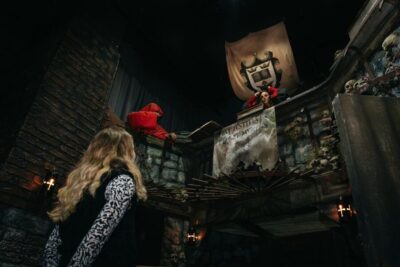
The Deutschlandmuseum turns 2,000 years of German history into a walk through twelve carefully staged moments. You move from the Battle of Varus to the 2006 summer fairy tale, with period objects, sets, and interactive media doing much of the explaining. I like the hands-on approach and the fact that you can arrive anytime during your ticket’s valid day. The mix is also family-friendly, making serious history easier for children to grasp.
The trade-off is depth. This is a quick, visual introduction rather than a full history museum, so you may leave wanting more detail about the people and events behind each display. At busy times, the staged rooms can also feel crowded, which takes some of the fun out of the experience.
In This Review
- Key points to know before you go
- A walk through 2,000 years in twelve scenes
- From the Battle of Varus to later Germany
- How the sets and objects change the visit
- What the experience is like for children and adults
- Is $30 good value for a Berlin museum visit?
- Planning your visit without a fixed appointment
- Who should choose the Deutschlandmuseum?
- Should you book this flexible ticket?
- FAQ
- How long is the Deutschlandmuseum ticket valid?
- Can I arrive without pre-registration?
- Does the ticket include entry to the Deutschlandmuseum?
- Can I skip the regular waiting line?
- Is the Deutschlandmuseum wheelchair accessible?
- What historical periods does the museum cover?
- Which historical events are included?
- Can I cancel the booking for a refund?
- Do I have to pay when I reserve?
Key points to know before you go
- Twelve eras in one visit: Follow major moments in German history, from the Battle of Varus to the 2006 World Cup.
- History you can see and hear: Detailed sets, historic objects, and interactive media replace rows of standard display cases.
- Flexible one-day admission: Arrive without pre-registration and choose a time that fits your Berlin plans.
- Separate entrance: Your ticket includes a way to avoid the regular waiting line.
- A good family option: The presentation keeps history simple, visual, and varied, though adults seeking detail may want another museum afterward.
- A clear drawback: Crowding can make some sections less enjoyable, especially when the rooms are full.
A walk through 2,000 years in twelve scenes

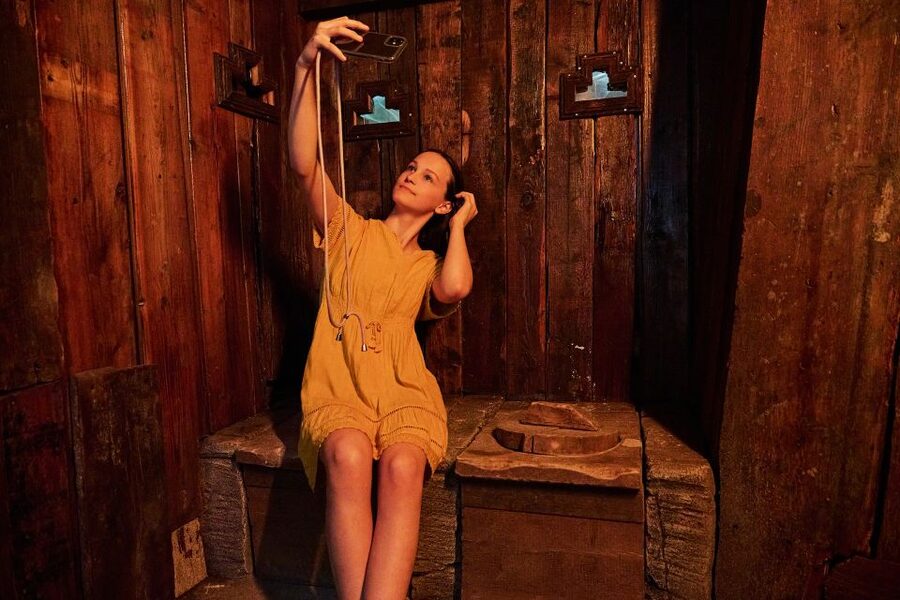
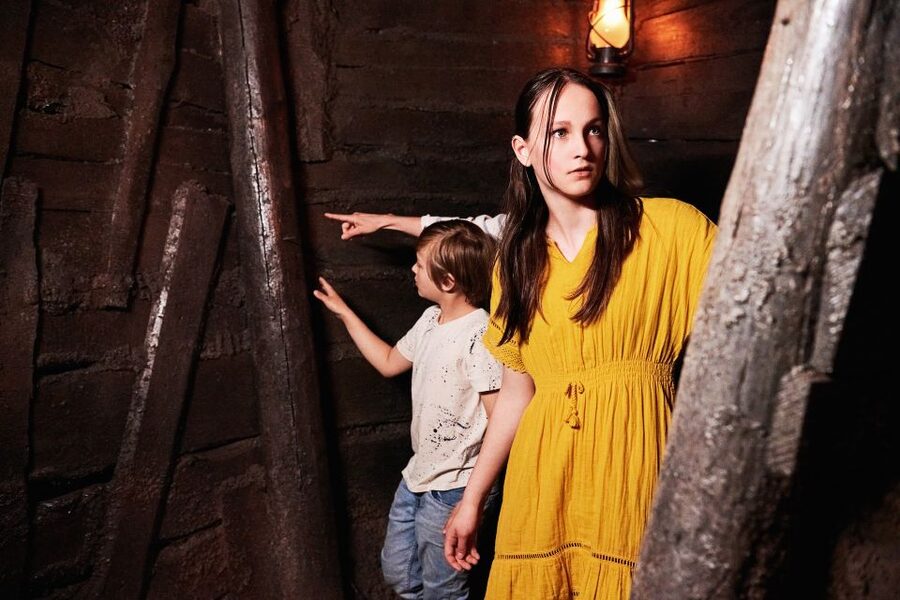
The main idea is simple: instead of asking you to read long panels about German history, the Deutschlandmuseum places you inside a series of historical settings. Each of the twelve eras gets its own staging, supported by objects from the period and interactive media.
That format changes the pace of a museum visit. You are not simply moving from case to case. You are looking at a room, noticing how it has been arranged, and then using the media and objects to work out why the moment matters.
The exact amount of time you spend in each section is up to you. The ticket is valid for one day, so you are free to take a quicker route if you have a packed Berlin schedule or slow down when a particular period catches your attention.
The museum’s broad time span is useful for first-time visitors to Germany. You get a basic sequence of major turning points without having to plan separate visits around the country. The presentation gives you a framework, and that framework can make later visits to Berlin’s memorials, palaces, churches, and historic sites easier to understand.
A few more Berlin trips to weigh up
- Berlin: Berlin Story Bunker Entry Ticket
★ 4.6 · 6,759 reviews - Berlin: Illuseum Berlin Entrance Ticket
★ 4.1 · 3,970 reviews - Berlin: Madame Tussauds Admission Ticket
★ 4.6 · 3,941 reviews
From the Battle of Varus to later Germany
The route begins with ancient German history, including the Battle of Varus. This is a strong choice for the museum’s early section because it introduces the long and complicated relationship between Rome and the peoples living east of the Rhine.
Do not expect a university lecture on the battle. The Deutschlandmuseum’s method is to give you a clear scene and a short, accessible explanation. You may come away with the basic importance of the event, but not every military detail or every argument about what happened.
That pattern continues through the twelve eras. The museum focuses on important turning points rather than trying to explain every century in equal detail. This makes the visit easy to follow, but it also means that some periods will feel more like a doorway into a subject than a finished lesson.
The final example listed for the route is the 2006 summer fairy tale, the nickname often used for Germany’s World Cup summer. Its inclusion shows that the museum is not limited to kings, battles, and political change. It also looks at more recent public life and the way a major sporting event affected the national mood.
That wide reach is one of the ticket’s main strengths. You can move from ancient conflict to modern popular culture in a single visit. It is a brisk way to see how the idea of Germany has changed across time.
How the sets and objects change the visit

The museum uses three main tools: detailed historical staging, period exhibits, and interactive media. Each serves a different purpose.
The sets create atmosphere. A room arranged around a historical moment can tell you something before you read a word. Scale, furniture, clothing, and surroundings help turn an abstract date into something more concrete.
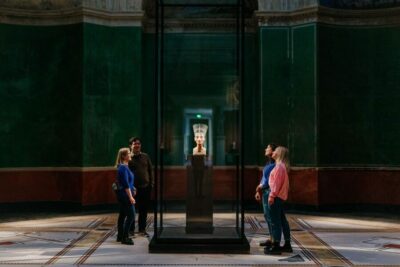
The historic objects add weight. They remind you that the displays are tied to real periods and real material life, not only to digital effects. Even when you do not know the history in detail, an object can give you a sense of how people lived, worked, fought, or celebrated.
The interactive media keeps the visit moving. It is especially useful for younger children, who may not have the patience for a traditional museum filled with text. The approach has been described as clear and varied, and that is a fair way to think about it: the museum gives you several ways to take in the same subject.
I like this combination because it respects different learning styles. You can look, listen, read, and interact rather than depend on one long explanation. It also gives families a better chance of staying together during the visit instead of splitting up because one person wants to read while another has already lost interest.
There is a limit, though. Interactive design can make history feel tidy. Real events are usually messy, disputed, and full of people whose experiences do not fit neatly into one room. If you want political context, social detail, or a close look at competing viewpoints, plan to use this museum as an introduction rather than your only source.
What the experience is like for children and adults
The Deutschlandmuseum is likely to work best for families and for adults who prefer a visual introduction to history. The settings make difficult subjects easier to explain, and the route gives children a sense of progress as they move from one era to the next.
The presentation also offers a good option for a mixed-age group. A child can respond to the room and the interactive elements, while an adult can add background from personal knowledge or follow up with more reading later.
For adults with a strong background in German history, the visit may feel light. One useful description is that it does not go far into historical depth, but presents its subjects in an attractive and varied way. That is not a flaw if you want an engaging overview. It is a limitation if you expect long explanations, rare documents, or detailed historical argument.
I would also keep the museum’s popularity in mind. When the rooms fill up, the displays lose some of their effect. A carefully staged scene needs space around it. If people are packed into the same area, you may have to wait for a clear view or move on before you have taken everything in.
The flexible ticket helps here. Since you do not need to pre-register for a specific arrival, you have more freedom to fit the visit around the rest of your day. Still, flexibility does not guarantee an empty museum. If a quiet visit matters to you, check the available starting times and choose carefully.
Same city, a completely different kind of day:
- Berlin: Reichstag, Dome and Government District Guided Tour
★ 4.7 · 18,288 reviews - Berlin: 1-Hour City Tour by Boat with Guaranteed Seating
★ 4.3 · 16,993 reviews - Berlin: Boat Tour Along the River Spree
★ 4.4 · 11,252 reviews - Discover Berlin Half-Day Walking Tour
★ 5.0 · 9,624 reviews
Is $30 good value for a Berlin museum visit?
At $30 per person, this is not a cheap walk-in museum stop. The value depends on what you want from the visit.
You are paying for a full-day-valid admission, a separate entrance that avoids the regular line, and a purpose-built presentation covering twelve eras. If you want a single attraction that gives your family a broad introduction to Germany, the price can make sense. You do not need to arrange several separate history stops, and the format is built to hold attention.
The value is weaker if you want detailed scholarship. A conventional museum may give you more text, more objects, and more time with individual historical subjects for the same money or less. The Deutschlandmuseum charges for its staged, media-based format, not simply for access to a large collection.
The flexible arrival policy improves the calculation. You can book ahead, pay later, and cancel up to 24 hours before the visit for a full refund. Those terms reduce the risk when your Berlin plans are still changing.
I would think of the ticket as an accessible overview with strong production value. It is a reasonable choice for a first orientation to German history, especially if you are traveling with children. It is less convincing as a stand-alone history education for a serious student.
Planning your visit without a fixed appointment

The ticket is valid for one day, and you can appear without pre-registration. That makes it easier to fit the museum between other Berlin plans. You can reserve your place now and pay later, which is useful when you are still adjusting your schedule.
Entry includes a separate entrance for avoiding the regular line. That matters most if you are visiting during a busy period or have children who do not enjoy waiting. It does not mean every room will be quiet, so keep the crowd warning in mind once you are inside.
The experience is wheelchair accessible. That makes it a practical option for visitors who need step-free access, though the information provided does not describe the width of individual passages or the exact facilities inside.
The ticket covers entry to the Deutschlandmuseum itself. No guide name is provided, and the experience is presented as a self-directed museum visit rather than a tour led by a named guide. You should therefore expect to move through the displays at your own pace.
Because the museum covers such a large span of time, I would avoid arriving with the expectation that you can master every era in one quick sweep. Give yourself enough time to pause at the scenes that interest you. The flexible one-day validity gives you room to do that without rushing.
Who should choose the Deutschlandmuseum?
I would recommend it most strongly to:
- Families looking for an easy way to introduce German history
- First-time visitors who want a broad chronological overview
- People who learn better from sets, objects, and media than from long written panels
- Berlin visitors who value flexible entry and a separate line
- Anyone with a limited schedule who wants many periods covered in one place
I would be more cautious if you are looking for detailed history. You may enjoy the displays, but you should pair them with another museum, memorial, book, or guided visit if you want to understand the causes and consequences of each event.
The museum also suits visitors who like a lively presentation. The route is designed to be fun as well as informative. That can be a welcome change after a day of more solemn Berlin sites.
The main thing is to set the right expectation. This is not a quiet archive or a specialist collection. It is a staged, interactive history experience that gives you a clear outline and plenty of visual prompts.
Should you book this flexible ticket?
Book it if you want German history presented in a direct, family-friendly way, and if the idea of walking through twelve historical settings appeals to you. The flexible arrival, one-day validity, separate entrance, and wheelchair access make it easy to add to a Berlin itinerary.
Think twice if you want extensive detail or dislike crowded interactive attractions. At $30, you should be comfortable paying for the presentation style rather than expecting a traditional museum collection.
My practical verdict is simple: choose the Deutschlandmuseum as an engaging first look at Germany’s past, not as the final word. It can give you a useful map of the subject, make history enjoyable for children, and help you decide which periods deserve a closer look elsewhere in Berlin.
FAQ
How long is the Deutschlandmuseum ticket valid?
The ticket is valid for one day.
Can I arrive without pre-registration?
Yes. The ticket allows flexible arrival without pre-registration.
Does the ticket include entry to the Deutschlandmuseum?
Yes. Entry to the Deutschlandmuseum is included.
Can I skip the regular waiting line?
Yes. The ticket includes access through a separate entrance.
Is the Deutschlandmuseum wheelchair accessible?
Yes. The activity is listed as wheelchair accessible.
What historical periods does the museum cover?
The museum presents twelve eras spanning 2,000 years of German history.
Which historical events are included?
The displays include moments ranging from the Battle of Varus to the 2006 summer fairy tale.
Can I cancel the booking for a refund?
Yes. You can cancel up to 24 hours in advance for a full refund.
Do I have to pay when I reserve?
No. The reserve-now, pay-later option lets you book your spot without paying at the time of reservation.
Just added around Berlin
- Love and War in Berlin: Self-Guided Story Puzzle Walk★ 5.0 · 7 reviews
- Rickshaw Tours Berlin – Groups of up to 16 people with several rickshaws★ 4.0 · 97 reviews
- Walking on the Wall: 3-Hour Tour in Berlin★ 4.5 · 34 reviews
- eSIM for Germany and 34 European Countries★ 4.5 · 16 reviews
- Warnemuende Shore Excursion: Berlin Private Sightseeing Tour from Rostock★ 5.0 · 4 reviews
- Your ticket to The Wall Museum Berlin★ 3.0 · 60 reviews
- Warnemuende Shore Excursion: Private Berlin Tour★ 4.5 · 27 reviews
- Berlin’s Gay, Lesbian, and Queer Scene Small-Group Walking Tour★ 4.5 · 66 reviews
Tickets, compared.