
Reviewed · CONCENTRATION CAMP MEMORIAL TOURS
The Memorial Tour: Visit to Sachsenhausen Concentration Camp (licensed guide)
Sachsenhausen is not a sightseeing stop in the usual sense. It is a place of evidence, silence, and difficult questions, and a guide can help you read the remaining buildings without turning the visit into a cold list of dates. This tour takes you from central Berlin to the memorial with an English-speaking guide, then spends about three hours on the camp grounds.
I especially like the small maximum of 15 people, which gives you a fair chance to ask questions. I also like the route through original structures such as Tower A, the former prison, the camp kitchen, and Station Z. The main consideration is practical: your €41.12 tour price does not include the ABC public transport ticket, bus fare, or food, and you should expect several hours of walking in an emotionally heavy setting.
In This Review
- Key points to know before you go
- Why Sachsenhausen deserves a place on your Berlin schedule
- Meeting near Brandenburg Gate at 10:00 a.m.
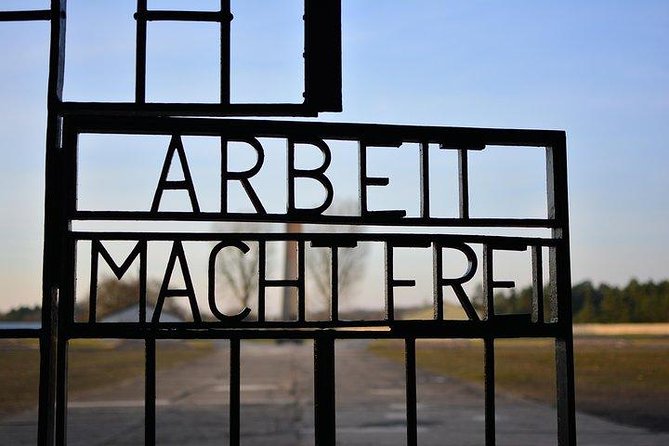
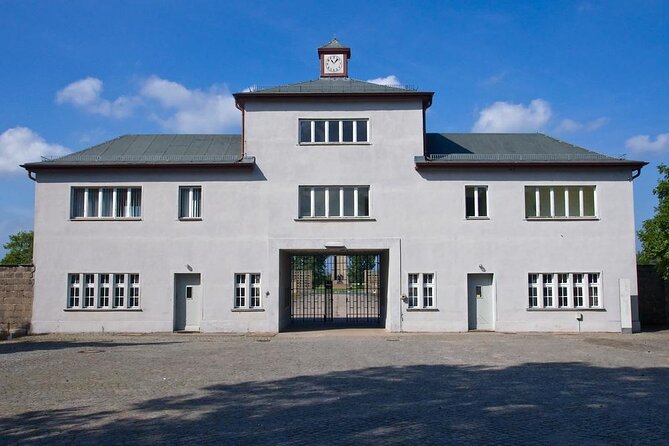
- Entering through Tower A
- The pathology building and infirmary areas
- Station Z and the former camp kitchen
- The SS and Gestapo prison
- The former prisoner barrack block
- How much walking and what to bring
- Is the €41.12 price good value?
- Who should book this Sachsenhausen visit?
- Should you book the Memorial Tour?
- FAQ
- Where does the Sachsenhausen tour start?
- What time does the tour begin?
- Where does the tour end?
- How long does the experience last?
- Is admission to Sachsenhausen included?
- Do I need a public transport ticket?
- Are bus fares included?
- Is food provided?
- What language is the tour offered in?
- How many people can join the tour?
- Is the tour suitable for people with limited mobility?
- Can I cancel for a refund?
Key points to know before you go
- Three hours inside Sachsenhausen: The visit covers the central camp area, original buildings, memorial exhibits, and former prisoner facilities.
- Guided public transport from Berlin: Meet at 10:00 a.m. near Brandenburg Gate, then travel toward Oranienburg with help buying the required ABC ticket if needed.
- A group capped at 15 people: The size suits visitors who want room for questions and a more personal pace.
- Strong guide-led storytelling: Paul is frequently praised for his clear, respectful explanations, while Aaron and Stephen are also named as highly capable guides.
- Bring good walking shoes: You may walk from Oranienburg station or use a bus, and the camp itself covers a large area.
- A serious memorial, not an entertainment outing: Expect difficult material, exposed buildings, and a quiet, reflective atmosphere.
Why Sachsenhausen deserves a place on your Berlin schedule
Many Berlin visitors focus on the Brandenburg Gate, Museum Island, and the Berlin Wall. Those places are important, but Sachsenhausen adds a different kind of understanding. Here, the story of Nazi Germany is tied to physical ground, surviving structures, prisoner spaces, and the machinery of terror.
Sachsenhausen was a concentration camp used by the Nazi regime. It was not designed primarily as an extermination camp, but that does not make the visit less disturbing or less important. Prisoners suffered through forced labor, starvation, disease, punishment, imprisonment, and murder. The site helps you understand how persecution was organized and how ordinary systems, buildings, and routines were used to control human beings.
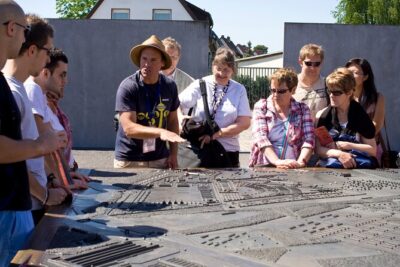
I recommend going with a guide if you want the history explained as you move through the grounds. The memorial contains a great deal of written information, but the scale can be hard to grasp on your own. A good guide connects the buildings, explains their purpose, and gives you time to look rather than rushing you from one marker to the next.
The tour is especially useful for first-time visitors to a concentration camp memorial. It gives you a framework before arrival and points out the places that matter most. You still have space to pause, ask questions, and take in the site at your own pace.
More Concentration Camp Memorial Tours in Berlin
- Berlin: Sachsenhausen Concentration Camp Tour in English
★ 5.0 · 5,711 reviews - Berlin: Sachsenhausen Concentration Camp Memorial Tour
★ 4.7 · 3,716 reviews - Sachsenhausen Concentration Camp Bus Tour in English from Berlin
★ 5.0 · 1,962 reviews
Meeting near Brandenburg Gate at 10:00 a.m.
The tour begins outside Hopfingerbräu on Ebertstraße 24, next to Brandenburg Gate. This is a convenient central meeting point, but allow a few extra minutes to identify your guide. One practical note from the experience is that guides may dress casually, so do not rely only on a uniform to spot the group.
The advertised start time is 10:00 a.m. Confirmation is provided when you book, and the activity returns to the same central meeting point at the end. The total outing lasts about five hours, though the exact return time can vary with public transport and the pace of the group.
You will need an ABC public transport ticket because Oranienburg lies outside Berlin’s central fare zones. The ticket costs €4.70 per person if you do not already have a suitable travel pass. Bus fare is also separate. Guides can help you with the ticket, which is useful if Berlin’s fare zones are unfamiliar.
The transport is not just a transfer. During the journey, your guide begins setting out the political background of the Third Reich and explains how the concentration camp system fit into Nazi rule. This preparation matters. Arriving without context can leave you staring at buildings without seeing how they functioned as part of a wider system.
The trip to Oranienburg takes about an hour by train, with the RE5 mentioned as one route used by the group. From the station, you may take a bus or walk. One account describes the walk to the memorial as roughly a mile, or about 20 minutes, with another walk required later if you miss the bus. Ask about the bus connection if you would rather save your energy for the camp grounds.
Entering through Tower A
Tower A was the entrance into the main camp compound. It is an important first stop because it introduces the controlled, enclosed world the prisoners entered. The gateway is not simply an architectural feature. It marks the point where people were stripped of freedom, reduced to camp identities, and placed under SS control.
Your guide explains what the entrance meant and how the camp was organized beyond it. This is also where the tour begins to connect the broad political story with the individual experience of imprisonment. The information is factual and direct, but the setting gives those facts a weight that a classroom or book cannot fully provide.
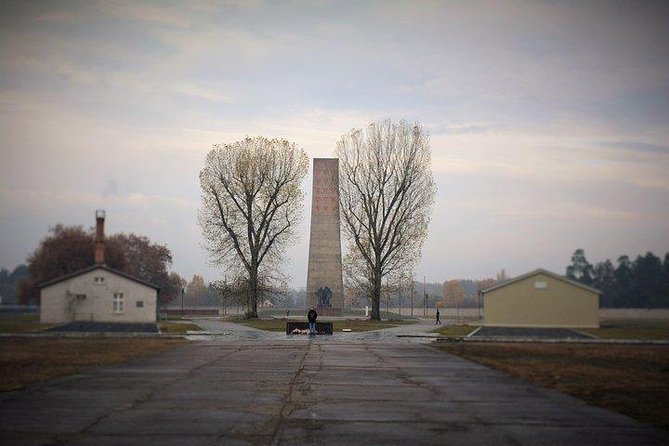
The group then moves into the roll-call area. Prisoners were assembled there for counting, often for long periods and in difficult weather. The space helps you understand that punishment did not always require a visible act of violence. Time, exposure, exhaustion, and forced obedience were part of the camp system.
Take a moment here before moving on. The open area can appear simple, even empty, but its size and purpose make it one of the most effective places to pause. A guide can explain the routine while allowing you time to absorb the setting.
The pathology building and infirmary areas
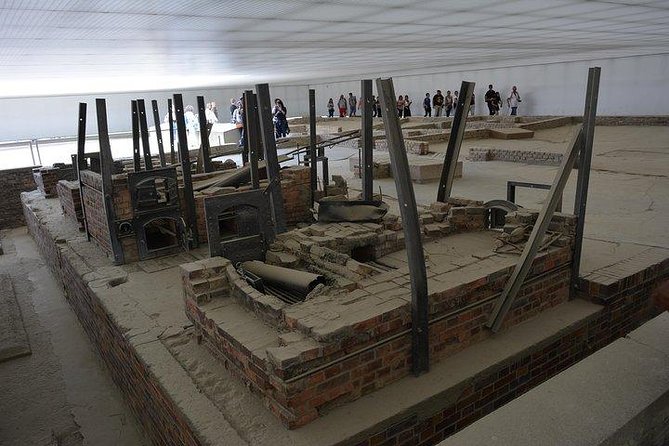
The pathology building, infirmary buildings, and mortuary cellar reveal the medical side of camp control. These spaces are especially hard for some people because they show how illness, death, and the treatment of prisoners were handled within the camp.
The guide helps explain the difference between care in a normal hospital and the role of these facilities under the camp system. You may find the material confronting, and the tour does not try to soften it with unnecessary drama. That restraint is valuable. The point is to understand what happened and why these buildings mattered.
The mortuary cellar is among the places that can bring the human cost into sharper focus. It is worth moving slowly and listening carefully here. If you need a quiet pause, tell your guide. The tour includes opportunities to rest and use the bathroom, and a considerate guide will not treat those breaks as an inconvenience.
Same city, a completely different kind of day:
- Berlin: Reichstag, Dome and Government District Guided Tour
★ 4.7 · 18,288 reviews - Berlin: 1-Hour City Tour by Boat with Guaranteed Seating
★ 4.3 · 16,993 reviews - Berlin: Boat Tour Along the River Spree
★ 4.4 · 11,252 reviews - Discover Berlin Half-Day Walking Tour
★ 5.0 · 9,624 reviews
Station Z and the former camp kitchen
Station Z was a purpose-built execution facility. The name itself is grimly bureaucratic, and that is part of what makes the location so disturbing. The guide explains its purpose and places it within the camp’s system of killing and punishment.
This is a part of the tour where factual guidance is particularly important. You will likely have questions about how the facility was used, who was targeted, and how it related to the wider Nazi system. Paul, a guide repeatedly singled out for his clear answers and calm manner, is one example of the kind of guide who can make this section understandable without turning it into a performance.
The former camp kitchen provides another angle on daily camp life. Exhibits here help explain how food, work, supplies, and routine operated under imprisonment. It can be tempting to focus only on the most visibly terrible places, but the kitchen and other working areas show how the camp functioned day after day.
That practical detail matters. Terror depended on systems: schedules, buildings, guards, records, food distribution, labor, and punishment. Seeing those parts together makes the camp easier to understand as an institution, not only as a collection of tragic rooms.
The SS and Gestapo prison
The former SS and Gestapo prison is one of the clearest reminders that imprisonment inside a concentration camp could take different forms. Prisoners in this section faced another layer of control, isolation, and punishment.
Expect a sober explanation of the prison’s role rather than a rapid walk-through. Your guide can help connect this building to the wider political use of detention under the Third Reich. It is also a place where questions often arise, so the small group format is useful.
The guide’s approach is a major part of the tour. Paul is described as friendly and attentive, with a habit of getting to know the people in his group while keeping the subject matter respectful. Aaron is also noted for answering questions throughout the visit and checking that people were comfortable. Stephen is praised for his ability to explain the history clearly during a cold, unpleasant day on site.
Guide assignments can change, so you should not book on the assumption that one particular person will lead your group. The consistent value to look for is a guide who can answer questions, manage the tone, and give you room to process what you are seeing.
The former prisoner barrack block
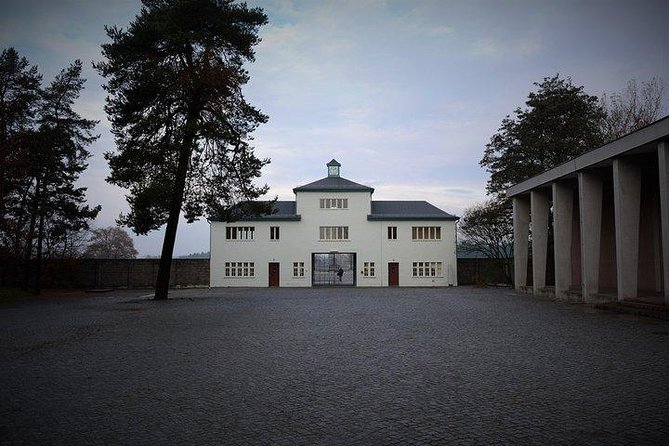
The former prisoner barrack block brings the tour back to everyday prisoner life. The building and its displays help you consider overcrowding, routine, loss of privacy, and the way prisoners were managed as a mass.
This section can be more informative than dramatic, which is exactly why it matters. A camp was not only its execution facilities. It was also the place where people slept, ate, worked, waited, suffered illness, and tried to maintain some sense of themselves.
The full memorial area contains more information than you can absorb in one visit. Three hours is a useful middle ground. You have enough time to visit the main sites with guidance, but you will not read every panel in detail. If you want to study every exhibit, plan a separate return visit rather than trying to force the entire memorial into one tour.
How much walking and what to bring
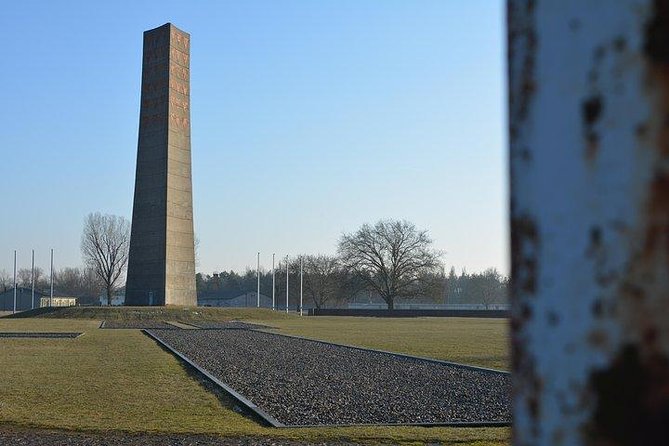
Plan for several hours on your feet. The journey may include a walk from Oranienburg station, depending on the bus, followed by substantial walking around the memorial grounds. Good walking shoes are more important than stylish ones.
Pack water and a small snack because food and drinks are not included. The tour information does not promise a meal break, so do not arrive expecting lunch to be provided. Bathroom breaks are possible during the visit, but it is still sensible to use facilities before leaving central Berlin.
Dress for changing weather. One account describes conditions shifting from sunny and cool to cold, overcast, and windy. The open grounds can feel exposed, and the weather may add to the physical strain of the visit. A waterproof layer and warm extra layer are sensible choices.
Photography may be possible in parts of the memorial, but the setting calls for judgment and respect. Your guide will indicate where to focus and how to behave. This is not a place for loud conversation, casual posing, or rushing through for pictures.
The memorial is listed as accessible for people with limited mobility, and most people can participate. Still, the combination of public transport, possible walking from the station, uneven outdoor routes, and a long visit means you should ask the operator for current route details if mobility is a concern. Animals and pets are allowed according to the tour information.
Is the €41.12 price good value?
At $41.12 per person, the tour is reasonably priced for a five-hour outing with admission included and a licensed guide. You are paying not only for entry, but also for the route planning, historical preparation, and help with the journey from Berlin to Oranienburg.
The extra ABC ticket, listed at €4.70 when needed, changes the final cost. Bus fare is also not included, and you must arrange your own food and drinks. Even so, the price remains fair if you value explanation and structure rather than simply reaching the memorial and walking alone.
The small group improves the value. With a maximum of 15 people, the guide can respond to questions and adjust the pace more easily than on a large coach outing. Several guides are praised for keeping the group engaged while handling difficult material with care.
One administrative caution is worth noting. The tour requires a minimum number of participants, so it can be canceled if that minimum is not met. A previous booking was described as canceled the night before, which can be a real problem if your Berlin schedule is tight. Leave some flexibility if this visit is central to your plans.
You can cancel for a full refund up to 24 hours before the start time. Changes or cancellations inside that 24-hour window are not accepted for a refund.
Who should book this Sachsenhausen visit?
I would choose this tour if you want a guided introduction to Nazi Germany and the concentration camp system, especially if this is your first visit to Sachsenhausen. It is also a good fit if you prefer public transport and want someone to handle the route while you prepare mentally for the memorial.
The tour suits adults and older children who can manage a serious subject and several hours of walking. It is not designed as a light family excursion or a quick historical photo stop. The subject is painful, and you should talk with younger members of your group before booking.
Independent visitors may prefer to travel alone and spend a full day reading every exhibit. If that sounds like you, the three-hour guided route may feel too structured. The tour is strongest for people who want the main buildings explained, a clear route through the grounds, and the chance to ask questions in English.
The experience is offered in English. One booking was reportedly made with an expectation of German, but the tour operated in English, with an audio guide rented separately. Confirm the language before booking if that detail matters to you.
Should you book the Memorial Tour?
Book it if you want a serious, well-organized visit that puts Sachsenhausen into historical context. The most useful features are the guided journey from Berlin, the small group of no more than 15, the three hours on site, and the focus on original camp structures.
Go with realistic expectations. You will walk a lot, pay extra for public transport, and spend time with material that may leave you quiet for the rest of the day. That is not a flaw, but it is part of the visit.
I would make this a priority for a Berlin trip focused on twentieth-century history. Choose another day if you are short on time, unprepared for the subject, or unable to manage the transport and walking. For everyone else, this is a worthwhile memorial visit, provided you give it the attention and respect it requires.
FAQ
Where does the Sachsenhausen tour start?
It starts outside Hopfingerbräu at Ebertstraße 24, 10117 Berlin, next to Brandenburg Gate.
What time does the tour begin?
The meeting time is 10:00 a.m.
Where does the tour end?
The activity ends back at the original meeting point in central Berlin.
How long does the experience last?
The full experience lasts approximately five hours, including travel between Berlin and Sachsenhausen. About three hours are spent at the memorial.
Is admission to Sachsenhausen included?
Yes. The entry or admission fee is included in the tour price.
Do I need a public transport ticket?
Yes, you need an ABC ticket unless you already have a suitable travel pass. The listed price is €4.70 per person.
Are bus fares included?
No. Bus fare is not included in the tour price.
Is food provided?
No. Food and drinks are not included, so bring your own or plan to buy them separately.
What language is the tour offered in?
The tour is offered in English. If you need another language, confirm it before booking.
How many people can join the tour?
The maximum group size is 15 travelers.
Is the tour suitable for people with limited mobility?
The activity is listed as accessible for people with limited mobility, but it also involves public transport and several hours of walking. Ask the operator about the current route if you need specific assistance.
Can I cancel for a refund?
You can cancel up to 24 hours before the start time for a full refund. Cancellations or changes made less than 24 hours before the experience are not refunded.
Just added around Berlin
- Love and War in Berlin: Self-Guided Story Puzzle Walk★ 5.0 · 7 reviews
- Rickshaw Tours Berlin – Groups of up to 16 people with several rickshaws★ 4.0 · 97 reviews
- Walking on the Wall: 3-Hour Tour in Berlin★ 4.5 · 34 reviews
- eSIM for Germany and 34 European Countries★ 4.5 · 16 reviews
- Warnemuende Shore Excursion: Berlin Private Sightseeing Tour from Rostock★ 5.0 · 4 reviews
- Your ticket to The Wall Museum Berlin★ 3.0 · 60 reviews
- Warnemuende Shore Excursion: Private Berlin Tour★ 4.5 · 27 reviews
- Berlin’s Gay, Lesbian, and Queer Scene Small-Group Walking Tour★ 4.5 · 66 reviews
Concentration Camp Memorial Tours, compared.
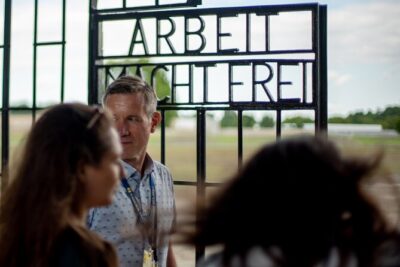
Sachsenhausen Concentration Camp Tour in English
Read our review →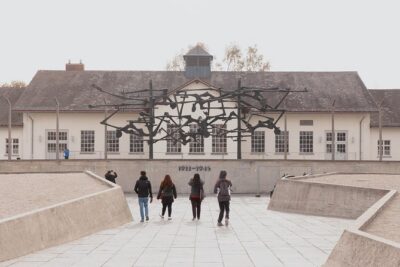
Dachau Concentration Camp Memorial Site Tour from Munich by Train
Read our review →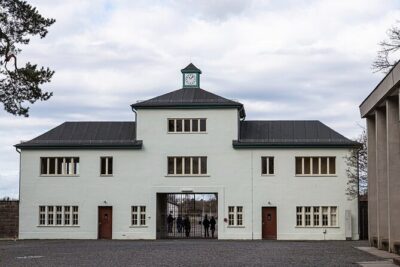
Sachsenhausen Concentration Camp Memorial Tour
Read our review →
Sachsenhausen Concentration Camp Bus Tour in English from Berlin
Read our review →Sachsenhausen Concentration Camp Tour in English
Read our review →
Sachsenhausen Concentration Camp Memorial Tour (Max. 15 Guests)
Read our review →Browse the lists this tour appears in