
Reviewed · CONCENTRATION CAMP MEMORIAL TOURS
Sachsenhausen Concentration Camp Memorial Tour (Max. 15 Guests)
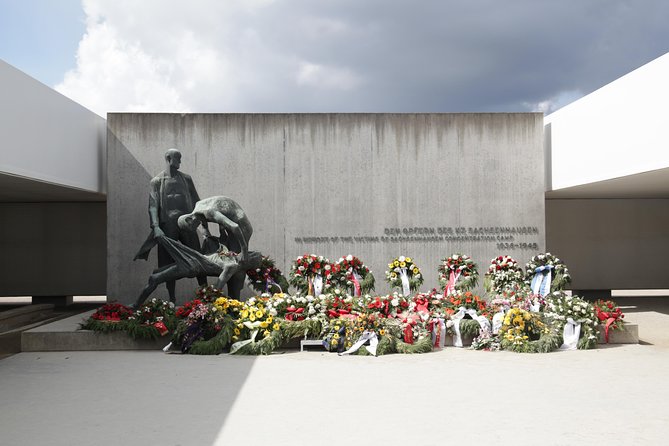
Sachsenhausen is not a quick photo stop. It is a three-hour walk through a former concentration camp, where the Appellplatz, barracks, punishment cells, execution grounds, crematorium, and Station Z bring the Nazi camp system into sharp focus. The tour also explains how political terror, forced labor, imprisonment, and murder worked together.
I like the small group limit of 15, which gives you a better chance to ask questions and hear the guide clearly. I also like that the guides are licensed and trained by the memorial authority, with praised leaders including Rebecca, Natalie, James, Anastasia, Maria, and Georgia. The main drawback is the pace: three hours on site is useful, but not enough to read every display at length, and the full outing includes substantial walking and public transport.
In This Review
- Key points to know before you book
- Why Sachsenhausen deserves a full morning
- Starting at Hackescher Markt at 10 am
- Walking through the Appellplatz and barracks
- Station Z, the crematorium, and the hardest part of the visit
- The value of an expert guide
- What the six-hour schedule feels like
- Where the tour may fall short
- Who will get the most from this visit
- Should you book the Sachsenhausen tour?
- FAQ
- Where does the Sachsenhausen tour begin?
- What time does the tour start?
- How long does the experience last?
- What places are visited inside Sachsenhausen?
- Is public transportation included?
- Can I cancel for a full refund?
Key points to know before you book
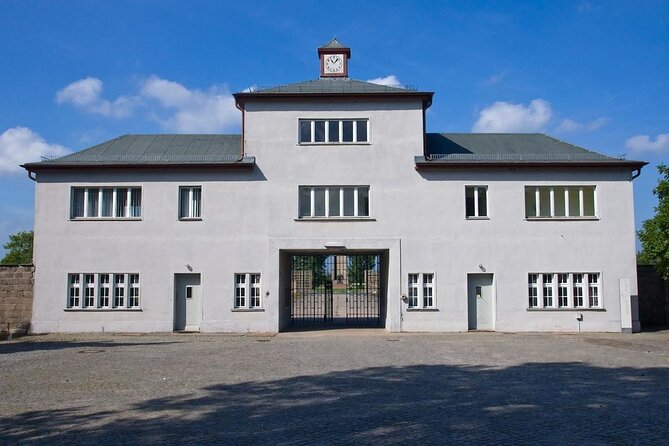
- Three hours inside Sachsenhausen: Visit the Appellplatz, Jewish Barrack, punishment cells, execution grounds, crematorium, Station Z, pathology laboratory, and hospital.
- Maximum 15 people: A small group makes questions and personal guidance easier than on a large coach tour.
- Meet at Hackescher Markt at 10 am: The tour begins at the Starbucks Café on Neue Promenade 3.
- Expect a serious, respectful presentation: Strong guides balance facts about the Third Reich and Holocaust with stories of courage and endurance.
- Bring snacks, water, and good shoes: Food and drinks are not included, and the tour involves long periods of walking and standing.
- Budget for transport: Public transportation is not included. The listed estimate is €4.70 per person, while a 24-hour ABC ticket has been reported at about €11.40.
Why Sachsenhausen deserves a full morning
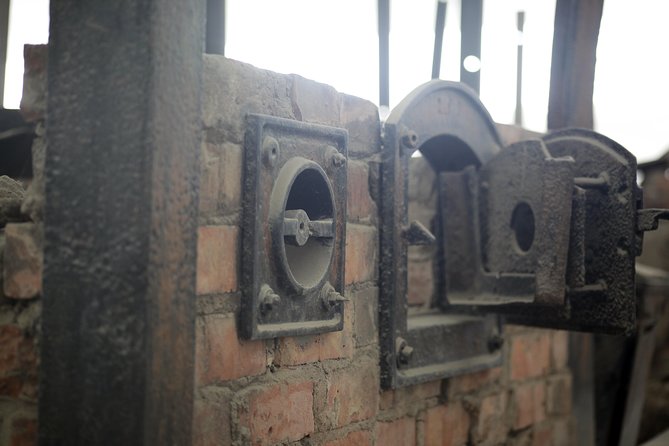
Sachsenhausen was not designed as a museum. It was a place built for imprisonment, forced labor, punishment, medical abuse, and killing. Walking through the remaining structures and marked grounds helps you understand how an organized camp operated, rather than reducing the subject to a few isolated objects behind glass.
The site also matters because of its role in the wider camp network. One strong guide, Rebecca, put the camp into the larger system of Nazi persecution and explained why Sachsenhausen was important beyond its location near Berlin. That wider context is one of the best reasons to choose a guided visit instead of simply arriving alone and reading signs.
This is difficult material. You will encounter places connected with executions, cremation, human experiments, harsh punishment, and forced labor. A good guide does not soften the facts, but presents them with care. Natalie, Rebecca, Lewis, Gregor, James, and others received particular praise for combining clear historical explanation with a compassionate tone.
I would not treat this as a casual sightseeing activity. You will leave with a heavy mind, and that is part of the point. The memorial asks you to pay attention, think carefully, and remember what happened. Set aside a quieter part of your day afterward rather than planning a packed schedule immediately after the tour.
More Concentration Camp Memorial Tours in Berlin
- Berlin: Sachsenhausen Concentration Camp Tour in English
★ 5.0 · 5,711 reviews - Berlin: Sachsenhausen Concentration Camp Memorial Tour
★ 4.7 · 3,716 reviews - Sachsenhausen Concentration Camp Bus Tour in English from Berlin
★ 5.0 · 1,962 reviews
Starting at Hackescher Markt at 10 am
The meeting point is the Starbucks Café at Hackescher Markt, at Neue Promenade 3 in central Berlin. Hackescher Markt is a practical place to meet because it is near public transportation and easy to recognize, but do not confuse the market meeting point with the memorial itself. The camp is in Oranienburg, north of Berlin, so the group must travel before the walking portion begins.
The tour starts at 10 am. Confirmation is provided when you book, and the mobile ticket makes it easy to keep the booking on your phone. Arrive early enough to find the guide and settle your transport plans. Being late is especially risky here because the group leaves Berlin together and later connects with local transport near the camp.
The trip from central Berlin is not dead time. Several guides use the journey to explain the political background of the camp and the rise of the Nazi state. Rebecca is specifically praised for bringing a binder of images on the train, giving the group visual context before reaching the memorial. That sort of preparation helps you understand the site before confronting its buildings and grounds.
Public transportation costs extra. The supplied fare for the tour is €4.70 per person, while one account recommends an ABC 24-hour ticket costing about €11.40. The exact choice may depend on your plans and ticket needs, so check the current Berlin and Brandenburg fares before departure. Either way, keep transport money separate from the tour price.
Walking through the Appellplatz and barracks
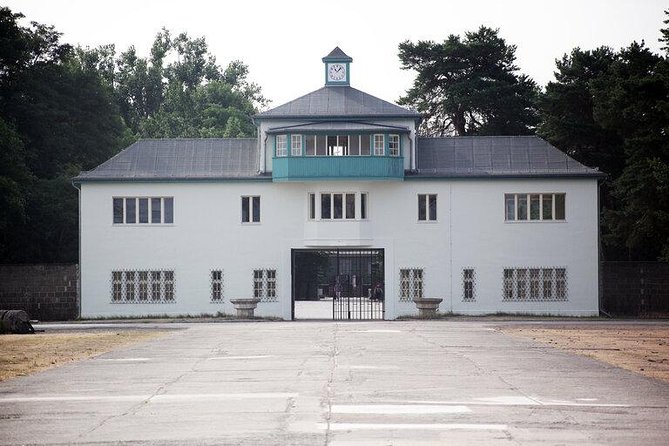
Once at the memorial, expect about three hours on site. The walking route begins with the Appellplatz, the parade and roll-call ground. This is a useful first stop because it shows the scale and order imposed on daily camp life. The name and function of the space help explain how prisoners were counted, controlled, and subjected to long periods of standing.
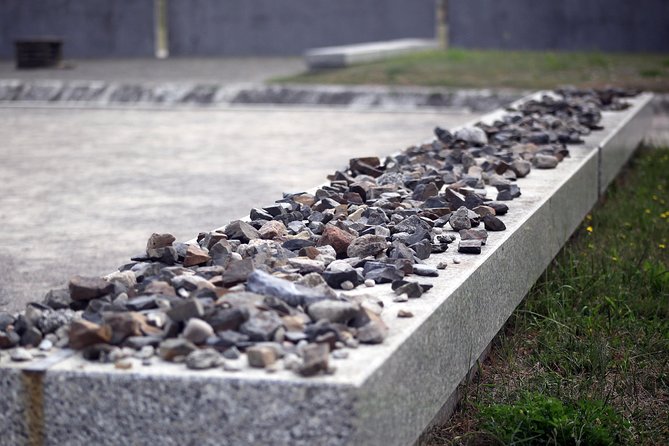
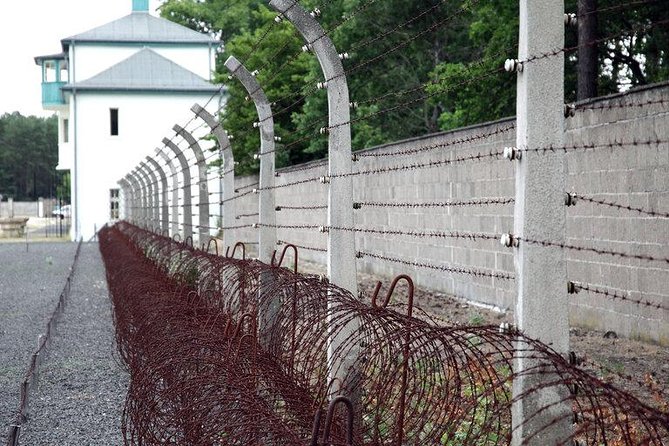
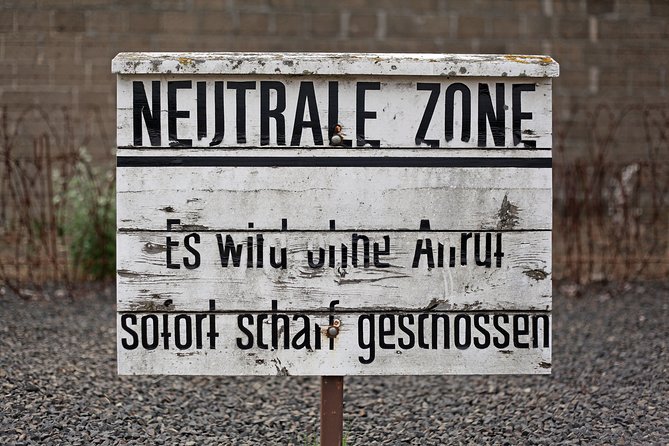
The guide then leads you through the parts of the camp that remain open to the public. The Jewish Barrack is an important stop, as are the punishment cells and other areas connected with discipline and confinement. You are not simply looking at old walls. The commentary explains how the camp system used space, routine, work, and punishment to strip people of control over their lives.
The experience works best when you listen closely at each formal stop, then use the walking time to ask questions. One piece of feedback suggested that there could be more conversation between the main commentary points. That is fair. Some guides give most of their explanation in set locations, so speak up if you need a point repeated or want more context before moving on.
The small group helps here. With no more than 15 people, it is easier to stay together and hear the guide without a large crowd surrounding the discussion. Groups can be smaller still. One account described a group of seven, which allowed more time for questions and a less hurried pace.
Station Z, the crematorium, and the hardest part of the visit
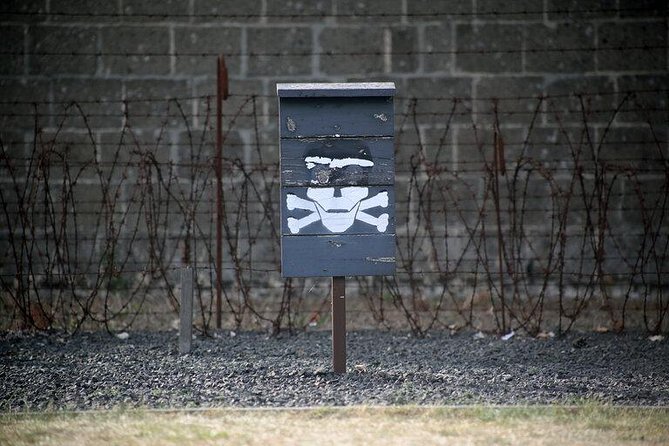
Station Z is among the most difficult parts of Sachsenhausen. The name refers to the camp killing facility, and the area includes the execution grounds and crematorium. The guide’s role is especially important here, because the place can be emotionally overwhelming and the facts are easy to absorb only in small pieces.
Expect a direct explanation of what happened, but also expect restraint. The best guides do not turn the site into a performance. Natalie was praised for balancing the historical and emotional weight of the camp, while Rebecca was credited with explaining the horrors alongside examples of courage and endurance. That balance does not make the subject easy, but it gives you a way to process what you are seeing.
You may also visit the pathology laboratory and camp hospital. These stops expand the story beyond mass killing. They show how imprisonment involved medical control, abuse, experimentation, disease, and the treatment of human beings as objects. A tour that includes these areas gives you a broader understanding of the camp system and the different forms of violence used against prisoners.
The memorial is a place for quiet attention. Photography may feel inappropriate in some areas, and you should follow the guide’s direction and the site’s rules. The most worthwhile part of this tour is not collecting images. It is understanding the machinery of persecution and remembering the people who suffered there.
Same city, a completely different kind of day:
- Berlin: Reichstag, Dome and Government District Guided Tour
★ 4.7 · 18,288 reviews - Berlin: 1-Hour City Tour by Boat with Guaranteed Seating
★ 4.3 · 16,993 reviews - Berlin: Boat Tour Along the River Spree
★ 4.4 · 11,252 reviews - Discover Berlin Half-Day Walking Tour
★ 5.0 · 9,624 reviews
The value of an expert guide
The tour costs $35.92 per person, before transport, food, and tips. That is a reasonable price for a six-hour experience with a professional guide and a three-hour visit to one of Berlin’s most important memorial sites. You are paying for historical framing, group organization, transport guidance, and access to a trained explanation of a complicated subject.
The professional guide is licensed and trained by the Memorial Authority. That matters at Sachsenhausen. The history includes Nazi ideology, propaganda, political imprisonment, forced labor, racial persecution, the Holocaust, and postwar memory. A guide who can connect those subjects helps you avoid seeing the camp as a collection of disconnected ruins.
The strongest guide names to keep in mind are Rebecca, Natalie, James, Anastasia, Maria, Georgia, Lewis Shields, Gregor, Chris, Emma, and Mikey. You cannot necessarily choose a particular person when booking, but these guides have been singled out for clear explanations, sensitivity, good pacing, useful local advice, and careful answers to questions.
Maria also provided documentary and film suggestions for further study, along with practical help about stations, food, and coffee after the tour. Anastasia was praised for handling schedule changes and finding another route when a train stopped. Those details matter because a good guide here needs to handle both the history and the practical realities of getting a group back to Berlin.
Original Berlin Walks donates €3 from each booking to the Sachsenhausen Memorial. That does not change the emotional nature of the visit, but it adds a useful point of value. The money supports the institution that preserves the site and presents its history.
What the six-hour schedule feels like
The total outing lasts about six hours, with roughly three hours at the memorial. The remaining time covers the journey from Berlin, the local connection to the camp, and the return toward Oranienburg station. The end point is listed at Bahnhofsplatz in Oranienburg rather than back at Hackescher Markt, so plan your evening with that in mind.
The group may use a bus for part of the route. One account describes taking a bus closer to the camp and then walking about 20 minutes back toward the station afterward to catch the train. That return walk may be gentle, but it adds to the day, especially after several hours on the memorial grounds.
There is no planned lunch stop. Bring snacks and drinks. This is one of the most practical points in the entire booking decision. A six-hour outing with long walking and standing is much easier if you have food with you, especially because leaving the group for a meal could mean losing time at the memorial.
Wear comfortable shoes and practical clothing. One group completed the tour in minus 2 degrees, so winter visitors should dress warmly. The memorial grounds are open and exposed, and weather can shape how comfortable you feel during the long visit. Rain also makes a difference, although one guide adjusted breaks and transport to avoid the worst of it.
Where the tour may fall short
A guided visit cannot give you unlimited time. One person wanted longer to study the displays beneath the housing blocks, especially because those exhibits help explain the development of concentration and extermination camps. That is a reasonable limitation to keep in mind.
Your guide will cover many displays in the spoken presentation, but you may not have time to read every panel or pause at every object. If you already have a strong interest in Nazi Germany or camp history, you may want to return independently for more detailed study. The guided route gives you structure and context, but it is not a full museum research visit.
The quality of the day depends heavily on the guide. The overall rating is 4.8 from 1,516 reviews, and 97 percent of respondents recommend the experience, which points to a strong record. Still, one very poor account described a rude, hung-over guide and incomplete access to the site. The operator responded that its guides are licensed, receive fixed fees rather than relying on tips, and are authorized to access all areas included in the tour. The mismatch may have involved another company with a similar name, but it is still wise to confirm the provider on your booking.
Do not book this tour if you want a light or flexible morning. Do book it if you want a clear route, historical explanation, and someone to help you make sense of a difficult place.
Who will get the most from this visit
This tour suits anyone visiting Berlin who wants to understand the Nazi period through a specific site rather than only through city museums and memorials. It is especially useful for history students, teachers, families with older children, and people who have already read about the Holocaust and want a more grounded sense of the camp system.
It also suits first-time visitors who might feel unsure about reaching Sachsenhausen alone. The group handles the route, explains the site, and helps with the trip back toward Oranienburg. The guides also answer questions about Berlin transport and nearby food, which can save you some planning afterward.
The subject may be too intense for young children, but the supplied information states that most people can participate. You know your own group best. Prepare children and teenagers honestly, without graphic detail beyond what they need, and make sure they understand that this is a memorial visit, not ordinary sightseeing.
The small group is a real advantage for people who want to ask questions. It is less important if you prefer to move at your own pace and read every panel. For independent readers, a self-guided visit may offer more control. For most first-time visitors, the guide adds context that would be hard to build on the spot.
Should you book the Sachsenhausen tour?
I would book this tour if Sachsenhausen is a priority and you want a serious, well-organized introduction without giving up an entire day and night. The $35.92 price is fair for the guide, three-hour camp visit, small group, and transport support, though you must add public transportation and bring your own food.
Choose a date when you can give the subject your full attention. Bring water, snacks, good shoes, and clothing suited to the weather. Allow time afterward to sit quietly or talk through what you saw.
The strongest reason to choose this experience is the quality of its better guides. Rebecca, Natalie, James, Anastasia, Maria, and their colleagues are praised for clear facts, thoughtful storytelling, compassion, and practical help. The main caution is that the route cannot cover every display in detail, so serious history students may want a second, independent visit.
With free cancellation up to 24 hours before the 10 am start, you have some room to adjust your plans. Book it if you want to learn, listen, and face a difficult part of Germany’s past with care. Skip it only if you are looking for a casual Berlin excursion or need a short, low-effort activity.
FAQ
Where does the Sachsenhausen tour begin?
It begins at the Starbucks Café at Hackescher Markt, Neue Promenade 3, 10178 Berlin, Germany.
What time does the tour start?
The listed start time is 10 am.
How long does the experience last?
The full experience lasts approximately six hours. About three hours are spent visiting the Sachsenhausen Memorial and Museum.
What places are visited inside Sachsenhausen?
The route includes the Appellplatz parade ground, Jewish Barrack, punishment cells, execution grounds, crematorium, Station Z, pathology laboratory, and camp hospital.
Is public transportation included?
No. Public transportation is not included. The listed transport cost is €4.70 per person, while a 24-hour ABC ticket has been reported at about €11.40.
Can I cancel for a full refund?
Yes. You can cancel at least 24 hours before the experience start time for a full refund. Cancellations or changes made less than 24 hours before the start are not refunded or accepted.
Just added around Berlin
- Love and War in Berlin: Self-Guided Story Puzzle Walk★ 5.0 · 7 reviews
- Rickshaw Tours Berlin – Groups of up to 16 people with several rickshaws★ 4.0 · 97 reviews
- Walking on the Wall: 3-Hour Tour in Berlin★ 4.5 · 34 reviews
- eSIM for Germany and 34 European Countries★ 4.5 · 16 reviews
- Warnemuende Shore Excursion: Berlin Private Sightseeing Tour from Rostock★ 5.0 · 4 reviews
- Your ticket to The Wall Museum Berlin★ 3.0 · 60 reviews
- Warnemuende Shore Excursion: Private Berlin Tour★ 4.5 · 27 reviews
- Berlin’s Gay, Lesbian, and Queer Scene Small-Group Walking Tour★ 4.5 · 66 reviews
Concentration Camp Memorial Tours, compared.
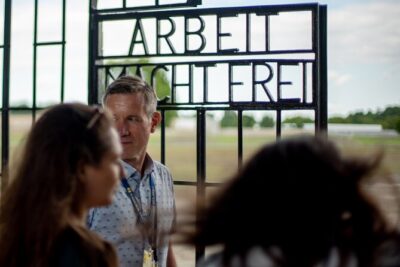
Sachsenhausen Concentration Camp Tour in English
Read our review →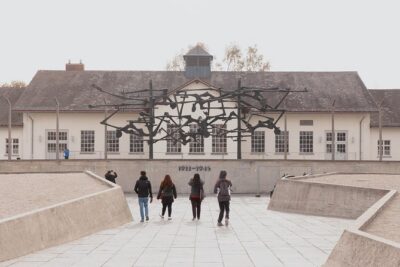
Dachau Concentration Camp Memorial Site Tour from Munich by Train
Read our review →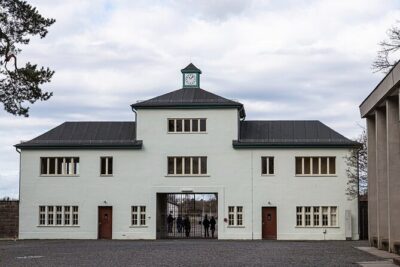
Sachsenhausen Concentration Camp Memorial Tour
Read our review →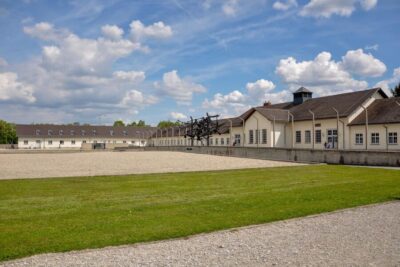
Sachsenhausen Concentration Camp Bus Tour in English from Berlin
Read our review →Sachsenhausen Concentration Camp Tour in English
Read our review →
Browse the lists this tour appears in