
Reviewed · CONCENTRATION CAMP MEMORIAL TOURS
Private Sachsenhausen Concentration Camp Memorial Tour
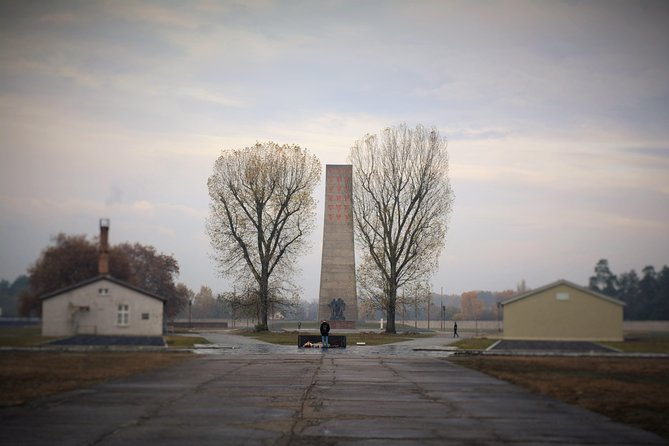
Sachsenhausen is not a sightseeing stop in the usual sense. It is a place built to control, punish, and kill, and this private tour gives you time to face that past with a licensed guide from the memorial foundation. You will visit the former camp’s main buildings, execution site, prison, infirmary, kitchen, and barracks while learning how the camp system changed under Nazi rule.
I like the private format, since you can ask questions without holding up a large group. I also like the guide-led connection between Sachsenhausen and the wider political story of 1930s Germany and World War II. The main drawback is practical: transportation is not included, so you must handle your own public transport tickets and travel to the meeting point.
In This Review
- Key points to know before booking
- Why a private guide matters at Sachsenhausen
- Starting at Pariser Platz and reaching the memorial
- Tower A: entering the former camp
- The infirmary and pathology building
- Station Z and the purpose-built execution facility
- The former camp kitchen exhibition
- The SS and Gestapo Prison
- The prisoner barrack blocks
- A clear timeline from dictatorship to World War II
- Price, group size, and what you receive
- Who will get the most from this experience
- Practical advice for a respectful visit
- Should you book the private Sachsenhausen tour?
- FAQ
- Where does the tour start and end?
- How long does the experience last?
- Is transportation included?
- Is this a private activity?
- Who leads the tour?
- Can I cancel for a full refund?
Key points to know before booking
- About six hours from central Berlin: The tour starts at the Academy of Arts on Pariser Platz and ends there, with the memorial visit taking about three hours.
- A licensed memorial guide leads the visit: Guides including Aaron, Paul, and Julian have been praised for detailed explanations and a flexible approach.
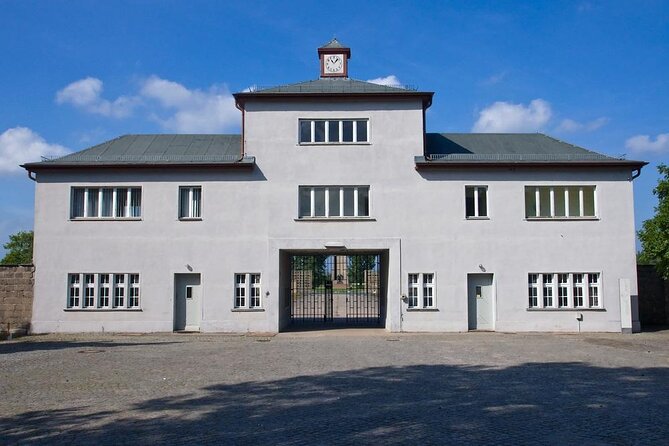
- You see the camp’s most important surviving sites: Tower A, Station Z, the infirmary, pathology building, former kitchen, prison, and prisoner barracks all feature in the route.
- Your group stays private: Only your party participates, making it easier to set the pace and ask difficult questions.
- Plan for a serious day: This is an educational memorial visit, not a light excursion. Give yourself room afterward to process it.
- The price is $390.50 per group of up to five: It can be fair value for a full private day, especially when shared by several people.
Why a private guide matters at Sachsenhausen
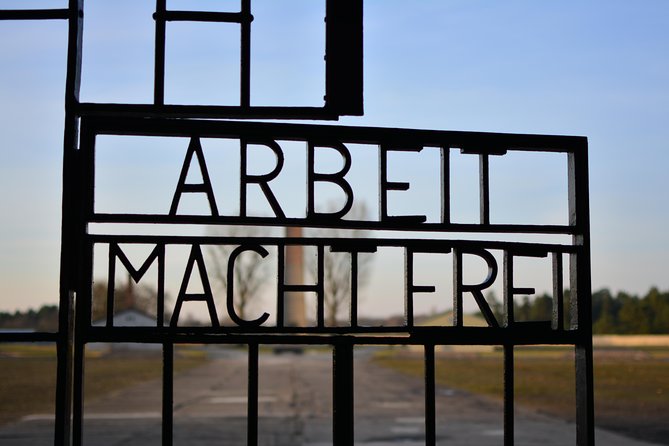
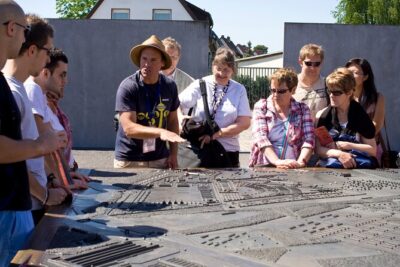
Sachsenhausen can be difficult to understand on your own. The site is large, the remaining buildings serve different purposes, and the evidence of Nazi crime is spread across the grounds. A guide gives you a clear order to the visit and explains how each part fitted into the camp system.
The private setup is especially useful for families and small groups. You can stop to ask about a particular building, spend more time with an exhibit, or request a quieter pause. You are not tied to the questions or pace of strangers.
The guides also bring different strengths. Aaron is praised for setting the camp into a clear political timeline and for adapting the visit to the group. Paul is described as easygoing, flexible, and especially strong on books and films that can help you continue learning. Julian is praised for detailed explanations, while one family found Aaron especially effective with two teenage children.
Because guide assignments can vary, you should not assume you will receive a particular person. Still, the pattern is clear: this experience places a high value on historical explanation rather than simply walking you from building to building.
More Concentration Camp Memorial Tours in Berlin
- Berlin: Sachsenhausen Concentration Camp Tour in English
★ 5.0 · 5,711 reviews - Berlin: Sachsenhausen Concentration Camp Memorial Tour
★ 4.7 · 3,716 reviews - Sachsenhausen Concentration Camp Bus Tour in English from Berlin
★ 5.0 · 1,962 reviews
Starting at Pariser Platz and reaching the memorial
You meet at the Academy of Arts at Pariser Platz 4, near Berlin’s Brandenburg Gate. The activity ends back at the same meeting point. Private transportation is not included, and public transport tickets are also your responsibility.
That arrangement keeps the price lower than a tour with a dedicated vehicle, but it means you need to plan the journey as part of your day. One useful feature of this experience is that the guide can help you navigate the public transport route. A family specifically appreciated being shown how to use the different modes of transport on the way back to the hotel, even though this was not a private hotel transfer.
Allow extra energy for the full outing. The memorial visit itself is listed at about three hours, while the overall experience lasts around six hours. The rest of the time accounts for getting there and back, meeting your guide, and moving between the memorial’s areas.
Tower A: entering the former camp
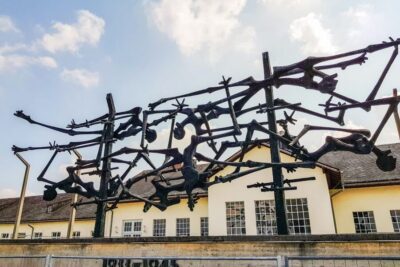
Tower A is the main entrance and the first major point on the route. It is an important place to begin because it introduces the controlled geometry of Sachsenhausen and the relationship between the camp entrance and the rest of the grounds.
Here, your guide can explain how the camp was organized and how its purpose changed over time. The opening discussion is not just about one gate. It helps you understand the machinery of imprisonment, the role of the SS, and the way the Nazi dictatorship expanded its system during the 1930s and the war.
I find this kind of beginning useful because it gives you a framework before the harder sections. Without it, the buildings can feel like disconnected remains. With it, each stop becomes part of a larger story about power, forced labor, persecution, and mass murder.
The infirmary and pathology building
The camp infirmary and pathology building show the medical side of the camp system. These places require a steady pace and careful explanation, since their purpose cannot be understood simply from the architecture that remains.
Your guide will explain how these buildings fit into the treatment of prisoners and the camp administration. The visit also helps show that persecution was carried out through many systems at once, including registration, labor, medical control, punishment, and killing.
This is one section where a private group can be helpful. You can ask for clarification without feeling that you are slowing down a larger party. You can also take a moment before moving on. The subject matter is severe, and the tour does not try to make it easier with a rushed, cheerful presentation.
Same city, a completely different kind of day:
- Berlin: Reichstag, Dome and Government District Guided Tour
★ 4.7 · 18,288 reviews - Berlin: 1-Hour City Tour by Boat with Guaranteed Seating
★ 4.3 · 16,993 reviews - Berlin: Boat Tour Along the River Spree
★ 4.4 · 11,252 reviews - Discover Berlin Half-Day Walking Tour
★ 5.0 · 9,624 reviews
Station Z and the purpose-built execution facility
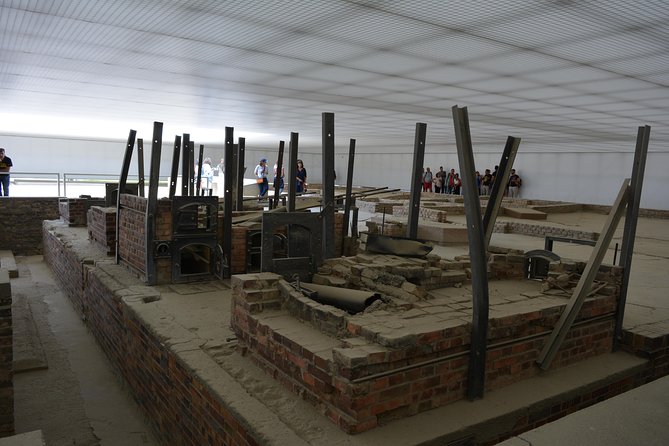
Station Z was the camp’s purpose-built execution facility. It is among the most sobering parts of the visit, and your guide’s historical framing matters greatly here.
The name itself refers to the final letter of the alphabet, a grim indication of its intended purpose. At this stop, you learn about the organized nature of the killings and how the facility fit into the wider camp structure.
This is not a place for casual photography or quick sightseeing. You should expect a quiet, serious visit. A private guide can explain the evidence and answer questions, but you still need to give yourself time to absorb what you are seeing.
For many people, Station Z is the emotional center of the tour. It turns an abstract account of Nazi crimes into a direct encounter with a specific location and a deliberate system of murder.
The former camp kitchen exhibition
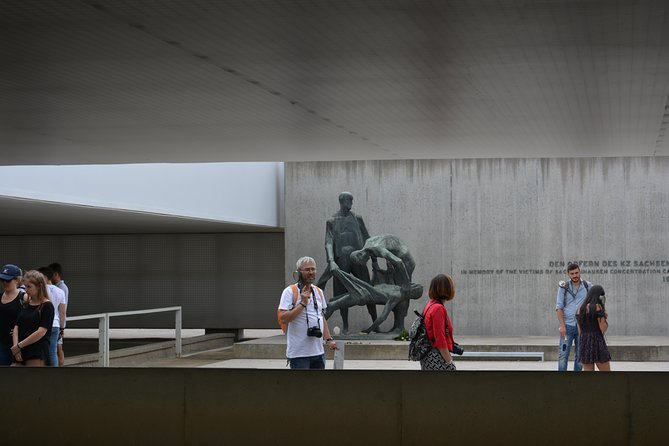
The former camp kitchen now houses an exhibition. It offers a different kind of evidence from Station Z, since displays and documents can help explain daily routines, administration, prisoner categories, and the operation of the camp.
Your guide connects the exhibition to the larger story of Sachsenhausen. You learn how the prisoner population changed, including shifts in types, numbers, and nationalities. Those changes are tied to the growth of Nazi rule in the 1930s and the demands of World War II.
This section can be particularly helpful if you do not already know much about concentration camp terminology or the development of the camp network. Rather than presenting Sachsenhausen as an isolated site, the tour shows how its role changed as Nazi persecution widened and the war altered the population held there.
The SS and Gestapo Prison
The SS and Gestapo Prison reveals the role of targeted punishment within the camp. This was not simply a place where every prisoner was treated in the same way. The guide explains how different groups and individuals could be singled out by the SS and Gestapo.
The prison adds another layer to the visit because it shows the relationship between the camp and the wider Nazi police state. Sachsenhausen was part of a system that used detention, interrogation, punishment, forced labor, and killing to enforce dictatorship.
You may find this stop less visually dramatic than the main gate or execution facility, but it is historically important. It helps you see how terror operated through both spectacular violence and controlled, bureaucratic confinement.
The prisoner barrack blocks
The former prisoner barracks give you a sense of how prisoners were housed and how tightly life was controlled. What remains cannot fully show the daily reality, but the structures help anchor the guide’s explanations in a physical setting.
This is also a good place for questions about prisoner nationalities, numbers, and the changing purpose of Sachsenhausen. The tour explains how the camp developed from its creation in the 1930s through the years of war.
The private format lets you decide how long to spend with this part of the memorial. Some people may want more historical detail. Others may need a quiet moment. A good guide can recognize that difference and adjust without turning the experience into a race through the grounds.
A clear timeline from dictatorship to World War II
One of the strongest parts of the experience is the attempt to connect the buildings to a timeline. You learn how the camp came into being, how it developed, and how the prisoner population changed as Nazi Germany became more radical and the war spread.
That approach is valuable because Sachsenhausen can otherwise seem like a collection of terrible places without a clear explanation of cause and effect. The guide shows how policy decisions, dictatorship, war, and camp administration affected the people imprisoned there.
The historical setting also helps prevent a common mistake: treating the camp as something separate from ordinary German political life. The tour places Sachsenhausen within the growth of the Nazi state and the wider system of persecution. That makes the visit more demanding, but also more useful.
Price, group size, and what you receive
The price is $390.50 per group of up to five people. At the maximum group size, that works out to about $78.10 per person before transportation costs. For one or two people, it is a much more expensive choice than joining a shared walking tour.
The value comes from the private guide and the length of the outing. You receive a licensed guide trained by the camp’s Memorial Foundation, a private experience, admission to the memorial, and roughly six hours of assistance from central Berlin and back again.
You are not paying for a vehicle, so compare this with your needs. If you already feel comfortable using Berlin’s public transport, the arrangement is simple. If you want door-to-door transportation, this tour does not provide it.
For a family of four or five, the price is easier to justify. You can share the cost while keeping the visit focused on your own questions and interests. It is also a useful option if you want a serious introduction before visiting other sites connected to the history of Nazi Germany.
Who will get the most from this experience
This tour suits you if you want more than basic facts. It is a good fit for adults, families with older children, students, and anyone who wants the camp explained within German and European history.
Families may appreciate the guide’s ability to adjust the language and pace. One guide was singled out for explaining the subject to two teenagers, and another family valued the personal help with transport. That does not make the visit easy, but it can make a difficult subject more accessible.
You should think twice if you want a quick half-day outing with little walking or discussion. The memorial is serious, and the full experience takes about six hours. The material can be emotionally heavy, particularly at Station Z and the prison.
Service animals are allowed, the meeting point is near public transportation, and most people can participate. The available information does not provide further details about step-free access or specific mobility arrangements, so contact the provider if those details matter to you.
Practical advice for a respectful visit
Wear comfortable shoes and allow time for the complete outing. The memorial portion lasts about three hours, and the wider activity takes around six hours once transport and the return to Pariser Platz are included.
Bring questions, but do not feel pressure to fill every quiet moment with them. This is a place where listening and pausing matter as much as conversation.
You may also want to note the books and films your guide recommends. Paul, in particular, is praised for offering follow-up suggestions. A visit like this should not be treated as the final word on Sachsenhausen. It can give you a strong starting point for further study.
Free cancellation is available if you cancel at least 24 hours before the local start time. Cancellations or changes made inside that window are not refunded or accepted.
Should you book the private Sachsenhausen tour?
I would book it if you want a careful, guided visit and you are willing to spend most of a day on the subject. The strongest reasons are the private group, the licensed memorial guide, the clear political timeline, and the chance to move at your own pace.
I would skip it if you mainly want transportation included or prefer a brief independent visit. You will need to arrange public transport and pay for those tickets separately.
For a group of four or five, the cost makes the most sense. For a smaller party, the decision rests on how much you value personal guidance. If you want to understand not only what happened at Sachsenhausen but also how the camp fit into Nazi Germany’s wider system, this is a serious and worthwhile choice.
FAQ
Where does the tour start and end?
You meet at the Academy of Arts, Pariser Platz 4, 10117 Berlin. The activity ends back at the same meeting point.
How long does the experience last?
The full experience lasts approximately six hours. The visit at Gedenkstätte und Museum Sachsenhausen is listed as about three hours.
Is transportation included?
No. Private transportation and public transport tickets are not included. The guide can help you navigate the public transport journey to and from the memorial.
Is this a private activity?
Yes. Only your group participates, with a maximum of five people.
Who leads the tour?
A professional guide licensed and trained by the camp’s Memorial Foundation leads the experience. Guides named in the available information include Aaron, Paul, and Julian, though the assigned guide may vary.
Can I cancel for a full refund?
Yes, if you cancel at least 24 hours before the experience’s start time. Cancellations made less than 24 hours in advance are not refunded, and changes inside that period are not accepted.
Just added around Berlin
- Love and War in Berlin: Self-Guided Story Puzzle Walk★ 5.0 · 7 reviews
- Rickshaw Tours Berlin – Groups of up to 16 people with several rickshaws★ 4.0 · 97 reviews
- Walking on the Wall: 3-Hour Tour in Berlin★ 4.5 · 34 reviews
- eSIM for Germany and 34 European Countries★ 4.5 · 16 reviews
- Warnemuende Shore Excursion: Berlin Private Sightseeing Tour from Rostock★ 5.0 · 4 reviews
- Your ticket to The Wall Museum Berlin★ 3.0 · 60 reviews
- Warnemuende Shore Excursion: Private Berlin Tour★ 4.5 · 27 reviews
- Berlin’s Gay, Lesbian, and Queer Scene Small-Group Walking Tour★ 4.5 · 66 reviews
Concentration Camp Memorial Tours, compared.
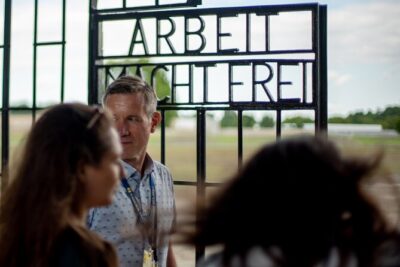
Sachsenhausen Concentration Camp Tour in English
Read our review →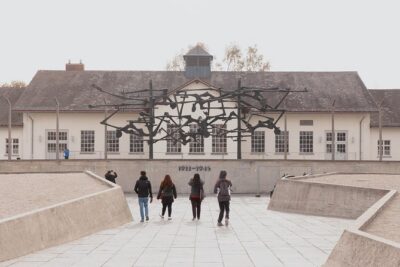
Dachau Concentration Camp Memorial Site Tour from Munich by Train
Read our review →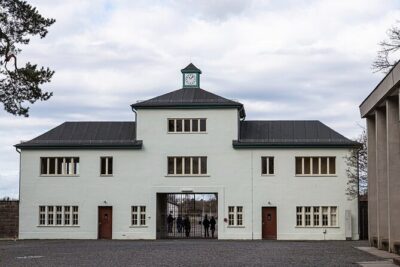
Sachsenhausen Concentration Camp Memorial Tour
Read our review →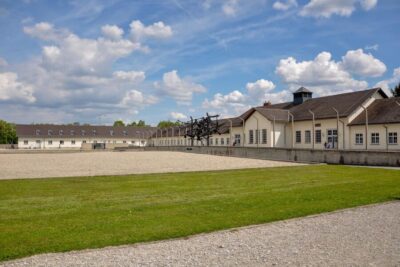
Sachsenhausen Concentration Camp Bus Tour in English from Berlin
Read our review →Sachsenhausen Concentration Camp Tour in English
Read our review →
Sachsenhausen Concentration Camp Memorial Tour (Max. 15 Guests)
Read our review →Browse the lists this tour appears in