
Reviewed · MUSEUM & GALLERY TICKETS
Potsdam: Museum Barberini Entry Ticket
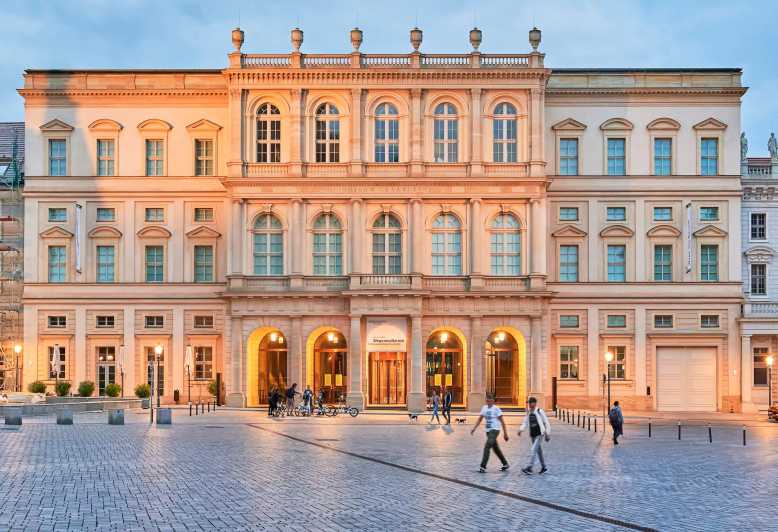
Museum Barberini gives you a focused art stop in the heart of Potsdam, with more than 100 Impressionist paintings inside a reconstructed palace. The main draw is Claude Monet: this museum holds Europe’s second-largest collection of his paintings. You can compare Monet with Renoir, Cézanne, Morisot, Caillebotte, and Signac in one compact visit.
I like the strong focus on Impressionism, which makes the visit easy to follow even if you are not an art expert. I also like the free digital guide, since it lets you add context at your own pace instead of being tied to a tour group.
The main consideration is time. Two hours is enough for a good visit, but not for a slow look at every painting, a special exhibition, the café, and the museum store. Some exhibits and events also require an extra ticket.
In This Review
- Key points to know before you go
- Why Museum Barberini works well for a Potsdam day
- Entering the reconstructed palace in Potsdam
- The Impressionist collection and its main painters
- What to look for beyond the famous names
- Special exhibitions add variety to the visit
- A realistic two-hour plan
- Is the $11 ticket good value?
- Practical rules inside the museum
- Who should book Museum Barberini?
- Should you book this Potsdam museum ticket?
- FAQ
- Where is Museum Barberini located?
- How long should I plan for the visit?
- What does the admission ticket include?
- Is Claude Monet well represented?
- Which other artists can I see?
- Is the digital audio guide free?
- Are workshops and events included?
- Is the museum wheelchair accessible?
- Can I bring food, drinks, bags, or pets?
Key points to know before you go
- Monet is the star: See Europe’s second-largest collection of Claude Monet paintings in a single museum.
- More than 100 Impressionist works: Paintings by Berthe Morisot, Paul Cézanne, Gustave Caillebotte, Pierre-Auguste Renoir, and Paul Signac join Monet.
- Your ticket covers more than the permanent collection: It also includes access to the current special exhibition.
- Plan for two hours: That gives you time for a steady visit, though art lovers may want longer.
- Use the free Barberini app: Download the digital audio guide to your phone for extra background as you move through the galleries.
- Keep bags and food outside the galleries: Food, drinks, backpacks, bags, bikes, and pets are not allowed, although assistance dogs are permitted.
Why Museum Barberini works well for a Potsdam day
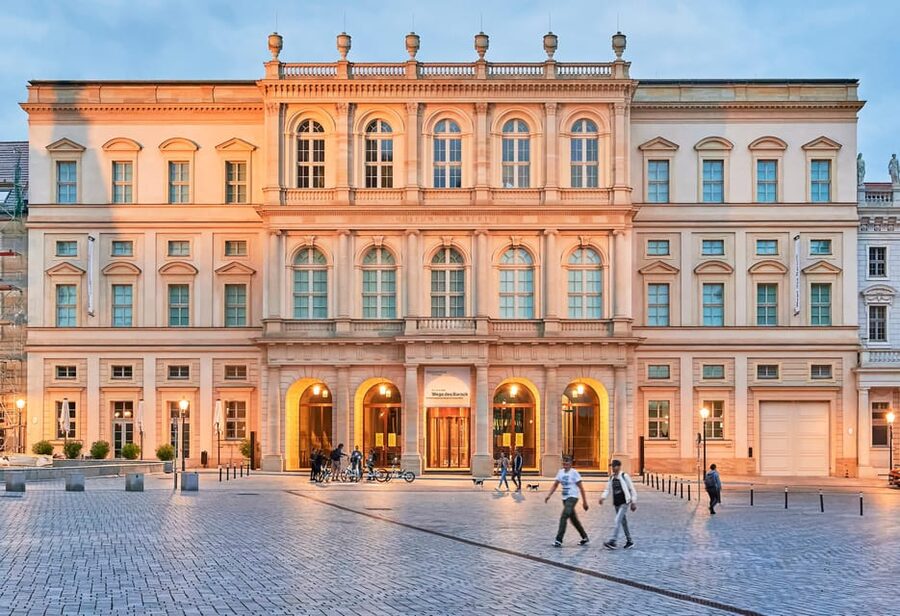
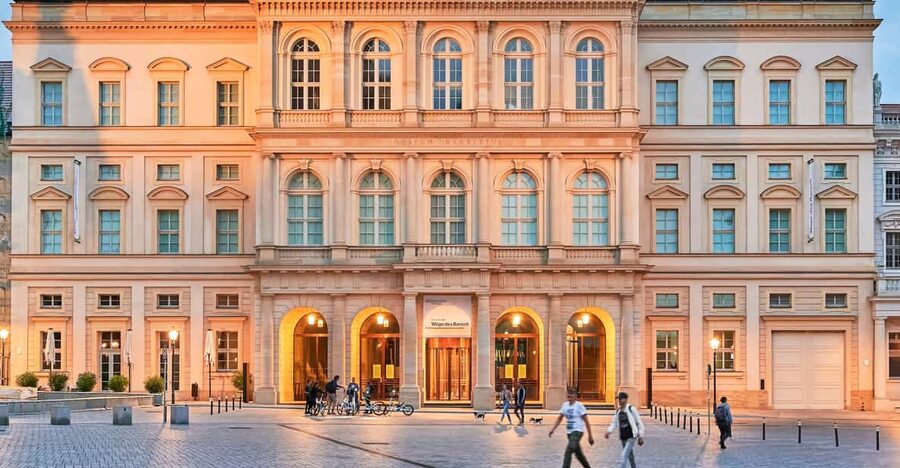
Museum Barberini is in Potsdam’s historic center, in a reconstructed palace. That setting gives the visit a clear sense of place before you even reach the first gallery. You are not entering a plain white box on the edge of town. The building forms part of the central Potsdam experience, so the museum fits neatly into a day of exploring the city.
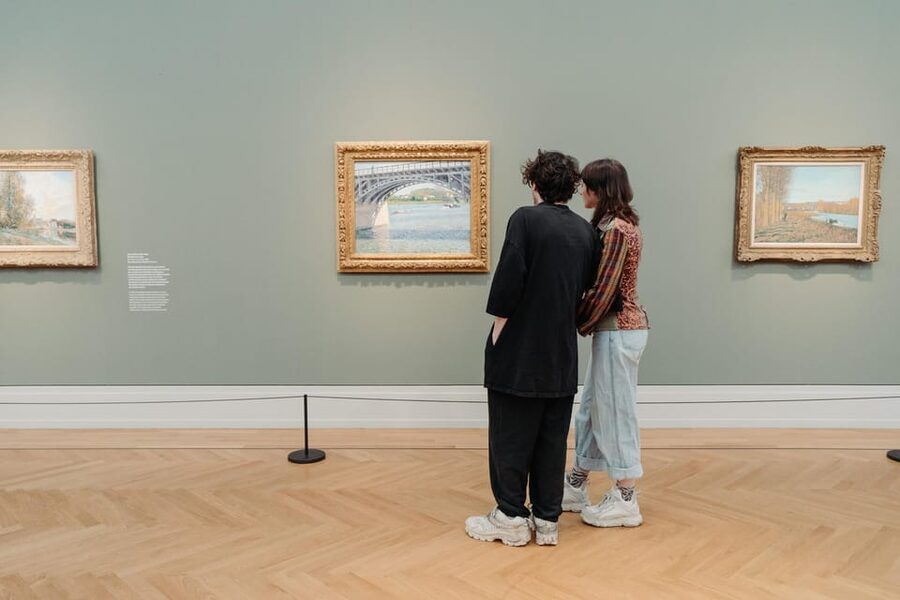
The collection itself is the reason to book. More than 100 Impressionist paintings give you enough range to see how artists handled light, weather, color, and ordinary outdoor scenes. You get a chance to compare several painters rather than judging one famous canvas in isolation.
I find that especially useful for first-time art museum visitors. Impressionism can seem like a collection of loose brushstrokes until you look closely at what the artists were observing. Here, you can follow the shift from careful visual study toward paintings that feel freer and closer to abstraction.
The museum’s score of 4.6 from 403 reviews reflects a strong overall response, and the brief written feedback includes direct praise for the collection. A Dutch visitor described it as a beautiful museum with a beautiful collection. That is simple, but it points to the central truth: this is primarily a collection-driven visit, not a building tour or a large entertainment attraction.
More museum & gallery tickets in Potsdam:
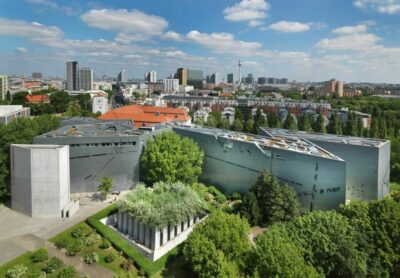
- Berlin: Jewish Museum Berlin Entrance Ticket
★ 4.5 · 8,393 reviews - Berlin: DDR Museum Tickets
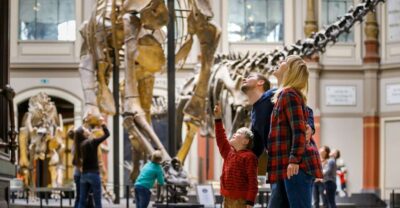
★ 4.3 · 3,443 reviews - Berlin: Natural History Museum Entrance Ticket
★ 4.6 · 3,382 reviews
Entering the reconstructed palace in Potsdam
The building gives the museum a polished first impression, but the paintings should remain your main focus. The palace was reconstructed in Potsdam’s historic center, creating an attractive setting for a museum devoted to European art.
I would allow a few quiet minutes at the start to get your bearings. Then decide how you want to use your two hours. You can follow the galleries in order, use the app as you go, or first make a quick circuit and return to the works that catch your eye.
The digital guide is a useful middle ground. You get more information than a quick label provides, but you do not need to commit to a scheduled guided tour. Download it to your phone before or during the visit, and keep your headphones ready if you prefer a quieter, self-directed experience.
No individual guide names are provided for this admission ticket because it is not presented as a guided tour. That matters if you want personal commentary or questions answered in real time. The app gives you interpretation, but it does not replace a live art educator.
The Impressionist collection and its main painters
The permanent collection includes work by several major Impressionists and related artists. Claude Monet receives the strongest emphasis, with the second-largest collection of his paintings in Europe.
That scale makes it possible to do something more useful than simply admire a single famous image. You can look for repeated ideas in Monet’s work, such as changing light, shifting color, and the way a familiar view can feel different under different conditions.
Pierre-Auguste Renoir adds another side of the movement. His paintings can help you compare Monet’s treatment of atmosphere with a more people-centered approach. Berthe Morisot is particularly important to seek out, since her work adds a strong female voice to a collection that could otherwise be dominated by the better-known male names.
Paul Cézanne gives the visit a different rhythm. His paintings reward a slower look at structure, shape, and the way a scene is built. Paul Signac and Gustave Caillebotte widen the picture further, showing that Impressionism was not one fixed style with one set method.
I would not rush from famous name to famous name. Try to notice how each artist uses observation. The museum’s appeal lies partly in seeing how real visual details can lead toward simplified forms and, eventually, abstraction. That makes the collection valuable even if your taste normally runs to more traditional painting.
What to look for beyond the famous names
A museum label may tell you who painted a work and when, but your own comparisons can make the visit more memorable. Start with brushwork. Ask yourself if the surface looks smooth from a distance but breaks into visible strokes up close.
Next, look at color. Impressionist painters often used color to suggest light rather than simply reproduce the exact shade of an object. A shadow may not be plain black, and water or sky may carry several colors at once.
Then consider the edge of the picture. Some forms appear sharply drawn, while others dissolve into the surrounding air. This is where the connection between close observation and abstraction becomes easier to see. The painter is not abandoning reality. The painter is deciding which parts of reality matter most.
The collection is also a good place to compare artists who worked within the same broad movement but reached different results. Monet, Morisot, Renoir, Cézanne, Caillebotte, and Signac should not blur into one style. Give each artist a few minutes of focused attention, then step back and compare the whole room.
A few more Potsdam trips to weigh up
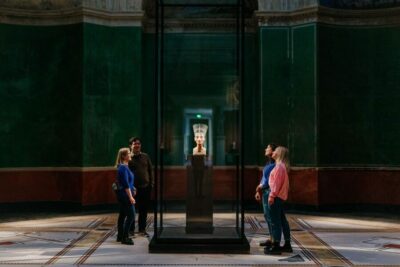
- Berlin: Neues Museum Entry Ticket
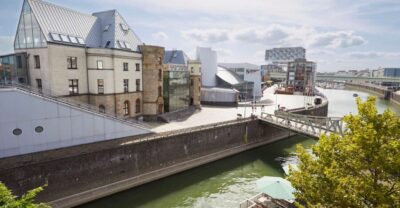
★ 4.6 · 3,261 reviews - Cologne: Chocolate Museum Entrance Ticket
★ 4.4 · 2,790 reviews - Dresden: Church of Our Lady Guided Tour of Gallery
★ 4.7 · 2,421 reviews - Skip-the-Line: Berlin Wall Museum at Checkpoint Charlie
★ 4.1 · 2,041 reviews
Special exhibitions add variety to the visit
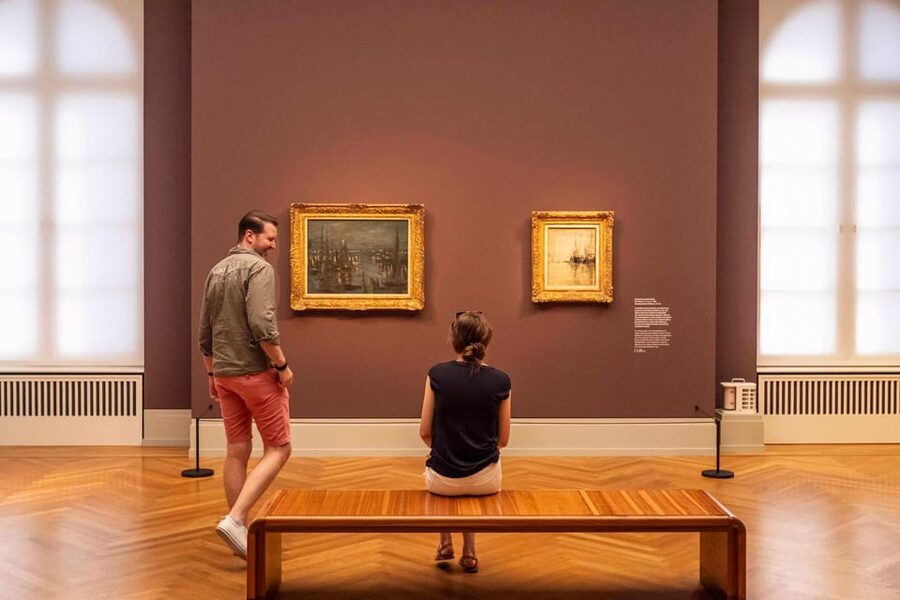
Your admission includes access to the permanent Impressionist collection and the current special exhibition. Museum Barberini presents three special exhibitions each year, using loans from international museums and private collections.
This is a real benefit for repeat visits. The permanent collection gives the museum its identity, while the temporary show changes the shape of the experience. A special exhibition may place familiar artists in a new subject, period, or artistic conversation.
For a first visit, check how the special exhibition fits into your available time. If the temporary show is large or particularly important to you, two hours may feel tight. If your main goal is Monet, you can spend most of your time with the permanent collection and treat the special show as a bonus.
The subject and size of the current special exhibition are not specified here, so I would not promise a particular theme before booking. What you can count on is access to the special exhibition running during your visit, provided it is included under the standard admission terms.
A realistic two-hour plan
For a two-hour visit, I would use the following approach:
- Spend the first 10 minutes getting oriented and opening the Barberini app.
- Give about 60 minutes to the permanent Impressionist collection, with extra time for Monet.
- Reserve 35 to 40 minutes for the special exhibition.
- Keep the final 10 to 15 minutes for favorite works, the museum store, or the Barberini Café.
This is not a strict route. It is a way to avoid the common museum mistake of spending all your energy in the first rooms and hurrying at the end.
If you are an art enthusiast, you may want to stay longer than two hours. The stated duration is a useful planning estimate, not a limit on how much you are allowed to appreciate. For a casual cultural stop, though, two hours is well judged. You get a serious art visit without giving up the rest of your Potsdam day.
The museum’s events program includes symposia, readings, guided tours, concerts, film evenings, and workshops. These activities can add more depth, but they are not included in this basic ticket and require an extra charge. If you want a lecture or workshop, check the separate event details rather than assuming your admission covers it.
Is the $11 ticket good value?
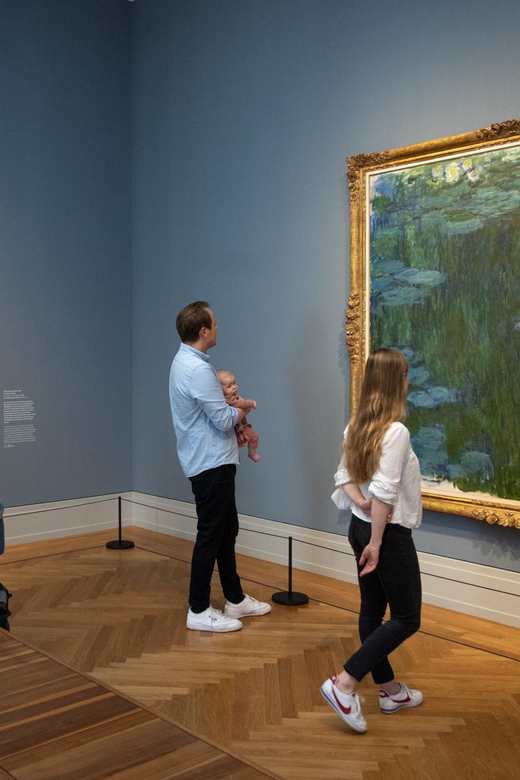
At $11 per person, this is a reasonable price for a museum with a major Monet collection, more than 100 Impressionist paintings, and a special exhibition included. The value improves if you use the digital guide and take time to compare the artists instead of making a quick photo stop.
The price is especially fair for someone already planning to visit central Potsdam. You do not need to build a separate full-day outing around the museum. It works as a two-hour cultural anchor between other sights, meals, or walks in the historic center.
The value is less clear if you do not enjoy art museums or if you only want to see one famous painting. In that case, the reconstructed palace and café may not be enough reason on their own. You should book because you want a concentrated Impressionist collection, not simply because the museum is centrally located.
The reserve-now-and-pay-later option is useful when your Potsdam schedule is still changing. You can reserve a place without paying immediately, and cancellation is free up to 24 hours before the visit. That flexibility matters if your Germany itinerary includes several moving parts.
Practical rules inside the museum
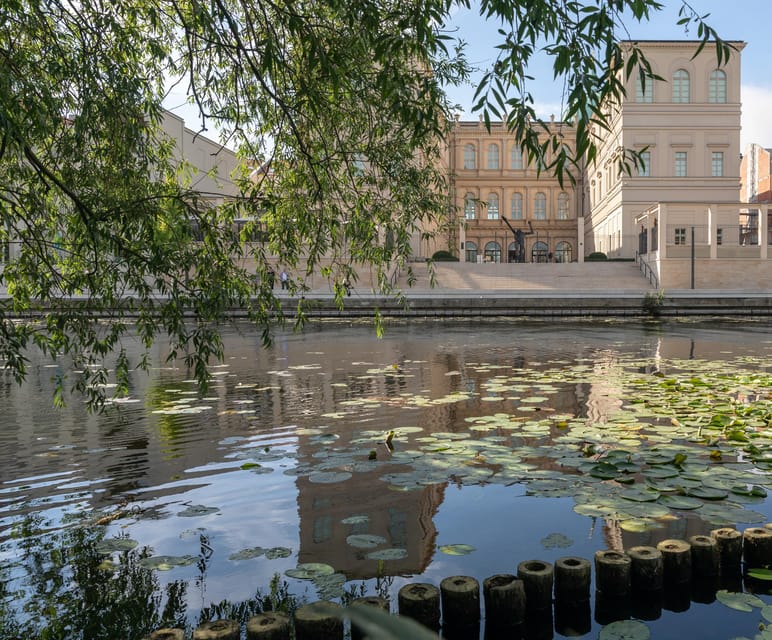
Plan to leave food and drinks outside the exhibition areas. Backpacks and bags are not allowed, and neither are bikes, pets, or anything that could damage the art. Assistance dogs are allowed.
You also need to avoid touching the exhibits, climbing, littering, and making fire. These rules are ordinary for a museum, but the bag restriction is the one most likely to affect your day. Travel light if you can, and check the current storage arrangements before you arrive if you are carrying luggage.
The museum is wheelchair accessible, which makes it a practical choice for visitors who need step-free access. The supplied information does not specify every accessibility feature, so you should contact the museum directly if you need details beyond general wheelchair access.
No language list is clearly provided for the digital guide in the information available here. If audio content in a particular language is essential to your visit, confirm that before booking rather than relying on the ticket description.
Who should book Museum Barberini?
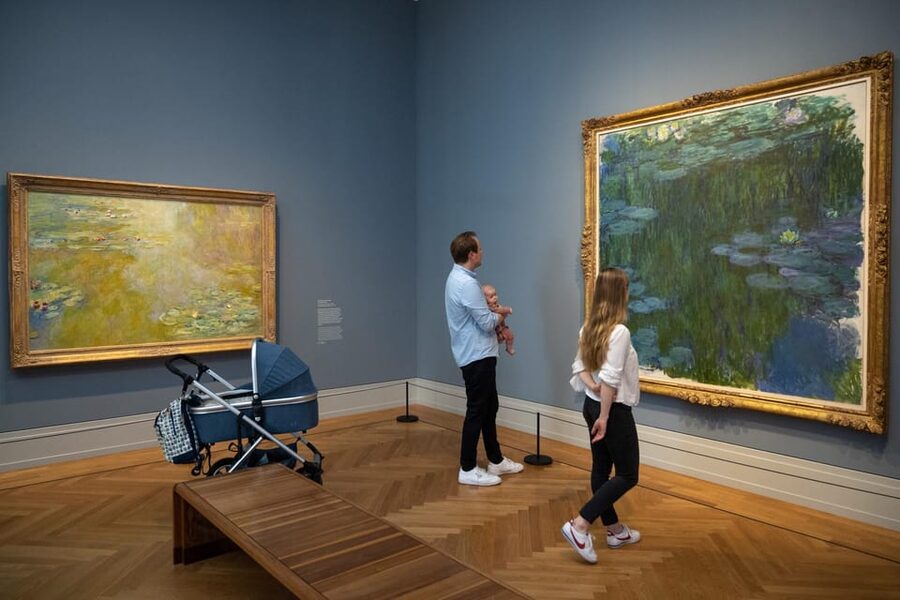
I would recommend it to anyone who enjoys Monet or wants an approachable introduction to Impressionism. The concentration of well-known artists gives you a clear thread to follow, while the range of styles keeps the visit from becoming repetitive.
It also suits couples, solo visitors, and families with older children who can handle a quiet museum setting. The two-hour format is manageable, and the app lets each person spend more or less time with individual paintings.
It may not suit you if you want a live guide, a hands-on workshop, or a large historical museum covering many centuries. Those options may be available through separate programs, but they are not part of this basic entry ticket.
Should you book this Potsdam museum ticket?
Book it if you want a focused art visit with a strong Monet collection, a second exhibition included, and enough time to think about what you are seeing. At $11, it offers solid value, especially when you use the free app and plan for the full two hours.
Skip it if your Potsdam schedule is already packed or if Impressionist painting is not your interest. The museum is not a quick box to check. Its best quality is the chance to slow down and compare artists, which takes attention. For the right visitor, that is precisely the point.
FAQ
Where is Museum Barberini located?
Museum Barberini is in Potsdam’s historic center in Germany, inside a reconstructed palace.
How long should I plan for the visit?
The suggested duration is about two hours. You may want more time if you plan to study the paintings closely or visit the museum store and café.
What does the admission ticket include?
The ticket includes entrance to Museum Barberini, the permanent Impressionist collection, the current special exhibition, and a digital audio guide through the Barberini app.
Is Claude Monet well represented?
Yes. Museum Barberini has Europe’s second-largest collection of paintings by Claude Monet.
Which other artists can I see?
The collection includes works by Pierre-Auguste Renoir, Berthe Morisot, Paul Cézanne, Gustave Caillebotte, and Paul Signac, along with Monet.
Is the digital audio guide free?
Yes. A free digital guide is available through the Barberini app, which you download to your phone.
Are workshops and events included?
No. Education programs, workshops, symposia, readings, concerts, film evenings, and guided tours require an additional ticket.
Is the museum wheelchair accessible?
Yes. Museum Barberini is wheelchair accessible.
Can I bring food, drinks, bags, or pets?
No. Food, drinks, backpacks, bags, bikes, and pets are not allowed. Assistance dogs are permitted.
Just added around Potsdam
- Private Sightseeingtour im Taxi nach Potsdam und Sanssouci★ 5.0 · 12 reviews
- Potsdam: Outdoor Escape Game★ 4.4 · 22 reviews
- Potsdam: Private Walking Tour of Potsdam and Sanssouci★ 4.8 · 28 reviews
- Potsdam: Jägervorstadt Outdoor Crime Mystery Tour★ 4.4 · 4 reviews
- Potsdam: Guided Walking Tour of UNESCO Site and Architecture★ 4.7 · 49 reviews
- Potsdam: Biosphäre Potsdam Entry Ticket★ 4.6 · 289 reviews
- Potsdam: Entry to DAS MINSK Kunsthaus in Potsdam★ 4.1 · 24 reviews
- City and Palaces Tour Potsdam – Stadt- und Schloesserrundfahrt Potsdam★ 4.5 · 317 reviews
Museum & Gallery Tickets, compared.

Skip-the-Line: Berlin Wall Museum at Checkpoint Charlie
Read our review →
Browse the lists this tour appears in