
Reviewed · POTSDAM TOURS
Potsdam: Entry to DAS MINSK Kunsthaus in Potsdam
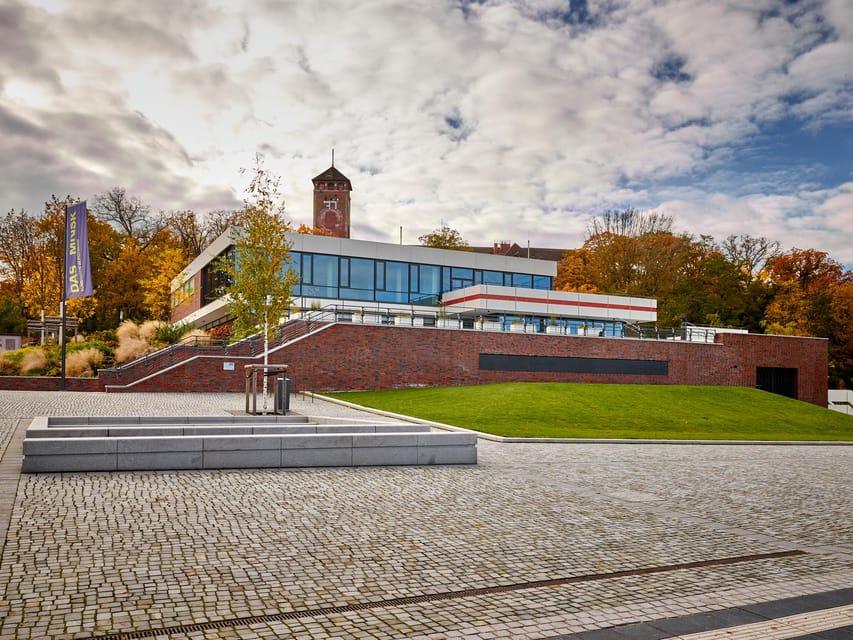
DAS MINSK Kunsthaus gives you two experiences in one: modern art inside a restored GDR building, and a useful look at Potsdam’s architectural past. The former terrace restaurant, built in the 1970s, now places art from the former East Germany beside contemporary work.
I like the changing exhibitions, which give you a reason to return, and the way textiles, design, and power come together in the spring show Soft Power. I also like the Café HEDWIG and the broad terrace views over Potsdam.
The main drawback is that the ticket covers only the exhibitions. Guided tours, events, and workshops cost extra, and one visitor found the presentation too dark and politically heavy without an audio guide. Plan to use the audio option if you want more explanation.
In This Review
- Key points to know before you go
- Why the old Minsk restaurant matters
- Starting with modern and contemporary art
- The Hasso Plattner Collection in new contexts
- Soft Power and the language of textiles
- Reading Potsdam through architecture and urban history
- Café HEDWIG and the terrace break
- What the $11 ticket really buys you
- Timing, access, and booking flexibility
- Who will enjoy DAS MINSK most
- Should you book DAS MINSK Kunsthaus?
- FAQ
- How long does a visit to DAS MINSK Kunsthaus take?
- What does the admission ticket include?
- Are guided tours included?
- Is DAS MINSK Kunsthaus wheelchair accessible?
- Can I cancel my booking?
- Can I reserve now and pay later?
- Is there a café at DAS MINSK Kunsthaus?
Key points to know before you go
- A 1970s GDR building gets a new role: The former Minsk terrace restaurant now serves as a meeting place for modern and contemporary art.
- The collection links past and present: Works from the former GDR come from the Hasso Plattner Collection and are placed in new contexts.
- Soft Power focuses on textiles: The spring group exhibition treats textile design as a way to examine power relations across three chapters.
- Allow about two hours: That gives you time for the exhibitions, a thoughtful look at the building, and perhaps a stop at Café HEDWIG.
- The terrace is part of the appeal: In summer, you can sit outside and look across Potsdam.
- The $11 price is fair for a focused museum visit: It makes the most sense if you want art and architecture rather than a guided history tour.
Why the old Minsk restaurant matters
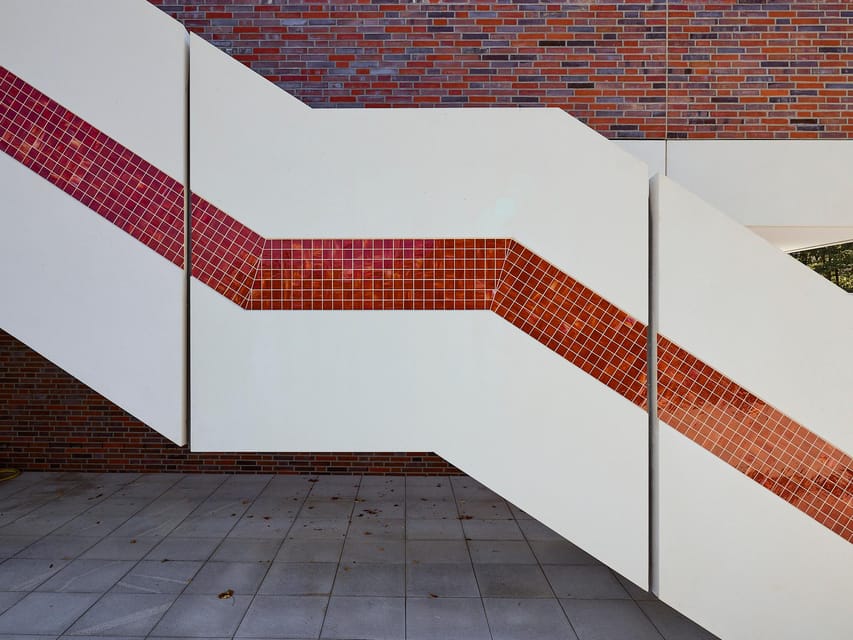
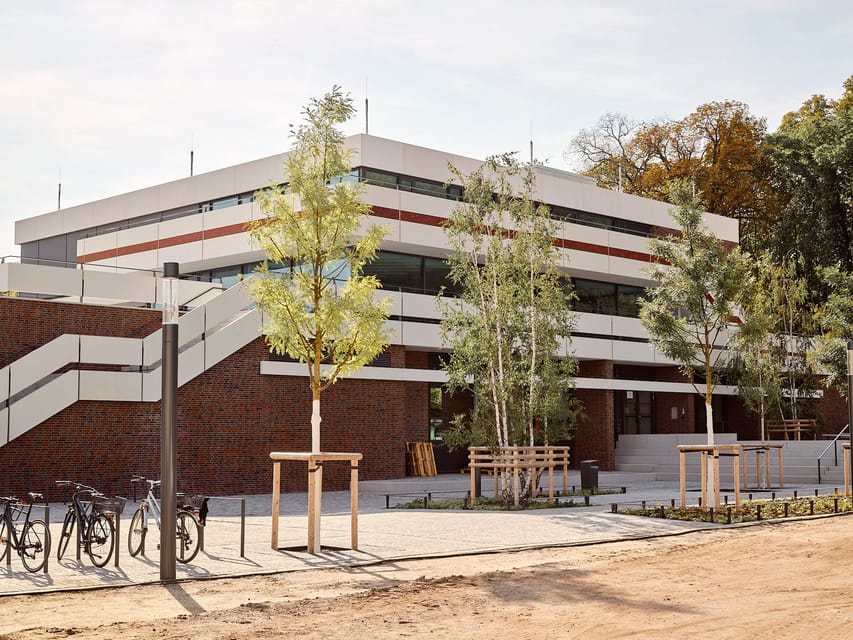
Before you look at a single artwork, take a moment to notice the building. DAS MINSK occupies a former terrace restaurant from the 1970s, designed in the modernist style of the German Democratic Republic. Its past is not just background decoration. It shapes the whole visit.
This kind of building tells you something about everyday life in the former GDR. It was made for public use, meals, views, and social time. Today, it has a different public role, but it still works as a place where people meet. The museum does not hide its architectural identity behind a neutral white gallery box.
I like that connection. You are not visiting a museum cut off from its surroundings. You are entering a building with a civic past, then seeing how art can reopen questions about that past. For anyone interested in Potsdam’s urban development, the building may be almost as useful as the exhibitions.
The restored setting also gives the visit a clear rhythm. You can look closely at a painting or textile, step back to consider the room, then think about how the building itself reflects changing ideas about public space.
Other Potsdam days worth putting on the list:
- Potsdam: City and Castles Tour
★ 4.7 · 3,721 reviews - Potsdam: Palace Tour by Boat
★ 4.5 · 2,369 reviews - Potsdam: Sanssouci Palace and Prussian Palaces Entry Ticket
★ 4.5 · 2,101 reviews
Starting with modern and contemporary art
The exhibitions change, so the exact works you see depend on the season. The central idea remains consistent: DAS MINSK brings modern and contemporary art into conversation with works from the former GDR.
That makes this a better choice for visitors who want more than a display of famous names. The point is not simply to admire individual objects. It is to consider how meaning changes when older works are shown beside newer ones.
Art connected to the former GDR can carry political and social weight. Some pieces may feel direct, uneasy, or difficult. The presentation can ask you to think about memory, daily life, authority, and the way later generations interpret the East German past.
You should not expect every room to feel light or decorative. One piece of visitor feedback described the works as too negative, dark, or burdensome. That is a fair warning for anyone hoping for a cheerful art stop. At the same time, serious material can be useful when you have the time to think about it.
If you prefer context while you look, choose the audio guidance. A visitor specifically found the museum more worthwhile with audio support. The available information does not identify a guide by name, and the standard ticket does not include a guided tour, so do not arrive expecting a personal introduction.
The Hasso Plattner Collection in new contexts
Works from the former GDR are part of the Hasso Plattner Collection. At DAS MINSK, they are not treated as sealed historical objects. The museum shows them in new contexts, alongside modern and contemporary art.
That choice matters. A work made during the GDR period can look different when placed near a recent piece about identity, design, labor, or power. You may notice connections that are not obvious when art is arranged only by date or national history.
I find this approach useful for visitors who know little about East German art. You do not need a detailed background in GDR politics to follow the broad questions. The displays offer a route into the subject through visual comparison.
Still, you should give yourself time. A quick walk through the rooms may leave you with only a general impression. Two hours is a sensible visit length because it lets you pause in front of difficult works rather than treating the museum as a checklist stop.
Soft Power and the language of textiles
During the spring season described here, DAS MINSK presents Soft Power, a group exhibition about textile design as an artistic tool. The exhibition is arranged in three chapters and asks how textiles can question power relations.
That subject gives the show a practical edge. Textiles are part of ordinary life: clothing, domestic objects, decoration, work, and trade. By treating textile design as art, the exhibition can point toward the systems behind those familiar things.
You might find the show especially rewarding if you enjoy design, fabric, pattern, or work that sits between art and daily life. It also offers a different way to approach political questions. Instead of relying only on speeches, symbols, or monumental objects, textile art can address power through material, production, use, and visual language.
The three-part structure should help you follow the exhibition’s argument. The supplied details do not name the individual artists or describe each chapter, so you should think of the sections as a guided framework rather than a fixed list of rooms. The exhibition’s strength is likely to come from comparison: one textile work can make another look less decorative and more connected to social control, labor, or public identity.
If you are not normally drawn to textile art, this may be the part of the visit that changes your expectations. If you already prefer design museums or material-based art, Soft Power gives you a clear reason to choose DAS MINSK during the spring period.
Same city, a completely different kind of day:
- Potsdam by Boat: Island Cruise
★ 4.6 · 1,308 reviews - Potsdam: City Sightseeing Hop-On Hop-Off Bus Tour
★ 4.2 · 864 reviews - Potsdam: Museum Barberini Entry Ticket
★ 4.6 · 403 reviews - City and Palaces Tour Potsdam – Stadt- und Schloesserrundfahrt Potsdam
★ 4.5 · 317 reviews
Reading Potsdam through architecture and urban history
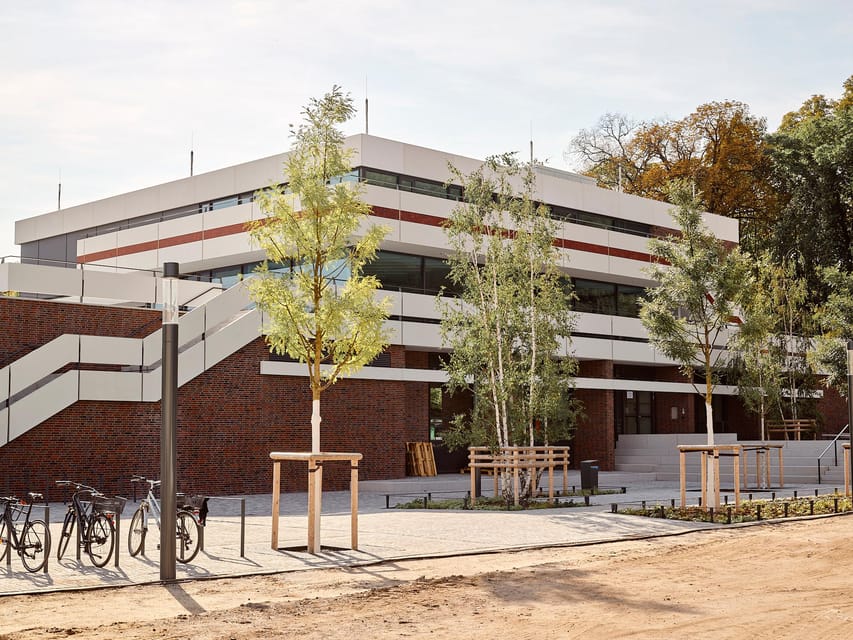
DAS MINSK is not only about objects on walls. Its architecture and setting add a second subject: how Potsdam has changed, and how buildings from the GDR period can be reused.
The former restaurant was made in a modernist style during the 1970s. Its current use creates a direct link between urban history and cultural life. You can think about what a public restaurant meant then, what an art center means now, and how the same building can serve both purposes.
This is a good stop if you are already exploring Potsdam’s historic center and want a different side of the city. The experience does not replace a broader city tour, but it adds a recent historical layer that grand palaces and older streets cannot provide.
I would not rush straight from the entrance to the gallery rooms. Look at how the building frames movement and outdoor space. In summer, the spacious terraces offer views over Potsdam, and the view helps you connect the interior exhibition to the city beyond it.
Café HEDWIG and the terrace break
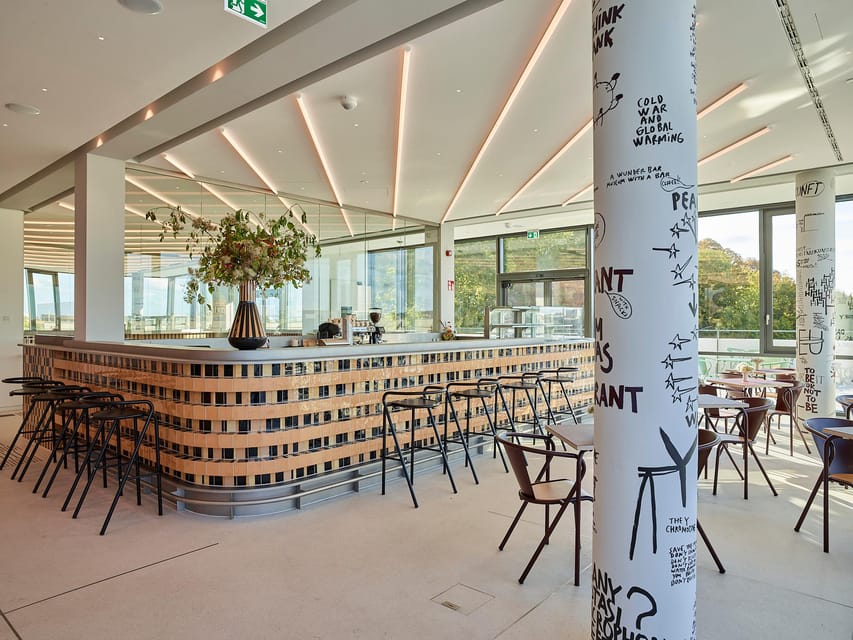
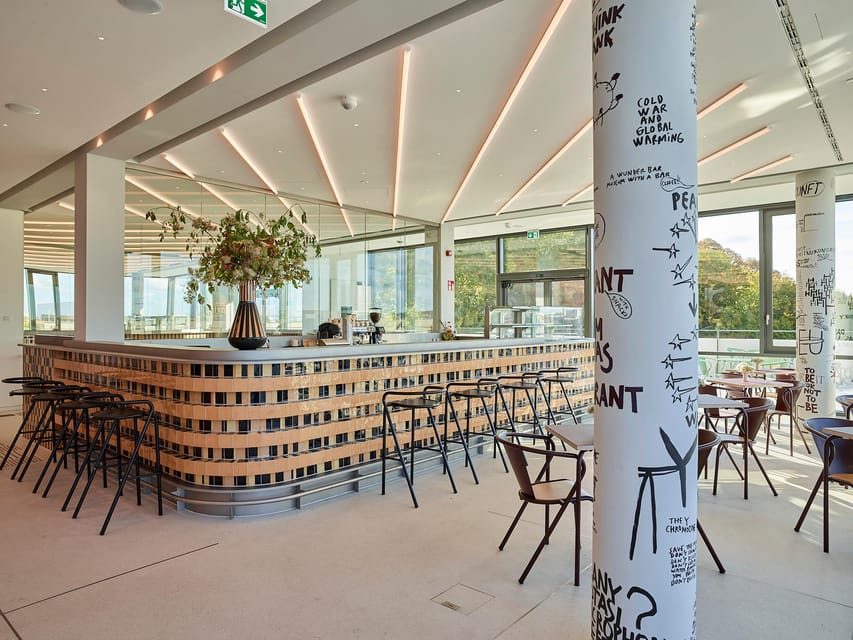
Café HEDWIG offers lunch, cakes, and coffee, making it easy to add a short food stop without leaving the building. That is useful when you want a calm museum visit rather than a quick ticket scan.
The café also softens the more demanding parts of the exhibition. After thinking through politically serious work, a coffee or cake gives you a natural pause. In summer, the terrace adds outdoor seating and a broad view over Potsdam.
One visitor praised the café and its view, describing the space as especially attractive. That matches the practical appeal: even if a particular exhibition does not suit your taste, the building and café can still make the stop worthwhile.
Do not treat the café as included in the admission price. Food and drinks are separate, and the ticket covers entry to the exhibitions only.
What the $11 ticket really buys you
At $11 per person, the admission is reasonably priced for a two-hour art visit. You are paying for access to changing modern and contemporary exhibitions, works from the former GDR, and a building with architectural interest.
The value depends on what you want. If you are looking for a large museum with a full day of galleries, this is not that kind of ticket. DAS MINSK is a focused stop. Its appeal comes from the quality and subject of the exhibitions, the GDR setting, and the chance to combine art with the café and terrace.
The price becomes stronger when you use the visit as part of a Potsdam day. You can spend about two hours with the art, take time for lunch or coffee, and enjoy the outdoor view in summer. That makes the museum more than a short indoor interruption.
The standard admission does not include guided tours, events, or workshops. If you want a structured explanation from a guide or a hands-on program, budget for a separate booking. For an independent visit, the ticket is straightforward.
Timing, access, and booking flexibility
The stated duration is two hours, but there is no fixed start time shown here. Check availability for the entry time that suits your plans. A two-hour slot gives you enough structure to fit the museum into a wider Potsdam itinerary.
You can skip the ticket line, which is useful if you have limited time or are planning several stops in one day. The activity is wheelchair accessible, so it can work for visitors who need step-free access, although the information provided does not give further details about specific routes or facilities.
The booking terms are flexible. You can cancel up to 24 hours in advance for a full refund, and the reserve now, pay later option lets you hold a place without paying immediately. These features matter most when your Potsdam plans depend on weather, transport, or a changing schedule.
For summer visits, leave enough time for the terrace. For spring visits, check that Soft Power is still running if that is the main reason you want to go. The exhibitions change, so the museum’s appeal can shift from one visit to the next.
Who will enjoy DAS MINSK most
I would recommend this experience to you if you like modern art, contemporary art, design, or buildings with a clear political and social past. It is also a smart choice if you want to understand Potsdam beyond its better-known historic attractions.
You will get the most from it if you are willing to read, compare, and sit with work that may not offer an instant answer. The former GDR material can feel serious, and the exhibition themes may ask more of you than a purely decorative gallery.
Families and casual museum visitors may still enjoy the building, café, and changing displays, but the supplied information does not describe child-focused activities. Since workshops and events are not included, check separately if you want a program designed for younger visitors.
This is less suitable if you want a guided tour included in the ticket, a large collection covering many centuries, or an exhibition that stays light from beginning to end. The audio guide becomes a useful addition when you want help with context.
Should you book DAS MINSK Kunsthaus?
Book it if you want a compact, thoughtful art stop with a strong connection to Potsdam’s modern urban past. The $11 admission is good value for about two hours, especially when you add Café HEDWIG and the terrace view.
I would give priority to the museum during the Soft Power season if textile design and questions about power interest you. If you are unsure about the subject, use the building, café, and city view as added reasons to go, but keep your expectations realistic: the art can be serious, and a guided explanation is not included.
FAQ
How long does a visit to DAS MINSK Kunsthaus take?
The stated duration is two hours. You can use that time for the exhibitions and still allow time for the café or terrace.
What does the admission ticket include?
The ticket includes entry to the exhibitions at DAS MINSK Kunsthaus.
Are guided tours included?
No. Guided tours, events, and workshops are not included in the admission ticket.
Is DAS MINSK Kunsthaus wheelchair accessible?
Yes, the activity is listed as wheelchair accessible.
Can I cancel my booking?
Yes. You can cancel up to 24 hours in advance for a full refund.
Can I reserve now and pay later?
Yes. The reserve now and pay later option lets you book your spot without paying immediately.
Is there a café at DAS MINSK Kunsthaus?
Yes. Café HEDWIG offers lunch, cakes, and coffee. During the summer months, the spacious terraces provide views over Potsdam.
Just added around Potsdam
- Private Sightseeingtour im Taxi nach Potsdam und Sanssouci★ 5.0 · 12 reviews
- Potsdam: Outdoor Escape Game★ 4.4 · 22 reviews
- Potsdam: Private Walking Tour of Potsdam and Sanssouci★ 4.8 · 28 reviews
- Potsdam: Jägervorstadt Outdoor Crime Mystery Tour★ 4.4 · 4 reviews
- Potsdam: Guided Walking Tour of UNESCO Site and Architecture★ 4.7 · 49 reviews
- Potsdam: Biosphäre Potsdam Entry Ticket★ 4.6 · 289 reviews
- City and Palaces Tour Potsdam – Stadt- und Schloesserrundfahrt Potsdam★ 4.5 · 317 reviews
- Potsdam: Museum Barberini Entry Ticket★ 4.6 · 403 reviews
Potsdam Tours, compared.
Sanssouci Palace and Prussian Palaces Entry Ticket
Read our review →
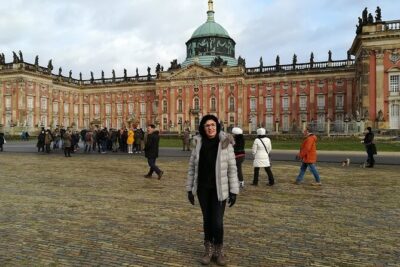
City and Palaces Tour Potsdam – Stadt- und Schloesserrundfahrt Potsdam
Read our review →
Browse the lists this tour appears in