
Reviewed · CONCENTRATION CAMP MEMORIAL TOURS
From Berlin: Sachsenhausen Concentration Camp Guided Tour
Sachsenhausen is not a sightseeing stop in the usual sense. It is a place where the machinery of Nazi persecution becomes painfully concrete: prisoner barracks, command buildings, execution sites, memorials, and burial grounds. Your guide helps you read the site without reducing it to a list of grim facts. I especially like the private Berlin pickup and the chance to ask questions at your own pace. The guide can also explain the journey to the camp, which adds useful context before you arrive.
I also like that the tour covers both Nazi and Soviet use of the camp, rather than stopping in 1945. Guides such as Silvia and Gunnar have been praised for clear explanations and a compassionate approach to difficult material. The main drawback is price: at $512 per person, this is a costly four-hour outing, especially for solo visitors or couples, though the private car and guide make more sense for a small group splitting the bill.
In This Review
- Key points at a glance
- Why Sachsenhausen deserves careful attention
- Leaving Berlin in a private vehicle
- Entering the Memorial and Museum Sachsenhausen
- Prisoners’ barracks and the system of control
- Executions, crematorium remains, and burial grounds
- The museum’s Nazi and Soviet chapters
- What the four-hour format feels like
- Is $512 per person fair value?
- Who will get the most from this visit
- Practical advice before you go
- Should you book this Sachsenhausen tour?
- FAQ
- How long does the Sachsenhausen tour last?
- Is pickup from my Berlin accommodation included?
- Is transportation private?
- Which guide languages are available?
- What places are included at Sachsenhausen?
- Is the tour wheelchair accessible?
- What should I bring?
Key points at a glance
- Private car from your Berlin accommodation: Skip crowded public transport and travel in a clean, air-conditioned vehicle reserved for your group.
- A licensed guide inside the memorial: Get explanations in English, German, French, Italian, Spanish, or Polish.
- The camp’s main areas: See the command headquarters, prisoners’ barracks, former prison, execution areas, crematorium site, memorials, and burial grounds.
- Nazi and Soviet chapters: Learn how the site was used during the Nazi period and after the war under Soviet control.
- A serious, question-friendly visit: Guides including Silvia and Gunnar have been noted for strong subject knowledge and a calm, compassionate manner.
- A four-hour schedule: The tour is focused and manageable, but the subject matter is emotionally demanding.
Why Sachsenhausen deserves careful attention
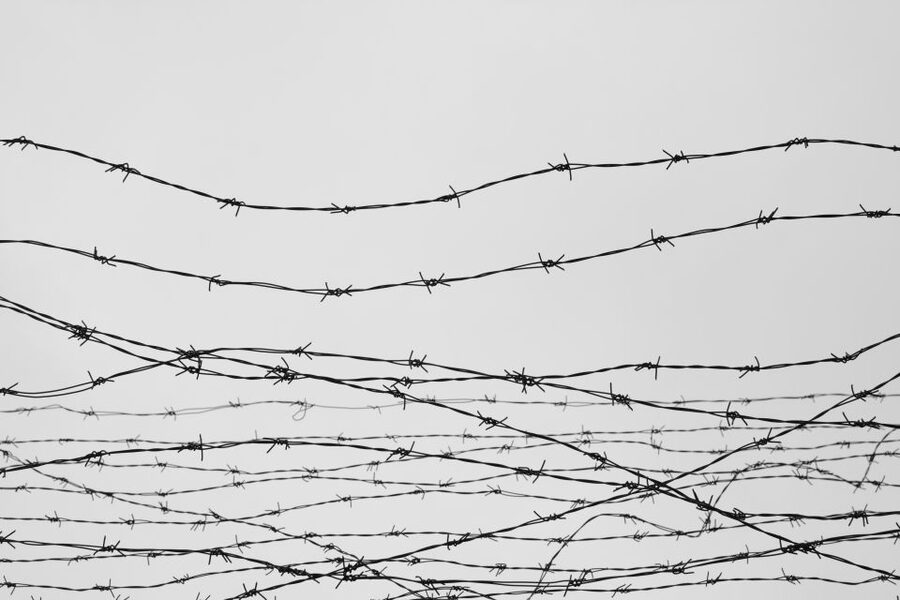
Sachsenhausen was created by the Nazis as a model concentration camp and a training site for the camp system. That phrase can sound bureaucratic, but it matters. The camp was designed to help perfect systems of control, forced labor, punishment, and killing. Its layout and administration were meant to show how Nazi authorities wanted concentration camps to function.
You will not simply walk past old buildings and read plaques. The site helps you understand how ideology became daily policy. Prisoners were stripped of their identities, forced to work, abused, imprisoned, and killed. The exhibitions connect the physical remains with the wider Nazi program of racial persecution and political terror.
The camp held many different groups. Political prisoners, Soviet prisoners of war, Poles, Jews, homosexual men, Jehovah’s Witnesses, and Freemasons were among those imprisoned there. The site also held prominent prisoners, including Joseph Stalin’s eldest son, the penultimate prime minister of France, and members of the family of the Crown Prince of Bavaria.
Those names are not the main reason to visit. They do, however, show that Sachsenhausen was used against people from many parts of European society, not only one nationality or one political group. The broader lesson is harder and more important: the camp system could target anyone the Nazi state defined as an enemy.
More Concentration Camp Memorial Tours in Berlin
- Berlin: Sachsenhausen Concentration Camp Tour in English
★ 5.0 · 5,711 reviews - Berlin: Sachsenhausen Concentration Camp Memorial Tour
★ 4.7 · 3,716 reviews - Sachsenhausen Concentration Camp Bus Tour in English from Berlin
★ 5.0 · 1,962 reviews
Leaving Berlin in a private vehicle
Your day begins with pickup at your accommodation in Berlin. A private driver takes your group to Sachsenhausen in a clean, air-conditioned vehicle, then returns you to your accommodation after the visit.
This is a major practical advantage. Sachsenhausen is outside central Berlin, and a private transfer removes the need to coordinate trains, buses, walking routes, and ticket changes. You also avoid spending the start and end of a difficult day in crowded commercial transport.
The drive is not just dead time. Your guide can discuss the history of the camp and the Nazi system before you arrive. One guide, Silvia, was specifically praised for explaining both the site and the journey to it, including facts that were new to the group. That early context helps you arrive prepared rather than trying to work out the basic story while standing at the entrance.
The private setup also gives you more control. You can ask for clarification, pause over a subject, or let the guide know if you need a moment. The tour is still scheduled for four hours, so this is not a completely open-ended visit, but a private group usually offers more room for questions than a large public outing.
Entering the Memorial and Museum Sachsenhausen
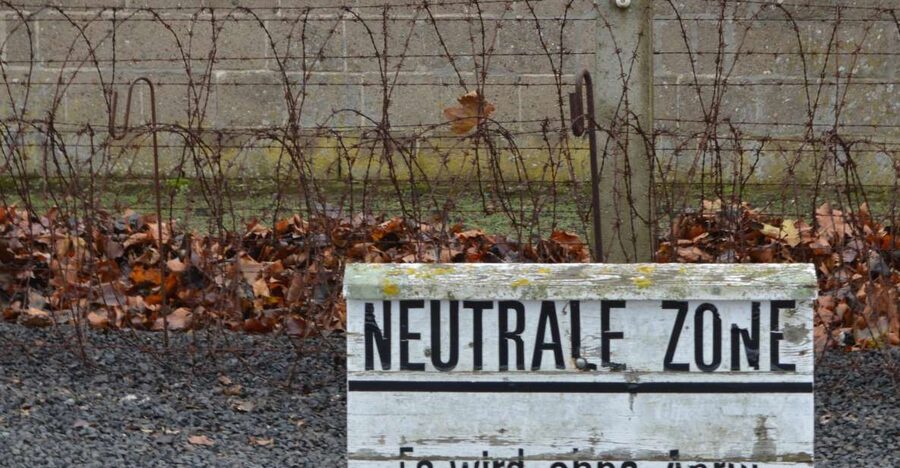
The Memorial and Museum Sachsenhausen is both a historic site and an educational institution. You will see surviving structures, marked remains, memorials, burial grounds, and exhibitions. Some parts of the camp are preserved, while other areas are presented through foundations, signs, and museum displays.
That combination is important. A concentration camp is not a conventional monument that can be understood from one grand building. Much of the meaning comes from the relationship between the empty spaces, the surviving barracks, the official buildings, and the records explaining what happened there.
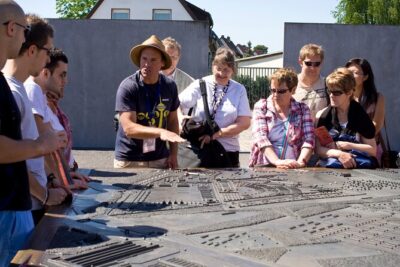
Your licensed guide leads the private visit and places the sites in order. You can expect attention to the Command Headquarters, prisoners’ barracks, the former camp prison, and the area associated with the first crematorium. The tour materials also identify a gas chamber among the places covered. Since this is a memorial site, the guide’s explanation matters as much as the physical remains.
Do not expect a light museum visit. The subject is disturbing, and the most useful guide is not the one who piles on sensational detail. The strongest experience here is one that explains how the camp operated and what that meant for individual prisoners. Gunnar, one of the named guides praised for this tour, was described as compassionate while also explaining the camp’s history and its later significance.
Prisoners’ barracks and the system of control
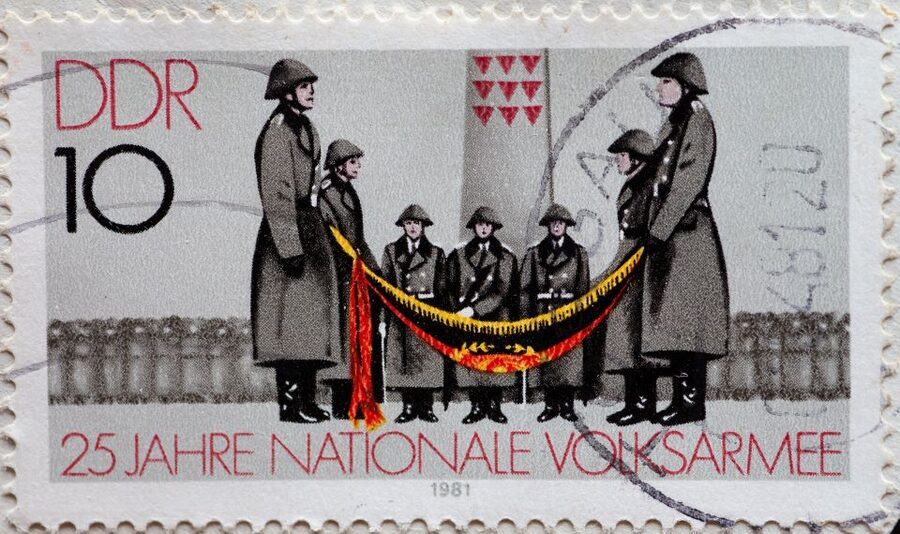
The barracks are where the camp’s scale becomes easier to grasp. They point to the daily reality of overcrowding, forced labor, hunger, illness, and surveillance. The buildings are not simply old structures to photograph. They are evidence of a system built to control human beings from the moment they arrived.
Your guide can explain the difference between the camp’s official purpose and its actual operation. Nazi authorities used formal language to hide violence behind administration. The exhibitions expose that gap, showing how orders, punishments, labor demands, and executions worked together.
The former camp prison adds another layer. It was used to isolate and punish inmates, and its presence shows that imprisonment inside a concentration camp could become even more severe. You may find that this part of the tour raises questions about how prisoners were categorized and why some were singled out for special treatment.
This is also where a private guide earns the fee. A printed sign can tell you what a building was called. A guide can explain why it existed, how it fit into the camp structure, and how the Nazis used language and procedure to make brutality seem routine.
Same city, a completely different kind of day:
- Berlin: Reichstag, Dome and Government District Guided Tour
★ 4.7 · 18,288 reviews - Berlin: 1-Hour City Tour by Boat with Guaranteed Seating
★ 4.3 · 16,993 reviews - Berlin: Boat Tour Along the River Spree
★ 4.4 · 11,252 reviews - Discover Berlin Half-Day Walking Tour
★ 5.0 · 9,624 reviews
Executions, crematorium remains, and burial grounds
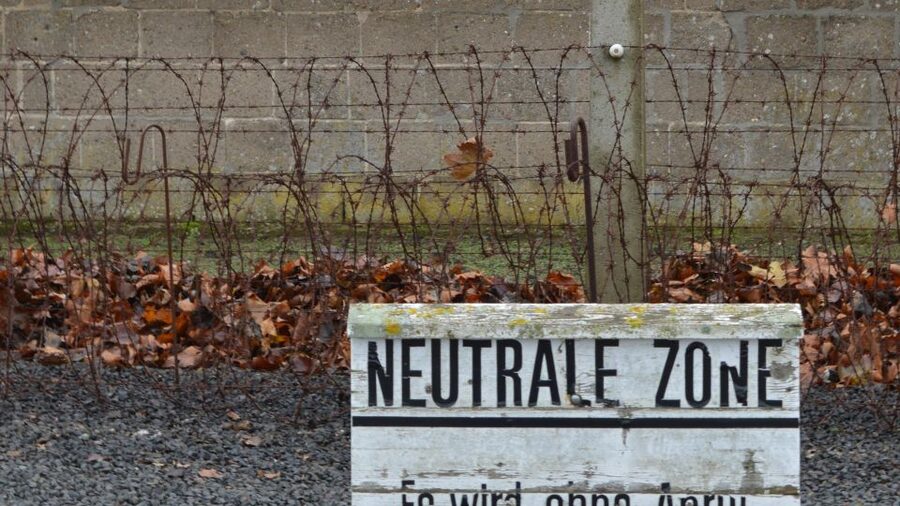
The tour includes areas connected with executions and the first crematorium, along with the site identified in the program as a gas chamber. These are among the most difficult parts of the visit. The guide’s job is to provide clear facts without turning suffering into spectacle.
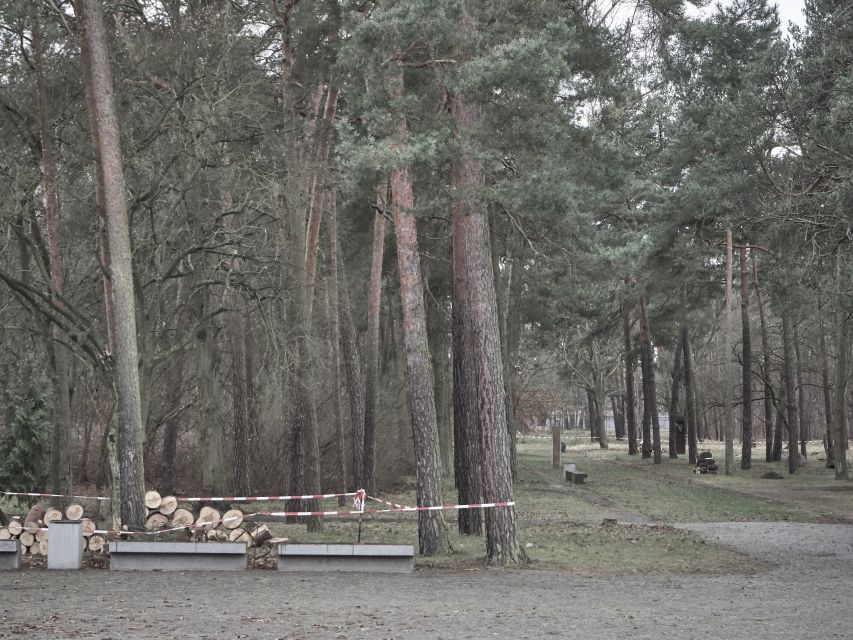
You will also see mass graves for concentration camp victims, burial grounds, and several memorials. These places call for a slower pace. The memorials are not just final stops on an itinerary. They shift attention from the machinery of the camp to the people who died there and the communities that remember them.
The physical site cannot tell every story. Many prisoners left little behind, and the Nazis destroyed or altered evidence as the war ended. Museum displays and historical explanations fill in some of those gaps. I would give yourself time to read, listen, and look closely rather than treating this as a fast checklist of camp features.
Warm clothing is a sensible choice. The tour involves time outdoors, and even a mild day in Berlin can feel cold when you are standing still at a memorial site. Comfortable shoes also make sense, although the activity is listed as wheelchair accessible.
The museum’s Nazi and Soviet chapters
One of the tour’s strongest features is its attention to both periods of the camp’s use. The Nazi history is central, but Sachsenhausen’s story did not end with liberation. The exhibitions also address the period under Soviet control, including the torture and execution of prisoners of war.
This wider timeline prevents a common mistake: treating the site as if it has only one historical chapter. The Nazi camp system and the later Soviet use of the site belong to different political systems and historical circumstances. A good guide helps you understand those differences while also showing the suffering that occurred in both periods.
The museum’s exhibits are especially useful here. They expose the operation of the camp, the treatment of prisoners, and the way authorities used imprisonment and violence. If you want to understand how National Socialist ideology worked beyond slogans, Sachsenhausen offers a direct and sobering case study.
The subject is politically and emotionally heavy, but the educational value is high. You leave with a better sense of how persecution was organized, how categories of prisoners were created, and how institutions can be turned into tools of terror.
What the four-hour format feels like
Four hours is enough for a focused visit, private transport from Berlin, and a guided tour without turning the day into an exhausting full-day commitment. It is a good fit if Sachsenhausen is one important part of your Berlin plans rather than the only activity of the day.
The time can feel short if you want to study every exhibit in detail. A guide-led visit has to balance the main camp areas, explanations, questions, and the return drive. If you are a serious student of Holocaust history, you may want additional time at the museum beyond the main guided route, but the supplied schedule does not promise an extended independent visit.
The emotional pace matters as much as the clock. Concentration camp memorials require attention, and four hours of concentrated listening can be draining. I would avoid scheduling a demanding evening activity immediately afterward. That is not a criticism of this tour. It is simply a sensible way to give the visit room to settle.
The private group format helps. You are not trying to hear a guide over a large crowd, and you can ask about details that matter to your family or study interests. The tour is offered in German, English, French, Italian, Spanish, and Polish, so choose the language in which you can handle complex historical material comfortably.
Is $512 per person fair value?
At $512 per person, this is expensive for a four-hour experience. The price includes the private trip from Berlin, a private car with pickup and drop-off, admission to the memorial and museum, and a licensed guide in your chosen language.
The value depends heavily on group size. For one person or a couple, the cost may be difficult to justify unless private transport and personal guiding are priorities. For a family or small group, the price becomes easier to assess because you are sharing the vehicle and guide rather than paying for separate seats on a public tour.
You are also paying for simplicity. There is no need to plan the route to northern Germany, manage public transport, or find a separate guide at the memorial. You receive door-to-door transport and a private historical explanation. That convenience has real value, especially on a day when your attention should be on the site rather than on transit details.
The price does not make the experience luxurious in a cheerful sightseeing sense. Sachsenhausen is a memorial to mass suffering, and the private car is a practical comfort, not the point of the day. I would book this option if you value time, privacy, language choice, and direct access to a licensed guide. If your budget is tight, compare it with shared transport or a standard group visit before committing.
Who will get the most from this visit
I recommend this tour most strongly to visitors who want serious historical explanation and prefer not to manage a complicated trip outside Berlin. It suits families with older children, history-focused visitors, students, and anyone who wants to ask questions without being part of a large group.
The tour is also a good match if you need a particular language. The available choices include English, German, French, Italian, Spanish, and Polish. Being able to discuss the Holocaust and camp history in a language you fully understand is more important here than it would be on a casual city walk.
You should think twice if you are seeking an upbeat excursion or a quick photo stop. The material includes abuse, forced labor, executions, mass death, and postwar imprisonment. The visit demands respect and attention.
The tour is listed as wheelchair accessible, which is useful if mobility is a concern. Still, the site includes outdoor memorial grounds and historic areas, so you may want to confirm the exact route and access needs when booking.
Practical advice before you go
Wear warm clothing, even if Berlin feels pleasant when you leave your hotel. Much of the visit takes place outdoors, and the memorial grounds can feel exposed.
Choose your tour language with care. You will get more from the exhibitions and the guide if you can follow precise terms about Nazi policy, prisoner categories, forced labor, and the Soviet period.
Prepare yourself before arrival. A short conversation with children or younger family members about the nature of the memorial can help them understand why the visit is serious. You do not need to give every detail in advance, but you should not present Sachsenhausen as just another museum.
Ask questions. The private format is designed for it, and previous guide feedback highlights how much value comes from clear answers and extra facts. You might ask how the camp’s design reflected Nazi policy, how prisoner groups were categorized, or how the site changed after 1945.
The booking terms are flexible: you can cancel up to 24 hours in advance for a full refund, and you can reserve now and pay later. Those policies are useful if your Berlin schedule is still shifting, but they do not change the central question of whether a private four-hour visit fits your budget.
Should you book this Sachsenhausen tour?
Book it if you want a private, well-organized visit with door-to-door transport and a guide who can explain both the Nazi and Soviet chapters of Sachsenhausen. The strongest reasons are the private vehicle, the language options, the focused four-hour schedule, and the chance to ask questions in a quiet group.
The main reason to hesitate is the $512 per-person price. If you are traveling alone or as a couple, a shared tour may offer better value. If you are traveling with several people, the private arrangement becomes more reasonable, particularly when you place a high value on comfort and clear historical guidance.
Sachsenhausen is worth visiting only if you are ready to give it your full attention. With that mindset, this tour offers a direct and carefully guided way to confront one of Germany’s most painful sites.
FAQ
How long does the Sachsenhausen tour last?
The full activity lasts four hours, including the private trip from Berlin and the guided visit at the memorial and museum.
Is pickup from my Berlin accommodation included?
Yes. Pickup and drop-off at your accommodation in Berlin are included.
Is transportation private?
Yes. Your group travels in a private, clean, air-conditioned vehicle with a private driver.
Which guide languages are available?
Live guiding is available in German, English, French, Italian, Spanish, and Polish.
What places are included at Sachsenhausen?
The guided visit includes the Command Headquarters, prisoners’ barracks, the former camp prison, the first crematorium site, the area identified with a gas chamber, burial grounds, mass graves, memorials, and museum exhibitions.
Is the tour wheelchair accessible?
Yes, the activity is listed as wheelchair accessible.
What should I bring?
Bring warm clothing. Much of the visit takes place at an outdoor memorial site.
Just added around Berlin
- Love and War in Berlin: Self-Guided Story Puzzle Walk★ 5.0 · 7 reviews
- Rickshaw Tours Berlin – Groups of up to 16 people with several rickshaws★ 4.0 · 97 reviews
- Walking on the Wall: 3-Hour Tour in Berlin★ 4.5 · 34 reviews
- eSIM for Germany and 34 European Countries★ 4.5 · 16 reviews
- Warnemuende Shore Excursion: Berlin Private Sightseeing Tour from Rostock★ 5.0 · 4 reviews
- Your ticket to The Wall Museum Berlin★ 3.0 · 60 reviews
- Warnemuende Shore Excursion: Private Berlin Tour★ 4.5 · 27 reviews
- Berlin’s Gay, Lesbian, and Queer Scene Small-Group Walking Tour★ 4.5 · 66 reviews
Concentration Camp Memorial Tours, compared.
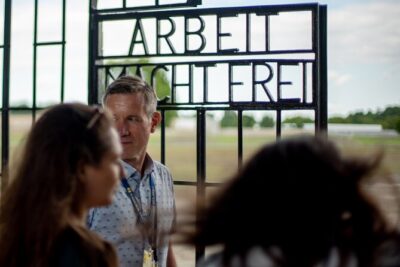
Sachsenhausen Concentration Camp Tour in English
Read our review →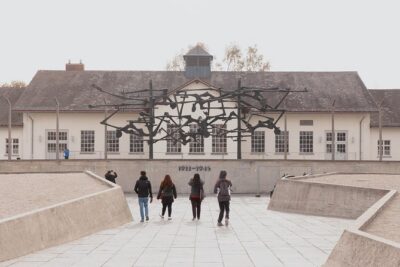
Dachau Concentration Camp Memorial Site Tour from Munich by Train
Read our review →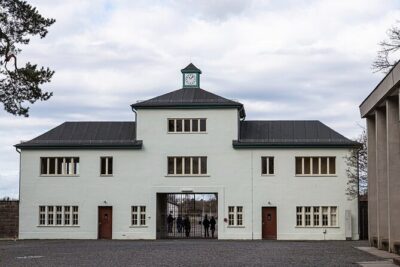
Sachsenhausen Concentration Camp Memorial Tour
Read our review →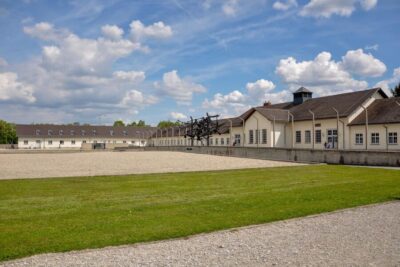
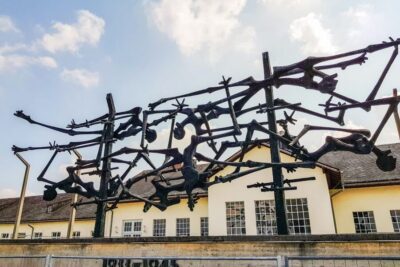
Sachsenhausen Concentration Camp Bus Tour in English from Berlin
Read our review →Sachsenhausen Concentration Camp Tour in English
Read our review →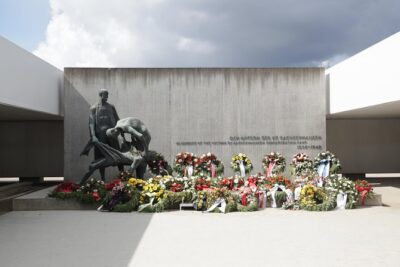
Sachsenhausen Concentration Camp Memorial Tour (Max. 15 Guests)
Read our review →Browse the lists this tour appears in