
Reviewed · MUSEUM & GALLERY TICKETS
Frankfurt: Museum of Communication Exhibitions
The most interesting part of Frankfurt’s Museum of Communication is the sheer span of its story. You move from cuneiform tablets to data glasses, following the inventions and human choices that changed how we send information. The displays cover old telegraphs, phones, fax machines, radios, and television sets, with interactive elements that keep this from feeling like a room of dusty machines.
I like the clear focus on how communication affects everyday life, and I like the chance to pair the permanent exhibition with KLIMA_X, a temporary exhibit about personal action and climate change. The main drawback is noise. The building can become very loud, especially around the lobby and during busy family visits, so choose a weekday if you want a calmer look.
In This Review
- Key points at a glance
- Entering the Museum on Schaumainkai
- Reading communication from tablets to telephones
- Four ideas that give the displays meaning
- Why the interactive displays matter
- KLIMA_X and the question of personal action
- Taking a break on the Main River terrace
- Noise, crowds, and the best pace
- Who will get the most from this visit
- Is the $10 ticket worth it?
- Should you book the Museum of Communication?
- FAQ
- Where is the Museum of Communication Frankfurt?
- What does the $10 ticket include?
- Are food and drinks included?
- Is a tour guide included?
- How long is the ticket valid?
- Is the museum wheelchair accessible?
- What can I see in the permanent exhibition?
- What is KLIMA_X?
- Is there a café at the museum?
- What are the public holiday opening hours?
Key points at a glance
- From cuneiform to data glasses: Follow communication across thousands of years and into the digital age.
- 2,500 square meters of media history: The permanent exhibition is organized around acceleration, networks, control, and participation.
- Hands-on rather than purely display-based: Interactive stations help explain how communication systems work.
- KLIMA_X adds a present-day question: Consider how ordinary actions can affect the climate crisis.
- Main River terrace: End your museum visit with coffee and a view, though food and drinks cost extra.
- Good value at $10: A full day of access makes this a sensible choice for families, curious adults, and rainy-weather plans.
Entering the Museum on Schaumainkai
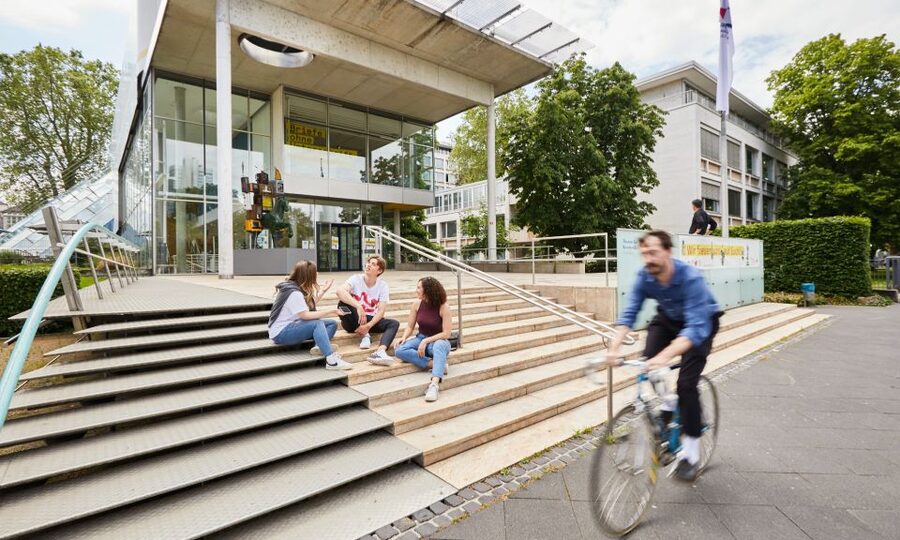
The Museum of Communication is on Schaumainkai, Frankfurt’s museum-lined street beside the Main River. You head directly to the museum rather than meeting a guide, and the ticket is for entry only. No tour guide is included, so you set your own pace and decide which parts deserve the most time.
That freedom suits this museum. Communication is a broad subject, and you may want to linger over a mechanical device, skip quickly through a familiar section, or spend extra time with a hands-on display. A guided tour might give you more background, but a self-directed visit lets you follow your own interests.
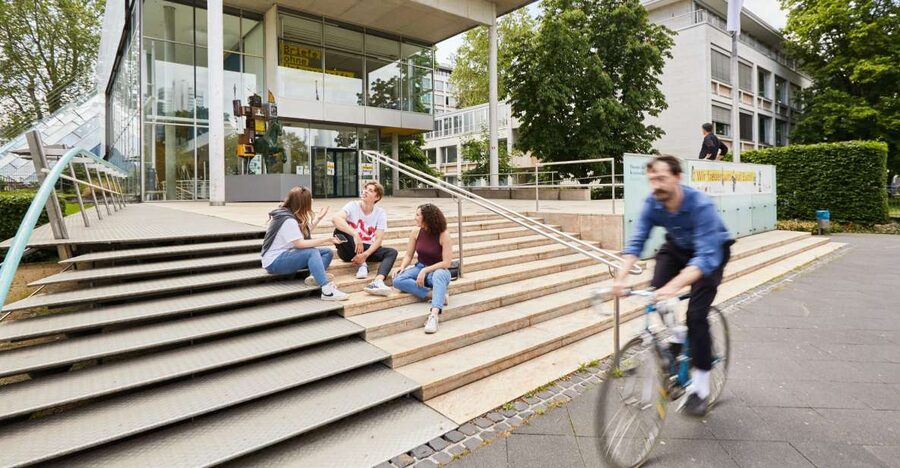
The building itself has won multiple awards, according to the supplied information. I would not plan the whole visit around architecture, but the setting matters. After a few hours indoors, you can step toward the café terrace and look out over the Main. That simple break helps divide the visit into manageable sections.
Your ticket is listed at $10 per person. Since it remains valid for one day, the value is good if you take your time or combine the museum with a relaxed café stop. It is less useful if you only want a quick look at a few old telephones. The museum works best when you give it several hours rather than treating it as a short stop between other sights.
More museum & gallery tickets in Frankfurt:
- Frankfurt: Struwwelpeter Museum Entry Ticket w/Audio Guide
★ 4.5 · 22 reviews - Berlin: Jewish Museum Berlin Entrance Ticket
★ 4.5 · 8,393 reviews - Berlin: DDR Museum Tickets
★ 4.3 · 3,443 reviews
Reading communication from tablets to telephones
The permanent exhibition, Mediengeschichte|n neu erzählt!, covers 2,500 square meters. Its starting point is not one famous invention but the long human need to record, store, transmit, and share information.
Cuneiform tablets provide an early anchor. From there, the exhibition connects older forms of recorded communication with later machines and electronic media. This long view is valuable because it shows that communication technology did not suddenly begin with the internet or smartphones. Each stage solved a problem, created new habits, and changed who could send information to whom.
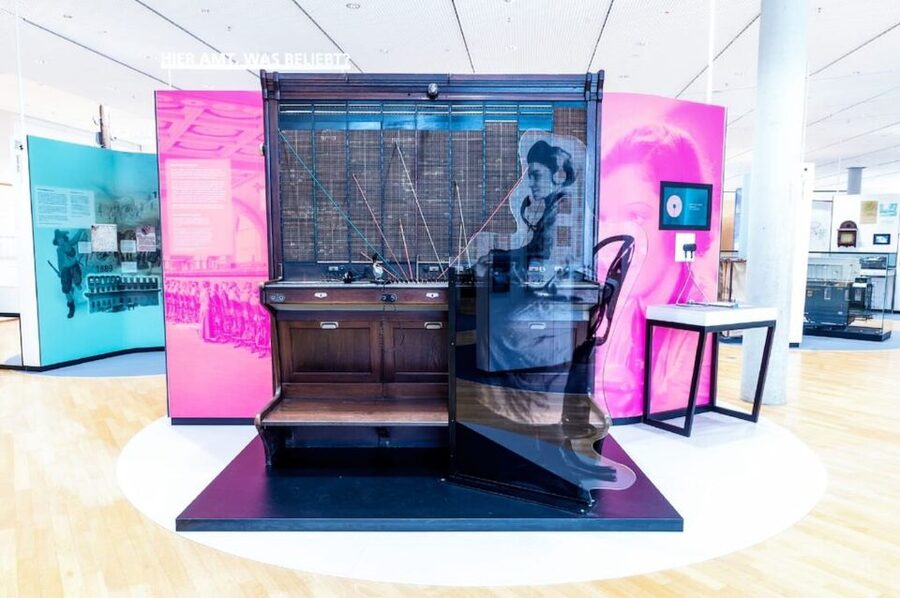
The collection includes old telegraphs, telephones, fax machines, radios, and television sets. These objects give the exhibition a useful physical quality. A phone is not just an icon on a screen here. You can see the size, shape, materials, and mechanical parts that once made a device feel new.
The same goes for fax machines and telegraphs. Younger children may know them only as strange old objects, while adults may recognize machines from work or home. That mixture of recognition and surprise gives the museum some of its best moments.
The exhibition also reaches toward data glasses, making the final point clear: communication history is still being written. The museum does not treat technology as a neat march from old to new. Its four main ideas, acceleration, networks, control, and participation, encourage you to ask harder questions about each invention.
How did communication speed up? Who controlled the system? Who was allowed to take part? What changed when information could travel across networks? These questions give shape to what could otherwise be a loose collection of gadgets.
Four ideas that give the displays meaning
The museum’s permanent exhibition is built around four major phenomena: acceleration, networks, control, and participation. These themes help you connect one object to the next.
Acceleration is easy to understand through the movement from slower forms of message delivery to telegraphy, telephones, radio, television, and digital devices. The point is not only that messages became faster. Speed also changed expectations. Once people could communicate quickly, waiting began to feel like a problem.
Networks show that communication depends on connections. A telephone is useful because it links people, not because the handset is interesting by itself. The same idea applies to broadcasting systems, fax networks, and current digital tools.
Control raises questions about ownership and authority. Who manages the technology? Who decides what information is sent, received, stored, or blocked? Even if you only came to see old machines, this theme keeps the visit tied to modern life.
Participation focuses on the people using communication systems. A device can be technically clever, but its wider effect depends on who can access it and how they use it. This makes the exhibition suitable for adults who want more than nostalgia, as well as families who need clear ideas to discuss together.
You do not need a technical background to follow these themes. The displays use inventions, unusual experiences, and individual stories to make large changes easier to grasp. I especially like this approach because it keeps the museum connected to human behavior rather than turning it into a list of dates.
Why the interactive displays matter
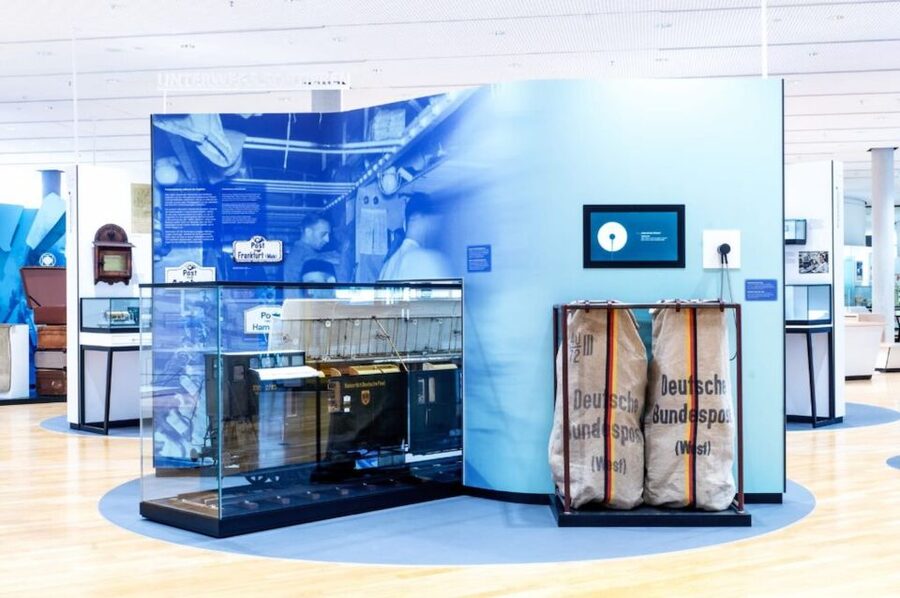
The interactive elements are important because communication can be hard to understand when reduced to labels and machinery. A static telegraph tells you what the object is. An interactive display can help you think about sending, receiving, timing, and connection.
That difference matters for families. Children may move quickly through ordinary cases, but they have a better chance of staying engaged when the museum asks them to test an idea or make a choice. Adults also benefit, since the hands-on features can make an unfamiliar technology less abstract.
The museum is not described as a guided tour, and no guide is part of the ticket. You should expect to read, watch, and interact independently. If you prefer every object to come with a live explanation, this may feel limited. If you enjoy building your own route, it is a strength.
A practical tip: do not rush straight through the old machines to reach the newest technology. The contrast is the point. Seeing a telegraph, a telephone, a radio, a television, and data glasses within one visit gives you a better sense of how quickly communication systems can change.
A few more Frankfurt trips to weigh up
- Berlin: Natural History Museum Entrance Ticket
★ 4.6 · 3,382 reviews - Berlin: Neues Museum Entry Ticket
★ 4.6 · 3,261 reviews - Cologne: Chocolate Museum Entrance Ticket
★ 4.4 · 2,790 reviews - Dresden: Church of Our Lady Guided Tour of Gallery
★ 4.7 · 2,421 reviews
KLIMA_X and the question of personal action
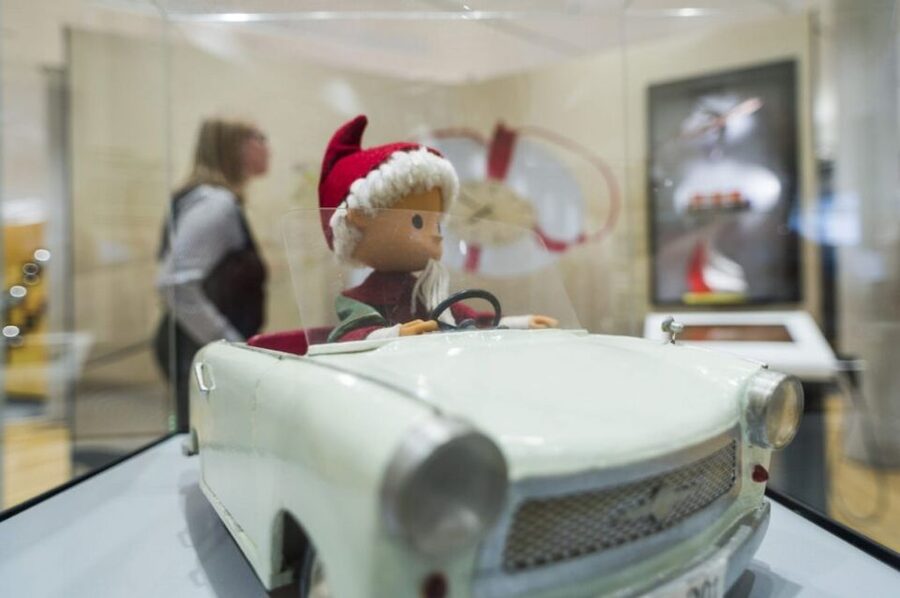
The temporary exhibition KLIMA_X shifts the subject from media history to present-day responsibility. It examines how people act around climate change and invites you to consider simple ways to help improve the situation.
This section gives the museum a useful change of pace. The permanent exhibition asks how communication systems developed. KLIMA_X asks how information and personal choices might influence what happens next.
You should not expect a nature display or a general science museum section based on the supplied description. The focus is communication, reflection, and practical action. The exhibit encourages you to think about the issues around the climate crisis and the ordinary methods available to individuals.
That makes it a good pairing with the main exhibition. Technology can speed up messages and connect people, but it can also shape habits and consumption. KLIMA_X brings those consequences into the present.
Temporary exhibitions change, so the exact display may not remain available on a future visit. If this subject matters to you, check that KLIMA_X is still running before you go.
Taking a break on the Main River terrace
A museum about communication can require more attention than you expect. The café terrace gives you a natural place to pause, review what you have seen, and enjoy the view over the Main.
Food and drinks are not included in the $10 entry price. The terrace is best treated as an optional rest stop rather than part of the admission package. One useful practical warning is payment: the café has been reported to reject Mastercard and Visa, so you should not assume that a standard bank card will work there.
The terrace also gives you a way to manage the museum’s noise. One recent visit was especially affected by loud children in the lobby, and another found the building too noisy for easy concentration. That does not mean every visit will be loud, but it does make timing important.
If you prefer quiet, aim for a weekday. A busy family period can make it harder to read labels or focus on interactive stations. A weekday visit should give you a better chance of moving at your own pace, although no specific quiet hours are guaranteed.
Noise, crowds, and the best pace
The museum is designed to attract families, which is part of its appeal. It also means that the atmosphere may not always be hushed. Loud children in the lobby have been a specific complaint, and the noise can carry into the exhibition areas.
I would plan for a flexible visit rather than promising yourself that you will read every label. Start with the permanent exhibition, take a short terrace break, and then decide if you have the attention for KLIMA_X. This approach works better than trying to absorb the full museum in one uninterrupted push.
The displays cover a lot of ground. You can spend time with the historical section up to the mobile phone, then continue into newer forms of technology and the data-glasses era. If your main interest is older communication equipment, you can focus there without feeling obliged to give every modern section equal attention.
One German-language review described the historical exhibition as reaching up to the mobile phone. That is a useful way to think about the permanent display: it connects familiar recent technology with much older tools, rather than presenting the past as something separate from your daily life.
Who will get the most from this visit
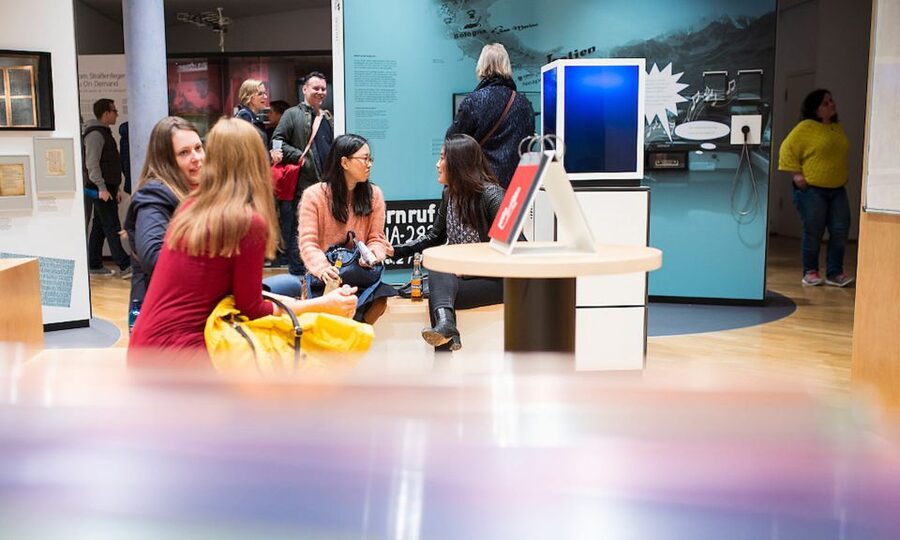
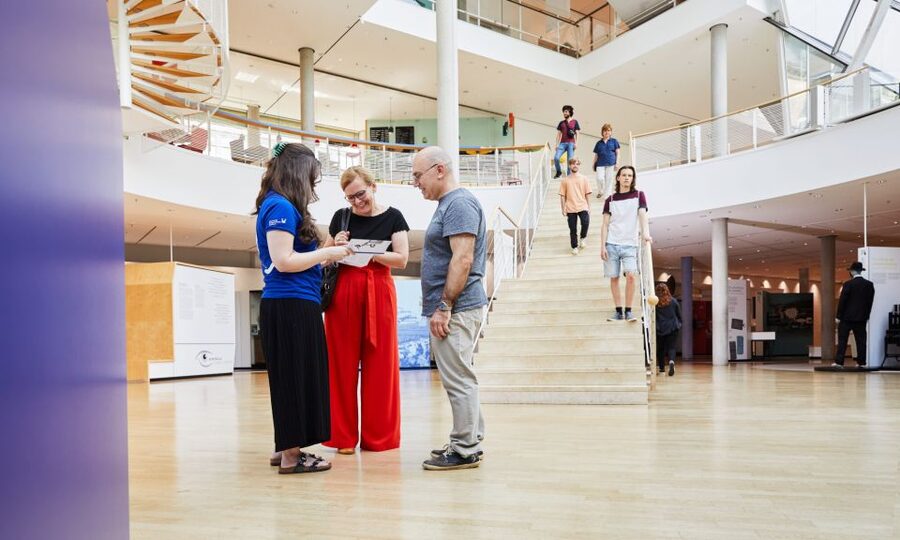
I would recommend the museum to families with children who enjoy interactive displays, adults interested in technology, and anyone looking for an indoor activity with enough material to fill a day.
It also suits people who want context. If you like seeing how one invention leads to another, the movement from tablets through telegraphs, phones, fax machines, radio, TV, and data glasses gives you plenty to consider.
The museum may be less satisfying if you want a quiet, highly guided experience. There is no guide included, the café has a card-payment limitation, and noise can interfere with close reading. People who prefer a small specialist collection may also find the 2,500 square meters more than they need.
Families should prepare for the fact that different age groups may enjoy different parts. Children may prefer the interactive elements and unusual machines. Adults may spend longer with the questions about control, participation, and the social effects of faster communication.
The museum is wheelchair accessible. Opening details supplied for public holidays are 10:00 AM to 6:00 PM. Regular hours are not provided here, so check the current schedule before setting out.
Is the $10 ticket worth it?
At $10 per person, this is a strong-value museum visit if you are willing to spend several hours inside. You get access to the permanent exhibition, its interactive displays, and the current temporary exhibition, with no extra charge listed for the museum entry itself.
The value is strongest for people who enjoy variety. You can see tangible historic objects, consider the social role of communication, explore modern technology, and then take a break beside the Main. Few short museum stops offer that much range.
The price is less compelling if you only want a café stop or a fast look at vintage telephones. Food and drinks cost extra, and the terrace is not a substitute for the museum itself. Also remember that the café may not accept Mastercard or Visa.
Free cancellation up to 24 hours before the visit and reserve-now, pay-later booking can make planning easier, but those options do not change the museum experience. The ticket is valid for one day, and you should check availability for the starting time offered on your chosen date.
Should you book the Museum of Communication?
Book it if you want a thoughtful, hands-on museum that links ancient writing with modern devices. The combination of telegraphs, telephones, fax machines, radios, TVs, data glasses, and KLIMA_X gives you both historical range and a current issue to consider.
I would choose a weekday and allow several hours. Bring a backup payment method for the café, and do not expect a guide to lead you from room to room.
Skip it if you need a very quiet museum or have no interest in how media shapes daily life. For most curious adults and families, though, $10 buys a substantial indoor visit, plus a pleasant chance to sit beside the Main once your mind needs a break.
FAQ
Where is the Museum of Communication Frankfurt?
It is located on Schaumainkai in Frankfurt, in the German state of Hessen.
What does the $10 ticket include?
The ticket includes entry to the Museum of Communication Frankfurt.
Are food and drinks included?
No. Food and drinks are not included in the admission price.
Is a tour guide included?
No. A tour guide is not included, so you explore the museum independently.
How long is the ticket valid?
The ticket is valid for one day.
Is the museum wheelchair accessible?
Yes. The experience is listed as wheelchair accessible.
What can I see in the permanent exhibition?
You can see the development of communication from cuneiform tablets to data glasses, including old telegraphs, phones, fax machines, radios, and television sets.
What is KLIMA_X?
KLIMA_X is a temporary exhibition about actions around climate change and simple ways people can help change the world for the better.
Is there a café at the museum?
Yes. The museum has a café terrace with a view of the Main River. Food and drinks cost extra.
What are the public holiday opening hours?
On public holidays, the museum is open from 10:00 AM to 6:00 PM. Regular opening hours are not provided in the supplied information, so check them before visiting.
Just added around Frankfurt
- Day Trip to Rothenburg from Frankfurt★ 4.6 · 25 reviews
- Rhine Valley: Half Day Tour from Frankfurt★ 3.7 · 66 reviews
- Private Tour with Native English speaking Local★ 4.9 · 60 reviews
- Hohenzollern Castle: Full-Day Tour from Frankfurt★ 4.3 · 11 reviews
- From Frankfurt: Day Tour to Heidelberg with Local Guide★ 4.8 · 250 reviews
- Heidelberg and Rhine Combination Tour from Frankfurt★ 4.1 · 33 reviews
- Frankfurt: Guided walk between palm trees and skyline★ 4.8 · 9 reviews
- From Frankfurt: Heidelberg and Rothenburg Guided Day Trip★ 5.0 · 14 reviews
Museum & Gallery Tickets, compared.



Skip-the-Line: Berlin Wall Museum at Checkpoint Charlie
Read our review →
Browse the lists this tour appears in