
Reviewed · MUSEUM & GALLERY TICKETS
Cologne: Ticket for the German Sport & Olympia Museum
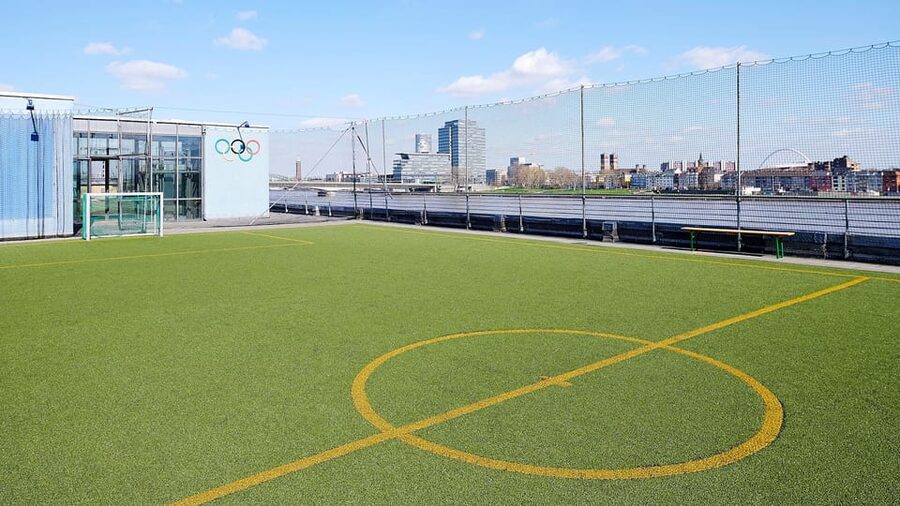
The most fun part of the German Sport & Olympia Museum is that it does not ask you to stand quietly behind glass. You can test your shot on the original ZDF goal wall, ride a bike in a wind tunnel, and borrow equipment for active play. I like the mix of serious sports history and hands-on challenges, and I like the rooftop play areas, which give families room to burn off energy beside the Rhine.
The museum also does a good job showing sport as more than scores and medals. It covers victories, defeats, politics, social change, and the risks tied to competition. The main drawback is that no guided tour is included, so you will need to explore on your own. If you want a polished, narrated tour, this ticket may feel a little spare.
In This Review
- Key points to know before you go
- A sports museum in a 1896 customs hall
- From ancient Greece to modern competition
- The goal wall and the wind tunnel
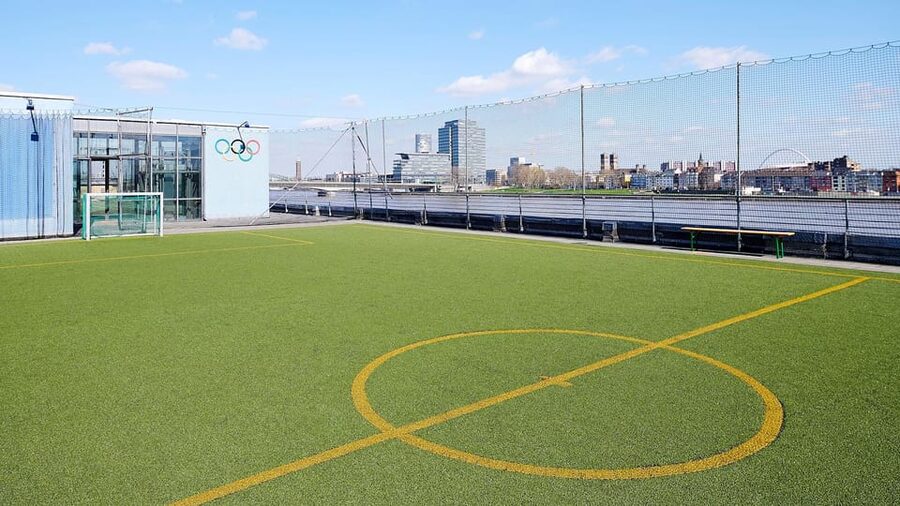
- Two rooftop play areas beside the Rhine
- How long should you plan?
- Is the $12 ticket good value?
- Accessibility, language, and group size
- A practical visit plan
- Who will enjoy this museum most?
- Should you book the German Sport & Olympia Museum?
- FAQ
- Where is the German Sport & Olympia Museum located?
- How much does the ticket cost?
- How long is the ticket valid?
- Is a guided tour included?
- Can I use sports equipment at the museum?
- Is the museum wheelchair accessible?
- Can I cancel the booking?
Key points to know before you go
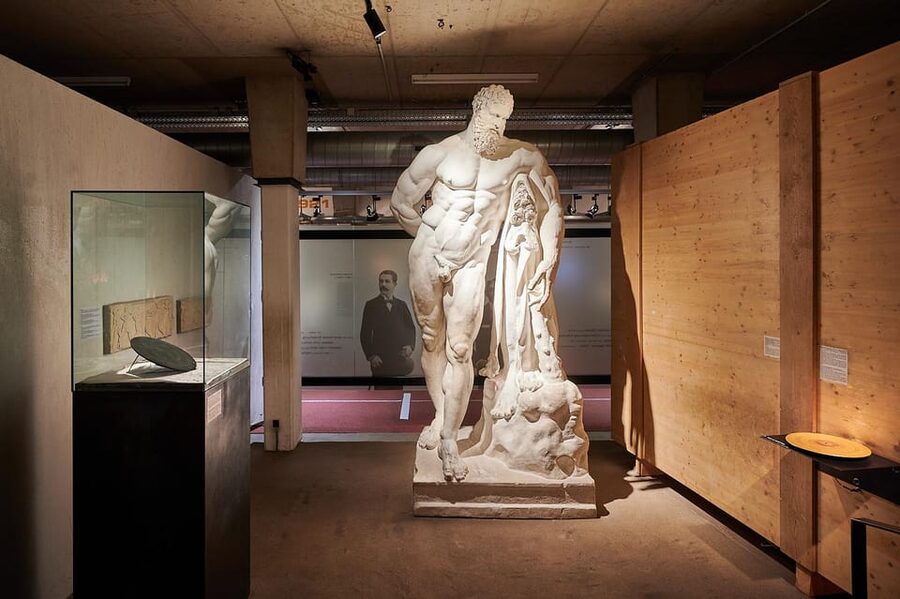
- 2,700 square meters of sport history: Follow the story of sport from ancient Greece to the present through about 2,000 objects and installations.
- Real activity stations: Try the ZDF goal wall, cycle in a wind tunnel, and use free sports equipment in designated areas.
- Rooftop play areas: Two play spaces sit on top of the old customs hall, with city and Rhine views.
- Family-friendly format: Children can move, play, and test their skills instead of simply looking at displays.
- A self-guided visit: German and English are supported, but a guided tour is not part of the ticket.
- Good flexibility: The ticket is valid for one day, with cancellation available up to 24 hours before the visit.
A sports museum in a 1896 customs hall
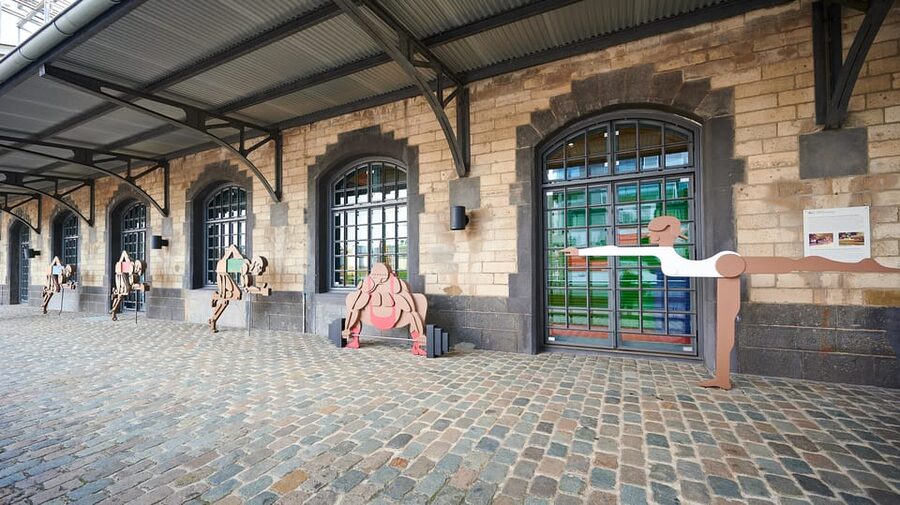
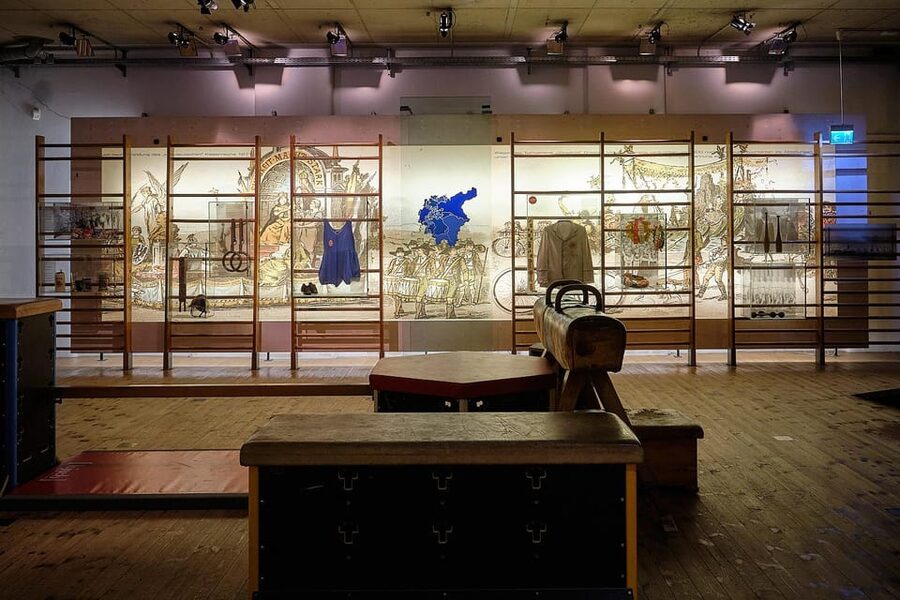
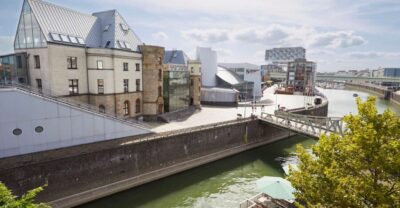
The setting gives this visit a useful sense of place before you see a single exhibit. The museum occupies an old customs hall dating from 1896, directly alongside the Rhine. That combination of historic industrial architecture and modern sports displays makes the building feel suited to the subject.
Inside, the museum covers around 2,700 square meters. That is enough space for a substantial visit, but not so much that you need to commit an entire day indoors. The ticket is valid for one day, so you can take your time and leave when you have had enough, but most people will likely treat it as a few-hour stop rather than a full-day program.
I like the way the museum uses sport as a route through time. The story begins in ancient Greece and continues toward the present day, showing how exercise, competition, national identity, public life, and politics have changed. You are not simply looking at old equipment. You are considering why sport matters and how it gained such a large role in society.
More museum & gallery tickets in Cologne:
- Cologne: Chocolate Museum Entrance Ticket
★ 4.4 · 2,790 reviews - Cologne: HOUSE OF BATES // CONTENT GALLERY
★ 4.7 · 46 reviews - Berlin: Jewish Museum Berlin Entrance Ticket
★ 4.5 · 8,393 reviews
From ancient Greece to modern competition
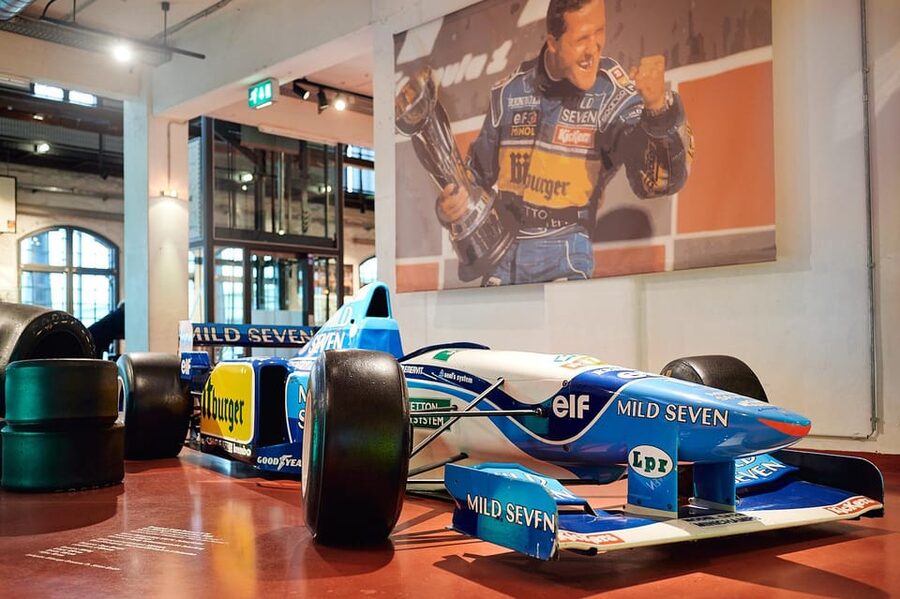
The collection includes about 2,000 selected objects and installations. The word selected matters here. This is not meant to be a complete catalog of every sport or every Olympic moment. Instead, the displays use chosen items and visual presentations to show the many forms sport can take.
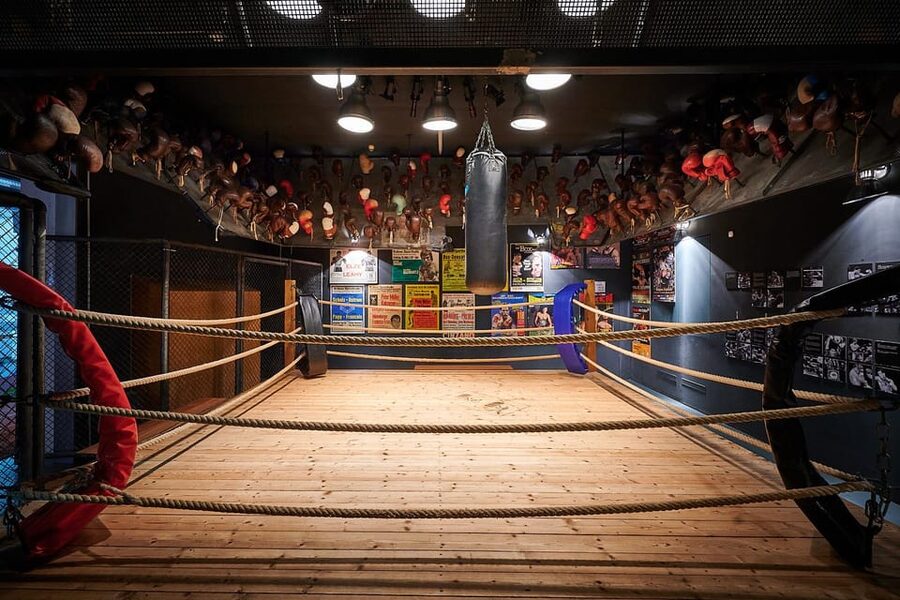
You can expect a broad sweep of subjects. Outstanding victories appear beside painful defeats. Winners are shown alongside losers. The museum also addresses the less comfortable side of sport, including its risks and side effects. That balance makes the experience more useful than a simple celebration of famous champions.
For me, this is where the museum earns its place as a cultural stop rather than only a rainy-day attraction for children. Sport can look light and entertaining from the outside, but it also connects to money, identity, politics, health, teamwork, and personal failure. The displays put those larger questions next to the physical action.
The museum should work well if you have different interests within your group. A dedicated sports fan can focus on the objects and sporting milestones. Someone less interested in athletics can spend more time with the installations and social themes. Children can move toward the activity stations when their attention begins to fade.
The goal wall and the wind tunnel
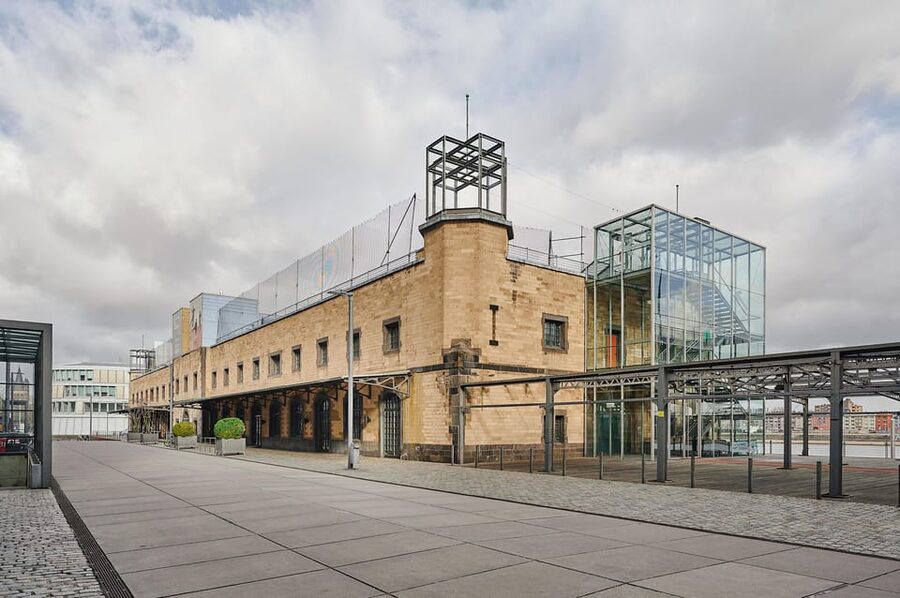
The museum’s activity stations are a major reason to choose it over a standard history display. The original goal wall from the ZDF studio gives you a direct connection to televised sport. You can try to hit the target yourself rather than simply seeing a photograph of a famous attempt.
That small change matters. A goal becomes more difficult when you are standing in front of the wall, aiming under pressure, and trying to place the ball accurately. It also gives adults and children a simple contest to share. You do not need to be a serious football player to understand the appeal.
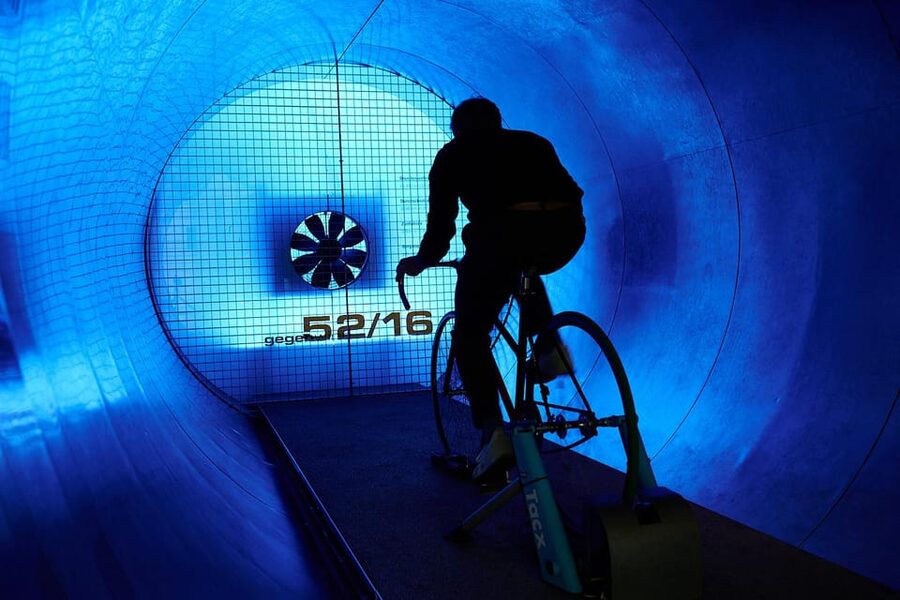
The wind tunnel offers another physical test. You can ride a bike in it and get a sense of how air resistance affects movement. The station turns a basic science idea into something you can feel. It is the kind of display that helps children understand why cycling gets harder at speed, while adults may simply enjoy trying it for themselves.
Free sports equipment is available for play in dedicated areas, including footballs and basketballs. That is a real value point because you do not have to bring equipment with you or pay an extra fee to use the active spaces. Still, space can become tight when several people want the same activity.
One useful expectation comes from the basketball area. The main setup shares space with a football area, and a busy session can make it harder to get a turn. If your child has one favorite activity, be ready to wait a little or move on to another station. The museum has a good idea in its play zones, but the layout may not satisfy every visitor at peak moments.
Two rooftop play areas beside the Rhine
After the indoor displays, head to the roof if the play areas are open and conditions suit you. The museum has two rooftop play areas, described as the highest and most beautiful in the city, along with views toward the Rhine. The view gives you a pleasant reason to linger even if you have finished the exhibits.
For families, the roof is more than a scenic bonus. It gives children a chance to move freely after time indoors. You can let them play while you take in the surroundings, though you will still need to supervise them as you would at any active play space.
The rooftop areas also help break up the visit. A museum covering sport should not leave you feeling stiff from standing in one place. Moving between exhibits, indoor activity stations, and the roof makes the experience feel more like an active outing than a conventional collection.
Weather may affect how much you enjoy this part. The museum information confirms the play areas and views, but it does not provide details about weather protection or operating conditions. On a wet or cold day, plan to give more attention to the indoor displays and activity stations.
A few more Cologne trips to weigh up
- Berlin: DDR Museum Tickets
★ 4.3 · 3,443 reviews - Berlin: Natural History Museum Entrance Ticket
★ 4.6 · 3,382 reviews - Berlin: Neues Museum Entry Ticket
★ 4.6 · 3,261 reviews - Dresden: Church of Our Lady Guided Tour of Gallery
★ 4.7 · 2,421 reviews
How long should you plan?
The ticket is valid for one day, but the information does not set a fixed visit length. That flexibility is useful. You can make the museum a focused stop or give it a larger part of your schedule, depending on how much time you spend with the objects, installations, activity stations, and rooftop areas.
I would plan enough time to see the historical displays without rushing, then add time for the goal wall, wind tunnel, and other activities. Families may need longer because children often want repeat turns at the play stations. Adults who mainly want the historical content may finish sooner.
The museum is also a practical choice when your group has mixed energy levels. One person can take in the exhibits while another uses the active stations. The experience does not force everyone to move at the same pace.
There is no guided tour included. The host or greeter support is available in German and English, but you should treat this as a self-guided museum visit. That works well if you prefer freedom and do not want to follow a fixed schedule. It is less suitable if you expect a guide to explain each section or lead you from one highlight to the next.
Is the $12 ticket good value?
At about $12 per person, the ticket offers more than a short look at a single display. You get access to the museum, the historical collection, the interactive stations, the rooftop play areas, and free rental of sports equipment in the dedicated play zones.
That makes the price particularly reasonable for families who will use the active features. Children often get more from a place where they can try, miss, repeat, and play. The visit also has enough subject matter to interest adults, so you are not paying only for a children’s activity center.
The value is less clear if you dislike sports or prefer a guided cultural experience. The museum’s subject is broad, but sport remains the central theme throughout. Since the ticket does not include a guided tour, you may want to choose another Cologne attraction if expert commentary is your top priority.
Family pricing deserves attention. A family ticket for two adults and two children costs €25, but it is currently available only on-site. The online booking option does not provide family tickets. Reduced adult prices for people with disabilities and KölnPass holders are also not offered through this booking channel. If you belong to one of those groups and can show proof at the entrance, select the student with ID option when booking online.
Accessibility, language, and group size
The museum is wheelchair accessible, which makes the visit easier to plan for people with mobility needs. The available language support is German and English. The ticket information lists a small group limit of up to 10 participants, although the museum itself includes public activity areas where other visitors may also be present.
That distinction is worth keeping in mind. A small booking group can make the ticket arrangement manageable, but it does not mean every activity station will always be empty. The basketball and football areas, in particular, may be shared.
For families, the museum’s design is the main strength. You can combine learning with movement, and the roof gives children another outlet. For adults, the best approach is to take the historical and social themes seriously while allowing time for the lighter, more playful sections.
A practical visit plan
Start with the main historical displays so you see the museum’s story from ancient Greece through modern sport. This gives the activity stations more meaning because you have already seen how sport has changed across time.
Next, spend time at the goal wall and wind tunnel. These are the most distinctive hands-on features named for the museum, and they are likely to be the moments children remember. Borrow equipment if you want to use the football or basketball areas, but allow for possible waits when those spaces are busy.
Finish on the roof if the weather is comfortable. The two play areas and Rhine views make a natural final stop, especially for families. If you are visiting without children, you can still use the roof as a short break and a place to look out over the river.
Because there is no guided tour, you control the pace. You can skip displays that do not interest you, return to a favorite station, or spend extra time on the sections dealing with sport’s social and political role.
Who will enjoy this museum most?
I would recommend the museum most strongly to families with school-age children, sports fans, and anyone looking for an indoor Cologne activity that does not feel passive. The combination of objects, installations, physical challenges, and rooftop space gives the visit a wider appeal than a display-only museum.
It also suits adults who want context around sport rather than a list of scores and medal winners. The presentation includes achievements and disappointments, along with the risks connected to sport. That gives you something to think about after the playful parts are over.
You may want to skip it if you have very limited time in Cologne and do not care about athletics. The museum is not a quick monument visit. Its value comes from spending time with the displays and using the activity areas. You should also choose another option if you specifically want a guide, since none is included.
Should you book the German Sport & Olympia Museum?
Book it if you want an active, flexible museum visit with a strong family angle. The original television goal wall, bicycle wind tunnel, free sports equipment, and rooftop play areas give the ticket real substance, while the collection adds historical and social context.
The $12 price is fair for adults and especially useful for families who will use the play spaces. Check the on-site family ticket if two adults and two children are visiting, since that €25 option may be the better deal. If you prefer a quiet museum with expert narration, think twice. For everyone else, this is a smart way to connect sport, history, and a little friendly competition beside the Rhine.
FAQ
Where is the German Sport & Olympia Museum located?
The museum is directly alongside the Rhine in Cologne, Germany. It occupies an old customs hall dating from 1896.
How much does the ticket cost?
The listed price is $12 per person. A family ticket for two adults and two children costs €25 and can currently be purchased only on-site.
How long is the ticket valid?
The ticket is valid for one day. You can check availability for the available starting times when booking.
Is a guided tour included?
No. The ticket includes entry to the German Sport & Olympia Museum, but not a guided tour. Host or greeter support is available in German and English.
Can I use sports equipment at the museum?
Yes. Free sports equipment, including footballs and basketballs, is available for use in dedicated areas such as the roof and entry hall.
Is the museum wheelchair accessible?
Yes. The museum is wheelchair accessible.
Can I cancel the booking?
Yes. You can cancel up to 24 hours in advance for a full refund. A reserve-now, pay-later option is also available.
Just added around Cologne
- Aachen old town tour – GERMAN (public)★ 5.0 · 24 reviews
- Aachen Private Walking Tour With A Professional Guide★ 5.0 · 11 reviews
- Cologne Highlights: Exclusive Private Tour★ 5.0 · 5 reviews
- Explore Cologne’s best Street Art Quarter★ 4.5 · 4 reviews
- Aachen – Old town Guided tour★ 3.5 · 4 reviews
- The rather unknown Melaten★ 4.9 · 26 reviews
- Rickshaw Glühwein Ride★ 4.6 · 24 reviews
- Public brewhouse tour Cologne in English★ 4.9 · 154 reviews
Museum & Gallery Tickets, compared.


Skip-the-Line: Berlin Wall Museum at Checkpoint Charlie
Read our review →
Browse the lists this tour appears in