
Reviewed · MUSEUM & GALLERY TICKETS
Bremen: Übersee Museum Entrance Ticket
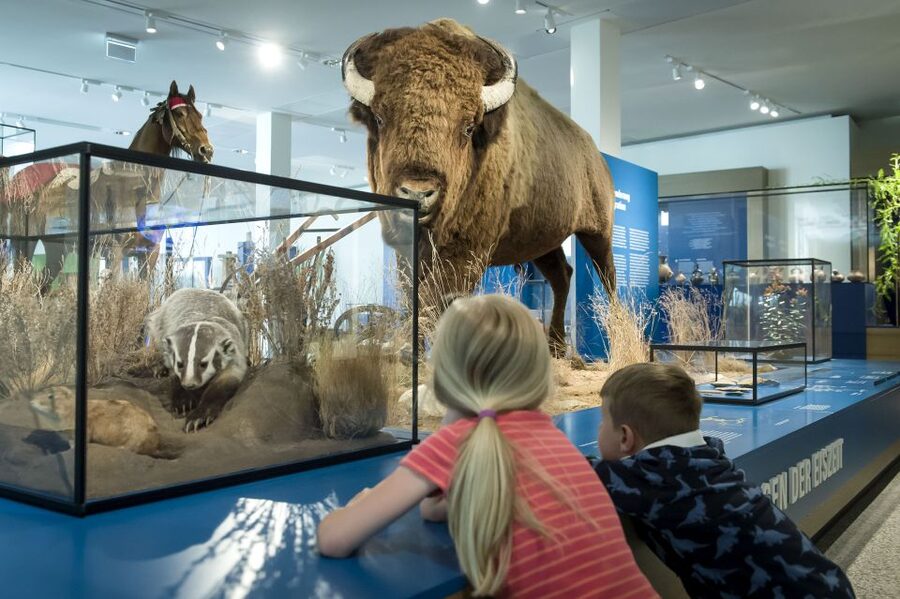
Bremen’s Übersee-Museum brings people, trade, and nature together under one roof, taking you from an Asian rainforest at night to African wildlife displays, Indigenous cultures in the Americas, and a storehouse of objects in Übermaxx. I like the museum’s wide range of subjects and its effort to connect historic collections with current issues such as migration and climate change. I also like that you can explore at your own pace with a media guide rather than follow a fixed group.
The possible drawback is the same thing that makes the museum appealing: there is a lot to take in. If you want one narrow subject treated in great depth, this broad approach may feel scattered. At $17, though, the ticket offers a full day of indoor sightseeing, and the strong 4.3 rating from 59 reviews reflects how many people find the exhibitions varied, beautiful, and informative.
In This Review
- Key points to know before you go
- Why the Übersee-Museum works best as a full-day visit
- Asia: rainforests, cities, and living traditions
- Africa: wildlife displays and long human stories
- The Americas: Indigenous cultures and Pre-Columbian gold
- Colonial history, presented as part of the museum’s wider story
- What makes the world go round: current issues
- Übermaxx and the pleasure of looking closely
- Interactive displays and a self-guided pace
- Is the $17 ticket good value?
- Who should visit the Übersee-Museum?
- Practical details for planning your visit
- Should you book this Bremen museum ticket?
- FAQ
- How long is the Übersee-Museum ticket valid?
- What is included with admission?
- Is a tour guide included?
- Can I cancel the booking?
- Can I reserve now and pay later?
- Is the museum wheelchair accessible?
- Can I take photographs inside?
Key points to know before you go
- One ticket covers a full day: Your admission remains valid for one day from first activation, giving you time to explore without rushing.
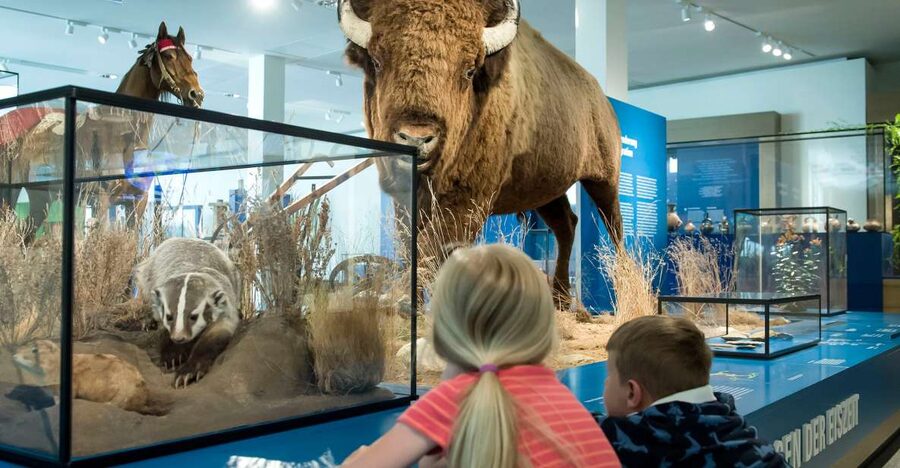
- People, trade, and nature share one route: The museum links cultural displays, natural settings, and global commerce instead of treating them as separate subjects.
- Africa includes wildlife and ancient Egypt: Expect animal dioramas, traditional life, the cradle of mankind, and displays connected with Egypt.
- The Americas section mixes culture and treasure: Learn about Indigenous peoples in North and Latin America, then see Pre-Columbian golden objects.
- Current issues have a clear place: The What makes the world go round exhibition addresses migration and climate change.
- Übermaxx adds a storehouse feel: This section reveals treasures from around the world and rewards slower looking.
Why the Übersee-Museum works best as a full-day visit
This is not a short stop built around one famous object. It is a large, subject-spanning museum experience, so I would plan it as a flexible half-day or full-day activity. Your ticket is valid for one day from first activation, which matters because you can set your own pace rather than race through every room.
The museum’s basic idea is simple but useful: people, trade, and nature shape one another. That gives the visit more purpose than a series of unrelated displays. A rainforest scene can sit near cultural material, while a section on global trade helps explain why objects, foods, people, and ideas move across borders.
You will find stations where you can pause, rest, or try things out. These are particularly helpful if you are visiting with children or if you prefer a museum that gives you more than glass cases and long labels. The displays invite you to use your senses and take part, though the exact form of each station varies across the museum.
Free Wi-Fi and a media guide are included. Since there is no tour guide leading the visit, you remain in control of the route and timing. That is a plus if you like lingering over a favorite subject, but it means you need to pay attention to the museum’s layout and decide how much time to give each zone.
More museum & gallery tickets in Bremen:
- Berlin: Jewish Museum Berlin Entrance Ticket
★ 4.5 · 8,393 reviews - Berlin: DDR Museum Tickets
★ 4.3 · 3,443 reviews - Berlin: Natural History Museum Entrance Ticket
★ 4.6 · 3,382 reviews
Asia: rainforests, cities, and living traditions
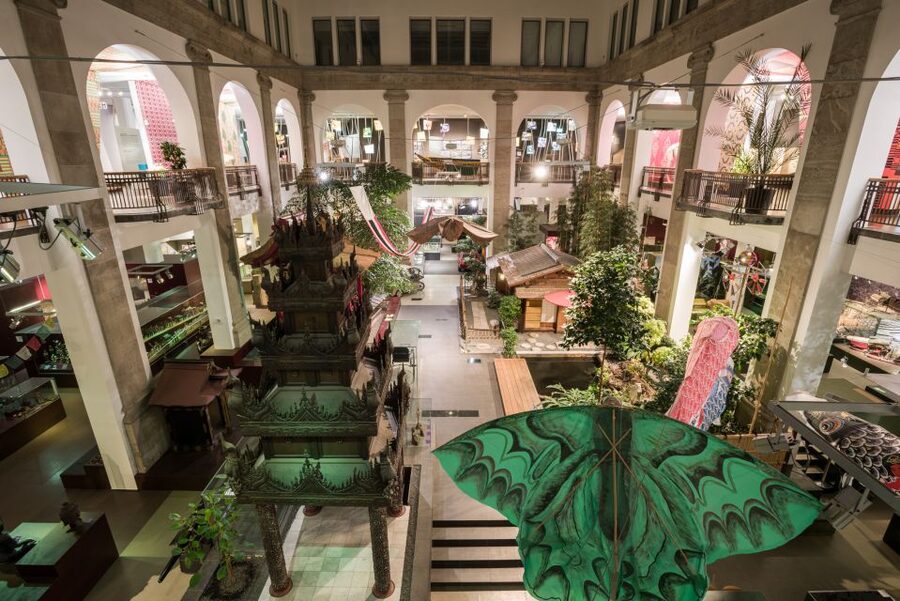
The Asia section gives you several ways into the subject. One display presents an Asian rainforest by night, using a darker setting to create a different mood from the bright, open rooms elsewhere. It is a good example of how the museum uses staging to make natural settings easier to picture.
You can also encounter the scale and energy of Asian mega cities. This shifts the focus from plants and animals to human life, trade, and urban change. The contrast helps you see Asia as more than a collection of traditional customs or scenic nature. It is presented as a place of old practices, modern city life, economic movement, and environmental pressure.
Spiritual and traditional life also has a place here. I appreciate that combination because it avoids reducing a continent to a single theme. You may find the section most rewarding if you give yourself time to move between the visual displays and the explanatory material rather than treating it as a quick walk-through.
The interactive stations make this zone more approachable. You can stop, sit, and explore at your own speed. Families may find that these moments break up the reading, while adults who prefer quiet observation can simply use them as natural pauses.
Africa: wildlife displays and long human stories
The Africa section covers both human origins and the natural world. It presents Africa as the cradle of mankind and includes material connected with ancient Egypt. Those subjects offer two very different time scales: the long story of human development and the achievements of a highly organized ancient society.
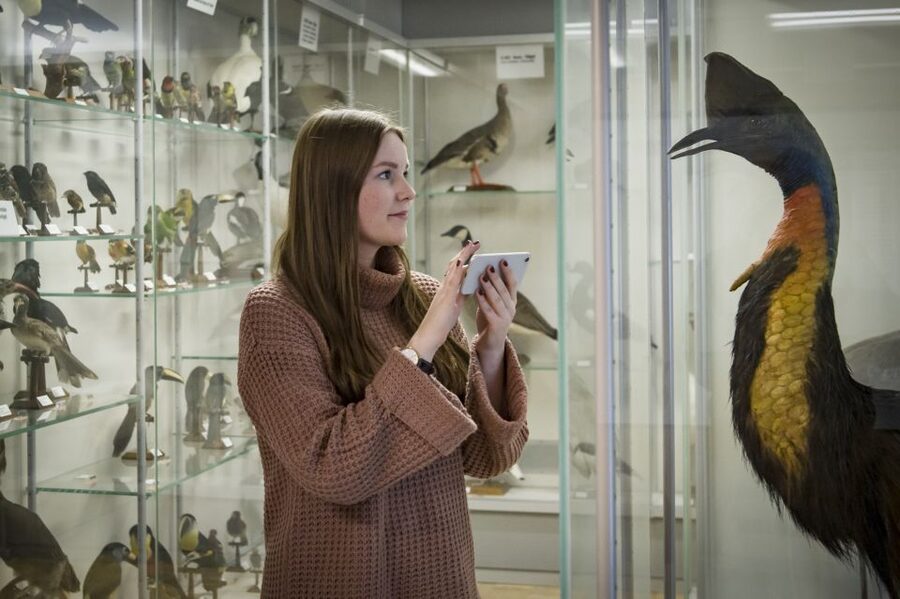
The animal dioramas are a major feature. Masterful staging lets you see wildlife in natural settings rather than as isolated specimens. For many people, these displays will be among the most memorable parts of the museum because they create a strong sense of place while still serving an educational purpose.
You will also encounter the continent’s distinctive natural settings and cultural traditions. The museum does not limit Africa to wildlife, which is important. The section asks you to consider people, belief, history, and trade alongside animals and ecology.
If you are especially interested in wildlife, allow more time here. If ancient history is your priority, begin with the Egypt material and then move outward into the broader African displays. Since the ticket lasts all day, you can return to a section later instead of trying to absorb every label at once.
The Americas: Indigenous cultures and Pre-Columbian gold
The Americas zone turns attention to the lives of Indigenous peoples in North and Latin America. The subject is presented through cultural material rather than a simple geographic tour, giving you a chance to consider different ways of life across two large regions.
The Pre-Columbian golden treasure adds a strong visual focus. Gold objects naturally draw the eye, but their value here is not just decorative. They also point toward the skill, belief systems, and social structures of the societies that made and used them.
I would take care not to rush this section. A golden object can catch your attention in seconds, while the surrounding information helps explain its setting. The museum’s wider approach, connecting people and trade, gives this material a broader frame than a display of beautiful things alone.
The section may be a good fit for families and first-time museum visitors because it combines striking objects with cultural stories. It is also useful for anyone who wants a general introduction rather than a specialist collection devoted only to one American civilization.
A few more Bremen trips to weigh up
- Berlin: Neues Museum Entry Ticket
★ 4.6 · 3,261 reviews - Cologne: Chocolate Museum Entrance Ticket
★ 4.4 · 2,790 reviews - Dresden: Church of Our Lady Guided Tour of Gallery
★ 4.7 · 2,421 reviews - Skip-the-Line: Berlin Wall Museum at Checkpoint Charlie
★ 4.1 · 2,041 reviews
Colonial history, presented as part of the museum’s wider story
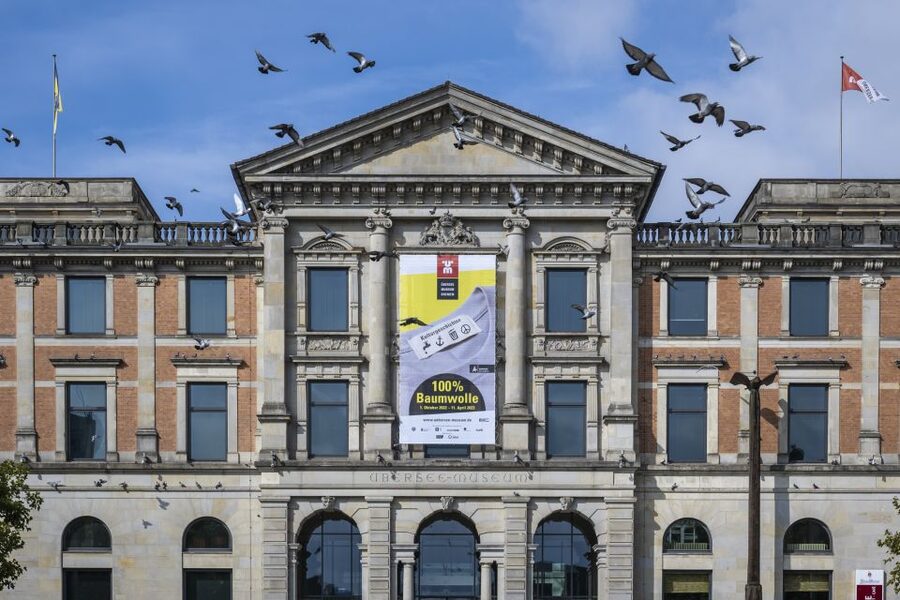
The museum addresses Germany’s colonial history, an important part of any institution dealing with collections from around the world. This section gives the visit a more serious edge and asks you to consider how objects, knowledge, and power were connected.
You should not expect the colonial material to be a light sightseeing stop. It can change the way you view the rest of the museum, since it raises questions about how collections were assembled and how Europe related to other parts of the world. That context is valuable, even if you would prefer a purely visual museum visit.
The subject also connects with the museum’s focus on trade. Goods and collections did not move across the world in a vacuum. Looking at colonial history alongside global exchange helps explain the forces behind that movement.
I like that this topic is included rather than ignored. The broader structure allows you to place historic objects within difficult political and economic realities. Give yourself time here, especially if you want the museum visit to include more than attractive displays and wildlife scenes.
What makes the world go round: current issues
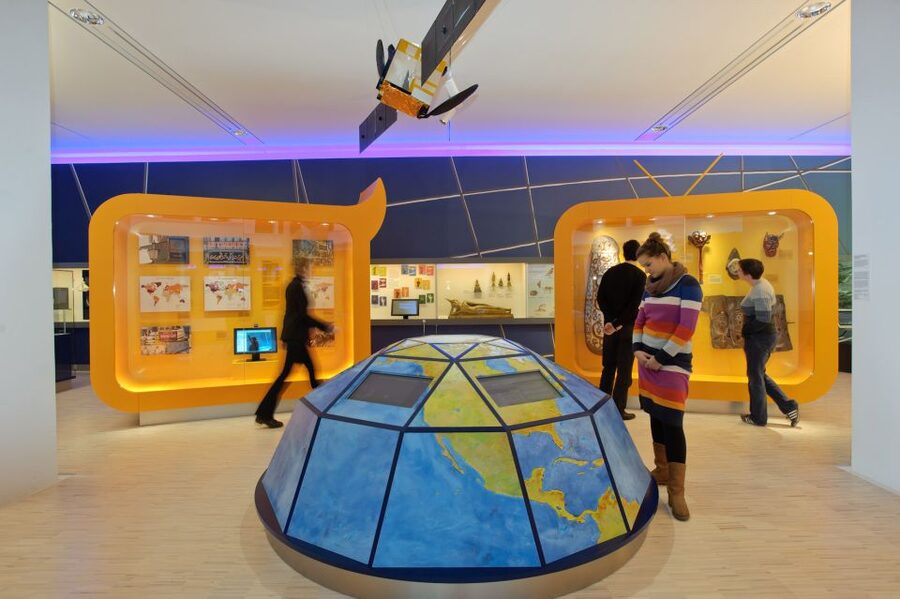
The What makes the world go round exhibition brings the museum into the present. It explores migration and climate change, two subjects that affect how people, economies, and natural systems interact.
This section gives the visit a useful change of pace. After historic cultures, ancient Egypt, and traditional life, you are asked to think about issues still shaping daily life. Migration connects directly with the museum’s focus on movement, trade, and cultural exchange. Climate change connects with the natural settings and wildlife presented elsewhere.
You may find this part most rewarding after seeing the older collections, since the earlier rooms give you more context for the questions raised here. The museum is not simply asking you to admire objects from faraway places. It is asking how the world functions now, and what happens when systems change.
The subject matter may feel heavier than the more theatrical displays. That is not a flaw, but it does mean you should allow time to read and reflect. Visitors looking for a purely entertaining museum may prefer to spend less time here, while anyone interested in global affairs will likely want to linger.
Übermaxx and the pleasure of looking closely
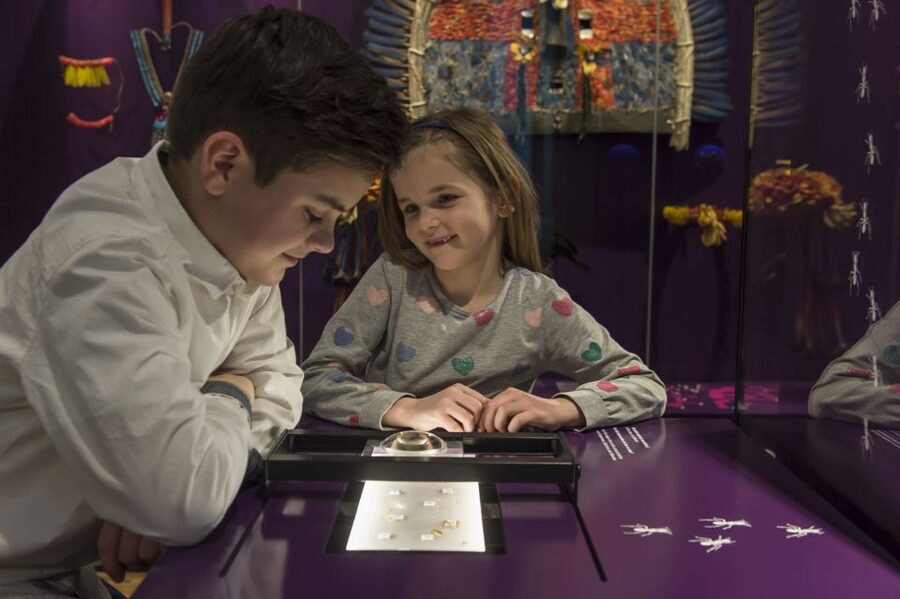
Übermaxx is the place to uncover treasures from around the world. The name suggests a large reserve collection, and the section adds a sense of discovery to the visit. Instead of moving through one tightly defined story, you can look for objects that catch your eye and then follow their connections.
This is a useful counterpoint to the more organized regional zones. Asia, Africa, and the Americas give you a clear framework. Übermaxx gives you a chance to browse and make your own links between objects, places, and ideas.
I would save this section for the middle or end of your visit, depending on how you like to explore. If you enjoy surprises, begin here and let the displays set up questions for the regional sections. If you prefer a clear sequence, visit Asia, Africa, and the Americas first, then use Übermaxx as a final round of discoveries.
Interactive displays and a self-guided pace
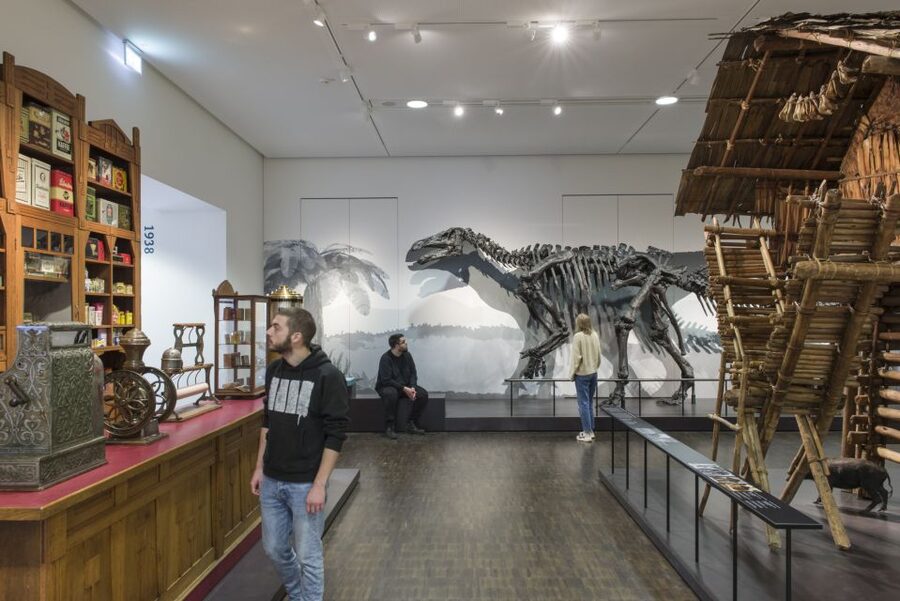
The museum’s educational displays are designed to involve more than just your eyes. Various stations invite you to stay, relax, or try things out. That makes the visit easier to manage for different ages and attention spans.
Because the media guide is included, you can add explanation when you want it. You are not tied to a guide’s schedule, and there is no need to keep up with a group. I find that especially valuable in a museum with so many subjects, since you can spend extra time on wildlife, colonial history, ancient Egypt, or current affairs according to your own interests.
The trade-off is that a self-guided visit asks you to make choices. You may not see every display in detail during a short visit, and some people prefer the focus of a live guide. Still, the one-day validity solves much of that problem. You can return to a room or take a break without losing access.
Photography for private use is allowed without flash or a tripod. Areas where photography is forbidden are marked, so follow those signs carefully. Flash photography is not permitted, a sensible rule for protecting objects and keeping the rooms comfortable for everyone.
Is the $17 ticket good value?
At $17 per person, the ticket is reasonable for a museum that can occupy a full day. The value comes from the range of material, the interactive elements, the media guide, and the option to explore without a fixed end time during that day.
The price is easiest to justify if you enjoy variety. You are not paying for one short exhibit. You are getting access to cultural displays, nature scenes, wildlife dioramas, Indigenous American material, golden objects, colonial history, and present-day global topics.
The value is less clear if you only have a few minutes in Bremen or if one specialist subject is your sole interest. This museum works best when you can give it time. Since food and drinks are not included, plan those separately, especially if you expect to stay for several hours.
The overall rating of 4.3 from 59 reviews fits the experience described here: the museum is widely appreciated for being beautiful, varied, and informative. I would treat that as a sign of broad appeal rather than a promise that every room will match your interests.
Who should visit the Übersee-Museum?
I would recommend this ticket to:
- Families who want displays with interactive stations and changing subjects.
- Adults interested in world cultures, wildlife, trade, and current global questions.
- Museum visitors who prefer to set their own pace with a media guide.
- Anyone looking for a weather-proof activity in Bremen that can fill several hours.
- People who want colonial history included in a wider discussion of global exchange.
- Visitors who enjoy both dramatic displays and quieter object-based collections.
You may want to think twice if you dislike broad museums or prefer a live guide to explain each room. There is no tour guide included, so your experience depends on how actively you use the media guide and exhibition information.
Practical details for planning your visit
You begin by showing your voucher at the Übersee-Museum. The activity ends back at the museum, with no separate transport or meeting point involved.
The ticket is valid for one day from first activation. You can cancel up to 24 hours in advance for a full refund, and the reserve-now, pay-later option lets you keep your plans flexible without paying at the time of booking.
The museum is wheelchair accessible. Bring a camera if you like, but use it only for private purposes, without flash or a tripod. Check the signs before photographing, since some exhibits may not be photographed.
Should you book this Bremen museum ticket?
Book it if you want an indoor activity with enough material for a relaxed half-day or full-day visit. The best reason to go is the mix: Asian nature and city life, African wildlife and ancient history, Indigenous American cultures, Pre-Columbian gold, colonial history, and current issues all appear within one experience.
I would especially choose it if you like to wander rather than follow a strict tour. The media guide, Wi-Fi, interactive stations, and one-day validity give you room to shape the visit around your own interests.
Skip it only if your Bremen schedule is extremely tight or you want a small, single-topic museum. For $17, the Übersee-Museum offers strong value when you have time to explore its many rooms and let the connections between people, trade, and nature develop.
FAQ
How long is the Übersee-Museum ticket valid?
The ticket is valid for one day from first activation.
What is included with admission?
Admission to the Übersee-Museum, a media guide, and free Wi-Fi are included.
Is a tour guide included?
No. A media guide is included, but a live tour guide is not.
Can I cancel the booking?
Yes. You can cancel up to 24 hours in advance for a full refund.
Can I reserve now and pay later?
Yes. The reserve-now, pay-later option allows you to book without paying today.
Is the museum wheelchair accessible?
Yes. The activity is wheelchair accessible.
Can I take photographs inside?
Private photography is allowed without flash or a tripod. Exhibits where photography is not allowed are marked, and flash photography is prohibited.
Just added around Bremen
- Bremen Private Walking Tour With A Professional Guide★ 5.0 · 7 reviews
- Private Walking Tour through the Fascinating Bremen’s City Center★ 5.0 · 5 reviews
- Bremen Exploration Private Game and City Tour on your Phone★ 4.5 · 7 reviews
- e-Scavenger hunt Bremen: Explore the city at your own pace★ 4.0 · 24 reviews
- A Self-Guided Audio Tour of Bremen’s Old Town★ 5.0 · 5 reviews
- Bremen: Underworld Tour with the Cellar of the Theatre★ 4.2 · 74 reviews
- The Dark Side of Bremen: Killers and Criminals★ 4.4 · 264 reviews
- Bremen Schwachhausen: Crime Mystery Tour★ 3.6 · 4 reviews
Museum & Gallery Tickets, compared.



Skip-the-Line: Berlin Wall Museum at Checkpoint Charlie
Read our review →
Browse the lists this tour appears in