
Reviewed · COMEDY & THEATRE SHOWS
Bremen: Underworld Tour with the Cellar of the Theatre
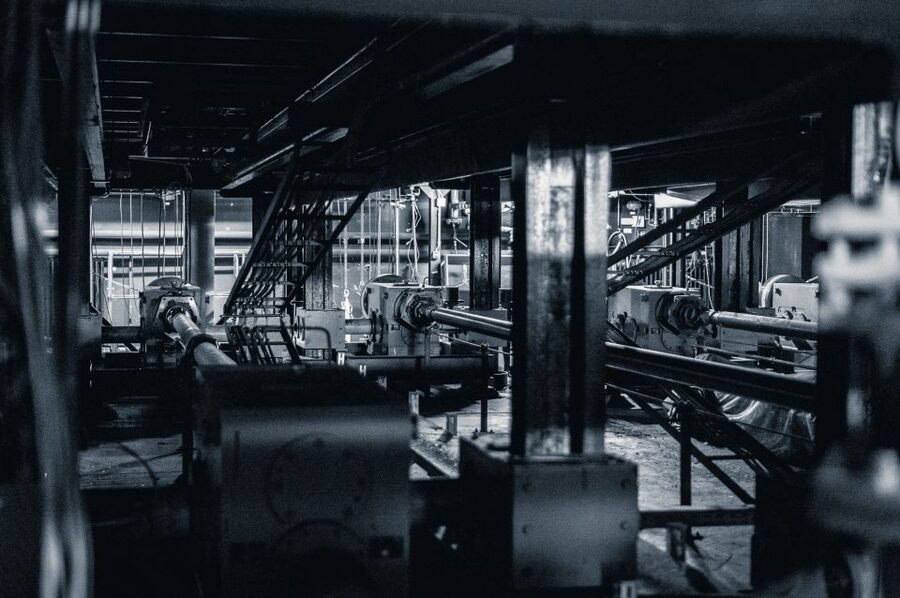
Bremen’s past is not only found around its market square. This two-hour tour takes you below the streets, into a former synagogue cellar, cramped prison cells, and the vast backstage world beneath Theater Bremen. The final theater stop, with its machinery and maze of corridors, is the most unusual part.
I like the way the tour links several very different sites: a memorial to the synagogue destroyed by the Nazis in 1938, the old Ostertorwache prison, and a working theater. I also like its modest price of $18 per person, which gives you a guided look at places you would not normally enter.
The main drawback is the title. Underworld Tour may suggest tunnels stretching beneath the city, but the stops are cellar rooms and underground areas in separate buildings. The tour is in German only, and the program can change if a site is unavailable.
In This Review
- Key points at a glance
- What this Bremen underground tour really offers
- Meeting at Passage Bischofsnadel
- The synagogue cellar and a painful memorial
- Inside the Ostertorwache prison cells
- The Kulissenkeller beneath Theater Bremen
- Why the theater changes the shape of the tour
- The guide and the German-only format
- Is $18 a fair price?
- Who should book this experience?
- Practical details before you reserve
- Should you book the Bremen Underworld Tour?
- FAQ
- How long does the Bremen Underworld Tour last?
- What language is the tour in?
- Where is the meeting point?
- What places are visited?
- Is transportation included?
- Can I cancel the tour for a refund?
Key points at a glance
- The former synagogue cellar is now a memorial connected to Bremen’s Jewish history and the destruction of 1938.
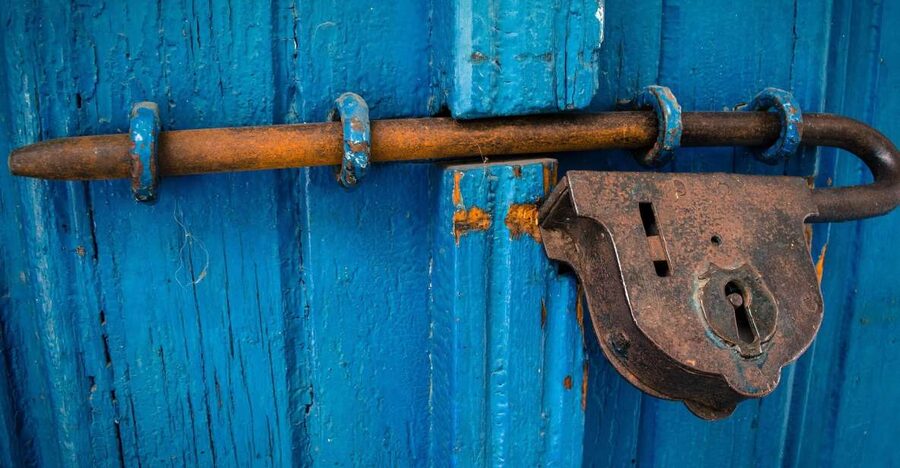
- The Ostertorwache cells offer a stark look at the old prison, including the cells once called those for impure women.
- Theater Bremen’s Kulissenkeller is the tour’s most distinctive stop, with backstage machinery and labyrinthine corridors.
- A German-speaking guide leads the entire two-hour visit and explains the sites as part of Bremen’s urban story.
- The meeting point is easy to identify at Passage Bischofsnadel, where the guide carries a red and white StattReisen-Bremen footprints bag.
- The program may shift, but the operator says a suitable alternative is offered if a location closes.
What this Bremen underground tour really offers
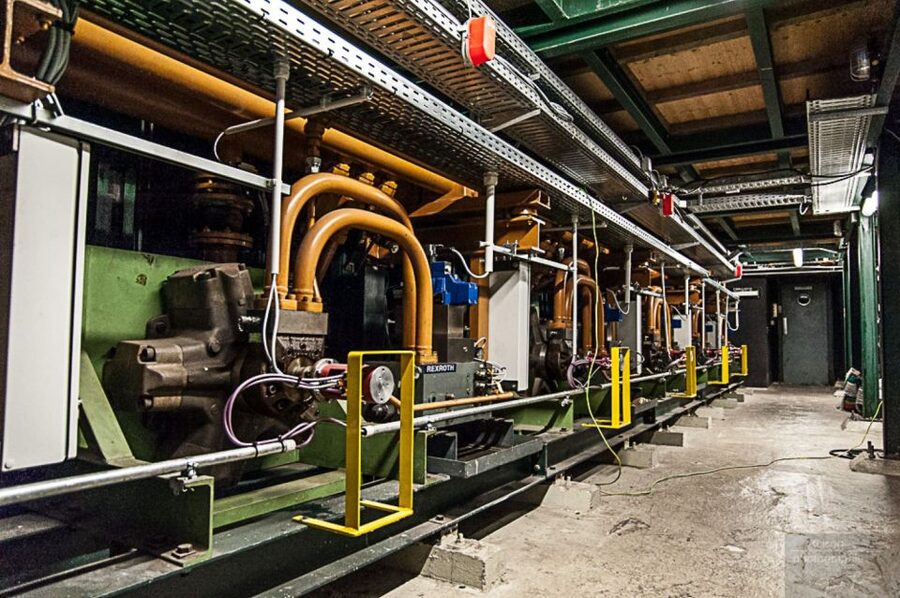
I would think of this experience as a guided look at forgotten rooms beneath important buildings, not as a traditional tunnel expedition. You move between locations in Bremen’s center and enter spaces that usually remain closed or overlooked.
That distinction matters. If you want a dramatic network of passageways, this may feel less adventurous than the name suggests. If you enjoy social history, old buildings, and the practical workings of a theater, the mix gives you much more than a simple cellar visit.
The tour lasts about two hours. That is enough time to give each stop some meaning without turning the outing into a full-day history lesson. The guide speaks German, so you should be comfortable following a live explanation in that language.
The tour is run by StattReisen Bremen e. V., a local organization focused on city walks and historical visits. No guide name is provided, but the guide is easy to spot by the bag marked with the red and white StattReisen-Bremen footprints.
More comedy & theatre shows in Bremen:
- Cologne: 1.5-Hour Comedy Bus Tour
★ 4.3 · 1,299 reviews - Berlin: 1.5-Hour Comedy Bus Tour in German
★ 4.5 · 1,165 reviews - Berlin: Laughing Spree Comedy Show on a Boat
★ 4.9 · 670 reviews
Meeting at Passage Bischofsnadel
You meet beside the water at Passage Bischofsnadel, between the tunnel and the sculpture Das Ende. This is a practical central meeting point, but you should allow a few minutes to find the exact spot rather than simply heading toward a general address.
Look for the guide’s red and white footprints bag. Since there is no hotel pickup or drop-off, you make your own way to the meeting point and leave from the final stop on your own.
The tour’s central setting helps its story. You are not driven from one attraction to another on the edge of town. Instead, the experience connects parts of Bremen’s center and shows how ordinary-looking buildings can contain difficult, surprising, or highly practical spaces below ground.
The synagogue cellar and a painful memorial
One of the first major stops is the cellar of a former synagogue. The synagogue was burned down by the Nazis in 1938, and the cellar now serves as a memorial site.
This is the most serious part of the tour. You are not simply looking at old brickwork or a preserved basement. The room points to the destruction of Bremen’s Jewish community and to the way persecution can be traced through a place that still survives below the street.
The setting is understated. The space is described as an old cellar vault, not as a fully rebuilt synagogue or a large museum. That can make the visit feel plain, especially if you have already spent time at major Jewish history museums or memorial sites. Still, the small scale is part of its value. The guide can connect a physical remnant to the larger events of 1938 and help you understand what the cellar represents.
I would give this stop your full attention, even if it seems quiet at first. The tour is strongest when you consider the contrast between the busy city above and the painful memory preserved below.
Inside the Ostertorwache prison cells
The tour then enters the Ostertorwache, an old prison. You visit the oppressive cells once called those for impure women.
The language used for these cells tells you something about the social attitudes of the period, but the room itself may be the more immediate lesson. Narrow, heavy, and functional spaces make prison history physical. You see where people were held rather than only hearing dates and names.
This stop will appeal most to anyone interested in criminal justice, local government, or the less polished side of city history. It is also a useful counterpoint to the synagogue cellar. One site deals with persecution and memory on a much wider historical scale. The other shows the everyday machinery of confinement inside a city institution.
Still, keep your expectations in check. The prison is an old building with cells, not a theatrical horror attraction. If you have already toured several former prisons, this part may feel familiar. The guide’s explanation is important here, because the architecture alone may not tell you why the Ostertorwache belongs in a tour about Bremen’s hidden spaces.
Same city, a completely different kind of day:
- Bremen: Walking Tour in German with Night Guard
★ 4.7 · 2,922 reviews - Bremen: City Center Guided Walking Tour
★ 4.5 · 2,709 reviews - Bremen: Underground Guided Tour
★ 4.1 · 1,408 reviews - Bremen: 3-Hour Beck’s Brewery Tour
★ 4.6 · 1,091 reviews
The Kulissenkeller beneath Theater Bremen
The theater cellar is the tour’s most unusual destination. Theater Bremen has a large backstage basement called the Kulissenkeller, with theatrical machinery and maze-like corridors.
This is where the tour shifts from memorial history to the practical world of stage production. You see the parts of theater that audiences rarely notice: storage, movement, construction, and the mechanical spaces that support what happens above the stage.
The word gigantic is used for the Kulissenkeller, and the description of labyrinthine corridors gives you a sense of why this stop is different from the other cellars. It is not just a dark room under a building. It is a working backstage environment with its own routes, equipment, and hidden structure.
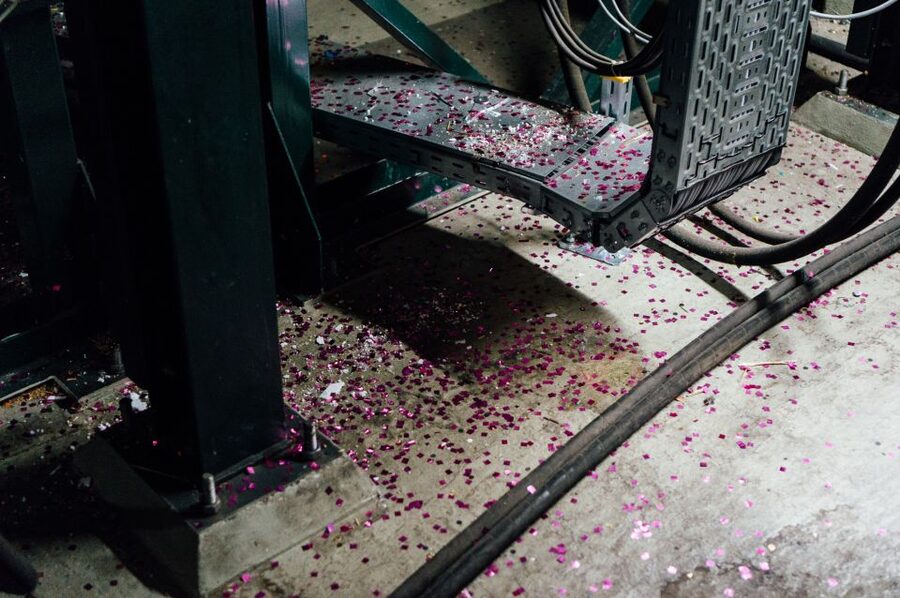
Timing may affect what you see. One recent tour took place while the stage was being prepared for an evening premiere, allowing the group to go onto and below the stage and look into the scenery cellar. That kind of access can make the theater stop especially memorable, but it should not be treated as guaranteed on every departure. The program can change for organizational reasons, and theater operations may limit which areas are open.
I like this stop because it explains how imagination is built. A finished performance can look effortless from the seats, but the cellar reveals the labor, machinery, and storage behind it. For families, this practical side of theater may be easier to connect with than a long historical lecture. A child who is restless in the prison cells may become much more curious once the backstage corridors appear.
Why the theater changes the shape of the tour
The first two stops carry weight because of what happened in them. The theater offers a different kind of interest. It is active, technical, and tied to the present use of the building.
That contrast keeps the tour from becoming repetitive. You move from a memorial cellar to prison architecture, then into the working machinery of a theater. Each place asks you to look at the city in a different way: through memory, authority, and performance.
The theater also gives the tour its strongest sense of access. A cellar memorial can be visited for its meaning, and a prison can be understood through its rooms. The Kulissenkeller adds the feeling of seeing a functioning building from the wrong side of the public entrance.
If you book mainly for the theater, ask StattReisen Bremen shortly before your tour date if that location will be open. The operator says a good alternative is arranged when a site must close, but an alternative may not have the same appeal for you.
The guide and the German-only format
The guide is central to the experience. The rooms themselves are not labeled as a standard museum exhibition, so the explanations give the stops their context and connect them into one story.
The tour is offered in German. You should be able to follow spoken German for two hours, including historical terms and explanations about buildings. There is no information here about an English-language departure or written translations, so do not assume that one will be available.
A strong guide can also adjust the tone from solemn memorial to curious theater visit. That range matters. The best parts of this experience are not simply the act of going downstairs, but understanding why each room exists and what it tells you about Bremen.
Recent feedback gives the guide high marks for clear explanations and genuine enthusiasm for local history. Families have also found the tour engaging, with children responding well to the variety of settings. That makes the experience a reasonable choice for families with older children who can manage a two-hour German-language tour.
Is $18 a fair price?
At $18, the tour is priced well for a two-hour guided experience with entry to every location included, depending on the option you book. You are paying for access, but also for the guide who explains spaces that would otherwise be difficult to interpret.
The value is strongest if the theater cellar is open. Theater access is the most unusual element, and the chance to see stage machinery, backstage routes, or preparation for a performance gives the tour a clear reason to exist.
The value is more mixed if you mainly want a large underground attraction. The tour does not promise a long connected tunnel system, and the first stops may feel modest if you have already visited similar prison buildings or Jewish history sites.
The price also makes the tour a useful addition to a day in Bremen rather than the main event of a whole visit. You can spend two hours below the center, then continue with other sights without committing a large part of your budget or schedule.
Who should book this experience?
I would recommend it to you if you enjoy local history in physical places. It suits people who prefer a small memorial cellar or old prison room to a large, polished museum, and it is especially good for anyone curious about how theaters work behind the curtain.
Families can consider it too. The variety helps, and children may find the backstage machinery and winding corridors more engaging than a standard city walk. You should still decide based on your child’s ability to listen in German and handle somber subject matter.
The tour is also a good choice for repeat visitors to Bremen. If you have already seen the central landmarks, this gives you a different view of the same city. The meeting point is central, the duration is manageable, and the price is low enough to try without much risk.
I would be more cautious if you want a tour in English, a physically dramatic tunnel experience, or a single major attraction with extensive displays. The itinerary is varied, but some spaces are simple and the program can change.
Practical details before you reserve
The guide and access to the visited locations are included. Transportation, hotel pickup, and drop-off are not included, so plan to reach Passage Bischofsnadel yourself.
You can cancel up to 24 hours before the tour for a full refund. A reserve-now-and-pay-later option is also available, which helps if your Bremen schedule is still changing.
The tour lasts two hours, but the exact starting time depends on availability. Check the departure time carefully, especially if you hope to see the theater during stage preparation or need to fit the tour around another booking.
The operator warns that organizational issues can force changes to the program. Ask shortly before your date if a particular location matters most to you. A replacement site is promised if a closure occurs, but the exact alternative is not specified.
Should you book the Bremen Underworld Tour?
Book it if you want a thoughtful, German-language look at Bremen’s less visible rooms, especially if the Theater Bremen Kulissenkeller is open. The theater cellar gives the tour its strongest sense of discovery, while the synagogue memorial and Ostertorwache add serious local context.
Skip it if the phrase underworld makes you expect long tunnels or a spooky underground attraction. You will instead visit cellars and enclosed rooms in different historic buildings. At $18, the risk is small, but your enjoyment will depend on your interest in guided history and your ability to follow German.
For a first visit, I see this as a worthwhile two-hour extra rather than a replacement for Bremen’s major sights. For a repeat visit, it may be exactly the sort of offbeat, place-based experience that gives the city more depth.
FAQ
How long does the Bremen Underworld Tour last?
The tour lasts two hours.
What language is the tour in?
The live tour guide speaks German. No other tour language is listed.
Where is the meeting point?
Meet at the waterside of Passage Bischofsnadel, between the tunnel and the sculpture Das Ende. The guide carries a red and white StattReisen-Bremen footprints bag.
What places are visited?
The tour can include the cellar of the former synagogue, the old prison cells of the Ostertorwache, and the basement of Theater Bremen, known as the Kulissenkeller. It also discusses a bunker that became an art venue.
Is transportation included?
No. Pickup and drop-off are not included. Access to the places visited and the tour guide are included, depending on the option booked.
Can I cancel the tour for a refund?
Yes. You can cancel up to 24 hours in advance for a full refund. A reserve-now-and-pay-later option is also available.
Just added around Bremen
- Bremen Private Walking Tour With A Professional Guide★ 5.0 · 7 reviews
- Private Walking Tour through the Fascinating Bremen’s City Center★ 5.0 · 5 reviews
- e-Scavenger hunt Bremen: Explore the city at your own pace★ 4.0 · 24 reviews
- Bremen Exploration Private Game and City Tour on your Phone★ 4.5 · 7 reviews
- A Self-Guided Audio Tour of Bremen’s Old Town★ 5.0 · 5 reviews
- The Dark Side of Bremen: Killers and Criminals★ 4.4 · 264 reviews
- Bremen: Übersee Museum Entrance Ticket★ 4.3 · 59 reviews
- Bremen Schwachhausen: Crime Mystery Tour★ 3.6 · 4 reviews
Comedy & Theatre Shows, compared.


Quatsch Comedy Club Berlin: Die Live Show Entry Ticket
Read our review →
Browse the lists this tour appears in