
Reviewed · BREMEN TOURS
Bremen: Underground Guided Tour
Bremen’s best secrets are not above street level. This two-hour tour takes you behind locked doors and below familiar places, from a medieval cathedral crypt to Cold War bunkers and an underground supply street that once escaped the notice of Bremen’s police. You choose between two routes, each with a different mix of war history, church history, and odd urban stories.
I like the way the tour uses real places rather than a museum display, and I like the strong sense of contrast: one stop may be a solemn crypt, the next a huge concrete shelter under a railway station. Guides such as Thomas and Peter have earned special praise for clear, engaging talks. The main caution is physical: this is not a sit-down sightseeing trip, and you should be comfortable walking and using underground access points.
In This Review
- Key points at a glance
- Bremen below the pavement
- Unterwelten 1: from the elephant statue to Bremen Cathedral
- Along the ramparts to the Church of Our Lady
- Unterwelten 2: Bremen’s secret underground street
- Former banana-ripening halls at the freight yard
- The Admiralstraße ABC Hochbunker
- Which route should you choose?
- Walking, access, and the practical side
- Is $18 a fair price?
- Who will enjoy this underground tour?
- Should you book Bremen’s Underground Guided Tour?
- FAQ
- How much does the Bremen Underground Guided Tour cost?
- How long does the tour last?
- Are there different tour options?
- What language is the tour in?
- Does the tour include admission to the sites?
- Is hotel pickup or drop-off provided?
- Where does the tour meet?
- Can I cancel for a full refund?
- Are the locations always open as described?
Key points at a glance
- Two different underworld routes: Choose Unterwelten 1 for crypts and bunkers, or Unterwelten 2 for hidden streets, railway history, fruit warehouses, and the Admiralstraße bunker.
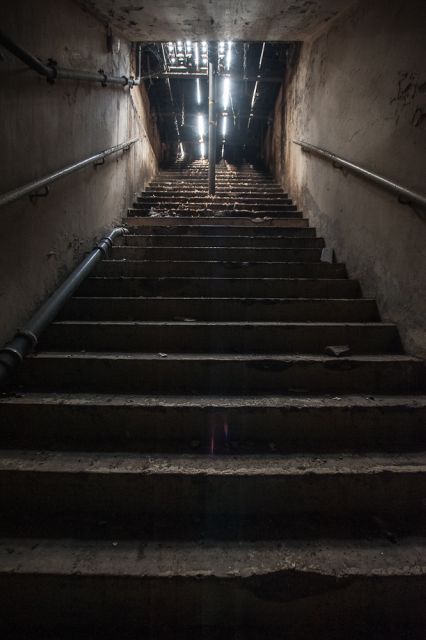
- A rare look below Bremen Central Station: The former air-raid shelter was later converted into an ABC bunker during the Cold War.
- Medieval Bremen survives underground: The Cathedral crypt and the crypt at the Church of Our Lady connect the city’s religious past with its modern streets.
- An unusual commercial secret: Unterwelten 2 visits Bremen’s first and only underground street, built to supply nearby shops.
- A two-hour German-language experience: The live guide provides the context, but you need enough German to follow the explanations.
- Good value for history fans: At $18 per person, the tour gives access to places you could not normally enter on your own.
Bremen below the pavement
Most visitors experience Bremen through its market square, churches, town hall, and old streets. This tour asks you to look down instead. Its appeal comes from places that are easy to miss because they are hidden, sealed, or used for purposes far removed from ordinary sightseeing.
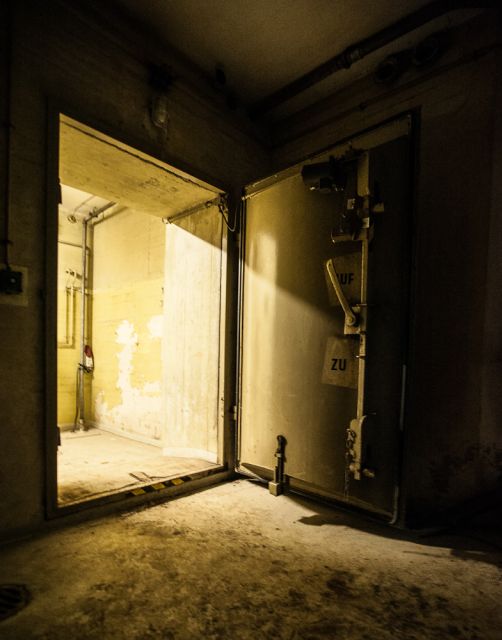
You are not simply hearing that Bremen suffered wartime damage or prepared for nuclear attack. You enter shelters built for those threats. You do not just pass a church and admire its stonework. You go into a crypt that once served as a medieval burial place.
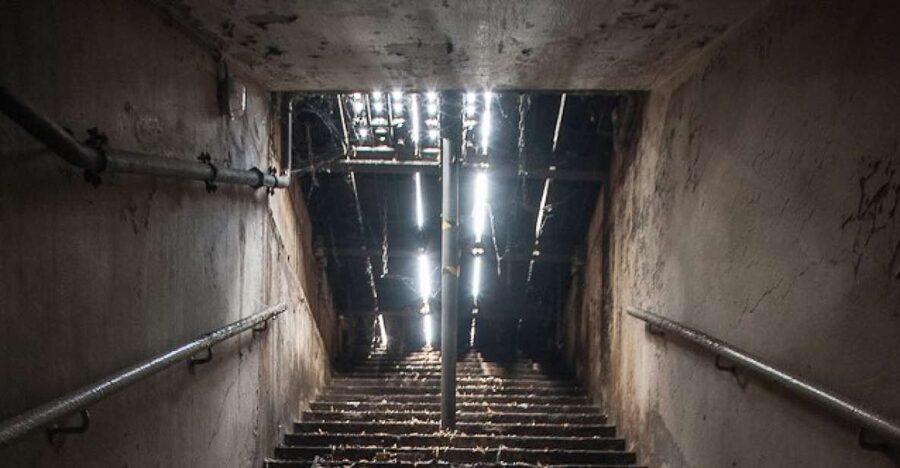
That physical setting gives the history weight. Concrete walls, enclosed stairways, vaulted ceilings, and old photographs make the past easier to picture. The mood can also turn serious, especially in the bunkers, where the focus is on civilian protection and the changing fears of the 20th century.
The tour is offered in German, with a live guide. That matters more here than it would on a simple walking tour because much of the value lies in the explanation of why each place exists and how its use changed. If your German is limited, you may still enjoy the atmosphere and architecture, but you could miss much of the historical detail.
A few more Bremen trips to weigh up
- Bremen: City Center Guided Walking Tour
★ 4.5 · 2,709 reviews - Bremen: Old Town Tour with Costumed Performer & Tour Guide
★ 4.3 · 257 reviews - Bremen: Night Watchman Guided Tour for Children (in German)
★ 4.7 · 77 reviews
Unterwelten 1: from the elephant statue to Bremen Cathedral
Unterwelten 1 begins at the elephant statue, a memorable meeting point and a fitting starting marker for a route that quickly leaves ordinary Bremen behind. From there, you descend into a crypt and hear about its past and current use.
The exact mood of this first stop depends on your interests. If you enjoy religious buildings and old burial customs, the crypt offers a direct link to Bremen’s medieval life. If you prefer industrial or military history, it may feel quieter than the bunker stops that follow. Still, it sets up one of the tour’s main ideas: the city has always had another layer beneath its public face.
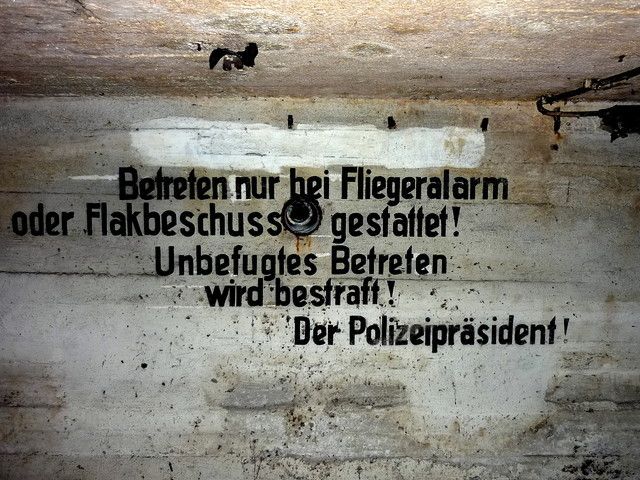
The route then reaches the large ground-level air-raid shelter at Bremen Central Station. Built in the 1940s, it later became an ABC bunker during the Cold War. ABC refers to atomic, biological, and chemical threats, so this was not simply a wartime shelter left untouched after 1945.
This stop is especially useful for understanding how public fears changed. During the Second World War, the immediate concern was aerial bombing. During the Cold War, the danger was imagined on a larger and more destructive scale. The shelter’s changing role shows how Bremen adapted old defensive spaces to new threats.
The central station location also gives the bunker added meaning. Rail stations are places of movement, trade, and daily life, yet beneath this one was a space designed for emergency survival. You get a sharp reminder that modern transport hubs were also exposed targets.
Along the ramparts to the Church of Our Lady
After the station bunker, the route crosses Bremen’s ramparts on the way to the Church of Our Lady. The walk helps connect the underground stops rather than treating each one as an isolated room.
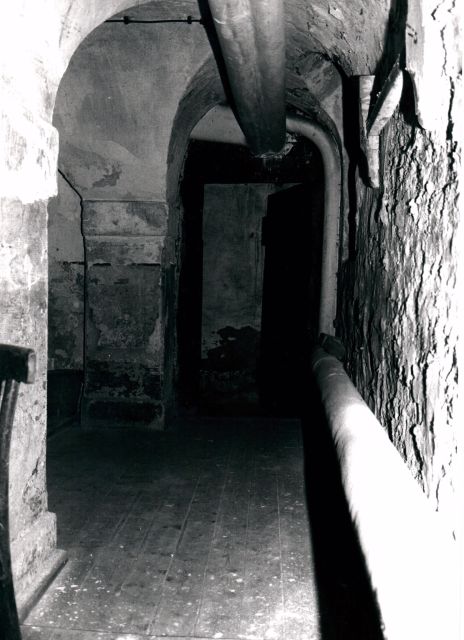
At least eight bunkers are located around the Church of Our Lady. Historical photographs show how these structures once looked, which is useful because many are no longer obvious to someone walking through the area today. You can compare the old images with the present streets and see how much of the wartime city has been covered, altered, or absorbed into later development.
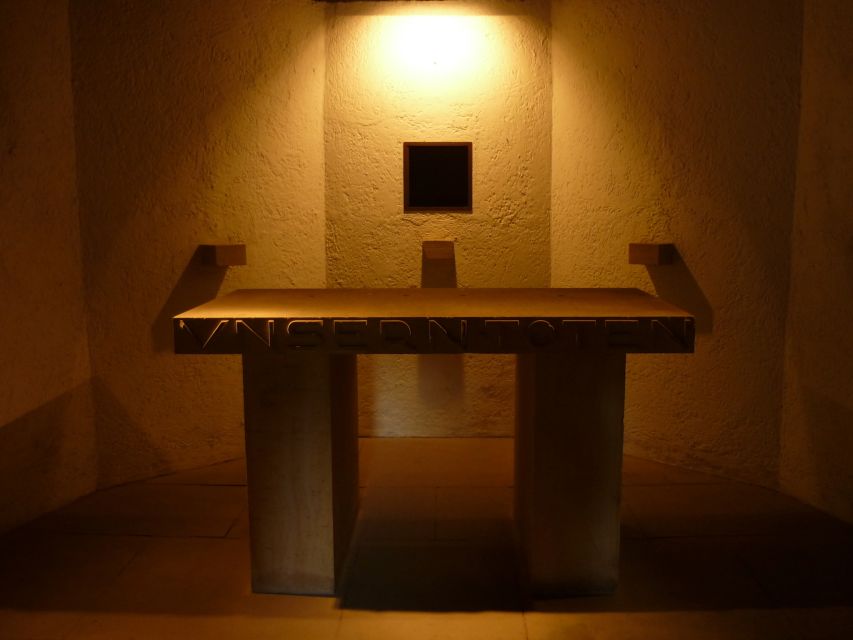
The church visit ends with another crypt, this one used as a tomb during the Middle Ages. It gives Unterwelten 1 a pleasing balance. You move from military shelters to a religious burial space, from 20th-century concrete to medieval stone and vaulted architecture.
The word eerie fits this part of the tour, but the experience is not built only around fright. Its value comes from the way the guide links ordinary places to less visible chapters of Bremen’s past. You may leave with a different view of streets you have already walked above.
Unterwelten 2: Bremen’s secret underground street
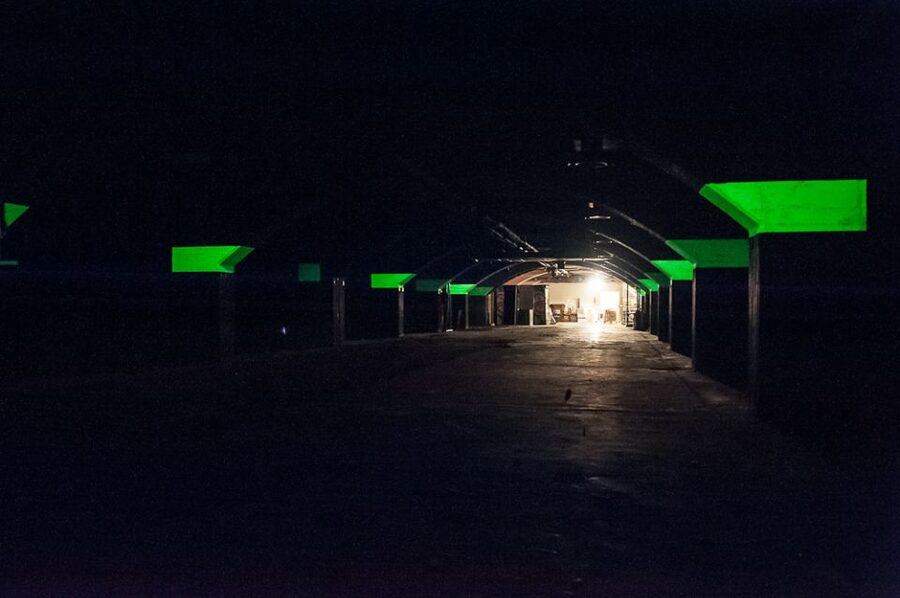
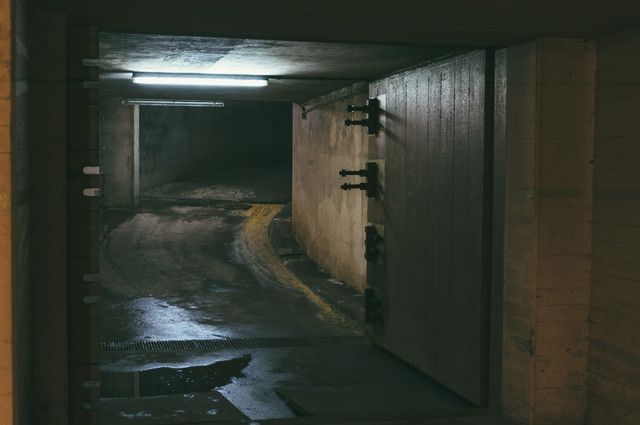
Unterwelten 2 takes a more urban and industrial route. It begins at Bremen’s first and only underground street, created to supply the shops around it.
The unusual part is not just the construction. The passage was reportedly unknown to Bremen’s police for a long time, giving it a touch of local mystery without turning the tour into a ghost story. Its purpose was practical: moving goods below street level so nearby businesses could be supplied.
This stop suits you if you like the small, strange details that standard city tours often skip. A hidden supply route says something about how Bremen’s commercial life worked, and it shows that underground construction was not limited to military use or religious buildings.
The route then returns to the Central Station area. Historical photographs explain what once lay beneath the green forecourt of the Overseas Museum and why the station was not destroyed during the Second World War.
That combination of images and explanation is important. Much of Bremen’s underground story is invisible now, so old photographs give you a way to picture what stood there before later changes. The question of why the central station survived adds a practical wartime angle to a building many people see only as a transport stop.
Same city, a completely different kind of day:
- Bremen: Walking Tour in German with Night Guard
★ 4.7 · 2,922 reviews - Bremen: 3-Hour Beck’s Brewery Tour
★ 4.6 · 1,091 reviews - Bremen: Walking Tour of Historic Schnoor District
★ 4.8 · 429 reviews - Bremen: Universum Science Center Entrance Ticket
★ 4.6 · 324 reviews
Former banana-ripening halls at the freight yard
Unterwelten 2 continues to Bremen’s freight yard and the former banana-ripening halls of the fruit yard. Before the First World War, these facilities helped Bremen residents enjoy exotic fruit.
This is one of the route’s most unexpected subjects. Bunkers and crypts naturally suggest danger, death, or solemnity. Banana-ripening halls point instead to trade, shipping, storage, and changing consumer habits. They show Bremen as a port and commercial city, connected to goods arriving from far beyond northern Germany.
You should not expect a functioning market or a restored food hall. The interest is in the former use of the depot and in the way the guide brings a forgotten part of the freight yard back into the story. For anyone interested in industrial heritage, this may be the highlight of Unterwelten 2.
The stop also prevents the tour from becoming a single-note account of wartime architecture. Bremen’s underworld includes places built for commerce as well as places built for protection.
The Admiralstraße ABC Hochbunker
Unterwelten 2 ends at the large ABC Hochbunker on Admiralstraße. You descend into the bunker and trace the story of air-raid shelters from the Second World War through the changes of the 20th century.
The name Hochbunker refers to a tall above-ground bunker, rather than a shelter cut beneath a hill or buried far below the city. The visit focuses on how bunker design and purpose developed over time. That makes it a strong final stop because the earlier shelters and wartime photographs now have a wider frame.
The bunker is likely to appeal most to you if military history, civil defense, and Cold War planning are your main interests. It is less polished than a conventional museum, and that is part of its appeal. You encounter a real defensive structure, not a recreated set.
At the same time, concrete bunkers can feel repetitive if you have little interest in 20th-century history. The guide’s storytelling becomes important here. The positive comments about Thomas as an engaging speaker and Peter as an informative guide suggest that the quality of presentation can shape the visit. Since the tour is in German, choose this option only if you can follow a spoken historical explanation.
Which route should you choose?
Pick Unterwelten 1 if you want the broadest mix of religious history, wartime shelters, Cold War planning, and a walk through central Bremen. It includes the crypt at the opening, the Central Station air-raid shelter, the ramparts, the Church of Our Lady, and its medieval tomb crypt.
Pick Unterwelten 2 if odd urban infrastructure and working history sound more appealing. Its underground street, Central Station photographs, freight-yard banana halls, and Admiralstraße ABC Hochbunker create a more commercial and industrial route.
Both options include entry to the places visited on that route and a guide. The meeting point changes depending on your choice, so check the exact starting place before setting out. There is no pickup or drop-off, and the tour itself lasts two hours.
If you have only one chance to explore Bremen’s underground spaces, think about your priorities rather than trying to guess which route is universally better. Unterwelten 1 has more church and city-center connections. Unterwelten 2 has the more unusual supply street and freight-yard material.
Walking, access, and the practical side
A two-hour tour sounds modest, but the physical demand deserves attention. You walk between locations, enter underground or bunker spaces, and may need to manage stairs or uneven access points. One recent booking specifically flagged that the activity suits people who are good on their feet.
The published information does not give a detailed accessibility assessment, so do not assume step-free access. If mobility is a concern, ask the operator shortly before the date about the exact route and locations. The operator notes that organizational changes can sometimes affect the program, with a good alternative offered if a site closes.
Wear practical shoes and avoid treating this as a polished indoor museum visit. The spaces are valued because they are genuine and usually closed to the public, which also means comfort and access may vary from stop to stop.
The German-only format is another key consideration. You receive a live guide rather than a self-guided audio visit, so the tour works best if you can understand conversational German. The names Thomas and Peter appear in recent praise for strong speaking and informative guidance, but the specific guide for your departure may differ.
Is $18 a fair price?
At $18 per person, I consider this a good value for the right audience. The fee includes the guide and access to all places on your selected route. Several of those spaces are not ordinary public attractions, so the price pays for access as much as for the commentary.
You are not buying a full-day museum program or a broad overview of Bremen. You are buying two focused hours and a chance to enter places that most people pass without noticing. That makes the value strongest for repeat visitors, history fans, architecture enthusiasts, and anyone who prefers unusual local experiences to standard landmark tours.
The price is less compelling if you want a general introduction to Bremen or if you speak little German. In that case, a conventional city walk in a language you understand may give you more useful context. The same is true if you need a fully accessible route.
Free cancellation up to 24 hours before the start and reserve-now, pay-later booking make it easier to fit the tour into a changing schedule. Those policies are helpful, but the main value still comes from the places themselves and your ability to understand the guide.
Who will enjoy this underground tour?
I would recommend it to you if you like:
- Wartime and Cold War history presented at the actual sites
- Religious buildings, crypts, and medieval burial spaces
- Industrial heritage and the story of Bremen’s freight trade
- Old photographs that reveal how familiar places once looked
- Small-group-style local experiences centered on unusual access
- A tour that mixes serious history with curious details, such as a secret supply street and banana-ripening halls
I would be cautious about booking it if you want a relaxed stroll, have difficulty walking, or need English commentary. The German language is stated clearly, while the walking demands deserve more attention than they sometimes receive.
Should you book Bremen’s Underground Guided Tour?
Book it if you want to see the city from a less polished, more revealing angle. Unterwelten 1 is the better pick for crypts, churches, ramparts, and the central station bunker. Unterwelten 2 is the stronger choice for hidden infrastructure, freight history, and the Admiralstraße ABC Hochbunker.
At $18, the tour offers solid value because it opens doors you could not normally enter alone. Just confirm your route, meeting point, language needs, and physical ability before paying. If those fit, this is a memorable way to add depth to a visit to Bremen without spending half a day or a large sum.
FAQ
How much does the Bremen Underground Guided Tour cost?
The tour costs $18 per person.
How long does the tour last?
The tour lasts two hours.
Are there different tour options?
Yes. You can choose between Unterwelten 1 and Unterwelten 2, which visit different underground and bunker locations.
What language is the tour in?
The live guided tour is conducted in German.
Does the tour include admission to the sites?
Yes. Access to all places visited on your selected route is included.
Is hotel pickup or drop-off provided?
No. Pickup and drop-off are not included.
Where does the tour meet?
The meeting point varies according to the option you book. Check the details for your selected route.
Can I cancel for a full refund?
Yes. You can cancel up to 24 hours in advance for a full refund.
Are the locations always open as described?
The program can change because of organizational constraints. If a particular location closes, the operator says a good alternative will be provided.
Just added around Bremen
- Bremen Private Walking Tour With A Professional Guide★ 5.0 · 7 reviews
- Private Walking Tour through the Fascinating Bremen’s City Center★ 5.0 · 5 reviews
- Bremen Exploration Private Game and City Tour on your Phone★ 4.5 · 7 reviews
- e-Scavenger hunt Bremen: Explore the city at your own pace★ 4.0 · 24 reviews
- A Self-Guided Audio Tour of Bremen’s Old Town★ 5.0 · 5 reviews
- Bremen: Underworld Tour with the Cellar of the Theatre★ 4.2 · 74 reviews
- The Dark Side of Bremen: Killers and Criminals★ 4.4 · 264 reviews
- Bremen: Übersee Museum Entrance Ticket★ 4.3 · 59 reviews
Bremen Tours, compared.


Old Town Tour with Costumed Performer & Tour Guide
Read our review →
Browse the lists this tour appears in