
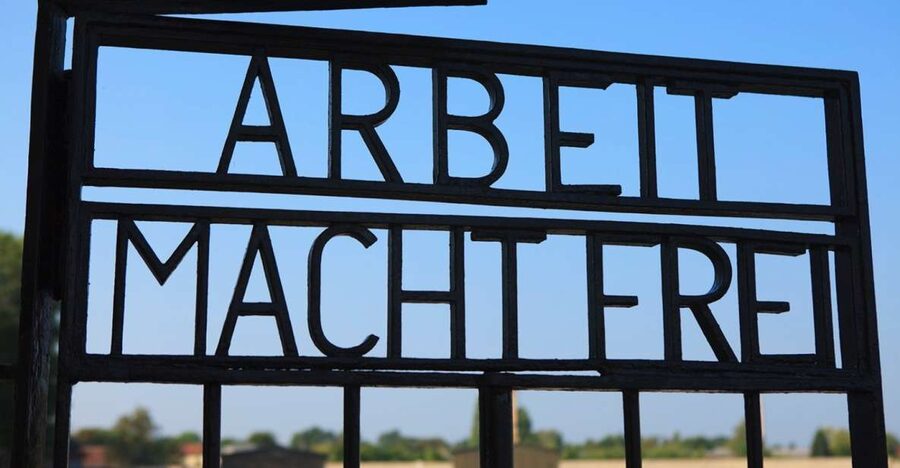
Reviewed · CONCENTRATION CAMP MEMORIAL TOURS
Berlin: Sachsenhausen Memorial 6-Hour Tour in Spanish
Sachsenhausen is not a casual day trip. It is a serious memorial site where the A Tower, Station Z, prisoner barracks, and museum explain how a concentration camp worked under the Nazis and later served as a Soviet gulag. The Spanish-language guide helps you follow the story without fighting through German texts.
I like the 50-minute train ride, which makes this important site easy to reach from central Berlin, and I like the use of survivor accounts, photographs, and official documents rather than a bare list of dates. Guides named Héctor and Helena have been especially well received for clear, direct explanations.
The main drawback is the six-hour commitment and the emotional weight of the visit. You also need to buy your own ABC public-transport ticket and bring food and water, since there is no shop at Sachsenhausen.
In This Review
- Key points to know before you go
- From Alexanderplatz to Sachsenhausen in 50 minutes
- Why Sachsenhausen mattered beyond one camp
- The A Tower and the camp entrance
- Station Z and the hardest part of the visit
- Survivor accounts, photographs, and official documents
- From Nazi camp to Soviet special camp
- What the six-hour format means for you
- The Spanish-speaking guide makes the difference
- Is $41 good value?
- Who should book this Sachsenhausen tour?
- Should you book it?
- FAQ
- Where does the Sachsenhausen tour meet in Berlin?
- How long does the tour last?
- How long is the train ride to Sachsenhausen?
- Is public transportation included?
- Is the tour conducted in Spanish?
- What locations are visited at Sachsenhausen?
- What is Station Z?
- Should I bring food and water?
- Can I cancel the booking?
Key points to know before you go
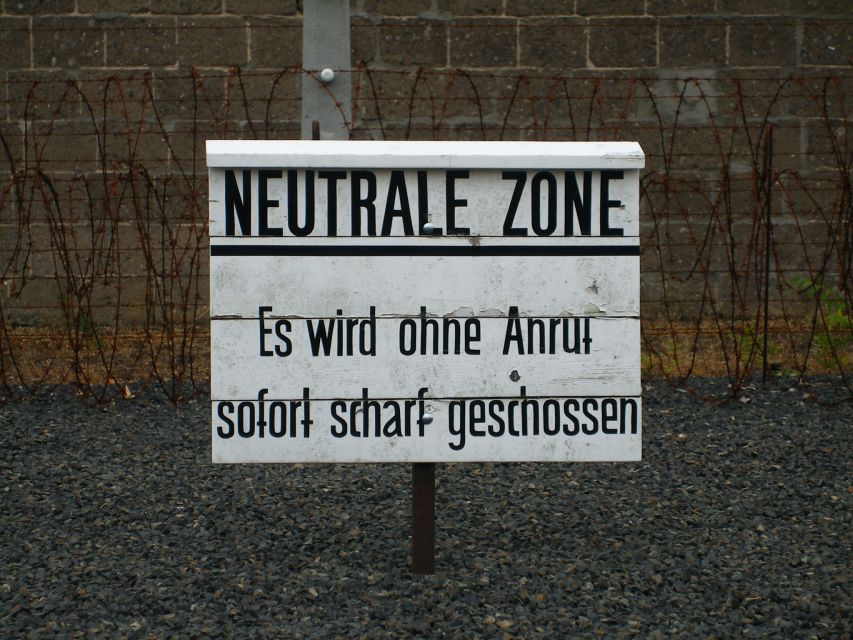
- Station Z: See the killing facility built in 1942, one of the most disturbing parts of the memorial.
- A Tower: Learn how roll call worked at the camp entrance and why this location mattered.
- Spanish guidance: Follow the history through spoken explanation, survivor accounts, photographs, and documents.
- Two layers of history: The site covers both Nazi imprisonment and its later use as a Soviet special camp.
- Six-hour schedule: Allow time for the train journey, outdoor areas, museum exhibits, and the return to Berlin.
- Bring an ABC ticket, snacks, and drinks: Transport is not included, and food is unavailable at the memorial.
From Alexanderplatz to Sachsenhausen in 50 minutes
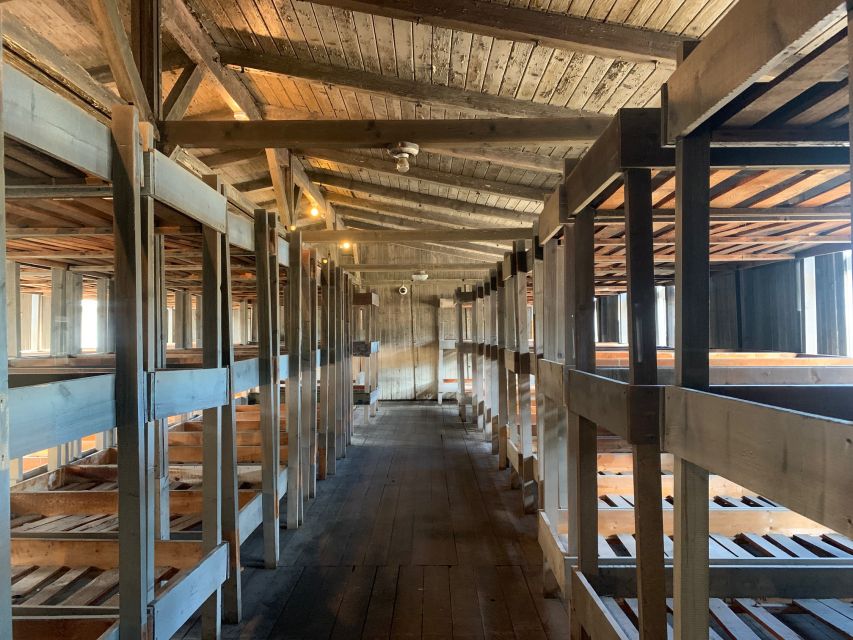
The tour begins beside the Alexanderplatz TV Tower, between the tower and Alexanderplatz train station, near Espresso House. Look for the green flag marked tours en español beside the tower’s only entrance.
That meeting point is easy to identify, but Alexanderplatz can be busy and confusing, especially if you are carrying luggage or arriving by a different train line. I would get there early enough to locate the tower, the station, and the flag without rushing.
From here, you travel by public transport toward the northern outskirts of Berlin. The ride takes about 50 minutes. Your ABC transport ticket is not included, so arrange that before the tour starts. This extra cost matters when you compare the $41 tour price with a self-guided visit.
The train ride also gives you time to prepare for the subject ahead. Sachsenhausen is close enough to Berlin for a half-day visit, but far enough from the city center to feel separate from ordinary sightseeing. The change from Alexanderplatz’s shops and traffic to the memorial site is part of the day’s rhythm.
The full activity lasts six hours. That includes the journey, the guided visit, and the return trip. I would avoid pairing it with a packed schedule of museums or evening reservations. The subject deserves time, and you may want a quiet hour afterward.
More Concentration Camp Memorial Tours in Berlin
- Berlin: Sachsenhausen Concentration Camp Tour in English
★ 5.0 · 5,711 reviews - Berlin: Sachsenhausen Concentration Camp Memorial Tour
★ 4.7 · 3,716 reviews - Sachsenhausen Concentration Camp Bus Tour in English from Berlin
★ 5.0 · 1,962 reviews
Why Sachsenhausen mattered beyond one camp
Sachsenhausen was created near Berlin as a model concentration camp. It was also used as the administrative center for the wider Nazi concentration-camp system. That gives the site a special place in the history of Nazi Germany: it was not only a place of imprisonment and murder, but also part of the system that organized other camps.
More than 200,000 people passed through Sachsenhausen. At least 50,000 died. Those figures are difficult to grasp on their own, which is why the camp layout and surviving structures matter. You are not simply hearing about an event in a distant place. You are walking through a preserved site built to control, exploit, and kill people.
The tour explains the camp’s origins, the daily life forced on prisoners, and the work they were made to perform. The focus is not limited to the final acts of murder. You also learn how authority, roll calls, labor, punishment, documents, and routine helped make the camp function.
That wider explanation is one of the tour’s strongest features. If you visit Sachsenhausen alone, you can see the structures but miss how they fit together. A Spanish-speaking guide can connect the physical site with the legal and administrative machinery behind it.
One recent visitor singled out the value of understanding how the camp operated from a legal point of view. That is an important angle. The system was not random chaos. It used rules, orders, records, and official offices to control prisoners and organize violence.
The A Tower and the camp entrance
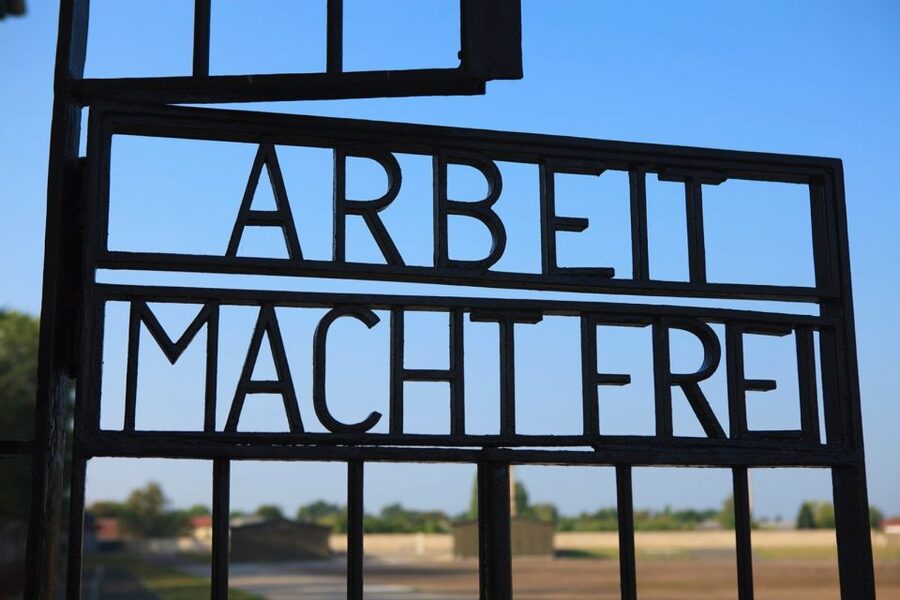
The A Tower was the roll-call location. Here, prisoners were counted and controlled, sometimes under harsh conditions. The entrance area is often the first major point where the camp’s design becomes clear.
The name may sound ordinary, but roll call was not a simple attendance check. It was part of the camp’s discipline and control. The guide uses this location to explain how prisoners were arranged, monitored, and made to submit to the camp’s authority.
I find this kind of explanation more useful than a quick photo stop. The A Tower helps you understand the camp as a planned system. You see how the entrance, the central area, and the surrounding structures worked together.
The outdoor setting also means weather can affect the visit. In December, one visitor described severe cold and wind during the tour. That may have made the day harder, but it also shows why warm clothing matters. Do not treat this as an indoor museum visit. Much of the experience takes place outside.
Wear practical shoes and check the forecast. The tour is wheelchair accessible, but the site is large and includes outdoor areas. If you have particular mobility needs, it is sensible to confirm the practical route with the provider before departure.
Station Z and the hardest part of the visit
Station Z was added in 1942 to kill victims quickly and clinically. It is one of the tour’s most sobering stops.
The name has an administrative sound, but the purpose was direct and brutal. The guide explains what Station Z was, why it was built, and how it fitted into the camp’s machinery of death. This is not a place for casual photographs or hurried sightseeing.
For many people, Station Z will be the emotional center of the visit. I would not plan to rush from it to another attraction. Give yourself room to listen, process the information, and move through the area at a respectful pace.
The tour does not soften the subject. That is appropriate here. A strong guide needs to explain the facts plainly without turning the site into a theatrical performance. The direct style praised for Héctor, described as speaking without euphemisms, will suit you if you prefer clear language over a softened presentation.
This part of the tour may not suit young children or anyone who wants a light historical outing. The experience deals with mass death, imprisonment, forced labor, and the deliberate organization of killing. Read the subject matter before booking so you know what kind of day you are choosing.
Same city, a completely different kind of day:
- Berlin: Reichstag, Dome and Government District Guided Tour
★ 4.7 · 18,288 reviews - Berlin: 1-Hour City Tour by Boat with Guaranteed Seating
★ 4.3 · 16,993 reviews - Berlin: Boat Tour Along the River Spree
★ 4.4 · 11,252 reviews - Discover Berlin Half-Day Walking Tour
★ 5.0 · 9,624 reviews
Survivor accounts, photographs, and official documents
Sachsenhausen includes a museum and several informative exhibits. The tour uses survivor accounts, photographs, and official documents to fill in the human and institutional story.
Each type of evidence does a different job. Survivor accounts show what imprisonment felt like. Photographs reveal people and places that can otherwise seem abstract. Official documents help you understand how the system recorded and managed its crimes.
That combination is valuable because a concentration camp can be difficult to interpret from buildings alone. Barracks, fences, watchtowers, and foundations show the physical setting, but documents explain how people were brought there, assigned work, punished, and killed.
The Spanish-language format is particularly useful if Spanish is your strongest language. You can spend your attention on the subject rather than translating German labels or trying to read every panel quickly. The guide can also point out which details matter most when the museum contains more material than you can absorb in one visit.
I would still expect some time to read and look independently. A guided visit gives the site structure, but the exhibits may leave you wanting a quiet moment with a photograph or testimony. The balance between spoken explanation and personal reflection is part of what makes a memorial visit meaningful.
From Nazi camp to Soviet special camp
The history of Sachsenhausen did not end with the fall of Hitler. After the war, the Soviet authorities transformed the site into a gulag, or special camp, for their own prisoners.
This second period is important, but it can easily be overlooked when people think only of the Nazi camp. The tour places Sachsenhausen in both historical periods, showing how one site was later used by another authoritarian government for imprisonment.
The Soviet-era story does not cancel or blur the Nazi crimes. It adds another layer of suffering and raises difficult questions about how places of detention are reused after political power changes.
The GDR memorial is part of this later history. GDR refers to East Germany, and the memorial reflects how Sachsenhausen was presented and remembered during that period. You will see how memory itself became part of the site’s story.
I like that the tour includes this material because it prevents a simple beginning-and-end account. You learn about the camp under the Nazi regime, then about its Soviet use, and then about how the site has been preserved for education and remembrance.
What the six-hour format means for you
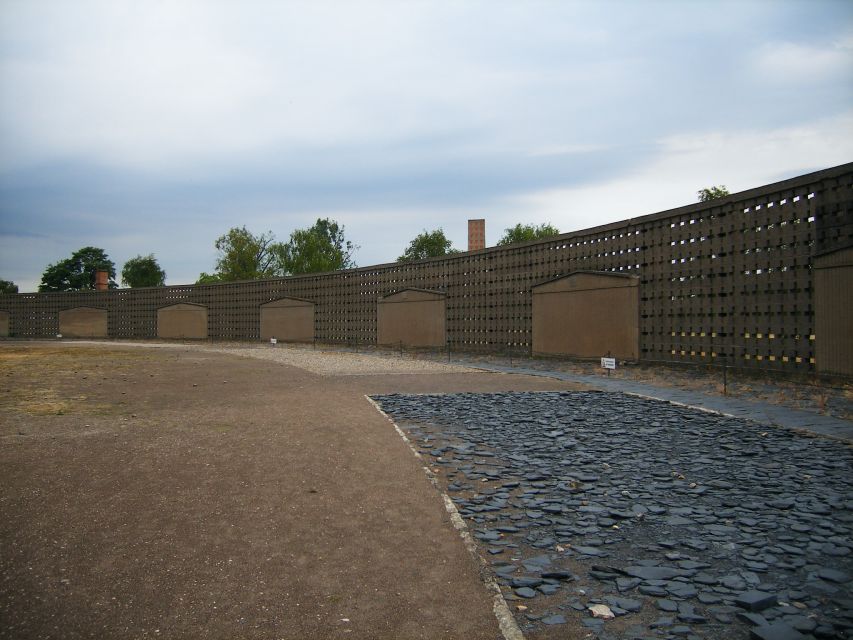
Six hours may sound long for one memorial, but Sachsenhausen is not a single building. You have the outward and return journeys, the camp grounds, the main structures, the museum, and exhibits covering two eras.
A shorter visit could show you the entrance and a few key locations. This format gives the guide time to explain the camp’s origins, prisoner life, work, administration, Station Z, and the Soviet period.
The length is also a drawback if you have only a short stay in Berlin. You will spend much of the day away from the city center. If this is your only day in Berlin, compare it with your other priorities before booking.
For me, the schedule makes sense for anyone who considers the memorial a central reason for visiting Berlin. It is less suitable for someone trying to squeeze in a quick historical stop between the Reichstag, Museum Island, and an evening show.
Bring snacks and drinks. There is no shop at Sachsenhausen, and six hours is too long to assume you can buy something when you need it. This is a small practical point, but it can make a major difference on a cold or tiring day.
The Spanish-speaking guide makes the difference
The tour is conducted in Spanish, and that is its main advantage over a standard visit with German or English material. The subject includes difficult names, dates, political terms, and institutional details. Clear explanation in your own language helps you follow the connections.
The guide is not there only to point at buildings. The strongest parts of the tour explain what life would have been like for prisoners and what work they were forced to perform. The guide also links personal accounts with official records.
Guide quality matters greatly at a memorial. The right tone is factual, respectful, and direct. Feedback about Héctor describes a guide who speaks plainly and knows how to explain the subject without avoiding its worst facts. Helena has also been warmly praised by name. Guide assignments can vary, so book this for the Spanish format and the subject, not for a promise of one specific person.
The high overall score of 4.8 from 549 ratings suggests that the experience is reliably well received. More useful than the number itself is the pattern in the comments: strong appreciation for the guide’s historical explanation, including how the camp worked legally and administratively.
One practical communication issue has also been raised: having a direct contact number would be helpful if app messages, calls, or emails fail. I would save the meeting-point details and allow extra time at Alexanderplatz rather than depend on last-minute contact.
Is $41 good value?
At $41 per person, the tour is reasonably priced for a six-hour guided visit with transport from central Berlin, although your public-transport ticket is extra. The $3 Concentration Camp Foundation surcharge is included.
The value comes from the structure and interpretation. You are not only paying to reach Sachsenhausen. You are paying for a Spanish-speaking guide, a planned route through the site, explanation of the Nazi and Soviet periods, and help understanding documents and survivor accounts.
A self-guided visit may cost less, especially if you already have transport and can read the exhibits comfortably. But you would need to work out the route, identify the key locations, and build the historical connections yourself.
The tour is a better deal if you want a guided explanation in Spanish or if this is your first visit to a concentration-camp memorial. It is less compelling if you prefer to move at your own pace, spend long periods reading alone, or already know the history well.
Free cancellation up to 24 hours before departure and the reserve-now, pay-later option make the booking more flexible. Those policies are useful when your Berlin plans are still changing, but they do not remove the need to prepare for the weather and the emotional demands of the visit.
Who should book this Sachsenhausen tour?
I would choose this tour if you want to understand how the camp functioned, not simply see a memorial site. It suits Spanish-speaking visitors who value a guide’s spoken context and want the Nazi and Soviet periods treated together.
It is also a good fit for first-time visitors to Germany who may find the local language difficult. One first-time visitor described the experience as especially helpful while dealing with German language barriers.
You should think twice if you want a light excursion, have no interest in the Soviet period, or have a tight Berlin schedule. The subject is painful, the day is long, and the outdoor setting can be uncomfortable in poor weather.
Should you book it?
Book this Sachsenhausen tour if you want a serious, guided memorial visit in Spanish and you value clear explanations of the camp’s legal, administrative, and human realities. The easy train connection, included foundation surcharge, museum access, and six-hour structure give you a solid visit for $41, before transport.
Skip it if you would rather explore alone or if the emotional weight of Station Z and the camp’s history feels like too much for your trip. If you go, bring an ABC ticket, food, water, warm layers, and enough time to leave Berlin’s ordinary sightseeing mood behind.
FAQ
Where does the Sachsenhausen tour meet in Berlin?
The meeting point is beside the Alexanderplatz TV Tower, between the tower and Alexanderplatz train station, near Espresso House. Look for a green flag marked tours en español beside the tower’s only entrance.
How long does the tour last?
The full experience lasts six hours, including the journey from Berlin to Sachsenhausen and the return trip.
How long is the train ride to Sachsenhausen?
The train journey from central Berlin takes about 50 minutes.
Is public transportation included?
No. You need a public-transport ticket covering zones ABC, and that ticket is not included in the tour price.
Is the tour conducted in Spanish?
Yes. The tour includes a live Spanish-speaking guide.
What locations are visited at Sachsenhausen?
The tour includes the A Tower, Station Z, the National Memorial Sachsenhausen, the museum, and various exhibits covering the camp’s Nazi and Soviet periods.
What is Station Z?
Station Z was added in 1942 for the quick and clinical killing of victims. It is one of the most sobering parts of the memorial visit.
Should I bring food and water?
Yes. There is no shop at Sachsenhausen, so you should bring snacks and drinks for the six-hour activity.
Can I cancel the booking?
You can cancel up to 24 hours in advance for a full refund. You can also reserve now and pay later, keeping your plans flexible.
Just added around Berlin
- Love and War in Berlin: Self-Guided Story Puzzle Walk★ 5.0 · 7 reviews
- Rickshaw Tours Berlin – Groups of up to 16 people with several rickshaws★ 4.0 · 97 reviews
- eSIM for Germany and 34 European Countries★ 4.5 · 16 reviews
- Walking on the Wall: 3-Hour Tour in Berlin★ 4.5 · 34 reviews
- Warnemuende Shore Excursion: Berlin Private Sightseeing Tour from Rostock★ 5.0 · 4 reviews
- Your ticket to The Wall Museum Berlin★ 3.0 · 60 reviews
- Warnemuende Shore Excursion: Private Berlin Tour★ 4.5 · 27 reviews
- Berlin’s Gay, Lesbian, and Queer Scene Small-Group Walking Tour★ 4.5 · 66 reviews
Concentration Camp Memorial Tours, compared.
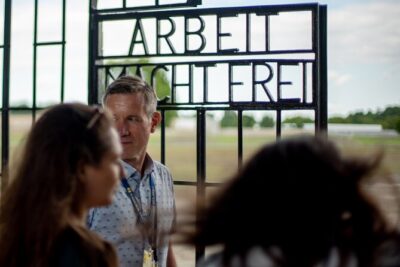
Sachsenhausen Concentration Camp Tour in English
Read our review →
Dachau Concentration Camp Memorial Site Tour from Munich by Train
Read our review →
Sachsenhausen Concentration Camp Memorial Tour
Read our review →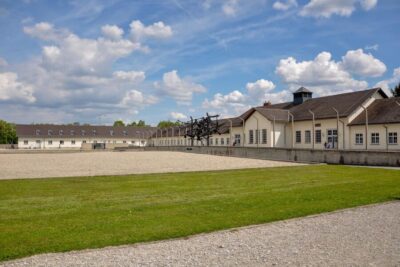
Sachsenhausen Concentration Camp Bus Tour in English from Berlin
Read our review →Sachsenhausen Concentration Camp Tour in English
Read our review →
Sachsenhausen Concentration Camp Memorial Tour (Max. 15 Guests)
Read our review →Browse the lists this tour appears in