
Reviewed · CONCENTRATION CAMP MEMORIAL TOURS
Berlin: Sachsenhausen Concentration Camp Guided Tour
Sachsenhausen is not a casual sightseeing stop. It is a place where the layout, empty barracks, prison cell block, infirmary, and execution site force you to confront how a concentration camp functioned day after day. The tour explains that system clearly, without treating the site as a set of grim photo opportunities.
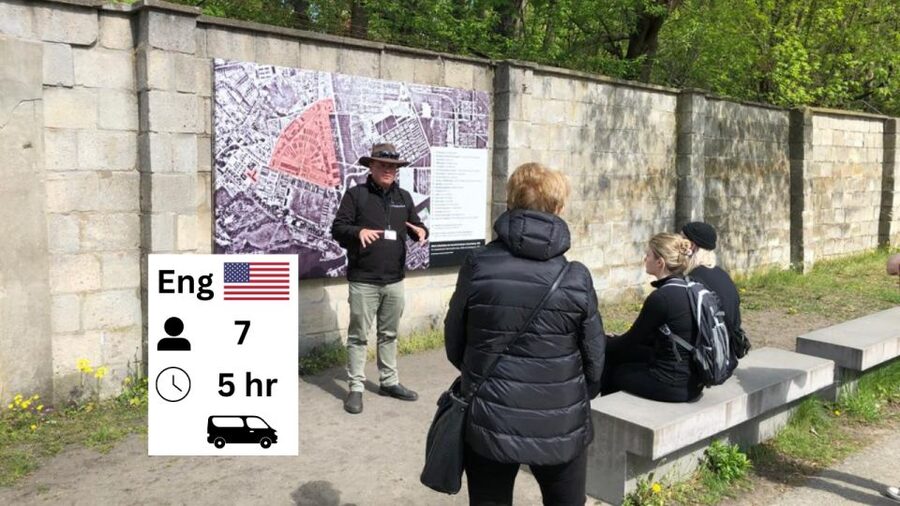
I like the small group of up to seven, which gives you room to ask hard questions. I also like the route from the SS administrative offices to the Jewish sector, Station Z, and the Soviet special camp, since it connects the camp’s Nazi past with its postwar history. The main drawback is time: five hours is enough for a serious introduction, but not enough to study every exhibition at length.
In This Review
- Key points to know before booking
- Why Sachsenhausen belongs on a Berlin itinerary
- The 30-minute ride from Alexanderplatz
- Passing through Tower A and the camp gate
- Roll call, shoe testing, and the daily routine
- The Jewish sector and overcrowded barracks
- The cell block and special prisoners
- The camp kitchen and a short pause
- Special Camp no. 7 and the Soviet period
- Station Z, the hardest stop
- The infirmary and medical experiments
- What $115 includes and what it does not
- Who will get the most from this tour
- Practical advice for a respectful visit
- Should you book the Sachsenhausen tour?
- FAQ
- Where does the tour begin?
- How long does the tour last?
- What language is the tour conducted in?
- How large is the group?
- Is transportation included?
- What should I bring?
- Can I cancel the booking?
Key points to know before booking
- Sachsenhausen was designed as a model camp: The tour explains how its layout and administration helped shape the wider Nazi concentration camp system.
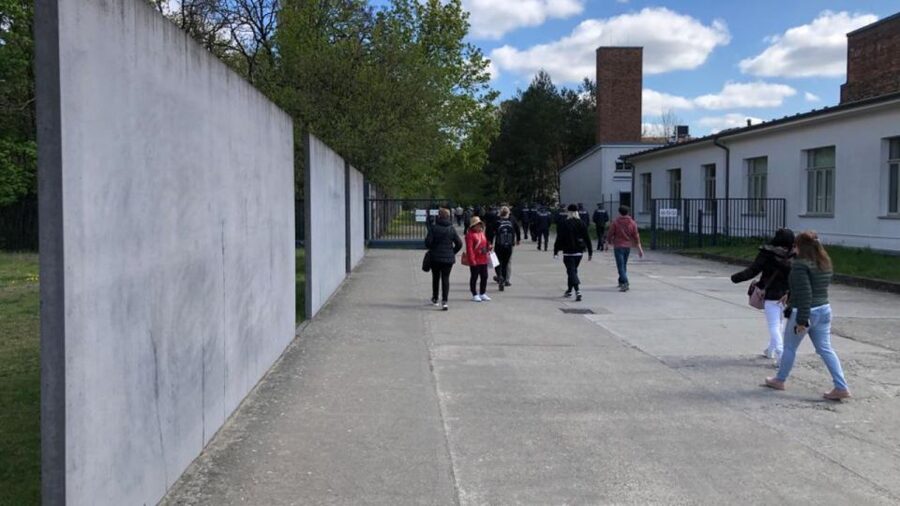
- The four-hour camp visit is physically demanding: You will walk outdoors between barracks, the cell block, the kitchen, the infirmary, and Station Z, often in changing weather.
- Station Z is the most difficult section: The execution site, gas chamber, and crematorium area provide a direct look at the machinery of mass murder.
- The tour covers two eras of imprisonment: You learn about Nazi persecution and the Soviet Union’s postwar use of the site as Special Camp no. 7.
- Guides set a serious, respectful tone: Matt, Tom, and Jorg are praised for clear explanations, patience, and sensitivity when discussing painful material.
- The $115 price includes practical support: Pickup and return from central Alexanderplatz, transport, a guide, water, and a contribution to the memorial are included.
Why Sachsenhausen belongs on a Berlin itinerary
Berlin has no shortage of museums and memorials connected with the Nazi period. Sachsenhausen offers something different: you walk through the physical structure of a camp and see how space was used to control, isolate, punish, and kill people.
That does not make the visit easy. It should not. The value comes from the careful explanation of what happened in each area, how the camp system operated, and how ordinary routines were turned into tools of terror.
Sachsenhausen was built as a prototype for the Nazi concentration camp system. On the drive from central Berlin, your guide introduces the SS Concentration Camps Inspectorate, the authority responsible for the administration and management of the Third Reich’s camps. This background matters because the camp was not an isolated place of abuse. It was part of a planned system.
The tour also gives attention to prisoner resilience. You learn about daily routines, exhausting work, hunger, overcrowding, punishment, and the ways prisoners tried to survive within conditions designed to strip away dignity. The focus is not only on dates and buildings. It is on how the system affected people.
More Concentration Camp Memorial Tours in Berlin
- Berlin: Sachsenhausen Concentration Camp Tour in English
★ 5.0 · 5,711 reviews - Berlin: Sachsenhausen Concentration Camp Memorial Tour
★ 4.7 · 3,716 reviews - Sachsenhausen Concentration Camp Bus Tour in English from Berlin
★ 5.0 · 1,962 reviews
The 30-minute ride from Alexanderplatz
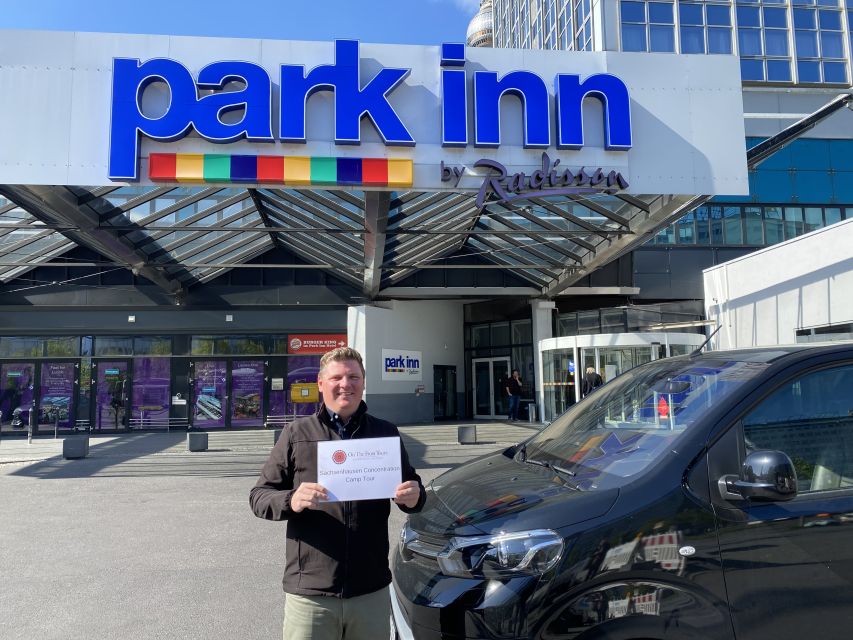
The meeting point is the main entrance of the Park Inn by Radisson Berlin Alexanderplatz, at the taxi pickup and drop-off area. That central location is useful if you are staying in Berlin’s core or connecting from another part of the city.
The ride to Sachsenhausen takes about 30 minutes. Rather than wasting that time, the guide begins explaining the concentration camp system and Sachsenhausen’s role within it. This gives you a frame for the visit before you arrive, which is especially helpful if your knowledge of Nazi camp administration is limited.
Transport is by a highly rated vehicle, and the group is limited to seven people. That small size is one of the tour’s strongest practical features. You can hear the guide more easily, ask questions without interrupting a large crowd, and stay connected as the group moves around the memorial.
The ride back also takes about 30 minutes, bringing you to the same Alexanderplatz meeting point. With four hours at the memorial, the full outing lasts five hours.
Passing through Tower A and the camp gate
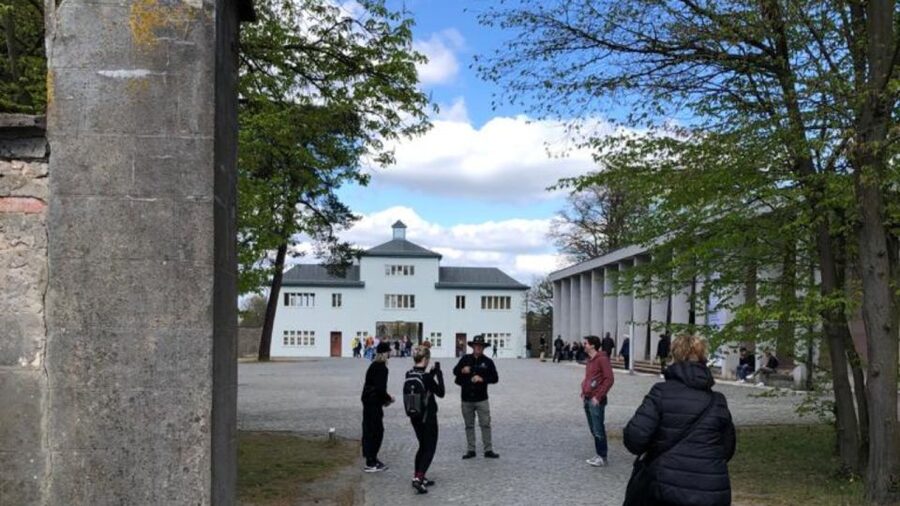
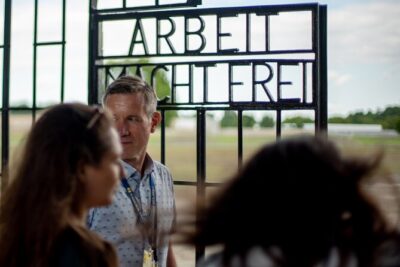
The tour begins at the main entrance to Sachsenhausen. You pass through Tower A beneath the infamous inscription ARBEIT MACHT FREI. The entrance is not just a dramatic doorway. It was part of the camp’s design, placing prisoners under direct visual control as they entered and left the main compound.
From here, the guide starts tracing the camp’s complete history. You learn how the SS organized the grounds, how guards managed the prisoners, and how the camp’s design reflected the goals of the Nazi system.
This section can feel stark because the open space makes the scale of the camp easier to grasp. You are not simply looking at one preserved building. You are being shown how the entrance, roll-call area, barracks, work areas, and administrative structures worked together.
The guide also discusses the motivations and mindsets of the guards and prisoners. That is an important part of the experience. It helps you consider how a system of orders, ideology, punishment, and routine enabled people to carry out cruelty, while prisoners faced impossible choices in their efforts to survive.
Roll call, shoe testing, and the daily routine
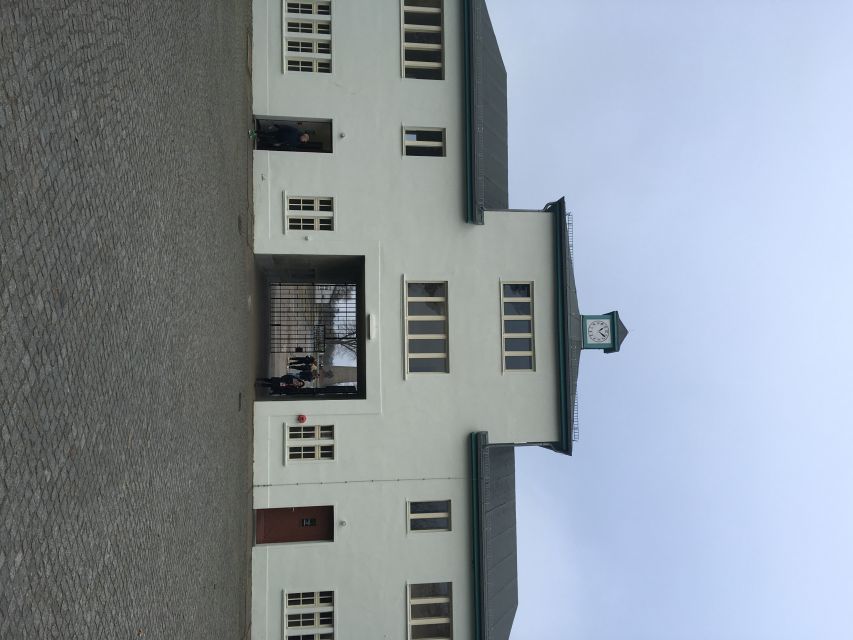
One of the early stops deals with the everyday schedule imposed on prisoners. Morning roll call was a dreaded ritual, and the guide explains how it fit into the broader system of discipline and control.
You also hear about the shoe testing track. Prisoners were forced to test footwear by walking or marching for long periods, an apparently ordinary task turned into a brutal form of labor and punishment. This detail helps show how suffering was built into routine camp operations.
I find these details more useful than a simple list of atrocities because they show how terror worked over time. The camp did not rely only on isolated acts of violence. Exhaustion, exposure, hunger, inspection, forced labor, and fear shaped each day.
Expect to spend much of the visit standing and walking outdoors. Comfortable shoes are essential. Bring a snack as well, since the included bottle of water is useful but does not replace food during a five-hour outing.
Same city, a completely different kind of day:
- Berlin: Reichstag, Dome and Government District Guided Tour
★ 4.7 · 18,288 reviews - Berlin: 1-Hour City Tour by Boat with Guaranteed Seating
★ 4.3 · 16,993 reviews - Berlin: Boat Tour Along the River Spree
★ 4.4 · 11,252 reviews - Discover Berlin Half-Day Walking Tour
★ 5.0 · 9,624 reviews
The Jewish sector and overcrowded barracks
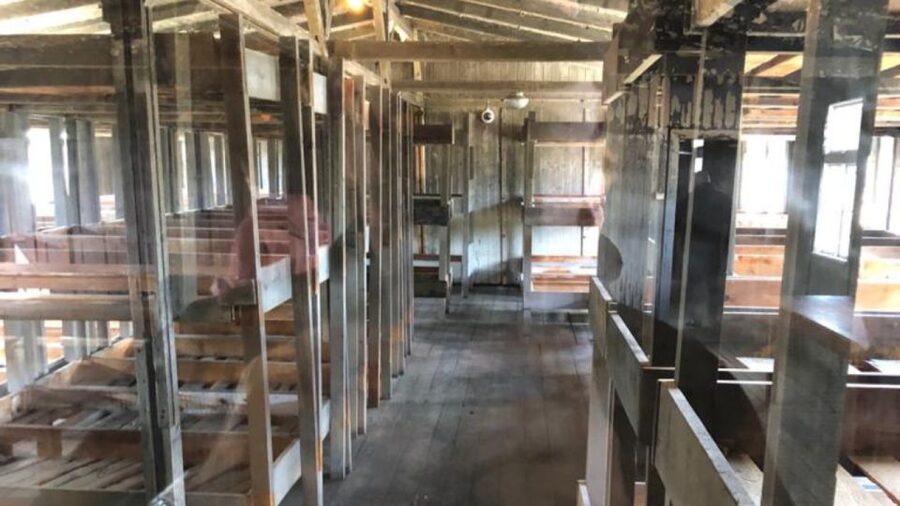
The route continues into the Jewish sector, where you see the barracks and learn about the harsh living conditions imposed on prisoners. The word overcrowded is not an abstract description here. The buildings and limited space help you understand how privacy, rest, and personal safety were taken away.
The guide explains prisoner life in practical terms: where people lived, how the camp routine affected them, and how the physical setting increased their vulnerability. The point is not to turn suffering into spectacle. It is to connect the surviving structures with the human experience that took place inside them.
This is one reason an informed guide adds real value. Without explanation, a barracks can look like a bare historic building. With context, its size, arrangement, and position inside the camp become evidence of a carefully controlled system.
The outdoor nature of the memorial means conditions can affect your experience. The tour operates rain or shine, so wear clothing suitable for the forecast. Even on a comfortable day in Berlin, the long walk and open grounds can be tiring.
The cell block and special prisoners
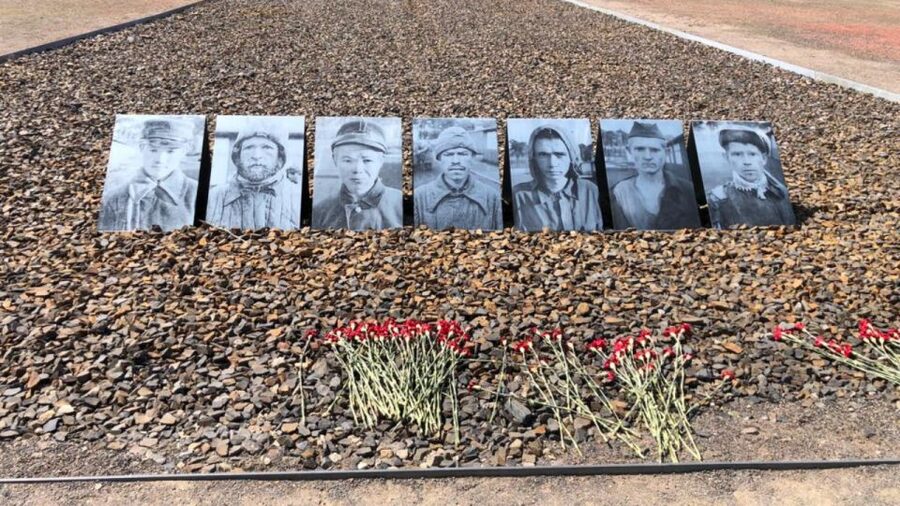
The camp cell block is one of the more secretive sections of the route. It was used for cruel mistreatment and held British prisoners of war and special prisoners, including Stalin’s son.
This stop adds another layer to the camp’s history. The cell block was not simply a place for general prisoner housing. It was used for particular forms of detention and punishment, and the guide explains how its purpose differed from that of the barracks.
You will likely find this portion especially useful if you want more than a general Holocaust overview. It shows how the Nazi system categorized and handled different groups of prisoners, while also making clear that imprisonment itself remained brutal.
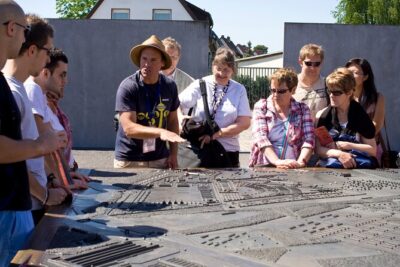
The small group format works well here. Guides including Tom, Matt, and Jorg have been praised for taking time with questions and explaining complex material in a clear, sensitive way. The subject demands care, and the strongest part of this tour is its calm, serious presentation.
The camp kitchen and a short pause
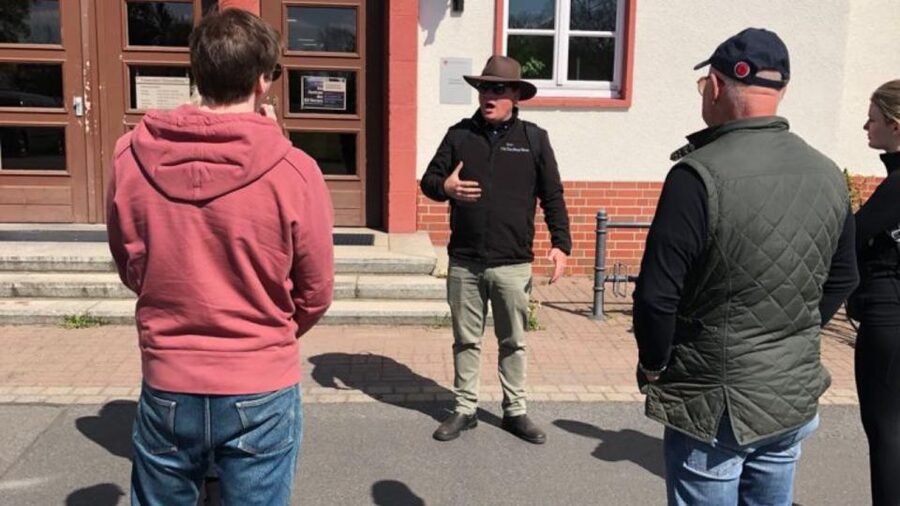
The camp kitchen provides a natural stopping point. You can use the restrooms, take a short break, and look at an exhibition of camp objects. Prisoner drawings remain visible on the walls, adding a personal layer to a place otherwise dominated by institutional control.
This pause is welcome. Four hours at a memorial site dealing with murder, imprisonment, and starvation can be emotionally draining. A short break lets you gather yourself before the most difficult portion of the route.
Do not expect a long museum session here. The tour’s schedule keeps moving, and one practical criticism is that you may want more time to examine the indoor displays. If you are the kind of person who reads every panel and studies every object, five hours may feel tight.
That is the main tradeoff of a guided visit. You gain structure and explanation, but you follow the group’s pace. If you want extensive independent time inside the exhibitions, you may need to accept that this format will provide only a limited amount.
Special Camp no. 7 and the Soviet period
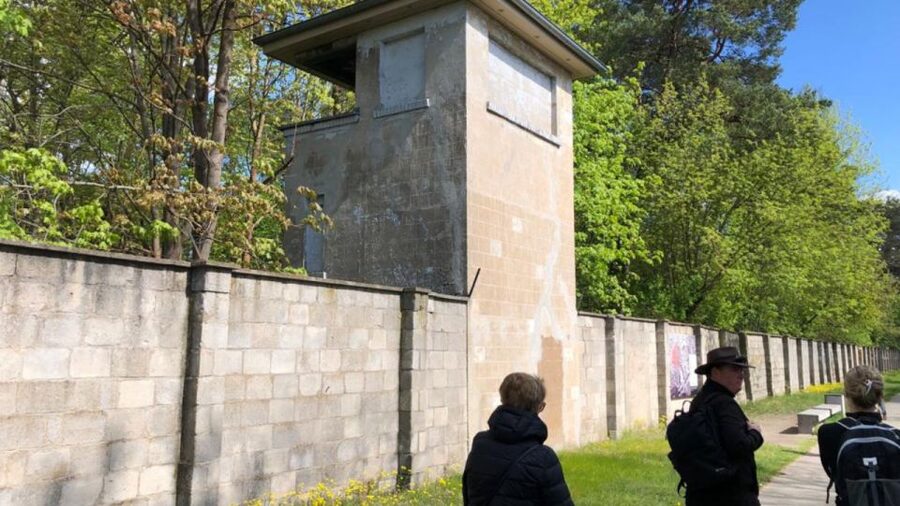
After covering the Nazi period, the tour turns to the camp’s postwar use by the Soviet Union. The site became Special Camp no. 7, where about 60,000 people were held, including German prisoners of war, convicted war criminals, and political prisoners.
This section is valuable because it prevents a simplified ending. Sachsenhausen did not immediately become a memorial when the Nazi regime fell. The camp continued to be used for imprisonment, and mistreatment continued under a different authority.
The guide also discusses conservation efforts and the impact of this difficult history on modern Germany. That connection helps you understand why memorial sites are preserved, how public memory changes, and why the complete story includes more than the years of Nazi rule.
For many people, this is an unexpected part of the tour. It also makes the visit more useful as a history experience. You are not being shown one isolated chapter. You are following the site through its wartime role, its Soviet period, and its life as a memorial.
Station Z, the hardest stop
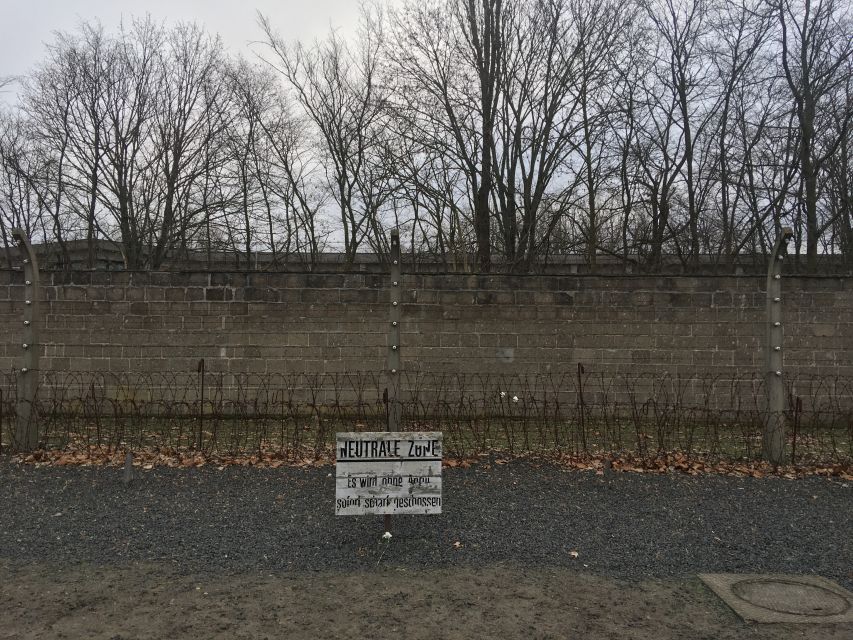
Station Z is the execution site, gas chamber, and crematorium area. This is the most difficult stop on the route and the point where the Nazi policy of mass murder becomes most direct.
The guide explains the Final Solution and the systematic killing of prisoners. The physical remains and layout make clear that murder was organized through buildings, procedures, staff, and equipment. The site communicates the cold administrative character of the crime as well as its human cost.
You should prepare yourself for a serious emotional response. The tour does not treat Station Z as a place for casual photographs or rushed commentary. Its power comes from the quiet, factual explanation of what happened and from the chance to stand in the location where those crimes were carried out.
If you are visiting with children or anyone who may find this subject overwhelming, consider the weight of the material before booking. The provided information does not specify an age limit, so you will need to make that judgment for your own group.
The infirmary and medical experiments
Before leaving, you visit the camp infirmary. Prisoners were subjected to medical experiments there, adding another layer of abuse to the camp’s history.
This stop reinforces an important theme of the tour: prisoners were harmed through many parts of the camp system, not only through execution. Medical facilities, administrative buildings, barracks, and work areas could all become sites of coercion and violence.
The tour closes its camp visit with this grim reminder before returning you to the vehicle. The route is built to move from system and routine toward direct evidence of murder, then to the later history of the site. That order gives the day a clear shape, even though the material itself is difficult.
What $115 includes and what it does not
At $115 per person, this is not the cheapest way to reach Sachsenhausen. You are paying for a five-hour experience with round-trip transport from central Berlin, a live English-speaking guide, a small group of no more than seven, a bottle of water, and a contribution toward preserving the memorial.
The price makes the most sense if you value door-to-door simplicity and interpretation. You do not need to organize the trip from Alexanderplatz yourself, and you have a guide explaining the camp’s structure, prisoner routine, Nazi administration, Soviet use, and memorial work.
The small group is particularly important to the value calculation. A large tour can make a place like this feel rushed or impersonal. With up to seven people, you have a better chance to ask questions and discuss difficult points directly.
Still, know what you are buying. This is not a private tour, and five hours does not allow unlimited time in every building. One additional hour or two would suit visitors who want to read all the exhibits carefully.
The ticket also includes a meaningful contribution to the memorial. That does not replace the need for careful preservation funding, but it gives your visit a useful purpose beyond the tour itself.
Who will get the most from this tour
I would choose this tour if you want clear historical guidance and a manageable group size. It suits first-time visitors to Sachsenhausen, people with a strong interest in World War II, and anyone who prefers a structured visit rather than trying to interpret the grounds alone.
It is also a good fit if you want to understand the camp system, not only see the most famous locations. The route covers administration, prisoner routine, living conditions, punishment, forced shoe testing, the Jewish sector, the cell block, Station Z, medical experiments, and the Soviet special camp.
The tour may be less suitable if you need a gentle or lightly educational outing. This is a memorial visit dealing directly with imprisonment, starvation, execution, genocide, and medical abuse. You should plan the rest of your day with some emotional space rather than placing a cheerful activity immediately afterward.
English is the tour language. Wheelchair access is listed, though the provided information does not describe the exact surfaces or access conditions at every point of the memorial. If detailed mobility information matters to you, confirm it before booking.
Practical advice for a respectful visit
Wear comfortable shoes. You will walk for around four hours at the camp, with stops spread across a large outdoor site.
Bring a snack. A short break is provided at the camp kitchen, but food is not listed as included. Water is supplied, and alcohol is not allowed in the vehicle.
Dress for the weather. The tour runs rain or shine, so a waterproof layer and weather-appropriate clothing are sensible choices.
Keep the tone of the place in mind. Sachsenhausen is a memorial to people who suffered and died, not a backdrop for casual entertainment. Listen closely, ask respectful questions, and allow yourself time to process what you have seen.
Guides named Matt, Tom, and Jorg have been praised for their subject knowledge, compassion, patience, and ability to answer questions. The guide makes a major difference here, and this experience is best approached as a serious conversation supported by a careful walk through the site.
Should you book the Sachsenhausen tour?
Book it if you want a well-organized, small-group visit that explains both the Nazi concentration camp system and Sachsenhausen’s later Soviet history. The combination of central pickup, a seven-person maximum, an English-speaking guide, and four hours at the memorial offers solid value for a $115 half-day outing.
The main caution is time. You will see the major areas and receive a strong overview, but you may not have enough time to study every indoor exhibition. If you prefer a slow, self-guided museum visit, seek a longer option or plan to return independently.
For most people who want context, respectful guidance, and an honest look at one of Germany’s most difficult historical sites, this is a worthwhile Berlin excursion. Go prepared for a sobering day, wear good shoes, and choose it because you want to learn, not because it is an easy addition to a sightseeing checklist.
FAQ
Where does the tour begin?
It begins at the main entrance of the Park Inn by Radisson Berlin Alexanderplatz, at the taxi pickup and drop-off point.
How long does the tour last?
The full experience lasts five hours. The drive takes about 30 minutes each way, with about four hours at Sachsenhausen Memorial.
What language is the tour conducted in?
The live tour guide speaks English.
How large is the group?
The group is limited to seven participants.
Is transportation included?
Yes. Pickup and drop-off from the central Alexanderplatz meeting point and transport to and from Sachsenhausen are included.
What should I bring?
Bring comfortable shoes and snacks. A bottle of water is included.
Can I cancel the booking?
You can cancel up to 24 hours in advance for a full refund. The tour also offers reserve now and pay later booking.
Just added around Berlin
- Love and War in Berlin: Self-Guided Story Puzzle Walk★ 5.0 · 7 reviews
- Rickshaw Tours Berlin – Groups of up to 16 people with several rickshaws★ 4.0 · 97 reviews
- Walking on the Wall: 3-Hour Tour in Berlin★ 4.5 · 34 reviews
- eSIM for Germany and 34 European Countries★ 4.5 · 16 reviews
- Your ticket to The Wall Museum Berlin★ 3.0 · 60 reviews
- Warnemuende Shore Excursion: Private Berlin Tour★ 4.5 · 27 reviews
- Warnemuende Shore Excursion: Berlin Private Sightseeing Tour from Rostock★ 5.0 · 4 reviews
- Berlin’s Gay, Lesbian, and Queer Scene Small-Group Walking Tour★ 4.5 · 66 reviews
Concentration Camp Memorial Tours, compared.
Sachsenhausen Concentration Camp Tour in English
Read our review →
Dachau Concentration Camp Memorial Site Tour from Munich by Train
Read our review →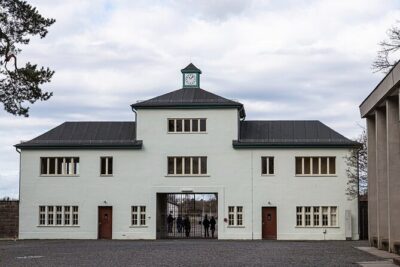
Sachsenhausen Concentration Camp Memorial Tour
Read our review →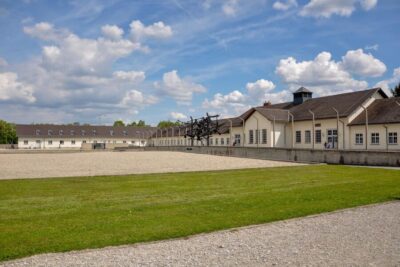
Sachsenhausen Concentration Camp Bus Tour in English from Berlin
Read our review →Sachsenhausen Concentration Camp Tour in English
Read our review →
Sachsenhausen Concentration Camp Memorial Tour (Max. 15 Guests)
Read our review →Browse the lists this tour appears in