
Reviewed · BERLIN TOURS
Produce Techno and House Music in Berlin
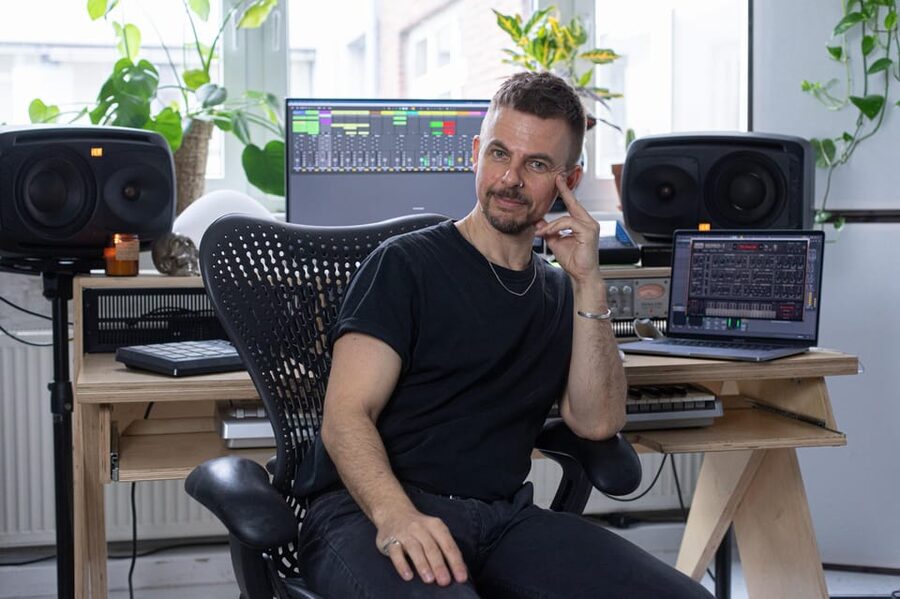
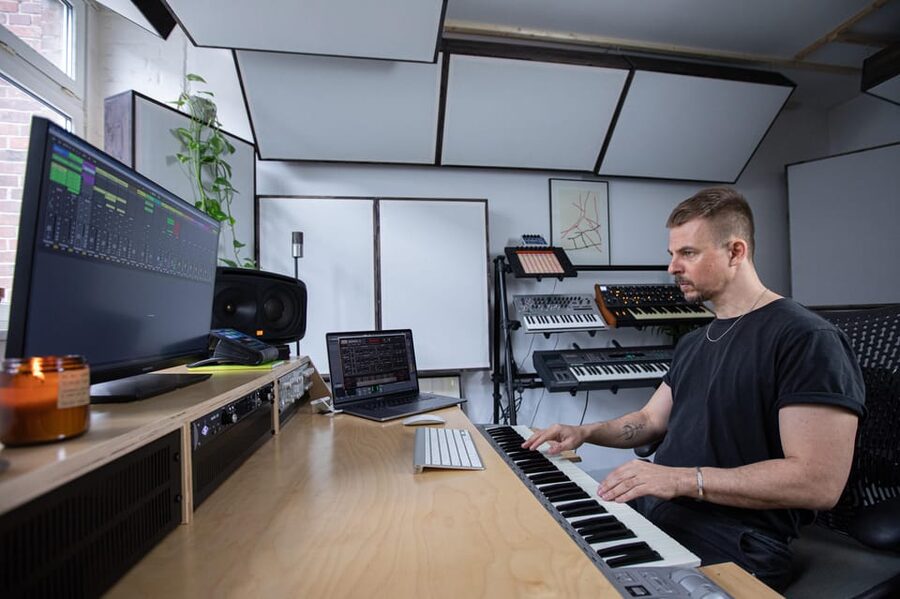
Berlin’s club sound begins in a studio like Andy Sexton’s, where you can move from a blank project to a working house or techno track in two hours. You’ll handle synthesizers, drum machines, software, and mixing tools rather than simply hear a talk about electronic music.
I like the hands-on format and the chance to use both modern and vintage equipment. I also like the small group limit of four, which gives Andy room to adjust the session to your level. The main drawback is the short running time: two hours is enough for a focused introduction, but not enough to master music production or finish a polished club release from scratch.
In This Review
- Key points
- Entering Berlin’s Clubbing District
- The First Steps: Synthesizers, Drums, and Sound
- Building a House or Techno Track
- Mixing the Track for Club Play
- Andy Sexton’s Teaching Style
- Why the Studio Equipment Matters
- The Berlin Connection
- Two Hours: What You Can Realistically Do
- Is $147 a Fair Price?
- Who Will Get the Most From This Session?
- Practical Details Before You Book
- Should You Book This Berlin Music Session?
- FAQ
- Where does the music production session take place?
- How long does the activity last?
- What kind of music will I produce?
- Do I need previous music production experience?
- How many people can join?
- What language is the session taught in?
- Is the studio wheelchair accessible?
- What is included in the price?
Key points
- Create a track during the session: You work toward a house or techno production rather than only watching demonstrations.
- Learn with producer Andy Sexton: His teaching covers workflow, musical structure, and the practical choices behind a groove.
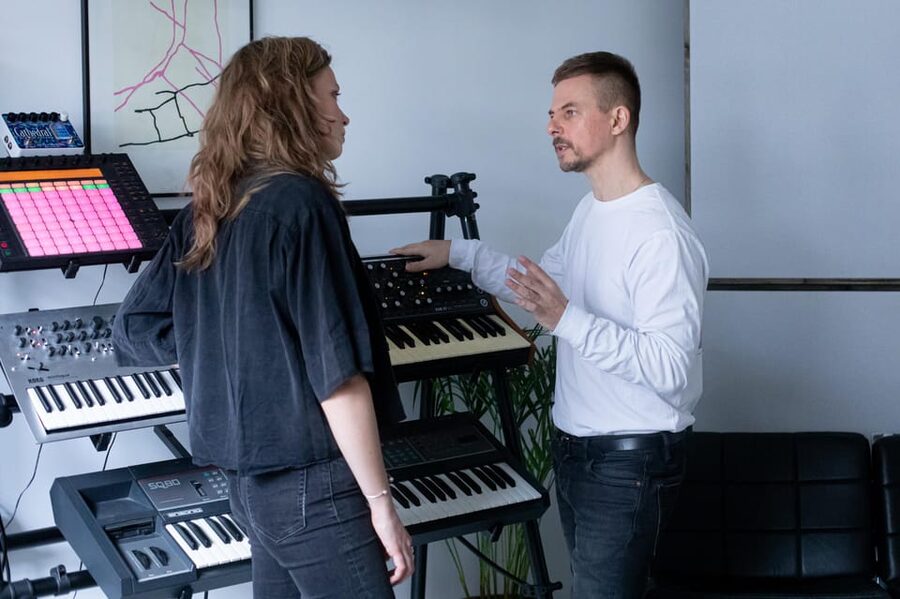
- Use real studio equipment: The room includes modern and vintage gear, synthesizers, drum machines, microphones, piano, guitar, and percussion.
- Designed for beginners: You do not need previous music production experience, though experienced makers can also use the session to improve their process.
- Small groups of up to four: This keeps the lesson personal and makes it easier to ask questions.
- A useful Berlin connection: You learn how electronic music production relates to the city’s club culture, not just how to click around software.
Entering Berlin’s Clubbing District
The session takes place in a professional studio in the heart of Berlin’s clubbing district. Your meeting point is the front door of a large industrial building made of reddish-brown brick, and you should arrive a few minutes before the scheduled start.
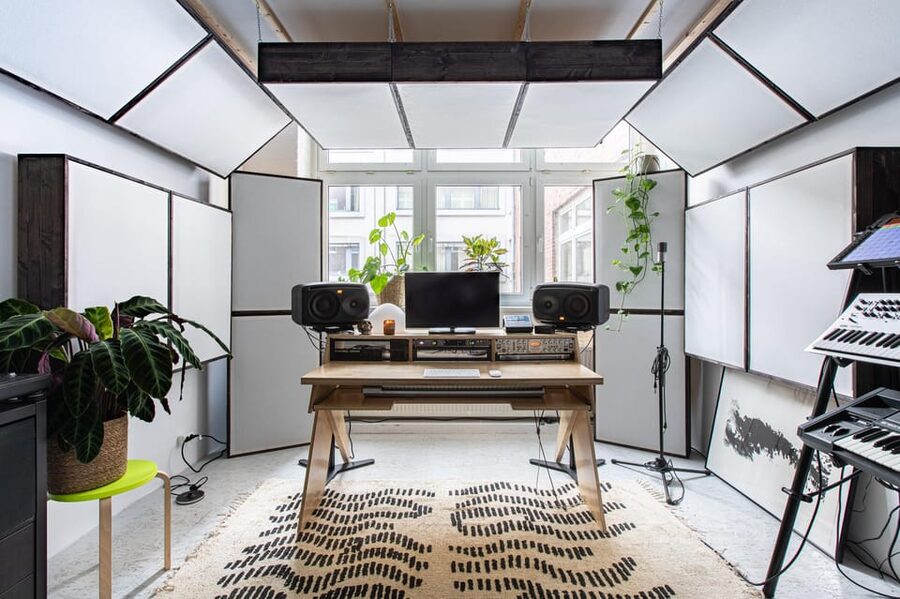
That setting matters. You are not being shown a generic classroom with a few keyboards placed on a table. You are entering a working music studio, surrounded by the tools used to shape electronic music. The studio also includes acoustic instruments and a broad selection of microphones, so the focus is not limited to computer-based production.
You will need to arrange your own transport to the building. Meals and drinks are not included, so plan this as a focused studio appointment rather than an outing with food or refreshments built in.
Other Berlin days worth putting on the list:
- Berlin: Reichstag, Dome and Government District Guided Tour
★ 4.7 · 18,288 reviews - Berlin: 1-Hour City Tour by Boat with Guaranteed Seating
★ 4.3 · 16,993 reviews - Berlin: Boat Tour Along the River Spree
★ 4.4 · 11,252 reviews
The First Steps: Synthesizers, Drums, and Sound
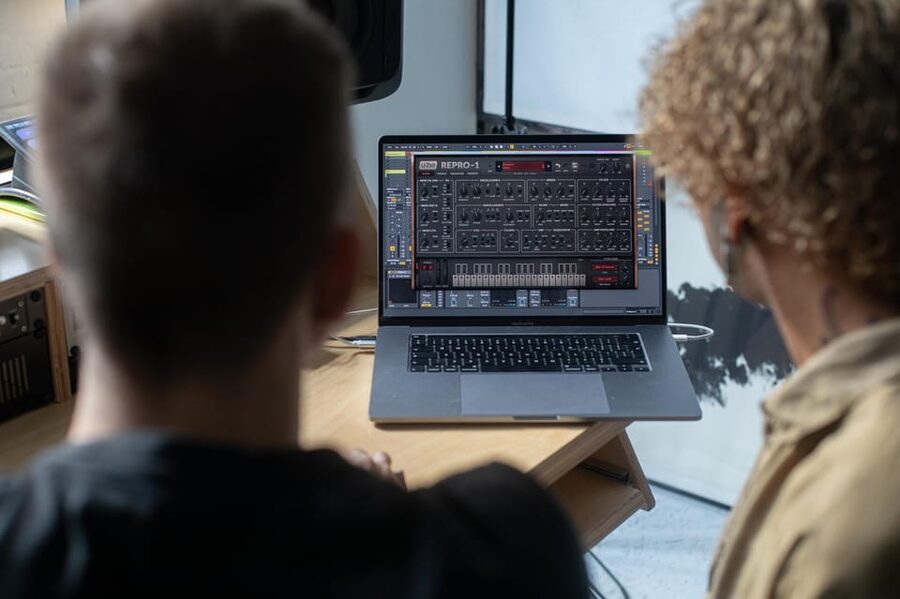
Andy begins by introducing the basic building blocks of house and techno production. That means looking at synthesizer programming, drum machine patterns, and the way individual sounds combine to create a groove.
For a beginner, this is where the session earns its keep. Music software can look like a wall of tiny buttons, menus, and technical terms. Starting with a rhythm and a few sounds gives you something concrete to hear. You can begin to understand why a kick drum, percussion pattern, bass sound, and synth line need to work together.
You will not simply press a preset and move on. The activity includes an introduction to programming synthesizers and drum machines, so you get a clearer sense of how sounds are built and adjusted. Andy also explains his working methods and the frameworks he uses when making music.
That practical structure is useful after the session. You may not remember every setting, but you can leave with a way to approach a new project: establish a groove, choose sounds that support it, organize the material, then shape the track for playback.
Building a House or Techno Track
The central part of the session is recording and arranging a track in professional music production software. You work with Andy to organize the material into something that behaves like a song rather than a collection of unrelated loops.
This is an important distinction. Making a drum pattern can be fun within minutes. Turning that pattern into a track requires decisions about repetition, variation, timing, and structure. The session gives you an introduction to that process, with the aim of producing a house or techno piece during the available time.
One participant managed to create a track in the session and described the lesson as useful both for complete beginners and for music makers seeking a more professional approach. That makes sense for this format. You can experiment without needing to arrive with a finished idea, while someone with previous experience can focus on workflow and arrangement.
The small group size also helps here. With no more than four participants, you should have more opportunity to ask why a certain sound or section is being used. It is not a private lesson, but it is far more personal than a large workshop.
Mixing the Track for Club Play
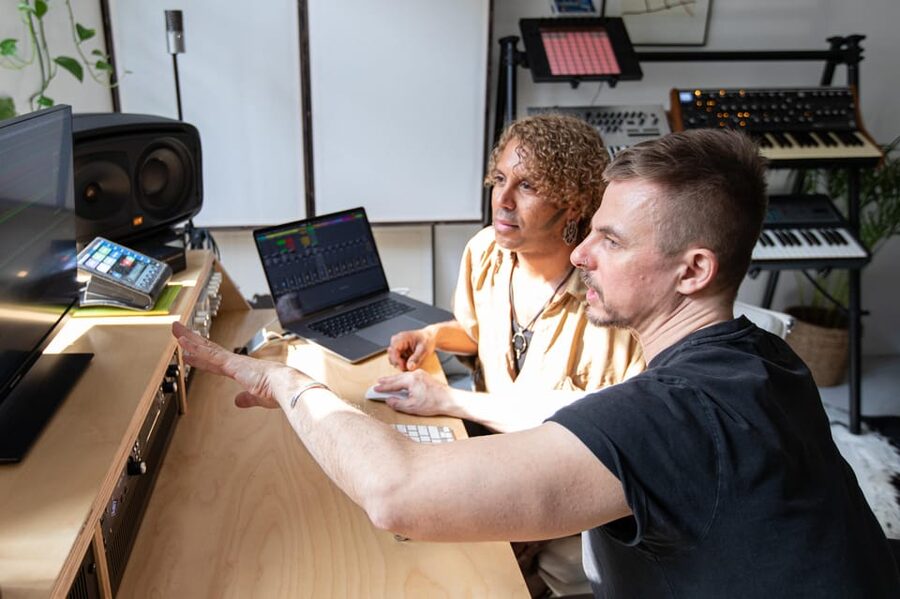
The final stage is mixing down the track in preparation for playing it in a club. This does not mean you will become a mixing engineer in one short session. It does mean you are introduced to the point where arrangement and sound choices need to work together in a club setting.
For many first-time producers, mixing can feel like the least musical part of the process. It is also where rough ideas begin to sound more controlled. You learn that a track must be organized not only for the person making it, but also for the listener and the system playing it.
The activity describes this as preparation for club play, so you should think of it as an introduction to that stage rather than a promise of a release-ready master. Two hours moves quickly, especially when the session includes sound design, recording, arrangement, and mixing.
Still, the process gives you a useful overview. You can hear how a basic idea becomes a structured piece and how the final adjustments help it function as house or techno.
Same city, a completely different kind of day:
- Discover Berlin Half-Day Walking Tour
★ 5.0 · 9,624 reviews - Berlin: Hop-on Hop-off Bus Tour with Live Commentary
★ 4.3 · 8,579 reviews - Berlin: Government District around the Reichstag Guided Tour
★ 4.7 · 8,447 reviews - Berlin: Reichstag, Plenary Chamber, Cupola & Government Tour
★ 4.6 · 8,422 reviews
Andy Sexton’s Teaching Style
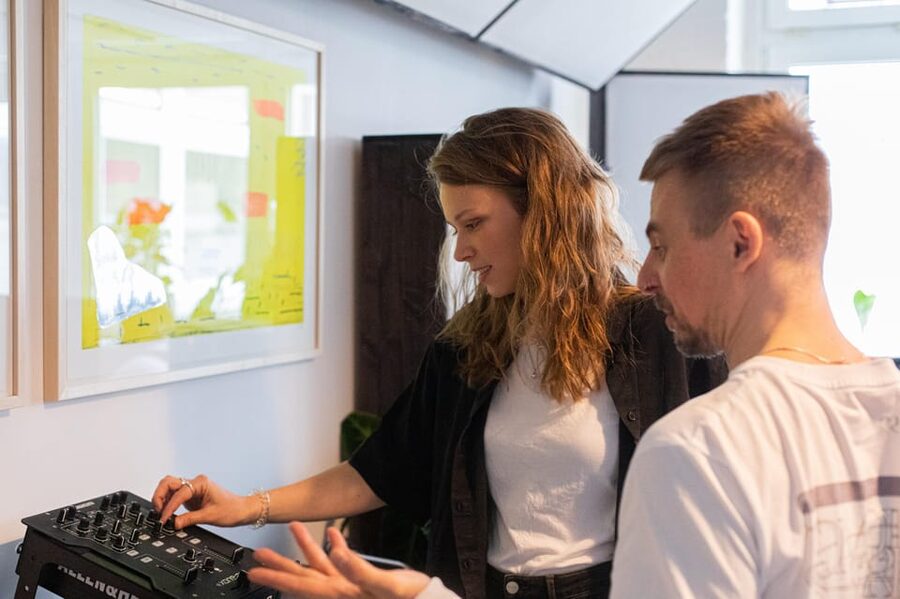
Andy Sexton is the instructor, and the strongest part of the experience appears to be his balance of technical guidance and friendly teaching. He brings professional production experience, but the session is built for people who may have no idea how to begin.
A particularly useful aspect is the attention to philosophy and method. One participant found that Andy’s explanation of his approach could help with music making long after the class ended. That is more valuable than memorizing a few software commands, since programs and equipment change but a clear workflow remains useful.
Andy also appears comfortable adapting his approach to different needs. One session included a person with a cognitive impairment who wanted to make music, and the lesson was adjusted with empathy and patience. Despite a language barrier, the group created a song together.
That does not mean every session will follow the same path. It does suggest that you can tell Andy your level and aims at the beginning. If you are nervous about technical software, say so. If you already make music and want to improve your process, explain that too.
Why the Studio Equipment Matters
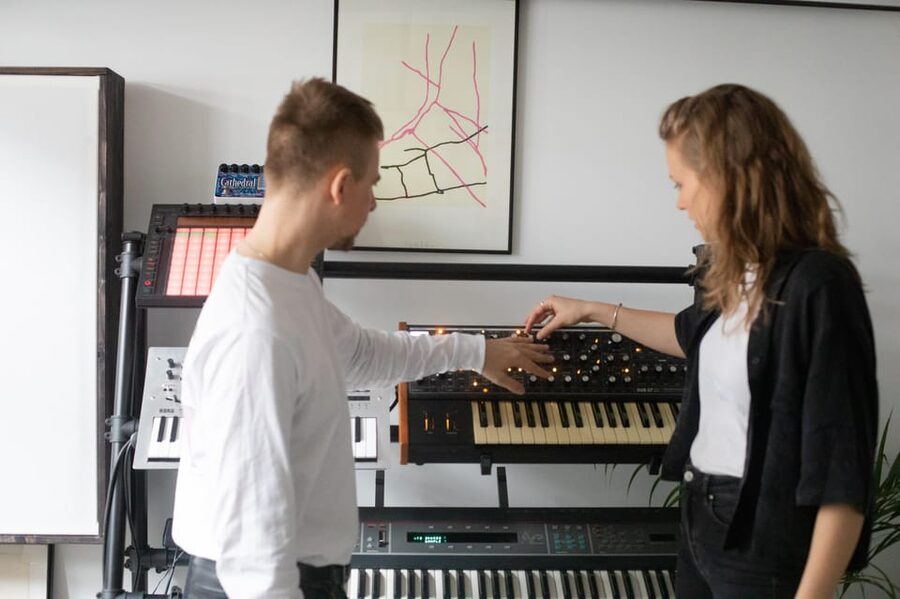
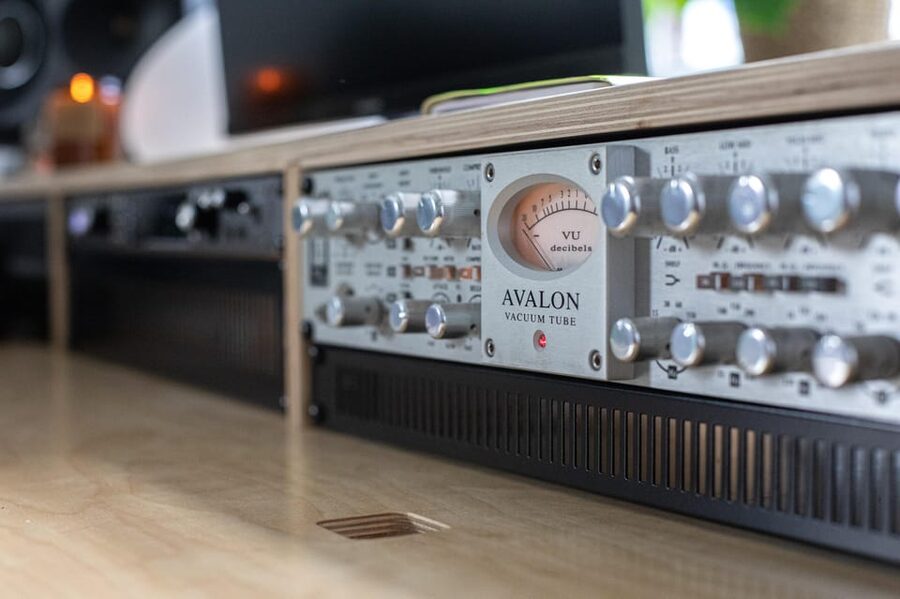
The studio offers both modern and vintage music gear, along with synthesizers, drum machines, microphones, piano, guitar, and percussion. The value here is not simply the number of instruments in the room.
Electronic music is often presented as a purely computer-based art. In practice, the feel of a track can change with the equipment used to create it. A hardware synthesizer invites hands-on adjustments, while a drum machine makes rhythm programming more direct. Acoustic instruments and microphones open other ways to add sound.
You are unlikely to use every item during a two-hour class. The point is to see how a professional studio can support different approaches, from programmed beats to recorded instruments. That variety can help you decide what kind of producer you want to become.
It is also a good chance to ask questions about why one tool is chosen over another. The lesson focuses on making a track, so equipment is part of the process rather than a museum-style display.
The Berlin Connection
Berlin is known internationally for underground electronic music, and this session places production within that setting. You are not only learning technical steps. You are also getting an inside view of how house and techno fit into Berlin’s cultural life.
The history of techno’s arrival in Berlin is part of the conversation, adding context to the sounds you are working with. That can change how you hear the city. Clubs, studios, producers, and audiences all play a part in the music culture, and the session gives you a glimpse behind the finished track.
This is especially worthwhile if you already plan to visit Berlin’s clubs or have an interest in electronic music. Instead of treating the city’s techno scene as something you experience only at night, you get to consider how the music is made during the day.
The session will not replace a club night, and it is not presented as a nightlife event. It offers a quieter and more practical way to connect with a major part of Berlin’s identity.
Two Hours: What You Can Realistically Do
The duration is two hours, which is both a strength and a limit. It keeps the session compact and manageable, especially if you want an activity that fits around other Berlin plans. It also gives you a clear goal without asking you to spend a full day in a studio.
At the same time, music production has many layers. In two hours, you can learn the basic workflow, program sounds, arrange material, and mix down an introductory track. You cannot expect a complete education in synthesis, arrangement, mixing, recording, and professional release preparation.
One participant extended the session and left with a small track to take home. That shows what may be possible if you have extra time, but an extension should not be treated as part of the standard two-hour format.
I would arrive with modest expectations and an open mind. You are paying for a concentrated introduction and direct access to a producer, not a finished album.
Is $147 a Fair Price?
At $147 per person, this is not a cheap sightseeing activity. The two-hour price works out to about $73.50 per hour, before considering the studio, equipment, software, and instruction.
The value depends on what you want. If you only have a passing curiosity about techno, the cost may feel high for a short introduction. Berlin offers many ways to hear electronic music for less, including simply going to a club or listening to local DJs.
If you want to learn how tracks are actually made, the price is easier to justify. You receive guided access to professional software, modern and vintage gear, synthesizers, drum machines, and a working studio. You also get a structured session with an experienced producer instead of trying to teach yourself through scattered online tutorials.
The small group limit improves the value. Four people is still a group, but it should allow more personal attention than a broad class. The experience becomes a better buy if you ask questions, take notes, and treat Andy’s workflow as seriously as the equipment.
For a music maker already looking for the next step, this may be more useful than a standard attraction. For someone who only wants a quick novelty, it may not be.
Who Will Get the Most From This Session?
This activity is a strong match for curious beginners who want to make music but do not know where to start. The no-experience-needed policy lowers the barrier, and the session gives you a real project to work on rather than a purely theoretical explanation.
It also suits music makers who already use production software but want to improve their structure and habits. Andy’s advice about workflow, grooves, and organization can help you think beyond presets and isolated loops.
You should be at least 10 years old. Children under 10 cannot take part, and smoking, alcohol, drugs, and littering are not allowed in the studio.
The experience can also suit people with different support needs, but it is wise to communicate those needs when booking. A previous session worked well with a cognitively impaired participant, and Andy was able to adapt his teaching style.
You do not need to be a club regular. An interest in electronic music is enough. You also do not need to own a synthesizer or have a home studio, since the equipment is provided during the activity.
Practical Details Before You Book
The session is in English. That is important if you are not comfortable discussing sound, software, and music structure in English, though the hands-on format may make some ideas easier to follow.
The meeting point is the front entrance of the large reddish-brown brick industrial building. Arrive a few minutes early so you are not searching for the door when the session begins.
The studio is wheelchair accessible. Transportation to and from the studio is not included, so you need to make your own way there.
You can cancel up to 24 hours before the start for a full refund, and the reserve-now, pay-later option lets you hold a place without paying at once. Starting times vary, so check availability before building the session into your day.
A small group of up to four is one of the most important practical details. If you want a fully private lesson, this is not described as one. If you are happy to share the room and learn alongside a few others, the group size should work well.
Should You Book This Berlin Music Session?
Book it if you want to understand how house and techno are built, especially if you would rather touch the controls than watch a performance from the audience. The best reasons to go are the hands-on track creation, Andy Sexton’s adaptable teaching, and access to a real studio in Berlin’s clubbing district.
Skip it if you are looking for a long technical course, a nightlife activity, or a guaranteed polished release. Two hours gives you a useful first framework, but you will need more practice to become fluent with synthesis, arrangement, and mixing.
For beginners, this is a focused and unusually personal introduction to Berlin’s electronic music culture. For experienced producers, it can be a worthwhile reset, particularly if you want help with workflow or a chance to work with unfamiliar equipment.
FAQ
Where does the music production session take place?
It takes place in Andy Sexton’s studio in the heart of Berlin’s clubbing district. The meeting point is the front door of a large industrial building with reddish-brown brick.
How long does the activity last?
The standard session lasts two hours. Starting times vary, so you need to check availability for the date you want.
What kind of music will I produce?
The session focuses on house and techno music. You will work on programming synthesizers and drum machines, recording and arranging a track, and mixing it down for club play.
Do I need previous music production experience?
No. The session is designed for beginners and does not require previous music production experience. It can also suit music makers who want to develop a more professional workflow.
How many people can join?
The group is limited to four participants. It is a small-group activity rather than a large class.
What language is the session taught in?
The session is taught in English.
Is the studio wheelchair accessible?
Yes, the studio is wheelchair accessible.
What is included in the price?
The price includes access to professional music production software, modern and vintage music gear, an introduction to synthesizer and drum machine programming, recording and arranging a house or techno track, and mixing it down for club play. Meals, drinks, and transportation to and from the studio are not included.
Just added around Berlin
- Love and War in Berlin: Self-Guided Story Puzzle Walk★ 5.0 · 7 reviews
- Rickshaw Tours Berlin – Groups of up to 16 people with several rickshaws★ 4.0 · 97 reviews
- eSIM for Germany and 34 European Countries★ 4.5 · 16 reviews
- Walking on the Wall: 3-Hour Tour in Berlin★ 4.5 · 34 reviews
- Warnemuende Shore Excursion: Berlin Private Sightseeing Tour from Rostock★ 5.0 · 4 reviews
- Your ticket to The Wall Museum Berlin★ 3.0 · 60 reviews
- Warnemuende Shore Excursion: Private Berlin Tour★ 4.5 · 27 reviews
- Berlin’s Gay, Lesbian, and Queer Scene Small-Group Walking Tour★ 4.5 · 66 reviews
Berlin Tours, compared.

Reichstag, Dome and Government District Guided Tour
Read our review →
1-Hour City Tour by Boat with Guaranteed Seating
Read our review →


Reichstag, Plenary Chamber, Cupola & Government Tour
Read our review →

