
Reviewed · WALKING TOURS
Mannheim, guided walking tour: Industrial culture at the commercial port
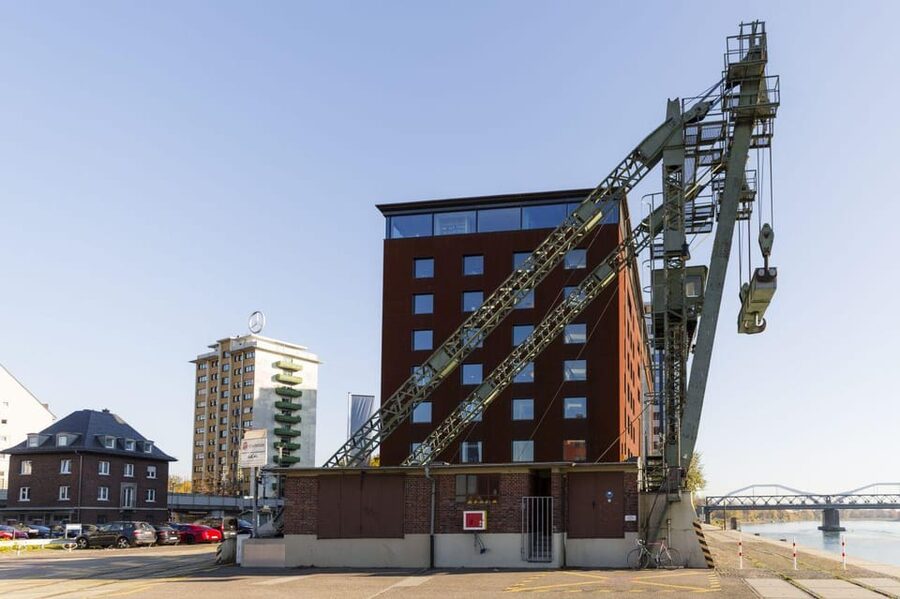
Mannheim’s commercial port is not a polished waterfront made for postcards. It is a working place of ships, cranes, warehouses, canals, and trade. That is exactly what makes this two-hour walk worthwhile. You see the city from its industrial side, then finish in Jungbusch, the former workers’ quarter turned arts and nightlife district.
I like the way the route connects bridge architecture with everyday working life. I also like the shift in mood at the end, when the port gives way to multicultural cafés, creative spaces, and evening energy. The main drawback is practical: the tour is in German, takes place in all weather, and is not suitable for wheelchair users.
In This Review
- Key points at a glance
- Starting at Mannheim’s Teufelsbrücke
- Walking through one of Europe’s major inland ports
- Bridge architecture as a guide to city history
- The people behind the cargo
- Crossing into Jungbusch
- What two hours gets you for $17
- Weather, shoes, and access
- Who will enjoy this port walk
- Should you book the Mannheim port tour?
- FAQ
- Where does the tour begin?
- How long does the walking tour last?
- What language is the tour offered in?
- What does the tour include?
- Is the tour suitable for wheelchair users?
- Does the tour run in bad weather?
- Are pets allowed on the tour?
Key points at a glance
- The Teufelsbrücke begins the story: See Mannheim’s oldest preserved bridge and a surviving piece of the early industrial age.
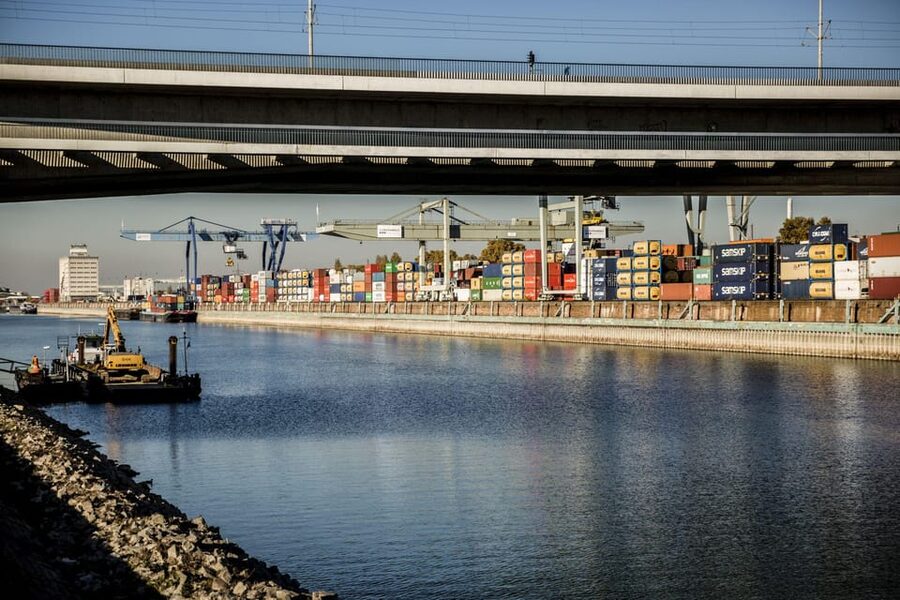
- The port is still a working place: Container ships, loading stations, warehouses, and waterways give the walk a real sense of purpose.
- Industrial history meets social history: Learn how port workers and sack carriers lived, not just how goods moved.
- Jungbusch changes the ending: The old working-class district now has a bohemian, multicultural character and a lively nightlife scene.
- The tour lasts two hours: That is enough time for a useful introduction without turning the walk into an all-day commitment.
- German is the tour language: Bring sturdy shoes and weather-ready clothing, since the walk runs in all conditions.
Starting at Mannheim’s Teufelsbrücke
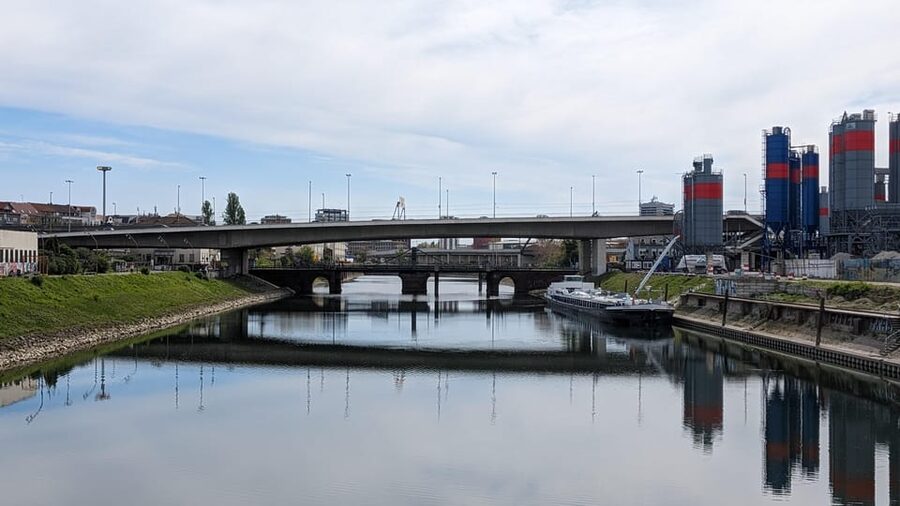
The tour begins at the Devil’s Bridge, known in German as the Teufelsbrücke. This is the oldest preserved bridge in Mannheim, and it gives the walk a strong opening point. You are not starting with a general city-center overview. Instead, you begin beside an object tied directly to the city’s industrial growth.
The bridge is a remnant of an earlier age, when waterways and crossings were central to trade and transport. Its value is not only visual. It helps you see how Mannheim developed around movement: ships on the water, goods moving between land and river, and workers connecting the two.
I like this start because it gives the rest of the walk a clear thread. As you move toward the port, the guide can explain how old industrial structures and modern commercial activity fit together. The bridge also adds a bit of character before you reach the larger port facilities.
Do not expect a grand monument with a long visit inside. The Teufelsbrücke is a stopping point within a walking route. Its appeal comes from its age, setting, and connection to Mannheim’s industrial past.
A few more Germany trips to weigh up
- Discover Berlin Half-Day Walking Tour
★ 5.0 · 9,624 reviews - Berlin: Third Reich and Cold War 2 Hour Walking Tour
★ 4.9 · 6,830 reviews - Munich: Third Reich & WWII Walking Tour
★ 4.6 · 6,181 reviews
Walking through one of Europe’s major inland ports
Mannheim’s position at the mouth of the Neckar River, where it meets the Rhine, explains much of the city’s story. Shipping has mattered here for centuries. Today, the port is one of Europe’s most important inland ports, so the walk takes you through a place with an active economic role, not a museum frozen in time.
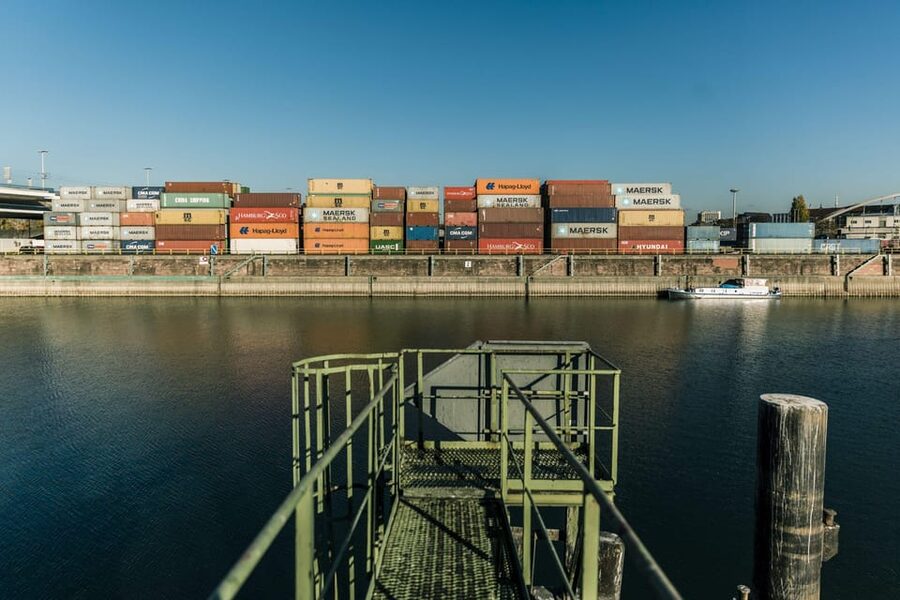
You can expect to pass container ships, loading stations, warehouses, and canals. These sights may not fit the usual idea of sightseeing, but they give you a better sense of how goods move through central Europe. The port’s scale also adds a cosmopolitan feel to the city. Mannheim is not simply a destination beside a river. It is part of a wider network of trade.
The tour crosses waterways several times. Those crossings help you understand the port as a connected system rather than a single waterfront. Each bridge or canal offers another angle on the relationship between the city and its working harbor.
I find this kind of walk especially useful if you want to understand how a city earns its living. Historic squares and churches tell one part of Mannheim’s story. The port tells another, one shaped by freight, labor, engineering, and river transport.
You should also keep your expectations realistic. This is a working industrial area, not a scenic promenade. You may see machinery, heavy infrastructure, and utilitarian buildings rather than attractive façades. That roughness is part of the point, but it will not appeal to everyone.
Bridge architecture as a guide to city history
The route uses Mannheim’s bridges and industrial structures as teaching tools. Rather than treating architecture as decoration, the walk asks what these structures were built to do and how they supported trade.
You will learn about the early stages of industrial culture and the part bridges played in linking the port to the rest of the city. The exact objects shown can vary with the guide and route conditions, but the focus is clear: look closely at the structures around you and connect them to the people and goods that once passed through the area.
This is one of the tour’s strongest features. Industrial architecture often gets ignored because it is not designed to impress. A guided explanation gives it meaning. A warehouse becomes part of a supply chain. A bridge becomes evidence of changing transport needs. A canal becomes a reason for the location of a neighborhood.
The tour also covers the port’s former and present importance for trade and tourism. That comparison matters. Mannheim’s port is not only a reminder of the past. It remains part of the city’s current identity and economy.
Since the tour lasts two hours, you get an introduction rather than a specialist engineering lecture. That balance suits most visitors. You receive enough context to notice details on your own later, without spending the whole afternoon on technical information.
The people behind the cargo
A useful port walk should talk about workers, not only ships. This one includes the living and working conditions of port laborers, including the people who handled sacks and goods before modern systems changed the work.
That social side gives the tour more weight. Industrial culture is not only about machines and buildings. It is also about the people who loaded cargo, carried materials, lived near the water, and built their routines around the port.
You will hear about the former workers’ quarters and the role of the port in shaping local life. This helps explain why Jungbusch developed as it did. The district was not simply close to the water by chance. Its position reflected the needs of the people who worked there.
I appreciate this focus because it keeps the walk grounded. You are not just looking at large infrastructure from a distance. You are learning how the port affected housing, work, movement, and neighborhood identity.
The available information does not give the guide’s name, and the experience is offered in German. If you understand German well, you should get the full value from the explanations. If you do not, this is probably not the right tour, since the spoken interpretation is a central part of the experience.
Same city, a completely different kind of day:
- Berlin: Reichstag, Dome and Government District Guided Tour
★ 4.7 · 18,288 reviews - Berlin: 1-Hour City Tour by Boat with Guaranteed Seating
★ 4.3 · 16,993 reviews - Hamburg: Sex and Crime in St. Pauli Tour for Ages 18+
★ 4.7 · 15,447 reviews - Hamburg: 1.5-Hour Harbor and Speicherstadt Day Cruise
★ 4.6 · 14,200 reviews
Crossing into Jungbusch
The last part of the route takes you to Jungbusch, separated from the port by the connecting canal. This is where the character of the walk changes.
Jungbusch was once home to workers and sack carriers. Today, it is known as a multicultural, trendy district with a bohemian art scene and a local nightlife focus. The contrast is one of the best reasons to choose this tour. You see how a neighborhood shaped by manual labor can later become a center for artists, restaurants, bars, and evening activity.
The district is not presented as a separate sightseeing stop disconnected from the port. It is the natural conclusion to the story. The guide shows how industrial neighborhoods can change while still carrying traces of their earlier role.
For you, this means the tour ends with more than machinery and warehouses. You finish in an area where you can continue exploring on your own. Since food and drinks are not included, Jungbusch is also the logical place to stop for something afterward, though the tour itself does not provide a planned meal or drink.
I would keep an eye on the time if you want to enjoy the nightlife side of the district. The walking tour lasts two hours, but the information provided does not promise a separate evening program. Think of Jungbusch as a final neighborhood visit, not a pub crawl.
What two hours gets you for $17
At $17 per person, the price is reasonable if you want context rather than independent wandering. You are paying for a guided city tour that links several subjects: shipping, bridges, industrial architecture, worker life, trade, tourism, and neighborhood change.
The value comes from the connections. You could walk around parts of the port on your own, but it would be harder to understand why the bridges matter, how the waterways shaped the city, or how Jungbusch grew from a workers’ district into a creative area.
Two hours is also a practical length. It gives you a focused look at a part of Mannheim that many short city visits miss. You can fit it into a larger day without giving up an entire afternoon.
The price does not include food, drinks, or transport to and from the meeting point. Plan those costs separately. You also need to arrive at the Teufelsbrücke on your own, so check the route before setting out.
A small booking problem is worth noting. Two groups once began at the same time, one connected to this tour and another private group, and a participant accidentally joined the wrong one. The private guide still led a good walk, but the payment arrangement became confusing. To avoid this, confirm the meeting point and group identity before the tour starts, especially if several guides are gathering nearby.
Weather, shoes, and access
This tour runs in all weather. That makes clothing a real part of your planning, not a footnote. Wear comfortable shoes with good grip and bring weather-appropriate layers. Rain, wind, or heat will affect your comfort during a two-hour walk through a port area.
You should also be ready for an urban route with bridges, canals, and industrial surroundings. The tour is not suitable for wheelchair users. No pets are allowed.
The experience does not include transportation. You are responsible for getting to the Teufelsbrücke and away from the final stop. Because the tour finishes in Jungbusch, you may want to plan your next destination from there rather than assuming you will return to the starting point.
Free cancellation is available up to 24 hours before the start time, and you can reserve now while paying later. Those terms are useful if your Mannheim plans are still moving around, but they do not change the need to prepare for the weather and walking conditions.
Who will enjoy this port walk
I would recommend this tour to you if you like cities as working places, not just collections of famous sights. It suits visitors interested in transport, architecture, social history, river trade, and urban change.
It is also a good choice if you have already seen Mannheim’s more conventional attractions and want a different angle. The port gives you a better feel for the city’s economic importance, while Jungbusch adds a current cultural note.
You may enjoy it less if you want grand historic interiors, a food tasting, or a relaxed riverside stroll. The route is practical and industrial. Its rewards come from explanation and observation, not spectacle.
German speakers will get the most from the tour. The listed language is German, and some content is presented in its original language. There is no indication of an English option, so check the available language details before booking if German is not comfortable for you.
Should you book the Mannheim port tour?
Book it if you want to understand the city beyond its postcard sights. The combination of the Teufelsbrücke, active port, bridge architecture, worker history, and changing Jungbusch district gives you a clear two-hour story about how Mannheim developed and where it is heading.
At $17, it is a fair buy for a focused guided walk, especially if you are curious about industrial cities. Choose another activity if you need English guiding, wheelchair access, indoor shelter, or a food-centered experience.
Bring solid shoes, dress for the forecast, and double-check the meeting group at the Teufelsbrücke. If those points work for you, this is a smart way to see Mannheim’s working side and finish in one of its most interesting neighborhoods.
FAQ
Where does the tour begin?
The tour begins at the Teufelsbrücke, also called the Devil’s Bridge.
How long does the walking tour last?
The tour lasts two hours.
What language is the tour offered in?
The live tour guide speaks German. Some content is shown in its original language.
What does the tour include?
The tour includes the guided city walk. Food, drinks, and transportation to and from the meeting point are not included.
Is the tour suitable for wheelchair users?
No. The tour is not suitable for wheelchair users.
Does the tour run in bad weather?
Yes. The tour takes place in all weather, so you should bring weather-appropriate clothing and comfortable shoes.
Are pets allowed on the tour?
No. Pets are not allowed.
Just added around Germany
- Aachen old town tour – GERMAN (public)★ 5.0 · 24 reviews
- Aachen Private Walking Tour With A Professional Guide★ 5.0 · 11 reviews
- Cologne Highlights: Exclusive Private Tour★ 5.0 · 5 reviews
- Bremen Private Walking Tour With A Professional Guide★ 5.0 · 7 reviews
- Private Walking Tour through the Fascinating Bremen’s City Center★ 5.0 · 5 reviews
- Explore Cologne’s best Street Art Quarter★ 4.5 · 4 reviews
- Bremen Exploration Private Game and City Tour on your Phone★ 4.5 · 7 reviews
- e-Scavenger hunt Bremen: Explore the city at your own pace★ 4.0 · 24 reviews
Walking Tours, compared.





Berlin’s Best: 2 Hour Walking Tour Third Reich and the Cold War
Read our review →


Third Reich Berlin: Hitler and WWII Walking Tour
Read our review →Browse the lists this tour appears in