
Reviewed · WALKING TOURS
Hamburg: Guided Walking Tour
Hamburg’s story unfolds nicely on foot, from the grand Town Hall and inner Alster to old merchant streets, warehouse canals, and the modern Elbphilharmonie. This two-hour route gives you a useful first look at how a trading city became a major port and then began remaking its waterfront.
I like the clear path through several very different parts of Hamburg, and I like the way the guide connects old port buildings with new urban quarters. The price is also fair for a live guide at $21. The main drawback is that the tour is conducted in German only, and the presentation may feel more like a formal city lecture than a relaxed walk full of jokes and anecdotes.
In This Review
- Key points to know before booking
- From the Town Hall into Hamburg’s city story
- Alsterarkaden and Jungfernstieg: Hamburg’s polished center
- Trostbrücke and St. Nikolai Memorial: War, trade, and memory
- Deichstrasse: Hamburg before the modern waterfront
- Speicherstadt: warehouses, canals, and new city life
- From old port facilities to HafenCity
- Elbphilharmonie and harbor views at the finish
- How the guiding style affects the experience
- What $21 buys you, and what it does not
- Who should choose this Hamburg walk
- Should you book the Hamburg Guided Walking Tour?
- FAQ
- Where does the Hamburg walking tour begin?
- Where does the tour finish?
- How long does the tour last?
- What language is the tour conducted in?
- What is included in the price?
- Are food and drinks included?
- Are entrance fees included?
- Does the route visit Speicherstadt?
- Does the tour include the Elbphilharmonie?
- Can I cancel for a refund?
Key points to know before booking
- Town Hall to Elbphilharmonie: The route crosses central Hamburg and finishes beside the city’s modern concert hall.
- A compact history lesson: You’ll learn how Hamburg developed as a merchant city and sovereign city state.
- Old port buildings with new uses: Speicherstadt and former Kaiser-era facilities show Hamburg’s changing waterfront.
- Strong visual support: Guides may use pictures during the explanation, which helps with buildings and historical changes.
- German-language format: The live tour is offered in German, with no English option listed.
- Good value at $21: The fee covers the walk and guide, but not drinks, snacks, or entrance tickets.
From the Town Hall into Hamburg’s city story
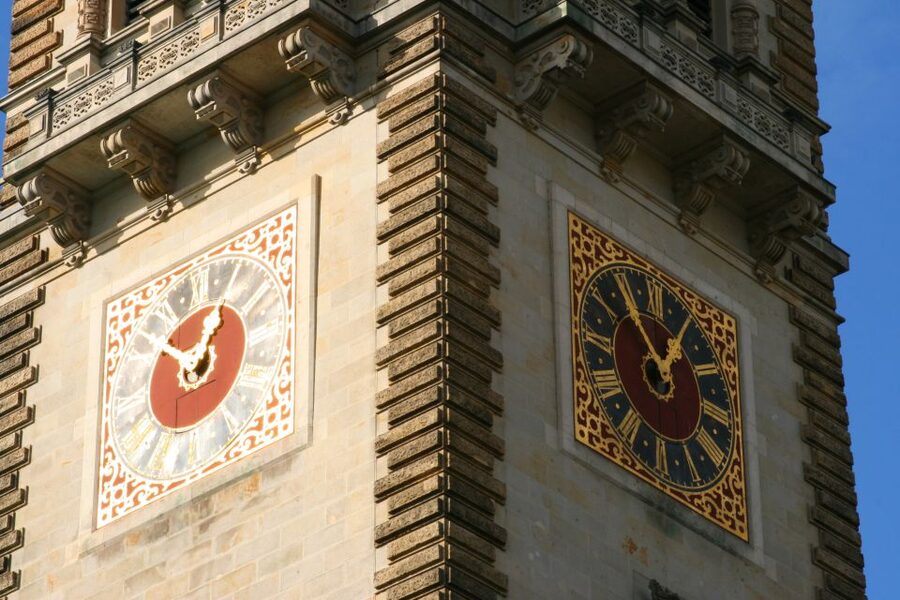
Meet in front of the main entrance of Hamburg’s Town Hall. This is a practical starting point because the building gives you an immediate sense of Hamburg’s wealth, civic pride, and political importance.
The tour begins with a guided look at the Town Hall before moving toward the Alster. The point is not simply to photograph a grand facade. You are introduced to Hamburg as a city that developed its own identity as a merchant center and sovereign city state.
That context matters. Hamburg is not just a port with a pleasant city center attached. Its trade shaped its government, streets, warehouses, and public buildings. A guide can help you connect those pieces before the route reaches the waterfront.
The walk is designed as an introduction rather than a museum visit. You will not go inside a series of attractions, and entrance tickets are not included. Instead, you get a moving explanation of the city, with stops that let you see major buildings and districts in sequence.
A few more Hamburg trips to weigh up
- Hamburg: Guided Walking Tour for Magic Fans
★ 4.8 · 1,992 reviews - Reeperbahn Walking Tour with St. Pauli Local
★ 4.8 · 577 reviews - Hamburg: Speicherstadt Walking Tour with Coffee Tasting
★ 4.6 · 360 reviews
Alsterarkaden and Jungfernstieg: Hamburg’s polished center
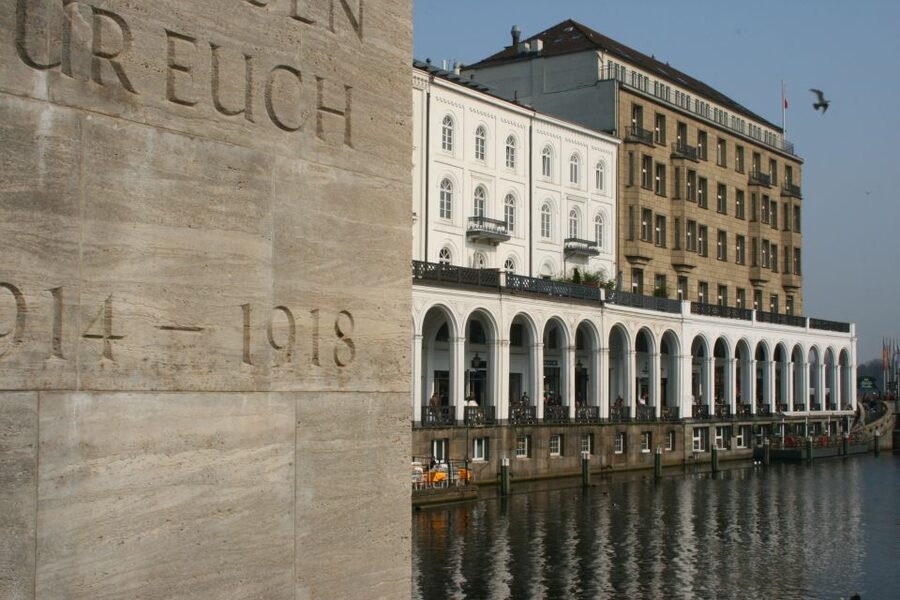
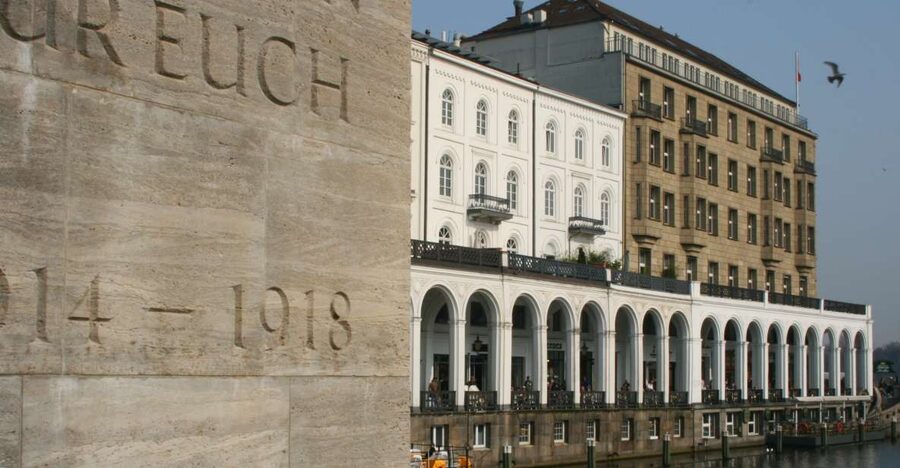
From the Town Hall, the route continues to the Alsterarkaden and Jungfernstieg. These stops show a more elegant side of central Hamburg, away from the rougher working-port image many people expect.
The inner Alster lake is one of the city’s key reference points. From here, you can understand how water remains part of Hamburg’s daily character, even in the central shopping and business district. The Alsterarkaden add a graceful architectural edge to the waterfront, while Jungfernstieg brings you into one of the city’s best-known public spaces.
I like this early section because it gives you orientation. You begin with civic power at the Town Hall, then move to water, commerce, and public life. It is a better way to understand the center than simply collecting isolated photo stops.
Keep in mind that this is a guided walk through active city streets. The central area can be busy, and the guide’s voice may be harder to hear if the group gathers near traffic or crowds. One useful tip is to stay close to the guide and confirm the meeting point before starting. A past participant specifically wished guides were easier to identify in a crowd.
Trostbrücke and St. Nikolai Memorial: War, trade, and memory
Trostbrücke takes the route toward older parts of Hamburg and the city’s historic connection with water and commerce. The bridge area helps shift the focus from polished central streets to the network of canals, streets, and trading spaces that supported Hamburg’s growth.
The next important stop is St. Nikolai Memorial. This is one of the places where Hamburg’s twentieth-century history comes into view. The stop adds weight to the tour, since Hamburg’s past is not only about successful trade and fine architecture.
You should expect an explanation from outside rather than a full indoor visit. Since entrance fees are not part of the tour, any visit inside an attraction would be at your own cost. The guide’s role here is to place the memorial within the city’s wider story and show how historic buildings can carry several layers of meaning.
This section may appeal most to you if you want more than a list of landmarks. The route moves from business and civic pride into memory and loss, then continues toward surviving historic streets and warehouses.
Deichstrasse: Hamburg before the modern waterfront
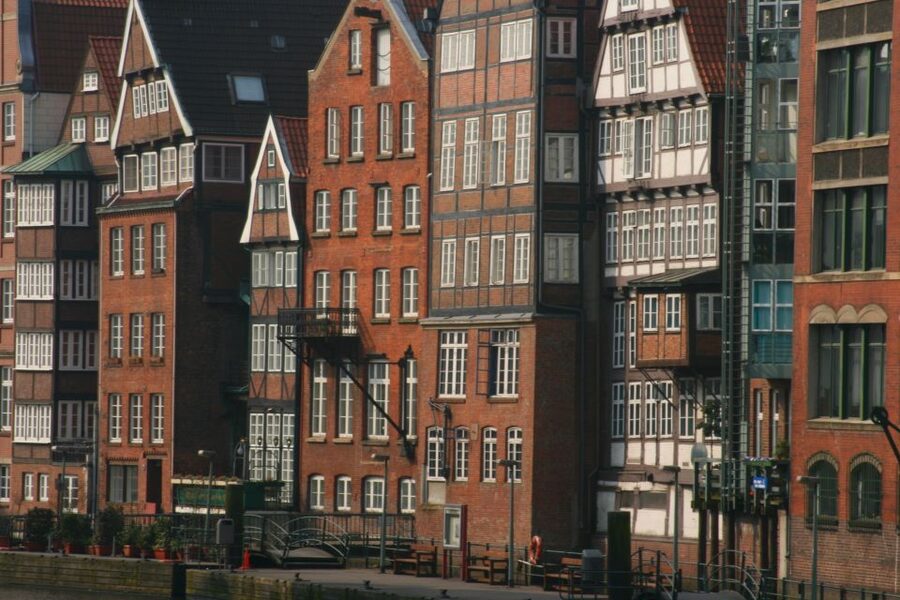
Deichstrasse offers a look at older Hamburg buildings close to the water. Its historic streetscape helps you picture the city before large-scale waterfront redevelopment changed the area.
The value of this stop is visual. After the broad spaces around the Town Hall and Alster, Deichstrasse brings you into a more intimate part of the city. The buildings and street arrangement make Hamburg’s merchant past easier to imagine.
A guide can also explain why these older structures matter in a city that has changed so much. Hamburg is a working city, and its older buildings were tied to business rather than built only for display. That practical background makes the next stop, Speicherstadt, easier to understand.
You will not be stopping for food or drinks as part of the tour. There is no snack break included, so plan to eat before the walk or after it. The two-hour length is manageable, but a drink can be useful if you are walking on a warm day.
Same city, a completely different kind of day:
- Hamburg: Sex and Crime in St. Pauli Tour for Ages 18+
★ 4.7 · 15,447 reviews - Hamburg: 1.5-Hour Harbor and Speicherstadt Day Cruise
★ 4.6 · 14,200 reviews - Hamburg: 90-Minute Evening Lights Harbor Cruise
★ 4.5 · 7,728 reviews - Hamburg: 2-Hour XXL Port of Hamburg Cruise Tour
★ 4.7 · 6,979 reviews
Speicherstadt: warehouses, canals, and new city life
Speicherstadt is one of the central sights on this route. The former warehouse district is known for its large historic buildings and waterways, and it now contains attractions such as the Spice Museum, the Hamburg Dungeon, and the world’s largest model railway.
The tour does not include admission to those attractions. That is important when comparing the $21 price with a ticketed sightseeing tour. You are paying for the guided walk and interpretation, not for entry into the museums or entertainment venues.
I like this part of the route because it shows how port infrastructure can acquire a second life. The warehouses were built for trade, but the district now functions as part of Hamburg’s urban center. You can see the physical setting that supported the merchant city while also seeing how the buildings serve present-day visitors and residents.
The guide also discusses port facilities dating to the reign of the Kaiser. These buildings make the city’s industrial past concrete. Instead of hearing only about shipping in the abstract, you are looking at the structures that handled goods and helped Hamburg grow.
The tour’s strongest educational feature may be this link between architecture and economics. Warehouse size, waterfront access, street design, and later redevelopment all tell part of the same story. If you enjoy understanding why a city looks the way it does, Speicherstadt should be one of the most useful sections.
From old port facilities to HafenCity
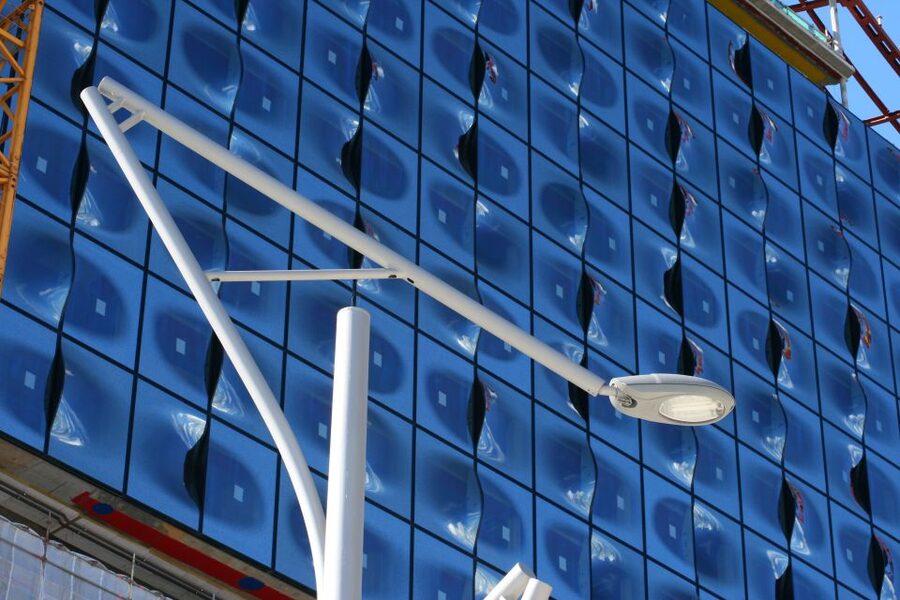
After Speicherstadt, the route moves toward HafenCity, Hamburg’s expanding inner-city district along the Elbe. This is where the tour shifts from preserved history to active development.
HafenCity is built around new architecture, public spaces, and former port areas being put to new use. The contrast is sharp. In one part of the walk, you are looking at historic warehouses designed for imported goods. Soon after, you are seeing a planned urban quarter that reflects current ideas about housing, offices, public access, and waterfront design.
The guide’s explanation is useful here because new buildings can be hard to read without context. A quick photograph tells you what a structure looks like, but it does not explain why a port district was changed or how the city is trying to bring people closer to the Elbe.
The tour also gives you views toward one of the world’s major ports. That helps keep HafenCity connected to Hamburg’s working identity. This is not a waterfront that has forgotten shipping. It is a place where commercial history, new construction, and public space now sit beside each other.
Because the district is still described as a growing area, some parts may feel more like an urban project than a finished historic quarter. That is a benefit if you want to see present-day Hamburg taking shape. It may be less appealing if you want every stop to look old and perfectly preserved.
Elbphilharmonie and harbor views at the finish
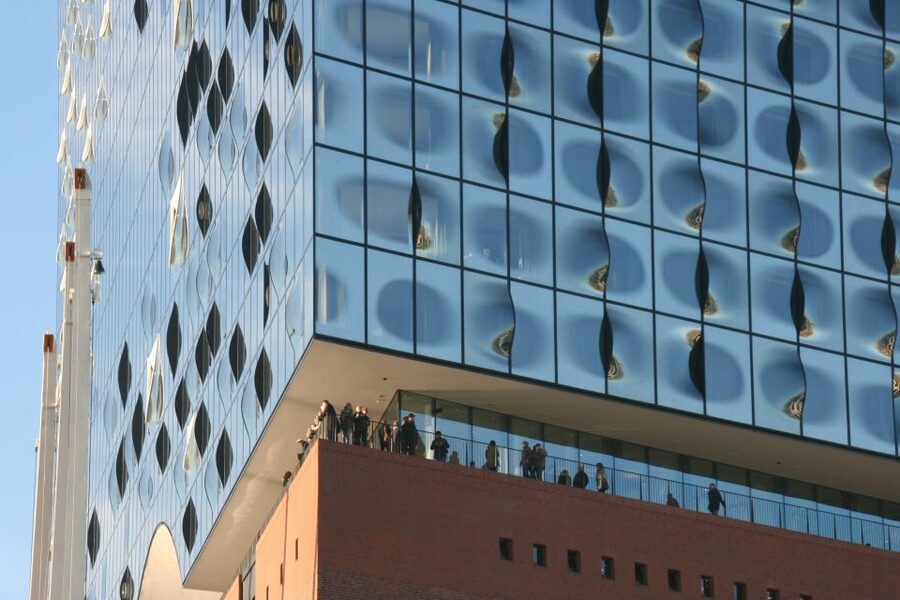
The final major stop is the Elbphilharmonie, Hamburg’s famous concert hall. Its modern design provides a strong ending after the older Town Hall, Deichstrasse, and Speicherstadt.
The tour finishes at Am Sandtorkai 66, 20457 Hamburg, near the HafenCity waterfront. This gives you a useful place to continue exploring on your own, take in the harbor views, or consider one of the nearby attractions. The tour itself does not include admission to the concert hall or other sites.
The Elbphilharmonie also sums up the route’s main idea. Hamburg continues to use its waterfront as a source of trade, identity, and public life, but the buildings and spaces around it keep changing. The old port and the new city are not separate stories here.
I would treat the finish as a good orientation point rather than assume it is the end of your Hamburg sightseeing. You may want extra time afterward for photographs and views. Since the guided portion lasts two hours, the schedule is compact enough to fit before another planned activity.
How the guiding style affects the experience
The guide is qualified, live, and German-speaking. The strongest feedback points to information that is clear, concise, and well organized. One participant described the tour as a helpful introduction to Hamburg’s history, while another praised the guide for being friendly and open to questions.
Some guides use pictures during the explanations. That can be especially helpful at Speicherstadt and HafenCity, where older images or visual comparisons make the city’s changes easier to grasp.
The tone may not suit everyone. One piece of feedback asked for more anecdotes and a looser style, and another pointed to a speech that could have been smoother and more engaging. I would book this expecting a solid civic and architectural explanation, not a theatrical performance.
Language is the biggest practical consideration. The activity information lists German as the tour language. If you are comfortable following a German-speaking guide, the format should work well. If not, the $21 fee may not represent good value, since the tour’s main benefit is the spoken explanation.
The overall rating is 4.2 from 14 ratings, which suggests a generally positive but not uniformly glowing experience. That fits the details: the route and subject matter are strong, while the exact quality depends on the guide’s delivery and how clearly you can find and hear the guide.
What $21 buys you, and what it does not
At $21 per person, this is a reasonable price for a two-hour guided introduction to central Hamburg and the waterfront. You cover several major areas without paying separate entry fees for each one, and you get a connected explanation rather than a collection of unrelated facts.
The value is best if you are new to Hamburg and want a framework for the rest of your visit. After the walk, you will know where the Town Hall, Alster, Deichstrasse, Speicherstadt, HafenCity, and Elbphilharmonie fit together.
The fee includes the walking tour and qualified guide. Snacks, beverages, and entrance fees are not included. If you want to visit the Spice Museum, Hamburg Dungeon, model railway, or another attraction along the route, budget for that separately.
The flexible booking terms also help. You can cancel up to 24 hours before the start for a full refund, and you can reserve now and pay later. The tour lasts two hours, but starting times should be checked for your chosen date.
Who should choose this Hamburg walk
I would recommend this tour to you if you want a short first look at Hamburg with a clear historical thread. It suits people who enjoy architecture, urban development, port history, and seeing several districts in one outing.
It is also a good fit if you prefer walking to sitting on a bus. The route lets you move from the city center to the waterfront at street level, where the changes in building scale and public space are easier to notice.
You may want a different option if you need English, want entry to attractions included, or prefer a guide who relies heavily on humor and personal stories. The route is informative, but the delivery may be more formal than entertaining.
Wear practical walking shoes and keep the meeting point simple: the front entrance of the Town Hall. Stay alert for the guide in the crowd, especially at the start, since clear identification has been a concern for at least one participant.
Should you book the Hamburg Guided Walking Tour?
Book it if you want a compact German-language overview that links Hamburg’s merchants, civic buildings, historic port, warehouse district, and new waterfront architecture. For $21, the route covers a lot of ground and gives you useful bearings for later sightseeing.
Skip it if you need an English tour or want admission tickets and refreshments bundled into the price. The best reason to choose this walk is not a single landmark. It is the way the route connects Hamburg’s old trading city with the changing HafenCity waterfront, ending at the Elbphilharmonie.
FAQ
Where does the Hamburg walking tour begin?
It begins in front of the main entrance of Hamburg’s Town Hall.
Where does the tour finish?
The tour finishes at Am Sandtorkai 66, 20457 Hamburg, Germany.
How long does the tour last?
The guided walk lasts two hours.
What language is the tour conducted in?
The live tour guide speaks German. German is the only language listed for this activity.
What is included in the price?
The price includes the walking tour and a qualified guide.
Are food and drinks included?
No. Snacks and beverages are not included.
Are entrance fees included?
No. Entrance fees are not included in the tour price.
Does the route visit Speicherstadt?
Yes. Speicherstadt is one of the guided stops, with its historic warehouses and connections to attractions such as the Spice Museum, Hamburg Dungeon, and the model railway.
Does the tour include the Elbphilharmonie?
The route includes a guided stop at the Elbphilharmonie and finishes nearby. Admission to the building is not included.
Can I cancel for a refund?
Yes. You can cancel up to 24 hours in advance for a full refund. You can also reserve now and pay later.
Just added around Hamburg
- Hamburg: Historical Tour of the St. Pauli Sex Work District★ 4.4 · 215 reviews
- Hamburg: St. Pauli Food and Bier Tour★ 4.7 · 5 reviews
- Hamburg: Private Tour Red Light District Walking Tour★ 4.7 · 227 reviews
- St. Pauli Tour: Drag-Attack with Barbie Stupid & Lee Jackson★ 4.8 · 280 reviews
- St. Michael’s, Elbe Tunnel & Harbor 2-Hour Hamburg Tour★ 4.9 · 21 reviews
- Satt Pauli – der kulinarische Rundgang durch St. Pauli★ 4.8 · 12 reviews
- Hamburg: Safari tour in St. Pauli★ 4.9 · 11 reviews
- Hamburg: Reeperbahn Comedy Club★ 4.3 · 53 reviews
Walking Tours, compared.





Berlin’s Best: 2 Hour Walking Tour Third Reich and the Cold War
Read our review →


Third Reich Berlin: Hitler and WWII Walking Tour
Read our review →Browse the lists this tour appears in