
Reviewed · WALKING TOURS
Hamburg – Freemason Walking Tour in German
Hamburg’s Freemason Walking Tour turns familiar city sights into a puzzle. Starting at the memorial of St. Nicholas’ Church, you follow clues through the old center, examining symbols, signs, and rituals linked to Freemasonry and learning how this private society shaped Hamburg’s public life.
I like the clear two-hour length and the fact that the route uses major landmarks rather than hiding the subject away in a meeting room. I also like the chance to see the Hamburg Masonic lodge headquarters, a destination most city walks would pass without explanation.
The main caution is the German-only format. The quality also depends heavily on the guide’s approach: some participants found the tour well structured and factual, while others wanted fewer stories and more firm evidence about symbols on buildings.
In This Review
- Key points to know before booking
- Why Hamburg makes a good setting for Freemason history
- Starting at the St. Nikolai memorial
- Trostbrücke and Hamburg’s older civic center
- Adolphspl. 1 and the search for visible clues
- Hamburg Town Hall: public power and private networks
- Stephansplatz and the central-city surroundings
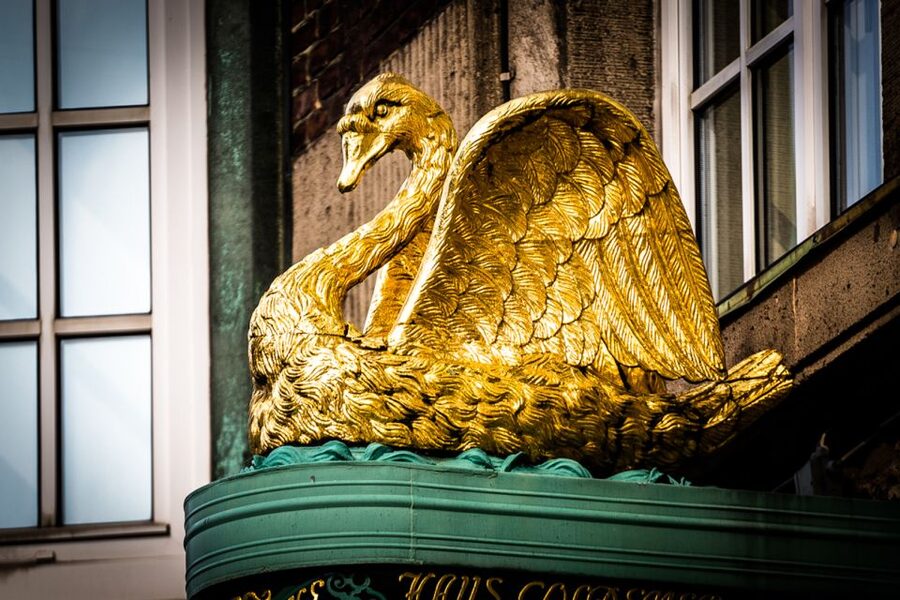
- Gänsemarkt and the route’s final urban clues
- The Masonic lodge headquarters
- What the $29 price buys you
- Who will enjoy this walk most
- Practical details that affect your choice
- Should you book the Hamburg Freemason Walking Tour?
- FAQ
- Where does the Hamburg Freemason Walking Tour begin?
- How long does the tour last?
- What language is the tour conducted in?
- How much does the tour cost?
- Which Hamburg locations are included?
- Will I see the Hamburg Masonic lodge headquarters?
- Is the tour wheelchair accessible?
- What is the cancellation policy?
Key points to know before booking
- A city walk with a secret-society theme: You investigate Freemasonry while moving through Hamburg’s central streets.
- The route begins at St. Nicholas’ Church: Meet at the main entrance of the St. Nikolai memorial.
- Major stops include Hamburg Town Hall, Trostbrücke, Gänsemarkt, and Adolphspl. 1: Each stop adds another piece to the story.
- The tour is conducted in German: This matters more here than on a standard sightseeing walk because much of the value comes through spoken explanation.
- The experience lasts two hours and costs $29 per person: That is a fair price if you enjoy guided interpretation, not simply landmark sightseeing.
- The tour is wheelchair accessible and recommended for ages 12 and up: You can cancel free up to 24 hours before the start and reserve without paying at once.
Why Hamburg makes a good setting for Freemason history
Hamburg is a useful place for this subject because the tour connects private beliefs with very public buildings. You are not simply hearing about a distant organization in abstract terms. You are looking at the city’s streets, civic buildings, bridges, and older façades while asking what signs may mean and how much interpretation they can reasonably support.
That tension is part of the appeal. Freemasonry has long attracted stories about secrecy, symbolism, and influence. A good guide needs to separate documented facts from speculation, and that is where your own experience may vary. Several ratings praise the guide’s factual command and orderly presentation. One lower assessment criticized the route for lacking a clear thread and for offering too little explanation of the meaning of Masonic signs on buildings.
I would book this as a history and interpretation walk, not as a hunt for dramatic revelations. You may see details that change the way you look at Hamburg’s older architecture, but the tour cannot turn every triangle, column, or geometric shape into proof of Masonic activity. The best moments should help you ask better questions rather than hand you a sensational answer.
A few more Hamburg trips to weigh up
- Hamburg: Guided Walking Tour for Magic Fans
★ 4.8 · 1,992 reviews - Reeperbahn Walking Tour with St. Pauli Local
★ 4.8 · 577 reviews - Hamburg: Speicherstadt Walking Tour with Coffee Tasting
★ 4.6 · 360 reviews
Starting at the St. Nikolai memorial
Your meeting point is Am Mahnmal St. Nikolai, at the main entrance of the St. Nikolai memorial. This is a practical starting place in the central city, and it gives the guide a strong visual setting for introducing Hamburg, memory, religion, and civic life before the walk begins.
The church memorial also helps set the tone. You begin among visible remnants and public history, then move toward less obvious signs and private associations. The contrast fits a tour about a society that operates through both public symbols and restricted membership.
Arrive with enough time to find the main entrance. The supplied meeting information is precise, but central Hamburg has several nearby streets and attractions, so checking the route from your accommodation before the day of the tour is sensible. The activity is listed as wheelchair accessible, though the exact ease of every pavement section is not described.
At the opening, expect the guide to establish the basic story of Freemasonry in Hamburg and explain what the walk will look for. This early framing matters. One of the strongest comments praised a clear thread through the tour, while a weaker experience was described as chaotic. If you like a walk that builds one idea at a time, pay attention to how the guide lays out the route at the start.
Trostbrücke and Hamburg’s older civic center
From St. Nikolai, the route includes Trostbrücke, a historic bridge area that links the church memorial with Hamburg’s older central streets. Here, the subject can move from general background to the way urban spaces carry layers of meaning.
The value of a stop like this is not necessarily a single unmistakable Masonic emblem. Instead, you are learning how the guide reads the city. Look for an explanation of what is documented, what is traditional Masonic imagery, and what is only a possible connection. That distinction will tell you a lot about the quality of the tour.
Trostbrücke is also a useful point for understanding how a walking tour works. You are outdoors, sharing space with normal city traffic and daily activity. You will not be entering every building or examining private lodge rooms. The experience depends on the guide placing each location in context and helping you notice details at street level.
If you prefer architecture, local politics, and urban history, this section should be rewarding. If you want a tour packed with visible symbols at every turn, you may find the pace less dramatic than the subject suggests.
Adolphspl. 1 and the search for visible clues
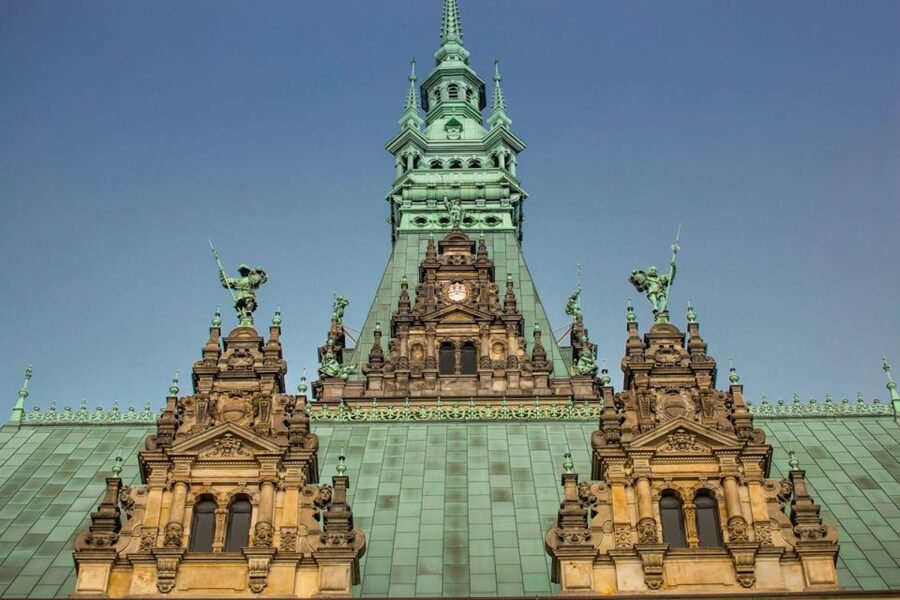
The itinerary includes a guided stop at Adolphspl. 1. The information supplied does not identify the exact building feature or room connected with this address, so I would not promise a particular façade, plaque, or interior visit.
What you can expect is another explanation of how Freemasonry appears in Hamburg’s built environment. The guide may point out a sign, design element, historical connection, or location tied to the organization. This is where the German language becomes especially important. You need to follow a fairly detailed explanation while looking at a building that may not announce its connection clearly.
A participant who wanted more facts and less fiction gives you a useful booking warning. This is not a staged mystery tour with guaranteed revelations. Ask yourself how much you enjoy weighing evidence and listening to historical interpretation. If you want the guide to identify precise symbols and explain their accepted meanings, this stop will be strongest when the presentation is concrete.
The positive side is that such a stop can sharpen your eye. Afterward, older Hamburg buildings may no longer look like neutral backdrops. You may find yourself checking repeated shapes, formal arrangements, and civic imagery with more care.
Same city, a completely different kind of day:
- Hamburg: Sex and Crime in St. Pauli Tour for Ages 18+
★ 4.7 · 15,447 reviews - Hamburg: 1.5-Hour Harbor and Speicherstadt Day Cruise
★ 4.6 · 14,200 reviews - Hamburg: 90-Minute Evening Lights Harbor Cruise
★ 4.5 · 7,728 reviews - Hamburg: 2-Hour XXL Port of Hamburg Cruise Tour
★ 4.7 · 6,979 reviews
Hamburg Town Hall: public power and private networks
Hamburg Town Hall is one of the route’s central stops, and it gives the tour a natural place to discuss influence, civic identity, and the relationship between private groups and public institutions. You will hear the guide connect the Masonic story to one of Hamburg’s most important civic addresses.
The Town Hall is also a demanding stop for any guide. It is visually impressive, well known, and surrounded by ordinary sightseeing activity. A useful explanation needs to do more than point at grand architecture. It should tell you what connection is documented, what symbols are being interpreted, and why the building matters to the story.
I would listen for structure here. The strongest feedback about the experience praised a guide who presented the subject in an authentic way and kept a visible through-line. Another rating asked for more facts and less fiction. Those comments point to the same practical issue: the Town Hall section should help you understand Hamburg, not simply add an exciting secret-society claim to a famous building.
You may not go inside the Town Hall as part of this activity. The supplied details describe a guided outdoor walking route and do not promise interior access. Treat this as a stop for explanation and observation rather than a building tour.
Stephansplatz and the central-city surroundings
Stephansplatz and its surrounding streets are named among the important parts of the tour. The detailed stop list also includes Gänsemarkt, so the exact walking order may vary by departure or guide. Either way, this central area gives the tour room to connect individual symbols with the broader city.
The appeal here is comparison. Instead of seeing one isolated mark, you can consider how design, public spaces, and historical associations repeat or differ across Hamburg. A good guide will show you what deserves attention and avoid claiming that every old ornament carries a secret message.
The walk through central Hamburg should also help you judge the tour’s pace. Two hours is enough time for several stops, but not enough for a full architectural survey or a long lecture at every location. You will be walking between points, listening outdoors, and sometimes sharing the pavement with people who are not part of the group.
For that reason, comfortable shoes and weather-appropriate clothing are wise, even though no special equipment is listed. The price does not include transport, meals, or entry tickets. Since the experience is a walking tour, the $29 fee mainly pays for the guide’s research, explanations, and ability to connect places that you could visit independently.
Gänsemarkt and the route’s final urban clues
Gänsemarkt is another named guided stop. It provides a change from the most obvious civic landmarks and helps the tour finish with the city around you rather than with a single museum display.
Here, the guide’s storytelling style may matter most. The subject naturally invites theories, legends, and dramatic claims. A factual guide can make the material interesting without overstating what is known. A less disciplined presentation may leave you unsure which details are supported and which are colorful additions.
One German-language assessment called the experience very factually grounded. Another praised the guide’s authenticity and clear construction. Those are important positives for a topic that can easily become vague. At the same time, the lower rating specifically wanted more about the signs on buildings and their meaning. If that is your main reason for booking, keep your expectations precise: the tour investigates symbols and their possible significance, but the supplied details do not promise a set number of visible Masonic marks.
Gänsemarkt also works well as a practical end point because it leaves you in the central city. You can continue sightseeing afterward, though the activity information does not specify the exact finishing arrangement beyond the listed route.
The Masonic lodge headquarters
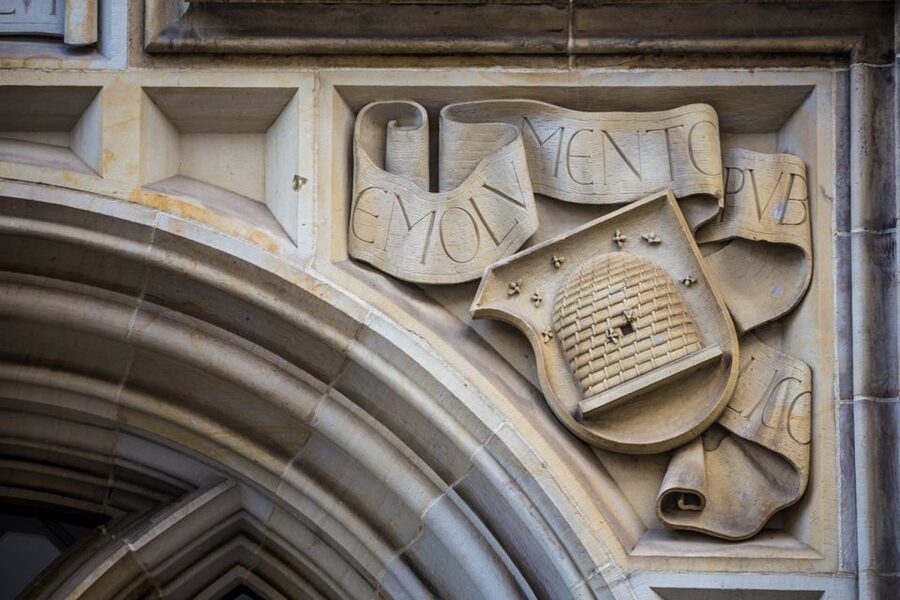
The present headquarters of the Hamburg Masonic Lodge is the most distinctive stop on the route. Seeing the headquarters gives the walk a physical endpoint connected directly to the organization rather than only to buildings interpreted from the outside.
Do not assume that headquarters access means a private interior tour. The information promises a visit to the location as part of the walking route, not entry into lodge rooms or participation in a ritual. You should expect the guide to explain the building’s role and the organization’s presence in Hamburg from the public street setting.
This stop gives the earlier symbols more context. You have already considered signs, rituals, and possible connections around the city. At the lodge headquarters, you can place those ideas alongside a current institutional address. That link between past and present is one of the tour’s strongest features.
It is also a good reminder that the Freemasons are not just a subject from old stories. The tour presents the organization as part of Hamburg’s continuing history, while keeping the focus on what can be seen and discussed during a public walking experience.
What the $29 price buys you
At $29 per person, this is priced above a basic free city walk but below many specialist private tours. I think the value is reasonable if you want a focused subject and a live German-speaking guide. You are paying for a two-hour route with several linked stops, not for admission to a major attraction.
The included souvenir adds a small physical reminder of the experience, and the experienced tour guide is the main value. You could walk past St. Nikolai, Trostbrücke, the Town Hall, Gänsemarkt, and the lodge headquarters on your own. What you cannot easily reproduce is the selection of details, the historical links, and the explanation of Masonic signs.
That value depends on the guide staying close to evidence. The strongest recorded praise centers on clear structure, authenticity, and solid factual content. The weaker response suggests the opposite risk: filler, a scattered route, and too little detail about the symbols themselves.
If your German is comfortable enough for a two-hour historical discussion, the price is easier to justify. If you understand only basic German, the cost may be harder to defend because the central product is spoken interpretation, not a self-guided map or multilingual audio system.
Who will enjoy this walk most
I would recommend this experience to anyone who has already seen Hamburg’s headline sights and wants a narrower subject. It suits people who like urban history, symbolism, civic architecture, and the gap between public evidence and private tradition.
It should also work for older children and teenagers, since the recommended minimum age is 12. The theme can be a useful way to get a young person looking closely at buildings, though the German presentation and historical detail may not suit every child.
You will probably get the most from it if you:
- Understand German well enough to follow a detailed live explanation.
- Enjoy walking between central landmarks.
- Prefer fact-based history to theatrical mystery.
- Want to notice symbols and design elements you might otherwise ignore.
- Are happy with a public outdoor tour rather than guaranteed interior access.
I would choose another activity if you want a general introduction to Hamburg, a museum visit, or a tour conducted in English. I would also hesitate if your main goal is a long list of confirmed Masonic symbols on façades, since the available feedback shows that this point can vary with the guide.
Practical details that affect your choice
The tour lasts two hours, so it fits neatly into a morning or afternoon. Starting times vary, and you need to check availability for the date you want. The meeting point is the main entrance at the St. Nikolai memorial, not the Town Hall or the lodge headquarters.
The tour is conducted in German and is listed as wheelchair accessible. No separate transport is required. The route connects several central locations on foot, so plan for outdoor conditions and normal city pavement.
The activity is recommended for ages 12 and up. You can cancel up to 24 hours before the start for a full refund, and the reserve-now, pay-later option lets you hold a place without paying immediately. Those terms are useful if your Hamburg schedule is still changing.
The overall rating is 4.4 from 38 ratings, which suggests a generally positive experience with some variation. I would read that as a reason to focus on guide style rather than expect a fixed performance every time. Kirsten is named in especially warm feedback, with praise for making the subject accessible and encouraging people to look at the whole city in a new way.
Should you book the Hamburg Freemason Walking Tour?
Book it if you want a focused, German-language walk that uses Hamburg itself as the evidence room. The strongest reason to go is the combination of major city sights with a subject you are unlikely to encounter on a standard tour. The lodge headquarters, the emphasis on symbols, and the connection between public buildings and a private organization give the two hours a clear purpose.
I would book with one expectation firmly in place: this is an interpretive history walk, not a guaranteed search for secret signs. Choose it for careful explanation, local context, and a fresh way to read old buildings. If you need a tightly documented account with precise architectural proof at every stop, check that the available departure suits your preference for facts over storytelling.
FAQ
Where does the Hamburg Freemason Walking Tour begin?
The meeting point is at the main entrance of the St. Nikolai memorial, listed as Am Mahnmal St. Nikolai, Haupteingang.
How long does the tour last?
The walking tour lasts two hours.
What language is the tour conducted in?
The live tour guide speaks German. German ability is important because the experience depends on spoken historical explanation.
How much does the tour cost?
The listed price is $29 per person.
Which Hamburg locations are included?
The route includes St. Nicholas’ Church, Trostbrücke, Adolphspl. 1, Hamburg Town Hall, Gänsemarkt, Stephansplatz and its surrounding area, plus the present headquarters of the Hamburg Masonic Lodge.
Will I see the Hamburg Masonic lodge headquarters?
Yes. The headquarters is one of the important locations included in the walk. The activity information does not promise interior access.
Is the tour wheelchair accessible?
Yes, the activity is listed as wheelchair accessible.
What is the cancellation policy?
You can cancel up to 24 hours in advance for a full refund. You can also reserve now and pay later.
Just added around Hamburg
- Hamburg: Historical Tour of the St. Pauli Sex Work District★ 4.4 · 215 reviews
- Hamburg: St. Pauli Food and Bier Tour★ 4.7 · 5 reviews
- Hamburg: Private Tour Red Light District Walking Tour★ 4.7 · 227 reviews
- St. Pauli Tour: Drag-Attack with Barbie Stupid & Lee Jackson★ 4.8 · 280 reviews
- St. Michael’s, Elbe Tunnel & Harbor 2-Hour Hamburg Tour★ 4.9 · 21 reviews
- Satt Pauli – der kulinarische Rundgang durch St. Pauli★ 4.8 · 12 reviews
- Hamburg: Safari tour in St. Pauli★ 4.9 · 11 reviews
- Hamburg: Reeperbahn Comedy Club★ 4.3 · 53 reviews
Walking Tours, compared.





Berlin’s Best: 2 Hour Walking Tour Third Reich and the Cold War
Read our review →


Third Reich Berlin: Hitler and WWII Walking Tour
Read our review →Browse the lists this tour appears in