
Reviewed · BERLIN TOURS
Get In: The Ultimate Berlin Club Tour
Berlin’s clubs are more than rooms with loud music and a difficult door. They grew from queer activism, punk, migration, abandoned buildings, techno, and the city’s long habit of turning leftover spaces into places for expression. This tour follows that story from SchwuZ to Berghain, with stops at SO36, Tresor, KitKatClub, YAAM, and RAW-Gelände.
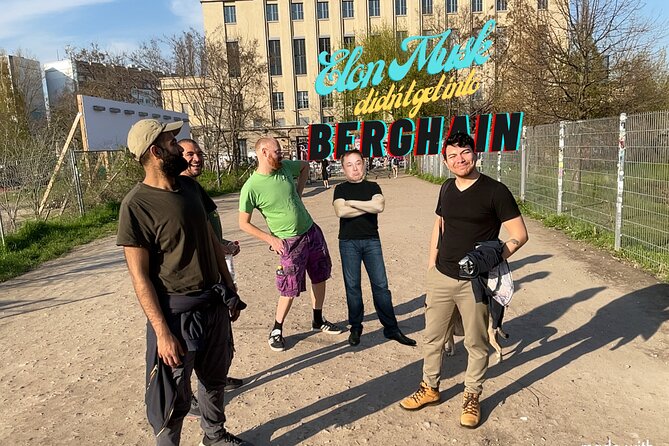
I like the small group, capped at 10 people, and the way guide Jeff uses an iPad with photographs, video clips, music, quiz questions, and augmented reality. I also like that the tour explains how clubs support marginalized communities and political causes, rather than treating nightlife as a list of famous door policies.
The main drawback is that this is a walking and public-transport outing, not a night of club entry. The tour lasts about three and a half hours, and only the behind-the-scenes access to a world-famous club is promised when available. You must bring your own public transport ticket.
In This Review
- Key points at a glance
- Why Berlin’s club story starts with more than techno
- SchwuZ and the queer roots of nightlife
- SO36, punk, and Kreuzberg’s counterculture
- Tresor and the sound of a divided city
- KitKatClub and Berlin’s appetite for freedom
- The Club Commission and nightlife as civic life
- Kater Blau, Holzmarkt, and the pressure of gentrification
- YAAM and the wider sound of Berlin
- Berghain, anonymity, and the famous door
- RAW-Gelände and the changing east side
- How the augmented reality and media work
- Price, timing, and what you receive
- Who should book this Berlin club tour?
- Should you book Get In: The Ultimate Berlin Club Tour?
- FAQ
- How long does Get In: The Ultimate Berlin Club Tour last?
- Where does the tour begin?
- What time does the tour start?
- Where does the tour finish?
- Is public transportation included?
- How many people can join the tour?
Key points at a glance
- SchwuZ opens the story with queer Berlin: Learn how LGBTQ+ clubs, Romy Haag, and activism helped shape the city’s nightlife.
- Small groups make the discussion personal: With no more than 10 people, you have a better chance to ask questions and follow the conversation.
- The route links music with politics: SO36, Tresor, YAAM, and the Club Commission show how clubs became places of protest, solidarity, and cultural exchange.
- Augmented reality adds a playful layer: Jeff uses digital images, clips, quotes, and sound to bring past clubs and famous figures into the street.
- The route ends at RAW-Gelände: Finish near Warschauer Straße, surrounded by clubs and cultural venues tied to Berlin’s alternative scene.
- The tour is best for curious first-timers: It gives you a practical map of Berlin nightlife before you decide where, or if, you want to go out.
Why Berlin’s club story starts with more than techno
Many visitors first associate Berlin nightlife with Berghain, long queues, and techno played until breakfast. This tour asks you to look earlier and wider.
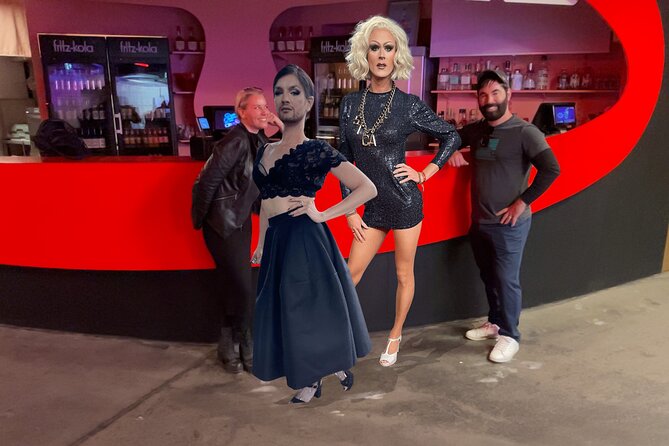
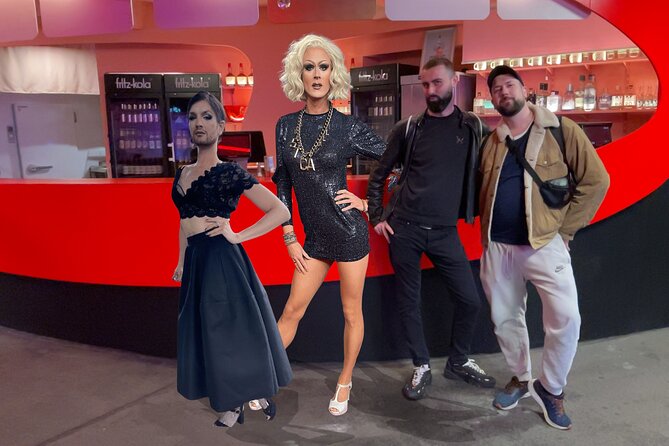
At SchwuZ, you begin with LGBTQ+ nightlife and the way the Berlin Wall split the city. You hear about Romy Haag, a trans pioneer who helped change Berlin’s nightclub culture in the 1970s, and about venues such as Metropol that helped prepare the ground for the techno era.
That opening matters. It keeps the story from becoming a parade of famous clubs. You learn that Berlin’s nightlife was shaped by people who needed room to gather, organize, perform, flirt, protest, and live more freely. The club became a social institution as well as a place to dance.
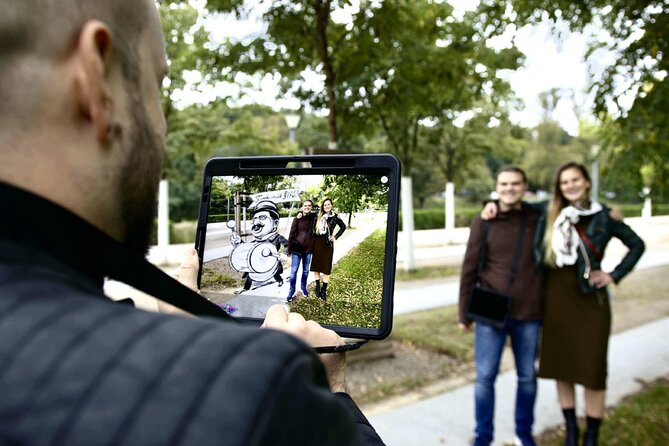
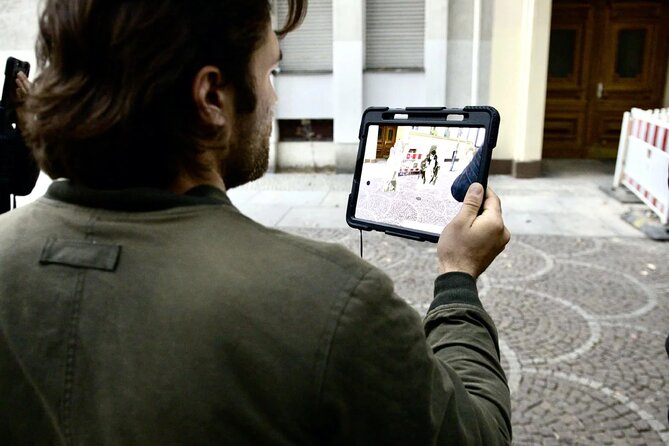
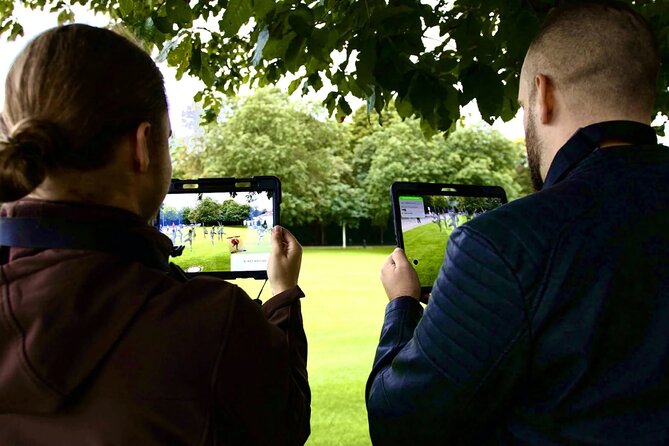
Jeff’s approach is one of the strongest parts of the experience. He brings up photographs, films, audio, quotes, and quiz questions on an iPad, then uses augmented reality to show celebrities and clubs in a fresh way. The technology does not replace the walking tour. It gives you something to look at while the city itself supplies the setting.
Other Berlin days worth putting on the list:
- Berlin: Reichstag, Dome and Government District Guided Tour
★ 4.7 · 18,288 reviews - Berlin: 1-Hour City Tour by Boat with Guaranteed Seating
★ 4.3 · 16,993 reviews - Berlin: Boat Tour Along the River Spree
★ 4.4 · 11,252 reviews
SchwuZ and the queer roots of nightlife
The tour begins at SchwuZ on Rollbergstraße, where you spend about 20 minutes. Admission is included at this stop.
SchwuZ is presented as both a club and a cultural institution. Its story includes the effect of the Berlin Wall on nightlife, the rise of queer spaces, and the work of Romy Haag. You also learn about the connection between club culture and the AIDS crisis, when nightlife venues became important centers for activism and community support.
This is a useful first stop because it gives you a social lens for the rest of the route. As you later hear about Berghain, KitKatClub, or the Club Commission, you can connect their ideas about freedom and identity to earlier queer organizing.
The short visit is also a limitation. Twenty minutes is enough for an introduction, but not enough for a full tour of SchwuZ or its current program. Think of it as a focused history stop, not a chance to experience the club as a nighttime customer.
SO36, punk, and Kreuzberg’s counterculture
From SchwuZ, the route continues to SO36, with about 20 minutes devoted to the club and its neighborhood.
SO36 reflects the rougher, more rebellious side of West Berlin in the 1970s. The discussion covers economic hardship, punk, feminism, and counterculture. You also hear about David Bowie and Iggy Pop, along with the important role SO36 played in Berlin’s Turkish community.
The club’s later work with events such as Kreuzberg CSD and Mad & Disabled Pride helps explain why its importance goes beyond music. SO36 is shown as a place where different groups have found a platform and a sense of solidarity.
This part of the tour is especially helpful if you are interested in how neighborhoods shape nightlife. Berlin’s club culture did not develop in isolation. It grew from local communities, political movements, artists, migrants, and people pushing against the limits of conventional city life.
Tresor and the sound of a divided city
The stop at Tresor lasts about 15 minutes and focuses on the club’s location in a former GDR power plant.
After the Berlin Wall fell, abandoned buildings offered space for a new kind of nightlife. Tresor became one of the clearest symbols of that change. Its setting helps explain why Berlin techno has such a strong connection to industrial buildings, unfinished rooms, basements, and places that were not designed for entertainment.
The tour also gives proper attention to Detroit’s Black techno DJs and their influence on Berlin’s sound. That is an important point, since Berlin techno is often presented as if it appeared from nowhere after reunification. The story is international, with Detroit and Berlin shaping one another.
You should not expect a long club visit here. The stop is brief and primarily about context. Still, it is a good example of how the tour connects architecture, history, and music instead of discussing each club as a separate attraction.
Same city, a completely different kind of day:
- Discover Berlin Half-Day Walking Tour
★ 5.0 · 9,624 reviews - Berlin: Hop-on Hop-off Bus Tour with Live Commentary
★ 4.3 · 8,579 reviews - Berlin: Government District around the Reichstag Guided Tour
★ 4.7 · 8,447 reviews - Berlin: Reichstag, Plenary Chamber, Cupola & Government Tour
★ 4.6 · 8,422 reviews
KitKatClub and Berlin’s appetite for freedom

KitKatClub receives about 15 minutes. The focus is its connection to Berlin’s cabaret tradition and its current reputation for provocative parties centered on sexuality, identity, and personal freedom.
This stop will appeal to people who want to understand the social rules behind Berlin’s more permissive nightlife. KitKatClub is not simply described as unusual or outrageous. It is used to discuss how some venues create room for people to explore parts of themselves that may not fit comfortably into everyday public life.
The subject requires an open mind. The tour discusses sexuality and gender expression directly, so this may not suit anyone looking for a conventional sightseeing walk. For curious adults, though, it helps explain why Berlin’s club culture can feel less concerned with polished entertainment and more concerned with self-expression.
The Club Commission and nightlife as civic life
The 10-minute stop at Club Commission e.V. shifts the focus from individual venues to the wider club network.
You learn how Berlin clubs work as safer spaces for marginalized communities and how they take part in activism. The discussion includes protests against the far-right AfD and support for LGBTQ+ rights. This gives you a clearer picture of why the future of clubs is a political question in Berlin.
The point is not that every club operates as a political center. Rather, clubs can offer rooms, audiences, networks, and public attention to movements that might otherwise have fewer places to gather. The Club Commission works to protect that cultural and political role.
Ten minutes goes quickly, so this is more of a sharp introduction than a full policy discussion. It does, however, make the tour more useful than a simple club crawl. You leave with questions about who gets to use city space and what happens when commercial development pushes out creative venues.
Kater Blau, Holzmarkt, and the pressure of gentrification
The Kater Blau and Holzmarkt section lasts about five minutes. That sounds short, but the issue is clear: how can Berlin protect alternative venues as land values and commercial pressure rise?
These spaces represent a part of Berlin’s club identity built on temporary use, creativity, and a certain refusal to become too polished. The tour looks at efforts to preserve that character and keep the underground spirit from being replaced by standard commercial development.
This is one of the places where you should keep expectations realistic. Five minutes cannot explain every dispute over housing, property, planning, or club closures. It works better as a quick signpost, showing you that the city’s nightlife is still contested and that famous clubs do not have guaranteed futures.
YAAM and the wider sound of Berlin
At YAAM, another five-minute stop brings reggae and the Black Caribbean community into the story.
YAAM is presented as a place for cultural exchange, community building, tolerance, and youth empowerment. Its work with refugees and other marginalized groups shows how music venues can support social programs as well as concerts and parties.
This stop widens the tour’s musical range. Berlin nightlife is not only techno, and the city’s club identity cannot be separated from migration and international influence. The brief visit is valuable because it prevents the route from becoming too focused on Kreuzberg punk and electronic music.
Berghain, anonymity, and the famous door
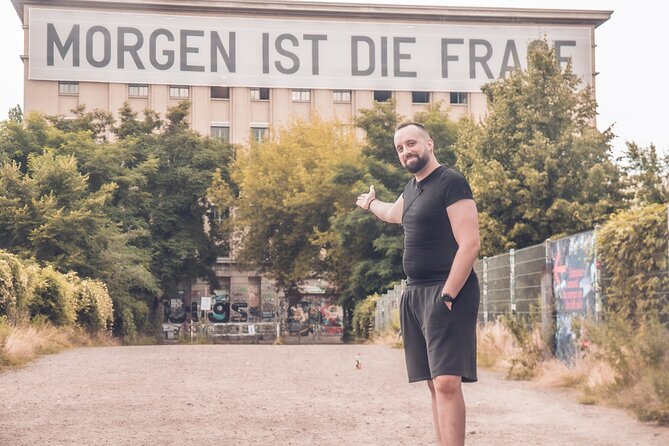
The Berghain stop lasts about 20 minutes. You learn about its origins in a former bunker, its rise as one of the world’s best-known techno clubs, and the strict no-photo rule that protects privacy inside.
Berghain’s door policy is a major part of its fame, but the tour gives you more useful information than a simple list of tips. The no-photo rule helps create anonymity on the dancefloor. That anonymity can make it easier for people to experiment with gender, sexuality, appearance, and behavior without turning the night into a public performance.
The tour also discusses the ideas of Judith Butler and Michel Foucault in relation to identity, power, and social rules. That may sound academic, but it fits the subject. Berlin clubs often ask you to question who sets the rules and why certain behavior is acceptable in one room but not another.
You will not be guaranteed entry to Berghain during this stop. The experience includes exclusive behind-the-scenes access to a world-famous Berlin club only when available, and the route itself is primarily educational. You may hear practical club advice, including the useful suggestion that Sunday morning can offer a better chance of getting into Berghain, but no tip can promise success.
RAW-Gelände and the changing east side
The final major stop is RAW-Gelände on Revaler Straße, near Warschauer Straße. The area includes venues such as Suicide Circus, Haubentaucher, and Astra Kulturhaus, and it has long been linked with Berlin’s alternative culture.
Here the tour looks at gentrification, open-air raves, and the loss or threatened future of clubs such as Watergate and Grießmühle. You also hear about the challenges facing ://aboutblank. These examples show that Berlin nightlife is not a fixed collection of famous names. Clubs close, move, change owners, or struggle to survive as the city changes.
The discussion of open-air raves is a fitting way to end. After reunification, open spaces and abandoned sites gave Berlin’s techno culture room to grow. Those raves helped people reclaim parts of the city and turn neglected areas into places of music and community.
The tour ends near the Warschauer Straße train stop, so you are well placed to continue exploring on your own. You might use the route as a starting point for a night out, though the tour itself finishes during the day and does not include club admission across the route.
How the augmented reality and media work
The digital material is not just a decorative extra. Jeff uses more than 200 photos, videos, quotes, and audio clips to connect current street scenes with earlier moments in Berlin’s club culture.
Augmented reality lets you see celebrities and clubs appear through the device, and the Mixies feature allows you to take personalized photos with AR elements. The quiz questions add a bit of play and keep the presentation from turning into a long lecture.
I would choose this tour if you learn best through a mix of conversation and visual material. If you prefer a quiet walk with no screen at all, the iPad may feel like a distraction. The strongest use of the technology is when it shows historical material that would otherwise be hard to picture while standing outside a club.
Price, timing, and what you receive
The price is $81.98 per person, and the tour runs for about three hours and 30 minutes. For a standard walking tour, that is not cheap. The value depends on how much you want the interpretation, digital material, and route planning.
You are paying for a specialist subject, a small group, a guide who has done extensive research, and access to more than a dozen connected stories about Berlin. You also receive the AR elements and the possibility of behind-the-scenes access when conditions allow. For someone planning to go clubbing, the practical advice alone can help you avoid treating every famous venue as interchangeable.
The price is harder to justify if you only want to see club exteriors or expect entry to several venues. Most stops are short, and admission is not generally included beyond SchwuZ. Group discounts may help if you are booking with friends.
The meeting point is SchwuZ at Rollbergstraße 26. The tour starts at 11:30 a.m., and you need to bring a public transport ticket. Wear comfortable shoes and allow enough time to move between districts. The route ends at RAW-Gelände, close to Warschauer Straße.
The group maximum of 10 is a real advantage. A small group makes it easier to hear Jeff, ask about sensitive subjects, and take part in the discussion. Most people can participate, and service animals are allowed. The activity requires good weather, and it can also be canceled if the minimum number is not reached.
You can cancel for a full refund up to 24 hours before the start time. Changes made inside that period are not accepted. Since the experience is run by BerlinGuide.de and appears to rely closely on one guide, it is sensible to check your confirmation and keep an eye out for any cancellation message before setting out.
Who should book this Berlin club tour?
I would recommend it to first-time Berlin visitors who want a useful introduction before going out at night. It also suits people who have already visited a few clubs but want to understand the political, queer, musical, and architectural forces behind them.
The tour is a particularly good fit if you enjoy:
- Queer history and LGBTQ+ culture
- Punk, reggae, techno, and Berlin’s international music connections
- Urban change and the fight against gentrification
- Social movements and nightlife activism
- Small-group walking tours with plenty of discussion
- Visual storytelling through video, audio, and augmented reality
I would skip it if your main goal is immediate club entry, a party, or a late-night experience. You should also be comfortable with frank discussion of sexuality, gender expression, AIDS activism, racism, migration, and political protest.
Should you book Get In: The Ultimate Berlin Club Tour?
If Berlin’s nightlife feels confusing from the outside, this tour gives you a strong framework. Jeff explains how SchwuZ, SO36, Tresor, KitKatClub, Berghain, YAAM, Kater Blau, and RAW-Gelände fit into a much larger story about freedom, community, music, and city politics.
The 4.9 rating from 28 ratings and 96 percent recommendation figure match the tour’s strongest qualities: Jeff’s engaging delivery, detailed preparation, and ability to turn complicated subjects into a lively conversation. The main caution is practical: $81.98 buys insight and media, not a guaranteed night inside Berlin’s most famous clubs.
Book it if you want to understand Berlin before you party there. Skip it if you only want a club crawl. For the curious visitor, the tour can save you from chasing famous names without knowing what makes each place matter.
FAQ
How long does Get In: The Ultimate Berlin Club Tour last?
The tour lasts approximately three hours and 30 minutes.
Where does the tour begin?
It begins at SchwuZ, Rollbergstraße 26, 12053 Berlin, Germany.
What time does the tour start?
The start time is 11:30 a.m.
Where does the tour finish?
The tour ends at RAW-Gelände, Revaler Straße 99, near the Warschauer Straße train stop.
Is public transportation included?
No. You must bring your own public transport ticket to join the tour.
How many people can join the tour?
The group is capped at 10 travelers.
Just added around Berlin
- Love and War in Berlin: Self-Guided Story Puzzle Walk★ 5.0 · 7 reviews
- Rickshaw Tours Berlin – Groups of up to 16 people with several rickshaws★ 4.0 · 97 reviews
- Walking on the Wall: 3-Hour Tour in Berlin★ 4.5 · 34 reviews
- eSIM for Germany and 34 European Countries★ 4.5 · 16 reviews
- Warnemuende Shore Excursion: Berlin Private Sightseeing Tour from Rostock★ 5.0 · 4 reviews
- Your ticket to The Wall Museum Berlin★ 3.0 · 60 reviews
- Warnemuende Shore Excursion: Private Berlin Tour★ 4.5 · 27 reviews
- Berlin’s Gay, Lesbian, and Queer Scene Small-Group Walking Tour★ 4.5 · 66 reviews
Berlin Tours, compared.

Reichstag, Dome and Government District Guided Tour
Read our review →
1-Hour City Tour by Boat with Guaranteed Seating
Read our review →


Reichstag, Plenary Chamber, Cupola & Government Tour
Read our review →

