
Reviewed · BERLIN TOURS
Gastro Tour with Klaus though the Wrangelkiez, Kreuzberg
Berlin’s past and present meet over small plates on this three-hour walk through Kreuzberg. Klaus leads you from the old East-West crossing at Oberbaumbrücke through former border areas and into the food-packed streets of Wrangelkiez, where five tastings turn a neighborhood stroll into a full evening meal.
I like the mix of local history and food, especially the preserved GDR watchtower and the stories behind Görlitzer Park. I also like that Klaus personally selects the stops, so you are not left to guess which of the many food stalls and small eateries are worth your time.
The main consideration is pace and scope. You cover several outdoor sights in roughly three hours, but most stops are short, and drinks are not included. If you want a sit-down restaurant dinner, this is not that kind of tour.
In This Review
- Key points to know before booking
- Why this Kreuzberg food walk feels different
- Oberbaumbrücke and Berlin’s divided past
- Lohmühleninsel, a short stop with a local feel
- The preserved GDR watchtower
- Görlitzer Park beyond the postcard version
- Falckensteinstraße, where the food choices multiply
- Wrangelstraße and the church with a Romanesque look
- How the final stop works
- What the $83.08 price really buys you
- Who will enjoy this tour most
- Practical details that affect your evening
- Why the food and history combination works
- Should you book the Wrangelkiez gastro tour?
- FAQ
- How long does the gastro tour last?
- Who leads the experience?
- How many food tastings are included?
- Are drinks included in the price?
- Where does the tour start?
- Where does the tour end?
- What is the cancellation policy?
Key points to know before booking
- Five tastings are included: The food stops may include street-food stalls, and the portions together can amount to a meal.
- Klaus guides in English: He combines neighborhood stories with practical help choosing foods you may not otherwise try.
- The route covers Berlin’s former border zone: Oberbaumbrücke, Lohmühleninsel, the GDR watchtower, and Görlitzer Park give the food walk a strong historical setting.
- The group is limited to 15 people: That is small enough for a more personal walk, though the exact feel depends on the day.
- The tour ends near Schlesisches Tor: The final food partner can vary by season, and you may finish at a local pub or at the station.
- The price is $83.08 per person: That is fair if you value both a guided neighborhood walk and enough tastings to replace dinner.
Why this Kreuzberg food walk feels different
Many Berlin food tours stay close to famous sights or focus on one market. This one uses Wrangelkiez as its main subject. Food is the thread, but the real theme is how Berlin changed after reunification and how migration, division, and redevelopment shaped what you see today.
You begin near Cuvrystraße, then walk toward the river and the old border zone before turning into the streets around Falckensteinstraße and Wrangelstraße. That order matters. You first get a sense of the neighborhood’s physical divisions, then see how daily life now fills those same streets with food from many cultures.
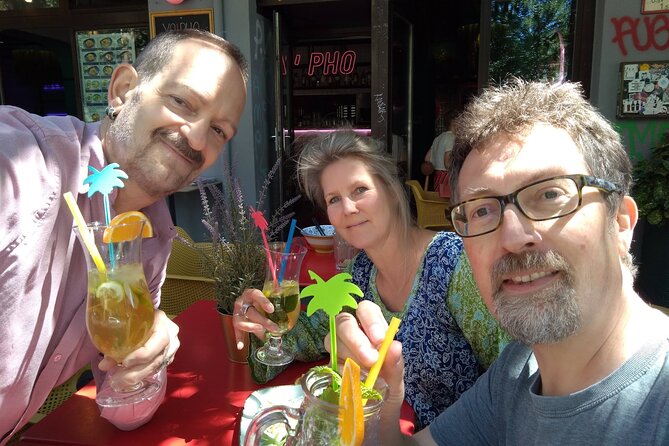
Klaus is the guide, and the tour is offered in English. His role is more than pointing out a restaurant and handing you a sample. He explains the area, tells local stories, and helps you make sense of foods you may not recognize. One useful feature is the personal selection of the five food partners. You are not simply told to wander through a busy street and hope for the best.
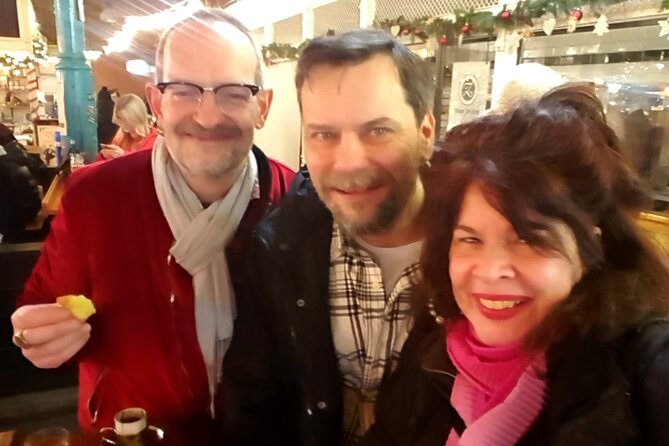
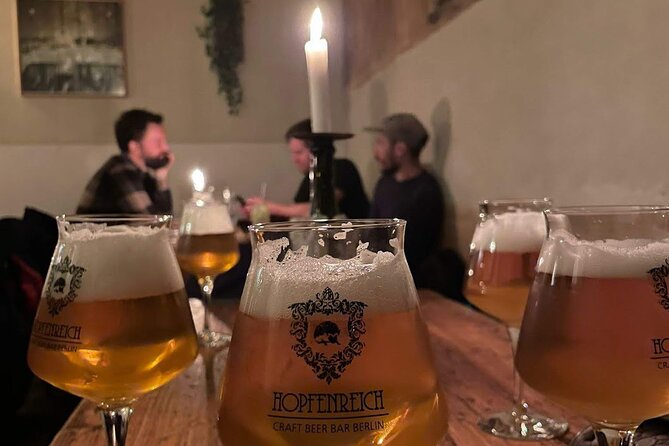
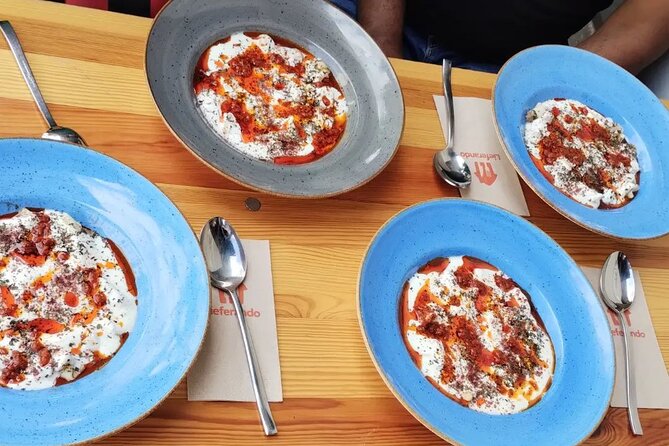
The food is served as selected tastings rather than a formal meal. Some stops may be street-food stalls, so expect a casual format and a changing rhythm. You eat a little, walk a little, then stop again. The portions are described as substantial enough to make a meal out of the evening, but you should still plan on snacks or a later meal if you have a large appetite.
Other Berlin days worth putting on the list:
- Berlin: Reichstag, Dome and Government District Guided Tour
★ 4.7 · 18,288 reviews - Berlin: 1-Hour City Tour by Boat with Guaranteed Seating
★ 4.3 · 16,993 reviews - Berlin: Boat Tour Along the River Spree
★ 4.4 · 11,252 reviews
Oberbaumbrücke and Berlin’s divided past
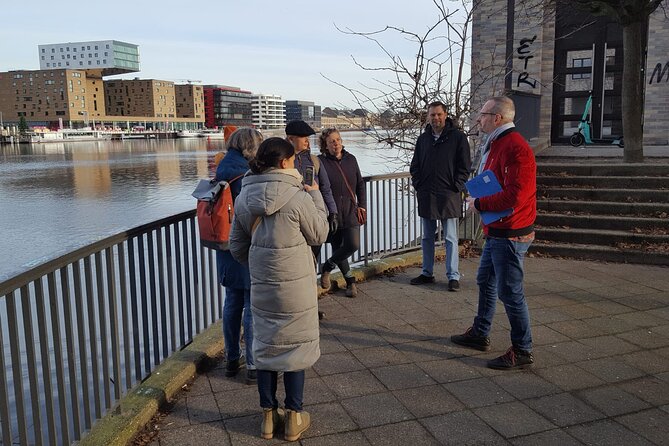
The first stop is Oberbaumbrücke, one of Berlin’s best-known bridges. You spend about 10 minutes here, which is enough for an introduction rather than a full architectural lesson.
The bridge is important because it connected areas that were separated during Berlin’s division. Klaus uses it to explain the local setting and the role the bridge played in the relationship between East and West. This gives the rest of the walk a useful frame. You are not just heading into a fashionable food district. You are walking through an area that once sat on the edge of two separate cities.
The stop is outdoors, and admission is free. You will want comfortable shoes and weather-appropriate clothing from the beginning, since the tour continues on foot and does not shift into a long indoor presentation.
Lohmühleninsel, a short stop with a local feel
Next comes Lohmühleninsel, a small piece of land with an eventful past and lesser-known architectural features. The stop lasts about 10 minutes.
This is the kind of place that can be easy to miss if you explore Berlin only by major monuments. Klaus gives you a reason to pause and look around. The appeal is not one huge attraction. It is the way a small local site helps explain how the neighborhood developed around waterways, borders, and changing city plans.
You should keep your expectations in proportion. This is a brief orientation stop, not a museum visit or a detailed architectural tour. Its value comes from the connection to the surrounding route and from the local context Klaus provides.
The preserved GDR watchtower
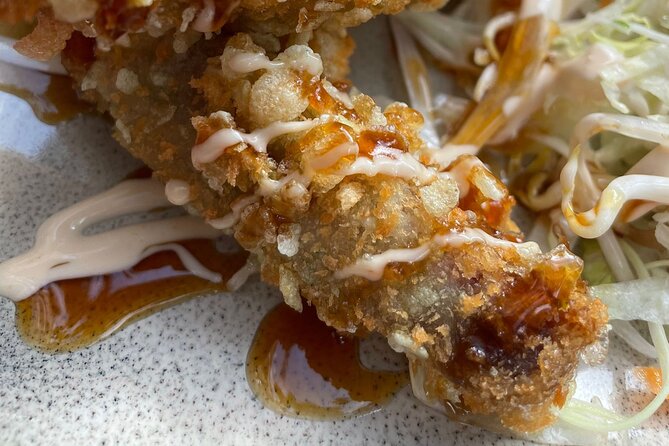
The five-minute stop at the GDR watchtower is short, but it carries weight. The tower is a surviving piece of the former border area, where Kreuzberg and Alt-Treptow were pushed toward the margins of divided Berlin.
Seeing a preserved structure makes the border story more concrete. Berlin’s Wall is often discussed through major memorials and exhibits, but small remaining structures can show how ordinary parts of the city were controlled and cut off. Here, you get a direct reminder that this was once a restricted edge, not the open neighborhood you see today.
Because the visit is brief, you will not receive a full account of the Wall or the Cold War. Think of the tower as a sharp historical pause before the tour moves into the more complicated present-day story of Görlitzer Park.
Same city, a completely different kind of day:
- Discover Berlin Half-Day Walking Tour
★ 5.0 · 9,624 reviews - Berlin: Hop-on Hop-off Bus Tour with Live Commentary
★ 4.3 · 8,579 reviews - Berlin: Government District around the Reichstag Guided Tour
★ 4.7 · 8,447 reviews - Berlin: Reichstag, Plenary Chamber, Cupola & Government Tour
★ 4.6 · 8,422 reviews
Görlitzer Park beyond the postcard version
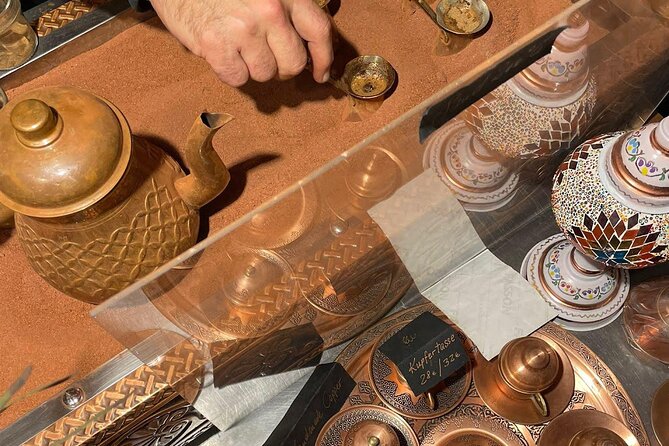
The walk spends around 10 minutes at Görlitzer Park. The park is a recreation area for local residents, but it also has a difficult reputation. Klaus discusses its past and explains why some people view it as a problematic part of the neighborhood today.
That is useful context. A food walk that shows only the cheerful side of Kreuzberg would give you an incomplete picture. The park is part of everyday life in the district, and the tour treats it as a place with both community value and real concerns.
This is not presented as a long social-policy lecture. The stop is short, and the tour keeps moving. Still, it gives you a better basis for understanding what you see along the route. You can enjoy the area’s food and street life without pretending every part of it is simple or polished.
Falckensteinstraße, where the food choices multiply
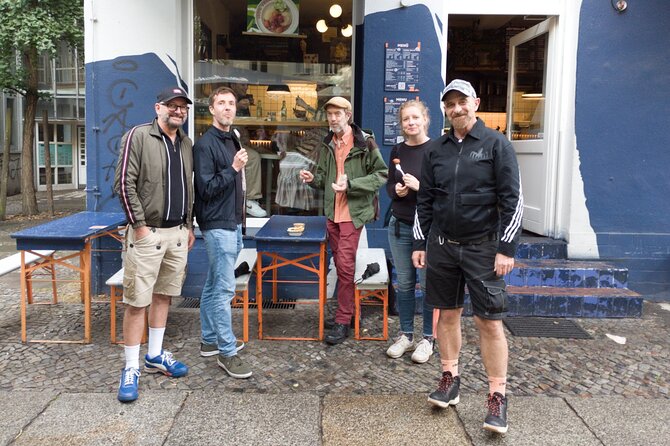
Falckensteinstraße is the first major food-focused section. You spend about 30 minutes here, exploring one of the neighborhood’s strongest concentrations of international food.
The key benefit is guidance. In a district with many choices, a visitor can easily pick a place at random. Klaus instead takes you to personally tested highlights and arranges a selected tasting. That saves you from spending your evening comparing menus, and it gives you a better chance of trying something you might not order on your own.
The food reflects the neighborhood’s international character. The tour includes several different styles of cuisine, and the combination can feel like a series of small meals rather than one narrow specialty. A review of the experience praised the mix of foods from different cultures, and that is a fair way to understand the appeal. The variety is the point.
You should not expect five large restaurant courses. These are tastings, and some can come from street-food stalls. The advantage is range. The tradeoff is that the exact foods and serving style can change, and the tour does not promise a fixed menu.
Wrangelstraße and the church with a Romanesque look
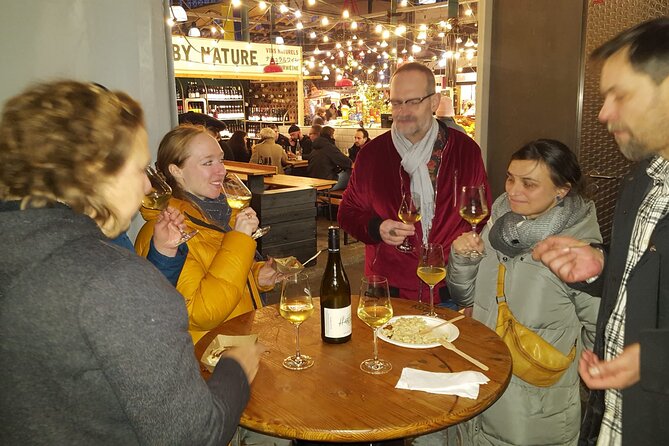
Wrangelstraße gives the neighborhood its name and continues the food portion of the walk. You also see a church built in the style of a Romanesque monastery, adding another layer to an area often associated mainly with nightlife, street food, and alternative culture.
The route does not treat food as separate from the neighborhood. You see architecture, hear the street’s name explained, and keep stopping for international tastings. This helps the evening feel like a walk through a real district rather than a string of unrelated restaurant visits.
The food density continues here, so you may find that the final part of the tour feels especially full of choices. Klaus helps narrow them down. That is valuable for a first visit, and it can also give returning Berlin visitors a fresh reason to spend time in this part of Kreuzberg.
How the final stop works
The route ends near Schlesisches Tor, where the subway runs above ground. Klaus may give you the option to settle into a local Kiez pub or walk to the station.
The exact final food partner can vary by season, so do not book this expecting a guaranteed final venue. That flexibility lets the tour work with changing local conditions, but it also means the experience is not fully fixed from one date to the next.
Schlesisches Tor is a practical ending point. You are near public transportation rather than being left in an isolated part of the district. The end point can differ slightly depending on the season, so check the final details when you receive your confirmation.
What the $83.08 price really buys you
At $83.08 per person, this is not a cheap snack crawl. It becomes better value when you count the full package: about three hours with an English-speaking local guide, five selected tastings, and a walking tour through several parts of Kreuzberg that you might not connect on your own.
The food alone is not the only reason to book. If you bought five separate snacks and paid for a history walk, the cost could add up quickly, though the exact comparison depends on portion size and venue. The stronger value is the combination of selection and explanation. Klaus removes some of the guesswork and adds the local background that turns a meal into a better understanding of the area.
Drinks are extra. That matters because an evening of salty, spicy, or unfamiliar foods often goes better with something to drink. Budget for that separately.
The group has a maximum of 15 people. That is a reasonable limit for a walking and tasting tour. A smaller group can make it easier to hear Klaus and ask questions, while a full group may feel less intimate at narrow food counters or busy stalls.
Who will enjoy this tour most
I would recommend this experience to you if you like food with a sense of place. It suits people who want to understand a neighborhood while eating, rather than moving from one famous attraction to another.
It is also a good choice if you are cautious about ordering unfamiliar dishes. Klaus can point you toward items he has tested and explain what you are trying. That makes the food more approachable without turning the evening into a lecture.
History-minded visitors should enjoy the route as well. The bridge, island, watchtower, and park create a clear story about division, borders, and change. You do not need a detailed background in Berlin history to follow it.
The tour may be less suitable if you want a fixed menu, a long meal at a table, or a major meal built around one cuisine. It may also frustrate you if you prefer to explore entirely on your own. The point is guided discovery, and the food partners are selected for you.
Practical details that affect your evening
The meeting point is Cuvrystraße 2, 10997 Berlin. The advertised ending is Schlesisches Tor, also in 10997 Berlin, though the precise final partner can change with the season.
The tour lasts about three hours and is offered in English. It uses a mobile ticket, and confirmation is sent within 48 hours of booking if space is available. The experience normally requires a minimum number of people, so a cancellation for that reason may lead to another date or a full refund.
Most people can take part, and the route is near public transportation. The supplied details do not specify the walking distance, step-free access, or dietary arrangements, so contact the provider before booking if you need those points confirmed.
You can cancel for a full refund up to 24 hours before the start time. Changes or cancellations made inside that 24-hour window are not accepted for a refund.
Why the food and history combination works
The best part of this tour is the way the subjects support each other. The former border area explains why Kreuzberg developed its particular identity, while the food stops show what the neighborhood is now.
That connection also keeps the history from feeling detached. You hear about East and West, then walk into streets filled with international food. You learn about the park’s reputation, then continue through a district used by local residents every day. The contrast is part of the lesson.
Klaus’s role matters here. A food guide who only names dishes would miss the point, while a history guide who ignores the restaurants would miss what makes Wrangelkiez enjoyable now. The tour aims for both, with short sightseeing stops and longer pauses for food.
Should you book the Wrangelkiez gastro tour?
Book it if you want a small-group evening that combines five tastings with a grounded look at Kreuzberg’s past and present. The strongest reasons are Klaus’s personal food selections, the unusual route through former border areas, and the fact that the tastings can add up to a full meal.
Skip it if you want a formal restaurant dinner, guaranteed dishes, or a tour centered on major Berlin monuments. Also remember to budget for drinks and wear shoes suited to several hours on foot.
For most first-time visitors who want to get beyond central Berlin’s standard sights, this is a smart use of an evening. It gives you food to remember, local stories to place it in context, and a practical ending near the subway.
FAQ
How long does the gastro tour last?
The tour lasts approximately three hours.
Who leads the experience?
The tour is led by Klaus and is offered in English.
How many food tastings are included?
You stop at five gastro partners and receive a selected tasting at each. Some stops may be street-food stalls.
Are drinks included in the price?
No. Drinks are not included.
Where does the tour start?
The meeting point is Cuvrystraße 2, 10997 Berlin, Germany.
Where does the tour end?
The tour ends near Schlesisches Tor. The specific final gastro partner can vary by season.
What is the cancellation policy?
You can cancel up to 24 hours before the start time for a full refund. Cancellations or changes made less than 24 hours before the start time are not accepted for a refund.
Just added around Berlin
- Love and War in Berlin: Self-Guided Story Puzzle Walk★ 5.0 · 7 reviews
- Rickshaw Tours Berlin – Groups of up to 16 people with several rickshaws★ 4.0 · 97 reviews
- Walking on the Wall: 3-Hour Tour in Berlin★ 4.5 · 34 reviews
- eSIM for Germany and 34 European Countries★ 4.5 · 16 reviews
- Warnemuende Shore Excursion: Berlin Private Sightseeing Tour from Rostock★ 5.0 · 4 reviews
- Your ticket to The Wall Museum Berlin★ 3.0 · 60 reviews
- Warnemuende Shore Excursion: Private Berlin Tour★ 4.5 · 27 reviews
- Karl-Marx-Allee Tour: Life and Architecture in East Berlin★ 5.0 · 19 reviews
Berlin Tours, compared.

Reichstag, Dome and Government District Guided Tour
Read our review →
1-Hour City Tour by Boat with Guaranteed Seating
Read our review →


Reichstag, Plenary Chamber, Cupola & Government Tour
Read our review →

