
Reviewed · CONCENTRATION CAMP MEMORIAL TOURS
From Munich: Dachau Concentration Camp Private Tour by Car
Dachau is not a sightseeing stop in the usual sense. It is a place for facing the machinery of Nazi persecution, from the first arrival at the camp to forced labor, sickness, death, and liberation. A private car from Munich and a guide who stays with you throughout make this difficult visit easier to manage.
I like the private pickup and return, especially since the round trip takes about 1.5 hours and traffic can change that. I also like the chance to ask questions in your own language and notice small details that are easy to miss alone. The main drawback is time: the four-hour option may feel rushed, and the subject matter is emotionally heavy for everyone, including children.
In This Review
- Key points at a glance
- Why Dachau deserves more than a quick stop
- Leaving Munich by private car
- Arrival at the Dachau Memorial Site
- What the two-hour guided walk covers
- The six-hour option and its documentary
- Private guide versus visiting alone
- Is $710 per person good value?
- Choosing four hours or six hours
- Taking children and teenagers
- Practical details worth knowing
- Who should book this Dachau tour?
- Should you book it?
- FAQ
- How long does the Dachau tour from Munich last?
- Is pickup from my Munich accommodation included?
- What type of vehicle is used?
- Is the Dachau Memorial Site entrance included?
- Is the Dachau documentary included?
- What languages are available?
- Can I cancel the tour or pay later?
Key points at a glance
- Private car from your Munich accommodation: Ride in an air-conditioned sedan for one to four people, or a larger van for groups of five or more.
- A two-hour guided visit: See the former prison, barracks, crematorium, exhibitions, and other camp facilities with a licensed guide.
- Guides in five languages: Tours are offered in English, German, French, Italian, and Spanish.
- The six-hour choice adds a documentary: Watch The Dachau Concentration Camp in the cinema inside the former farm building.
- Personal guidance throughout: Guides such as Stephen, Stephan, and Antje have been praised for clear explanations, sensitivity, and flexibility.
- A serious history lesson for families: The visit can work with older children and teenagers, but you should prepare them for upsetting material.
Why Dachau deserves more than a quick stop
Dachau was the first Nazi concentration camp and the longest-running one in Nazi Germany. It became a model for later camps, so the site is not only about what happened to prisoners there. It also helps explain how the wider camp system was organized and how forced labor, punishment, disease, hunger, and murder became part of Nazi rule.
That context matters. If you walk through the grounds without preparation, you may see buildings and empty spaces without understanding their purpose. A guide can connect the arrival area, prisoner facilities, work system, crematorium, and exhibitions into one clear account.
I would approach this as a memorial visit, not a casual historical attraction. The tone is quiet and serious. You will hear about war crimes committed between 1933 and 1945, the suffering of prisoners, and the decisions made by Nazi leaders such as Heinrich Himmler. The purpose is not shock for its own sake. It is to make the system understandable and to keep the victims at the center of the visit.
More Concentration Camp Memorial Tours in Munich
- Dachau Concentration Camp Memorial Site Tour from Munich by Train
★ 4.5 · 5,637 reviews - From Munich: Dachau Memorial Site Day Tour
★ 4.8 · 2,723 reviews - From Munich: Dachau Memorial Site Half-Day Trip
★ 4.7 · 2,526 reviews
Leaving Munich by private car
The tour begins with pickup at your accommodation in Munich. You do not need to find a meeting point or work out a separate train and bus connection, which is a real advantage on a half-day schedule.
The drive between Munich and Dachau takes part of the day. The stated estimate for the round-trip transfer is about 1.5 hours, though traffic and the location of your accommodation can change that. Your guide may begin explaining the history during the drive, giving you useful background before you reach the memorial.
That early context is one of the best reasons to choose a private tour. A guide can introduce the camp’s role in the Nazi system before you stand inside it. This can also help you decide how much detail you want to discuss with children or other members of your group.
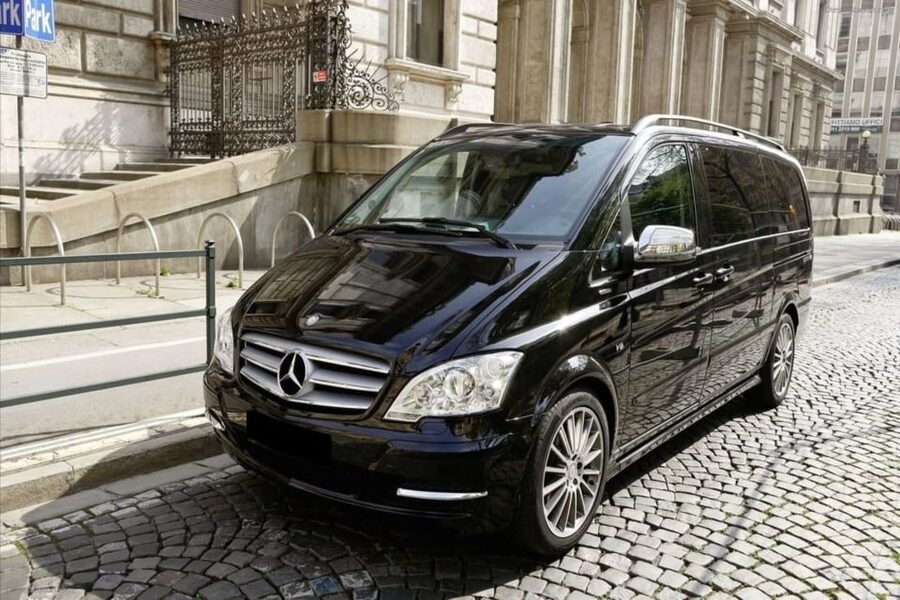
The vehicle setup is practical. Groups of one to four use a standard sedan. Groups of five or more use a large van. If you have a smaller party but prefer extra room, booking for five people is suggested by the operator, though that raises the total cost.
Arrival at the Dachau Memorial Site
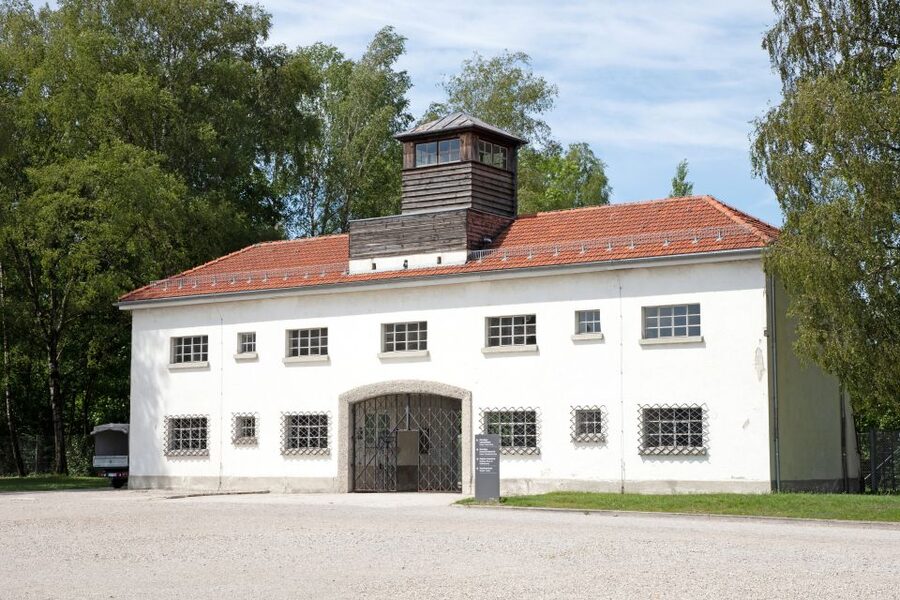
At Dachau, you will spend about two hours on a guided visit of the memorial site and its exhibitions. The tour follows the prisoners’ experience in broad stages: arrival, daily life, forced labor, punishment, illness, death, and liberation.
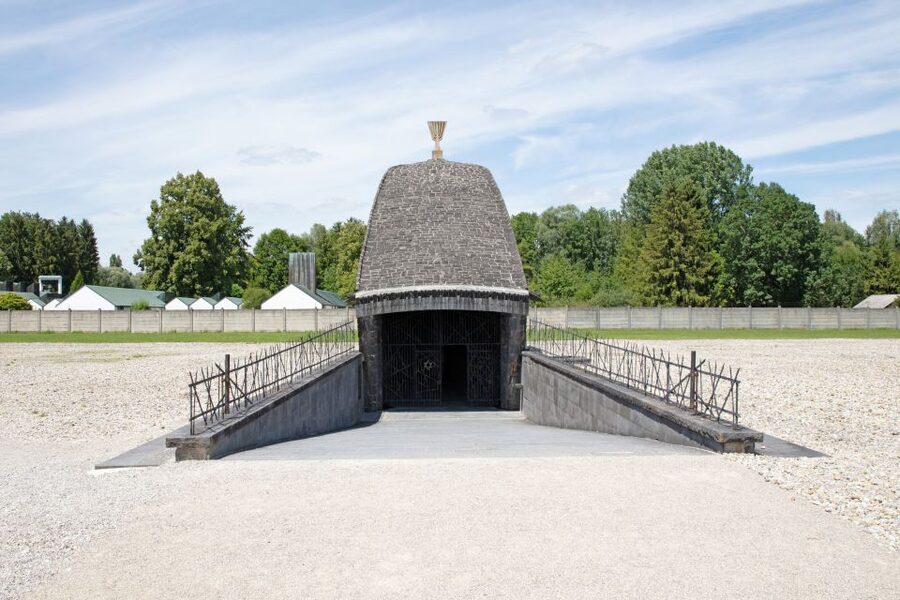
The former camp prison is one of the key facilities included in the visit. The barracks help explain how prisoners were housed and controlled. The crematorium area brings the story to its most painful point, while the exhibitions add documents, objects, photographs, and personal accounts.
You should expect a mix of preserved structures, reconstructed elements, open spaces, and museum displays. The guide’s role is especially useful here because the site can be difficult to read on your own. One small detail that seems unimportant at first may reveal how the camp was designed and how control was maintained.
The visit is not designed as entertainment, and the two-hour format has limits. You will see the main areas, but you may not have time to study every exhibit in full. One visitor specifically found that the group ran out of time before seeing all the exhibition areas. If you want a slower pace, the six-hour option is the better choice.
What the two-hour guided walk covers
The tour presents Dachau as a working system, not simply a collection of buildings. You will learn how the site served as a prototype for later Nazi concentration camps and how its layout and purpose were copied elsewhere.
The former prisoner area shows the conditions imposed on people held there. The story includes hunger, forced labor, torture, disease, and death. These subjects are presented as part of the camp’s daily operation, not as isolated events.
The guide can also explain the difference between the official claims made by the Nazi regime and the real function of the camps. Understanding that gap is important. Dachau was presented through Nazi language and administration, but the actual system used imprisonment, violence, exploitation, and murder.
This is where the private format earns its keep. You can ask for clarification without worrying about a large group. You can also ask your guide to spend more time on a particular area, provided the schedule allows it.
The quality of the guide matters greatly. Stephen has been described as giving a clear account during the drive and pointing out small details at the camp. Stephan has also been praised for making the history engaging and understandable. Antje has been noted for her empathy, preparation, and ability to work sensitively with both adults and young people.
Those names come from individual tour experiences, so your assigned guide may be different. Still, the pattern is clear: this tour depends heavily on the person leading it. The guide is not just there to move you from one stop to the next. The guide shapes how you understand the place.
Same city, a completely different kind of day:
- From Munich: Neuschwanstein & Linderhof Castle Full-Day Trip
★ 4.5 · 12,494 reviews - Neuschwanstein & Linderhof Castle-Fairytale Day Tour from Munich
★ 4.5 · 7,275 reviews - Munich: Third Reich & WWII Walking Tour
★ 4.6 · 6,181 reviews - Neuschwanstein Castle Tour from Munich
★ 4.5 · 5,117 reviews
The six-hour option and its documentary
The longer option includes a screening of The Dachau Concentration Camp, a documentary shown in the cinema of the former farm building. The film uses historical footage, photographs, objects, artworks, plans, graphics, documents, and testimony from people who witnessed events.
The documentary follows Dachau from its establishment through the present day. That wider time span can help you place the memorial within the history of Nazi Germany and understand how the site has been remembered and presented after the war.
The film is available in English, German, Italian, French, and Spanish. Check that the selected language suits your group before booking.
I think the six-hour version offers the stronger educational experience. The film gives you another way to process the site, using material that may be hard to absorb during a walking tour. It also gives the day a more complete structure: background during the drive, a guided visit on site, and a historical film that expands the story.
The tradeoff is simple. You spend more of your day on a very serious subject, and the experience may feel intense. That is not a flaw, but you should choose the longer option because you want more historical context, not just because longer sounds better.
Private guide versus visiting alone
You can visit Dachau without a private guide, but this tour is aimed at people who want interpretation built into the visit. The guide can explain the camp’s model design, the purpose of the facilities, and the choices made by Nazi officials.
A private guide also gives your group room to react at its own pace. Some people want detailed historical discussion. Others need quiet moments and shorter explanations. A large group tour often has to keep moving, while a private format may allow more direct questions and adjustments.
The strongest praise for this experience concerns the guides. They have been described as highly experienced, clear, flexible, and sensitive. That matters more here than flashy presentation or a packed schedule.
Still, a private guide cannot remove the emotional weight of Dachau. You may leave feeling upset, angry, or thoughtful. That is a normal response to the subject, and you should avoid planning another demanding attraction immediately afterward if you know your group needs time to decompress.
Is $710 per person good value?
At $710 per person, this is an expensive excursion. You are paying for a private vehicle, hotel pickup and return, a licensed guide, entry to the memorial site, and, with the six-hour option, the documentary screening.
The value depends on your group size and priorities. For one or two people, the cost is high because you are covering a private car and guide rather than sharing transport. For a family or small group, the price may make more sense when split across several people, especially if you value door-to-door service and a guide who remains with you.
You should also compare this with the cost of arranging transport separately and hiring a guide on site. The private option saves planning time and removes the need to navigate Munich, Dachau, and the memorial site on your own.
What you are not buying is a luxury sightseeing day. The value is in clear historical interpretation, private transport, and a more personal pace. If you simply need a ride to Dachau, this is too costly. If you want a carefully explained visit with minimal logistics, the price is easier to defend.
Choosing four hours or six hours
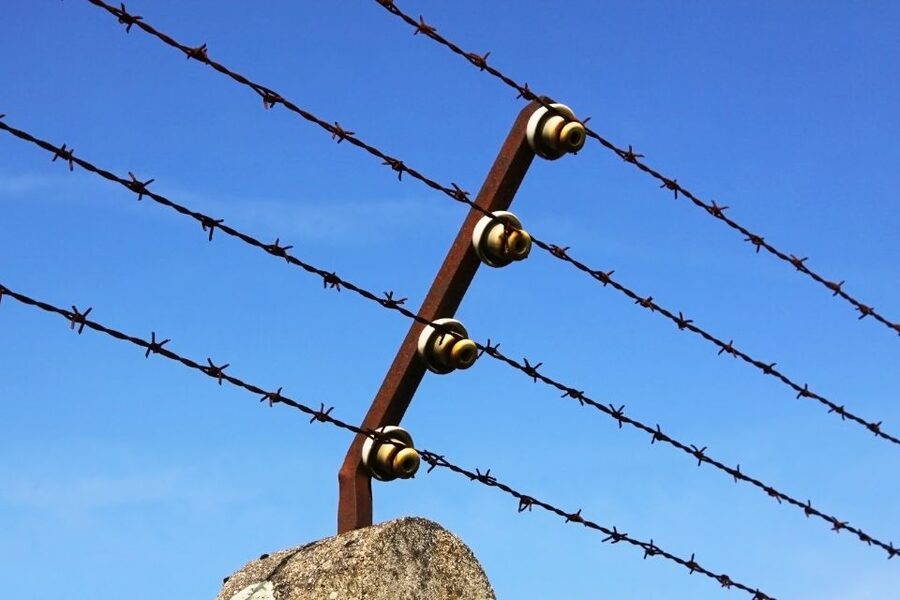
Choose four hours if you want the main memorial visit and private transport but need to fit Dachau into a busy Munich schedule. You will receive the two-hour guided tour, but you may not have time to see every exhibition area carefully.
Choose six hours if you want the documentary as well and prefer a fuller account. The extra time is especially useful if your group includes older children or teenagers who benefit from explanation before and after the site visit.
The six-hour option also protects you from feeling rushed. The driving time already takes about 1.5 hours round trip, leaving less time than the headline duration might suggest. Once you allow for arrival, movement around the grounds, and the documentary, the longer choice gives the day a more sensible rhythm.
Taking children and teenagers
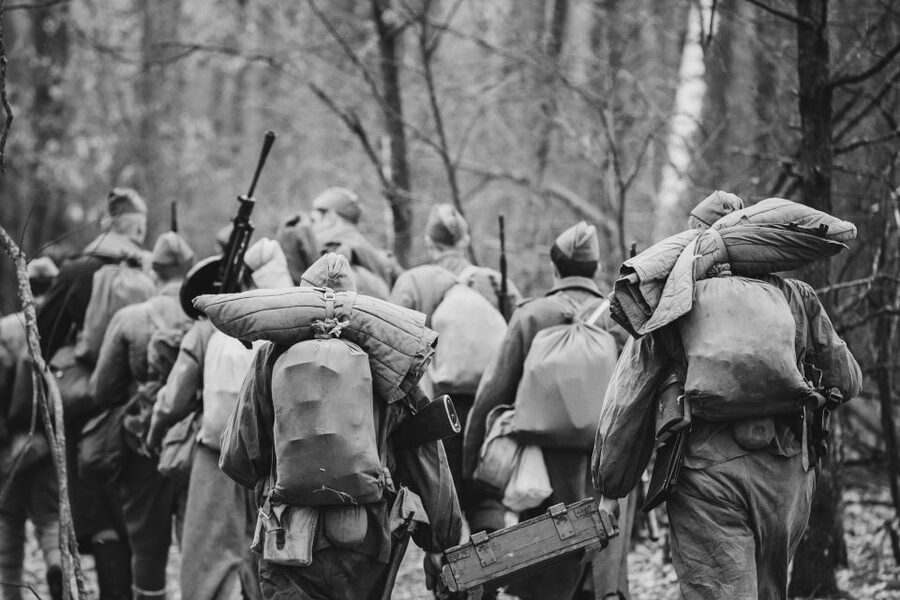
This can be an important history lesson for young people, but age and preparation matter. The material includes hunger, forced labor, torture, disease, and death. You should explain in advance that the visit will be serious and may include upsetting images and accounts.
A private tour helps because the guide can adjust explanations for the group. Antje, for example, has been praised for working well with both adults and young people. Stephen has also been described as making the history clear for a family with three children.
Do not treat the private setting as a way to soften the facts. The point is to present them honestly and respectfully. Talk with your children beforehand about the Holocaust, racism, dictatorship, and the danger of treating people as less than human. The guide can add historical detail, but your family conversation sets the tone.
Practical details worth knowing
Pickup and drop-off are included at your accommodation in Munich. The vehicle is air-conditioned, and the standard arrangement is a sedan for up to four people or a larger van for five or more.
Guiding is available in English, German, French, Italian, and Spanish. The documentary uses those same language options, but you should confirm the film language for your booking.
The experience has free cancellation up to 24 hours before the start time, and you can reserve now and pay later. Check your email the day before, since important pickup information is sent then.
Wear sensible clothing and shoes suitable for walking around a memorial site. The supplied information does not promise a particular weather arrangement or special accessibility service, so contact the provider if your group has mobility or other access needs.
Who should book this Dachau tour?
I would recommend it to anyone staying in Munich who wants a serious, guided account of Dachau without handling transport alone. It is a good match for families, first-time visitors to the memorial, and people who want to ask detailed questions in a private setting.
The tour also suits visitors who prefer history explained through both a walking visit and film. The six-hour option gives you more time to understand the site instead of simply passing through the main buildings.
I would hesitate if your budget is tight or if you prefer independent visits. The price is substantial, and the four-hour format can feel compressed once driving time is included. I would also avoid scheduling it on a day when your group wants light sightseeing and relaxed fun.
Should you book it?
Book this Dachau private tour if you value door-to-door transport, a dedicated guide, and clear historical explanation more than saving money. Choose six hours if you want the documentary and time to absorb the exhibitions. Choose four hours only if your schedule is tight and you accept a brisker visit.
The most important factor is your guide. Names such as Stephen, Stephan, and Antje have been associated with careful, sensitive presentations, but your guide may vary. Based on the strong overall rating of 4.8 from 20 ratings and the repeated praise for transport and guiding, this is a solid choice for a respectful first visit to Dachau.
FAQ
How long does the Dachau tour from Munich last?
You can choose a four-hour option or an extended six-hour option. Both include the trip between Munich and Dachau and a two-hour guided visit at the memorial site.
Is pickup from my Munich accommodation included?
Yes. Private pickup and return to your accommodation in Munich are included.
What type of vehicle is used?
Groups of one to four people use a standard sedan. Groups of five or more use a large van. A larger vehicle can be requested by booking for five people, even if your group is smaller.
Is the Dachau Memorial Site entrance included?
Yes. The tour includes entry and a two-hour guided visit of the Dachau Concentration Camp Memorial Site.
Is the Dachau documentary included?
The screening is included only with the six-hour option. It takes place in the cinema of the former farm building.
What languages are available?
The live guide is available in English, German, French, Italian, and Spanish. The documentary is also available in those five languages.
Can I cancel the tour or pay later?
You can cancel up to 24 hours in advance for a full refund. The reserve now and pay later option lets you book without paying immediately.
Just added around Munich
- Pub crawl incl. Oktoberfest museum guided tour with beer tasting (private)★ 5.0 · 5 reviews
- South Tyrolean specialties and wine tasting★ 5.0 · 5 reviews
- Size Matters Beer Tour Munich★ 4.6 · 105 reviews
- Short & sweet: Tasting the Viktualienmarkt★ 4.8 · 37 reviews
- Secret Food Tours Munich★ 4.8 · 5 reviews
- Munich: Romantic Wine Experience for Two at Viktualienmarkt★ 4.2 · 14 reviews
- Munich: Resistance against Hitler – Historical Walking Tour★ 5.0 · 5 reviews
- Residence of Munich private tour with skip the line ticket★ 5.0 · 4 reviews
Concentration Camp Memorial Tours, compared.
Sachsenhausen Concentration Camp Tour in English
Read our review →
Dachau Concentration Camp Memorial Site Tour from Munich by Train
Read our review →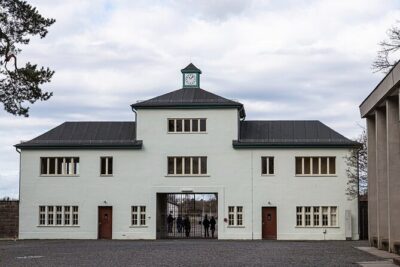
Sachsenhausen Concentration Camp Memorial Tour
Read our review →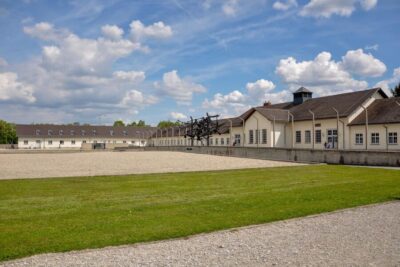
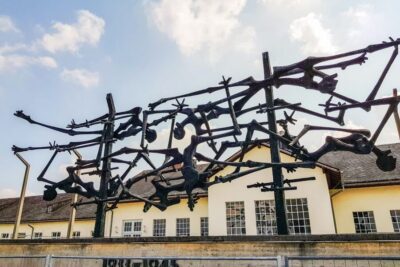
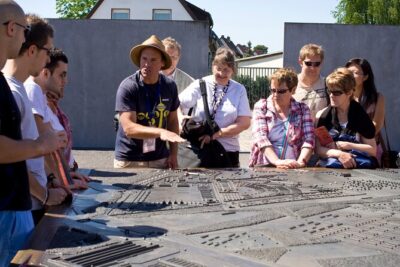
Sachsenhausen Concentration Camp Bus Tour in English from Berlin
Read our review →Sachsenhausen Concentration Camp Tour in English
Read our review →
Sachsenhausen Concentration Camp Memorial Tour (Max. 15 Guests)
Read our review →Browse the lists this tour appears in