
Reviewed · BERLIN TOURS
DJ for a Day: Learn to Mix Like a Pro in Berlin
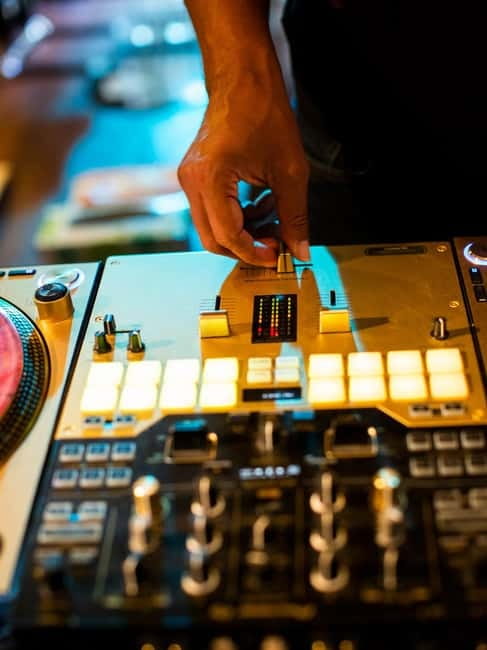
Berlin’s electronic music scene can feel hard to enter from the outside. This small-group DJ workshop gives you a friendly way in: you handle the records, touch the turntables, and learn how beats fit together instead of only watching a professional work.
I like two things right away. You can choose music that fits your taste, from techno and trance to hip hop and hardcore, and you get to compare old-school vinyl with CDJ equipment. The possible drawback is the short 1.5-hour format. You will learn the basics and have time to try them, but not become a polished club DJ in one sitting.
In This Review
- Key points at a glance
- Your first hour at the decks
- Scratching, mixing, and making a mistake safely
- Vinyl in the 1980s and 1990s style
- Pick music that sounds like you
- Berlin’s electronic music story through sound
- Why the small group matters
- Drinks and the practical setup
- Is $67 a fair price?
- Who should book this workshop?
- Booking flexibility and timing
- The final mix: should you book?
- FAQ
- How long does the DJ workshop last?
- Where does the activity take place?
- What equipment can I use?
- Can I choose the music style?
- Is scratching included?
- What languages does the instructor speak?
- How many people are in the group?
- Are drinks included?
Key points at a glance
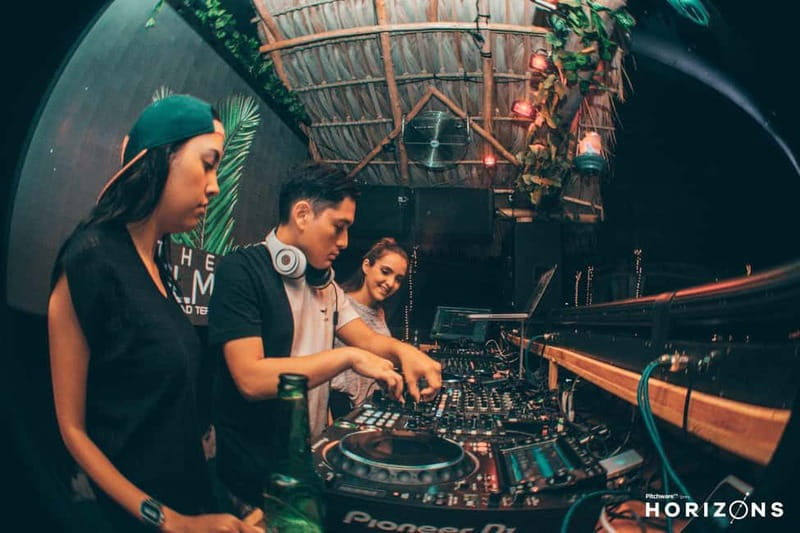
- Hands-on vinyl practice: Learn turntable handling, scratching, and basic mixing with records in the style of 1980s and 1990s DJs.
- Several music styles: Choose from techno, progressive, hard techno, trance, psytrance, hardcore, hardstyle, hip hop, and pop.
- CDJ comparison: Try digital DJ equipment and hear how its technique differs from vinyl.
- Berlin music context: Connect the equipment and music to Berlin’s electronic music story and club culture.
- Very small group: With no more than six participants, you should get a real turn at the controls.
- Simple comforts included: Coffee, water, and soft drinks are provided during the workshop.
Your first hour at the decks
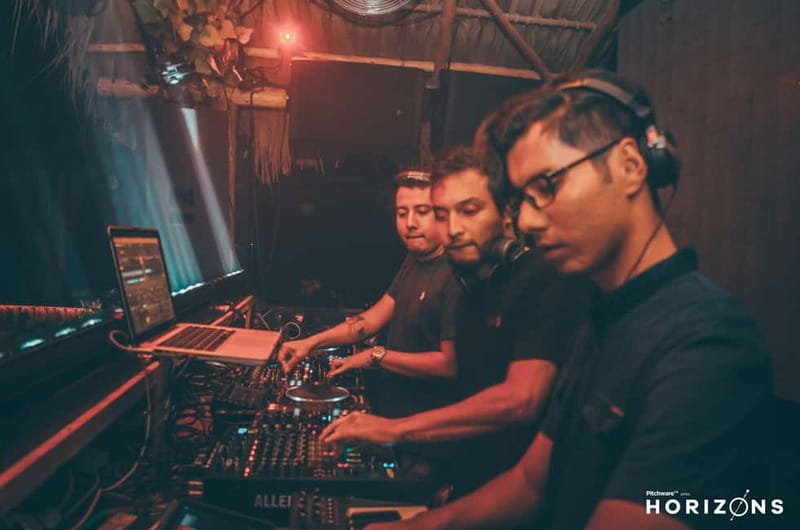
The session is built around participation. You are not sitting in a lecture while someone else handles the controls. You will be introduced to the basic parts of a DJ setup, then given the chance to work with them yourself.
The exact order can vary, but expect to spend time with turntables, vinyl records, a mixing table, and effects. You learn what each part does and how a DJ uses them together. The central lesson is beat control: how songs are structured and how their rhythms can be lined up.
The instructor uses a musical comparison that makes the subject easier to grasp. Songs have structure, much as a piece by Beethoven or Mozart has an arrangement and rhythm. You begin to hear where sections change and how a DJ can move from one track to another without losing the pulse.
That matters because DJing is more than pressing play on two songs. You need to listen for timing, understand the beat, and use the mixer to bring sounds in and out. A 1.5-hour workshop cannot cover every professional technique, but it can show you why a smooth mix takes practice.
Other Berlin days worth putting on the list:
- Berlin: Reichstag, Dome and Government District Guided Tour
★ 4.7 · 18,288 reviews - Berlin: 1-Hour City Tour by Boat with Guaranteed Seating
★ 4.3 · 16,993 reviews - Berlin: Boat Tour Along the River Spree
★ 4.4 · 11,252 reviews
Scratching, mixing, and making a mistake safely
Scratching is one of the most appealing parts of this experience, especially if you have always wondered how DJs manipulate a record by hand. The workshop covers different scratching styles connected with hip hop, techno, and pop.
You can expect to try the physical movement yourself. That is useful even if your main interest is electronic music, since it shows how much control comes from the hand, not only from the equipment. You also get a feel for the difference between moving a record and adjusting a digital track.
The relaxed setting helps here. Beginners often worry about making the wrong move in front of other people. A group limited to six makes it more likely that you can ask questions and try again without turning the session into a public performance.
Still, keep your expectations sensible. The experience introduces scratching rather than promising mastery. If you already mix regularly, you may find the basics familiar. If you are new to DJing, the chance to touch real equipment is the main value.
Vinyl in the 1980s and 1990s style
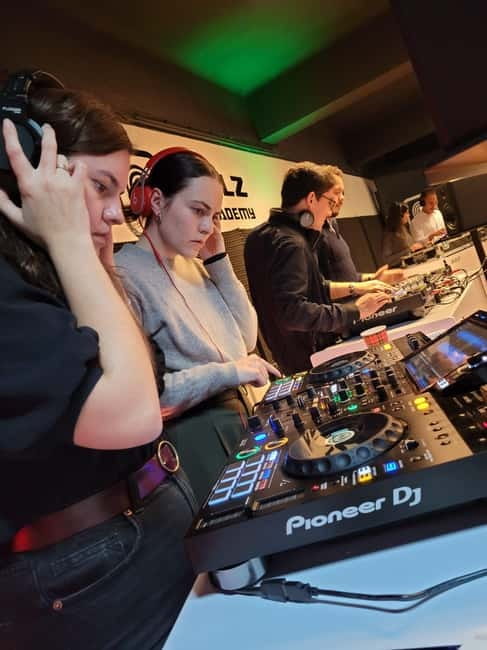
The vinyl element gives this workshop its strongest character. You are not only learning a modern software-based routine. You can handle records, work a turntable, and see the technique associated with DJs from the 1980s and 1990s.
Vinyl asks you to pay attention. You work with the record itself, the turntable, and the mixer, so the process feels physical and direct. The workshop lets you see why vinyl has remained important to many DJs, even as digital systems have become common.
You also get to compare vinyl with a CDJ. That comparison is more useful than a simple equipment demonstration because it shows how the working method changes. The workshop covers the technique of both approaches, giving you a basic sense of what is gained and lost when moving between records and digital players.
The CDJ option is especially helpful if your interest is current club equipment. You can try a digital setup, and you may also be able to sing one song. The supplied details do not explain how that singing element is arranged, so treat it as an available option rather than the main part of the workshop.
Pick music that sounds like you
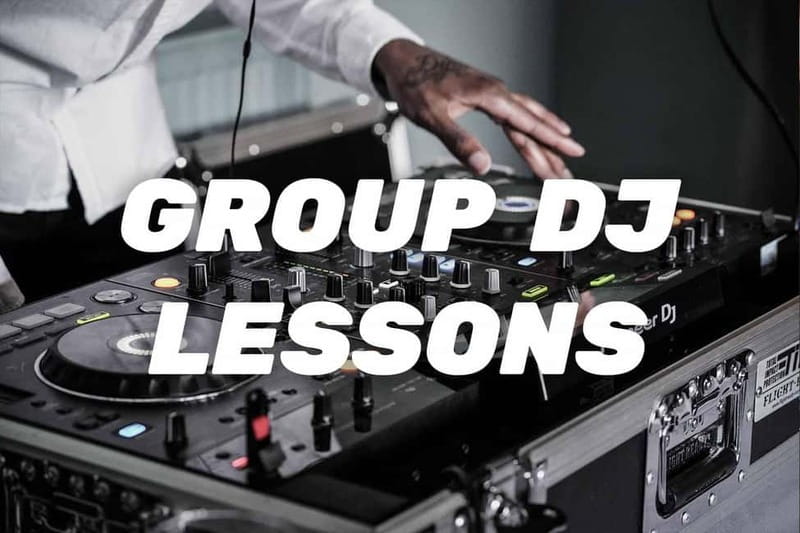
You are not locked into one narrow sound. The workshop offers a broad selection of music, including techno, trance, progressive, hard techno, psytrance, hardcore, hardstyle, hip hop, pop, and house music.
That range changes the feel of the session. Someone drawn to Berlin’s harder club sounds can work with techno or hardcore, while someone more interested in melodic electronic music can choose trance or progressive tracks. Hip hop and pop also give you a chance to see how different beat patterns affect scratching and mixing.
If you already have a favorite style, choose it early and tell the instructor. The session is short, so a clear preference helps you spend more time with the music you actually want to play.
If you are undecided, the instructor has a large music selection and can guide you through several styles. This is one of the better ways to understand that DJ technique is not identical across genres. The beat, phrasing, effects, and energy of a track all shape how you mix it.
Same city, a completely different kind of day:
- Discover Berlin Half-Day Walking Tour
★ 5.0 · 9,624 reviews - Berlin: Hop-on Hop-off Bus Tour with Live Commentary
★ 4.3 · 8,579 reviews - Berlin: Government District around the Reichstag Guided Tour
★ 4.7 · 8,447 reviews - Berlin: Reichstag, Plenary Chamber, Cupola & Government Tour
★ 4.6 · 8,422 reviews
Berlin’s electronic music story through sound
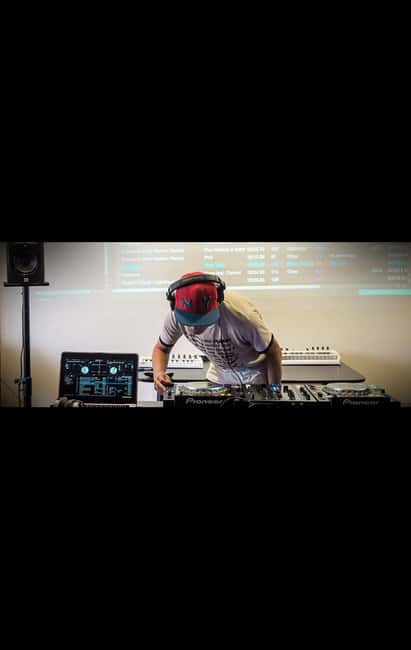
The workshop is not only about equipment. Sasha, the instructor associated with the experience, explains Berlin’s role in electronic music and the way its sounds have changed over time.
You travel through different musical genres connected with Berlin, then look ahead to how electronic music may develop in the future. This gives the practical lesson some context. You are not simply learning what a mixer knob does. You are also hearing how music, technology, and club culture have shifted together.
The discussion includes the right music for different Berlin clubs, including some of the city’s oldest venues. The description does not promise a club visit, so this is a conversation and music lesson rather than a nightlife tour.
That distinction is important. If you want a list of clubs to visit later, this workshop can help you understand the sound associated with each place. If you want guaranteed entry to a famous club or a night out afterward, you need a separate plan.
Why the small group matters
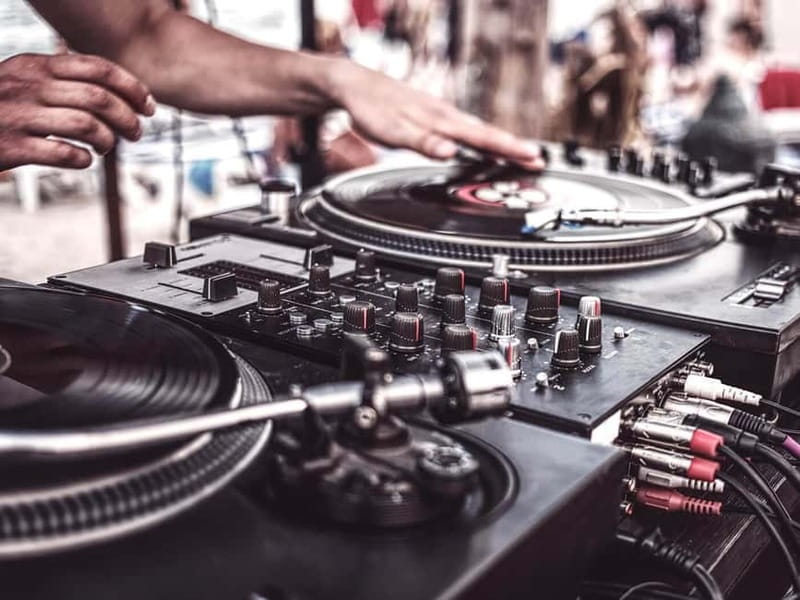
The group is limited to six people. For a technical activity, that is a useful size. You should not have to wait behind a large crowd for your turn with the controls, and the instructor can respond to different levels of experience.
The sessions described by participants emphasize the chance to try the techniques personally. That is the right measure of this experience. You can read about beat matching or scratching anywhere, but the lesson becomes clearer once your own hands are on the equipment.
The group size also makes the workshop suitable for friends or couples who want to share an unusual activity. You can learn together without the scale of a large class. At the same time, you should be ready to share the equipment with the other participants. A six-person maximum does not mean six separate private lessons.
English and German are offered. If you are comfortable in either language, you can ask questions and follow explanations without needing a translator.
Drinks and the practical setup
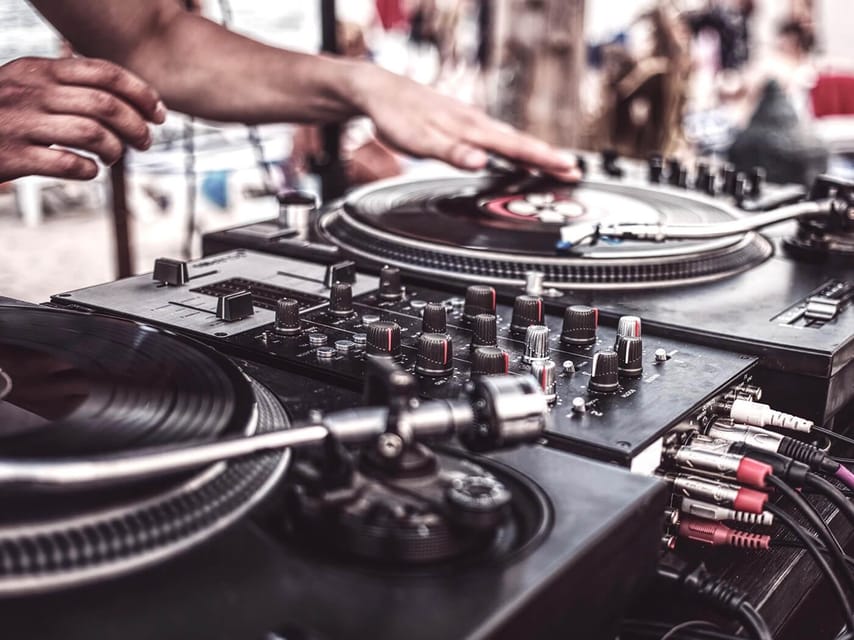
Coffee, water, and soft drinks are included. This is a small detail, but it helps during a session that involves concentration and repeated attempts at the controls.
The meeting point is identified by a cake shop and a jewelry shop between the building. That landmark is useful, though you should check the exact meeting instructions when you book. The activity ends back at the same meeting point, so you do not need to arrange a separate pickup or find your way across Berlin afterward.
The workshop lasts 1.5 hours. Starting times depend on availability, so check the schedule before building the rest of your day around it.
Children under 13 are not permitted. For older children and teenagers, the music interest and ability to follow technical instructions will matter more than simple age. The supplied conditions only identify the under-13 restriction, so confirm any other age questions before booking.
Is $67 a fair price?
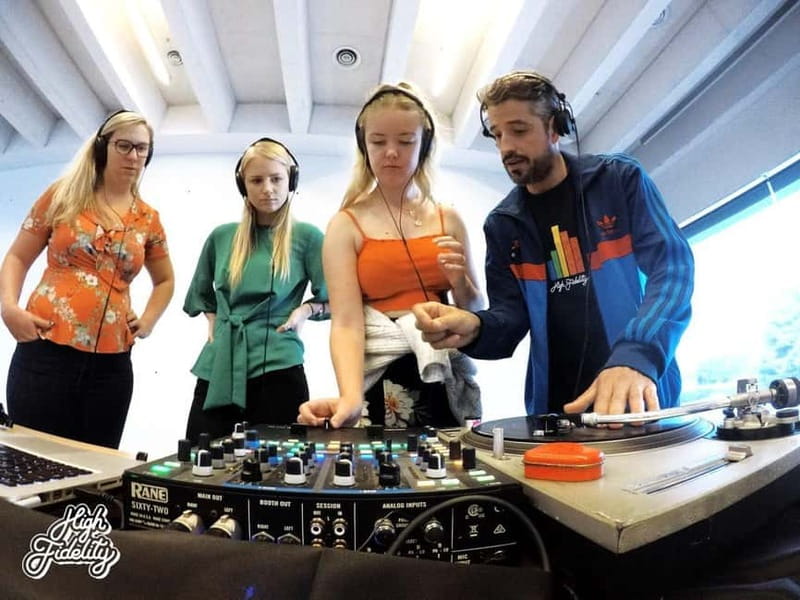
At $67 per person, this is not a cheap way to fill ten spare minutes. It is a focused lesson with access to DJ equipment, music choices, instruction, and a very small group.
I think the price makes sense if you value hands-on time. The main cost is not the drinks or the history talk. It is the chance to use vinyl, turntables, a mixing table, effects, and CDJs under guidance. Renting or accessing that setup on your own would not give you the same simple introduction.
The value is weaker if you only want a quick photo at a DJ booth or already have strong mixing skills. Experienced DJs may prefer a longer technical lesson aimed at a specific weakness. This workshop is designed more clearly for curious beginners and music fans who want to understand what happens behind the decks.
The high rating and especially positive comments focus on learning the basics, trying vinyl scratching, and the instructor’s skill and easygoing manner. That matches the price well for someone who wants a personal introduction rather than a passive talk.
Who should book this workshop?
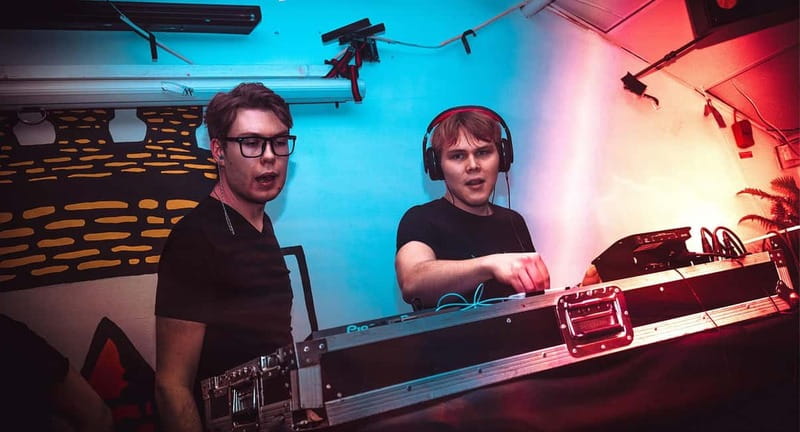
I would point this toward several kinds of people:
- You listen to electronic music and want to understand how tracks are built and mixed.
- You have always wanted to touch vinyl equipment but have never had the chance.
- You are curious about the difference between a CDJ and a turntable.
- You want a Berlin activity tied to local music culture rather than another standard sightseeing stop.
- You enjoy practical workshops where you get to try the skill yourself.
- You are traveling with a small group and want an activity everyone can attempt.
It is less suitable if you need a full professional course, a long practice session, or a guaranteed club night. It is also not designed for children under 13.
You do not need to arrive as a music expert. The format starts with fundamentals, and the instructor can explain the equipment and styles. A little preparation can help, though. Think about the genres you like and be ready to say what you want to hear.
Booking flexibility and timing
You can cancel up to 24 hours before the activity for a full refund. You can also reserve now and pay later, which is helpful when your Berlin schedule is still moving around.
Because the workshop has only six places, check availability before assuming you can fit it into a busy day. The 1.5-hour length is easy to combine with other plans, but allow enough time to find the meeting point near the cake shop and jewelry shop.
The meeting and ending point are the same. That makes the activity simpler to place before dinner, another appointment, or an evening plan, though the exact starting time will depend on the date you choose.
The final mix: should you book?
Book this if you want a friendly, practical introduction to DJing with real vinyl, a chance to compare CDJs, and a short lesson in Berlin’s electronic music culture. The strongest reasons are the small group, broad music choice, and time at the controls rather than just watching a demonstration.
Skip it if you already DJ confidently or want a long advanced course. For most music fans, though, $67 buys a memorable way to understand Berlin’s club sound from the inside, with enough hands-on practice to make the music feel different when you hear it later.
FAQ
How long does the DJ workshop last?
The workshop lasts 1.5 hours.
Where does the activity take place?
It takes place in Berlin, in the state of Berlin, Germany.
What equipment can I use?
You can work with vinyl, turntables, a mixing table, effects, and CDJ equipment.
Can I choose the music style?
Yes. Available styles include techno, trance, progressive, hard techno, psytrance, hardcore, hardstyle, hip hop, pop, and house music.
Is scratching included?
Yes. The workshop covers scratching and different styles connected with hip hop, techno, and pop.
What languages does the instructor speak?
The instructor offers the workshop in English and German.
How many people are in the group?
The group is limited to six participants.
Are drinks included?
Yes. Coffee, water, and soft drinks are included.
Just added around Berlin
- Love and War in Berlin: Self-Guided Story Puzzle Walk★ 5.0 · 7 reviews
- Rickshaw Tours Berlin – Groups of up to 16 people with several rickshaws★ 4.0 · 97 reviews
- Walking on the Wall: 3-Hour Tour in Berlin★ 4.5 · 34 reviews
- eSIM for Germany and 34 European Countries★ 4.5 · 16 reviews
- Warnemuende Shore Excursion: Berlin Private Sightseeing Tour from Rostock★ 5.0 · 4 reviews
- Your ticket to The Wall Museum Berlin★ 3.0 · 60 reviews
- Warnemuende Shore Excursion: Private Berlin Tour★ 4.5 · 27 reviews
- Karl-Marx-Allee Tour: Life and Architecture in East Berlin★ 5.0 · 19 reviews
Berlin Tours, compared.

Reichstag, Dome and Government District Guided Tour
Read our review →
1-Hour City Tour by Boat with Guaranteed Seating
Read our review →


Reichstag, Plenary Chamber, Cupola & Government Tour
Read our review →

