
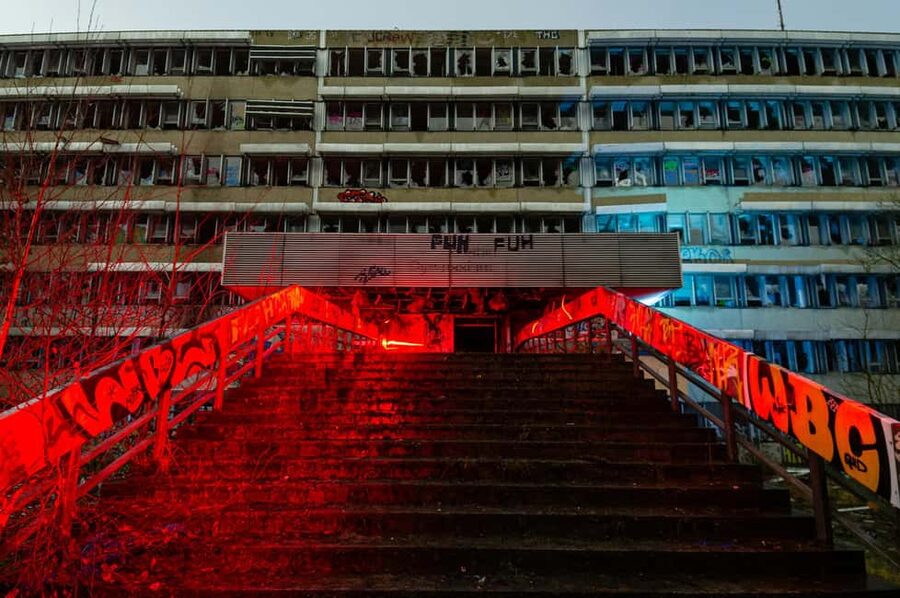
Reviewed · HISTORICAL TOURS
Berlin: Urbex Abandoned Places & History Tour
Berlin’s abandoned Stasi hospitals offer a rare look at the secret machinery of East Germany. You’ll move through empty medical rooms, old tunnels, graffiti-covered corridors, and rooftop spaces while guide Yoorii explains how the site served the regime’s secret police. I like the small six-person group and the chance to use real torches in places that are hard to understand without a guide.
I also like the mix of urban photography and political history. You can look for old documents, original flooring, and striking graffiti rather than simply walk around an empty building. The main caution is the site’s condition: broken glass, damaged rooms, and restricted areas may limit what you can see for the $116 price.
In This Review
- Key points to know before booking
- Why these abandoned hospitals matter
- Starting at S-Bahn Buch
- Moving through the former Stasi hospital
- Tunnels, dungeons, and graffiti in the dark
- Rooftops and wide Berlin views
- Making the most of the photography
- The condition of the site and what it means
- Is $116 a fair price?
- Who should book this experience?
- Practical preparation for the three hours
- Should you book the Berlin Urbex Tour?
- FAQ
- Where does the tour meet?
- How long does the tour last?
- What language is the tour conducted in?
- How large is the group?
- Are torches provided?
- Can I bring a tripod?
- What should I wear?
- Is the tour suitable for children?
- Who cannot take part?
Key points to know before booking
- Explore former Stasi medical facilities: Learn how East Germany’s secret police created a private medical system for its agents and senior officials.
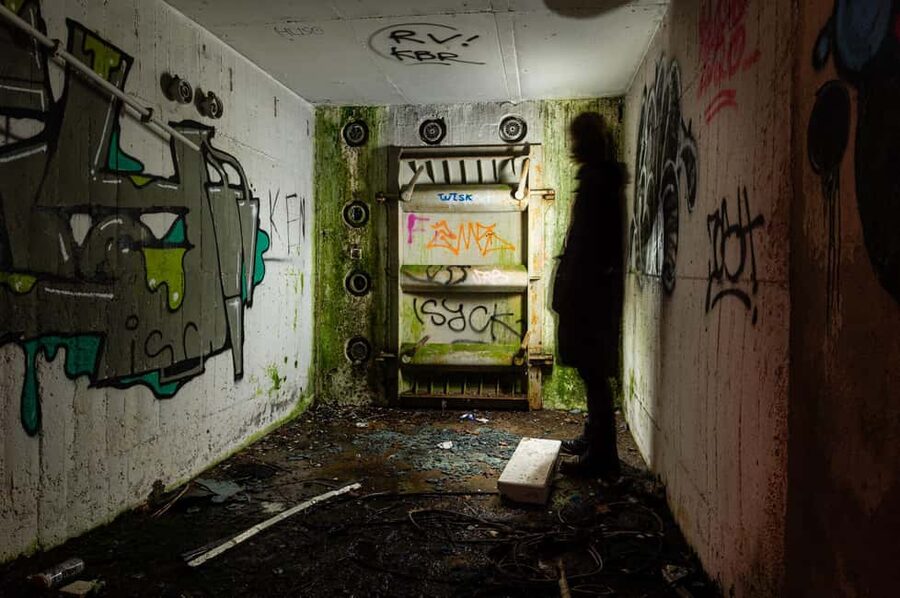
- Use tunnels and torches: Headlamps help you see underground passages, graffiti, and dark corners that are easy to miss.
- Keep the group small: A maximum of six people makes it easier to hear Yoorii and avoid wasting time in similar-looking rooms.
- Bring practical clothing: Wear comfortable clothes that can get dirty, cover your head, and leave the large backpack at home.
- Make room for photography: A tripod is useful if you want sharper images in the dark interiors.
- Expect a physically demanding site: The tour is not suitable for children under 10, pregnant women, wheelchair users, people over 130 kilograms, people with high blood pressure, or people over 70.
Why these abandoned hospitals matter
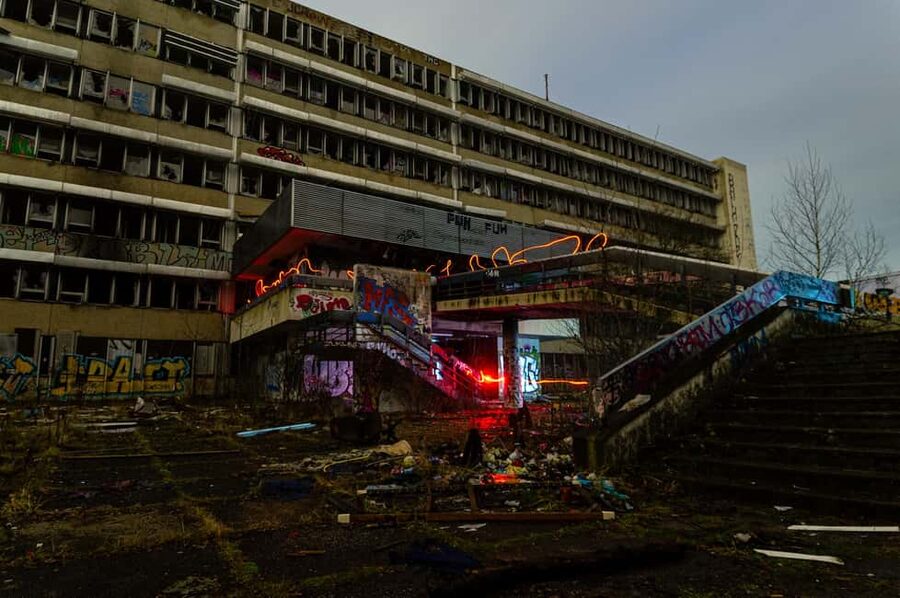
This is not just a walk through an old building. The site was linked to the Stasi, East Germany’s secret police force, and its medical role reflects the closed, suspicious nature of that regime.
Stasi hospitals were designed mainly for agents and senior officials. They had modern equipment, trained medical staff, and strict secrecy. The idea was simple but revealing: the people enforcing the state’s rules had their own protected medical system, separate from ordinary public life.
After the Berlin Wall fell in 1989 and East Germany disappeared, the hospitals no longer had a purpose. Their empty rooms now show what happens when a highly controlled institution loses its power almost overnight. You do not need a specialist background in Cold War politics to understand the mood. The peeling walls, abandoned documents, underground spaces, and damaged medical rooms make the story physical.
That context gives the tour more weight than a typical abandoned-building visit. You are not only searching for dramatic photographs. You are seeing a place shaped by secrecy, privilege, fear, and political collapse.
A few more Berlin trips to weigh up
- Berlin: Natural History Museum Entrance Ticket
★ 4.6 · 3,382 reviews - Berlin: World Heritage Cruise to Potsdam
★ 4.5 · 1,435 reviews - Berlin Historical Highlights Walking Tour
★ 4.9 · 657 reviews
Starting at S-Bahn Buch
The meeting point is outside the S-Bahn Buch station, at the exit on the side facing the Netto supermarket. After coming downstairs, turn left toward that exit.
This is useful to know because Buch is away from central Berlin, so you should allow time to reach the meeting point. The activity lasts three hours, but the listed duration does not include your journey to Buch or your return to the city center.
The meeting point itself is specific, but the instructions depend on spotting the correct station exit. Check the direction toward Netto before you leave the station, and arrive in clothes that are ready for an active outing. This is not the place for polished city clothing, high heels, or anything you would worry about getting dusty.
The tour runs in English and has a maximum of six participants. That size matters at an abandoned site. A large group would make it harder to hear explanations, take photographs, or move safely through narrow and damaged areas. With six people, the guide can keep the pace under control and spend more time pointing out details.
Moving through the former Stasi hospital
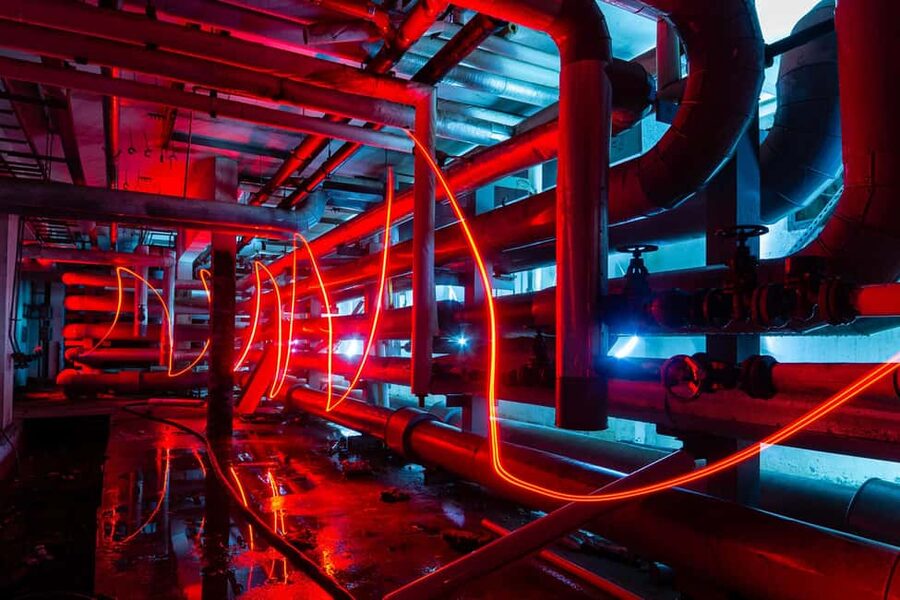
The first part of the experience introduces the abandoned hospital complex and its role under East Germany. You can expect Yoorii to connect the physical rooms with the political story rather than treat the site as a collection of empty shells.
Some spaces may retain traces of their former use. Old documents and original flooring have been seen on the property, and these small details are often more useful than a bare room. A scrap of paperwork or a surviving floor can help you picture the building as a working institution rather than a ruin made only for photographs.
The site is large, and that creates both an advantage and a problem. There is plenty to look at, but rooms can begin to resemble one another. A guide helps you reach the more interesting areas without spending the entire visit wandering through empty corridors.
You should also keep expectations realistic. Parts of the property have been damaged or demolished, and some areas may have been affected by fires or vandalism. The condition can change over time. The tour does not promise a perfectly preserved hospital, and the experience depends partly on which rooms remain accessible on the day.
That uncertainty is part of urban exploration, but it also affects value. At $116 per person, you are paying for a guide, a small group, local interpretation, and access to an unusual site. You are not paying for a restored museum with complete displays.
Tunnels, dungeons, and graffiti in the dark
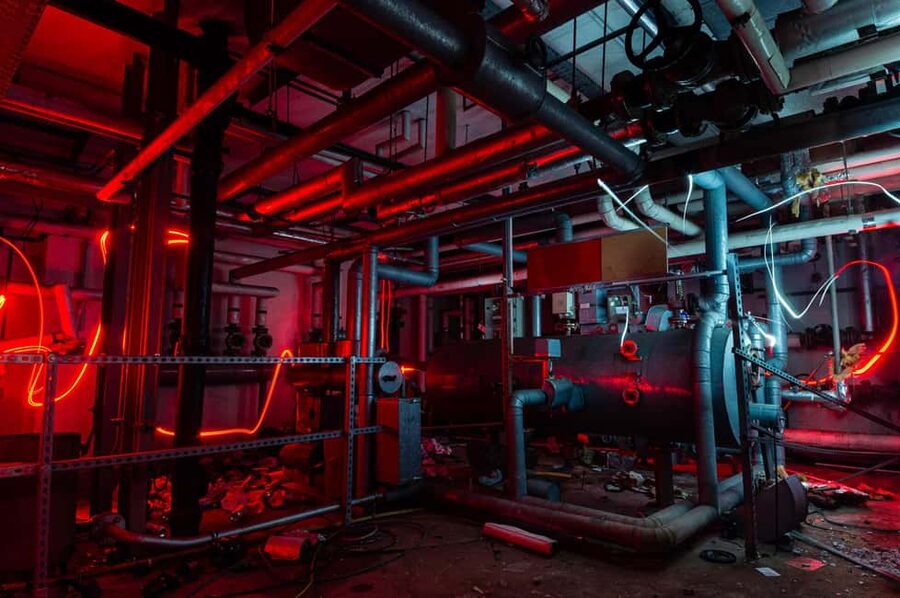
The underground sections are likely to be the most memorable part for many people. With rented torches included, you can make your way into dark tunnels and lower spaces where ordinary daylight does not reveal much.
The combination of concrete, darkness, and graffiti gives these areas a different mood from the hospital rooms above. Some of the graffiti is described as especially striking, and finding artwork underground can turn a simple passage into a good photography subject.
The torches are practical, not just a themed extra. They help you see where you are stepping and let the group inspect corners that would otherwise remain black. Still, a torch does not remove every hazard. Broken glass has been reported around the property, so you need to watch the ground and follow the guide’s directions.
The tour is presented as a safe and legal way to learn about urbex. That is important. Exploring abandoned buildings alone can involve trespassing, unstable floors, sharp debris, and poor visibility. Here, you get the atmosphere and some of the basic habits of urban exploration without being asked to find your own way into an unknown site.
You may hear the language of dungeons or a post-apocalyptic world used to describe the mood. That gives you a sense of the theatrical side of the experience, but the real appeal is more grounded. The darkness, decay, and history work best when they are paired with facts about the building.
Same city, a completely different kind of day:
- Berlin: Reichstag, Dome and Government District Guided Tour
★ 4.7 · 18,288 reviews - Berlin: 1-Hour City Tour by Boat with Guaranteed Seating
★ 4.3 · 16,993 reviews - Berlin: Boat Tour Along the River Spree
★ 4.4 · 11,252 reviews - Discover Berlin Half-Day Walking Tour
★ 5.0 · 9,624 reviews
Rooftops and wide Berlin views
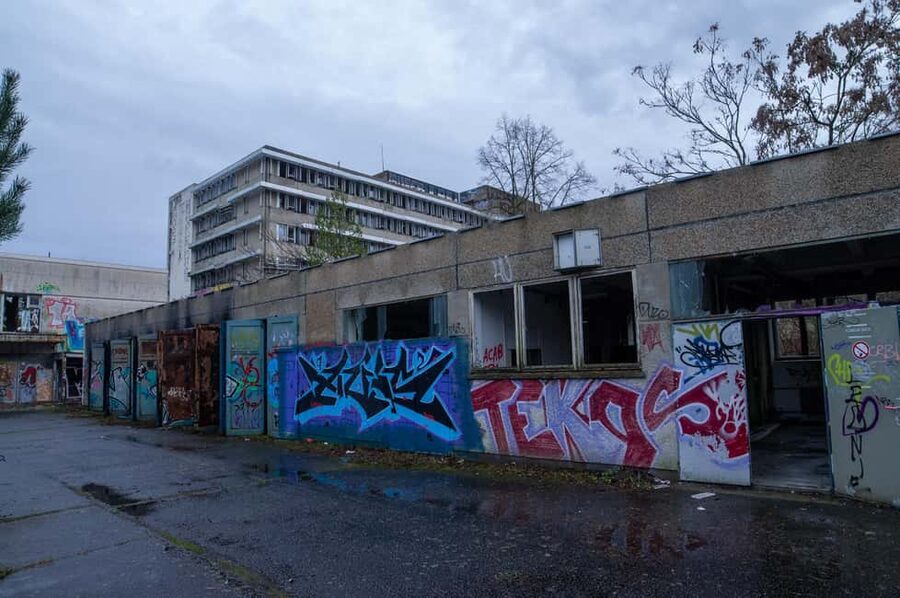
The tour also includes rooftop access or rooftop views, adding height to the underground and interior sections. After spending time in dark passages and enclosed rooms, looking across Berlin gives the visit a useful change of pace.
The views are one reason to bring a camera, but rooftop areas also require care. The information provided does not promise a specific height, viewpoint, or weather condition, so treat this as part of the planned exploration rather than a guaranteed panoramic lookout.
A cap or other head covering is recommended for the tour. That may sound minor, but abandoned buildings often have low ceilings, dust, and rough surfaces. A covered head is a sensible precaution as you move through rooms and tunnels.
Making the most of the photography
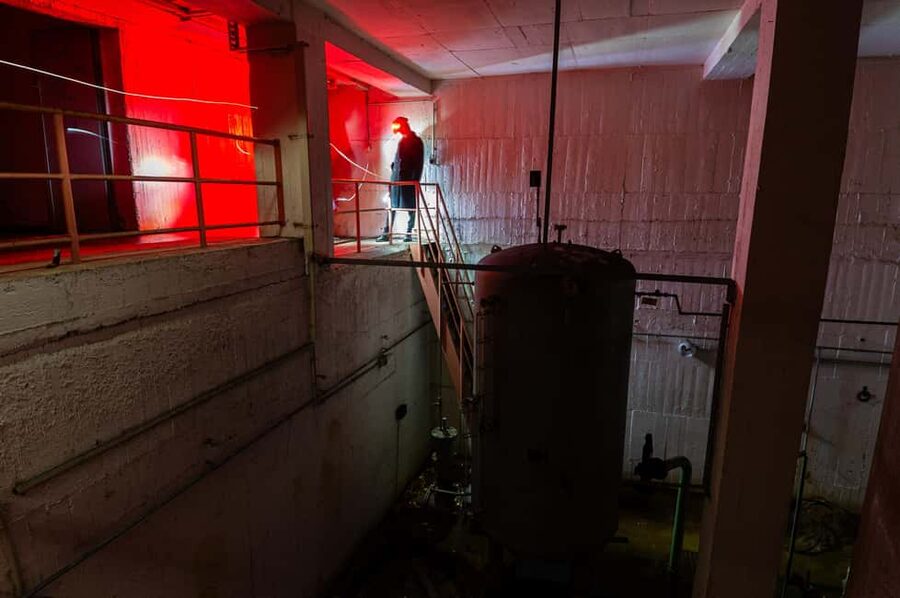
This is a good outing for people who enjoy photographs with texture and atmosphere. You will have old flooring, graffiti, dark tunnels, empty hospital rooms, damaged surfaces, and rooftop views to work with.
Take a tripod if photography is a priority. The underground areas can be dark, and a tripod gives you a better chance of making clear images without relying only on a phone flash. It also encourages you to slow down and frame details rather than snap a quick picture of every room.
A small camera bag is more practical than a large pack. Large backpacks are discouraged, and tight corridors or damaged interiors are not suited to bulky gear. Pack only what you can carry comfortably for three hours.
The small group helps photographers. You have a better chance to pause briefly for a shot without holding up a crowd, although you still need to keep moving with the guide. Ask before setting up in a narrow passage, especially where other participants need to pass.
The best subjects may not be the grandest rooms. Look for a surviving document, a patch of original flooring, a doorway with layers of paint, or graffiti lit by a torch beam. These details show both the former purpose of the site and the changes that came later.
The condition of the site and what it means
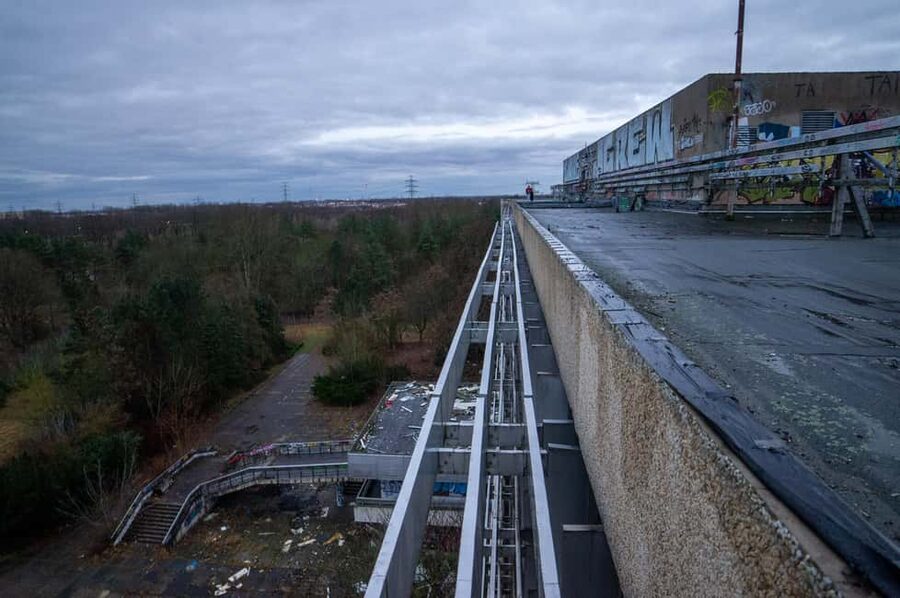
The strongest practical warning is that the hospital is not fully preserved. Some buildings have been damaged by young people, some areas have burned, and the bunker is not currently accessible.
That does not erase the value of the visit, but it changes the kind of experience you are buying. If you want a polished presentation of Stasi history, a formal museum may suit you better. If you want to see a raw, changing place where the history is mixed with decay and vandalism, this tour makes more sense.
The condition also means the exact balance of highlights can shift. One day may offer a particularly good tunnel route or a photogenic room. Another may have more restricted areas. A good guide can make the most of what remains, but cannot restore demolished sections or reopen a closed bunker.
I would treat the tour as an exploration led by a specialist, not as a fixed museum route. That distinction helps you judge the price fairly.
Is $116 a fair price?
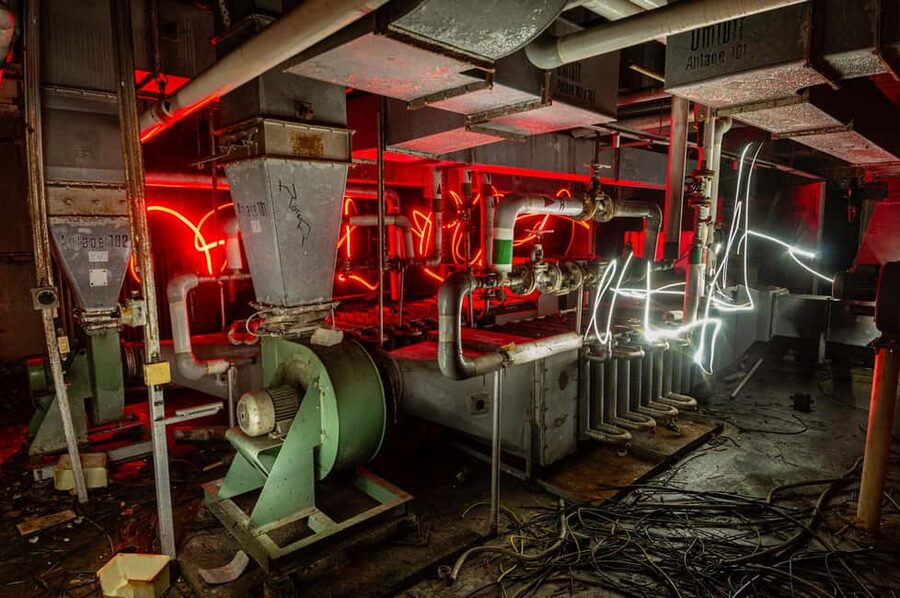
At $116 for three hours, this is a costly Berlin activity. The price is easier to justify if you value several things at once: access to a difficult site, an English-speaking guide, a group capped at six, historical explanation, photography help, and included torch rental.
The guide adds real value because the property is large and repetitive. Without someone who knows the area, you could spend a lot of time in rooms that look alike and miss the more interesting sections. The guide also gives the abandoned hospital a story, which prevents the visit from becoming a simple search for spooky walls.
Still, the price deserves careful thought. Parts of the site are damaged, broken glass can be a problem, and the bunker is not accessible. If the main reason you are booking is a long list of preserved Stasi artifacts, you may find the cost hard to defend.
The reserve-now-and-pay-later option keeps the booking flexible, and free cancellation is available up to 24 hours before the start for a full refund. That helps if your Berlin plans are still shifting, but it does not change the basic question of value: you need to want a guided urbex experience, not just a history talk.
Who should book this experience?
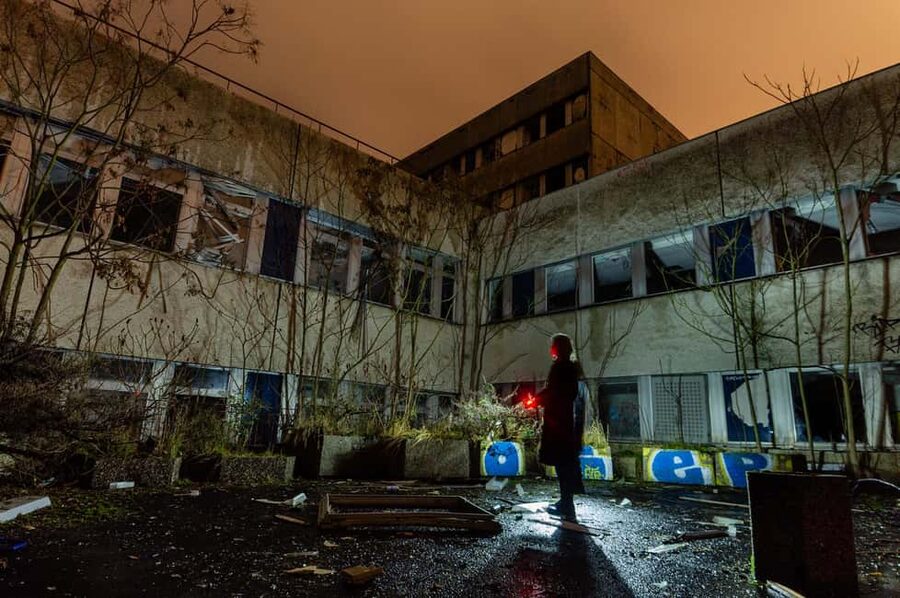
I would recommend it most strongly to adults and older children who enjoy abandoned places, Cold War stories, photography, and unusual city experiences. You should be comfortable walking through rough surroundings, watching your footing, and wearing clothes that may get dirty.
It suits people who like a guide with energy and humor. Yoorii is described as enthusiastic, serious about the site, and attentive to the group. That combination matters in a place that can feel gloomy or confusing. A guide who keeps the history moving can make three hours pass quickly.
It may also suit you if you have already seen Berlin’s major memorials and museums and want a different angle on the city. The Stasi connection gives the tour a clear historical purpose, while the graffiti and rooftops keep it from feeling like a conventional lecture.
I would think twice if you dislike unstable or damaged buildings, enclosed tunnels, dirt, or uneven ground. The activity is not suitable for wheelchair users, pregnant women, people with high blood pressure, people over 70, or anyone over 130 kilograms. Children under 10 cannot take part.
Practical preparation for the three hours
Wear comfortable clothes you are not afraid to dirty. Sturdy, closed footwear is a sensible choice, even though the instructions only specifically require comfortable clothing. Avoid high heels, formal clothes, and anything that restricts movement.
Bring a small bag rather than a massive backpack. Torches are supplied, so you do not need to carry your own lighting unless you prefer to bring a personal headlamp.
A cap or other head covering is recommended. If you plan to take serious photographs, bring a tripod, but keep the rest of your equipment light.
Alcohol and drugs are not allowed. Baby strollers, baby carriages, and bikes are also not permitted. The activity is conducted in English, so you should be comfortable following spoken explanations and safety instructions in that language.
The rating is 4.8 from 18 recorded ratings, with especially strong praise for Yoorii’s enthusiasm, humor, historical explanations, and care for the group. One less favorable assessment focused on the site’s damage and the price, which is exactly the point to keep in mind before booking.
Should you book the Berlin Urbex Tour?
Book it if you want a small, unusual, guide-led look at Berlin’s Stasi past, and if the thought of tunnels, graffiti, rooftops, and decaying hospital rooms sounds more appealing than a tidy museum. Yoorii’s role, the small group, and the site’s size help turn a potentially confusing ruin into a focused three-hour visit.
Skip it if you expect a preserved bunker, intact hospital interiors, or a complete display of historical objects. The property has been damaged, access can be limited, and $116 is a serious price for a site that is changing and partly deteriorated.
For the right person, the rough edges are part of the point. Just arrive prepared for dirt, darkness, broken glass, and a real abandoned place rather than a staged attraction.
FAQ
Where does the tour meet?
The meeting point is at the exit of S-Bahn Buch on the side facing the Netto supermarket. After going downstairs, turn left toward that exit.
How long does the tour last?
The tour lasts three hours.
What language is the tour conducted in?
The live tour is conducted in English.
How large is the group?
The group is limited to six participants.
Are torches provided?
Yes. Torch rental is included in the activity.
Can I bring a tripod?
Yes. A tripod is recommended if you are interested in taking photographs, especially in the dark interior areas.
What should I wear?
Wear comfortable clothes that you do not mind getting a little dirty. A cap or other head covering is also recommended. High heels and formal clothing are not suitable.
Is the tour suitable for children?
No. Children under 10 are not permitted to join the tour.
Who cannot take part?
The activity is not suitable for pregnant women, wheelchair users, people with high blood pressure, people over 70, or people over 130 kilograms. Baby strollers, bikes, alcohol, and drugs are not allowed.
Just added around Berlin
- Love and War in Berlin: Self-Guided Story Puzzle Walk★ 5.0 · 7 reviews
- Rickshaw Tours Berlin – Groups of up to 16 people with several rickshaws★ 4.0 · 97 reviews
- Walking on the Wall: 3-Hour Tour in Berlin★ 4.5 · 34 reviews
- eSIM for Germany and 34 European Countries★ 4.5 · 16 reviews
- Warnemuende Shore Excursion: Berlin Private Sightseeing Tour from Rostock★ 5.0 · 4 reviews
- Your ticket to The Wall Museum Berlin★ 3.0 · 60 reviews
- Warnemuende Shore Excursion: Private Berlin Tour★ 4.5 · 27 reviews
- Karl-Marx-Allee Tour: Life and Architecture in East Berlin★ 5.0 · 19 reviews
Historical Tours, compared.

City History Canal Sightseeing Tour on a Motorboat
Read our review →






Browse the lists this tour appears in